
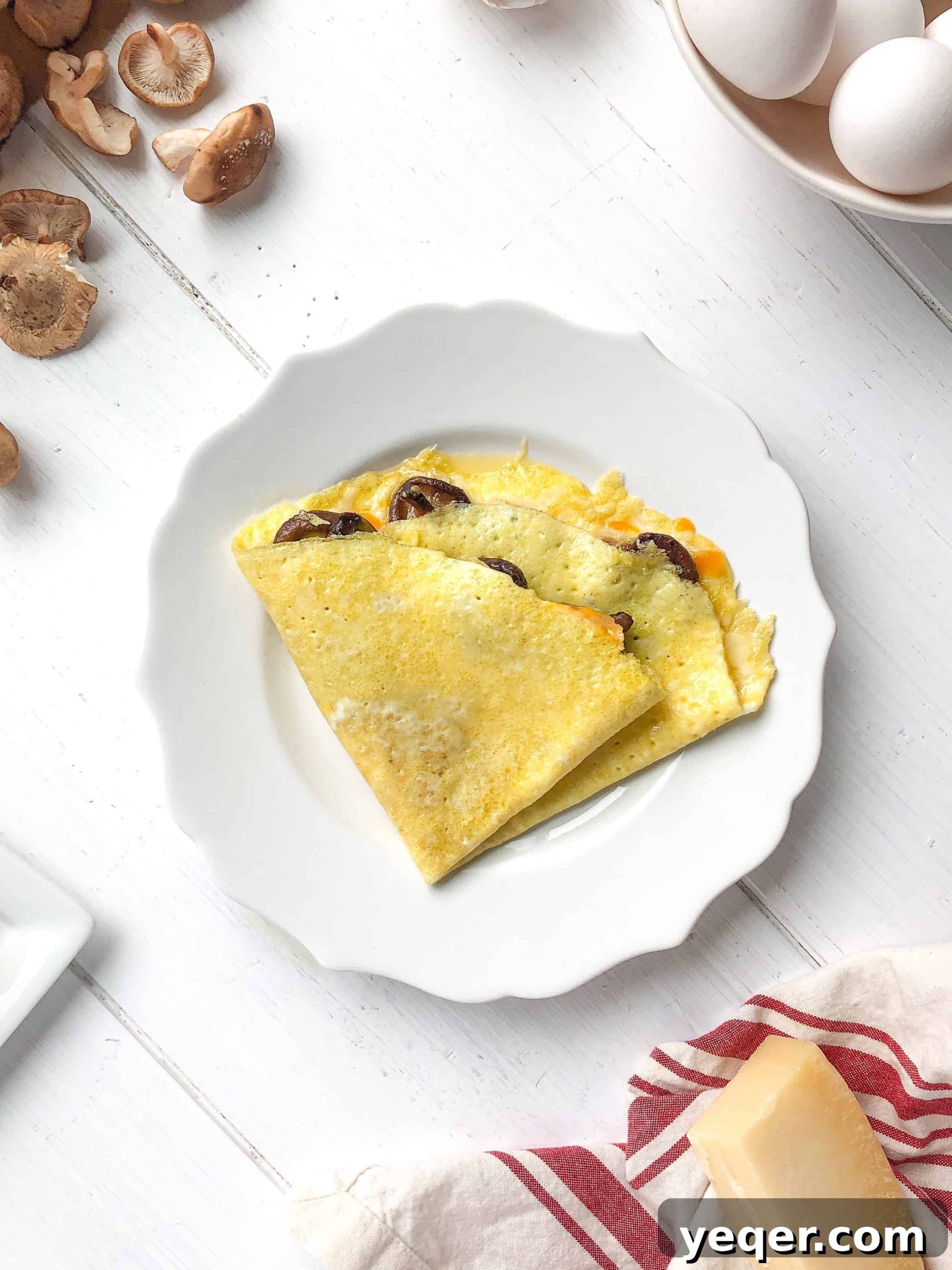
Welcome to the ultimate guide to mastering the art of omelette making! Whether you’re a breakfast enthusiast, a busy professional seeking a quick meal, or a home cook eager to impress, this comprehensive, step-by-step recipe will help you create a perfect omelette every single time. Forget complicated techniques; we’re going to show you how to craft a fluffy, flavorful omelette that can be effortlessly customized with your favorite ingredients. Get ready to transform simple eggs into a culinary masterpiece that’s both satisfying and endlessly versatile.
This post may contain affiliate links. If you purchase items through these links, I may receive a small commission at no additional cost to you. Learn more about my disclosure policy here.
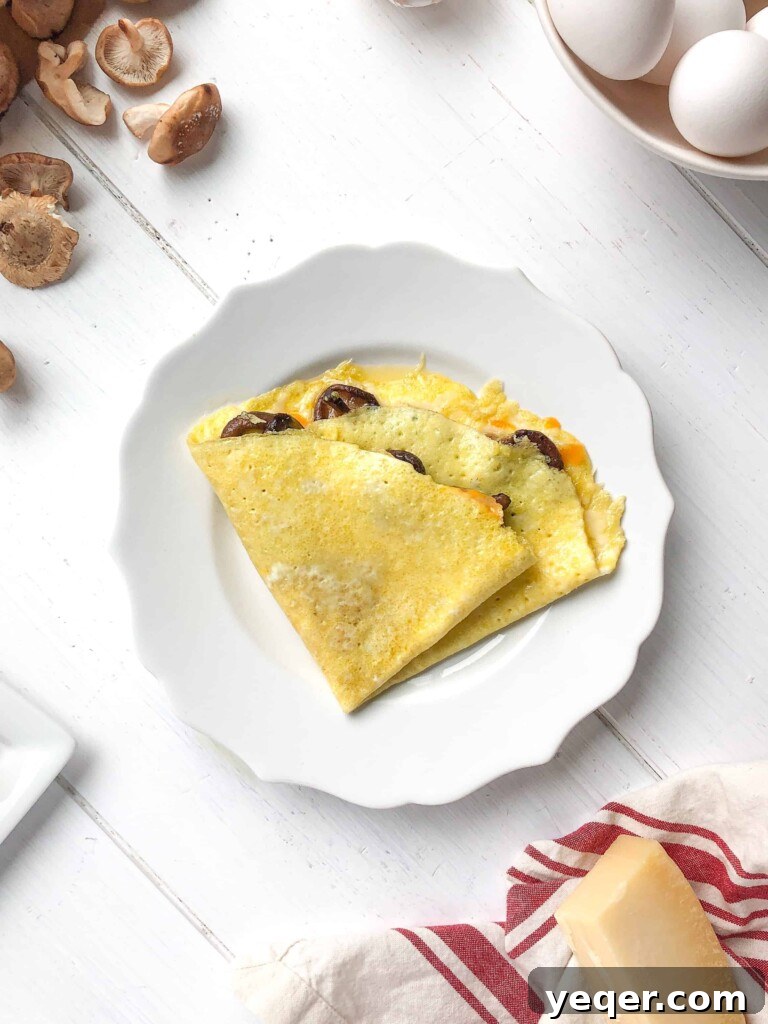
The Perfect Omelette, Every Time: A Culinary Essential
An omelette is more than just a breakfast item; it’s a culinary canvas. Originating from France, this delicate dish has transcended cultural boundaries to become a beloved staple worldwide. Its appeal lies in its simplicity, speed, and incredible adaptability. Whether you’re craving a light morning meal, a protein-packed lunch, or a quick dinner, a well-made omelette fits the bill perfectly. This guide will demystify the process, ensuring you achieve that ideal balance of fluffy texture and rich flavor consistently.
One of the greatest advantages of an omelette is its versatility. It’s remarkably easy to customize, making it an excellent choice for entertaining guests or simply using up ingredients you already have in your refrigerator. Imagine the delight of offering your weekend guests a selection of fresh fillings to personalize their omelettes – a truly sophisticated yet simple gesture. The beauty of this recipe is that once you master the basic technique, you unlock a world of flavor combinations.
From a health perspective, omelettes are a fantastic option. Eggs are a powerhouse of nutrition, packed with high-quality protein, essential vitamins, and minerals. They provide sustained energy, help with muscle repair, and contribute to overall well-being. When paired with fresh vegetables and lean proteins, an omelette becomes a wholesome meal that supports a balanced diet. Plus, with a total preparation and cook time of often under 10 minutes, it’s the ultimate fast food that doesn’t compromise on health or taste.
The journey to a perfect omelette begins with understanding a few fundamental principles. It’s not about rushing, but about controlled heat and precise timing. Once you’ve prepared your fillings and gathered your basic ingredients, it’s a straightforward process: beat the eggs, pour them into a hot pan, and watch the magic unfold.
Nailing the Technique: Secrets to a Fluffy Omelette
Achieving a restaurant-quality omelette boils down to a few key techniques and the right equipment. Before you even crack an egg, ensure you have a high-quality non-stick pan. This is arguably the most crucial tool, as it prevents sticking and allows the omelette to slide out effortlessly. A pan between 8-10 inches in diameter is ideal for a single-serving omelette. Coupled with this, a flexible silicone or rubber spatula is essential for gently manipulating and folding the eggs without tearing them. (I’ve personally had great success with Cuisinart models, like the ones linked).
Dispelling the Myth: Omelettes Aren’t Complicated
There’s a common misconception that because omelettes are a French classic, they must be inherently complex or difficult to master. This couldn’t be further from the truth! While French culinary traditions can indeed be intricate, the basic omelette is a testament to elegant simplicity. The goal is to cook the eggs until they are just set but still moist and tender, never browned or crispy. This requires a gentle hand and attentive cooking, but certainly not advanced chef skills.
The Simple Half-Fold Technique
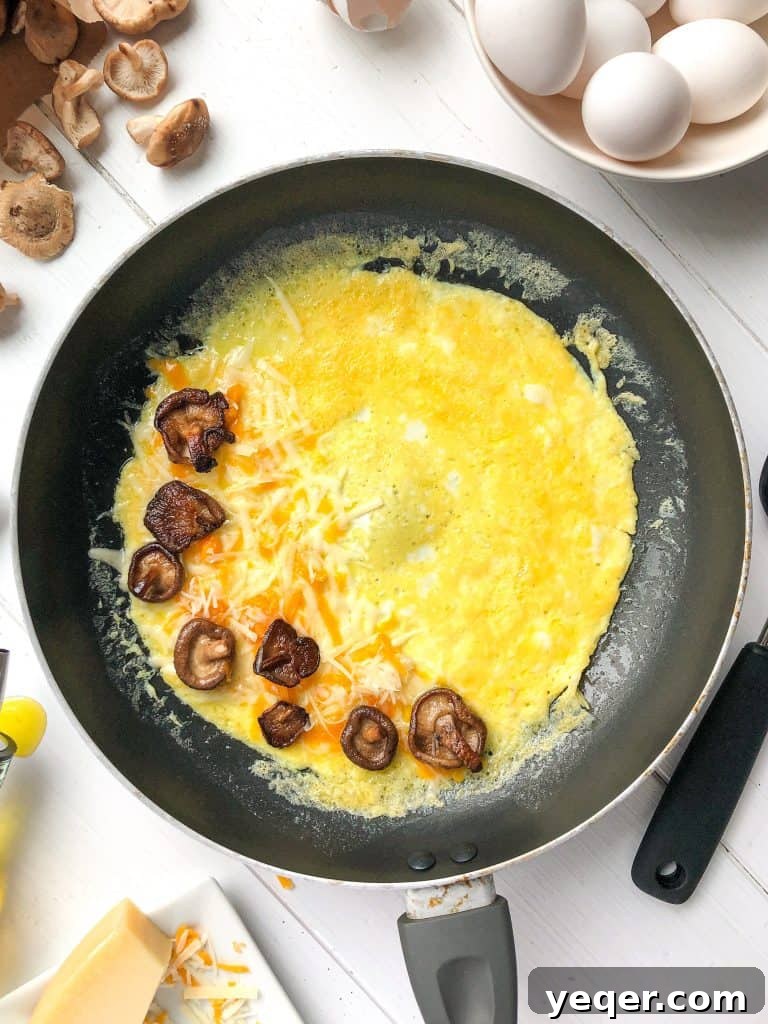
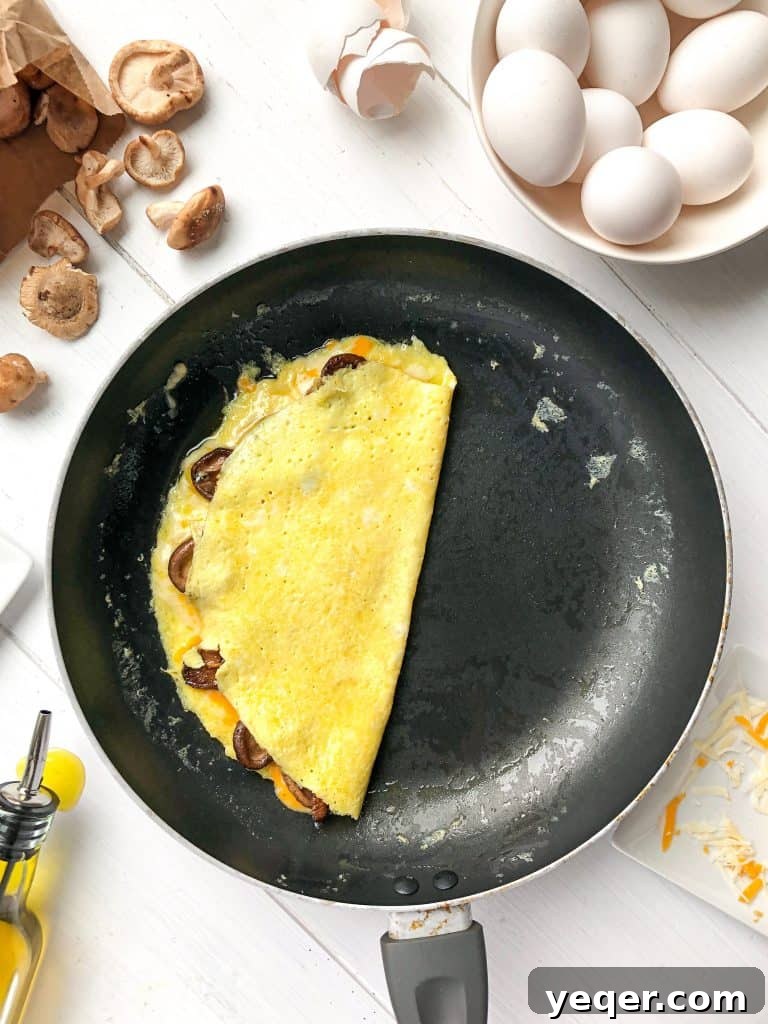
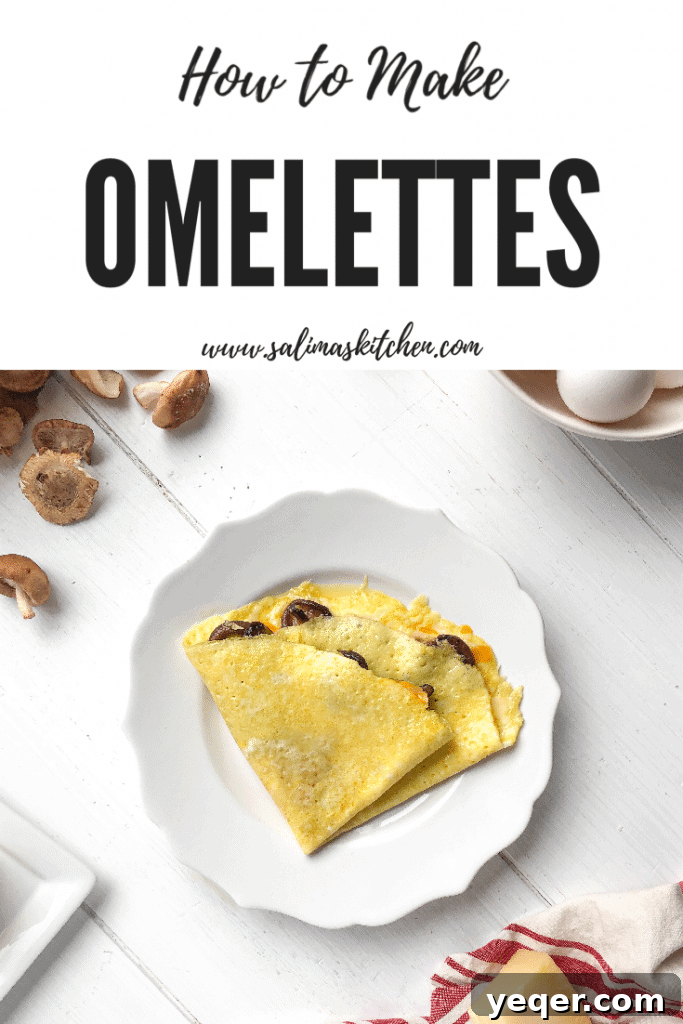
For this recipe, we’re focusing on the easiest yet most elegant folding technique: the half-fold. This method ensures your omelette is beautifully presented and holds its fillings securely. As the eggs cook and begin to solidify around the edges while still slightly runny in the center, you’ll strategically place your chosen fillings over one half of the omelette. Then, using your spatula, gently fold the empty half of the cooked egg over the filling-laden half. It’s a single, decisive movement that creates a perfect crescent shape. You can leave it as a half-moon, or for a more compact presentation, fold it once more into a quarter. The key is to work quickly while the eggs are still warm and pliable. This technique minimizes the risk of tearing and maximizes the chances of a beautifully finished product.
Tips for a Fluffy Omelette
- Beat Vigorously: Don’t just whisk the eggs; beat them vigorously until they are frothy and light. This incorporates air, which is key to a fluffy texture. A fork works perfectly well, or a whisk for a slightly airier result.
- Don’t Overcrowd the Pan: For best results, stick to 2-3 eggs per omelette. Overfilling the pan makes it harder to cook evenly and fold.
- Medium-Low Heat is Key: High heat will brown and toughen your omelette. Medium-low heat allows the eggs to cook slowly and evenly, resulting in a tender, moist interior.
- Swipe and Tilt: As the eggs cook, use your spatula to gently push the cooked edges towards the center, tilting the pan to allow the uncooked egg to flow underneath. This helps the omelette cook uniformly.
- Know When to Stop: An omelette is done when the edges are set, and the center is mostly set but still looks moist and slightly glossy. It will continue to cook slightly from residual heat once removed from the pan.
How to Make Omelettes Customizable: Endless Flavor Adventures
The true magic of the omelette lies in its incredible adaptability when it comes to fillings. Once you’ve mastered the basic egg technique, your creativity can truly shine. Think of the omelette as a blank canvas, eagerly awaiting your favorite flavors. Whether you’re in the mood for something savory, cheesy, spicy, or herbaceous, there’s an omelette filling combination waiting to be discovered.
Below, I’m sharing a few of my go-to combinations, but I wholeheartedly encourage you to explore your own preferences and what you have readily available. The best omelettes often come from impromptu culinary experiments!
Classic and Comforting Combinations
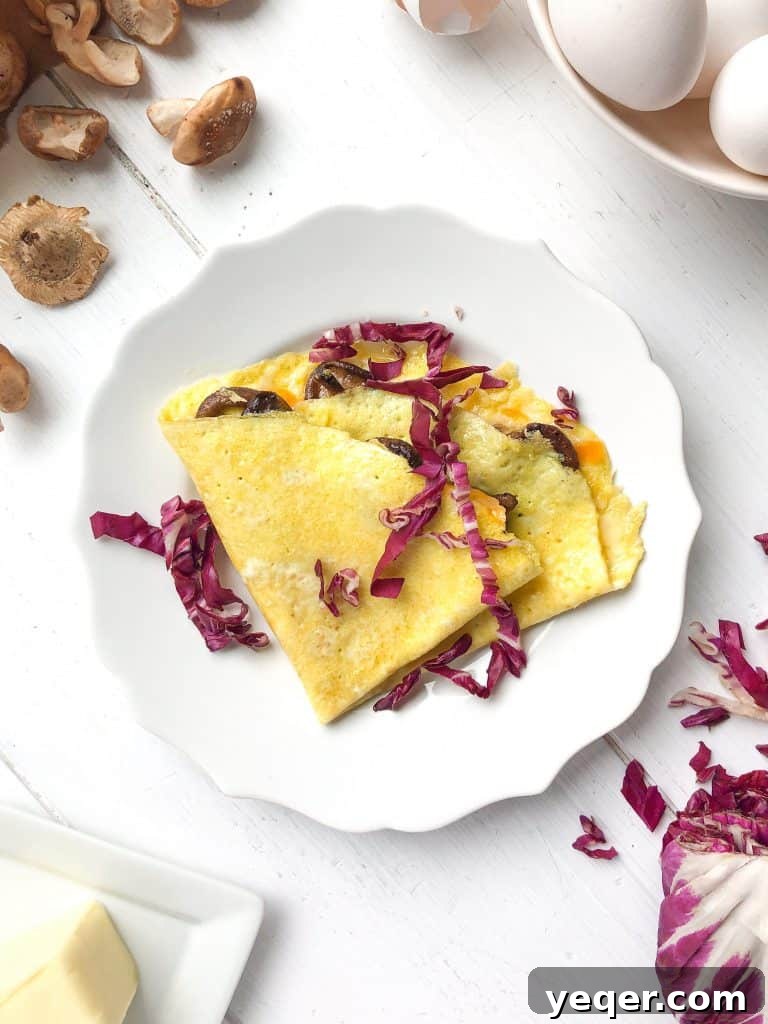
- Mushrooms and Goat Cheese: Earthy mushrooms perfectly complement the tangy, creamy texture of goat cheese. Sauté the mushrooms lightly before adding them to the omelette for the best flavor.
- Ham and Cheddar: A timeless pairing that’s hearty and satisfying. Diced ham and shredded cheddar melt beautifully into the warm eggs.
- Onion, Bell Pepper, and Arugula: A vibrant combination offering a delightful crunch from the bell pepper, a subtle sweetness from the onion (caramelized lightly if desired), and a peppery bite from fresh arugula added at the very end.
- Sun-Dried Tomato, Spinach, and Feta: A Mediterranean-inspired delight. The intense flavor of sun-dried tomatoes, wilted spinach, and salty feta cheese create a burst of savory goodness.
- Broccoli Cheddar: For a hidden veggie boost, finely chopped and lightly steamed broccoli florets mixed with sharp cheddar cheese make a surprisingly delicious and nutritious filling.
Tips for Preparing Your Fillings
- Pre-cook Firm Vegetables: Ingredients like onions, bell peppers, and mushrooms should be sautéed or roasted beforehand to ensure they are tender and flavorful within the short cooking time of the omelette.
- Chop Finely: Small, evenly diced pieces of fillings distribute better and cook more evenly within the omelette.
- Don’t Overfill: While it’s tempting to load up on fillings, too much can make the omelette difficult to fold and cook through properly. A light, even layer is usually best.
- Cheese Placement: Add cheese near the end of the cooking process, just before folding, to ensure it melts perfectly without burning.
- Fresh Herbs are a Game Changer: Sprinkle fresh herbs like chives, parsley, or dill over your finished omelette for a burst of freshness and aroma.
Omelette Recipe Card: Easy Step-by-Step Guide
How to Make the Perfect Omelette
Learn to make a perfectly fluffy and customizable omelette with this easy, foolproof recipe.
- Author: Salima Benkhalti
- Prep Time: 5 minutes
- Cook Time: 5 minutes
- Total Time: 10 minutes
- Yield: 1 omelette
- Category: Breakfast, Eggs
- Method: Fried
- Cuisine: American, French
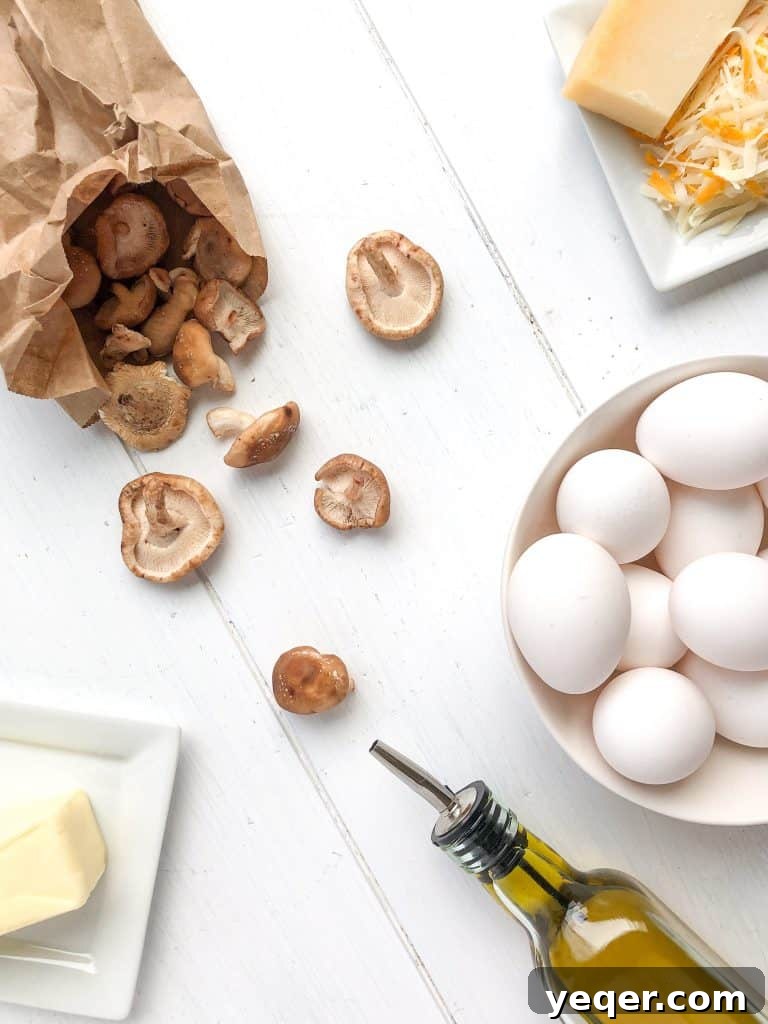
Ingredients
- ½ tbsp olive oil
- ½ tbsp butter
- 3 large eggs
- 1 tsp freshly ground black pepper
- ½ tsp salt (adjust to taste)
Optional Filling Options:
- Sliced mushrooms (sautéed)
- Crumbled goat cheese
- Diced ham
- Shredded cheddar cheese
- Thinly sliced bell pepper
- Diced onions (sautéed)
- Fresh spinach (wilted lightly if using a lot)
- Sun-dried tomatoes (chopped)
- Feta cheese
- Broccoli florets (finely chopped and steamed)
- Fresh herbs (chives, parsley, dill)
Instructions
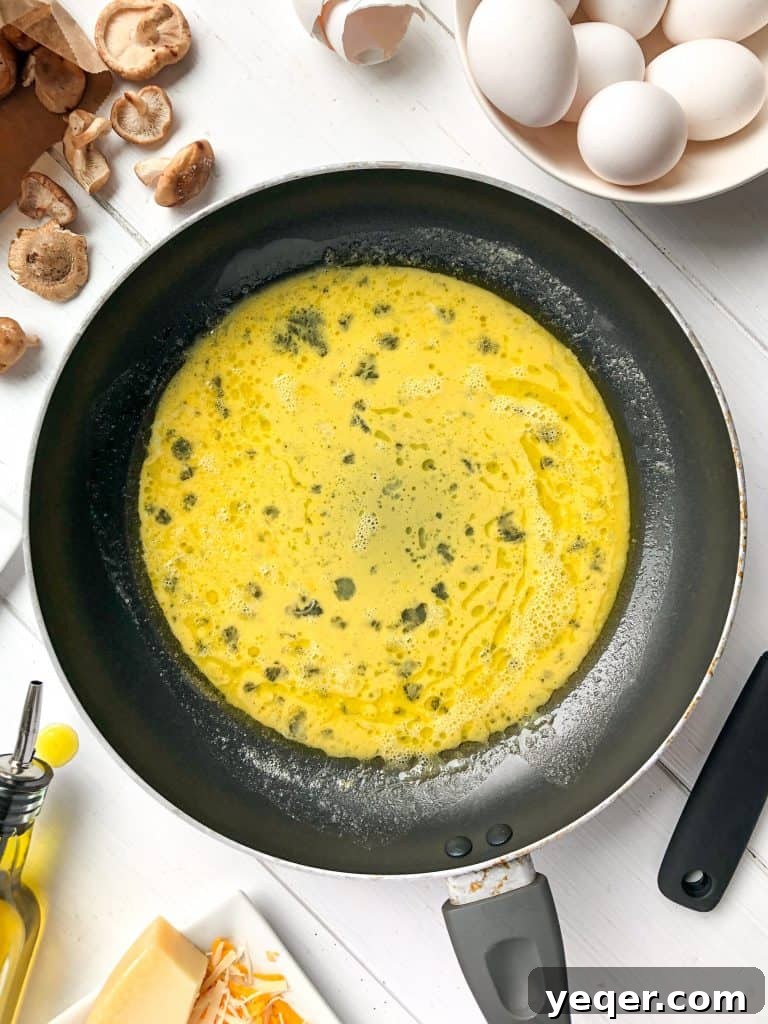
- Prepare the Pan: In an 8-10 inch non-stick frying pan, melt the butter with olive oil over medium-low heat. Ensure the entire surface of the pan is coated.
- Beat the Eggs: In a small bowl, crack the 3 eggs. Add salt and pepper. Beat the eggs vigorously with a fork or whisk for 30-60 seconds until they are light, frothy, and uniformly yellow, incorporating plenty of air.
- Pour and Swirl: Pour the beaten eggs into the prepared pan. Immediately tilt and swirl the pan to spread the eggs into a thin, even layer across the bottom.
- Cook Gently: Let the eggs cook undisturbed for 1-2 minutes. As the edges begin to set, use your spatula to gently push the cooked egg from the edges towards the center, tilting the pan to allow the uncooked liquid egg to flow underneath and cook. Repeat this process around the pan until most of the liquid egg has set, but the top surface still appears moist and slightly glossy.
- Add Fillings: Once the omelette is mostly set but still slightly moist on top, carefully arrange your desired fillings over one half of the omelette.
- Fold and Finish: Using your spatula, gently fold the empty half of the omelette over the half with the fillings. Let it sit for another 30 seconds to a minute to allow the fillings to warm through and cheese to melt (if using).
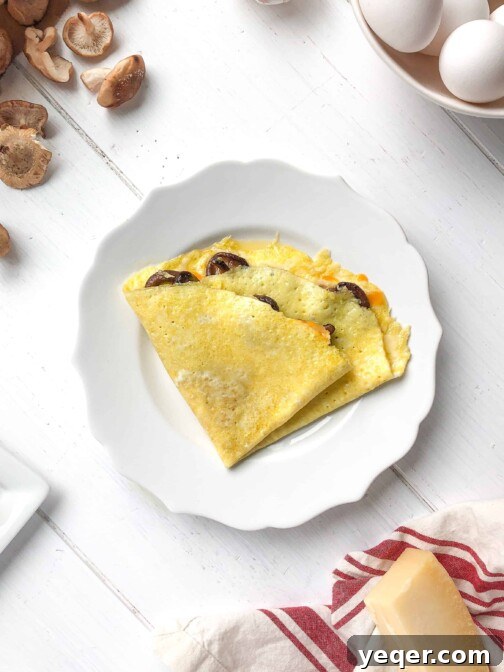
- Serve Immediately: Carefully slide the omelette onto a plate. Serve hot and enjoy your perfectly cooked, customizable omelette!
Chef’s Notes & Tips for Success
- Do Not Overcook: The secret to a tender omelette is to avoid overcooking. It should be light gold, not brown, and still very moist.
- Warm Plates: Serve your omelette on a warm plate to keep it from cooling down too quickly.
- Experiment with Herbs: Freshly chopped herbs like chives or parsley can elevate the flavor profile of any omelette.
- Spice It Up: A pinch of red pepper flakes or a dash of hot sauce can add a delightful kick.
Frequently Asked Questions About Omelettes
How many eggs should I use for one omelette?
For a single serving, 2 to 3 large eggs are ideal. Three eggs will give you a slightly larger, fluffier omelette, which is perfect if you’re adding several fillings. For a lighter meal or a smaller appetite, two eggs are sufficient.
What’s the best pan for an omelette?
A high-quality 8-10 inch non-stick pan is paramount. The non-stick surface ensures the omelette releases cleanly and doesn’t tear when folding. A pan with slightly sloped sides also makes the folding process much easier.
Should I add milk or water to my eggs for an omelette?
Traditionally, French omelettes are made with just eggs, salt, and pepper. Adding a tablespoon of water or milk is sometimes suggested to make them fluffier, but vigorous beating of the eggs before cooking is often enough to achieve a light, airy texture without diluting the rich egg flavor. For this recipe, we stick to the pure egg approach for an authentic taste.
How do I prevent my omelette from sticking?
Ensure your non-stick pan is truly non-stick and in good condition. Use a combination of butter and a tiny bit of olive oil (as in our recipe) for both flavor and to create a slightly higher smoke point than butter alone. Preheat the pan properly over medium-low heat before adding the eggs, and don’t let it get too hot.
When is the best time to add fillings?
Fillings should be added when the omelette is mostly set but still has a moist, slightly liquid top layer. This allows the fillings to warm through and any cheese to melt without the eggs overcooking. Pre-cooked or quickly-sautéed fillings are best for this.
Conclusion: Your Omelette Journey Begins Here
Learning how to make omelettes is a fundamental skill for any home cook, opening up a world of quick, delicious, and healthy meal options. With the right tools, a gentle technique, and a dash of creativity for fillings, you can consistently produce perfect omelettes that delight. Embrace the simplicity and versatility of this classic dish, and let your kitchen become a hub of culinary experimentation. Happy cooking, and enjoy the endless possibilities a perfectly crafted omelette offers!
Happy cooking!
Salima