
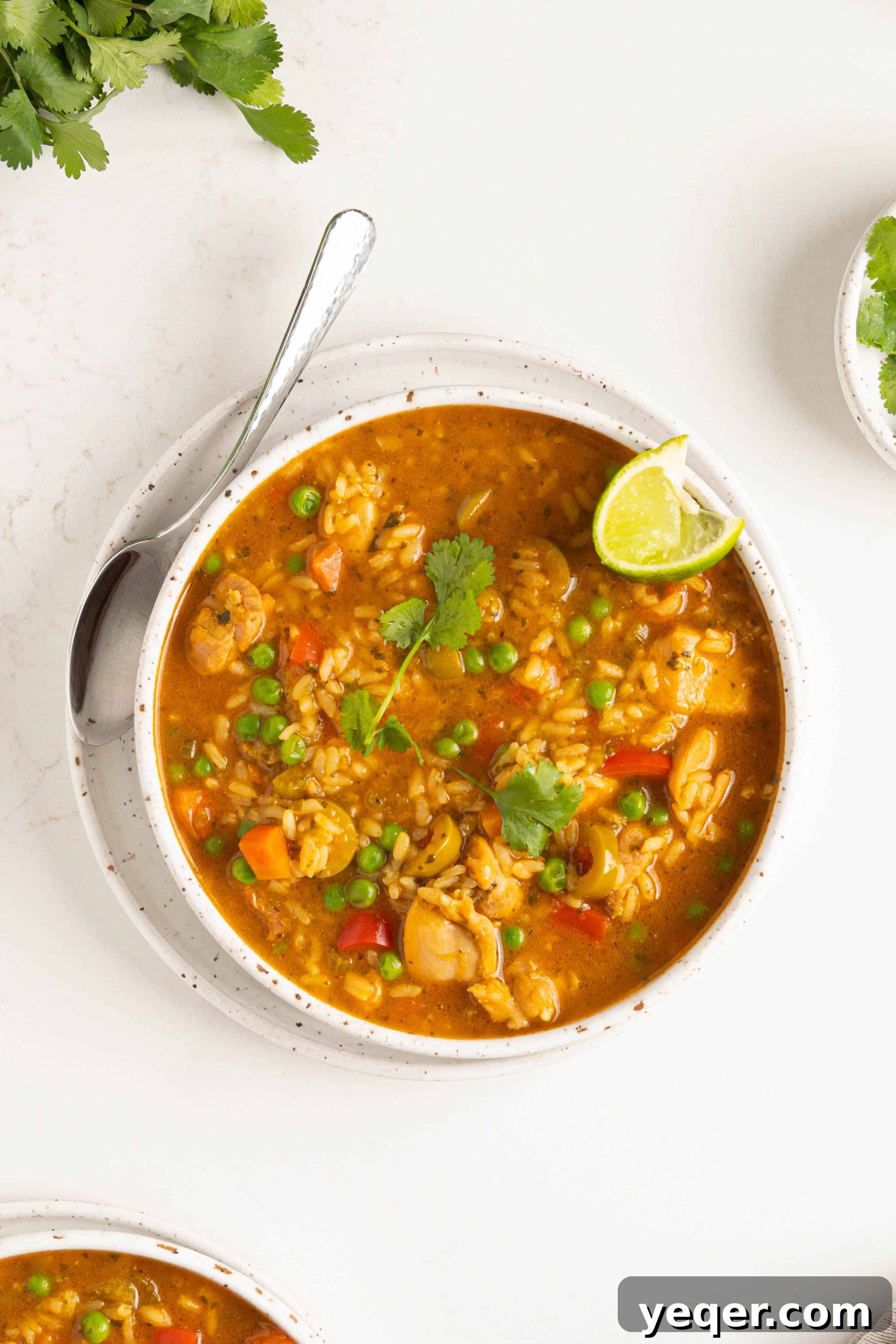
Asopao de Pollo: The Ultimate Hearty Puerto Rican Chicken Stew Recipe
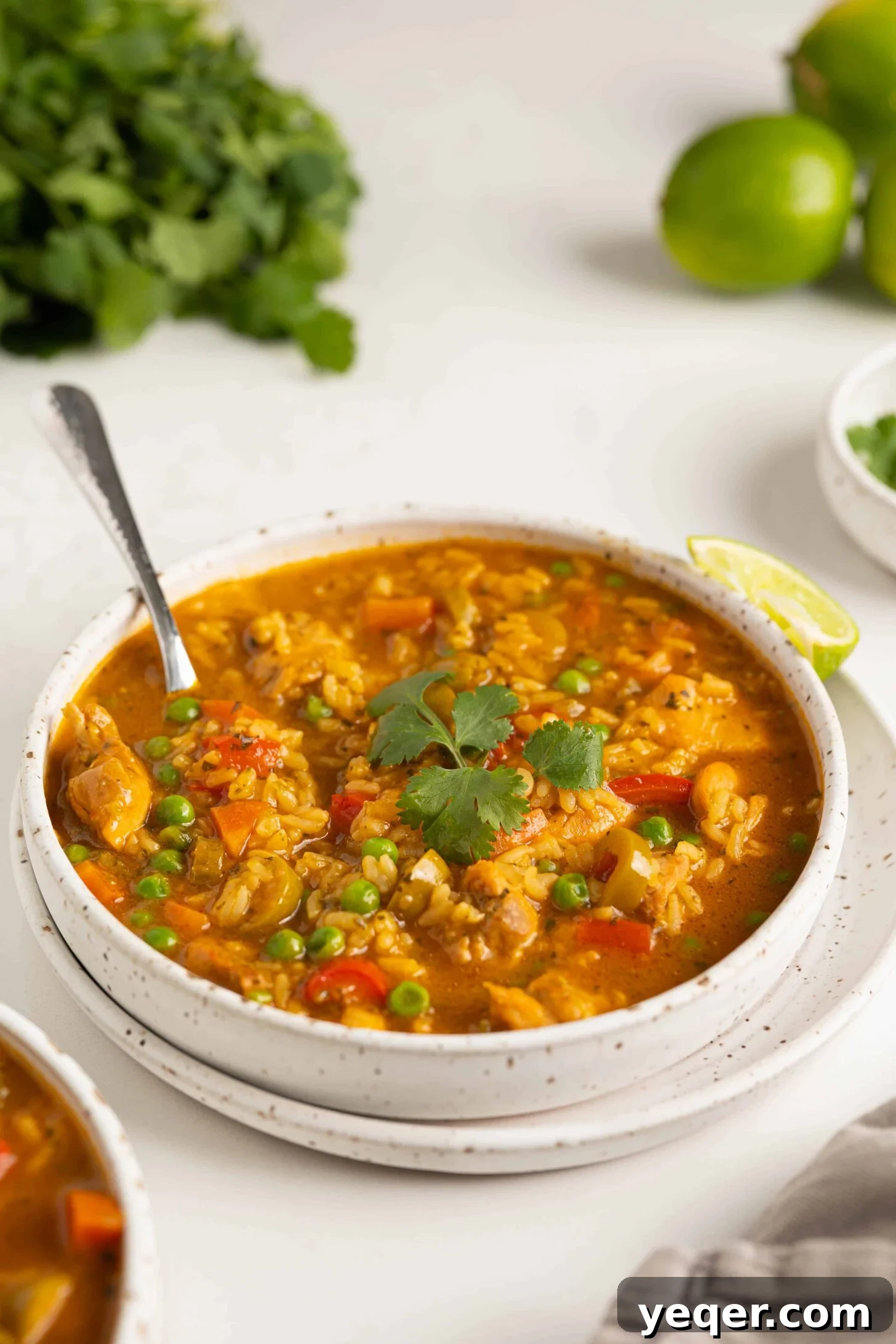
Warm your soul with a bowl of Asopao de Pollo, a cherished Puerto Rican chicken and rice stew renowned for its rich flavors and comforting embrace. This hearty dish is a culinary hug, crafted with aromatic sofrito, savory adobo seasoning, and tender rice, making it an ideal meal for a chilly evening or a restorative pick-me-up when you’re feeling under the weather. More than just a meal, Asopao de Pollo is a staple in Puerto Rican homes, embodying tradition, family, and the warmth of island hospitality in every spoonful.
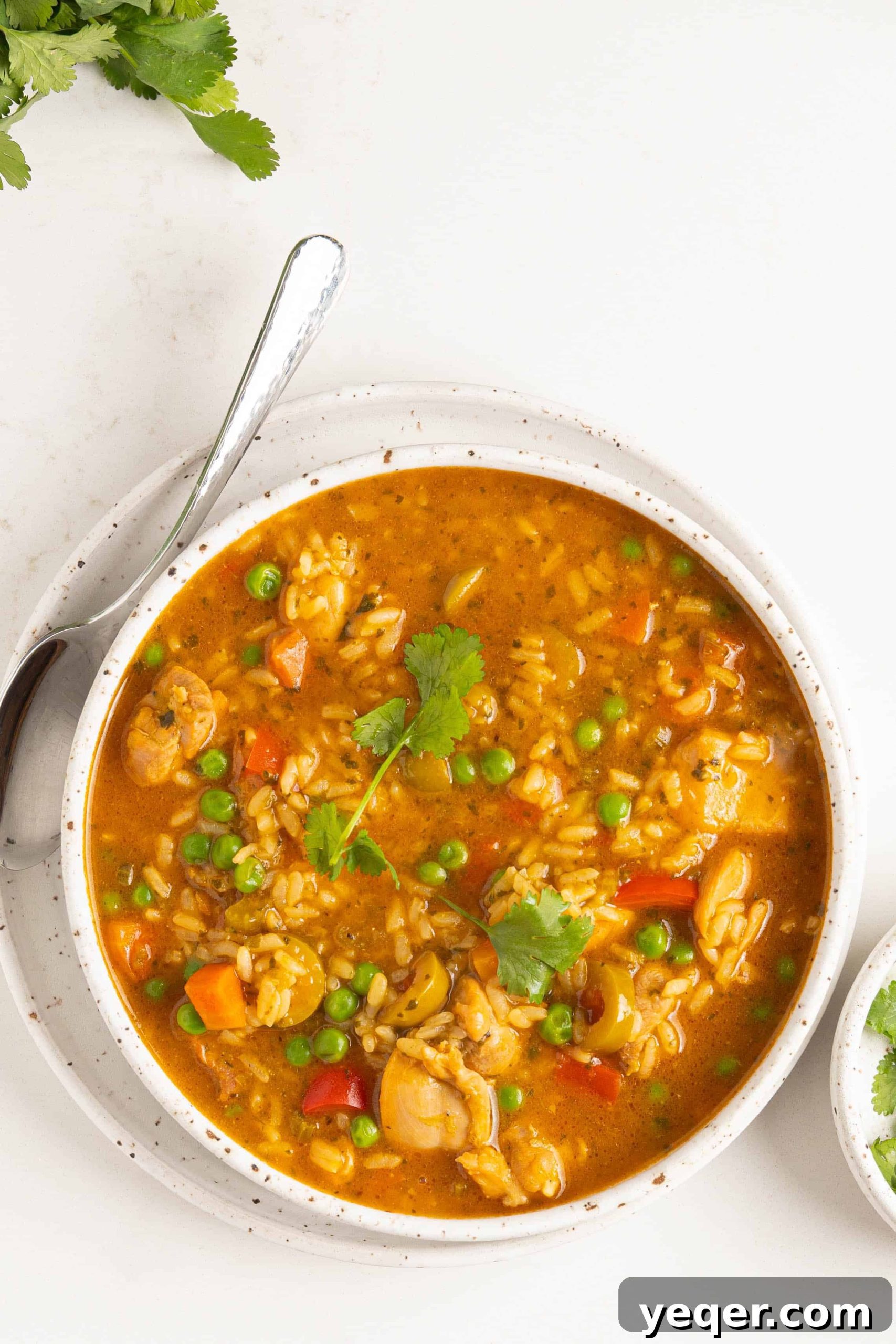
If you’re a fan of rich, soulful Puerto Rican dishes like Carne Guisada (beef stew) or the flavorful Asopao de Gandules (pigeon pea stew), then this Asopao de Pollo recipe is destined to become a new favorite in your kitchen. It’s a testament to the vibrant culinary heritage of Puerto Rico, combining essential ingredients that create a truly unforgettable experience.
What Makes Asopao de Pollo So Special?
Asopao de Pollo holds a distinguished place as arguably the most celebrated Puerto Rican stew or thick soup, and its popularity is well-deserved. Unlike a thin soup, asopao has a luscious, stew-like consistency, achieved by cooking rice directly in a rich, flavorful broth. This process allows the rice to absorb all the wonderful spices and chicken juices, creating a velvety texture that is incredibly satisfying. It’s a culinary masterpiece that expertly blends classic Puerto Rican cooking staples: the aromatic foundation of sofrito, the savory depth of adobo seasoning, and the vibrant color and flavor imparted by achiote oil.
With such a symphony of flavors packed into a single pot, this savory and deeply comforting dish is more than just chicken and rice; it’s a culinary journey. It’s guaranteed to elevate your idea of chicken soup, offering a unique and authentic taste that captures the essence of Puerto Rican home cooking. If you’re craving a chicken stew without the rice, be sure to explore my equally delicious recipe for Pollo Guisado, another Puerto Rican favorite!
The Heart of Puerto Rican Flavor: Key Ingredients
The magic of Asopao de Pollo lies in its foundational ingredients, each contributing a vital layer to its complex flavor profile. Understanding these components is key to unlocking the authentic taste of this beloved stew:
- Sofrito: The Aromatic Foundation: Sofrito is the soul of many Puerto Rican dishes, and Asopao de Pollo is no exception. This vibrant blend of herbs and aromatics, typically including onions, garlic, culantro (or cilantro), bell peppers, and sometimes ají dulce (sweet peppers), provides an intensely fragrant and savory base. Whether you opt for a homemade batch, which offers unparalleled freshness, or a convenient store-bought variety, sofrito is non-negotiable for that authentic taste.
- Adobo Seasoning: The All-Purpose Flavor Enhancer: Adobo is a robust dry seasoning blend that brings a savory, garlicky, and slightly pungent kick to the chicken. It typically contains garlic powder, oregano, salt, black pepper, and sometimes turmeric or paprika for color. It’s essential for seasoning the chicken before browning, creating a flavorful crust and infusing the meat from the start.
- Sazón Seasoning: Color and Umami: Sazón, often found in small packets, is a vibrant seasoning blend known for imparting a beautiful reddish-orange hue and a deep umami flavor. Its key ingredients usually include annatto (achiote) for color, coriander, garlic powder, cumin, and oregano. It’s what gives Asopao its characteristic rich appearance and enhances its savory depth. You can find my recipe for homemade sazón seasoning here.
- Achiote Oil: Golden Hue and Mild Earthiness: Achiote (annatto) oil is made by infusing annatto seeds in oil, yielding a beautiful natural orange-red color and a subtle, earthy, slightly peppery flavor. It not only contributes to the visual appeal of the stew but also adds another layer of authentic Puerto Rican taste. Making homemade achiote oil is surprisingly simple, but it can also be purchased pre-made.
These ingredients, when combined, create a symphony of flavors that truly define Puerto Rican cuisine. They transform simple chicken and rice into a comforting, soul-satisfying stew that tastes like home.
Step-by-Step: Crafting Your Authentic Asopao de Pollo
Creating this delicious Puerto Rican chicken stew is a rewarding experience. Follow these detailed steps to ensure a flavorful and perfectly textured Asopao:
Featured Review
Thank you for your recipe. I’ve made it many times, and use it as the base for my personal asopao recipe. My Puerto Rican parents approved 🙂
Rafa
Customizing Your Asopao de Pollo
One of the beauties of Asopao (and stews in general) is how adaptable they are. While this recipe provides a traditional foundation, feel free to experiment and make it your own. Here are some of my favorite ways to add a twist to this Puerto Rican chicken stew:
- Add Corn for Sweetness: For an extra layer of sweetness and texture, stir in about 1 cup of frozen, canned, or fresh corn kernels during the last few minutes of cooking. It adds a lovely pop of color and flavor.
- Amp Up the Spice: If you enjoy a bit of heat, consider adding a diced jalapeño or a pinch of red pepper flakes along with the bell pepper and celery. For a deeper, smoky heat, a dash of hot sauce or even a finely minced habanero (use sparingly!) can be fantastic.
- Explore Other Vegetables: Beyond the traditional carrots and bell peppers, feel free to include other vegetables like diced potatoes, green beans, or even some plantain slices for a heartier texture.
- Vegetarian Twist: While traditionally made with chicken, this stew can be adapted for a vegetarian diet. I haven’t personally tried it, but with the robust flavor layering from the sofrito and seasonings, I’m confident that swapping the chicken for firm tofu, chickpeas, or a medley of mushrooms would yield a deliciously flavorful vegetarian asopao. If you try it, please let me know how it turns out!
- Other Proteins: Asopao is incredibly versatile. You can easily substitute the chicken for shrimp (making it Asopao de Camarones), pork (Asopao de Cerdo), or even a mix of seafood for a vibrant seafood asopao.
Serving Suggestions for Asopao de Pollo
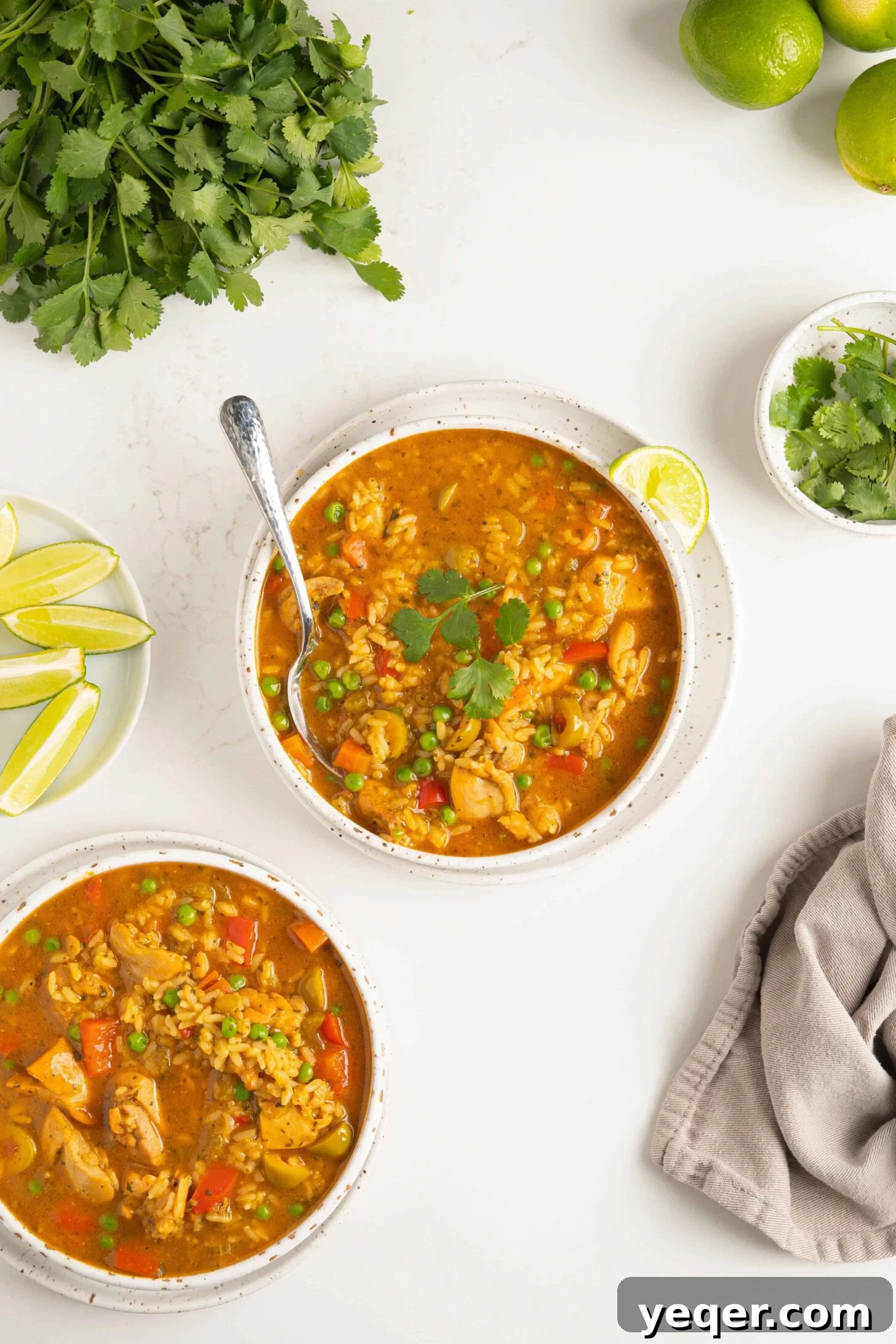
Asopao de Pollo is a complete meal on its own, but it pairs beautifully with a few simple additions. A wedge of fresh avocado, a side of crispy tostones (fried plantains), or a slice of crusty bread for dipping into the luscious broth are all excellent choices. Don’t forget an extra lime wedge and a sprinkle of fresh cilantro for garnish to brighten up each serving!
More Cozy Puerto Rican Recipes to Explore
If you love the comforting flavors of Asopao de Pollo, you’ll definitely want to try these other fantastic Puerto Rican recipes from my kitchen:
Frequently Asked Questions (FAQ) about Asopao de Pollo
Here are some common questions about making and enjoying this delicious Puerto Rican stew:
- Is Asopao a soup or a stew? Asopao is famously debated! It falls somewhere in between. It’s thicker than a typical soup but not as thick as a traditional stew, often described as a “soupy rice” dish. The consistency can be adjusted to your preference by adding more or less liquid.
- What kind of rice is best for Asopao? Medium-grain white rice is traditionally preferred. Its starch content helps create that signature creamy, velvety texture as it cooks in the broth. Long-grain rice can also work, but avoid short-grain or sticky rice as they can become too mushy.
- Can I make Asopao de Pollo ahead of time? Absolutely! Stews and soups are fantastic for meal prep. Asopao de Pollo, in particular, often tastes even better the next day as the flavors have more time to meld and deepen. Prepare it a day in advance for maximum flavor development.
- How do I store leftovers? Asopao de Pollo makes excellent leftovers. Store it in an airtight container in your refrigerator, and it will stay fresh for up to 5 days. For longer storage, you can freeze individual portions for up to 3 months. Thaw overnight in the fridge and reheat gently on the stovetop, adding a splash of chicken stock or water if it has thickened too much.
Storing Leftovers for Maximum Flavor
Stews and soups are fantastic meals for families because they often come together in a single pot and yield abundant, delicious leftovers. Asopao de Pollo truly shines the day after it’s made, as the rice continues to absorb the rich broth, and all the vibrant flavors deepen and meld. To store, simply transfer any cooled leftover asopao to an airtight container and refrigerate it for up to 5 days. For longer preservation, Asopao de Pollo freezes exceptionally well. Portion it into freezer-safe containers and store for up to 3 months. Reheat gently on the stovetop or in the microwave, adding a little extra chicken broth or water if the consistency is too thick.
Buen Provecho!

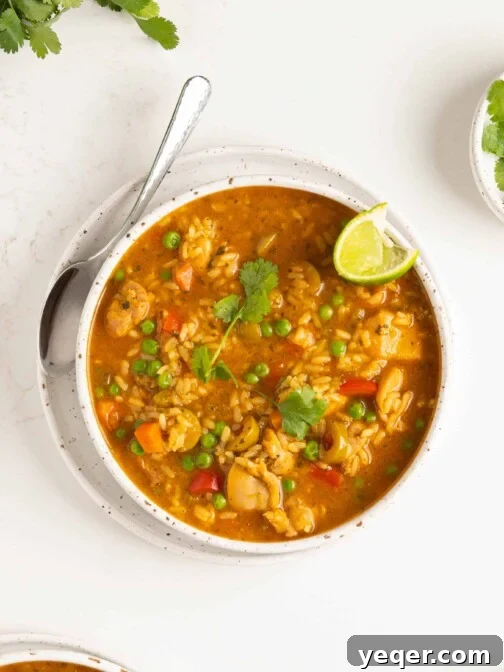
Asopao de Pollo (Puerto Rican Chicken Stew)
5 Stars
4 Stars
3 Stars
2 Stars
1 Star
4.9 from 9 reviews
- Author: Salima Benkhalti
- Prep Time: 20 minutes
- Cook Time: 30 minutes
- Total Time: 50 minute
- Yield: 6 servings 1x
- Category: Soup, Main Dish, Entree
- Method: Stovetop
- Cuisine: Puerto Rican, Latin
- Diet: Gluten Free
Description
Asopao de Pollo is a deliciously hearty Puerto Rican chicken stew, or thick soup, characterized by its rich broth and tender rice. It’s meticulously prepared with the foundational flavors of aromatic sofrito, savory adobo seasoning, and vibrant sazón, creating a deeply comforting meal. This traditional dish is the perfect antidote for a cold winter’s night or a truly restorative dish when you’re feeling under the weather, offering both warmth and soul-satisfying taste.
Ingredients
Units
Scale
- 1 tbsp achiote oil or olive oil
- 2 lbs chicken thighs, chopped into bite sized pieces
- 2 tsp adobo seasoning
- 2 tsp sazon seasoning
- 1/4 cup sofrito
- 1 red bell pepper, diced
- 1 carrot, diced
- 2 stalks celery, diced
- 3 bay leaves
- 1 cup tomato sauce
- 4 cups chicken stock
- 1 cup water
- 1 1/2 cups medium grain white rice, rinsed
- 1 cup peas
- 1/2 cup pimento stuffed olives, drained and sliced in half
- salt & pepper to taste
- fresh cilantro to garnish
- a squeeze of lime to garnish
Instructions
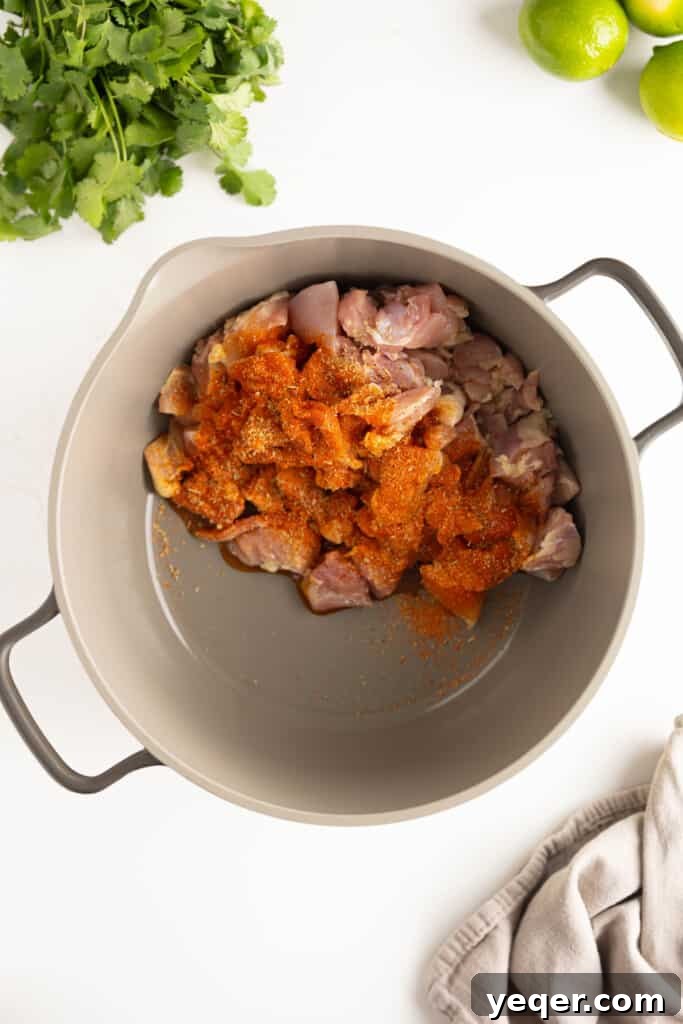
- In a large pot, heat the achiote oil (or olive oil) over medium-high heat. Add the chopped chicken thighs and season them generously with adobo and sazón seasoning. Cook for 5-7 minutes, turning frequently, until the chicken is beautifully browned on all sides. Remove chicken from pot and set aside, leaving the flavorful drippings in the pot.
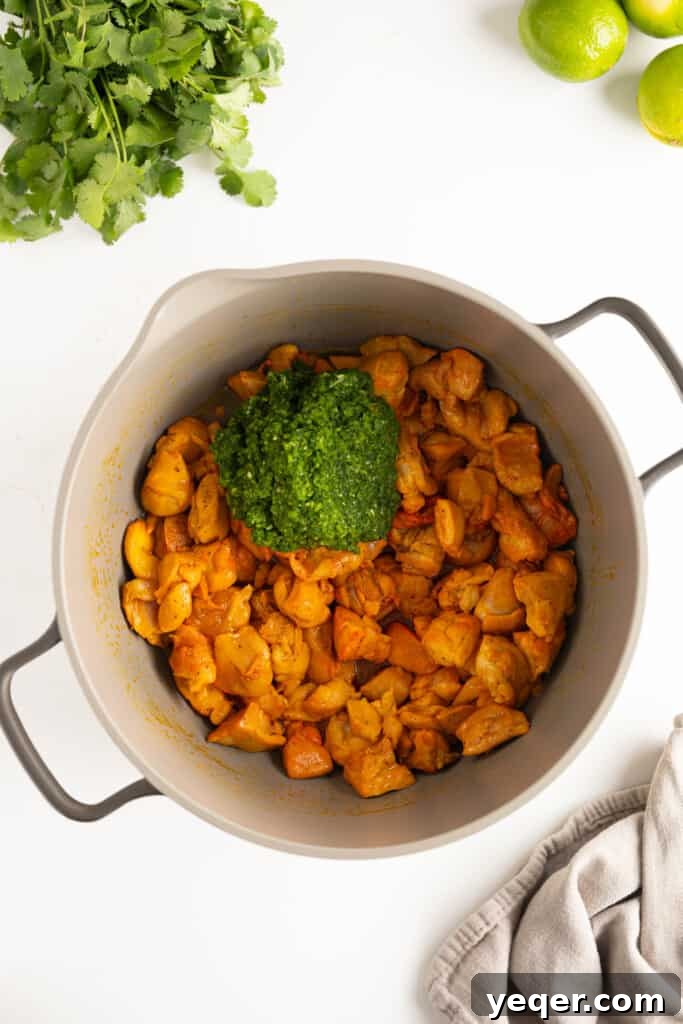
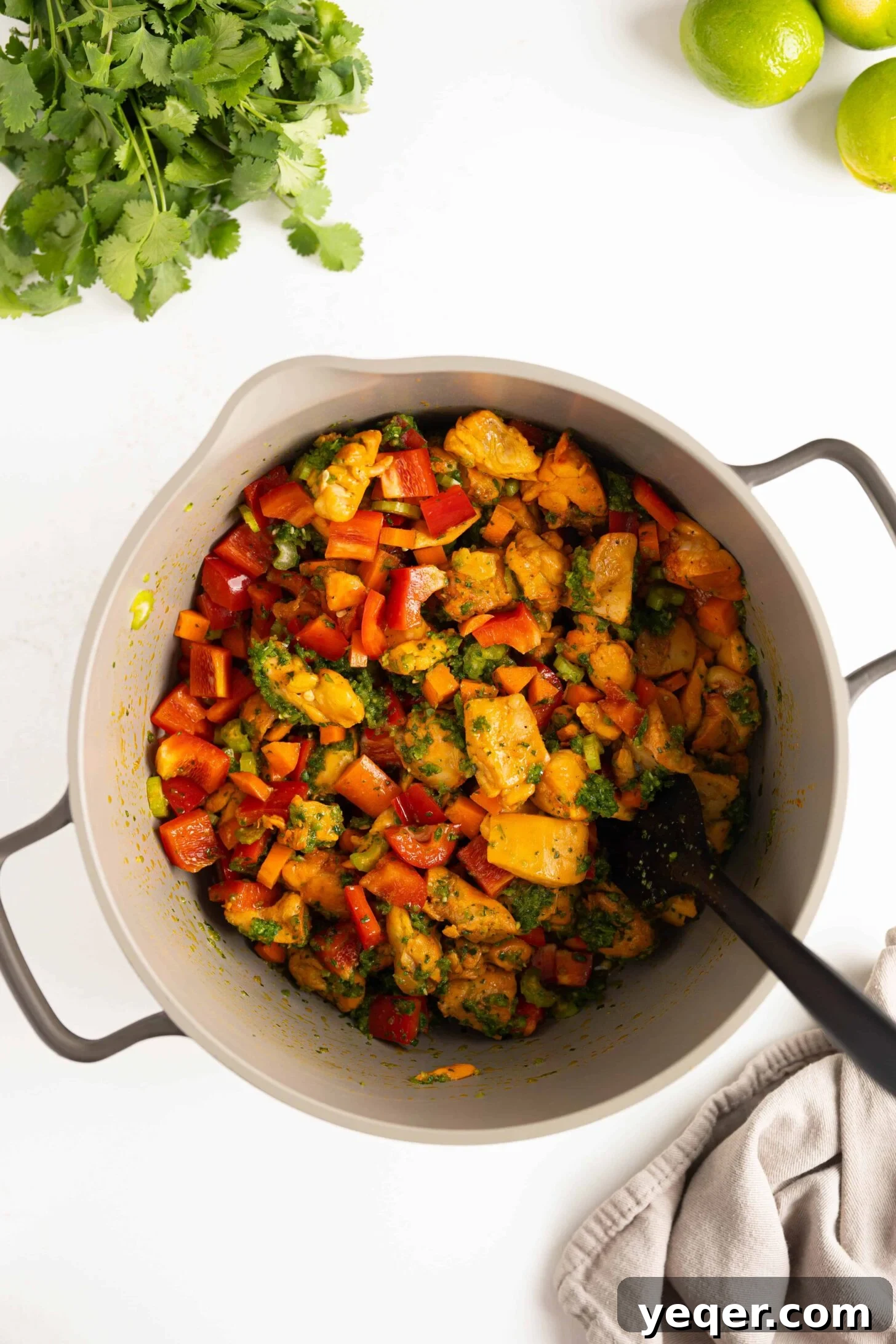
- Reduce the heat to medium. Add the sofrito, diced red bell pepper, diced carrot, and diced celery to the pot. Sauté for 3-5 minutes, stirring occasionally, until the vegetables begin to soften and the garlic and onions from the sofrito become fragrant.
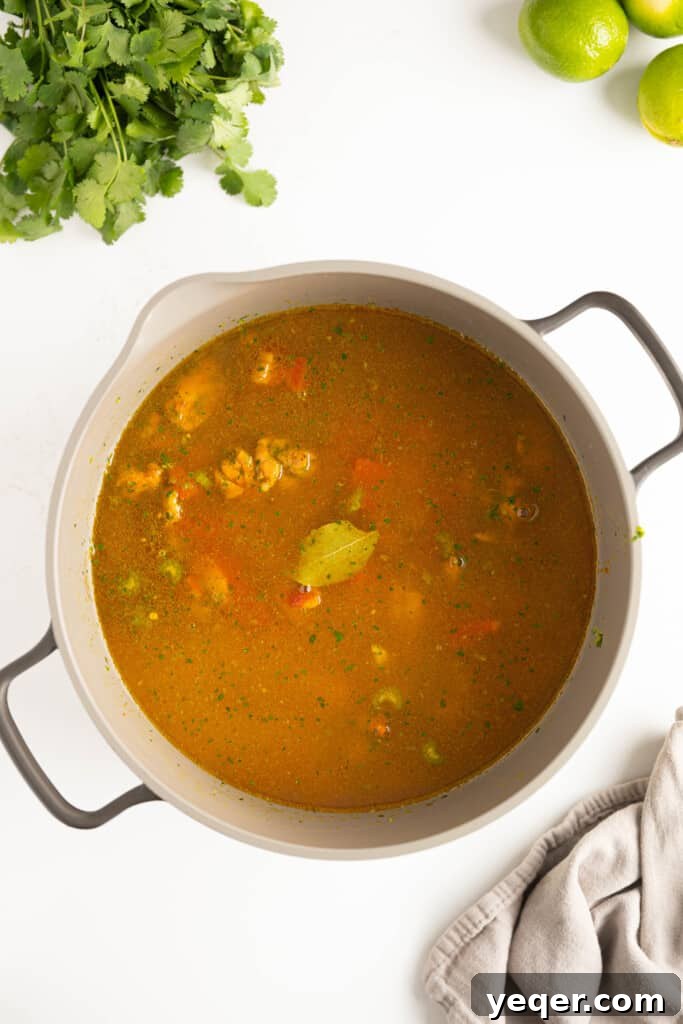
- Return the browned chicken to the pot. Toss in the bay leaves, tomato sauce, chicken stock, and water. Bring the mixture to a rolling boil over medium-high heat.
- Once the liquid reaches a boil, add the rinsed medium-grain white rice, stirring it to ensure it’s evenly distributed. Reduce the heat to medium-low, cover the pot tightly, and simmer for 15-20 minutes, or until the rice is cooked through and has absorbed most of the liquid, creating a thick, stew-like consistency. Stir occasionally to prevent sticking.
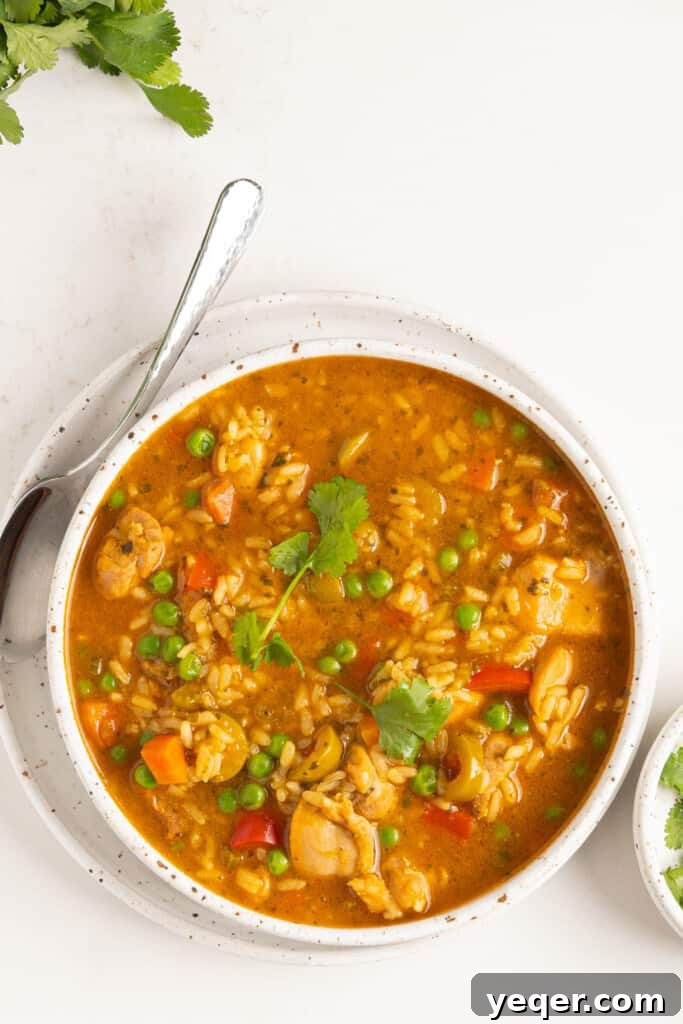
- Once the rice is cooked, stir in the peas and the pimento-stuffed olives. Cook for another 1-2 minutes, just until the peas are heated through and the flavors meld.
- Taste the Asopao de Pollo and adjust seasoning with salt and pepper as needed. Serve hot, garnished with fresh cilantro and a squeeze of fresh lime juice for a bright finish.
Equipment
Buy Now →
Buy Now →
Notes
Ingredient Substitutions for Accessibility: If you find it challenging to source specific Puerto Rican ingredients, don’t worry! Here are some excellent substitutions that will still deliver fantastic flavor:
- Achiote Oil: While my homemade achiote oil recipe is quick and easy, if annatto seeds are unavailable, you can purchase pre-made achiote oil. Alternatively, simply use olive oil, though it won’t provide the same vibrant color.
- Adobo Seasoning: If you can’t find this staple spice blend, create your own by mixing equal parts garlic powder, dried oregano, paprika, and onion powder. Add salt and pepper to taste.
- Sazón Seasoning: For a homemade alternative, combine equal parts annatto powder (if available for color), oregano, garlic powder, ground cumin, and ground coriander.
- Sofrito: In a pinch, or if you don’t have time to prepare fresh sofrito, you can substitute it with a combination of 1 chopped yellow onion, 4 minced cloves of garlic, 1 cup of minced cilantro, and 1 chopped bell pepper. Sauté these ingredients until fragrant before proceeding with the recipe.