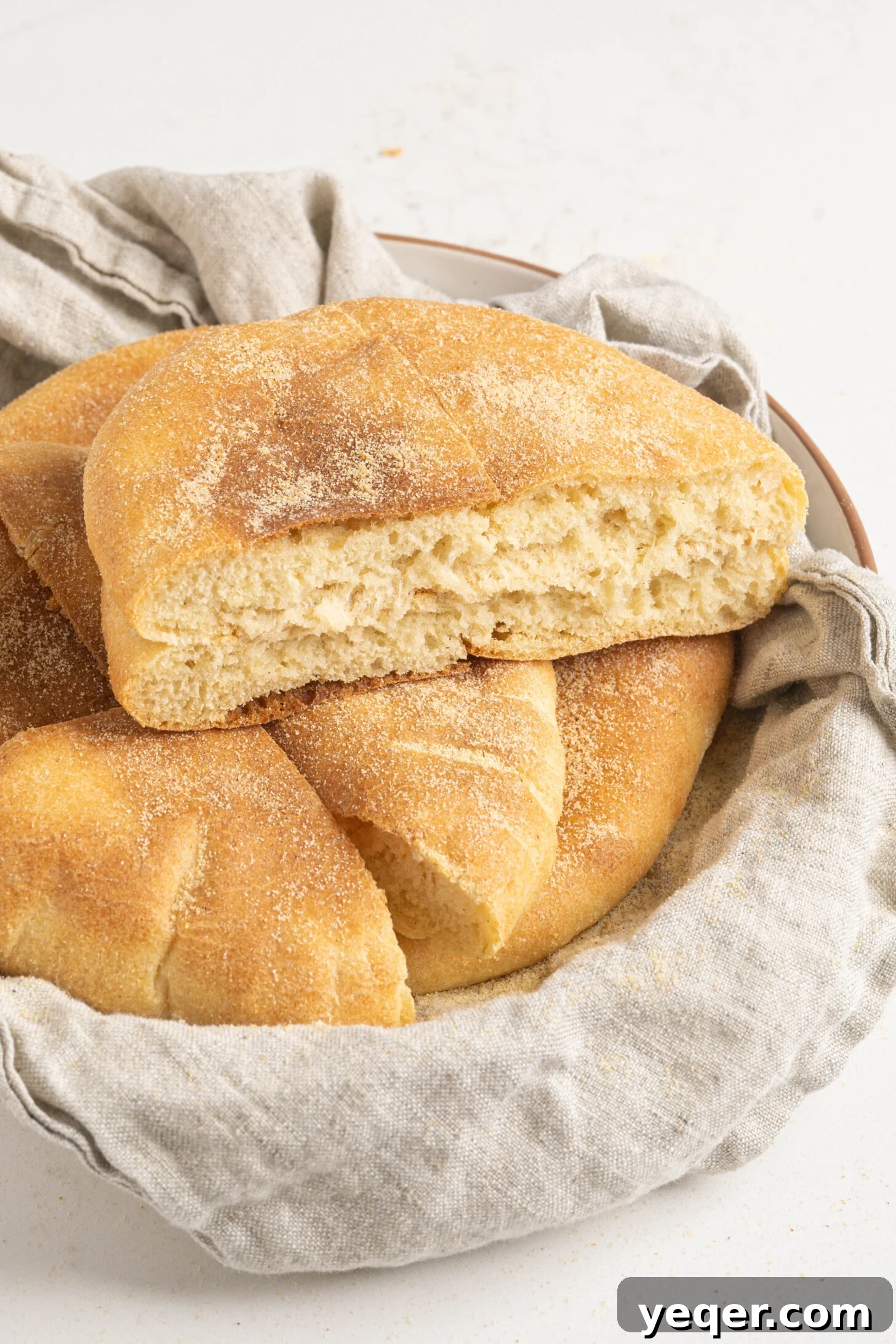
Homemade Moroccan Khobz: An Authentic Bread Recipe and Cultural Guide
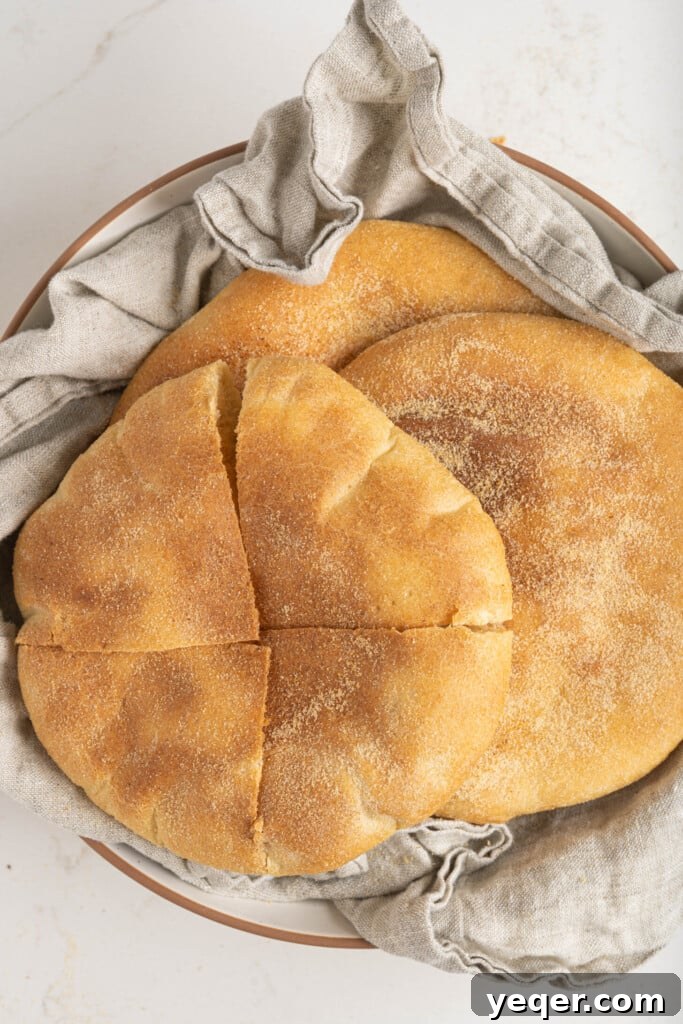
Experience the heart of Moroccan hospitality with Moroccan Bread, universally known as Khobz. This iconic, round, and flat bread isn’t just a staple; it’s an integral part of every Moroccan meal, a symbol of community, and a vessel for delicious flavors. Today, we invite you to embark on a culinary journey to bake this traditional bread in your own kitchen using just five simple ingredients: flour, salt, sugar, oil, and yeast.
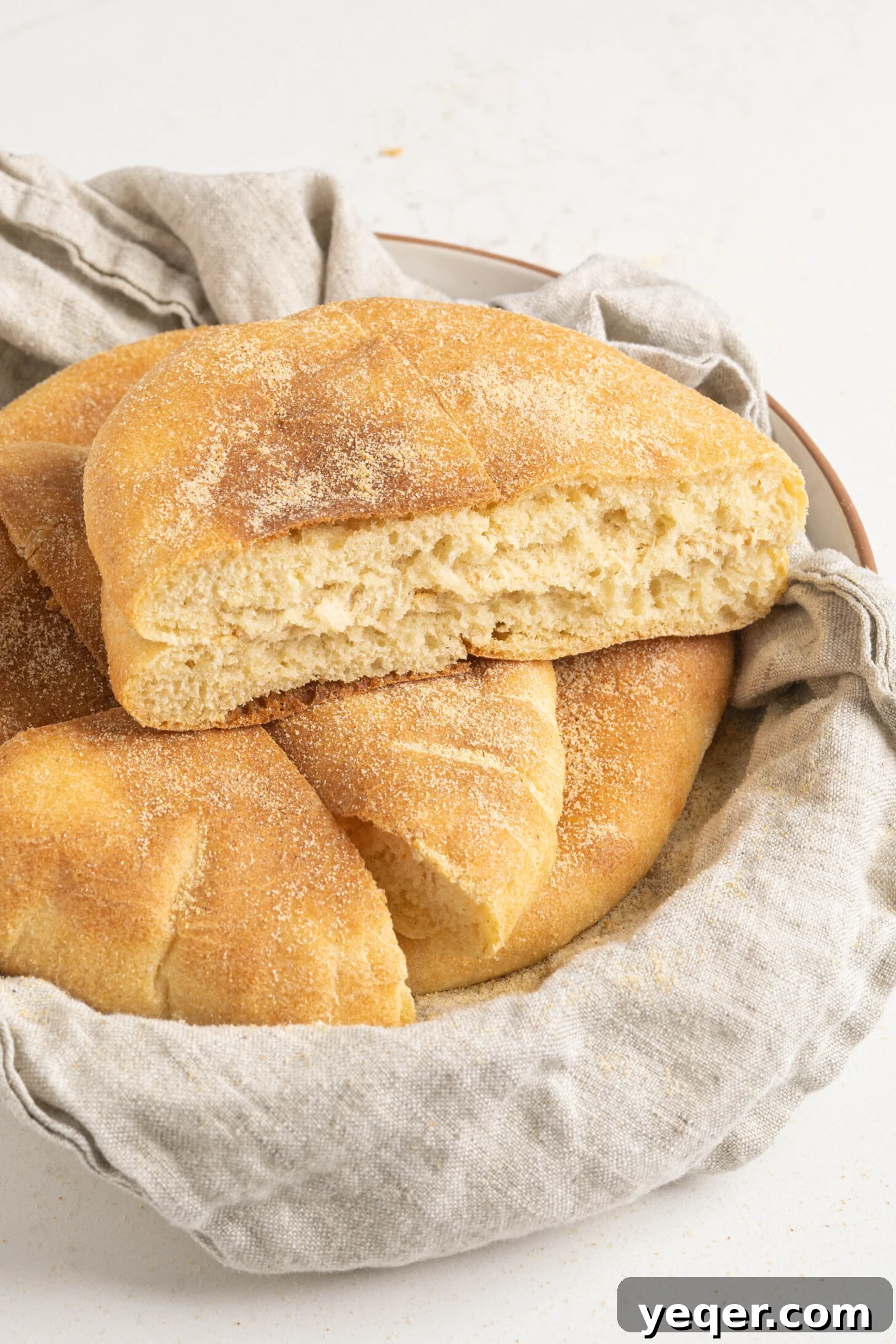
The Cultural Significance of Khobz in Morocco
In Morocco, bread transcends its role as a simple food item; it is the cornerstone of every meal, a utensil, and a communal bond. From bustling city souks to quiet village homes, the presence of freshly baked khobz is undeniable. It’s not uncommon to witness families and friends gathering around a spread, using their hands and pieces of khobz to scoop up rich tagine sauces, soak up savory soups, and savor vibrant salads. This tactile way of eating is deeply rooted in Moroccan culture, fostering a sense of connection and shared experience at the dining table.
The aroma of warm khobz is a quintessential Moroccan scent, wafting through streets and markets. In any city, you’ll encounter skilled bakers proudly displaying towers of their daily-baked khobz, each loaf possessing its unique character and a comforting, sweet fragrance. These bakers, often masters of their craft, contribute significantly to the culinary landscape, ensuring that fresh bread is always within reach.
Historically, and still prevalent in many older Moroccan neighborhoods—like the one my father grew up in—communal ovens serve as a vibrant hub of community life. These impressively large clay ovens are designed to bake multiple loaves at once, providing a shared resource for local families and professional bakers alike. A designated neighborhood manager often oversees the oven, orchestrating the baking schedule and ensuring every family’s bread is perfectly cooked. This tradition not only ensures access to freshly baked bread but also reinforces community ties and the passing down of age-old baking techniques.
Every family and baker holds a slightly different recipe and method for making their khobz, a cherished aspect that makes each loaf uniquely special. This culinary diversity adds to the rich tapestry of Moroccan food. Traditionally, khobz is the perfect accompaniment to a wide array of Moroccan dishes, from hearty stews and fragrant tagines to refreshing soups and vibrant salads. Imagine tearing off a piece of warm khobz to enjoy alongside a flavorful Moroccan Chicken Tagine or a vibrant Zaalouk Eggplant Salad – it’s an experience that truly defines Moroccan cuisine.
Ingredients for Your Authentic Khobz
Crafting the perfect Moroccan khobz begins with understanding the role of each ingredient. While the list is short, their combination yields a bread that is both rustic and refined.
- Flour: Most traditional khobz recipes, including this one, utilize a blend of all-purpose white flour and fine semolina flour. The all-purpose flour provides the necessary structure, while the semolina flour is crucial for achieving the characteristic chewy texture and slightly coarse crumb that makes khobz so unique. It also contributes to that beautiful golden crust.
- Yeast: Active dry yeast is the leavening agent that gives khobz its airy, soft interior. Ensuring your yeast is fresh and activated correctly with warm water is key to a successful rise.
- Sugar: A small amount of sugar acts as food for the yeast, helping it to activate and providing a subtle sweetness that balances the savory flavors of Moroccan dishes.
- Salt: Essential for flavor, salt also plays a role in controlling the yeast’s activity and strengthening the gluten structure in the dough.
- Oil: A touch of vegetable oil contributes to the dough’s elasticity, making it easier to knead, and adds a tender crumb to the finished bread. It also helps in preventing sticking during the rising process.
- Warm Water: The temperature of the water is critical for activating the yeast. It should be warm to the touch, but not hot, to ensure the yeast flourishes.
Step-by-Step Instructions for Baking Moroccan Khobz
Baking khobz is a rewarding process that requires patience and a gentle touch. Follow these detailed steps to create your own authentic Moroccan bread at home.
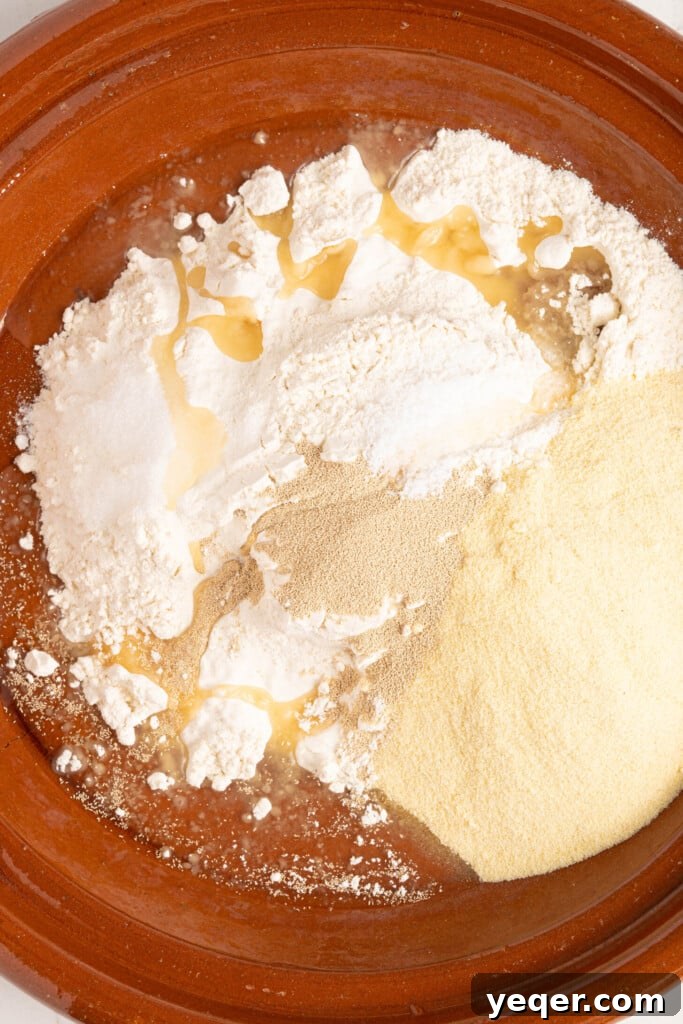
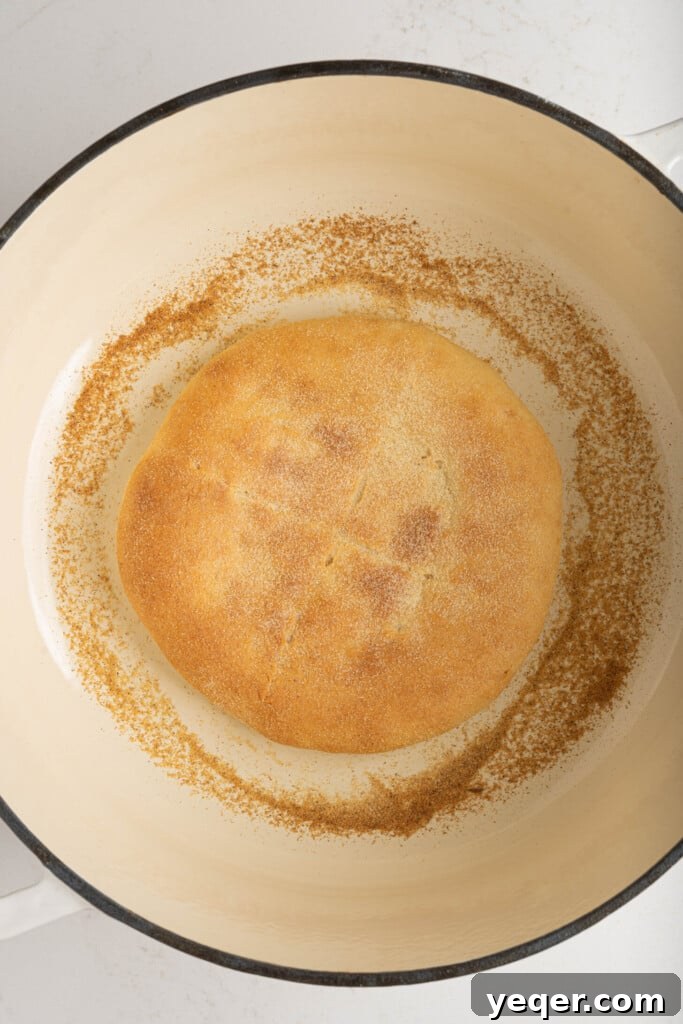
Note: For that signature Moroccan appearance and delightful texture, don’t forget to sprinkle some extra semolina on top of your homemade khobz before it goes into the oven. This creates a beautifully rustic finish and a pleasant crunch.
Pro Tips for Perfect Khobz Every Time
Achieving consistently perfect khobz is easier with a few expert tips:
- Dough Consistency is Key: Moroccan khobz dough should be soft, pliable, and slightly sticky, but not overly wet. If it’s too stiff, your bread will be dense. Adjust with small amounts of water or flour as needed during kneading.
- Warmth for Rising: Yeast loves warmth. Ensure your dough is rising in a cozy, draft-free spot. A slightly warmed oven (turned off!) or a sunny windowsill can work wonders, especially in cooler climates.
- Don’t Rush the Rises: Both the first and second proofing stages are crucial. They develop the bread’s flavor and structure. Rushing them will result in a less flavorful and denser loaf.
- Achieving the Signature Crust: The sprinkle of semolina on top before baking, combined with a hot oven, helps create that beautiful, slightly coarse golden crust that is characteristic of khobz.
- Storage: Fresh khobz is best enjoyed on the day it’s baked. However, you can store leftover bread in an airtight container or bread bag at room temperature for 1-2 days. For longer storage, freeze individual loaves and reheat in the oven for a “freshly baked” experience.
Prepping Your Bread Pan for Non-Stick Perfection

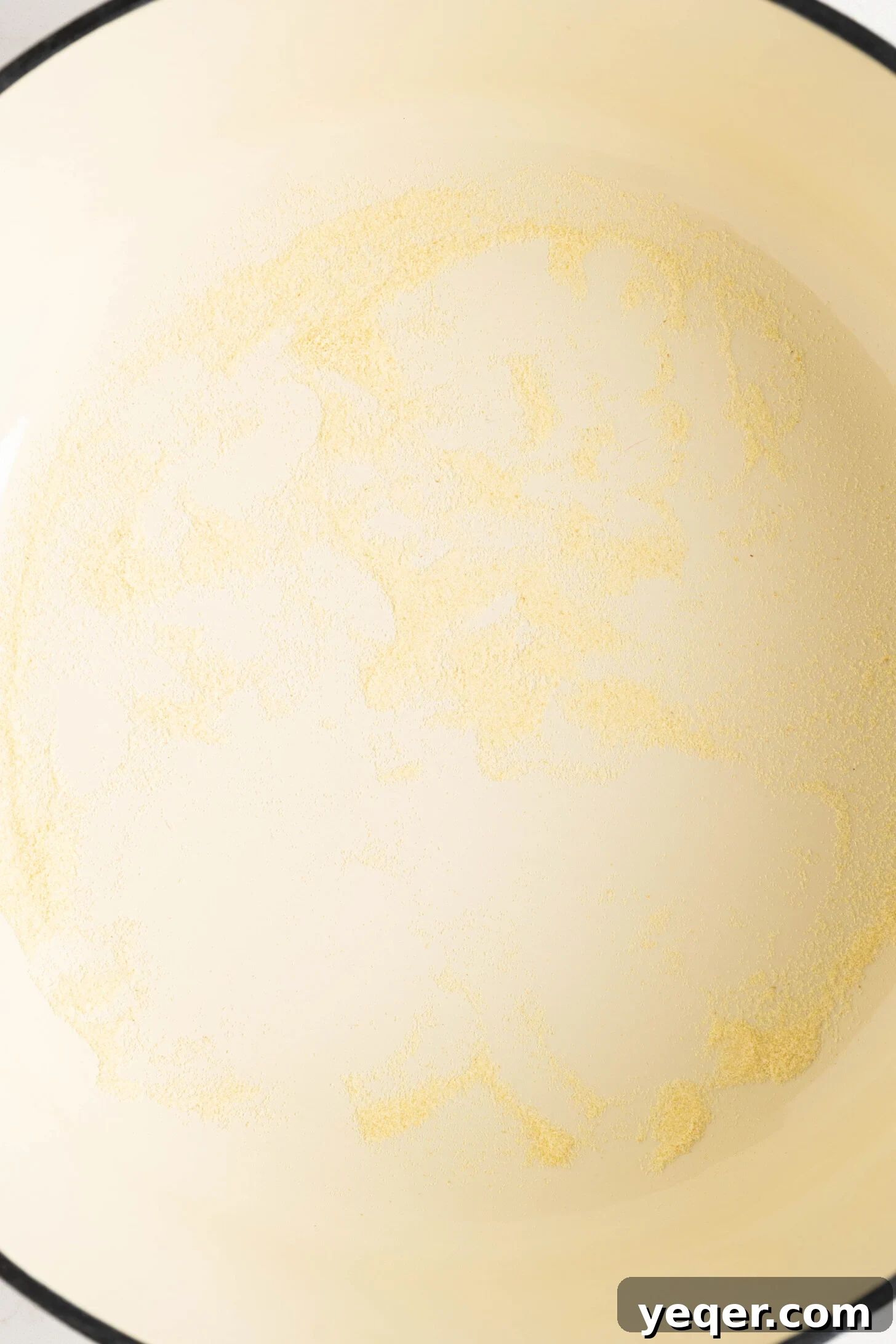
Properly preparing your baking surface is a critical step in this Moroccan bread recipe. It not only prevents the dough from sticking but also significantly contributes to the final texture and crispness of your khobz.
Here are a few effective options for prepping your pan, each offering a slightly different benefit:
- Oil: This is a highly convenient option, especially since you’re already using oil in the dough. A light drizzle of vegetable oil, evenly spread across the baking pan, creates a non-stick surface and helps achieve a delightfully crispy bottom crust. It’s a straightforward and reliable method.
- Semolina: Using semolina to dust your baking pan is perhaps the most traditional way to mimic the effect of authentic Moroccan bread ovens. Beyond preventing sticking, it adds an incredible layer of flavor and a wonderfully rustic texture to the bottom of the bread, evoking a sense of nostalgia and authenticity. It’s highly recommended for an authentic khobz experience.
- Parchment Paper: If you’re looking for the simplest cleanup and a reliable non-stick solution without additional oil or flour, parchment paper is an excellent choice. It works perfectly and ensures your khobz lifts cleanly from the pan.
What to Serve with Your Freshly Baked Khobz
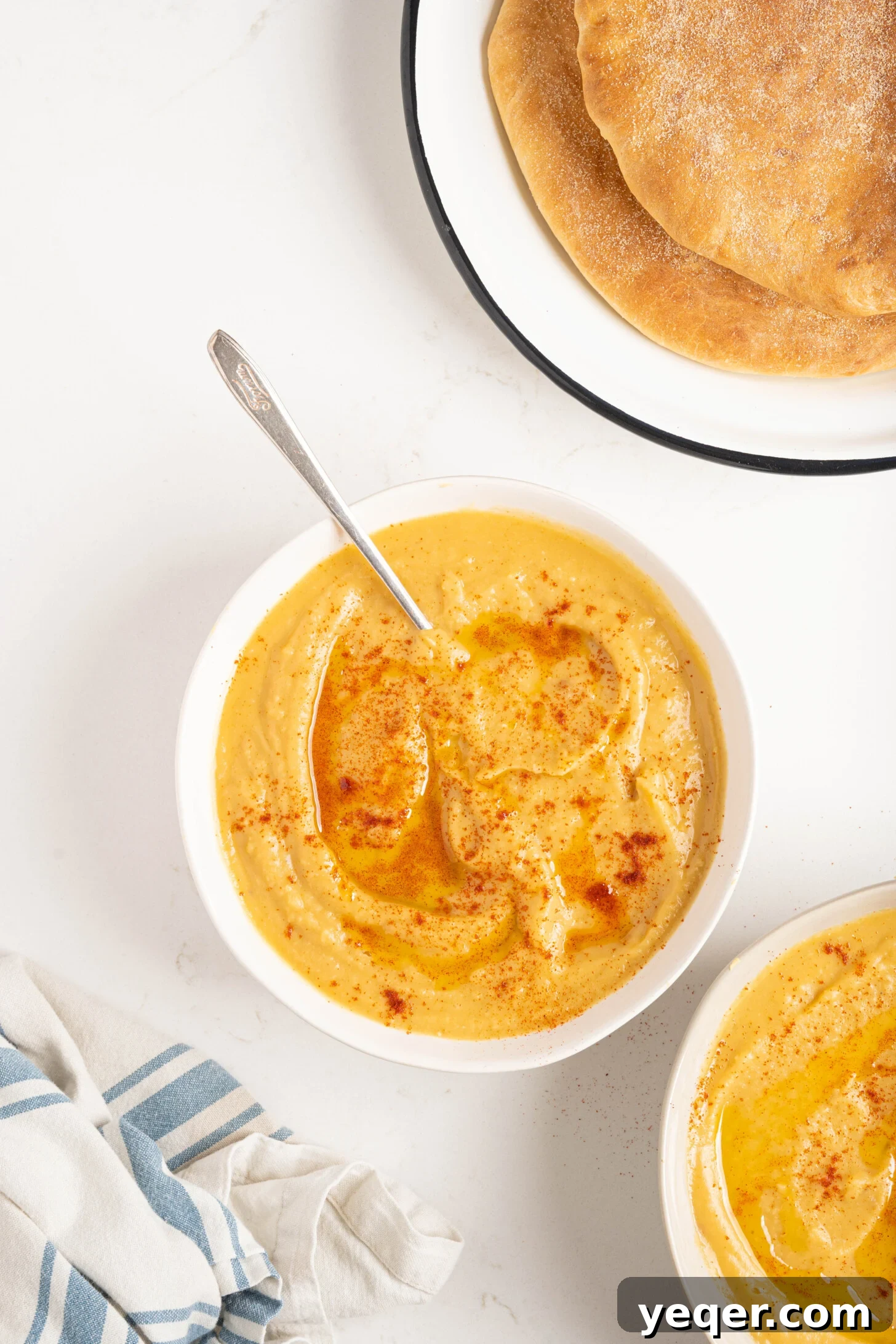
The beauty of Moroccan khobz lies in its versatility. It’s the perfect companion to almost any Moroccan dish, designed to scoop, dip, and complement a symphony of flavors. Here are some traditional and delicious ways to enjoy your homemade khobz:
- Tagines: Khobz is indispensable with any Moroccan tagine, from rich meat stews like Moroccan Chicken Tagine to vegetarian delights. The bread is ideal for soaking up the flavorful sauces and scooping tender pieces of meat and vegetables.
- Soups: Dip your khobz into hearty Moroccan soups like Harira (a traditional tomato and lentil soup) or Bisarra (Moroccan Fava Bean Soup). The porous texture of the bread is perfect for absorbing every drop of delicious broth.
- Salads & Dips: Enjoy khobz with fresh, vibrant salads such as Classic Moroccan Tomato Side Salad or creamy dips like Zaalouk (Moroccan Eggplant Dip). It acts as a natural spoon, enhancing the experience of these mezze-style dishes.
- Breakfast: A simple yet profound breakfast in Morocco often consists of fresh khobz served with olive oil, honey, argan oil, or soft cheese. Pair it with a steaming glass of mint tea for an authentic morning ritual.
- Appetizers: Use khobz as a base for various spreads and small bites, making it perfect for entertaining or a light snack.
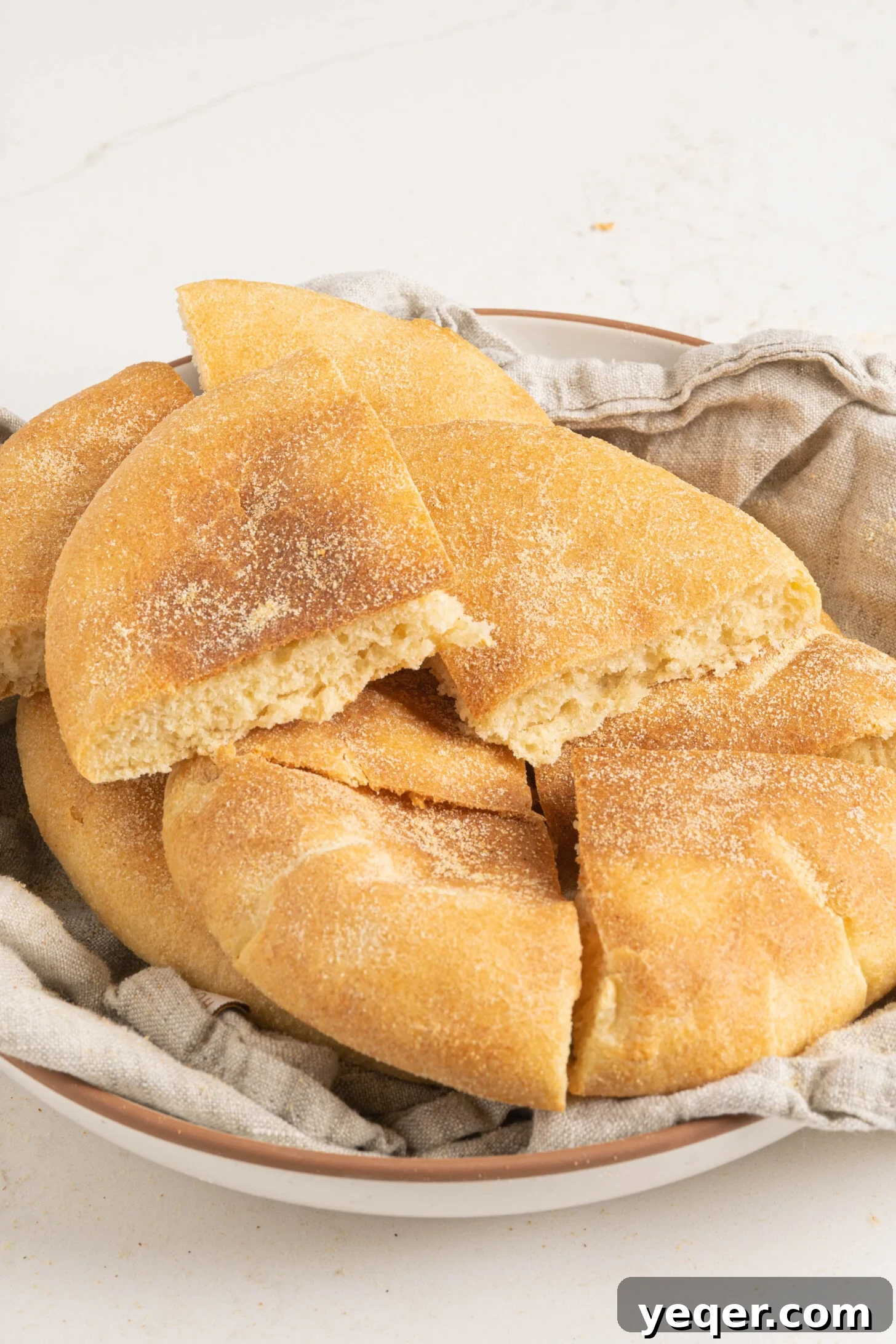
Fresh Khobz Recipe (Moroccan Bread)
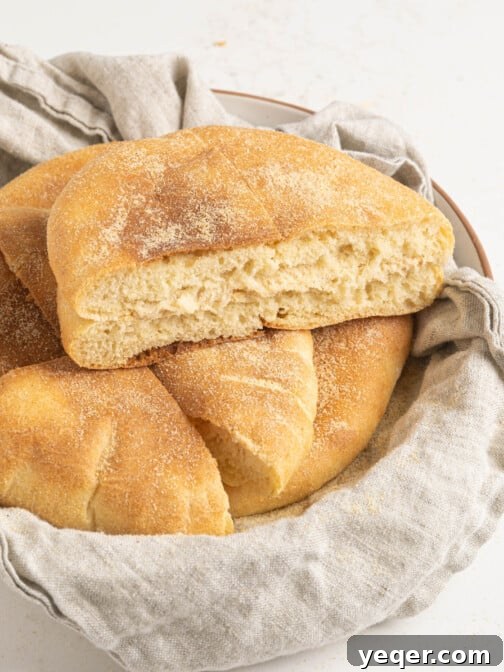
Fresh Khobz Recipe (Moroccan Bread)
- Author: Salima Benkhalti
- Prep Time: 1 hour
- Cook Time: 15 minutes
- Total Time: 2 hours
- Yield: 4 loaves
- Category: side dish, appetizer
- Method: Baked
- Cuisine: Moroccan, North African
- Diet: Vegan
Description
This recipe guides you through making authentic Moroccan Khobz, a soft, round, and flat bread perfect for any meal. Using simple ingredients, you’ll create a staple that embodies Moroccan culinary tradition.
Ingredients
- 1 tbsp active dry yeast
- 1 1/4 cup warm water
- 1 tsp sugar
- 2 cups all purpose white flour
- 1 cup fine semolina flour
- 1 tsp salt
- 3 tbsp vegetable oil
- Additional semolina flour for dusting to prevent sticking while baking
Instructions
- Add both kinds of flour, yeast, sugar, salt, oil, and warm water to a large mixing bowl.
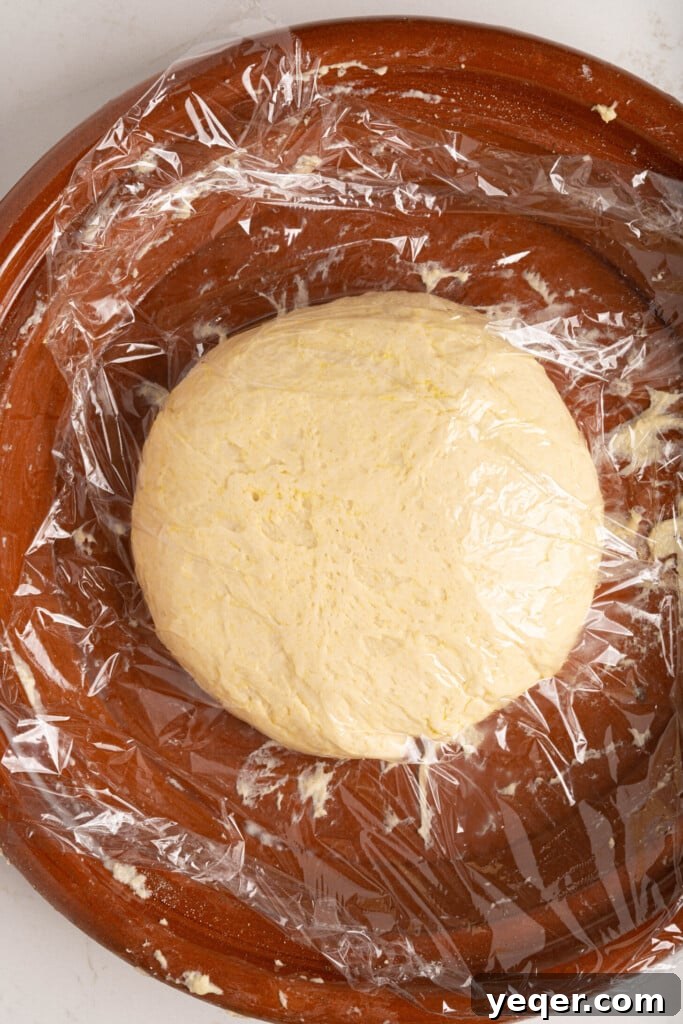
- Mix everything together with your hands, adding a small splash of warm water and oil if too dry. Continue to knead until a consistent dough forms, adding oil to your hands if things get too sticky.
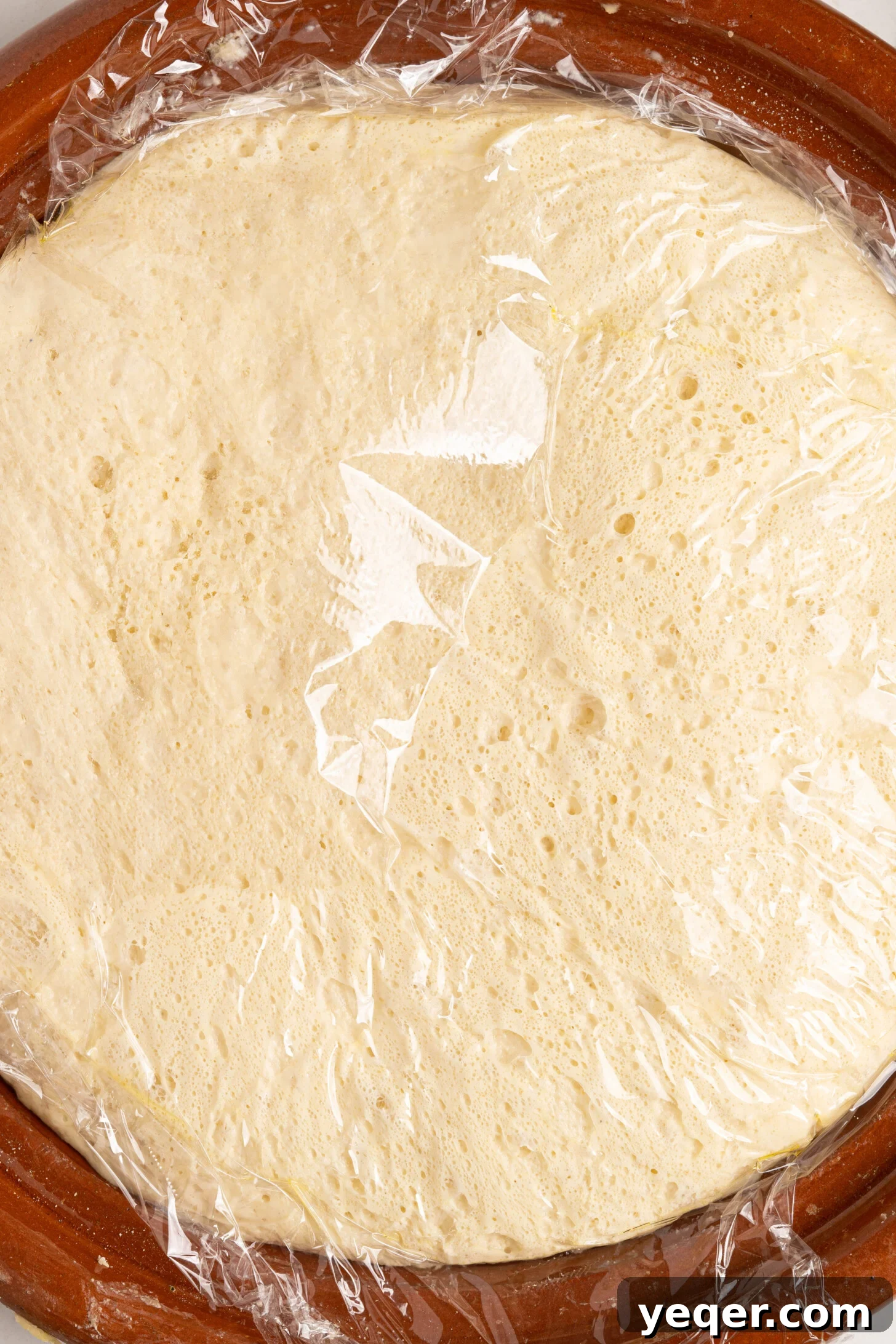
- Rub the dough with a drizzle of oil, cover with plastic wrap or a clean towel and rest for 45 minutes, or until it has doubled in size.
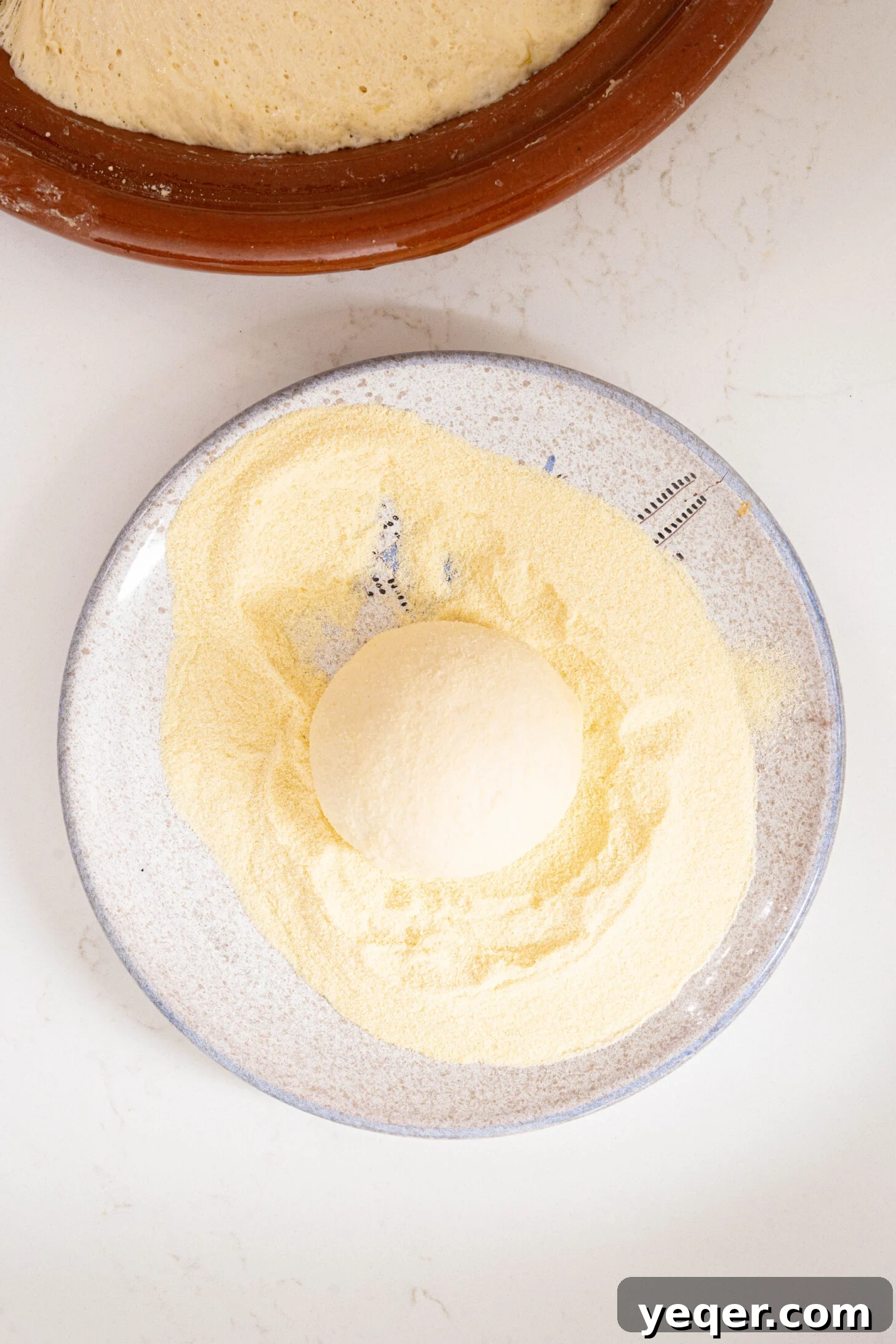
- Divide the dough into fourths and roll each section into a ball. Roll each ball in semolina flour to coat.
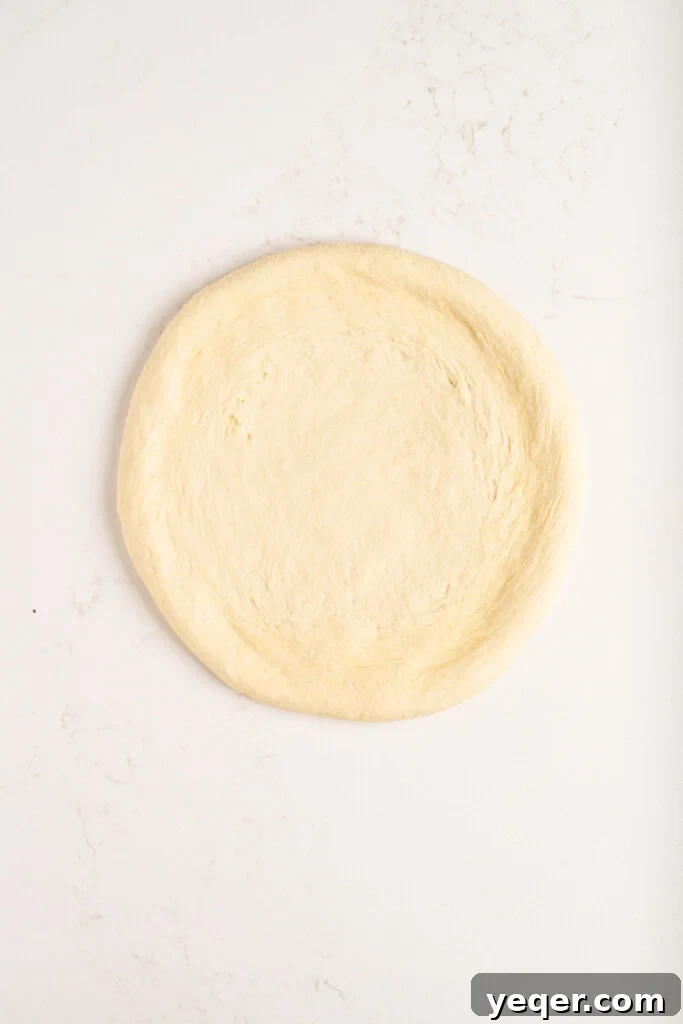
- Cover again and give the discs 15 minutes to rest. Gently flatten each ball of dough into a round, pizza-shaped disc. They should be about ¼ inch in height.
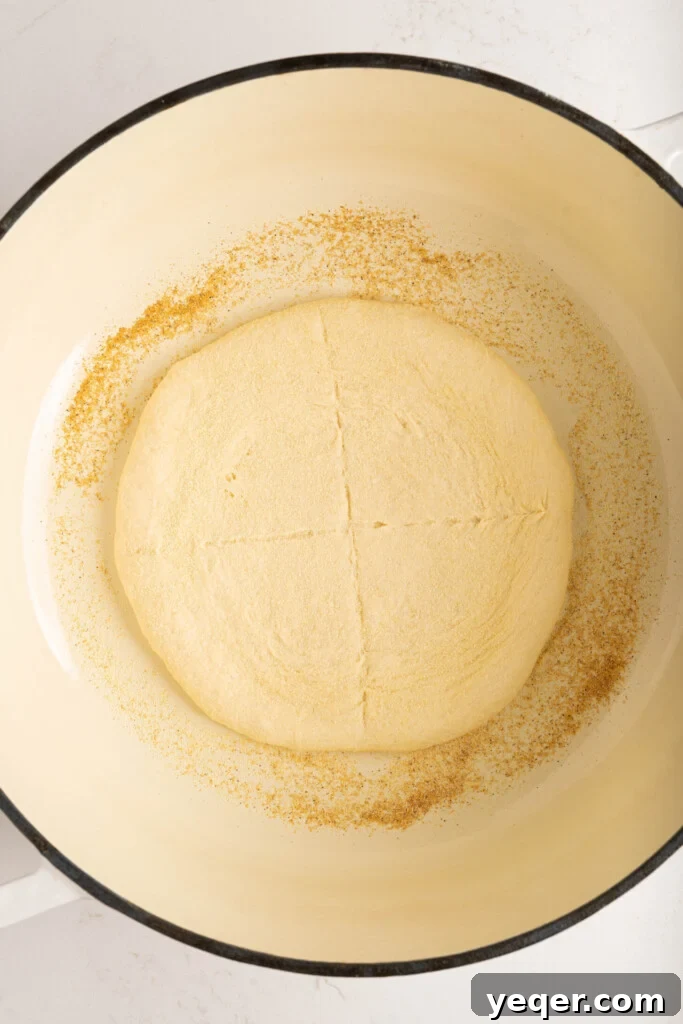
- Prep a baking surface (you can use a baking sheet, cast iron pan, or Dutch oven) with parchment paper or a sprinkle of semolina flour to keep the bread from sticking.
- Preheat your oven to 425°F / 218°C. Lightly poke the loaves with a fork. Bake each loaf in its own prepared pan, so they have enough room to rise, for 15-20 minutes, or until they are golden brown all around. Bismillah!
Equipment
Dutch Oven
Buy Now →
Bismillah,