
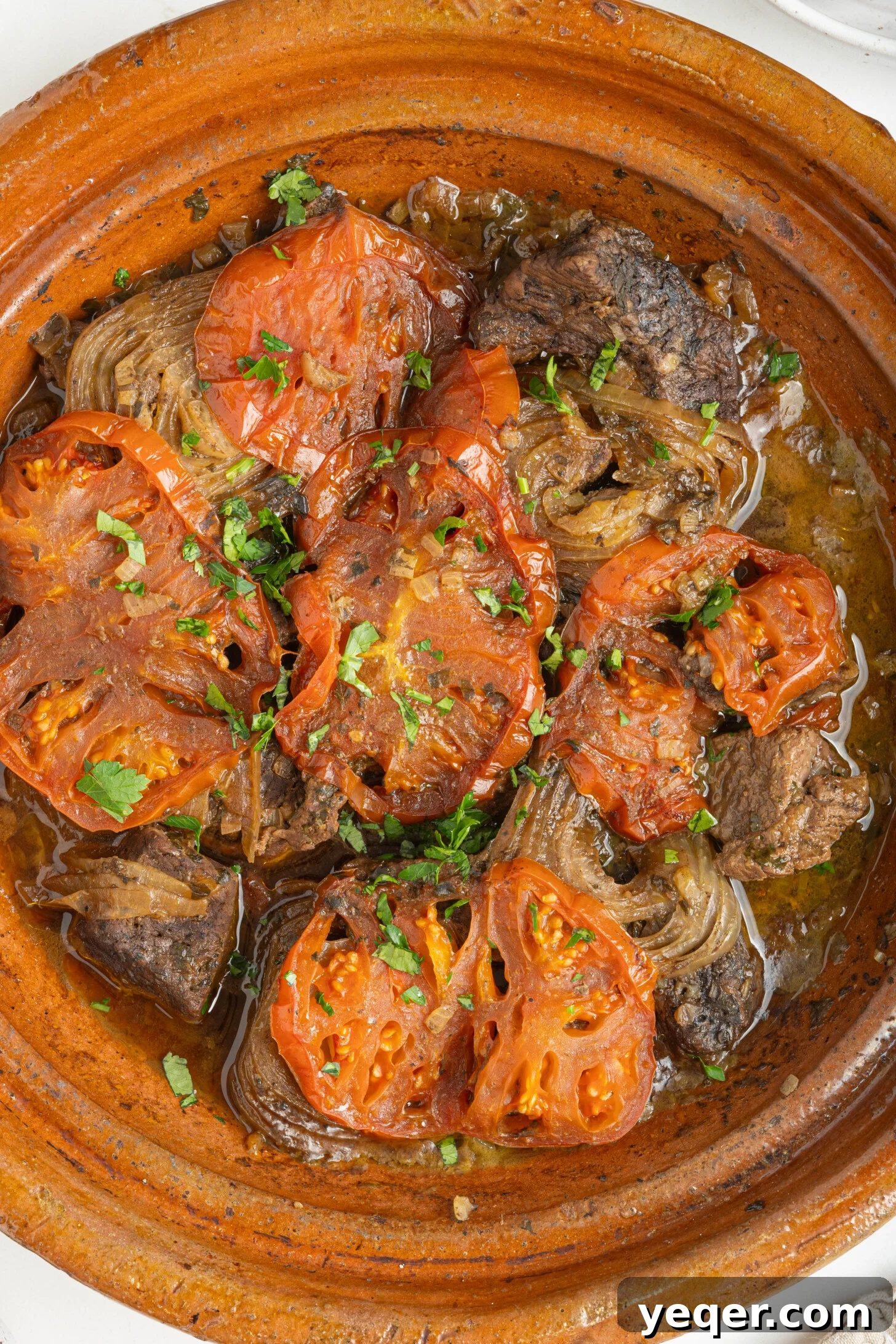
Experience the culinary magic of Morocco with this exquisite Moroccan Beef Tagine, famously known as Makfoul. This classic beef stew is a symphony of flavors, featuring incredibly tender beef (or lamb), beautifully caramelized onions, sweet tomatoes, and a fragrant blend of warming Moroccan spices. Makfoul is not just a dish; it’s an aromatic journey, a rich, saucy experience that brings the heart of North African cuisine to your table. Despite its gourmet appeal, this recipe is surprisingly straightforward to prepare, whether you choose to use a traditional clay tagine pot or a versatile Dutch oven, promising an authentic taste of Morocco with every spoonful.
The Heart of Moroccan Cuisine: A Family Tradition
For my family, tagines are more than just a meal; they are a fundamental part of our heritage and daily life. Growing up, I was fortunate to savor at least a few tagines each week, each one unique with its medley of proteins, fresh vegetables, and vibrant spices. This culinary tradition ingrained in me a deep appreciation for the art of slow cooking and the rich tapestry of Moroccan flavors. The tagine, both the dish and the distinctive cooking vessel, represents warmth, gathering, and the comfort of home. It’s a testament to simple ingredients transforming into something extraordinary through patience and love, an essential experience for anyone exploring Moroccan food.
Understanding Makfoul: The Art of Locked Flavors
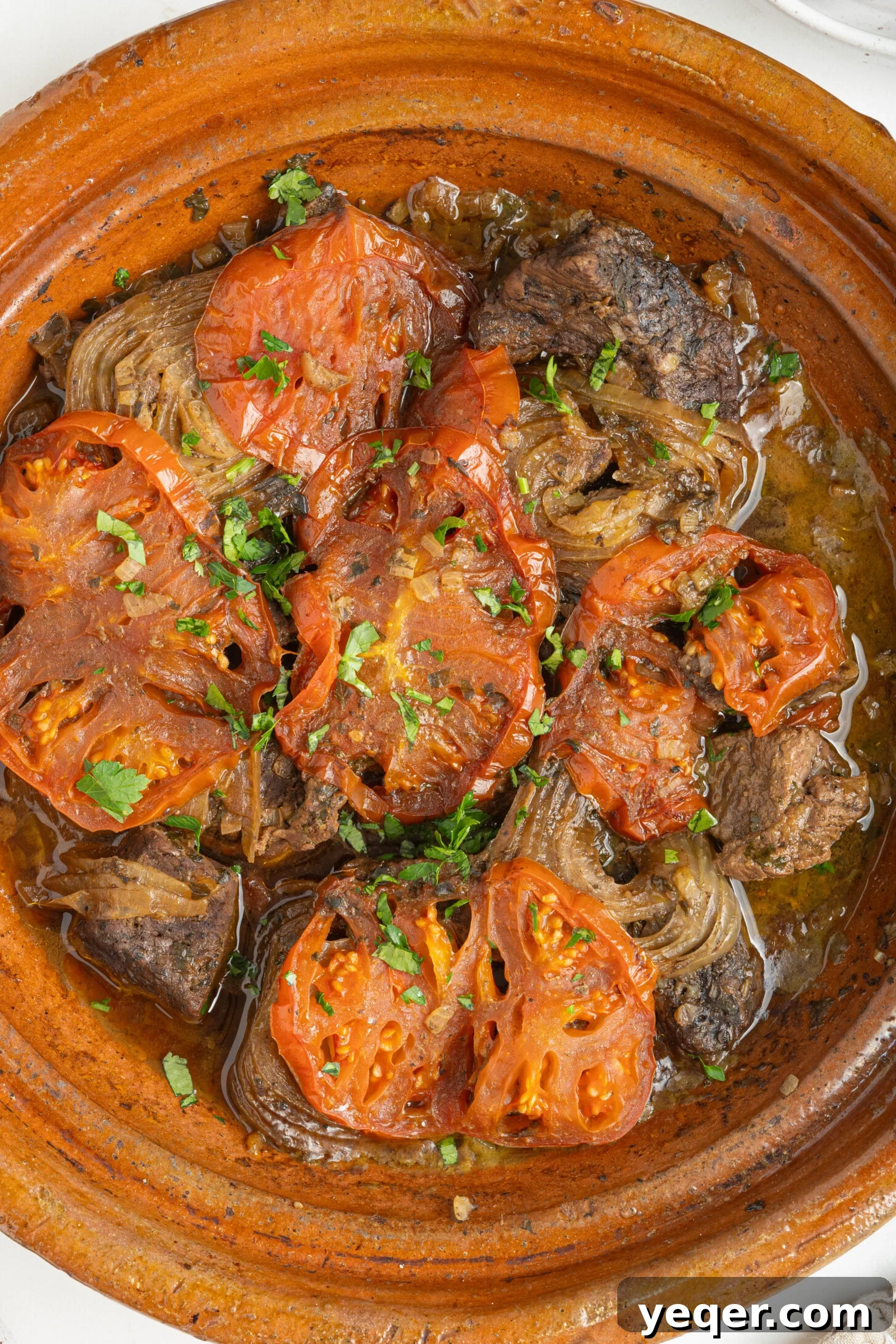
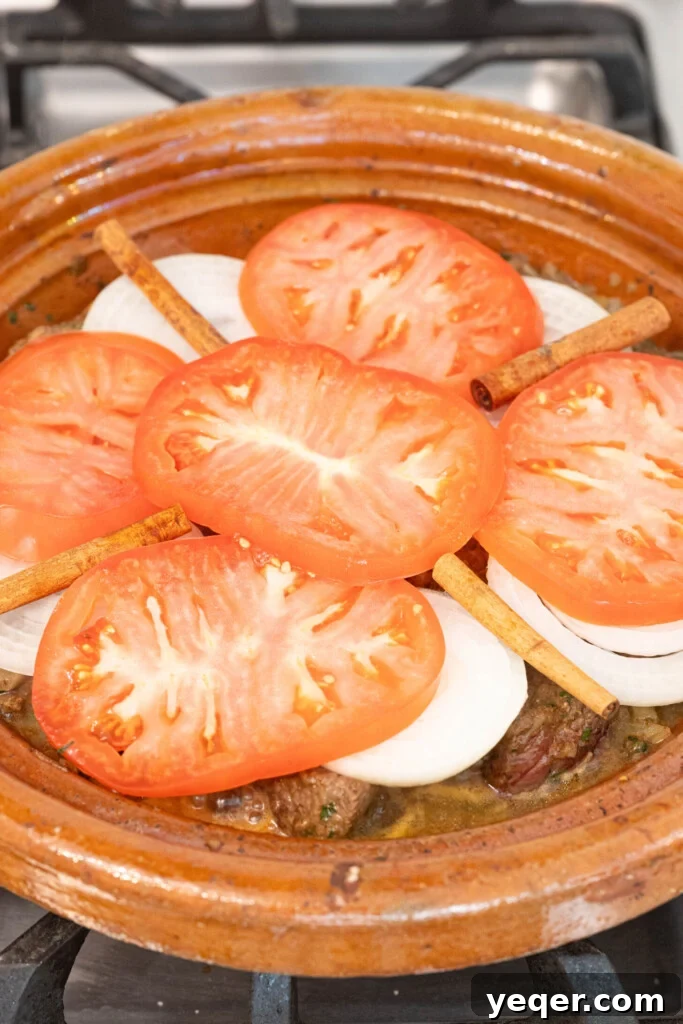
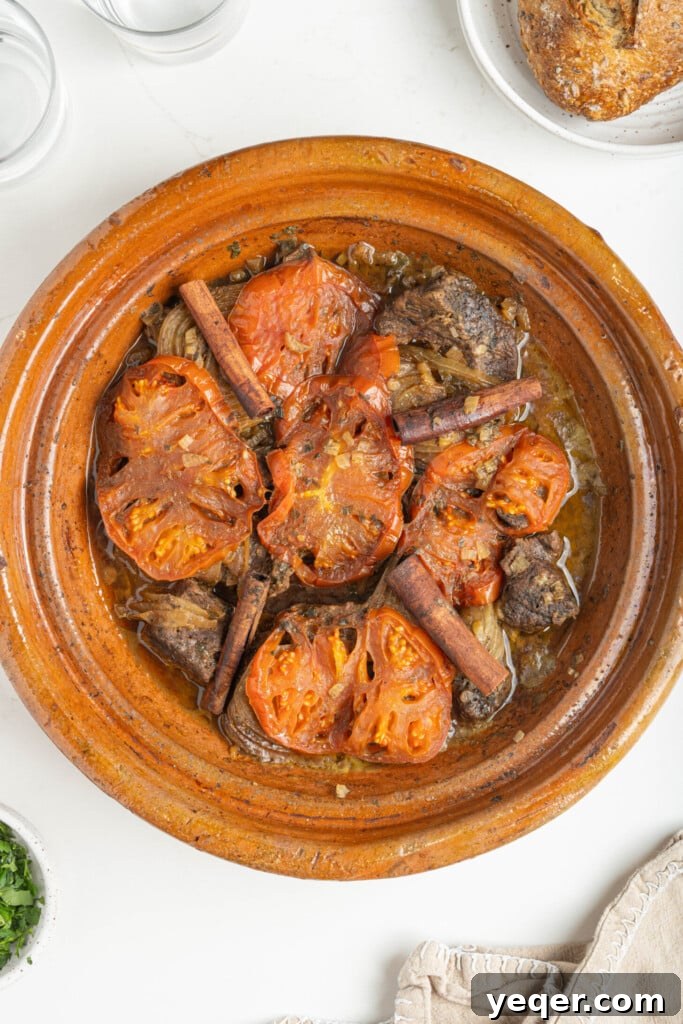
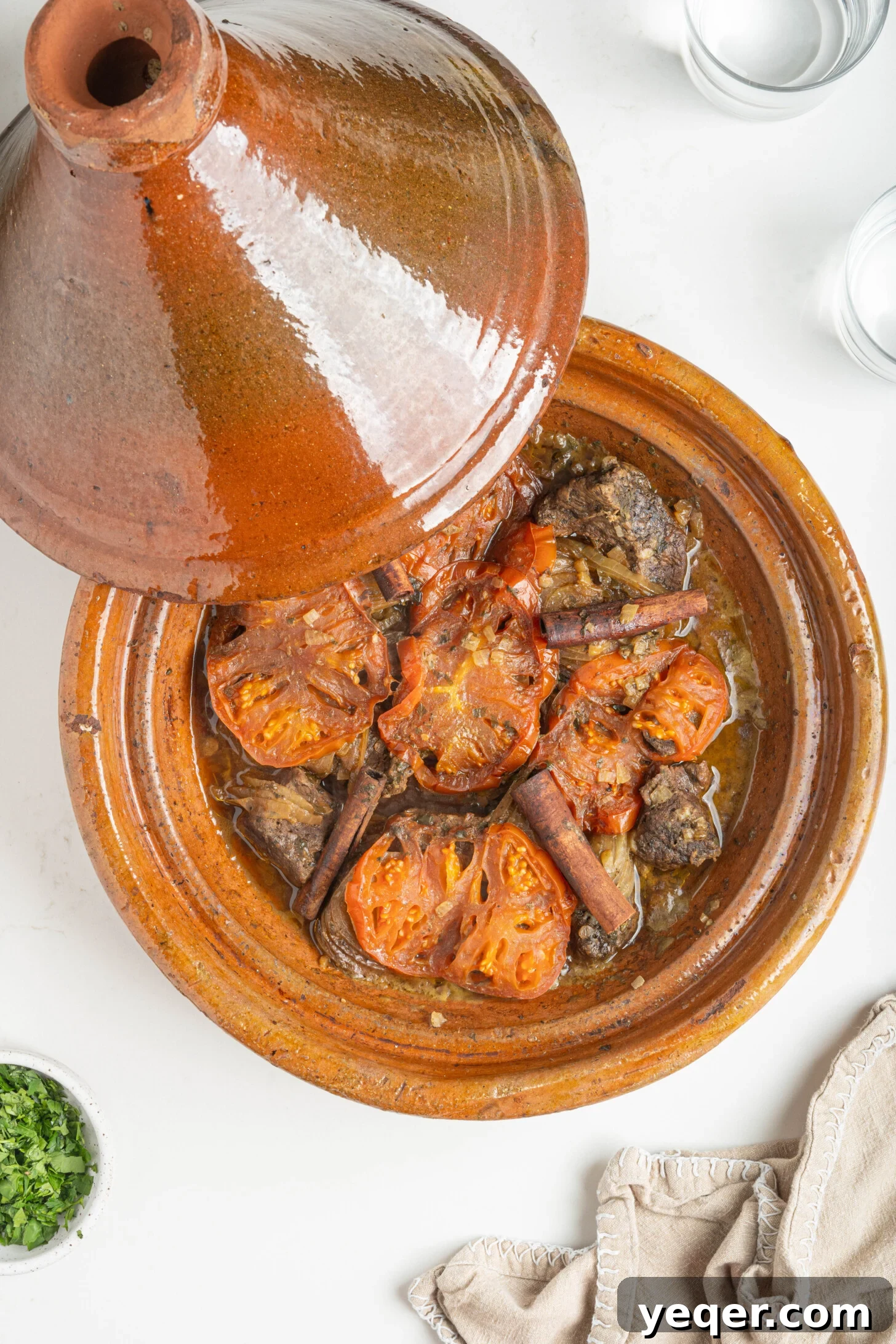
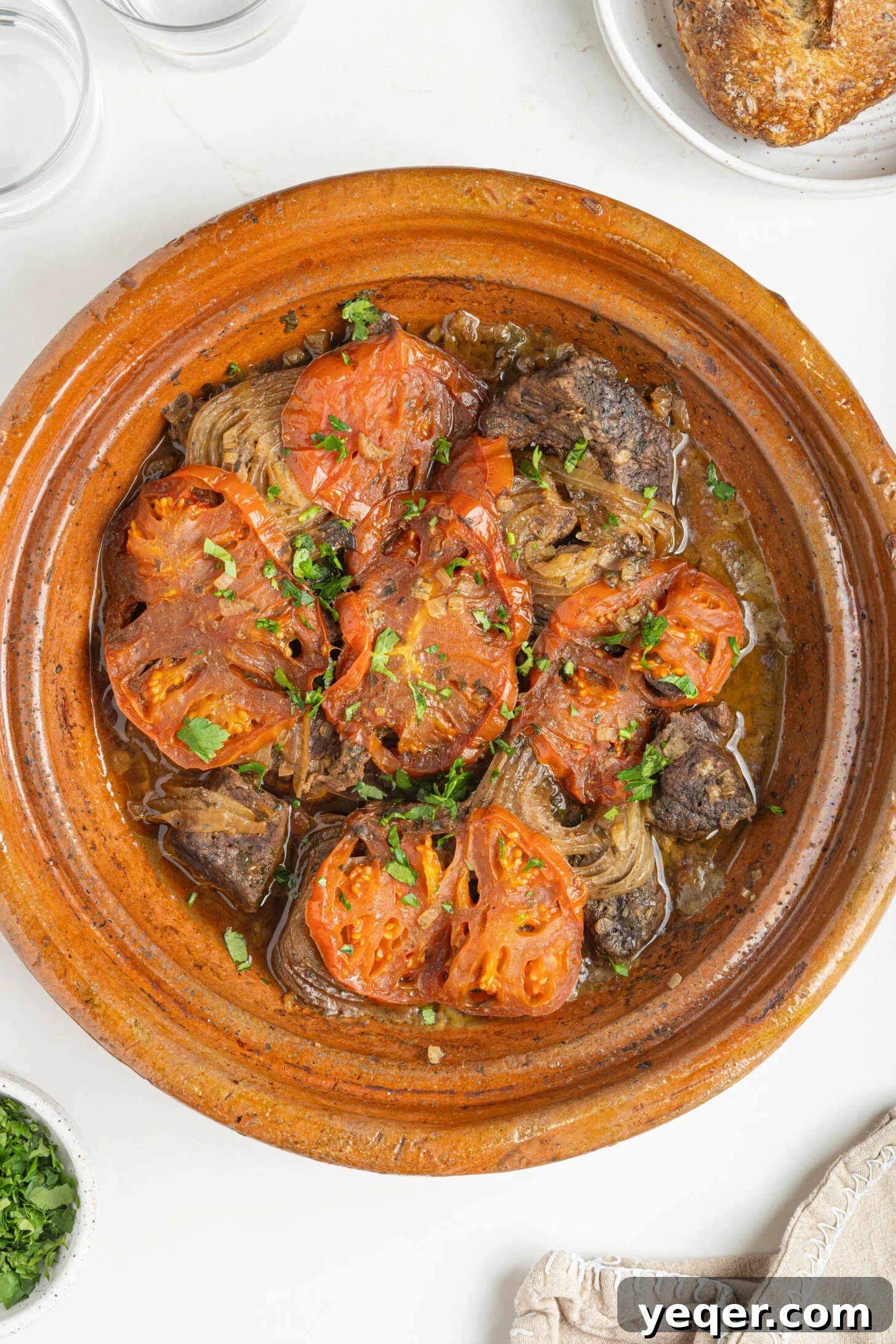
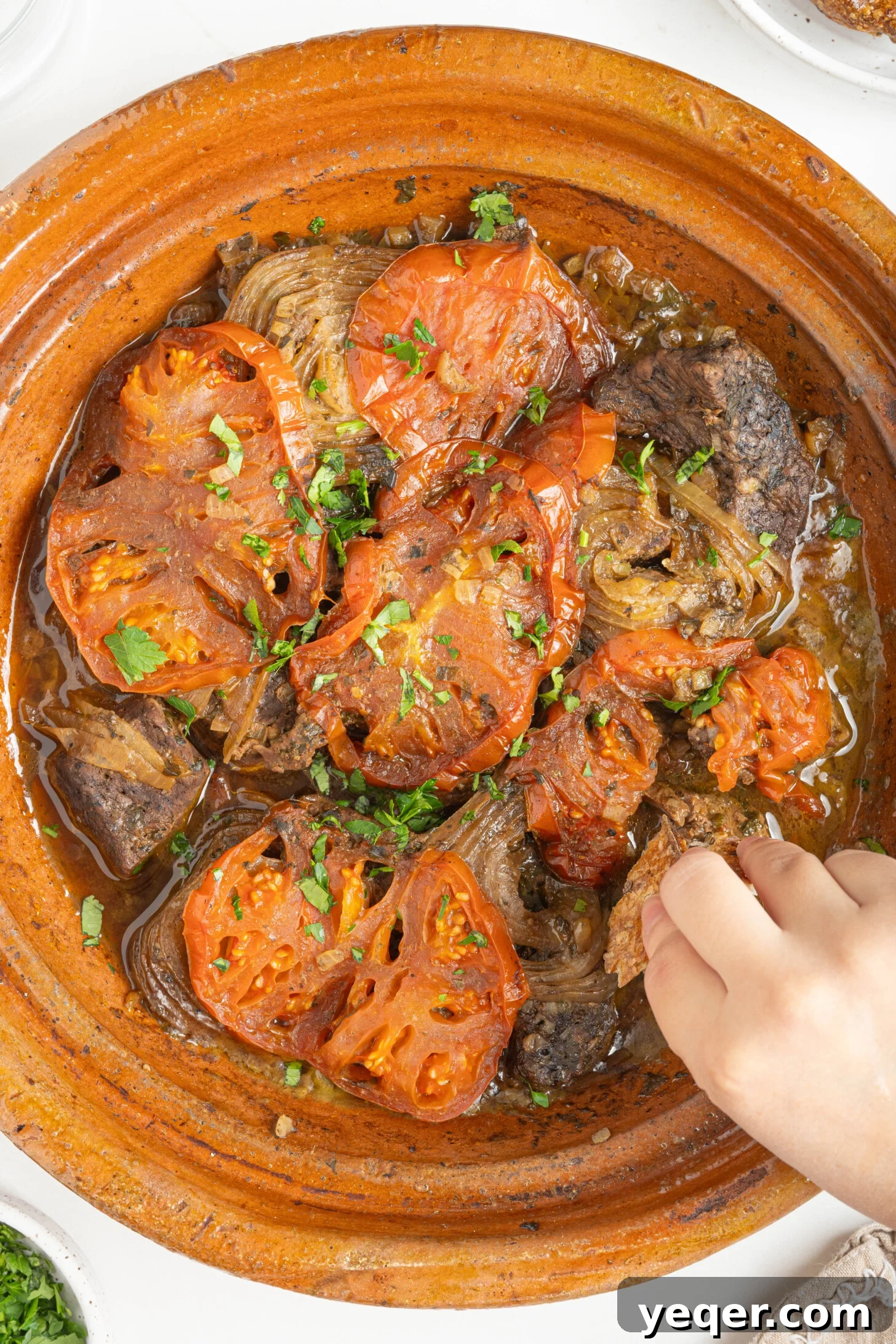
This particular iteration of the tagine is known as Makfoul, a name that beautifully translates to ‘locked’. This term refers to the ingenious way the flavors are meticulously locked and layered within the dish, creating a depth and complexity that is truly unparalleled. The sweet caramelized onions form the tender base, followed by succulent pieces of beef or lamb, generously seasoned with fragrant spices, and then crowned with juicy tomato slices. As the tagine gently simmers, these distinct layers meld together, allowing each ingredient to infuse the others with its essence. The result is a harmonious blend where sweet, savory, and aromatic notes intertwine, delivering a rich, cohesive flavor profile that defines this cherished Moroccan beef stew.
Authentic Moroccan dining often centers around the tagine itself, placed directly in the middle of the table, inviting everyone to share in the feast. Paired with warm, crusty Moroccan bread (khobz), perfect for scooping up every last drop of the flavorful sauce, and a vibrant selection of side salads, this beef tagine offers a truly immersive culinary experience. Its assembly is remarkably straightforward, whether you’re utilizing a traditional tagine pot, renowned for its ability to tenderize meats and concentrate flavors, or a heavy-bottomed Dutch oven, which provides similar slow-cooking benefits. The end result is consistently a dish bursting with sweet and savory notes, a testament to its enduring appeal.
If you’re eager to explore more Moroccan recipes that capture the spirit of this Makfoul, I highly recommend trying our chicken tagine with olives & preserved lemons, another cornerstone of Moroccan cooking that showcases bright, tangy flavors.
Essential Ingredients for an Authentic Makfoul
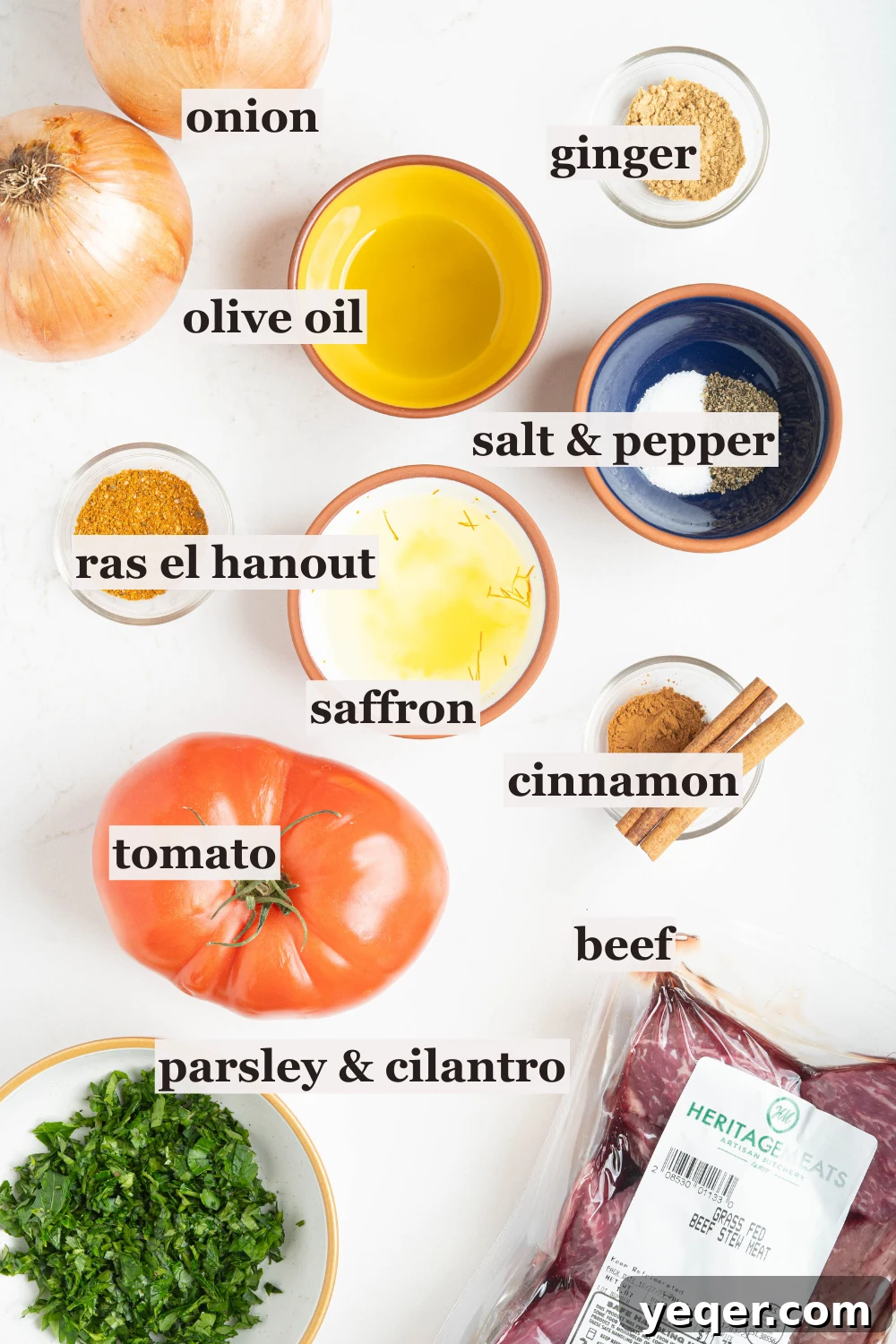
Crafting a truly memorable Moroccan Beef Tagine, or Makfoul, hinges on a few key ingredients, each playing a vital role in building its distinctive flavor profile. The foundation begins with sweet onions, which caramelize to create a rich, slightly sweet base that forms the soul of the stew. Tender beef or lamb chuck roast, cut into hearty pieces, ensures a succulent texture after hours of slow simmering. The spice blend is crucial: Ras el Hanout, a signature Moroccan mix, introduces a complex bouquet of flavors, while ginger powder, cinnamon, pepper, and salt contribute depth, warmth, and balance. Fresh parsley and/or cilantro add a burst of herbaceous freshness. Large, ripe tomatoes, sliced into rounds, lend acidity and sweetness, forming a vibrant layer. Cinnamon sticks infuse an earthy warmth, and finally, a generous pinch of bloomed saffron in water delivers its characteristic golden hue and subtle, luxurious aroma. Each ingredient is thoughtfully chosen to contribute to the ‘locked’ flavors that make Makfoul so special.
Crafting Your Moroccan Beef Tagine: A Step-by-Step Guide
How to Serve Your Moroccan Beef Tagine
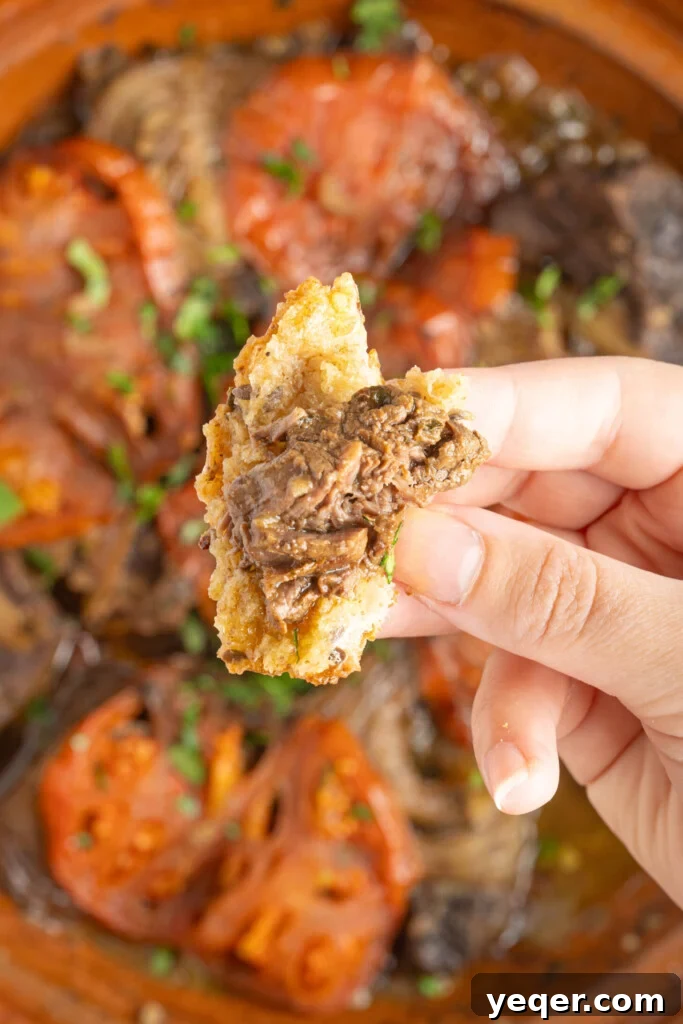
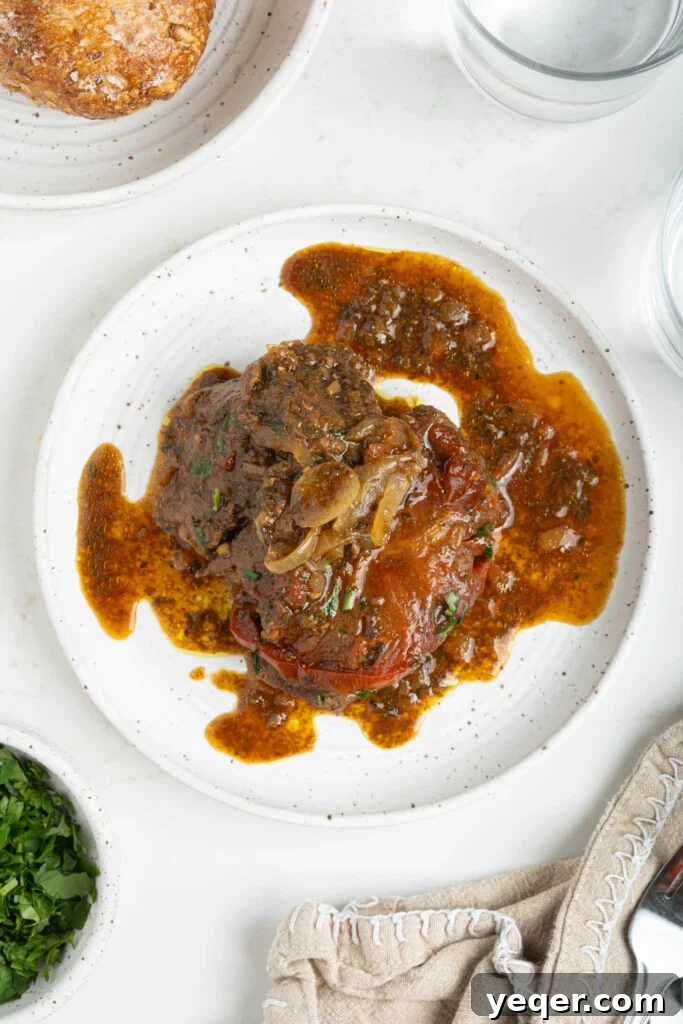
Beyond traditional serving, this versatile beef tagine also pairs wonderfully over a bed of perfectly fluffy plain couscous, allowing the grains to soak up every drop of the savory sauce. For a refreshing twist, consider serving it with this warm couscous salad, which offers contrasting textures and temperatures. In Moroccan homes, tagines are almost always accompanied by fresh, homemade bread (khobz) and an array of vibrant, refreshing Moroccan side salads. These salads, often light and tangy, provide a perfect counterpoint to the richness of the stew, enhancing the overall dining experience.
To recreate the authentic Moroccan family meal, here are some cherished dishes my grandma often served alongside this delectable Makfoul tagine:
Creative Add-Ins & Substitutes for Your Makfoul Tagine
The beauty of many tagine recipes, especially this versatile Makfoul, lies in their adaptability. It’s incredibly easy to customize the vegetable components, allowing you to tailor the dish to your taste or what’s in season. This flexibility means you can enjoy a new variation of this classic stew every time you cook it, without straying too far from its authentic spirit. Here are a few delightful vegetable additions and flavor twists you can explore to enhance your beef tagine:
- Okra: This often underutilized vegetable surprisingly complements the rich flavors of Makfoul beautifully. When added, okra gently absorbs the savory sauce and the sweet tang of the tomatoes and onions, adding a unique texture and subtle earthy note that elevates the dish.
- Prunes & Almonds: For a truly distinctive sweet and savory profile, consider omitting the fresh tomatoes and incorporating plump prunes and toasted almonds instead. The prunes will impart a deep, molasses-like sweetness that contrasts exquisitely with the savory beef, while the almonds add a delightful crunch and nutty aroma. This combination creates a luxurious, celebratory version of the tagine.
- Artichokes & Peas: This classic pairing offers a delicate, fresh dimension to the robust beef and caramelized onions. If you opt for artichoke hearts and sweet peas, you might choose to leave out the fresh tomatoes and cinnamon sticks to allow these new flavors to shine. The artichokes bring a tender, slightly tangy element, and the peas add a pop of vibrant green and natural sweetness, resulting in a lighter yet equally satisfying tagine.
Feel empowered to experiment with your favorite vegetables. Simply add them along with the tomatoes and onions, or swap some ingredients out entirely, to create your own unique rendition of this beloved Moroccan stew. Each addition will subtly alter the “locked flavors,” promising a new culinary adventure with every modification.
Bismillah,

Print
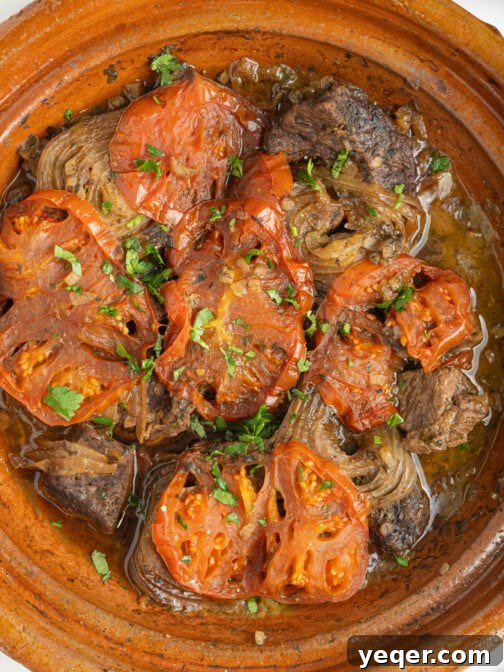
Moroccan Beef Tagine (Beef Stew with Tomatoes & Onions)
5 Stars 4 Stars 3 Stars 2 Stars 1 Star
5 from 1 review
Author: Salima Benkhalti
Prep Time: 30 minutes
Cook Time: 1 hour 30 minutes
Total Time: 2 hours
Yield: 6 servings 1x
Category: Main Dish, Entree
Method: Slow Cooked, Simmered
Cuisine: Moroccan, North African
Diet: Gluten Free
Description
This Moroccan Beef Tagine (also known as Makfoul) is a culinary masterpiece featuring incredibly tender beef or succulent lamb, deeply caramelized onions, fresh tomatoes, and an aromatic blend of warming spices. It’s a rich, saucy, and wonderfully fragrant beef stew that offers a surprisingly simple cooking experience, whether you’re using a traditional tagine pot or a versatile Dutch oven. Prepare to be delighted by the depth of flavor locked into every layer of this authentic Moroccan dish.
Ingredients
Units
Scale
- 2 large sweet onions
- 1 tbsp high-quality olive oil
- 2 lbs beef or lamb chuck roast, trimmed and cut into 2-3 inch pieces
- 2 tsp Ras el Hanout (Moroccan spice blend)
- 1/2 tsp ground ginger powder
- 1/2 tsp ground cinnamon
- 1 tsp black pepper
- 1 tsp salt (or to taste)
- 2 tbsp fresh parsley and/or cilantro, finely minced, plus extra for garnish (optional)
- 1–2 large, ripe tomatoes, cut into thick rounds
- 4 whole cinnamon sticks
- 5–6 threads of saffron, bloomed in 1/2 cup of warm water
Instructions
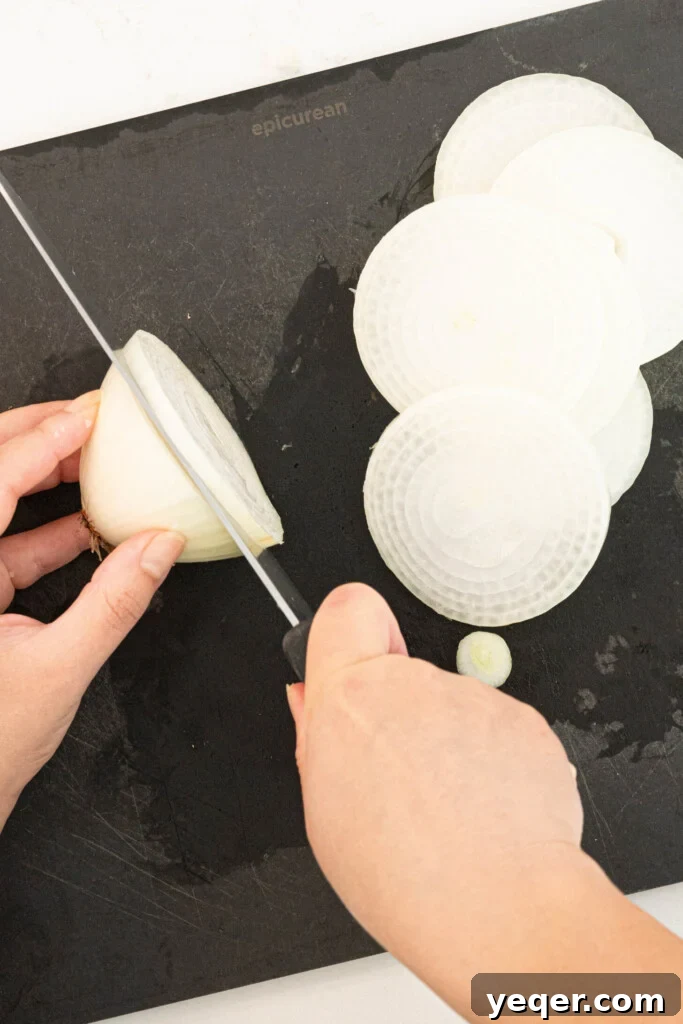
- Prepare the Onions: First, take one of the sweet onions and carefully slice it into even rounds. Set these aside for later layering. Then, finely dice the remaining onion. This preparation ensures distinct textures and flavors in your final dish.
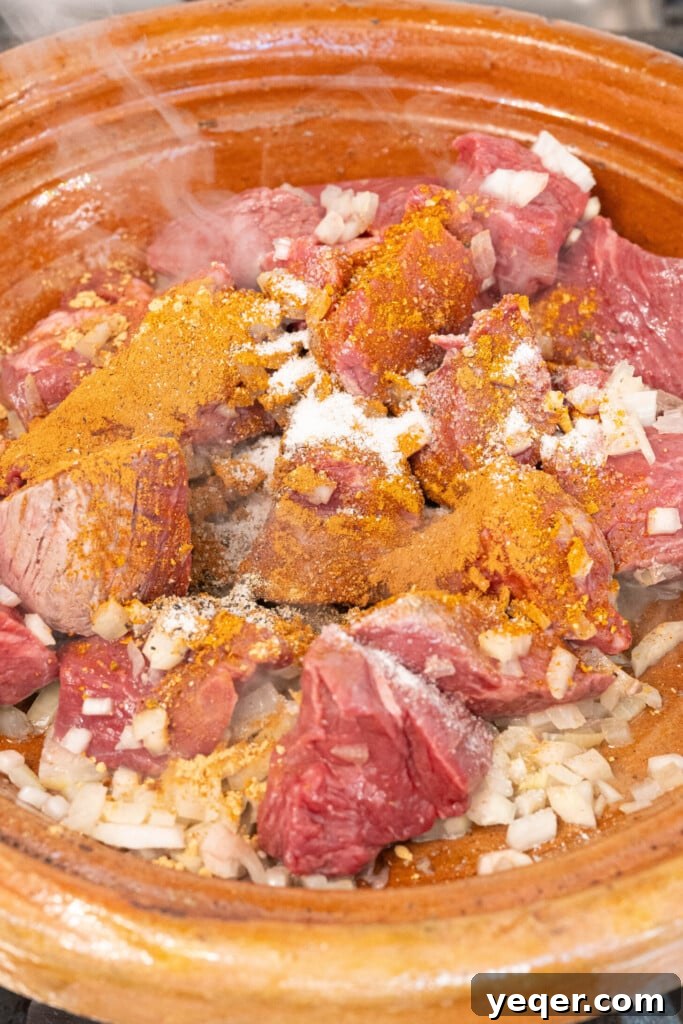
- Brown Meat and Sauté Diced Onions: Heat the olive oil in the base of your tagine pot or Dutch oven over medium-low heat. Add the diced onion, the beef or lamb pieces, and all the dry spices (Ras el Hanout, ginger, cinnamon, pepper, salt) along with the minced parsley and/or cilantro. Stir everything thoroughly to combine, ensuring the meat and onions are well coated in the aromatic spices. Cook this mixture for approximately 15-20 minutes, stirring occasionally, until the diced onions begin to caramelize to a golden hue and the meat has beautifully browned on all sides. This initial browning and caramelization are essential for developing a rich, deep flavor base.
- Layer the Remaining Ingredients: Once the meat and diced onions are sufficiently browned, artfully arrange the reserved onion rounds, the sliced tomatoes, and the whole cinnamon sticks over the meat in a circular or decorative pattern. This layering technique is characteristic of Makfoul, allowing the top layers to gently steam and infuse their flavors downwards into the stew.
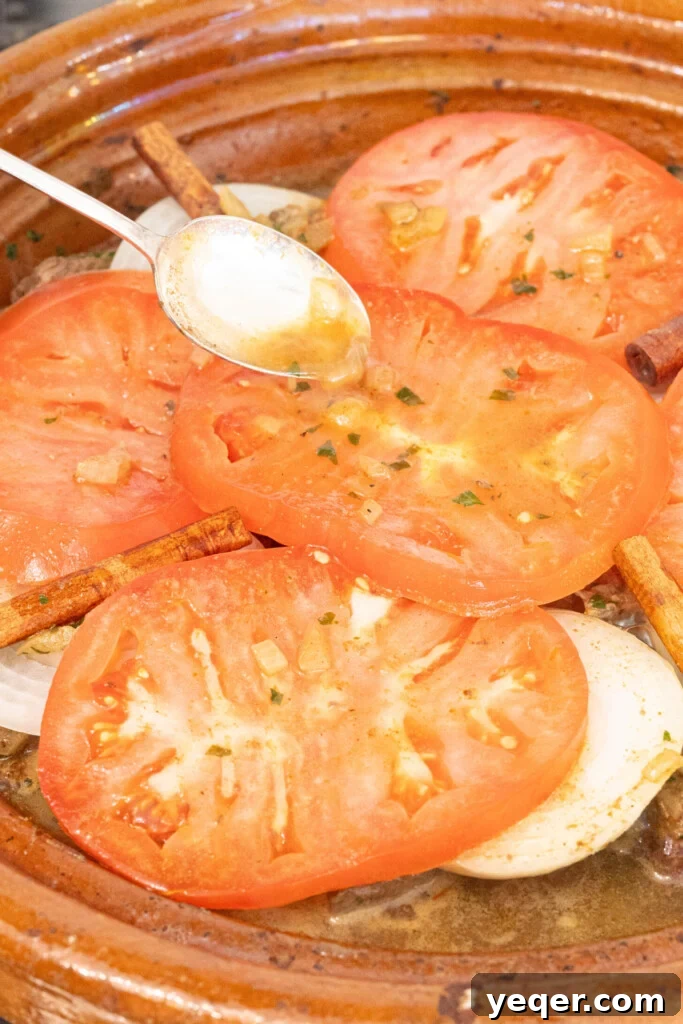
- Add Saffron and Sauce: Pour the bloomed saffron and its water directly over the layers in the tagine. Then, take a large spoon and gently scoop some of the delicious sauce from the base of the tagine over the newly added onion and tomato layers. This helps distribute the flavors and keeps the top ingredients moist. Bring the liquid in the tagine to a gentle boil over medium heat.
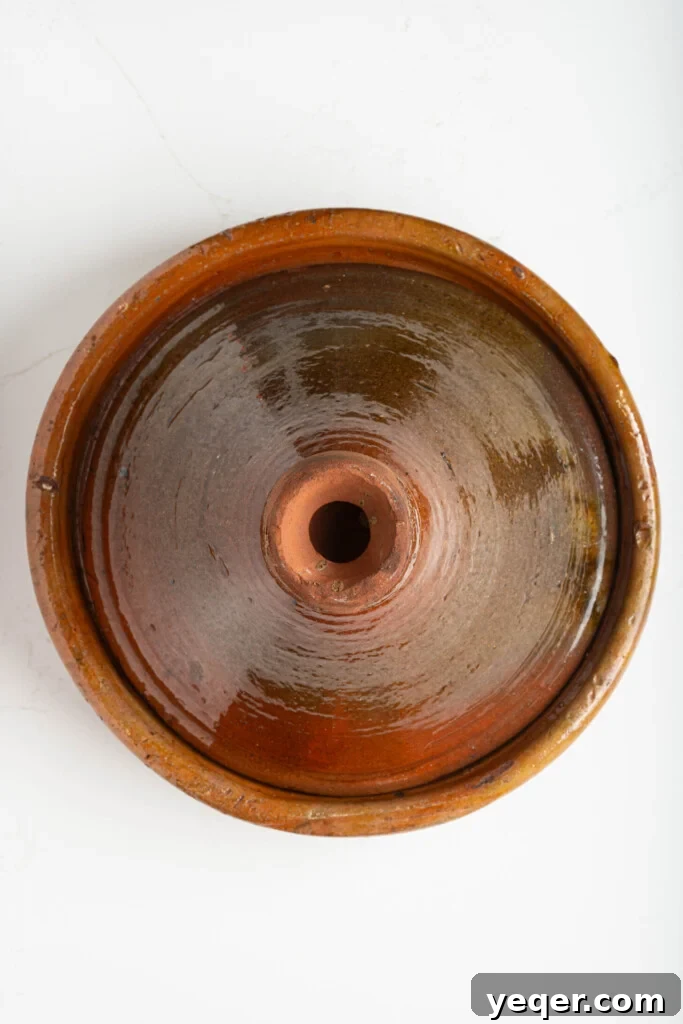
- Slow Cook to Tenderness: Once the liquid is boiling, reduce the heat to medium-low, cover the tagine tightly with its lid (or the lid of your Dutch oven). Allow the tagine to simmer slowly for about an hour. Continue cooking until the layered onions and tomatoes are fork-tender and the beef (or lamb) is incredibly soft and practically falling apart. The slow, gentle cooking is what truly transforms this dish into a tender, flavorful masterpiece.
- Serve and Savor: Before serving, carefully remove the cinnamon sticks from the tagine. Your authentic Moroccan Beef Tagine is now ready to be enjoyed! Serve it piping hot, directly from the tagine if you wish, alongside traditional Moroccan bread (khobz) for dipping into the rich sauce, or over a bed of fluffy couscous. Garnish with a fresh sprinkle of parsley or cilantro, if desired, for an added touch of color and freshness.
Recommended Equipment
Oven Safe Tagine Pot
Buy Now →
Chef’s Notes & Tips
Pro Tip for Enhanced Flavor: While my father sometimes skipped this step, I highly recommend sautéing the diced onions until they begin to caramelize before adding the meat. This initial caramelization significantly jump-starts the flavor development, resulting in a much sweeter, richer, and more complex sauce. It’s a small extra effort that yields a remarkably delicious difference in your Makfoul tagine.