
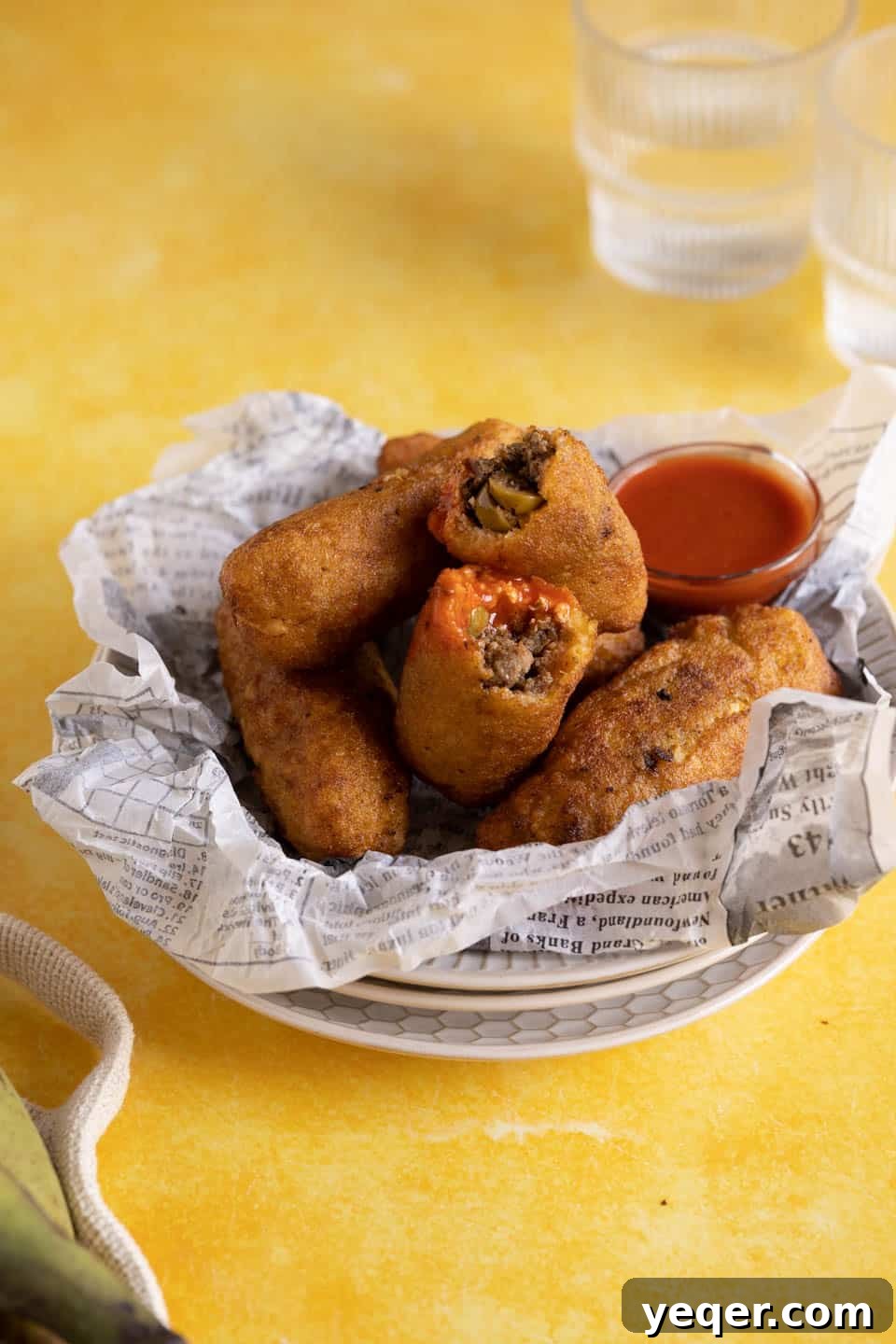
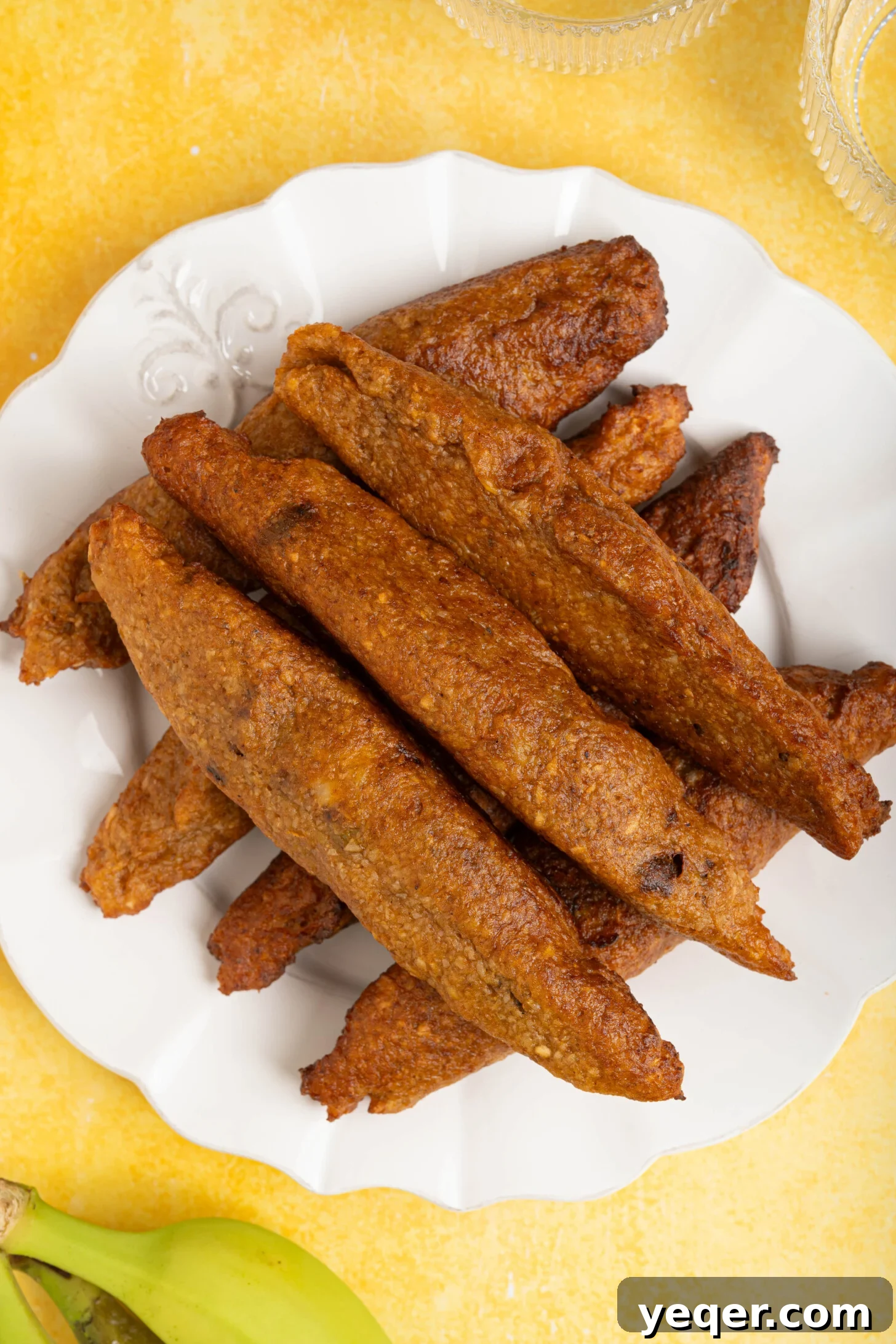
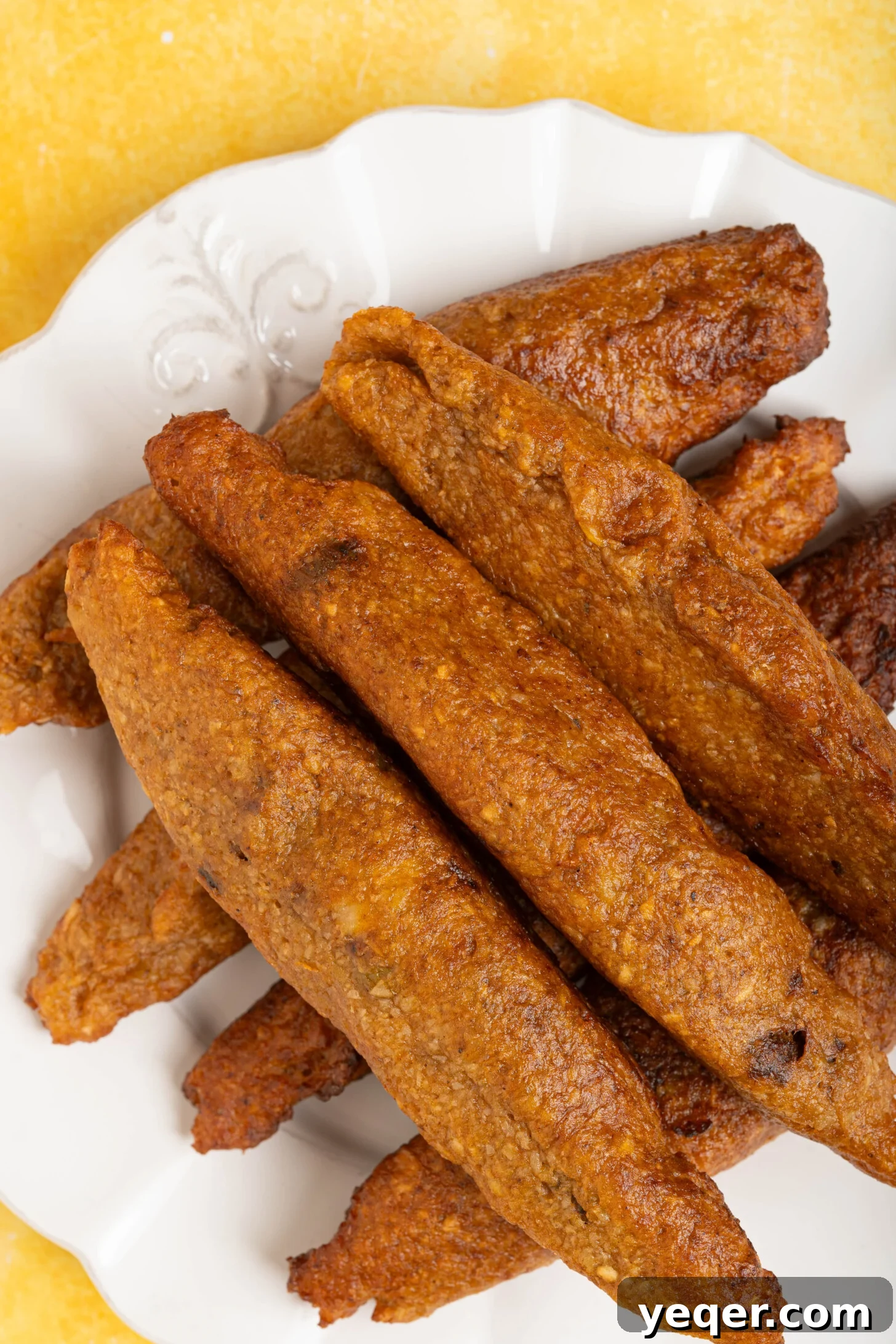
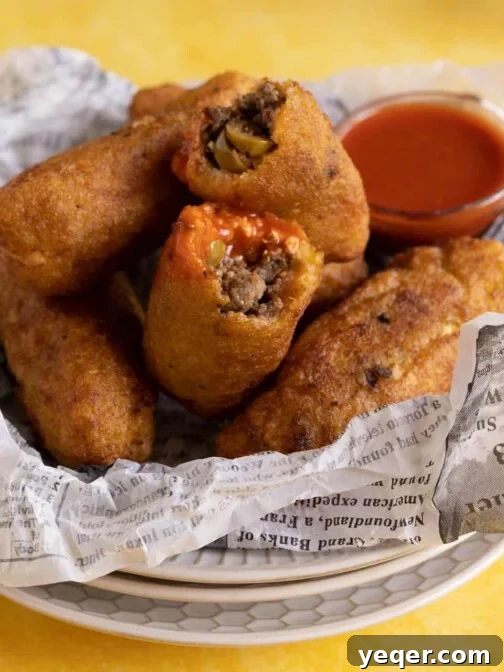
Immerse yourself in the vibrant flavors of Puerto Rico with these incredible homemade Alcapurrias. If there’s one culinary art Puerto Ricans have perfected, it’s the art of the fritter! These savory delights feature a unique dough, known as masa, expertly crafted from grated root vegetables and green bananas. Each alcapurria is generously filled with a mouth-watering homemade picadillo – a seasoned ground meat mixture – then fried to golden perfection, resulting in a crispy exterior and a wonderfully tender, flavorful interior. Preparing them at home is a rewarding experience, simpler than you might imagine, and promises an authentic taste of the island.
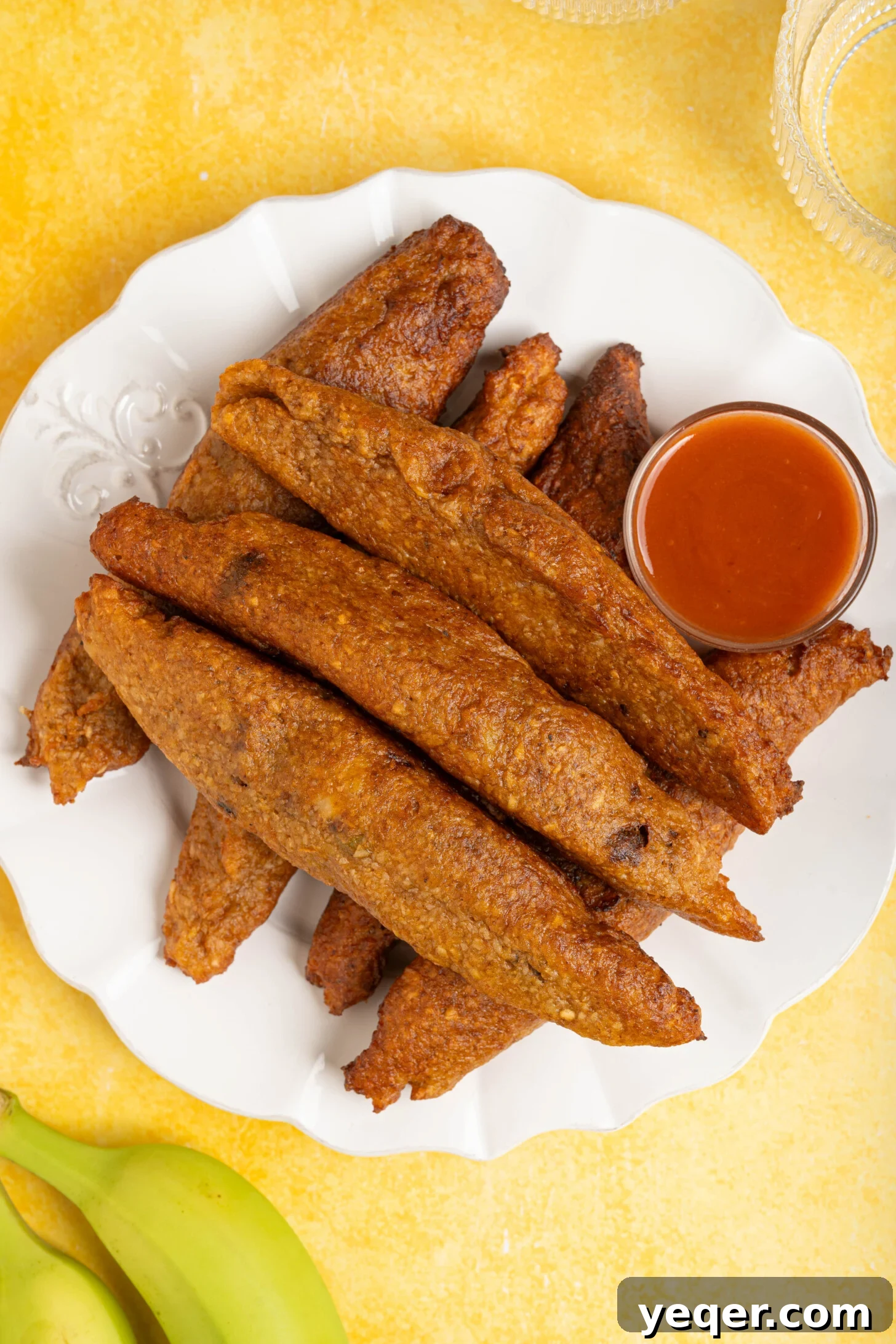
Why You’ll Adore This Alcapurrias Recipe
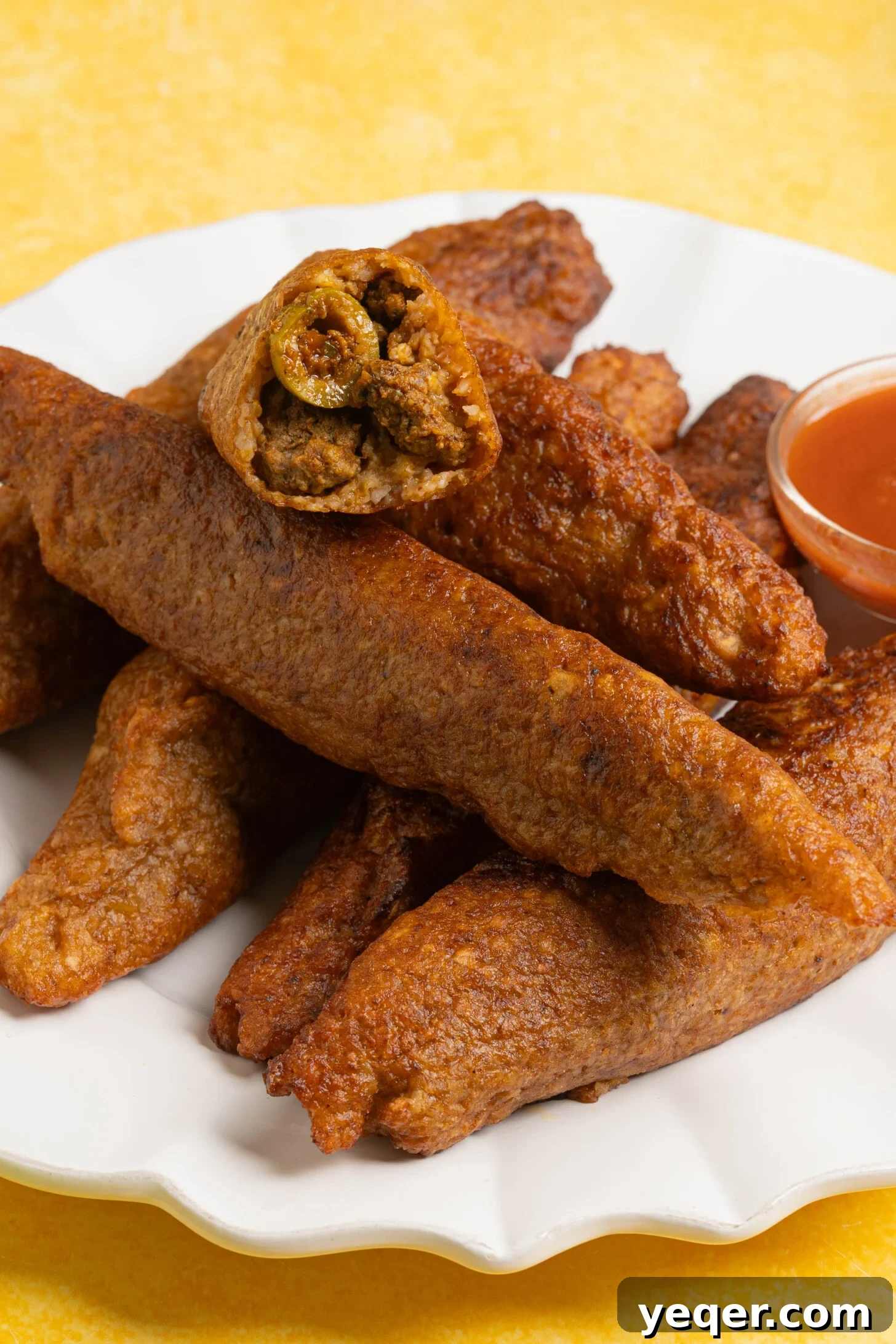
Alcapurrias are more than just fritters; they are a culinary cornerstone of Puerto Rican culture, cherished street food, and a beloved homemade treat. What makes these fritters truly special is the ingenious combination of ingredients: a starchy masa made from grated taro (yautía) or yuca, blended with green bananas, and infused with the aromatic power of sofrito. This unique dough encases a rich, savory picadillo filling, usually ground beef, stewed with olives and spices, then fried until exquisitely crisp.
As someone who always gravitates towards savory over sweet, the concept of deep-fried, meat-stuffed fritters like Alcapurrias is simply irresistible. The contrasting textures – a firm, golden crust giving way to a soft, starchy interior and a succulent, seasoned meat core – create an unparalleled eating experience. It’s a symphony of textures and flavors in every bite that captures the heart of Caribbean comfort food.
If you appreciate authentic Puerto Rican recipes, you’ll find Alcapurrias share a similar spirit and ingredient profile with other island classics. Dishes like empanadillas (fried turnovers) and pasteles (meat-filled masa pockets wrapped in banana leaves) also showcase the island’s love for starchy root vegetables and flavorful fillings, making them perfect companions to your culinary exploration.
The Cultural Heritage of Alcapurrias
Alcapurrias represent a delicious fusion of cultures that shaped Puerto Rican identity. The use of root vegetables like yuca and taro reflects the indigenous Taíno influence, who cultivated these staples long before the arrival of Europeans. The frying technique and the concept of savory fritters resonate with African culinary traditions brought by enslaved peoples. Spanish influences are evident in the seasoned picadillo filling, a common element across Latin American cuisines.
These fritters are more than just food; they are a symbol of gathering, celebration, and the rich tapestry of Puerto Rican history. Often found at beachfront kiosks (chinchorros), food trucks, and family gatherings, Alcapurrias are deeply ingrained in the social fabric of the island. Learning to make them at home is not just about cooking; it’s about connecting with a vibrant cultural legacy and sharing a piece of Puerto Rico’s soul.
Essential Ingredients for Authentic Alcapurrias
Crafting delicious Alcapurrias begins with selecting the right ingredients. The unique flavor and texture come from a blend of traditional components, each playing a crucial role. Below, we break down the key ingredients for both the flavorful filling and the distinctive masa.
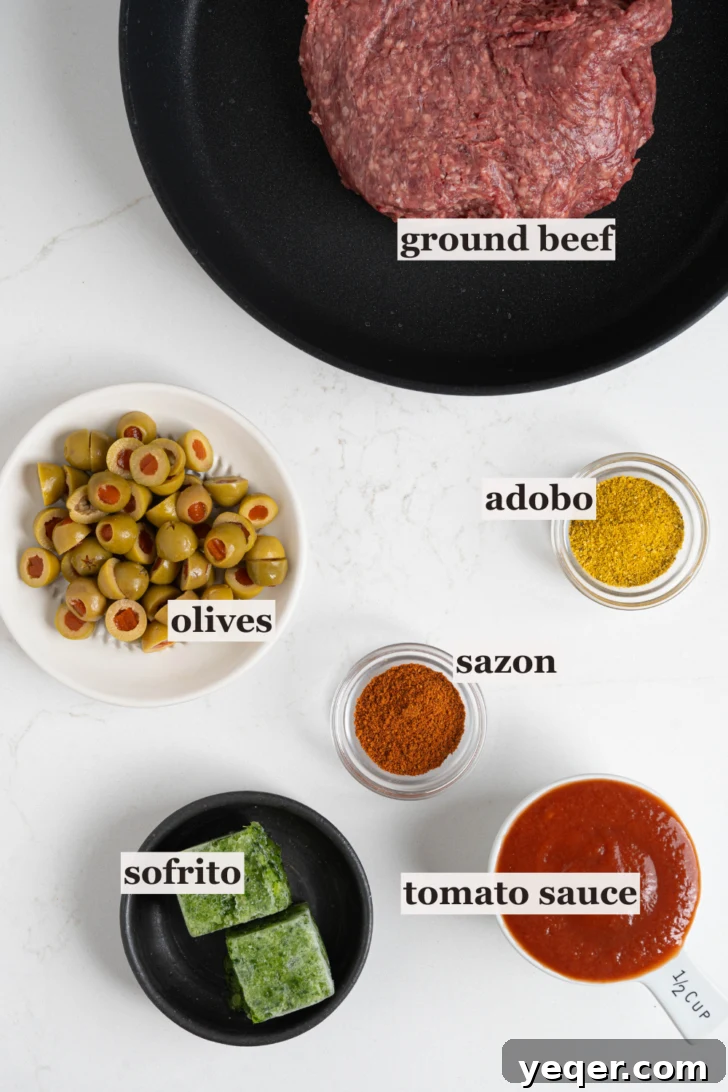
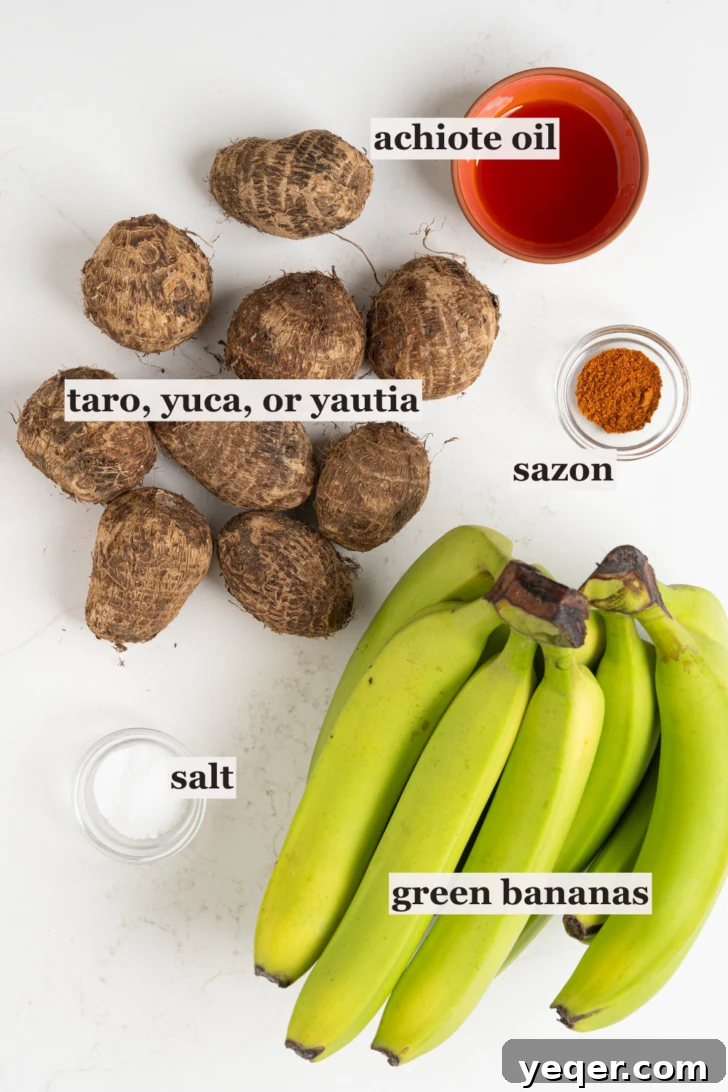
Please refer to the detailed recipe card at the end of this post for exact measurements and a complete list of ingredients.
How to Make Alcapurrias: Step-by-Step Instructions
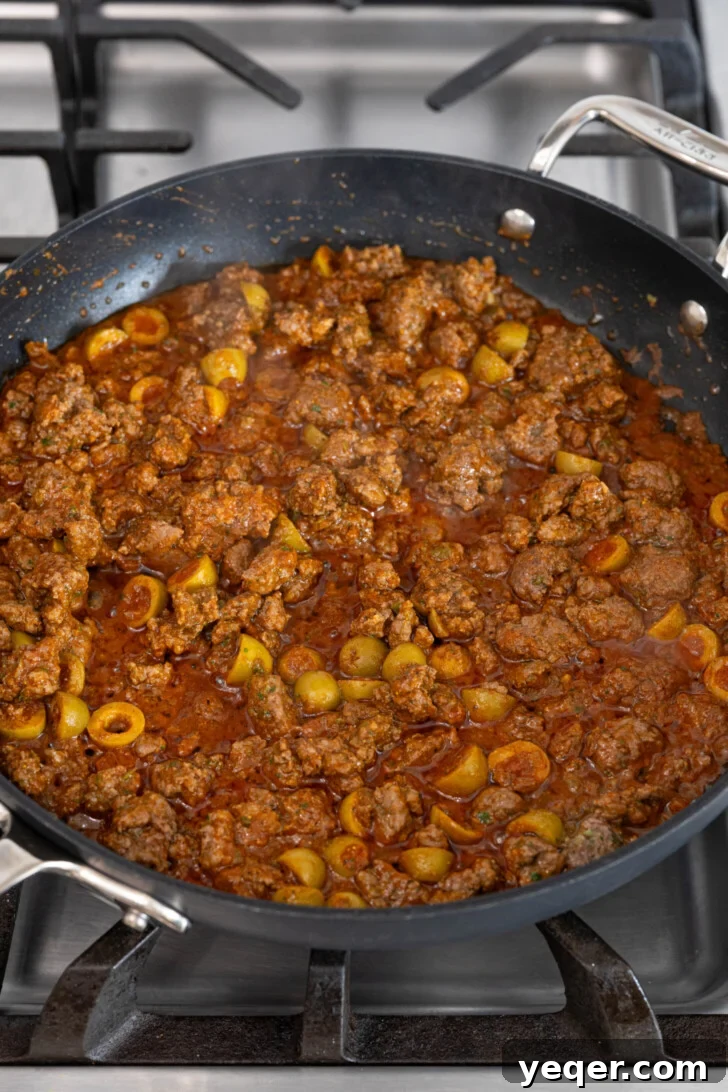
Creating these delightful Puerto Rican fritters is a labor of love that pays off with every bite. Follow these detailed steps to achieve perfect Alcapurrias, from preparing the flavorful picadillo to frying the crispy masa.
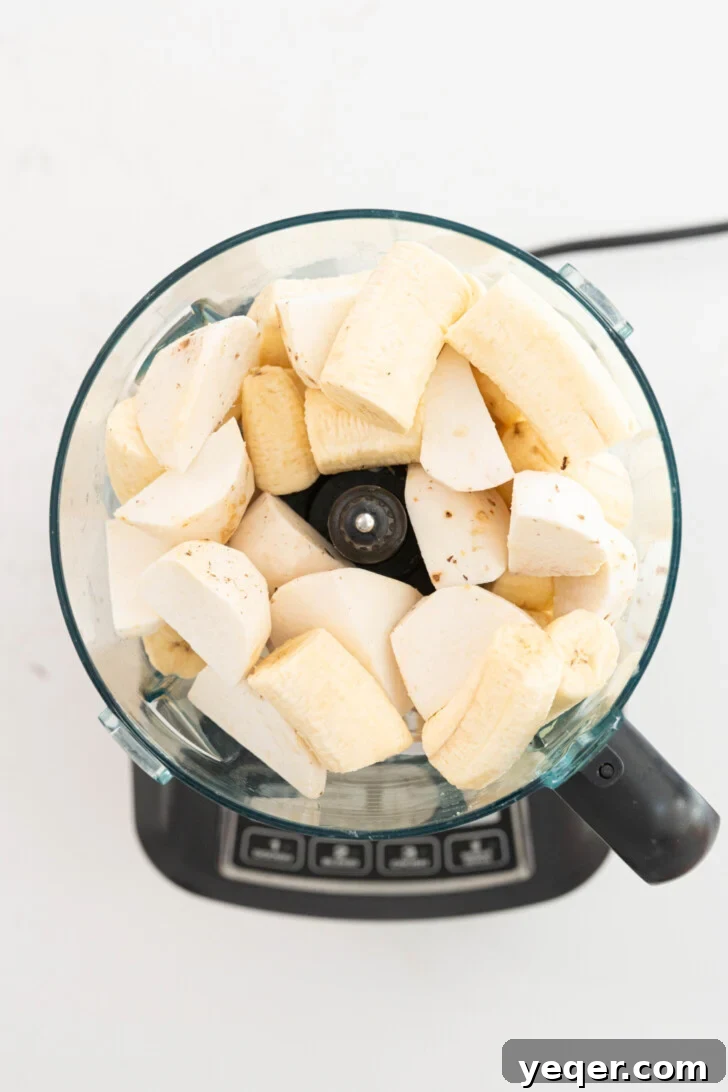
Chef’s Tip: To prevent your hands from getting stained brown by the oxidation of the green bananas and root vegetables, it’s highly recommended to wear a pair of kitchen gloves while peeling and processing these ingredients.
Featured Review
5 stars!! My PRican sweetheart loved them, and so did I. The recipe was easy to follow and I am so proud to have cooked something so authentic and delicious without knowing what it’s supposed to be like! Thank you for your great recipe and your help in the kitchen!
Nancy Nalbandian
Delicious Pairings: What to Serve with Alcapurrias
Alcapurrias are fantastic on their own, but they truly shine when paired with the right accompaniments. These side dishes and sauces not only complement their rich flavor but also enhance the overall Puerto Rican dining experience.
Smart Freezer Tips for Alcapurrias
Making a large batch of Alcapurrias and freezing them for later is a fantastic way to enjoy this beloved treat any time hunger strikes. I’ve personally tested freezing Alcapurrias before frying on multiple occasions, and I can confirm that this method works wonderfully, allowing for convenient future meals or impromptu gatherings.
To freeze them effectively, you can get creative with your assembly process. Instead of solely relying on parchment paper for shaping, consider using a rectangular silicone mold. This can simplify the process significantly: layer a portion of the masa into the base of the mold, add a generous scoop of the flavorful meat filling into the center, and then top it off with more masa to fully encase the picadillo. Once assembled in the molds, freeze them until solid. This method helps maintain their shape and makes storage a breeze. Once frozen, you can remove them from the molds and transfer them to freezer bags or airtight containers for longer storage.
The primary difference you’ll notice when frying frozen alcapurrias compared to room-temperature ones is the cook time. Frozen fritters will naturally require a few extra minutes in the hot oil to ensure they are heated through and achieve that desired golden, crispy exterior. The good news is that your picadillo filling is already fully cooked, so your main focus will be on getting the masa perfectly crisp and heated through. Once the masa is beautifully golden brown on all sides and feels firm, you’re good to pull them out, drain them on paper towels, and enjoy their homemade deliciousness!
Variations & Customizations for Your Alcapurrias
While the classic picadillo filling is undeniably delicious, Alcapurrias are incredibly versatile and open to creative variations. Don’t hesitate to experiment with different fillings to suit your taste or dietary needs:
- Seafood Alcapurrias: Replace the picadillo with a savory mixture of cooked shrimp, crab, or conch, seasoned with sofrito and herbs.
- Vegetarian Alcapurrias: For a meat-free option, fill your masa with sautéed mushrooms, black beans, or a medley of finely diced vegetables seasoned with traditional Puerto Rican spices.
- Cheese Alcapurrias: A simple yet satisfying variation involves stuffing the masa with a block of your favorite melting cheese, like mozzarella or a Puerto Rican white cheese (queso blanco).
- Spicy Kick: Incorporate finely chopped jalapeños or a dash of your favorite hot sauce into the picadillo for an extra layer of heat.
Frequently Asked Questions About Alcapurrias
- What if I can’t find green bananas or specific root vegetables?
- While green bananas are traditional for the masa’s texture, if you struggle to find yuca or taro, you might find success with malanga or even a blend of potatoes and plantains, though the texture might vary slightly. Check specialty Latin American markets.
- Can I bake or air-fry Alcapurrias instead of deep frying?
- Traditionally, Alcapurrias are deep-fried for their characteristic crispiness. While you can attempt to bake or air-fry them, the texture will be different – less crispy and more like a baked dumpling. If baking, brush generously with oil and bake at 400°F (200°C) until golden. For air frying, brush with oil and cook at 375°F (190°C), flipping halfway.
- How do I ensure my masa doesn’t come out watery?
- It’s crucial to thoroughly drain any excess liquid from the grated root vegetables and green bananas. After processing, you can squeeze the masa through cheesecloth or a clean kitchen towel to remove as much moisture as possible. This will result in a firmer, easier-to-handle dough.
- How long do Alcapurrias last in the refrigerator?
- Cooked Alcapurrias can be stored in an airtight container in the refrigerator for up to 3-4 days. Reheat them in an air fryer or oven for best results, to regain some crispiness.
Buen Provecho,

Print Recipe
Crispy Alcapurrias (Puerto Rican Fritters)
5 from 9 reviews
- Author: Salima Benkhalti
- Prep Time: 1 hour
- Cook Time: 1 hour
- Total Time: 2 hours
- Yield: 12–15 alcapurrias
- Category: Appetizer, Snack, Small Plate
- Method: Fried
- Cuisine: Puerto Rican
- Diet: Gluten Free
Description
Unlock the secrets to making authentic Puerto Rican Alcapurrias at home. These beloved fritters feature a uniquely flavorful masa (dough) made from root vegetables and green bananas, generously filled with savory picadillo (seasoned ground meat), then fried until perfectly crispy. This recipe guides you through each step, making the assembly and frying process straightforward and enjoyable for a true taste of the Caribbean.
Ingredients
For the Picadillo (filling):
- 1 lb ground beef
- 1/3 cup sofrito
- 1/2 cup tomato sauce
- 1/2 cup pimento stuffed olives, sliced
- 2 tsp sazon seasoning
- 2 tsp adobo seasoning
For the Masa (dough):
- 2 lbs (about 8) unripe green bananas, peeled and chopped into large pieces
- 2 lbs yucca, taro or yautia root, peeled and chopped into large pieces
- 2 tbsp achiote oil or olive oil
- 1 tsp sazon seasoning (salt free)
- 2 tsp salt
For Assembly:
- Parchment paper
- 1/4 cup achiote oil
- 2 cups cooking oil
Instructions
- Make the picadillo. Start with the ground beef and sofrito in a pan over medium heat. Continue to cook until beef has browned, breaking it up as it cooks. Add the tomato sauce, olives, and seasonings. Stir and cook another 10 minutes, until the beef is fully cooked.
- Make the masa. In your food processor, combine the yucca or taro and bananas and pulse until a smooth and consistent masa is formed. Do this in batches if necessary. Add the achiote oil, sazon, and salt and pulse a few more times to combine.
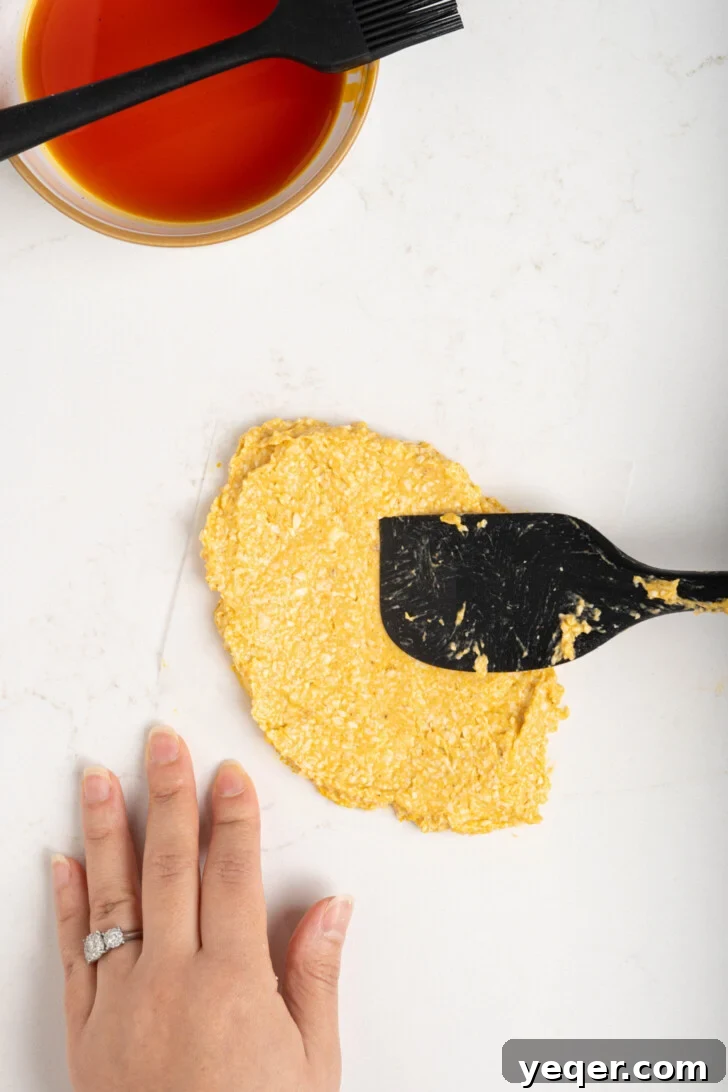
- Prep the masa. Lay out a sheet of parchment paper. Brush the paper with achiote oil, add a large scoop of the masa and spread out flat with a spatula.
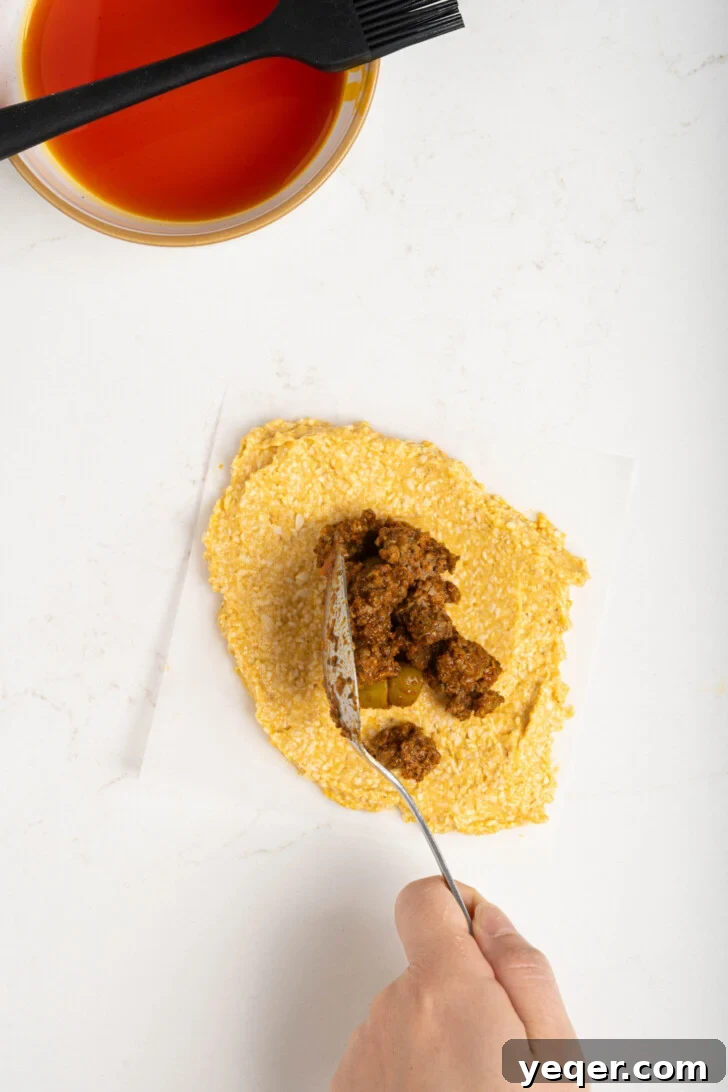
- Fill the alcapurrias. Top the masa with spoonfuls of the picadillo, making sure to add a small enough amount that you have a few inches of dough around all edges of the filling.
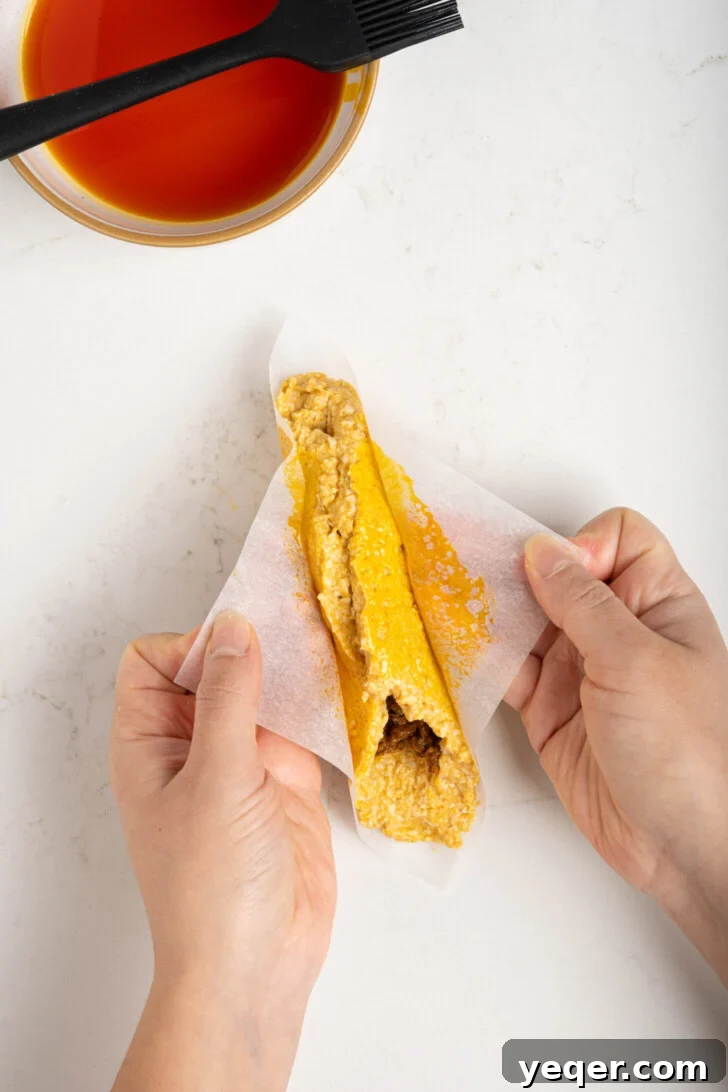
- Close the fritters. Using the parchment paper, carefully fold the masa over the filling, folding the edges until fully sealed and no picadillo is visible. Continue this process until you’ve used all of your masa and/or filling.
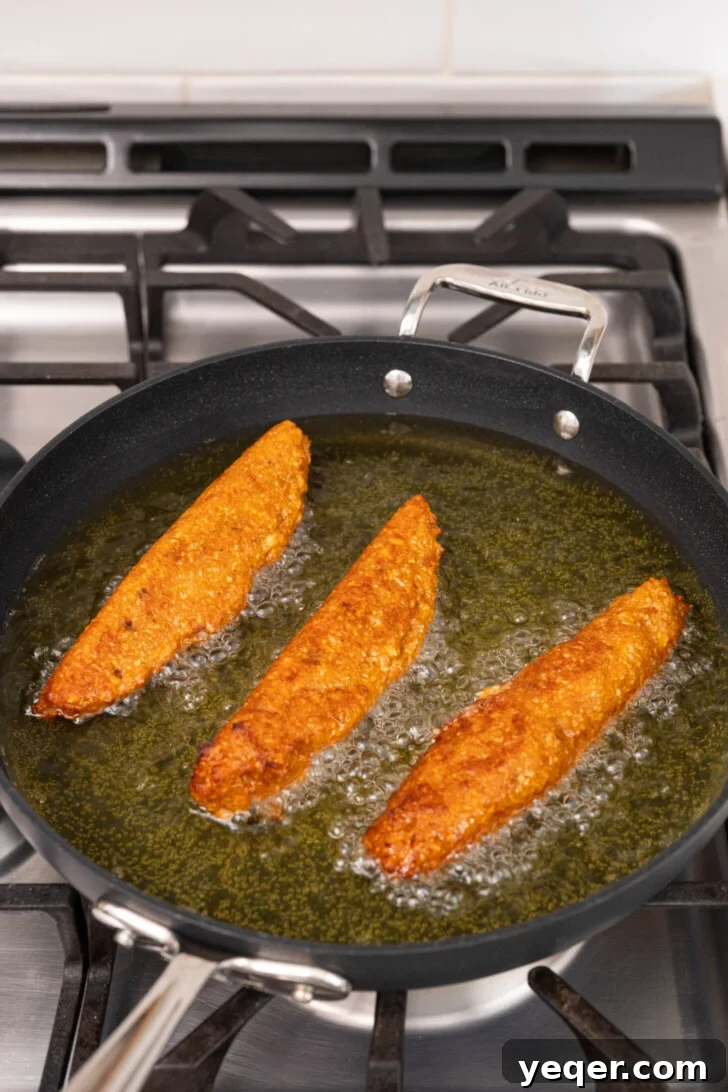
- Fry. Heat vegetable oil to 350°F in a heavy bottomed pan. Fry the alcapurrias until golden brown and crisp all around, flipping to brown on both sides. Transfer to a paper towel lined plate and enjoy!
Equipment
Food Processor
Buy Now →
Parchment Paper Squares
Buy Now →
Sauté Pan
Buy Now →
Notes
Freezer tip: Instead of making your alcapurrias in parchment paper, layer the masa in the base of a rectangular silicone mold, add the meat filling to the center, then top with more masa. Freeze and your ready to fry whenever!