
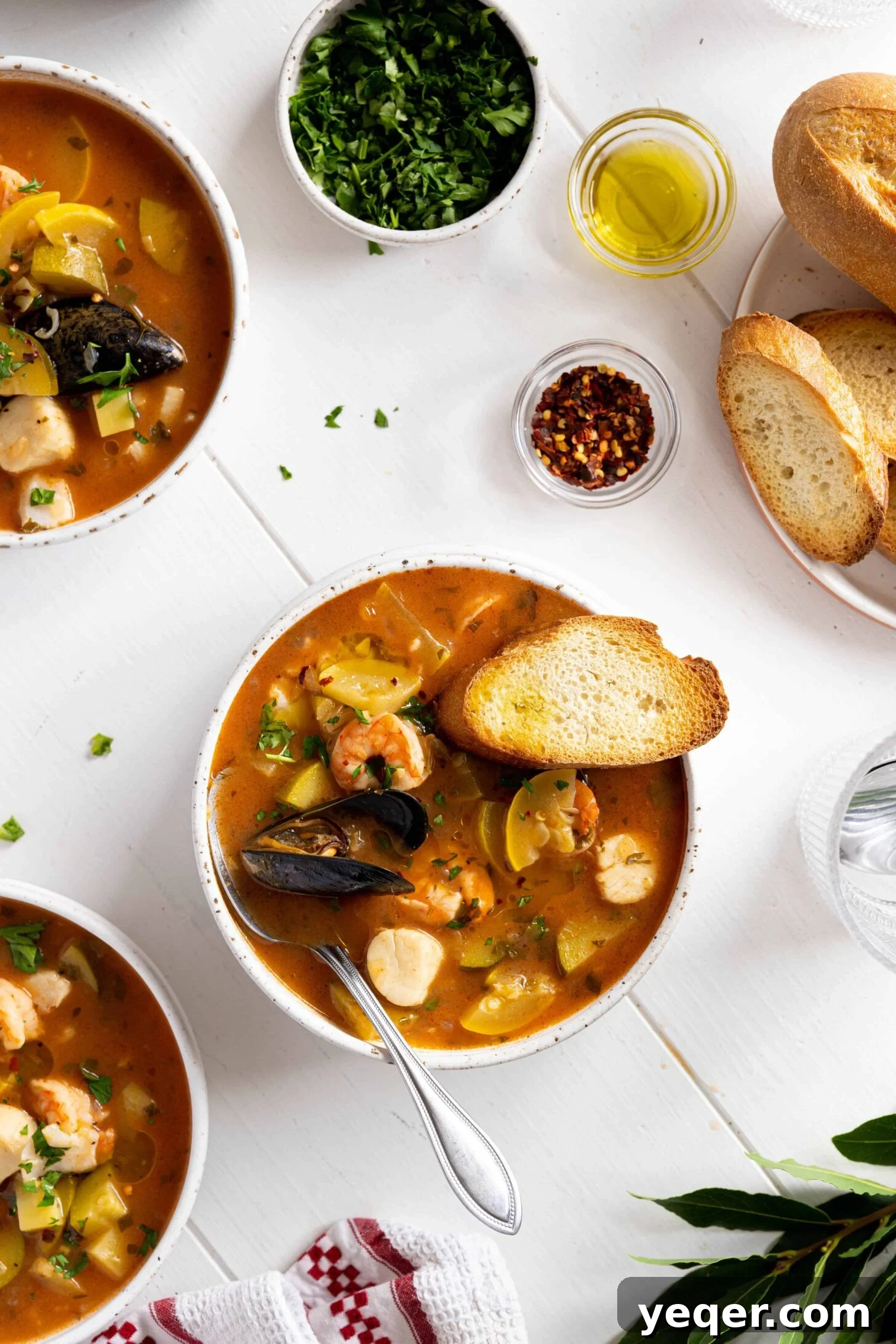
Experience the vibrant flavors of North Africa with this exquisite Moroccan Fish Stew. Brimming with a glorious medley of fresh seafood and infused with a fragrant blend of authentic Moroccan herbs and spices, this hearty stew promises a culinary journey for your taste buds. Served alongside crusty toasted bread, it transforms into an incredibly satisfying and wholesome dinner, perfect for any season but especially comforting on a chilly evening.
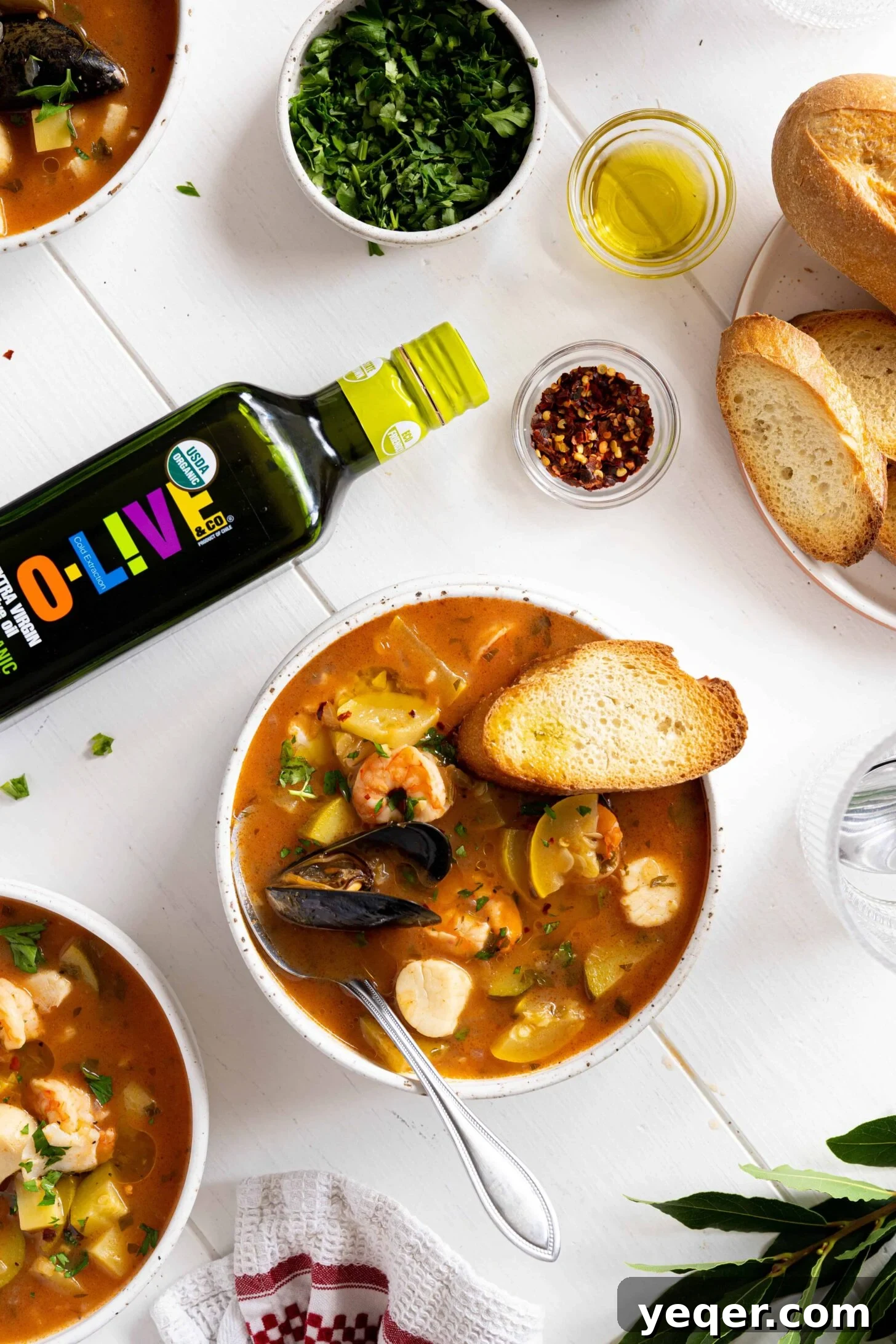
This cherished recipe holds a special place in my heart, deeply inspired by my father’s culinary prowess. Every winter, he would lovingly prepare this nourishing stew for me, always accompanied by a rustic piece of toasted bread, generously rubbed with fresh garlic. Those aromatic memories fueled my desire to share this comforting, flavor-packed dish with you, hoping it brings as much warmth and joy to your table as it has to mine. If you’re captivated by the harmonious blend of Moroccan spices and fresh fish, you’ll also adore this oven-baked stuffed whole trout with chermoula rice.
Discover the Allure of Moroccan Fish Stew
Moroccan cuisine is renowned for its aromatic stews, often cooked in a tagine, and this fish stew is a testament to that rich tradition. It’s a symphony of flavors – savory, slightly tangy, with a subtle kick of spice – all balanced beautifully. The robust sauce, infused with tomatoes, a variety of vegetables, and a unique spice blend, creates a deeply satisfying base that complements the delicate sweetness of the seafood. It’s not just a meal; it’s an experience that transports you straight to the bustling markets and serene homes of Morocco.
Why You’ll Love This Authentic Seafood Recipe
- Rich & Complex Flavors: A signature blend of Moroccan spices like paprika, ginger, and garlic, combined with the zing of preserved lemon and harissa, creates an unparalleled depth of taste.
- Healthy & Wholesome: Packed with lean protein from various seafood, and an abundance of fresh vegetables, this stew is a nutritional powerhouse.
- Comforting & Hearty: Perfect for a cozy night in, it’s a wonderfully warming and filling dish that satisfies the soul.
- Customizable: Easily adapt the types of seafood and vegetables to suit your preference or what’s readily available.
- Relatively Quick: Despite its complex flavor, this stew comes together in under an hour, making it an ideal weeknight dinner.
Key Ingredients for an Unforgettable Moroccan Fish Stew
The magic of Moroccan cuisine often lies in its fresh ingredients and masterful use of spices. For this fish stew, each component plays a crucial role in building the dish’s distinctive profile. Sourcing quality ingredients is key to achieving that authentic, vibrant taste.
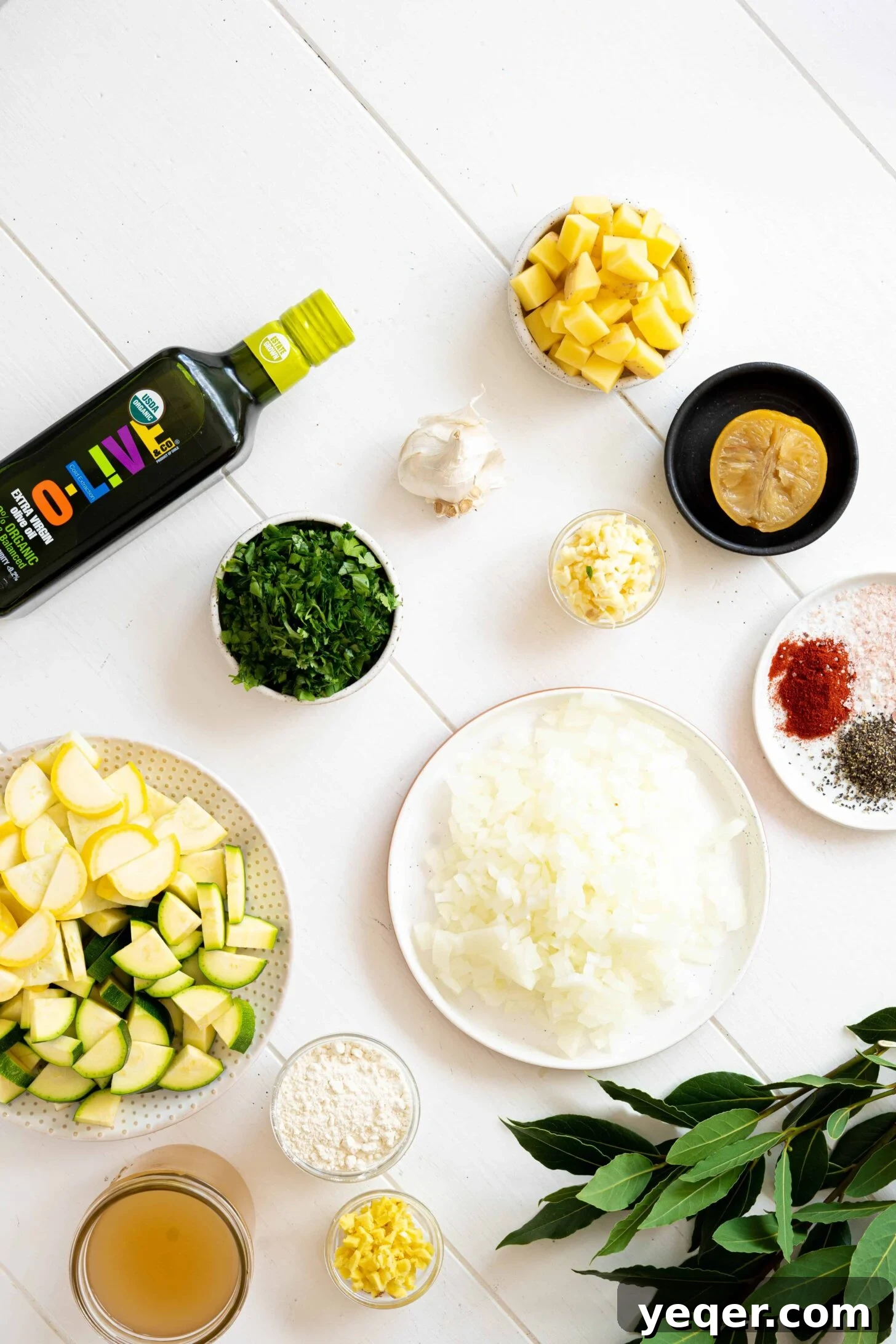
Essential Spices & Aromatics
- Yellow Onion, Garlic & Fresh Ginger: The foundation of flavor. These aromatics are gently sautéed to create a fragrant base that permeates the entire stew. Ginger adds a warm, pungent zing, while garlic provides a robust depth.
- Paprika: A cornerstone of Moroccan spice blends, paprika (preferably sweet or a smoked variety for extra depth) contributes a rich color and earthy sweetness.
- Salt & Pepper: The fundamental seasonings, enhancing all other flavors.
- Bay Leaves: Infuse the stew with a subtle, aromatic herbal note, adding another layer of complexity.
Distinctly Moroccan Flavors
- Preserved Lemon: This is a game-changer. Unlike fresh lemon, preserved lemon offers a salty, intensely citrusy, and slightly fermented tang that cannot be replicated. It’s crucial for an authentic Moroccan taste. You can find out more about making your own Moroccan Preserved Lemons here.
- Harissa: A fiery and flavorful chili paste, harissa provides warmth and a nuanced heat. It’s not just about spice; it adds a depth of roasted pepper flavor. Check out our homemade harissa recipe.
Vegetable Base
- Potatoes: Provide a satisfying starchiness, absorbing the rich broth and adding substance to the stew.
- Zucchini & Yellow Squash: These tender summer squashes add freshness, a slight sweetness, and soft texture that beautifully contrasts the seafood.
- Tomato Puree: Forms the body of the stew’s sauce, offering a vibrant acidity and a robust, savory base.
- Vegetable Stock: The liquid base that brings all the flavors together, allowing them to meld and develop during simmering.
Fresh Herbs
- Cilantro & Parsley: Minced fresh herbs are added towards the end, providing a burst of freshness and a bright, herbaceous aroma that elevates the entire dish.
The Star: Fresh Seafood
- Shrimp: Adds a sweet, succulent bite and cooks quickly.
- Cod (or other firm white fish): Provides flaky, mild-flavored protein that holds up well in the stew.
- Clams or Mussels: Contribute a briny, oceanic flavor and an appealing texture. Their opening shells are a natural indicator of doneness.
- Scallops: Offer a delicate sweetness and a tender texture, making the stew feel truly luxurious.
Remember, the quality of your seafood will significantly impact the final dish. Always opt for the freshest available!
Step-by-Step Instructions: Crafting Your Moroccan Fish Stew
Creating this flavorful Moroccan Fish Stew is a rewarding experience. Follow these detailed steps to ensure a perfectly cooked and intensely aromatic meal. Each stage is designed to build layers of flavor, resulting in a complex yet harmonious dish.

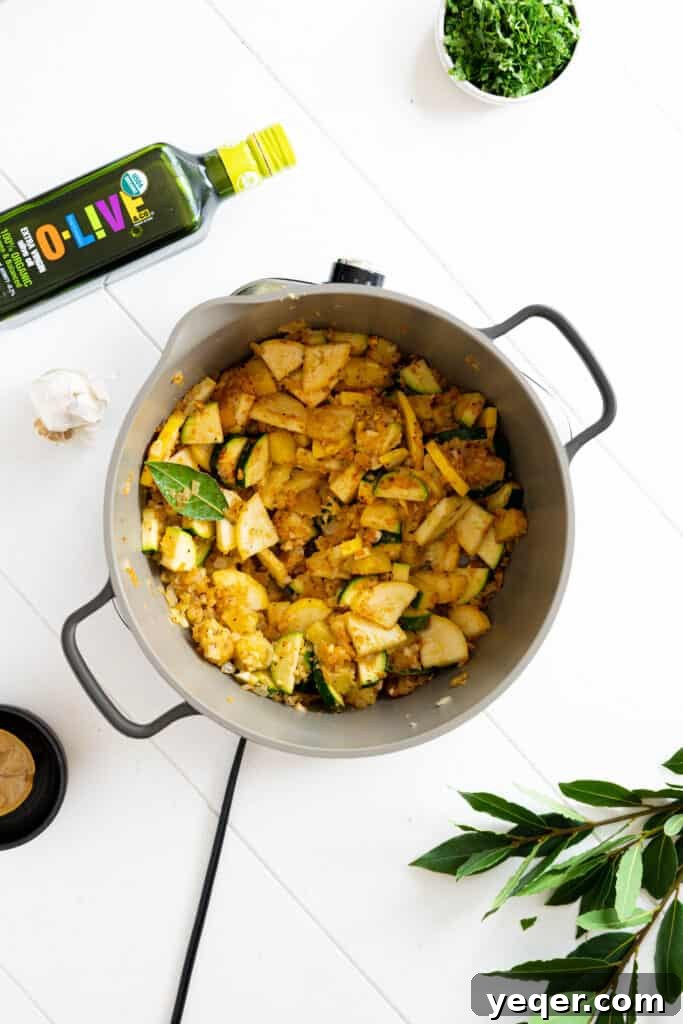
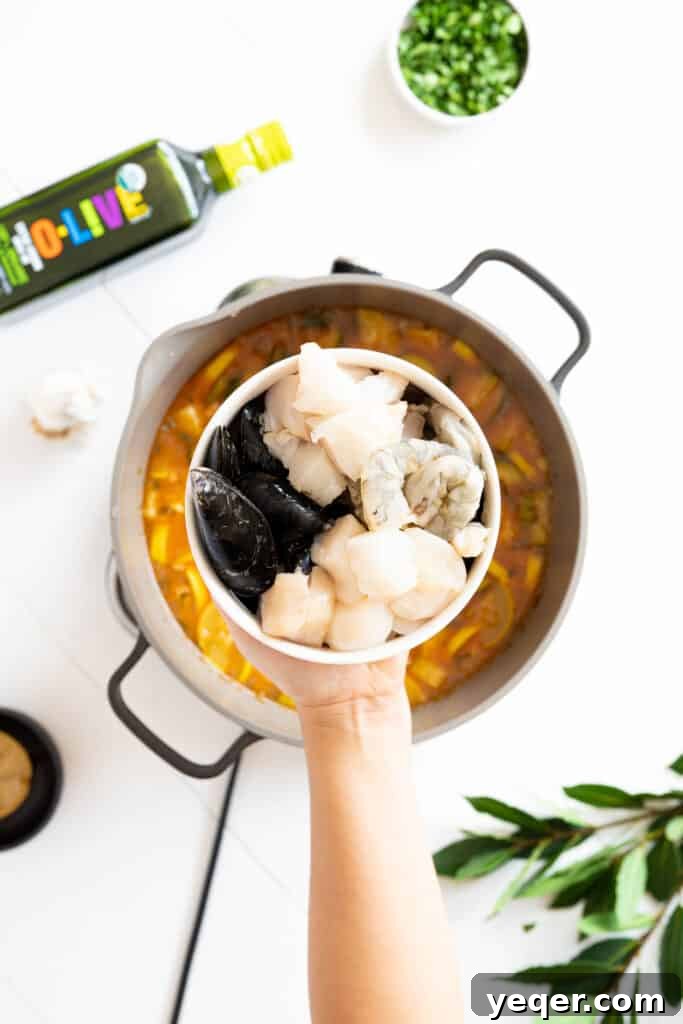
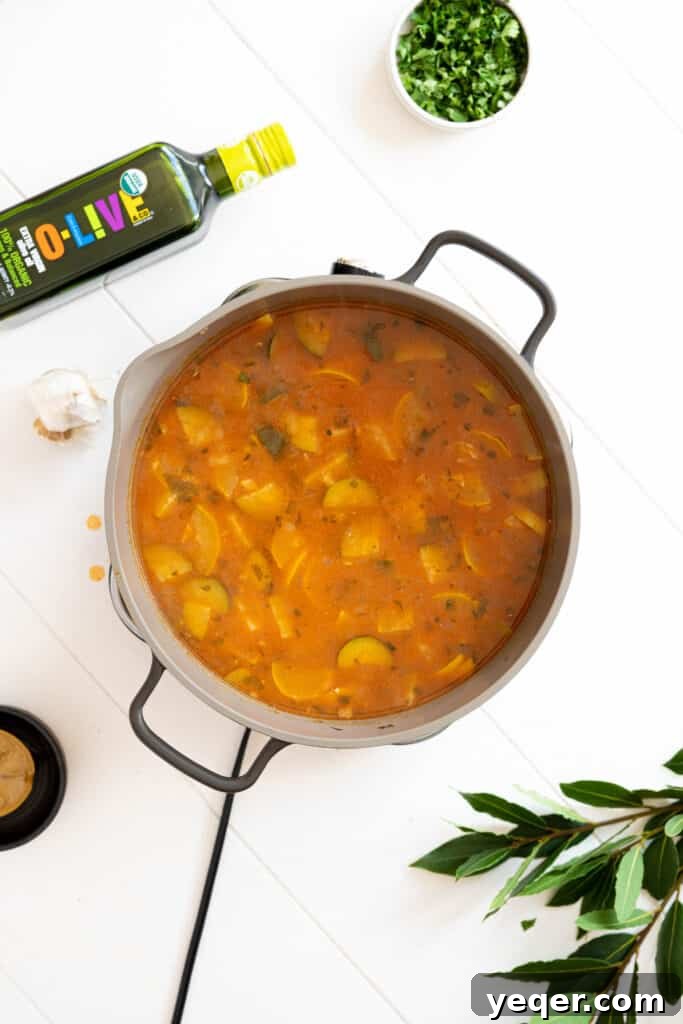
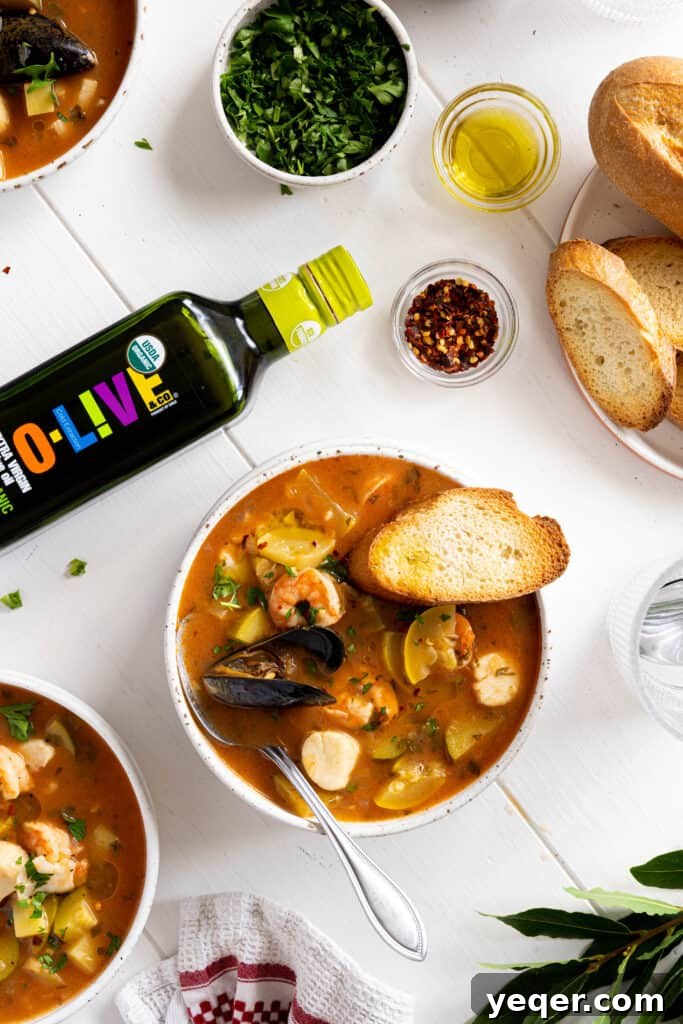
Hint: You will know your clams or mussels are perfectly cooked when their shells have opened completely. Any shells that remain stubbornly closed after cooking should be discarded for safety.
Maximizing Flavor: Essential Tips for Your Moroccan Fish Stew
Achieving the perfect Moroccan Fish Stew is all about attention to detail and understanding how flavors develop. Here are some pro tips to ensure your stew is nothing short of spectacular:
Don’t Overcook the Seafood!
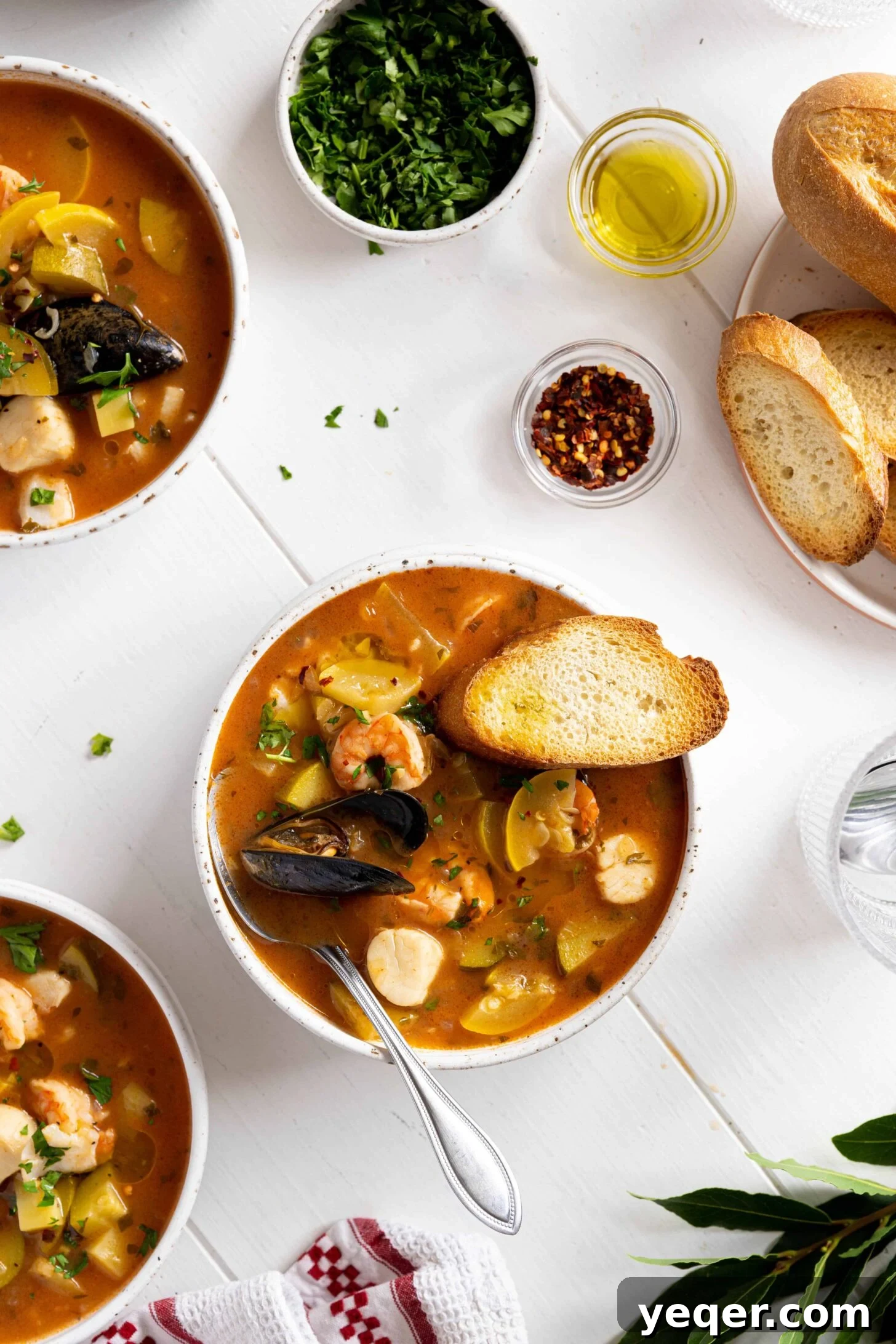
This is arguably the most critical tip. Seafood, especially delicate varieties like shrimp and scallops, cooks very quickly. The magic lies in using residual heat. By turning off the heat as soon as the seafood is added and covering the pot, you allow the gentle warmth of the stew to slowly cook the fish and shellfish to perfection, keeping them tender and juicy. Overcooked seafood becomes rubbery and tough, detracting from the entire dish. Watch for clams and mussels to open fully, and shrimp to turn opaque and pink.
Prepare Your Ingredients (Mise en Place)
Moroccan cooking often involves many spices and chopped vegetables. Having all your ingredients prepped and measured before you start cooking (known as “mise en place”) will make the process much smoother and prevent anything from burning while you’re busy chopping. This is especially true when working with fast-cooking elements.
Sauté Aromatics Thoroughly
Allowing the onions to sweat until translucent, and then gently sautéing the garlic, ginger, and spices, is vital for building a deep flavor base. Don’t rush this step. The longer you cook them over medium heat, the more their natural sweetness and aromatic compounds will develop, enriching the entire stew.
Taste and Adjust Seasoning
Before adding the seafood, taste the broth. This is your chance to adjust the salt, pepper, and even a little more harissa or a squeeze of fresh lemon juice if desired. Flavors can change as they meld, so a final taste test ensures perfection.
Use Fresh, Quality Seafood
While substitutions are possible, starting with the freshest seafood you can find will undoubtedly yield the best results. Fresh fish has a clean taste and superior texture.
Customizing Your Moroccan Fish Stew: Substitutions & Variations
One of the beauties of stew recipes is their flexibility. While this recipe provides a fantastic authentic base, don’t hesitate to adapt it to your pantry, preferences, or what’s available at your local market. Since my dad shared this recipe with me years ago, I’ve made many different variations, all equally delicious. Don’t be afraid to experiment!
Smart Substitutions
As mentioned, some ingredients are special. However, you can still create a delicious Moroccan-inspired stew with a few simple swaps:
- Harissa: This spicy chili paste adds a unique depth and heat. If you can’t find it, you can substitute with a pinch of cayenne pepper or chili flakes, along with a touch of smoked paprika for some earthy flavor. Adjust the quantity to your preferred spice level.
- Preserved Lemon: The flavor of preserved lemon is truly distinct. If it’s unavailable, use the zest and juice of 1 fresh lemon. While it won’t replicate the fermented, salty tang entirely, it will still provide a bright, citrusy note that is essential.
- Fresh Seafood Variety: Don’t stress if you can’t find all four types of seafood listed. The beauty of this stew is its adaptability. Use a combination of white fish (like snapper, halibut, or mahi-mahi), shrimp, mussels, clams, or even firm calamari. Adjust cooking times slightly based on the seafood you choose. Frozen seafood, thawed properly, can also be used successfully.
- Vegetables: Feel free to add other vegetables. Carrots, bell peppers (red or yellow for sweetness), green beans, or even a handful of chickpeas can be wonderful additions. Add harder vegetables like carrots earlier with the potatoes to ensure they soften.
Creative Variations
- Spicier Kick: For those who love heat, increase the amount of harissa or add a few pinches of dried red chili flakes.
- Herb Garden Freshness: Experiment with other fresh herbs like fresh mint or dill, added at the very end, for a different aromatic profile.
- Grain Base: Instead of serving with bread, consider stirring in a cup of cooked couscous, quinoa, or rice directly into the stew for a more substantial one-pot meal.
- Tomato Depth: For a richer tomato flavor, you can use fire-roasted crushed tomatoes instead of plain tomato puree.
Serving Your Moroccan Fish Stew
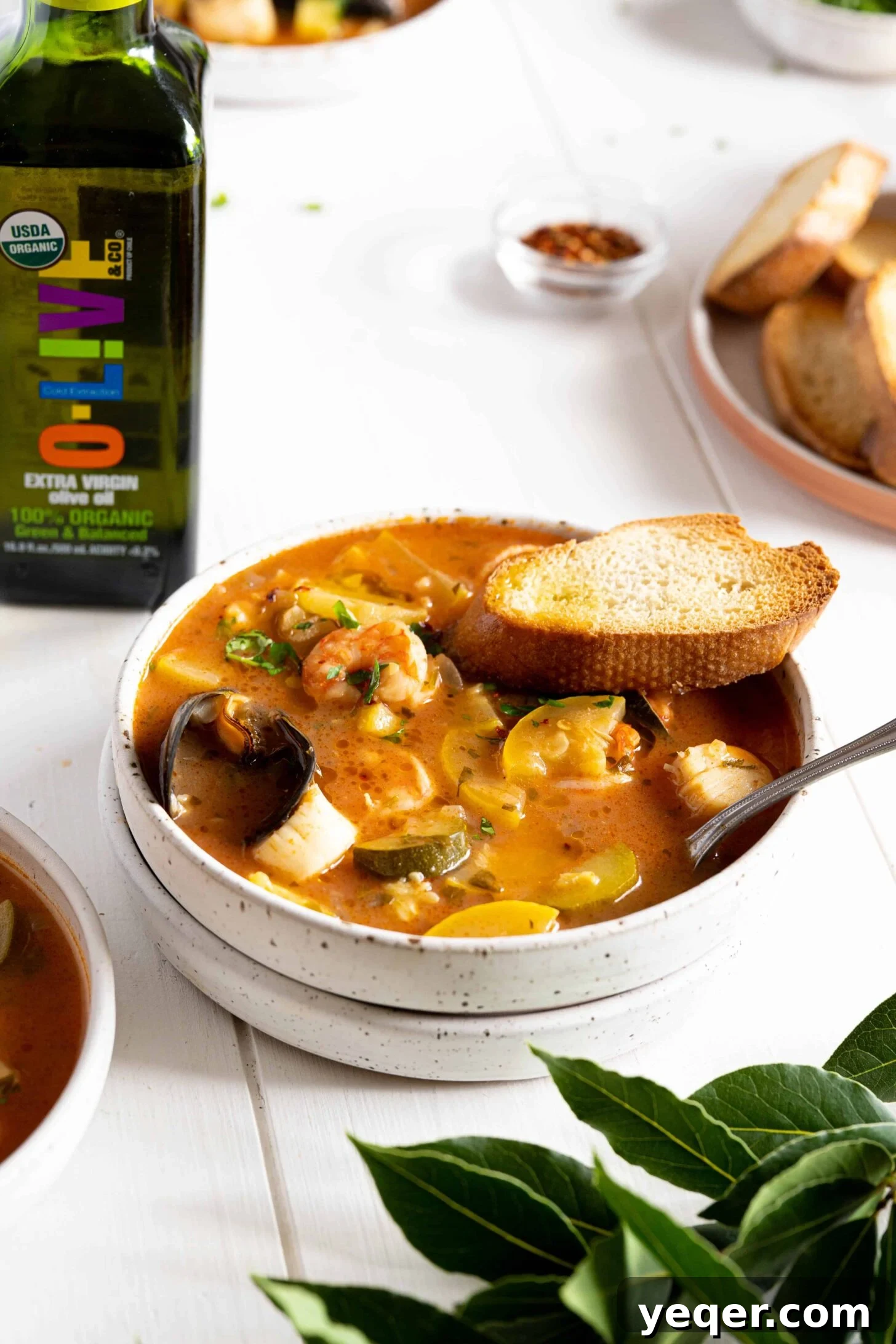
This Moroccan Fish Stew is a complete meal in itself, but it truly shines when served with the right accompaniments. The traditional way, as my father taught me, is with warm, crusty bread. A toasted baguette is ideal, perfect for dipping into the rich, aromatic broth and savoring every last drop.
Beyond bread, consider these delightful serving suggestions:
- Couscous: A classic Moroccan pairing. Fluffy couscous perfectly absorbs the stew’s flavors.
- Rice: Plain steamed basmati or jasmine rice provides a neutral canvas for the stew’s bold flavors.
- Quinoa: For a gluten-free and protein-rich option, quinoa is an excellent choice.
- Fresh Herbs: A final sprinkle of fresh cilantro or parsley before serving not only adds beauty but also a burst of fresh flavor.
- Drizzle of Olive Oil: A finishing drizzle of high-quality extra virgin olive oil enhances the richness and silkiness of the broth.
Storing and Reheating Your Stew
This Moroccan Fish Stew is best enjoyed fresh, primarily due to the delicate nature of seafood. However, if you have leftovers, they can be stored carefully.
- Storage: Allow the stew to cool completely, then transfer it to an airtight container. Store in the refrigerator for up to 1-2 days.
- Reheating: Gently reheat the stew on the stovetop over low heat, stirring occasionally. Avoid boiling to prevent the seafood from becoming tough. If the stew has thickened considerably, you can add a splash of vegetable stock or water to loosen it up.
Frequently Asked Questions About Moroccan Fish Stew
What kind of fish is best for Moroccan fish stew?
Firm white fish like cod, snapper, halibut, or sea bass work wonderfully as they hold their shape well during cooking. You can also use salmon or swordfish for a richer flavor, but be mindful of their oil content. A mix of fish and shellfish, as in this recipe, provides the best variety in taste and texture.
Can I make this stew in a slow cooker or Instant Pot?
While you can prepare the vegetable base in a slow cooker or Instant Pot, it’s generally not recommended to cook the seafood in these devices due to the risk of overcooking. For best results, cook the base in the slow cooker/Instant Pot, then transfer to a pot on the stove or simply add the seafood at the very end and let it gently poach in the residual heat as per the stovetop instructions.
Is Moroccan fish stew spicy?
The spice level can be adjusted to your preference. Harissa paste provides a moderate heat. If you prefer a milder stew, use less harissa or omit it entirely. For more heat, feel free to add extra harissa or a pinch of red chili flakes.
Can I prepare components of the stew in advance?
Yes! You can chop all your vegetables and mince the garlic and ginger a day in advance. The broth base (without seafood) can also be made ahead of time and refrigerated. When ready to serve, simply reheat the broth and add the fresh seafood.
What makes Moroccan spices unique?
Moroccan cuisine often features a blend of warm, earthy, and aromatic spices such as cumin, coriander, turmeric, ginger, paprika, and saffron. These are often used in combination with fresh herbs, preserved lemons, and olives, creating a complex flavor profile that is both savory and slightly tangy.
Bismillah,

Print Recipe
Moroccan Fish Stew
★★★★★
4.5 from 2 reviews
- Author: Salima Benkhalti
- Prep Time: 15 minutes
- Cook Time: 30 minutes
- Total Time: 45 minutes
- Yield: 4 servings
- Category: Dinner, Main Dish, Lunch
- Method: Stovetop
- Cuisine: Moroccan, Mediterranean
- Diet: Low Calorie
Description
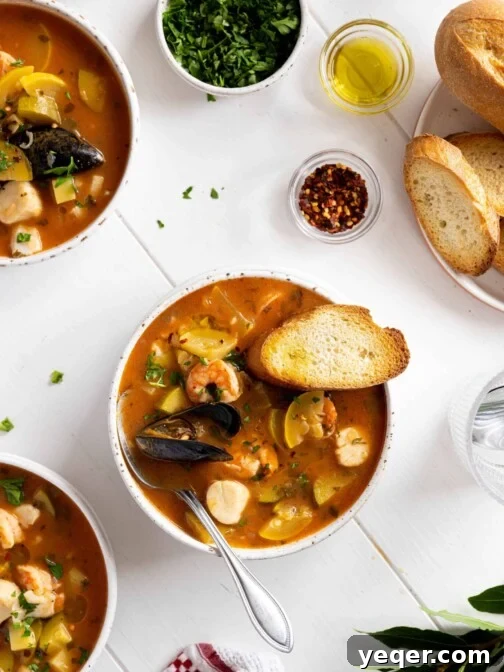
This Moroccan Fish Stew is loaded with a blend of fresh seafood and lots of Moroccan herbs and spices. Served with toasted bread it makes the most delicious and hearty dinner ever!
Ingredients
- 1 large yellow onion
- 1 tbsp olive oil
- 1 potato
- 2 inch piece of fresh ginger
- 4 cloves garlic
- 2 tbsp flour
- 1/2 of a preserved lemon, minced with seeds removed
- 1 tsp harissa
- 1 zucchini
- 1 yellow squash
- 1 tsp salt
- 1 tsp pepper
- 1 tsp paprika
- 3 bay leaves
- 1-16oz can tomato puree
- 4 cups vegetable stock
- 2 tbsp cilantro, minced
- 2 tbsp parsley, minced
- 1/2 lb shrimp
- 1/2 lb cod
- 1/2 lb clams or mussels
- 1/2 lb scallops
- (optional) baguette to serve with
Instructions
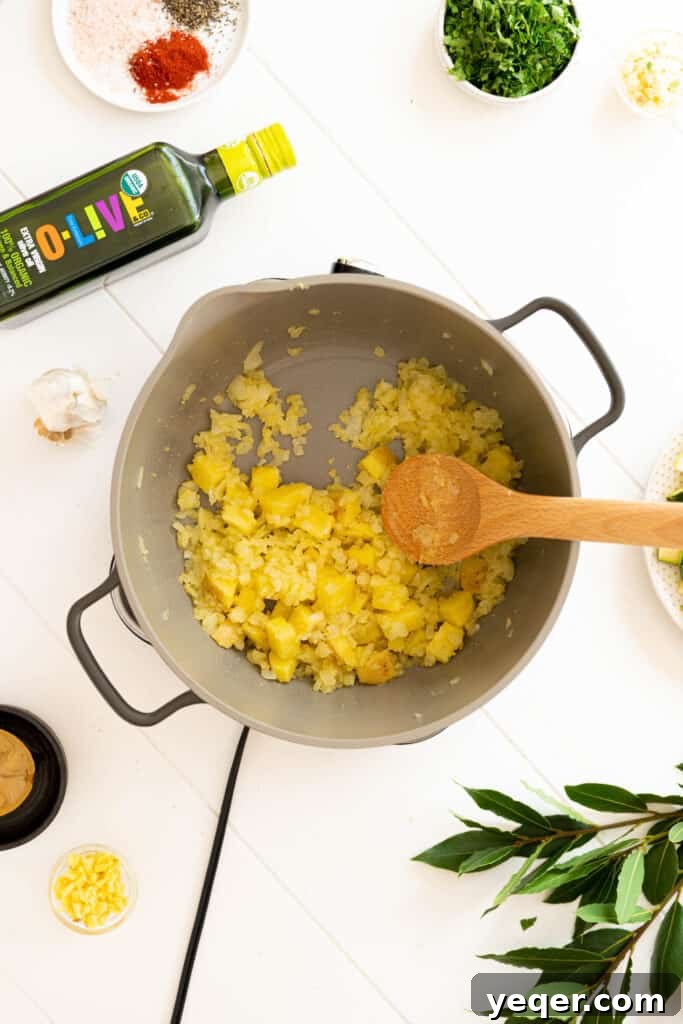
- Chop onion finely and add to a large soup pot with olive oil over medium heat. While onions are sweating, chop squash, zucchini and potato into bite sized pieces.
- Peel and mince the garlic and fresh ginger. Once onions become translucent, add potatoes and saute for 2-3 minutes. Sprinkle flour over the potatoes and onions and continue to mix until they are evenly coated with flour.
- To the pot, add minced preserved lemon, harissa, squash, zucchini, salt, pepper, paprika, garlic, ginger and bay leaves. Saute for another 2-3 minutes before adding the tomato puree, stock and minced herbs and bringing to a boil over medium high heat then covering.
- Cook for 5-10 minutes or until the vegetables are fully cooked through (you should be able to smoothly poke through the potatoes with a fork). At this point, add the scallops, fish, mussels or clams and shrimp.
- Turn off the heat, cover and let the heat cook the seafood through for 10 minutes. Serve with a slice of toasted baguette and a drizzle of olive oil.