
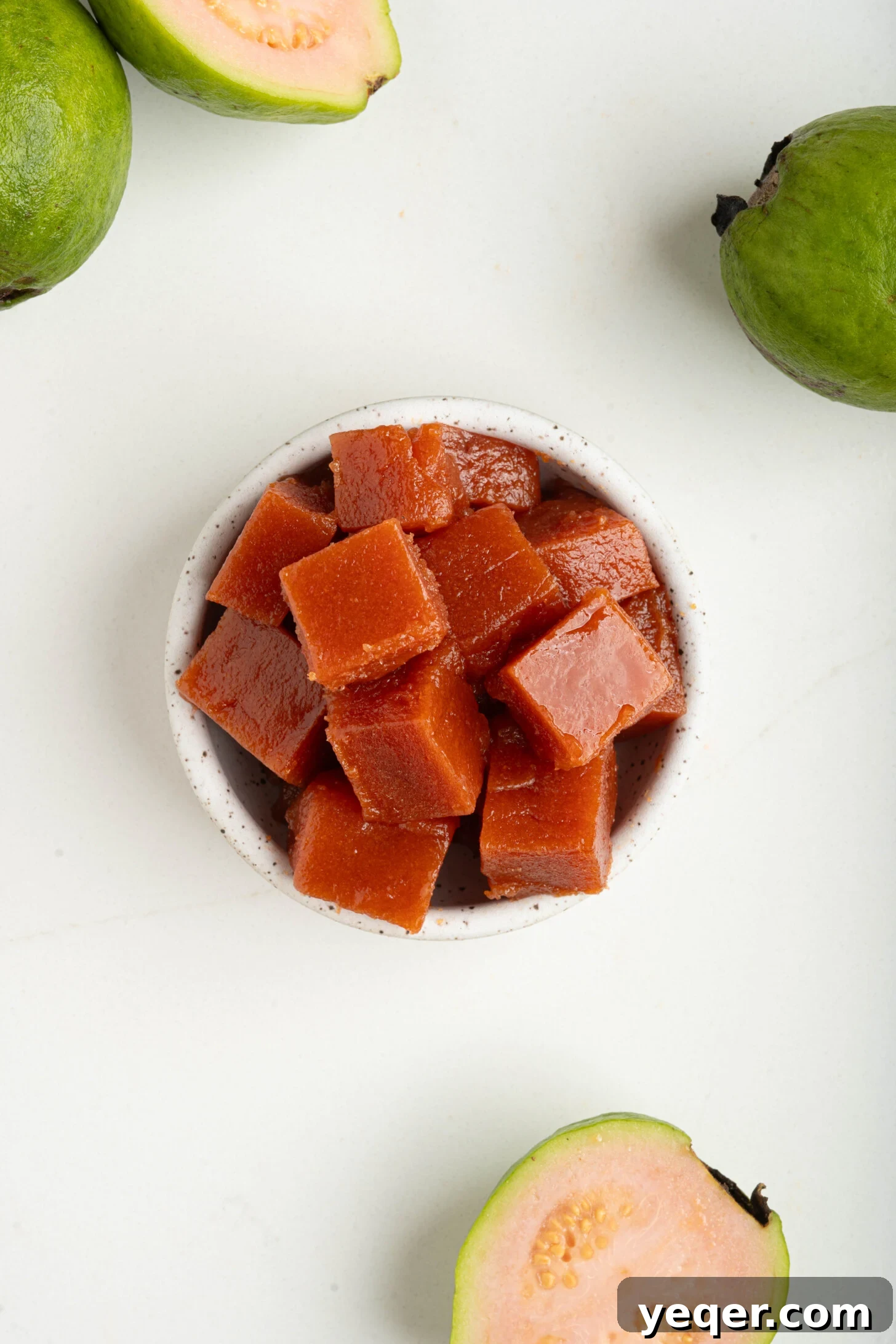
This Homemade Guava Paste recipe offers a sublime culinary experience, far surpassing its store-bought counterparts in both exquisite flavor and delightful texture. Crafted with just five simple ingredients, it’s the ultimate way to transform an abundance of fresh guavas into a versatile and delicious tropical preserve.
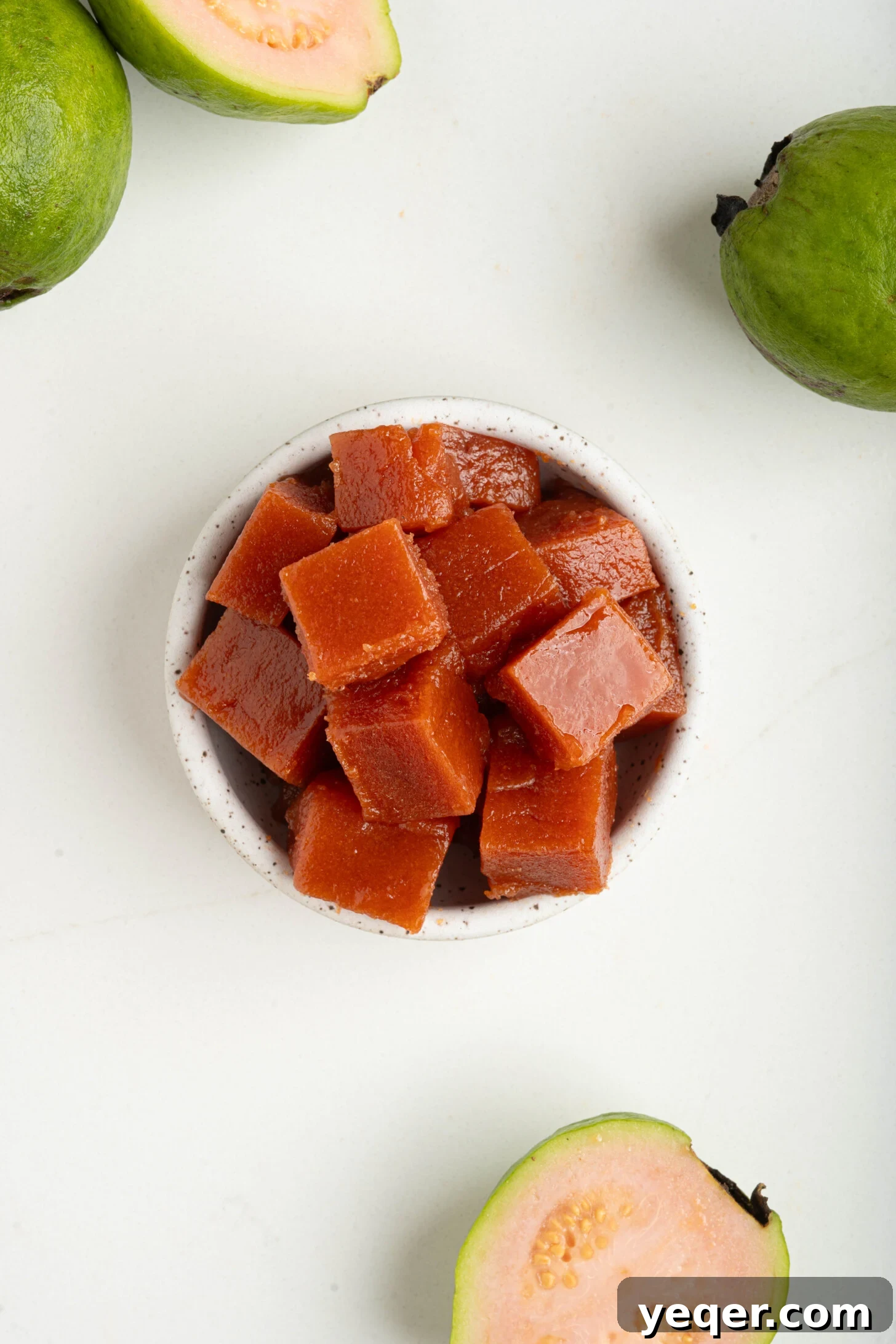
The Allure of Guava: A Tropical Gem
Guavas are a cornerstone in many tropical cuisines, particularly celebrated in authentic Puerto Rican recipes. Their distinctly sweet and fragrant profile, often described as a vibrant fusion of strawberry, pear, and sometimes even passionfruit, lends itself beautifully to an array of dishes. Beyond their captivating taste, guavas are also packed with Vitamin C, fiber, and antioxidants, making them a nutritious choice.
This remarkable fruit finds its way into both sweet and savory creations, from decadent desserts to savory glazes. Personal favorites include flaky pastelillos de guayaba and savory-sweet guava cheese empanadas, showcasing the fruit’s incredible versatility.
Why Homemade Guava Paste is a Game-Changer
For many years, like countless others, I relied on the convenience of store-bought guava paste. While it certainly serves its purpose, especially for those living in regions where fresh guavas are a rarity, I felt compelled to embark on a journey to create a homemade version. The difference, I discovered, is truly remarkable. Homemade guava paste boasts a freshness, a depth of flavor, and a smooth, rich texture that simply cannot be replicated by mass-produced varieties.
Crafting this paste is indeed a labor of love, requiring patience and dedication. However, the unparalleled taste and the satisfaction of knowing exactly what goes into your food make every moment worthwhile. This recipe is particularly recommended if you are fortunate enough to have a bountiful supply of fresh guavas and wish to preserve their exquisite essence.
Essential Ingredients for Your Guava Paste
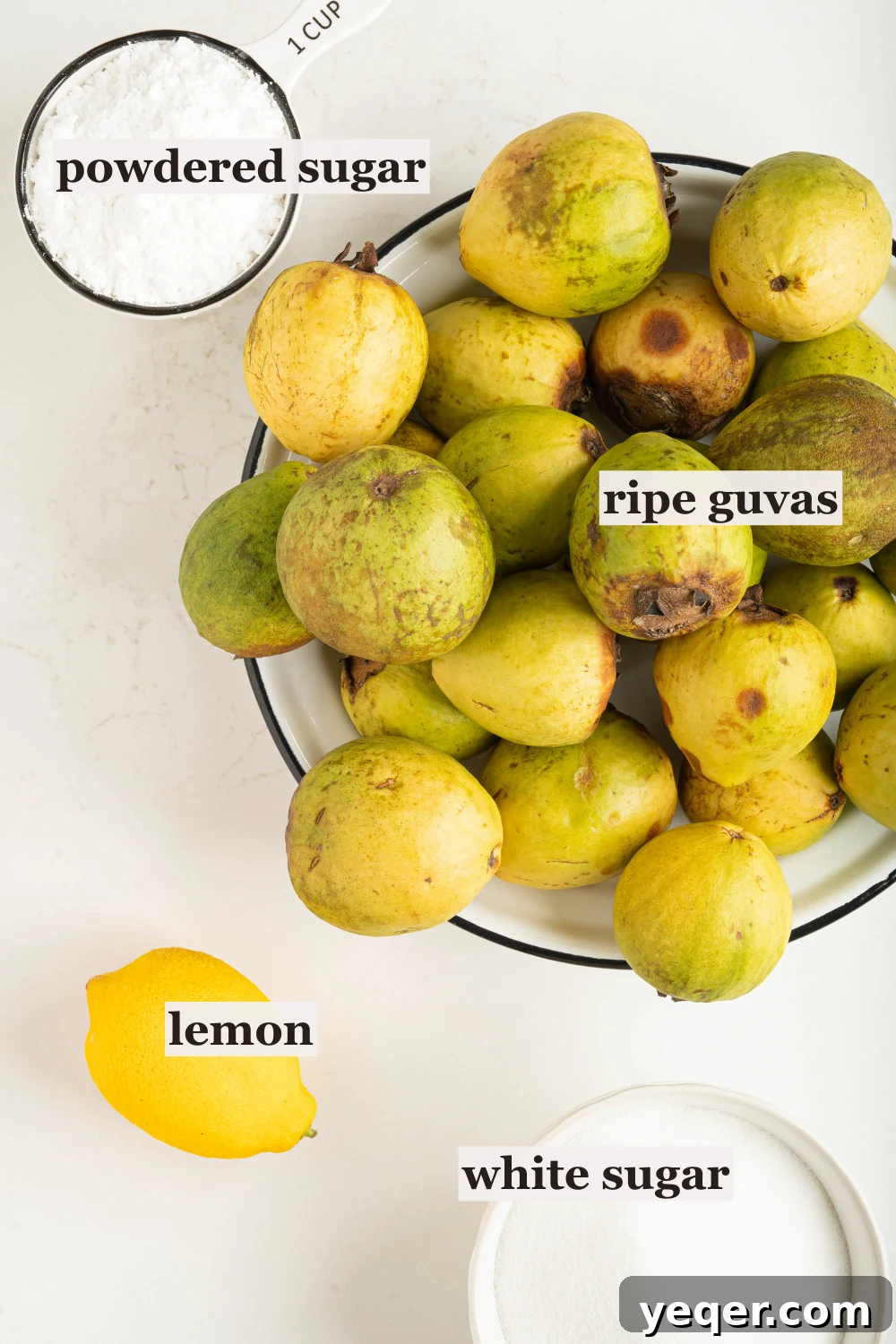
This recipe comes alive with just five core ingredients, each playing a crucial role in creating the perfect balance of sweetness, tang, and texture. While the full quantities are listed in the detailed recipe card below, here’s a quick overview of what you’ll need:
- **Fresh Guavas:** The star of the show. Aim for ripe, fragrant pink guavas for the best flavor and color.
- **Water:** To aid in the initial cooking and softening of the fruit.
- **White Granulated Sugar:** Provides the primary sweetness and acts as a natural preservative, helping the paste to set.
- **Powdered Sugar:** Contributes to the paste’s smooth texture and helps achieve the ideal consistency.
- **Fresh Lemon:** Both the zest and juice are used to brighten the flavor, balance the sweetness with a touch of acidity, and assist with pectin activation for proper gelling.
Step-by-Step Guide to Crafting Homemade Guava Paste
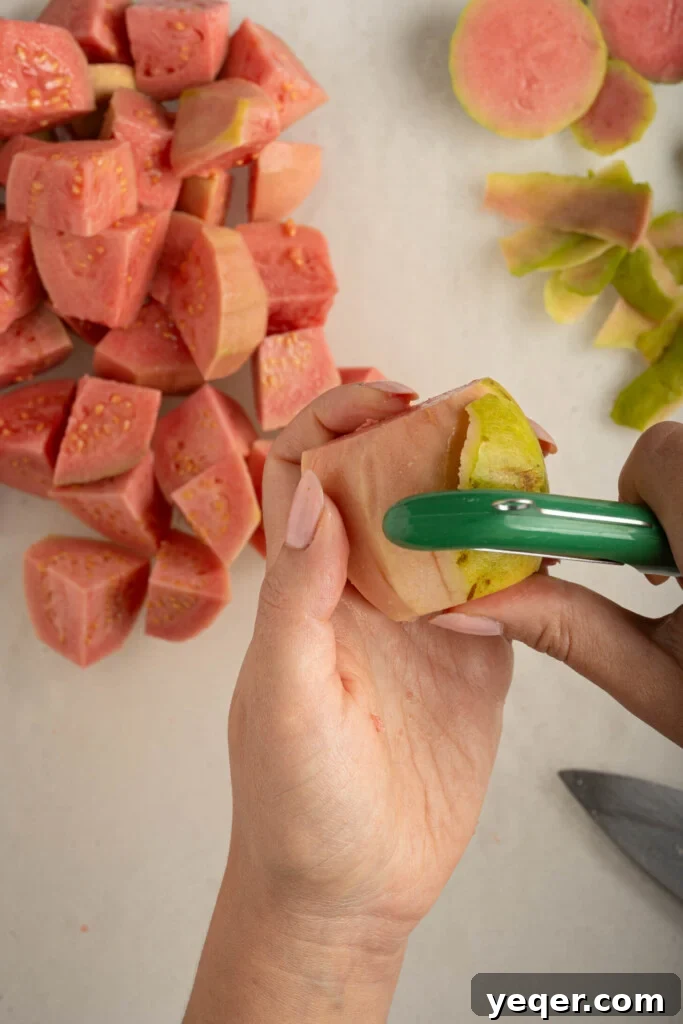
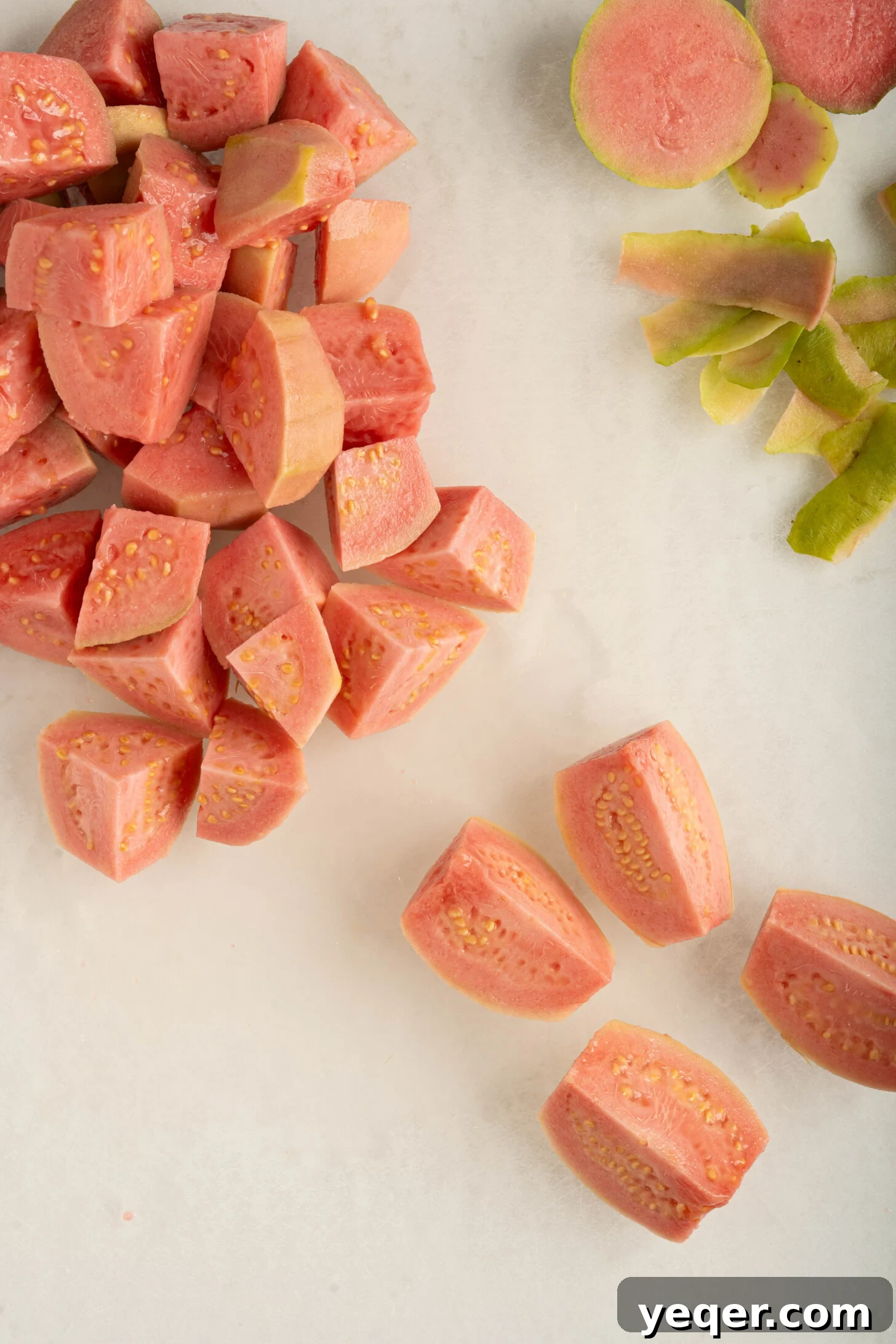
Helpful Hint: There’s no need to meticulously peel your guavas. The fibrous skin contains beneficial pectin, and any remaining solids will be strained out later in the process, ensuring a smooth final paste. Feel free to leave the peel on if you prefer.
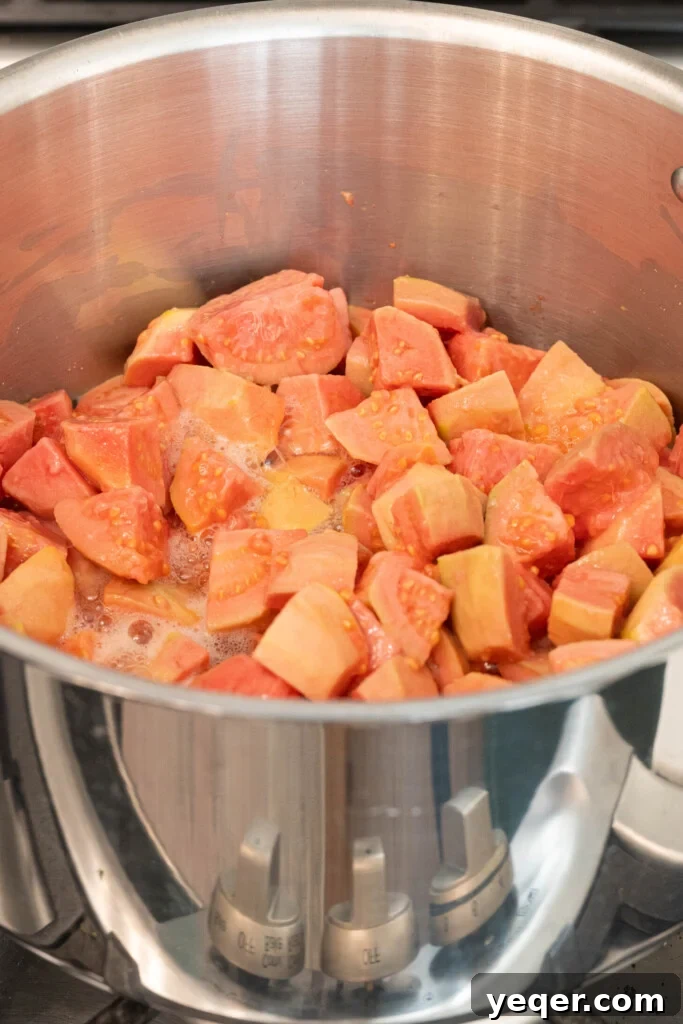
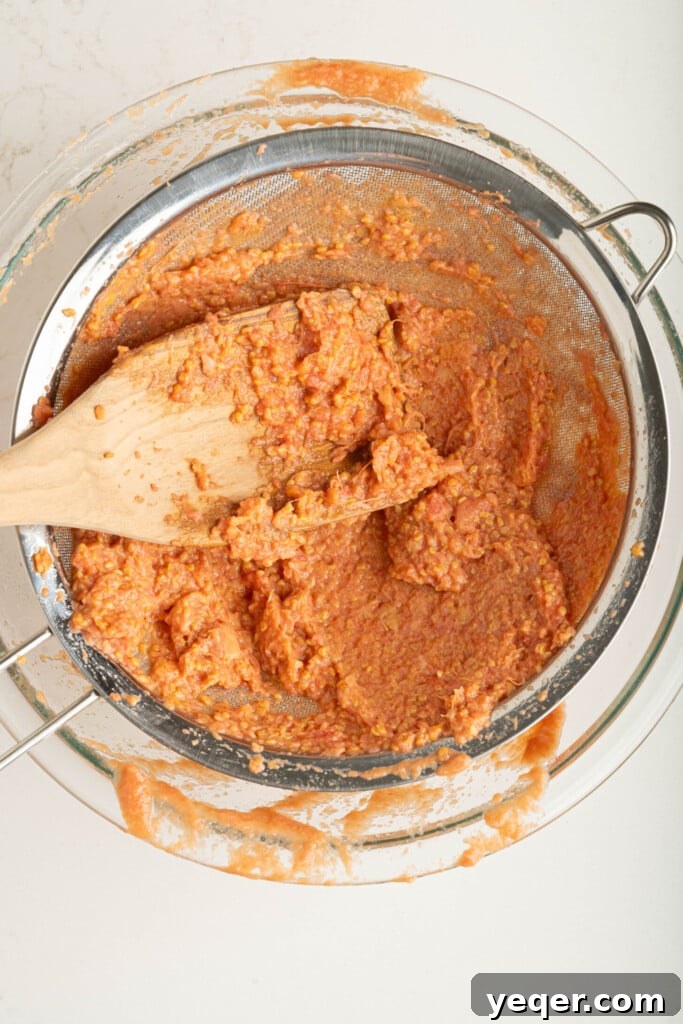
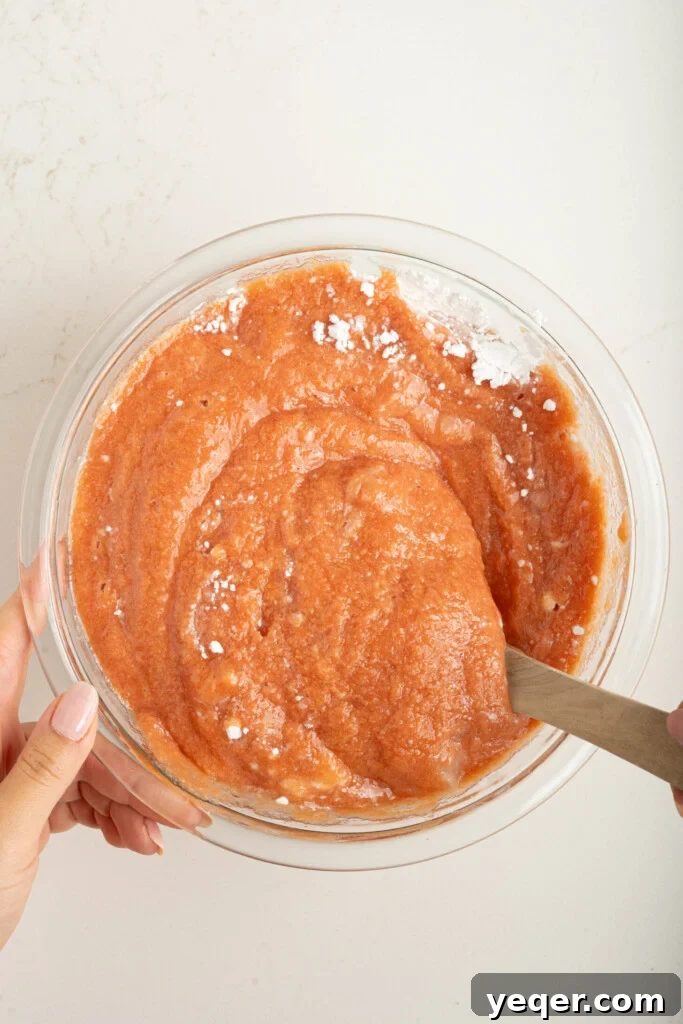
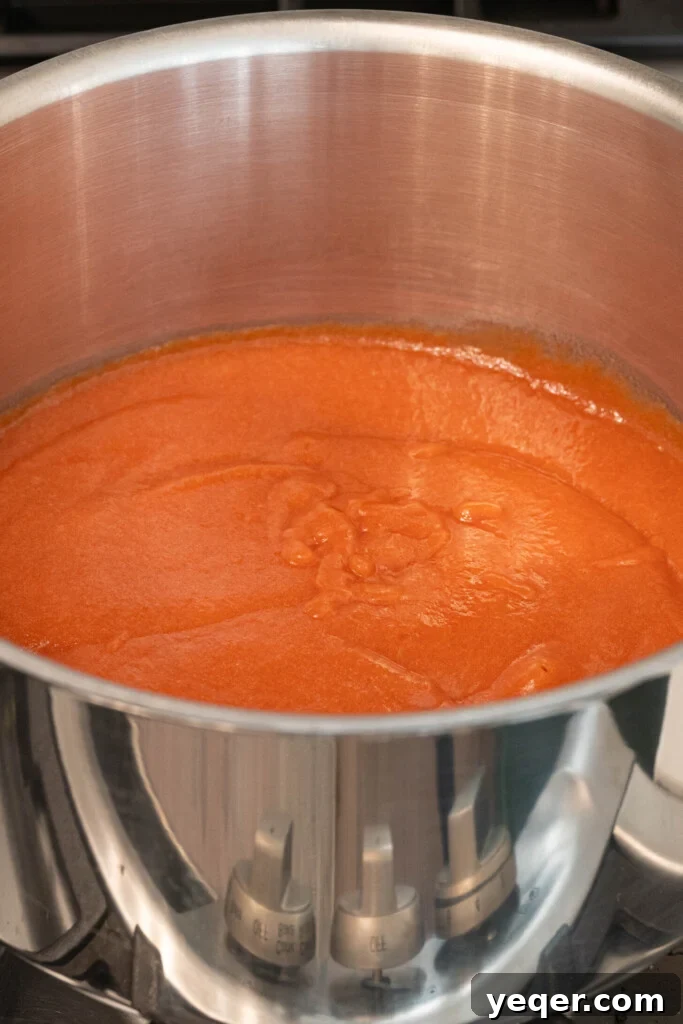
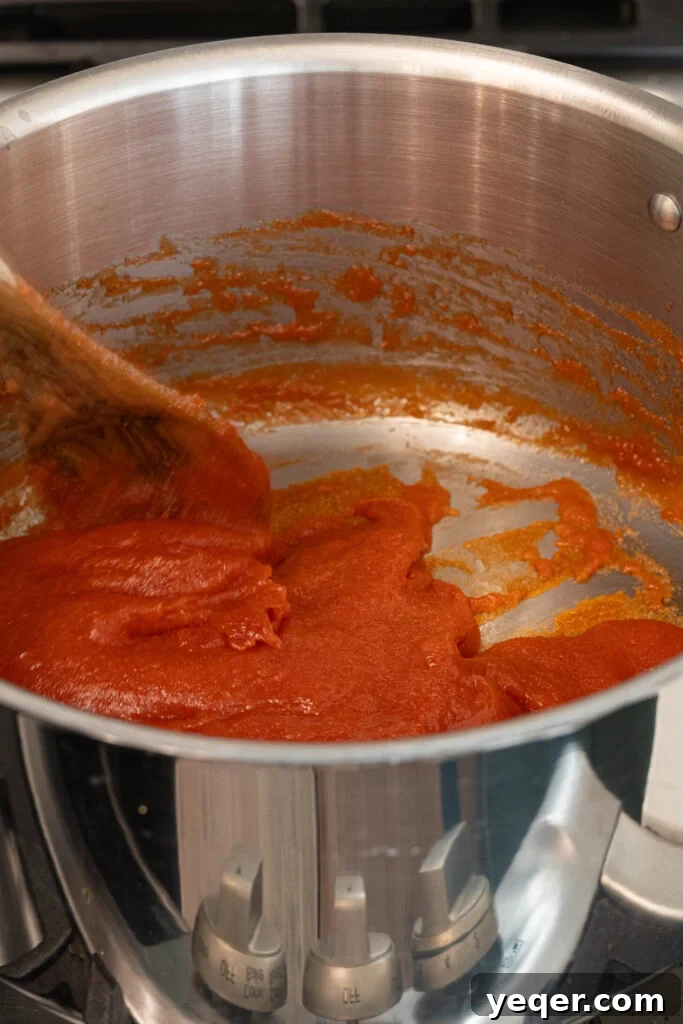
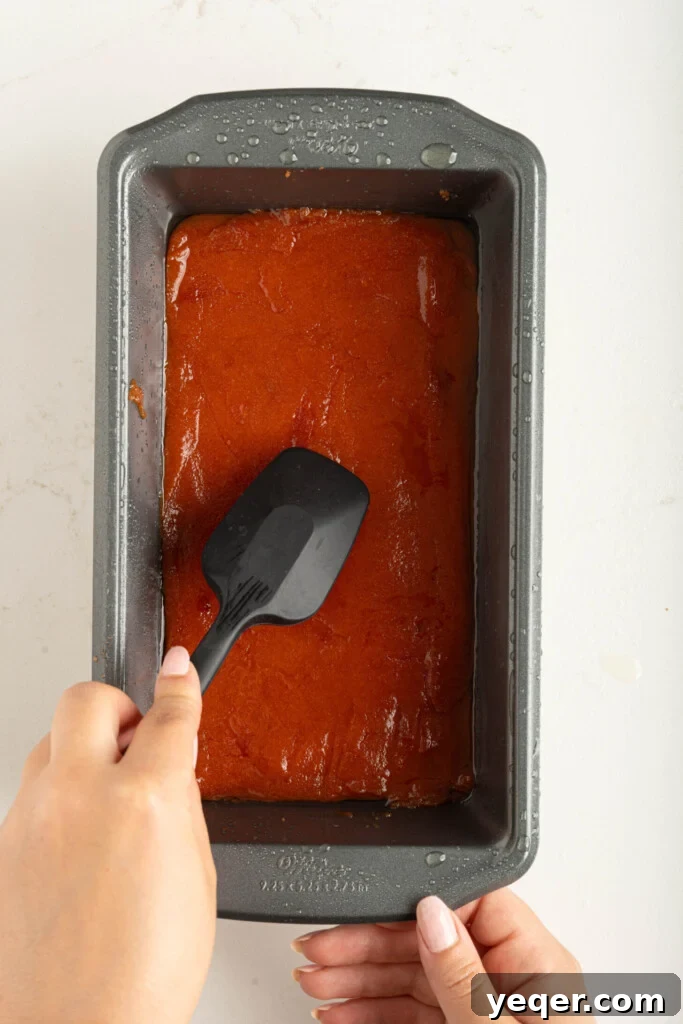
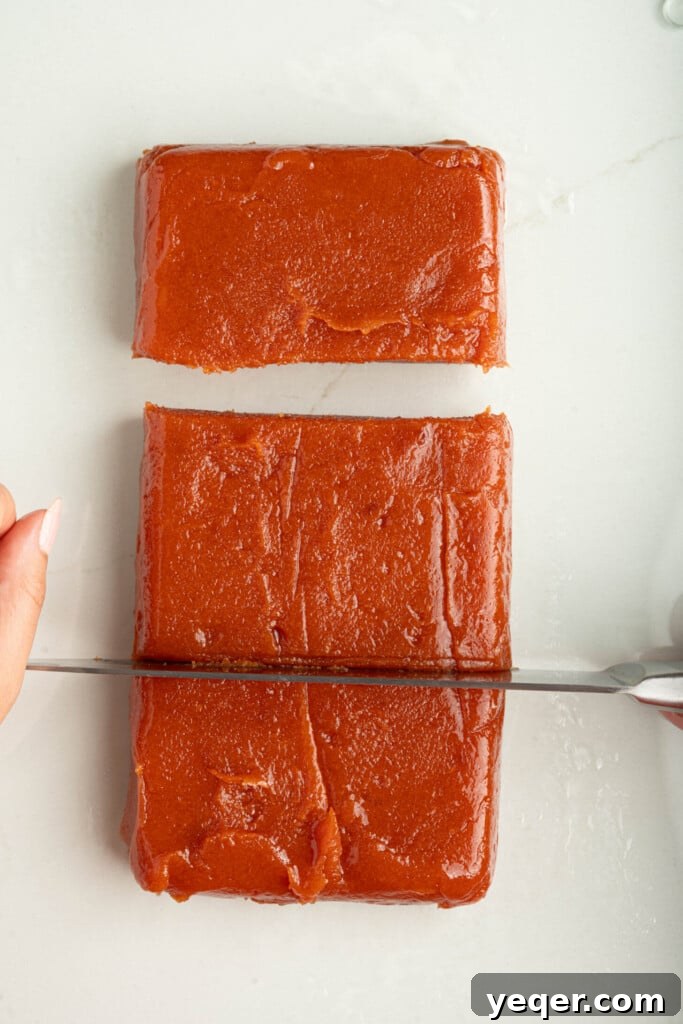
Crucial Tip: The straining process is the most delicate and time-consuming part of this recipe. Don’t rush it! Using a firm wooden spoon to continuously press and move the puree around in the strainer will significantly help extract all the delicious fruit pulp.
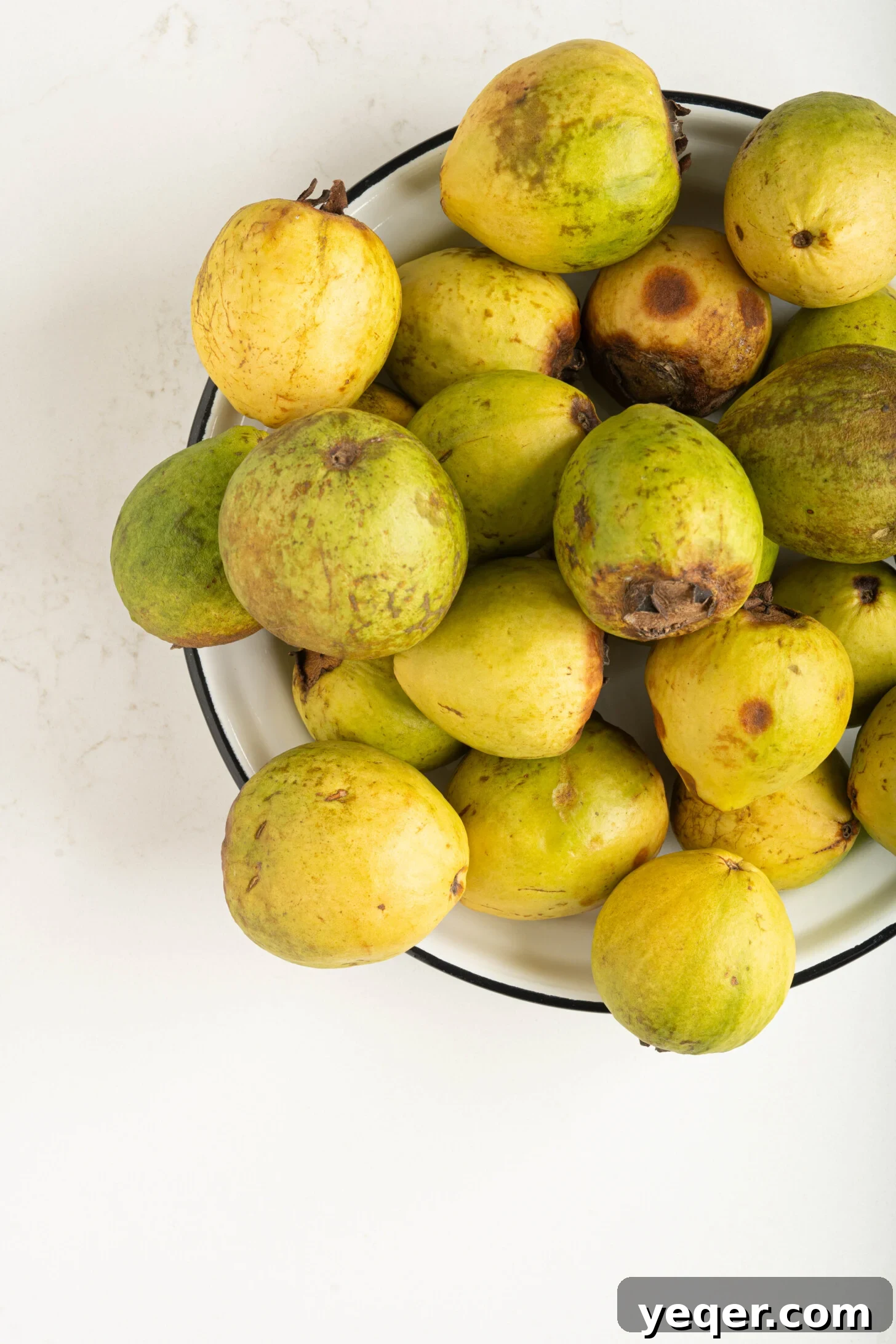
Sourcing and Selecting the Perfect Fresh Guavas
The success of your homemade guava paste hinges on the quality and ripeness of your fruit. If you’re fortunate enough to reside in a tropical climate, you might have a guava tree right in your backyard, or readily find them at local fruit stands. Otherwise, locating ripe pink guavas might require a little more effort, but it’s well worth it.
In regions like the Pacific Northwest, where tropical fruits are less common, finding pink guavas can be a delightful challenge. Many Latin or Asian markets might carry white guavas, which can also be used, but pink guavas offer the signature color and a slightly sweeter, more aromatic profile for paste. For those with limited local options, reputable online fruit purveyors like Tropical Fruit Box can ship fresh, ripe guavas directly to your door.
Regardless of where you source your guavas, always prioritize ripeness. You’ll know a guava is perfectly ripe and ready for paste-making when its skin transitions from green to a vibrant yellow, often with hints of pink. It should yield slightly to a gentle squeeze and emit a wonderfully sweet, intoxicating aroma. Underripe guavas will be too tart and firm, while overripe ones might be too mushy and difficult to work with.
Creative Ways to Savor Your Homemade Guava Paste
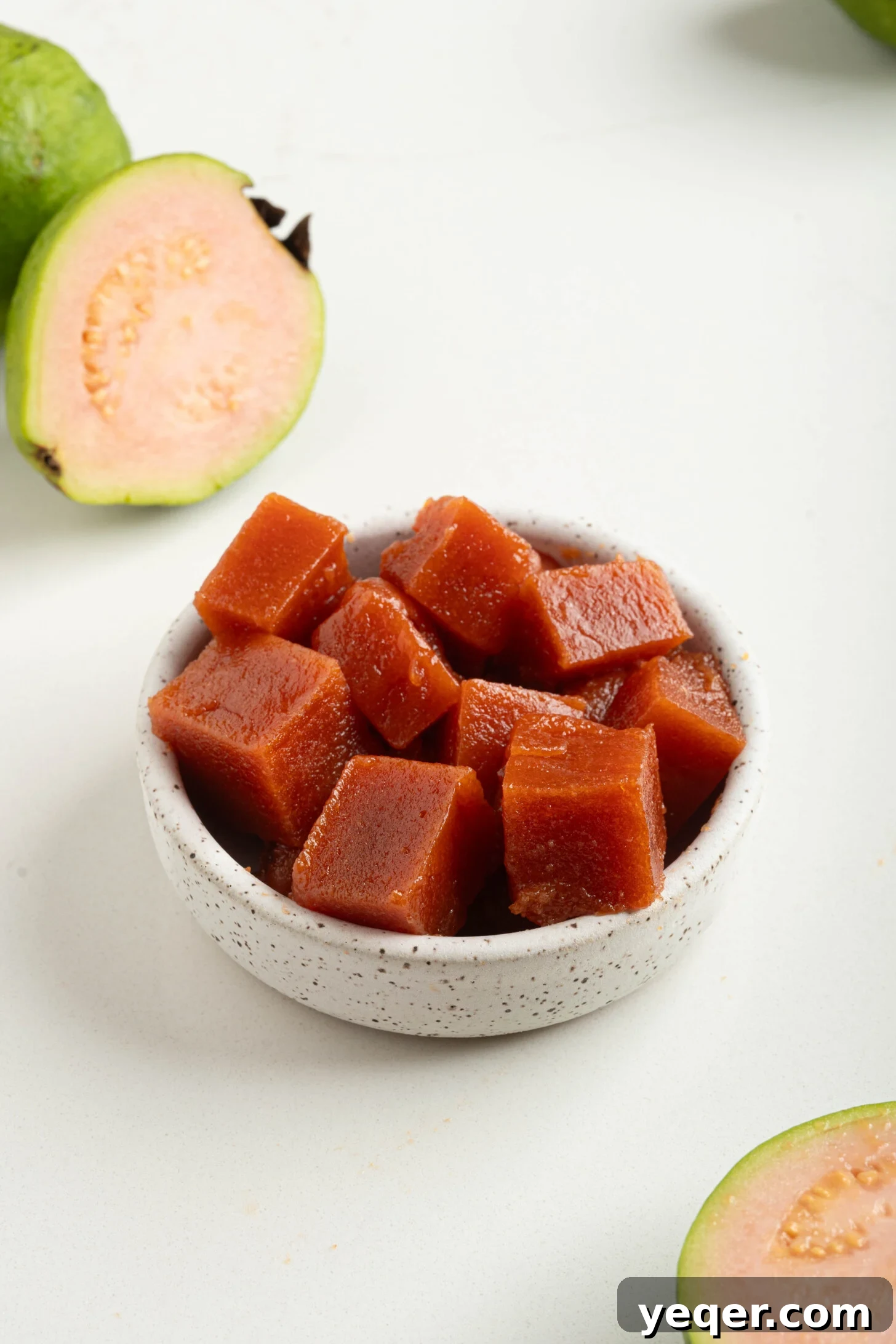
Homemade guava paste is an incredibly versatile ingredient, much like a gourmet strawberry jam, but with a unique tropical flair. Its sweet, tangy, and firm texture opens up a world of culinary possibilities. The only limit is your imagination! Here are some of my absolute favorite ways to enjoy this delightful preserve:
- Classic Cheese Pairing: Serve it simply on a plate with an assortment of your favorite cheeses and crackers. It pairs exceptionally well with sharp cheddar, creamy brie, or salty feta, offering a delightful contrast of flavors and textures.
- Breakfast Bliss: Spread it generously on warm toast, bagels, or English muffins. For an extra touch of indulgence, add a layer of mascarpone cheese or rich butter underneath.
- Elevate Your Charcuterie Board: Incorporate slices or cubes of guava paste onto your next charcuterie spread. It provides a sweet, vibrant counterpoint to cured meats, pickled vegetables, and various cheeses.
- Pastries and Desserts: Guava paste truly shines in baked goods.
- Bake it into flaky puff pastry with cream cheese to create authentic Pastelillos de Guayaba – a beloved Puerto Rican treat.
- Stuff it into homemade empanada dough with cream cheese for irresistible guava cheese empanadas.
- Use it as a filling for tarts, thumbprint cookies, or even as a swirl in cheesecakes.
- Savory Applications: Don’t limit yourself to sweet dishes! Guava paste can be melted down and used as a glaze for roasted pork or chicken, adding a beautiful tropical sweetness that complements savory notes.
- Cocktail Enhancer: A small amount of melted guava paste can be a fantastic addition to tropical cocktails, lending both sweetness and a unique fruit flavor.
Chef’s Tip: To achieve a smoother, more spreadable consistency for glazes, sauces, or to simply enjoy it like a jam, gently heat a portion of the finished guava paste with a tablespoon or two of water over medium-low heat. Stir continuously until it melts into a smooth and creamy sauce. Alternatively, a few minutes in the microwave with a splash of water will achieve the same result.
Buen provecho,

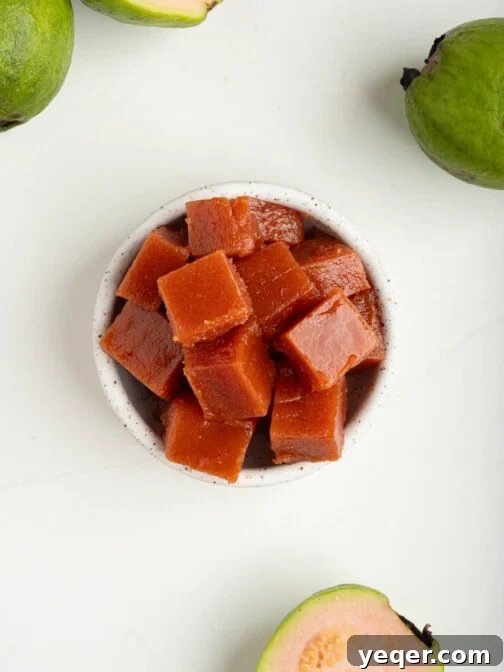
Homemade Guava Paste (5 Ingredients)
5 from 1 review
- Author: Salima Benkhalti
- Prep Time: 1 hour
- Cook Time: 1 hour
- Total Time: 2 hours
- Yield: 32 servings
- Category: Sauce, Dessert
- Method: Boiled
- Cuisine: Puerto Rican, Latin
- Diet: Gluten Free
Description
This Homemade Guava Paste comes together with just 5 ingredients and is miles ahead of the store-bought stuff in both flavor and texture. It’s the perfect recipe to make if you have an abundance of fresh guavas.
Ingredients
- 5 lbs (about 9 cups) fresh guavas
- 3/4 cup water
- 2 cups white granulated sugar
- 1 cup powdered sugar
- 1 fresh lemon
Instructions
- Prep the guavas. Cut off the top stem piece, peel off the skin and any brown bits from the fruit. Chop the guavas into chunks.
- Boil with water. Add the chopped guava to a pot with water. Bring to a low boil before lowering to a simmer over medium low heat and cook for 30 minutes, or until fork tender. Mash with a potato masher or wooden spoon until the guavas are mushy.
- Strain the cooked fruit. Run the puree through a strainer to remove the seeds and any solids. Use a wooden spoon to push the puree through the strainer. This will take time so be patient with this step.
- Combine with sugar & lemon & reduce. Add sugar, a few zests of the lemon peel, and all of the lemon juice to the puree. Mix well to remove any clumps before adding back to a clean pot on the stove top.
- Reduce to a paste. Cook over medium heat, stirring often for another 30 minutes, or until the mixture thickens and darkens in color significantly. The paste should start to form into one ball or mass.
- Pour into mold and chill. Transfer the paste to a parchment lined (or non stick sprayed) loaf pan, level with a spatula, cover and allow to cool to room temperature before transferring to the fridge to chill overnight, or until solid.
- Store. Slice into chunks, wrap tightly, and store individually in the fridge.
Equipment
loaf pan
Buy Now →
Mesh Strainers
Buy Now →
Sauté Pan
Buy Now →
Notes
Store your homemade guava paste tightly wrapped for up to 1 month in the refrigerator. For longer preservation, it can be stored in the freezer for up to 3 months. Ensure it’s fully thawed before using.
While any heat-safe container or baking dish can be used as a mold, a loaf pan will yield the signature rectangular shape commonly associated with store-bought guava paste.