
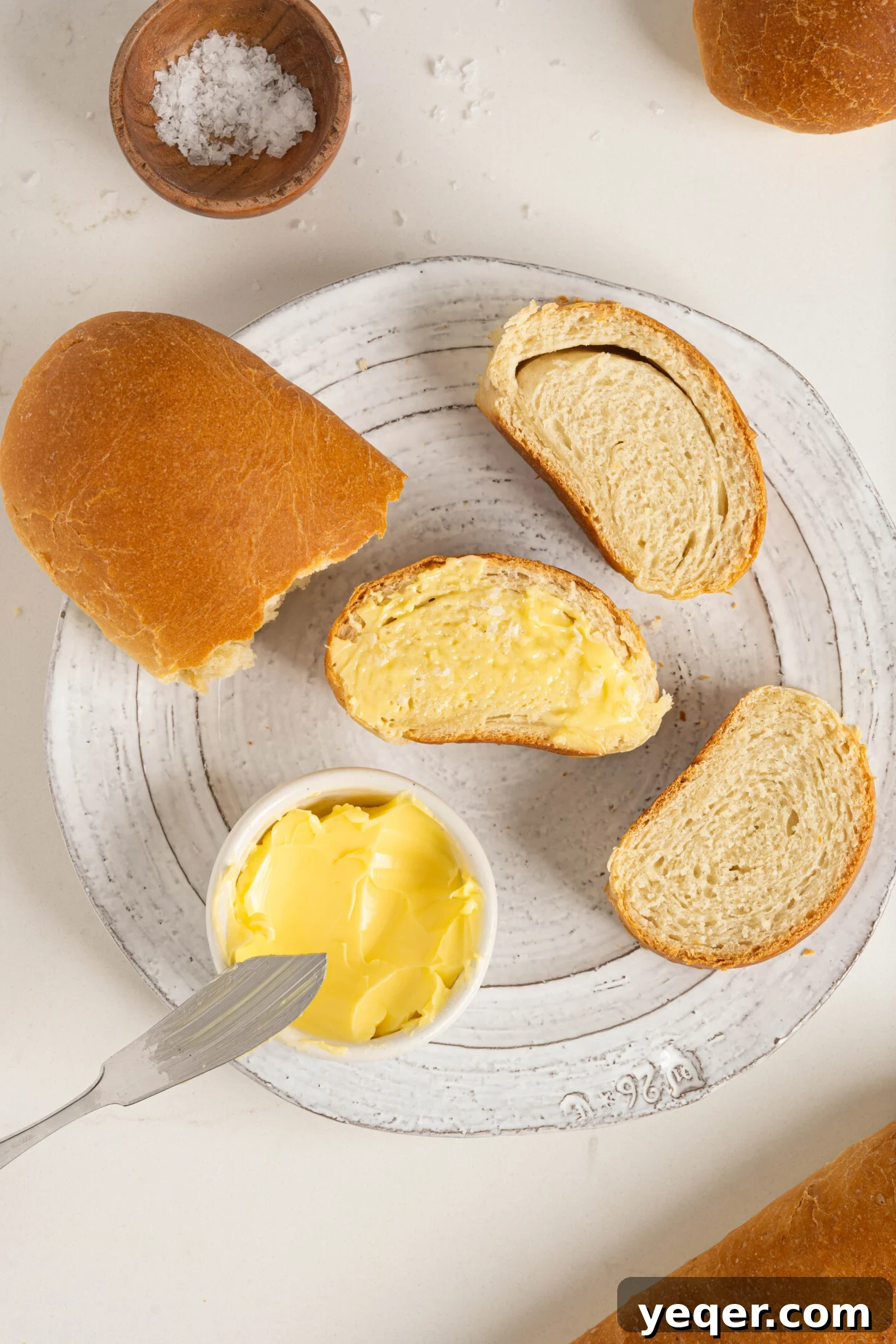
Discover the Heart of Puerto Rico: Authentic Pan Sobao, Your New Favorite Sweet Bread
Immerse yourself in the comforting embrace of Pan Sobao, a truly iconic Puerto Rican sweet bread that promises a deliciously soft and fluffy texture with every bite. This subtly sweet loaf is much more than just bread; it’s a versatile staple perfect for elevating your breakfast, crafting gourmet sandwiches, or transforming into indulgent French toast. Made accessible for home bakers with instant yeast and quality bread flour, this beloved recipe comes together in under 3 hours, offering the ultimate reward: a fresh, warm loaf generously spread with butter. Experience the joy of baking and tasting a piece of Puerto Rican culinary heritage right in your own kitchen.
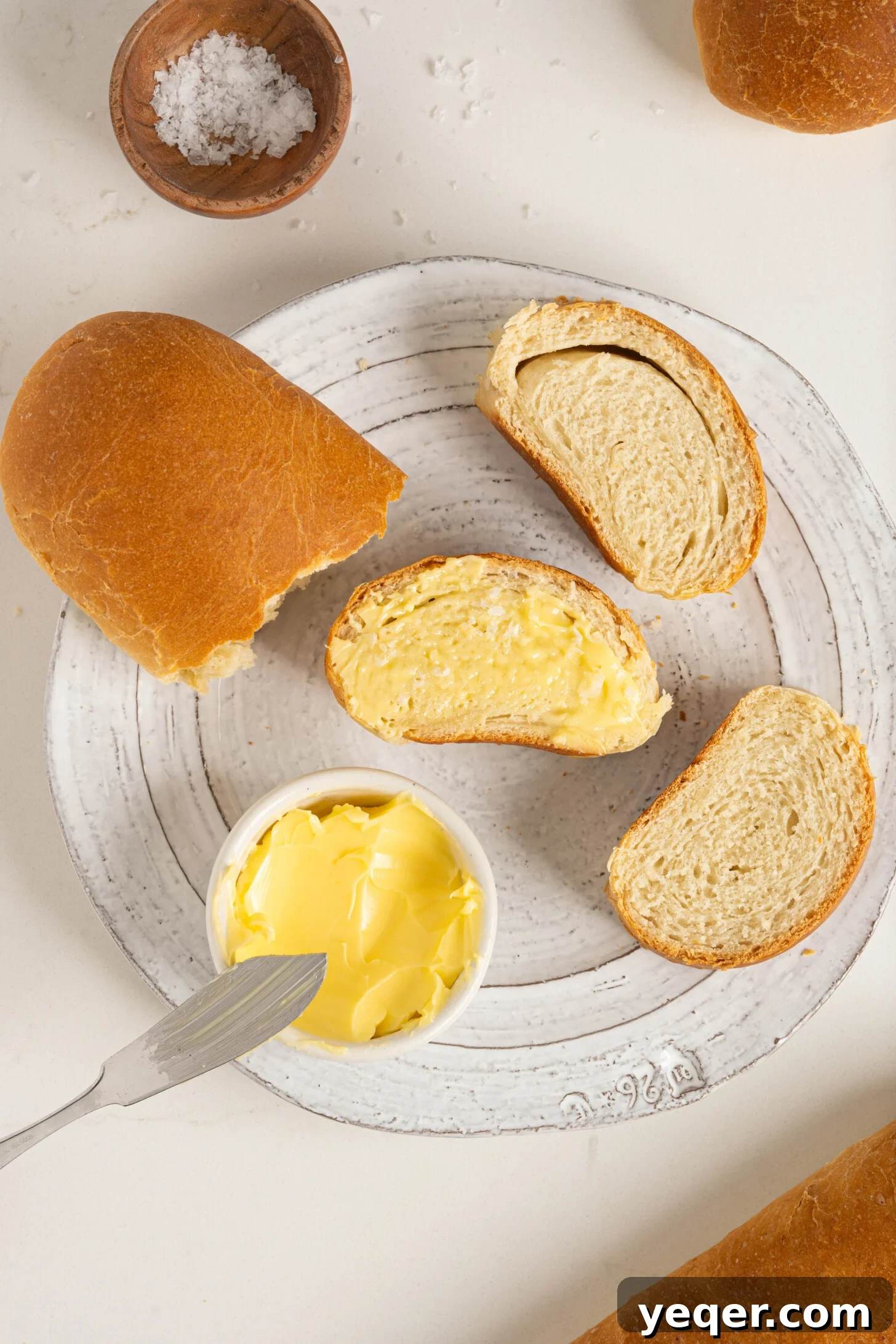
The Soulful Story of Pan Sobao: A Puerto Rican Staple
Pan Sobao isn’t just a bread; it’s a cultural cornerstone, a universally cherished Puerto Rican recipe that holds a special place in the hearts and homes across the island. Its popularity is undeniable, making it a familiar sight in every panaderia (bakery), supermarket, and sandwich shop. This isn’t surprising, as this soft and slightly sweet bread perfectly embodies the island’s vibrant culinary spirit.
What makes Pan Sobao so irresistible? It’s the delightful combination of its soft, almost cloud-like texture with a satisfying chewiness, paired with a subtly sweet and equally subtle salty flavor profile. This exquisite balance makes it incredibly versatile, an ideal accompaniment to virtually any meal or snack. Whether you’re seeking a quick bite or a hearty breakfast, Pan Sobao delivers.
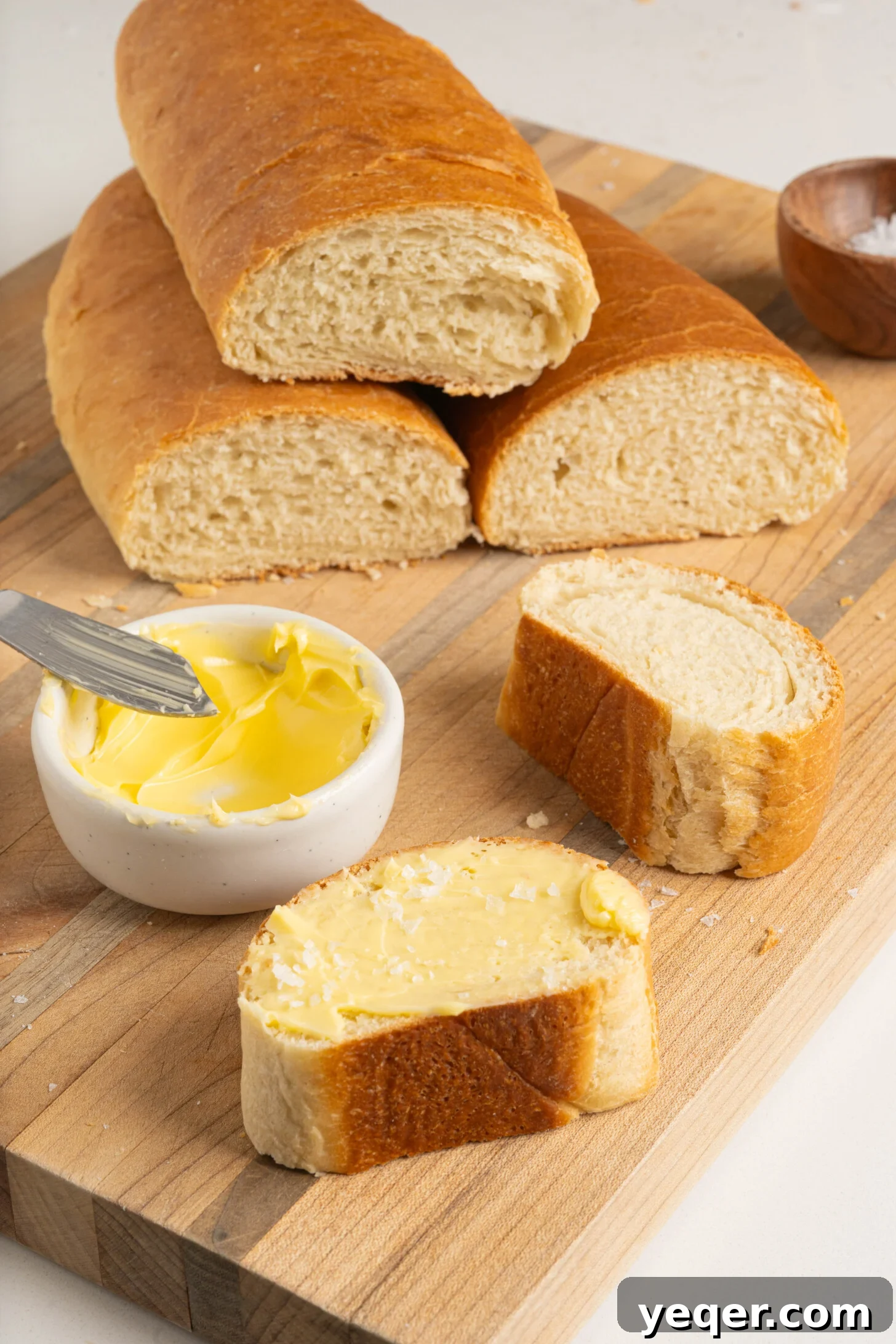
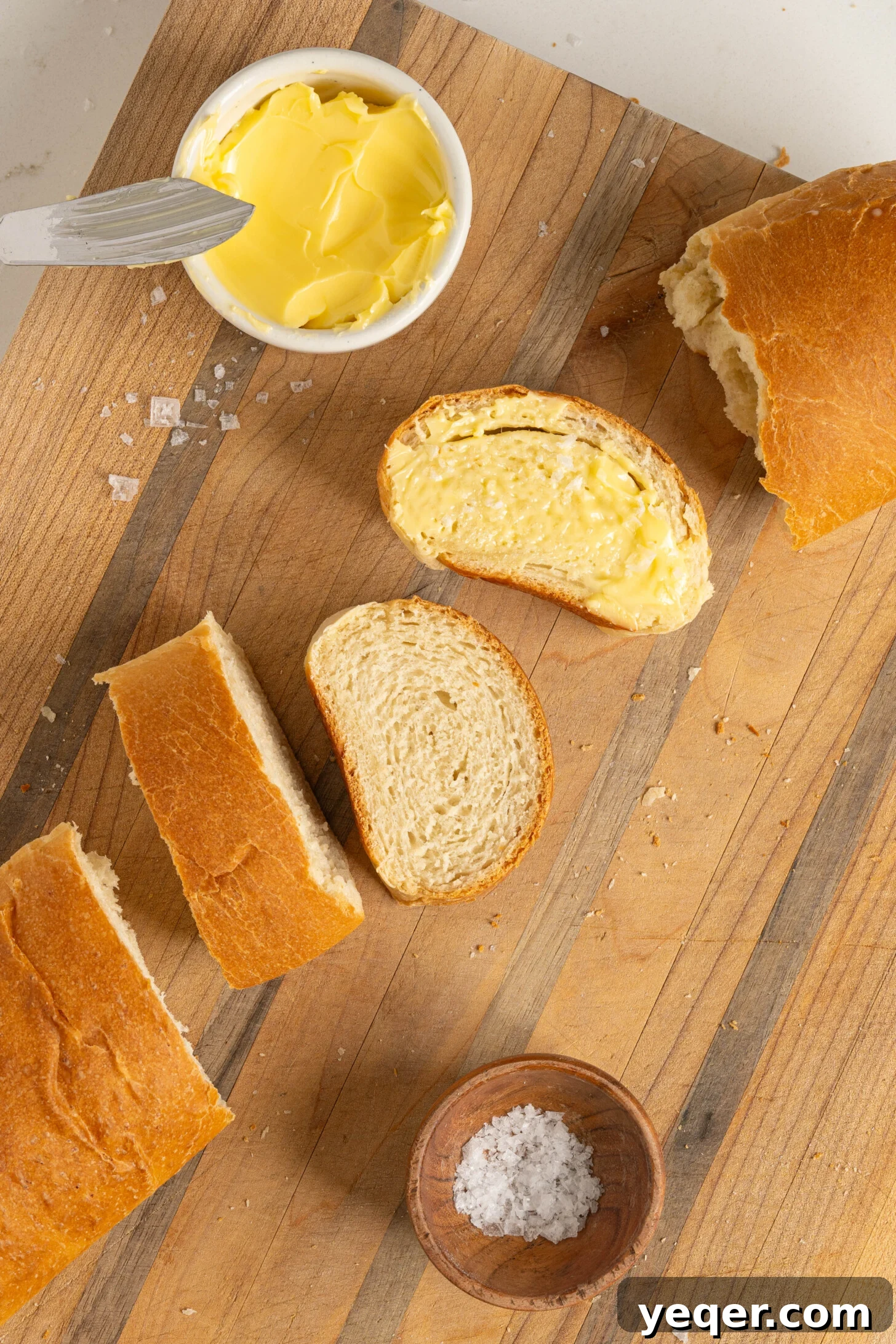
Everyone has their unique way of savoring this beloved bread. While some prefer unconventional pairings – like a relative who enjoys spreading it with mayo and dipping it into her morning coffee (a preference I respect, though it’s not for me!) – my absolute favorite way to experience Pan Sobao is when it’s still warm from the oven, generously slathered with a pat of melting butter and a sprinkle of sea salt. This simple pleasure truly captures the essence of homemade comfort.
Beyond its standalone deliciousness, Pan Sobao excels at soaking up rich sauces from your favorite stews, making every last drop count. It also serves as the perfect canvas for your preferred sandwich fixings, from savory meats and cheeses to sweet fruit spreads. Its robust yet tender structure holds up beautifully, ensuring a satisfying bite every time.
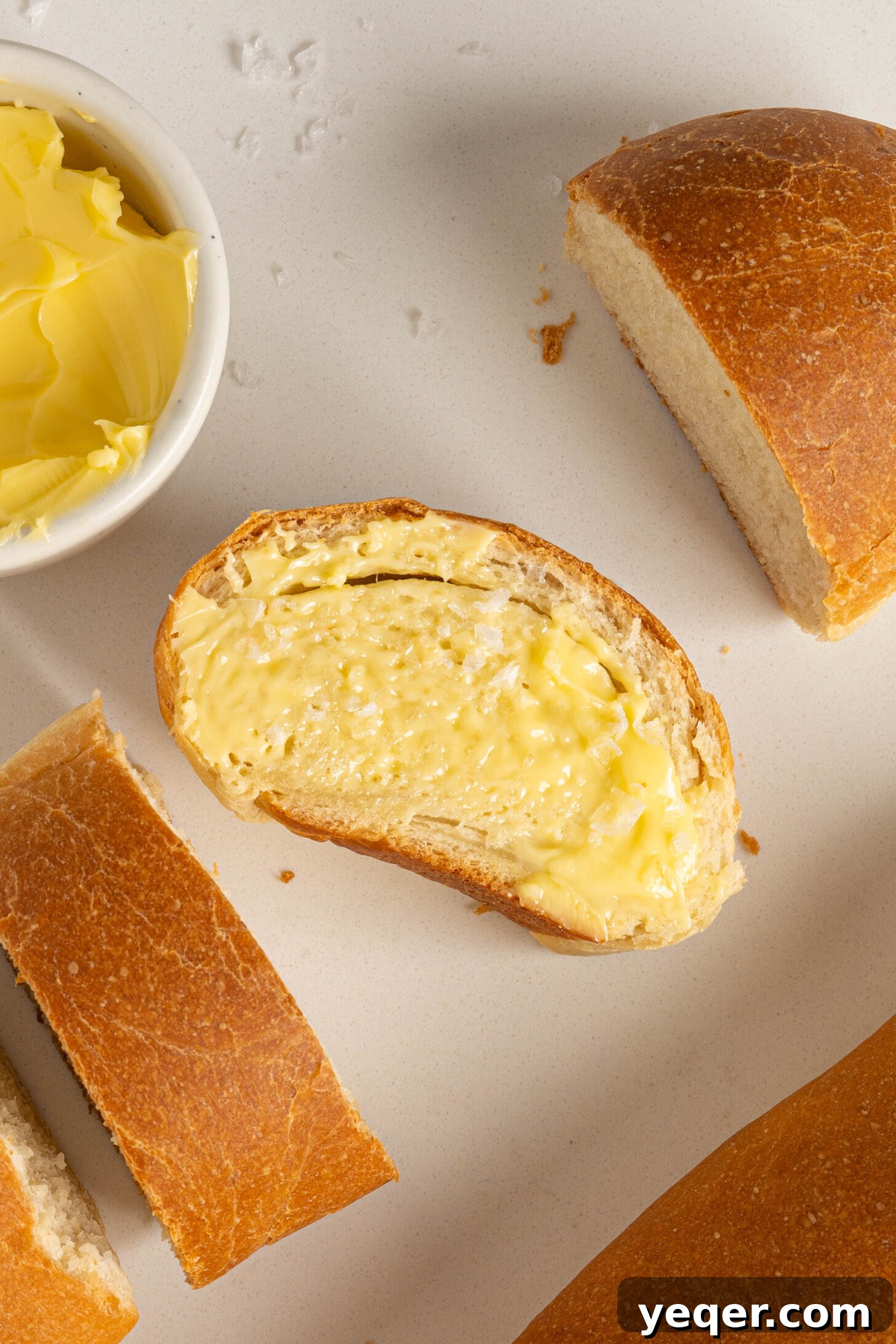
Unlocking the Secret: Key Ingredients for Perfect Pan Sobao
Crafting the perfect Pan Sobao begins with understanding the role of each ingredient. Quality ingredients are fundamental to achieving that signature soft, chewy, and subtly sweet profile. Here’s a closer look at what you’ll need:
- Bread Flour: This is non-negotiable for Pan Sobao. Bread flour has a higher protein content than all-purpose flour, which means it develops more gluten. This gluten network is what gives Pan Sobao its characteristic chewy texture and structural integrity, allowing it to rise beautifully and hold its shape.
- Instant Yeast: A true convenience for home bakers! Instant yeast doesn’t require proofing beforehand, as it can be mixed directly with the dry ingredients. Its rapid action helps the dough rise efficiently, ensuring your bread is ready in just a few hours.
- Salt: Essential for flavor balance, salt enhances the sweetness of the sugar and provides depth to the bread. It also plays a role in regulating yeast activity and strengthening the gluten structure.
- White Granulated Sugar: This provides the subtle sweetness that is a hallmark of Pan Sobao. Sugar also feeds the yeast, contributing to a robust rise, and aids in browning the crust for that appealing golden finish.
- Warm Water: The ideal temperature for activating instant yeast is crucial. While too cold will slow down or prevent activation, too hot will kill the yeast. Aim for a temperature between 120-130°F (49-54°C) to ensure your yeast is happy and active.
- Vegetable Shortening, melted: Shortening is key to Pan Sobao’s incredibly tender crumb and soft crust. Unlike butter, shortening is 100% fat and introduces no water, creating a very tender and rich bread texture that melts in your mouth.
Ingredients List
- 3 cups bread flour
- 1 tsp salt
- 1/4 cup white granulated sugar
- 1 tbsp instant yeast
- 1 1/4 cup warm water (between 120-130°F)
- 1/3 cup vegetable shortening, melted
- Optional: butter or additional vegetable shortening to finish
Crafting Your Own Pan Sobao: A Step-by-Step Guide to Fluffy Perfection
Baking Pan Sobao at home is a rewarding experience. Follow these detailed steps to achieve that perfect soft, sweet, and irresistible loaf.
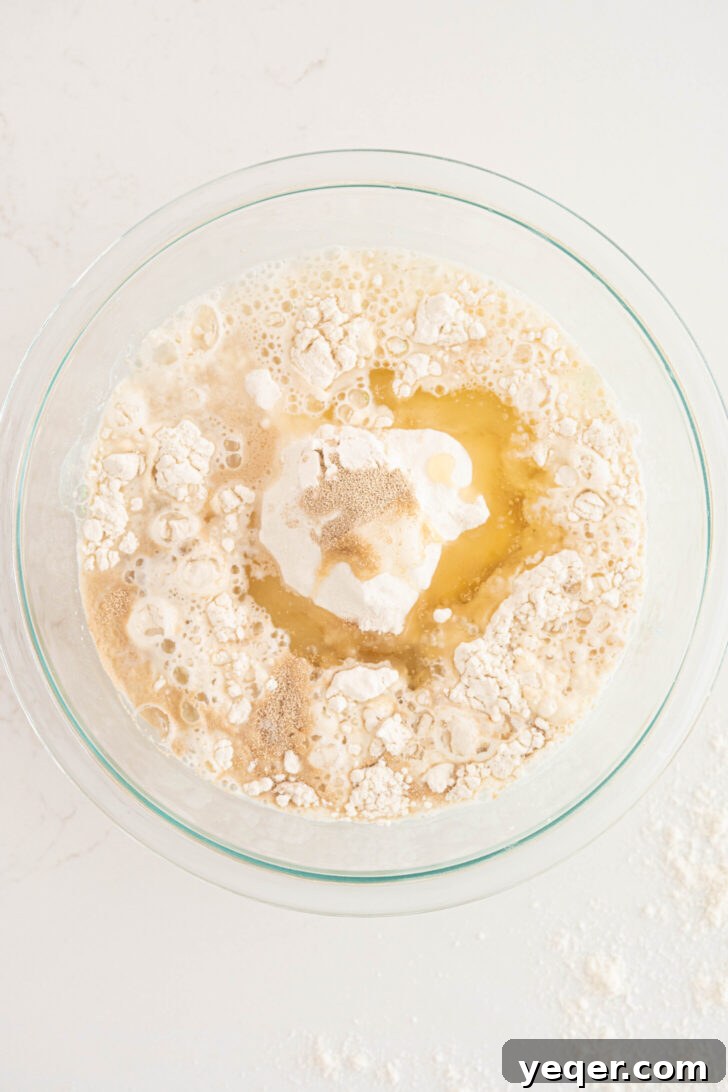
Detailed Instructions
- Make the dough: In a large mixing bowl (or the bowl of a stand mixer), combine the bread flour, salt, granulated sugar, and instant yeast. Whisk these dry ingredients together thoroughly to ensure even distribution. Next, pour in the warm water and the melted vegetable shortening. Begin kneading the mixture, either by hand or with a stand mixer fitted with a dough hook. Continue kneading for about 5 minutes, or until a consistent, smooth, and elastic dough forms. It should pull away from the sides of the bowl.
- First Rise (Bulk Fermentation): Once the dough is formed, cover the bowl with plastic wrap or a clean kitchen towel. Place it in a warm, draft-free spot on your countertop. Let the dough rise for approximately 1 hour, or until it has noticeably doubled in size. This first rise develops much of the bread’s flavor and texture.
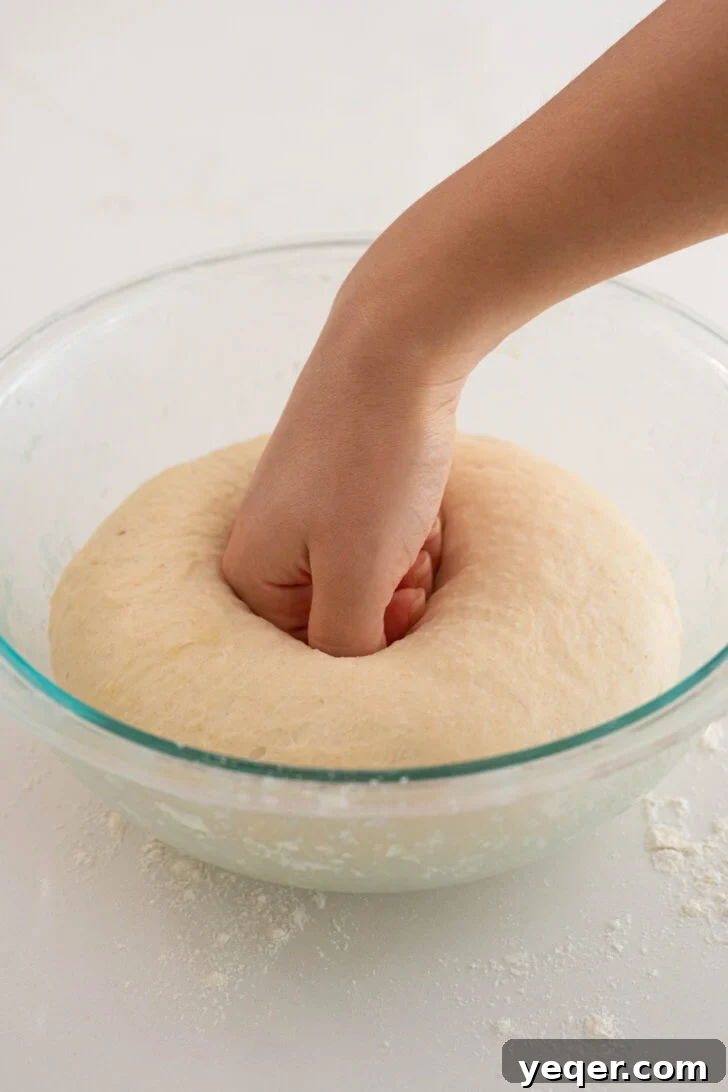
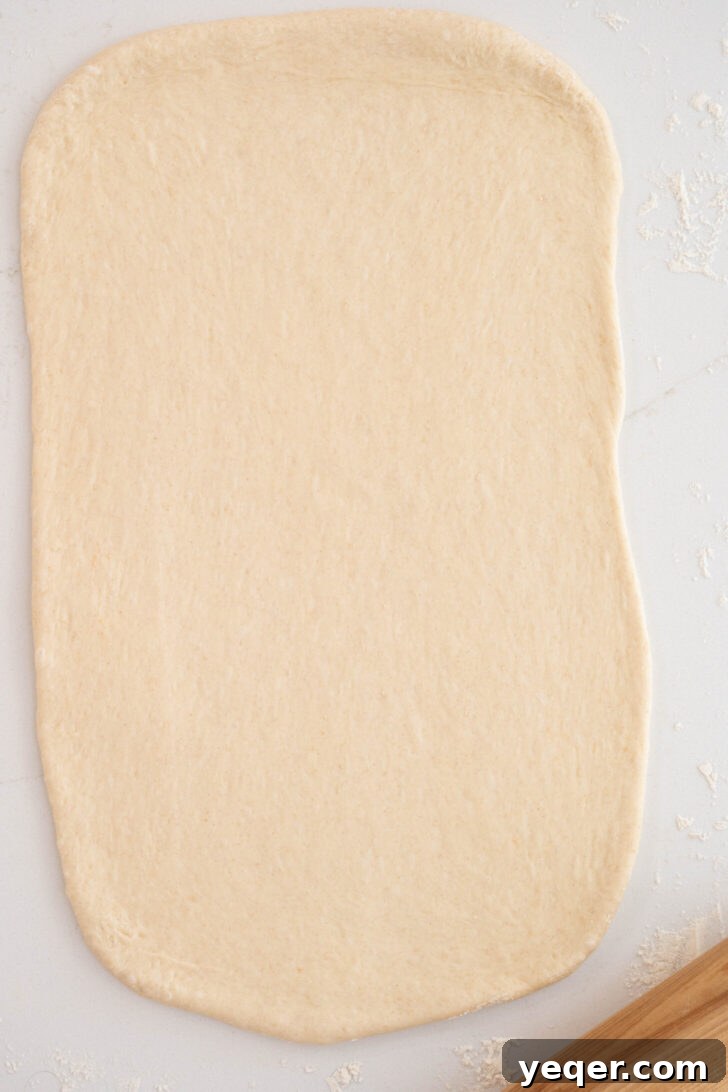
- Work and Shape the Dough: Gently punch the dough down to deflate any accumulated air pockets. Transfer the dough to a lightly floured clean surface. Knead it for just about a minute to redistribute the yeast and strengthen the gluten. Then, divide the dough evenly in half. Take one half and roll it out into a flat, rectangular shape, aiming for a consistent thickness. Starting from one of the longer sides, tightly roll the rectangle into a log. Once rolled, tuck the ends of the loaf neatly underneath to create a smooth, sealed loaf that won’t dry out during baking. Repeat this shaping process for the second half of the dough.
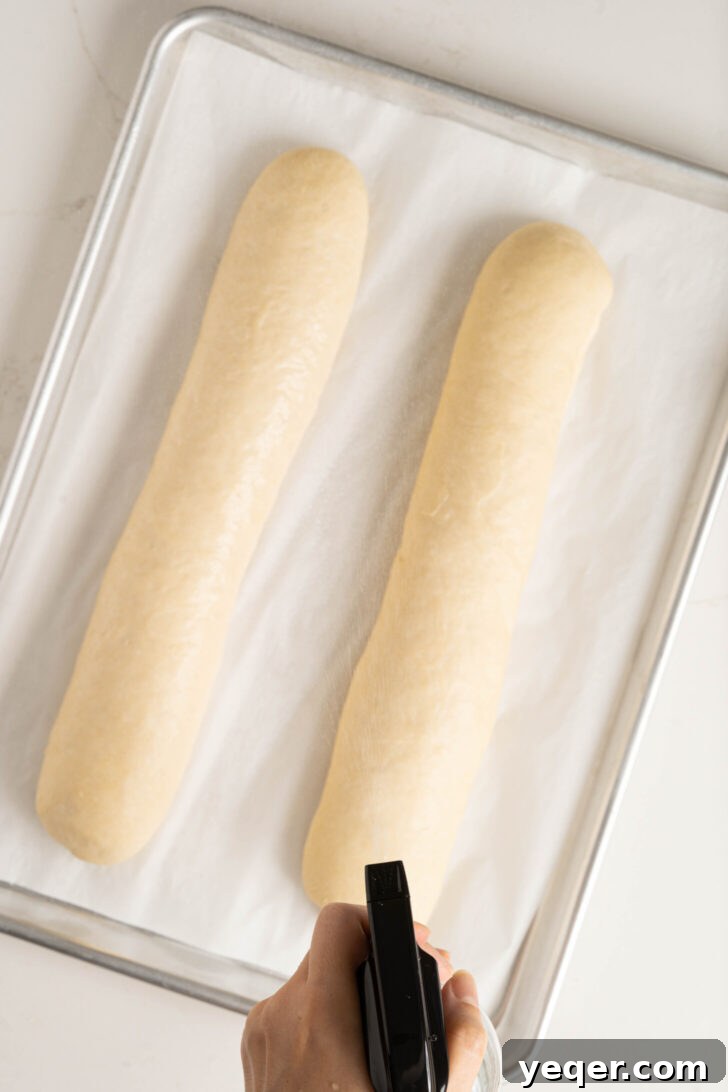
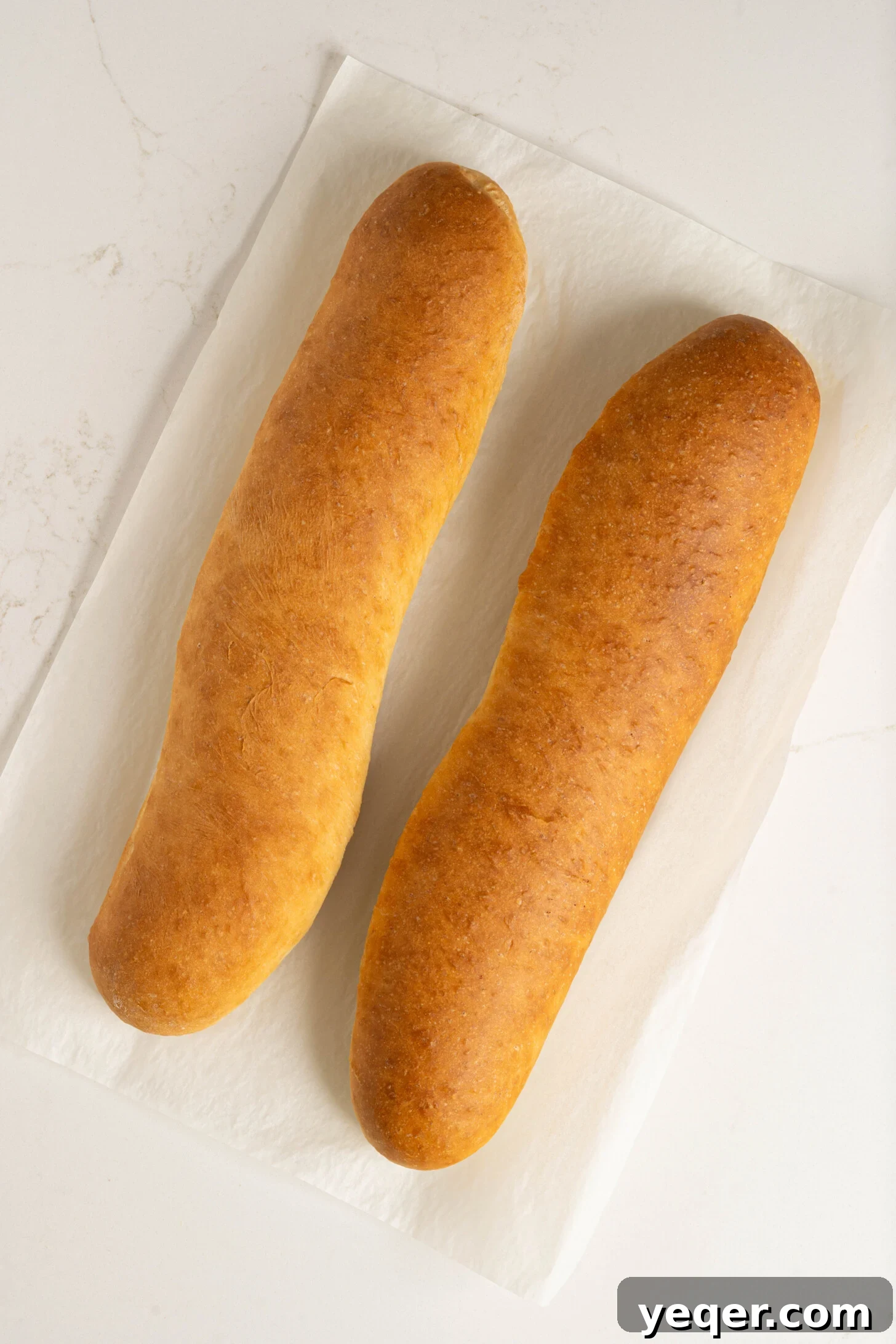
- Second Rise (Proofing) and Bake: Carefully arrange the shaped loaves of dough on a baking sheet lined with parchment paper, leaving enough space between them for expansion. Cover the loaves again with a clean kitchen towel and let them rest for another 1 hour. During this second rise, the loaves will double in size once more, becoming light and airy. Just before baking, lightly spray or brush the tops of the loaves with water. This helps create a beautiful golden-brown crust. Bake in a preheated oven at 350°F (175°C) for about 25-30 minutes, or until the crust is a rich golden brown and the internal temperature reaches 200-210°F (93-99°C).
- Optional Finish: For an extra soft crust, added shine, and a touch more flavor, brush the freshly baked bread with melted butter or additional vegetable shortening immediately after it comes out of the oven.
Expert Tips for Pan Sobao Success
Achieving bakery-quality Pan Sobao at home is easier than you think, especially with a few expert tips:
Mastering Yeast Activation: Don’t Kill Your Instant Yeast!

When working with instant yeast, precise water temperature is paramount. Water that’s too hot (above 130°F or 54°C) can kill the yeast, rendering it inactive and preventing your dough from rising. We aim for warm water to activate it efficiently. If you don’t have a reliable thermometer, it’s always safer to lean slightly on the cooler side of ‘warm’ rather than risking it being too hot. The ideal range is generally between 120-130°F (49-54°C).
The Art of Kneading
Proper kneading is crucial for developing the gluten in the bread flour, which gives Pan Sobao its signature chewiness and structure. Knead for the recommended 5 minutes, or until the dough is smooth, elastic, and passes the windowpane test (where a small piece of dough can be stretched thin enough to see light through it without tearing). Avoid over-kneading, which can make the dough tough, but also ensure it’s not under-kneaded, which would result in a dense loaf.
Perfect Proofing
Patience is key during the rising stages. Ensure your dough is in a warm, draft-free environment. If your kitchen is cool, you can place the covered bowl in a slightly warm (but turned off) oven or microwave, or near a sunny window. The dough should truly double in size during both the first and second rises. If it doesn’t, allow a bit more time. An under-proofed dough will yield a dense, heavy bread, while an over-proofed dough might collapse in the oven.
The Golden Crust
Spraying or brushing the loaves with water just before baking creates steam in the oven, which helps the crust stay soft and develop a beautiful golden sheen. For an extra fancy finish, or to ensure an even softer crust, brush the warm loaves with melted butter or a little extra vegetable shortening immediately after they come out of the oven.
Equipment Essentials
While Pan Sobao can be made with minimal equipment, a few items can make the process smoother:
- Mixing Bowls: Large enough for the dough to rise.
- Baking Sheets: Lined with parchment paper for easy removal and cleanup.
- Kitchen Towel or Plastic Wrap: For covering the dough during rises.
- Dough Scraper (optional): Helpful for handling and dividing the dough.
- Instant Read Thermometer (optional but recommended): For precise water temperature.
Savoring Pan Sobao: Endless Culinary Possibilities
The beauty of this Puerto Rican sweet bread lies in its incredible versatility. Once you’ve mastered baking Pan Sobao, the sky truly is the limit when it comes to enjoying it. Its unique flavor profile and tender texture make it suitable for almost any meal or snack occasion.
Beyond the Basic Slice
While a simple slice with butter is divine, don’t hesitate to get creative with your leftover Pan Sobao:
- Breakfast Bliss: Alongside your morning Puerto Rican-Style Café con Leche, a slice of Pan Sobao is perfection. It also makes for an absolutely epic French toast. Its subtle sweetness and sturdy crumb hold up beautifully, absorbing the custard without becoming soggy, yielding a golden, crispy exterior and a soft, fluffy interior.
- Savory Sandwiches: Its subtle sweetness pairs wonderfully with savory fillings. Think classic ham and cheese, or a more adventurous Cubano-style sandwich. It’s robust enough to handle juicy fillings without falling apart, making it an excellent choice for any sandwich enthusiast.
- Dessert Delights: Transform stale Pan Sobao into a rich and comforting Puerto Rican-Style Baked Budin (Bread Pudding). The bread soaks up the sweet custard, baking into a delightful dessert that’s perfect for a crowd or a cozy night in.
- Accompaniment to Meals: Don’t forget its role as a humble side dish. Pan Sobao is fantastic for dipping into soups, stews, or even just soaking up the last bits of sauce from your plate, ensuring no flavor goes to waste.
Related Puerto Rican Recipes to Explore
Storing and Enjoying Leftovers
To keep your Pan Sobao fresh and delicious, store it at room temperature in an airtight container or a bread bag for up to 3-4 days. For longer storage, Pan Sobao freezes exceptionally well. Simply wrap the cooled loaves tightly in plastic wrap, then in aluminum foil, and freeze for up to 3 months. To reheat, thaw at room temperature, then warm gently in a preheated oven (around 300°F/150°C) for 10-15 minutes, or until soft and fragrant, mimicking that fresh-out-of-the-oven experience.
Frequently Asked Questions about Pan Sobao
Here are some common questions about making and enjoying Pan Sobao:
Q: Can I use active dry yeast instead of instant yeast?
A: Yes, you can. However, active dry yeast needs to be activated (proofed) first. Dissolve it in a portion of the warm water (usually about 1/4 cup) with a pinch of sugar for 5-10 minutes until foamy, then add it to the dry ingredients as instructed.
Q: My bread didn’t rise, what went wrong?
A: The most common culprits are inactive yeast (killed by water that was too hot or too cold, or expired yeast), or the dough was placed in too cold an environment for rising. Ensure your water temperature is correct, and your yeast is fresh. Also, make sure your rising spot is warm and draft-free.
Q: Can I make Pan Sobao without a stand mixer?
A: Absolutely! Manual kneading will require a bit more effort and time, typically 10-15 minutes, but it’s a great way to connect with your dough. Just ensure you knead until the dough is smooth and elastic.
Q: Can I make this recipe vegan?
A: This recipe is already vegetarian. To make it strictly vegan, ensure your vegetable shortening does not contain any animal-derived ingredients (most common brands are vegan) and simply omit the optional butter brush at the end, or use a vegan butter alternative.
Q: What if I don’t have bread flour?
A: While bread flour is highly recommended for its gluten content and the resulting chewy texture, you can substitute it with all-purpose flour. However, the texture of your Pan Sobao might be slightly less chewy and tender.