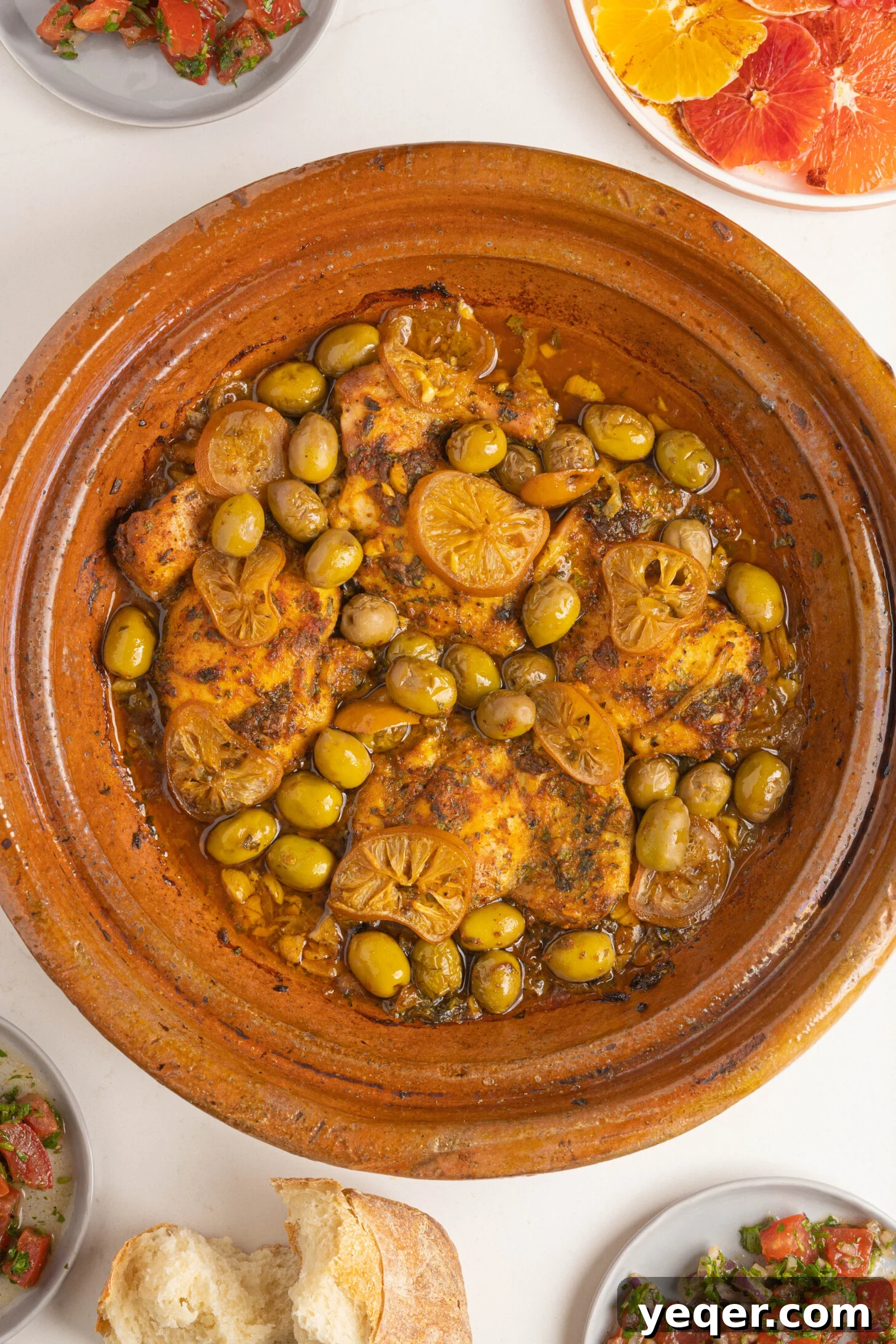
Mastering the Moroccan Tagine: A Comprehensive Guide to Cooking and Serving This Iconic Dish
Embark on a culinary journey to Morocco and discover the magic of the tagine. More than just a pot, the tagine embodies centuries of rich culinary tradition, creating deeply flavorful and aromatic meals. From its distinctive conical shape to the communal dining experience it fosters, the tagine is a centerpiece of Moroccan culture. This guide will walk you through everything you need to know about tagines, from understanding their unique design and traditional cooking methods to the art of serving and savoring them, Moroccan style.
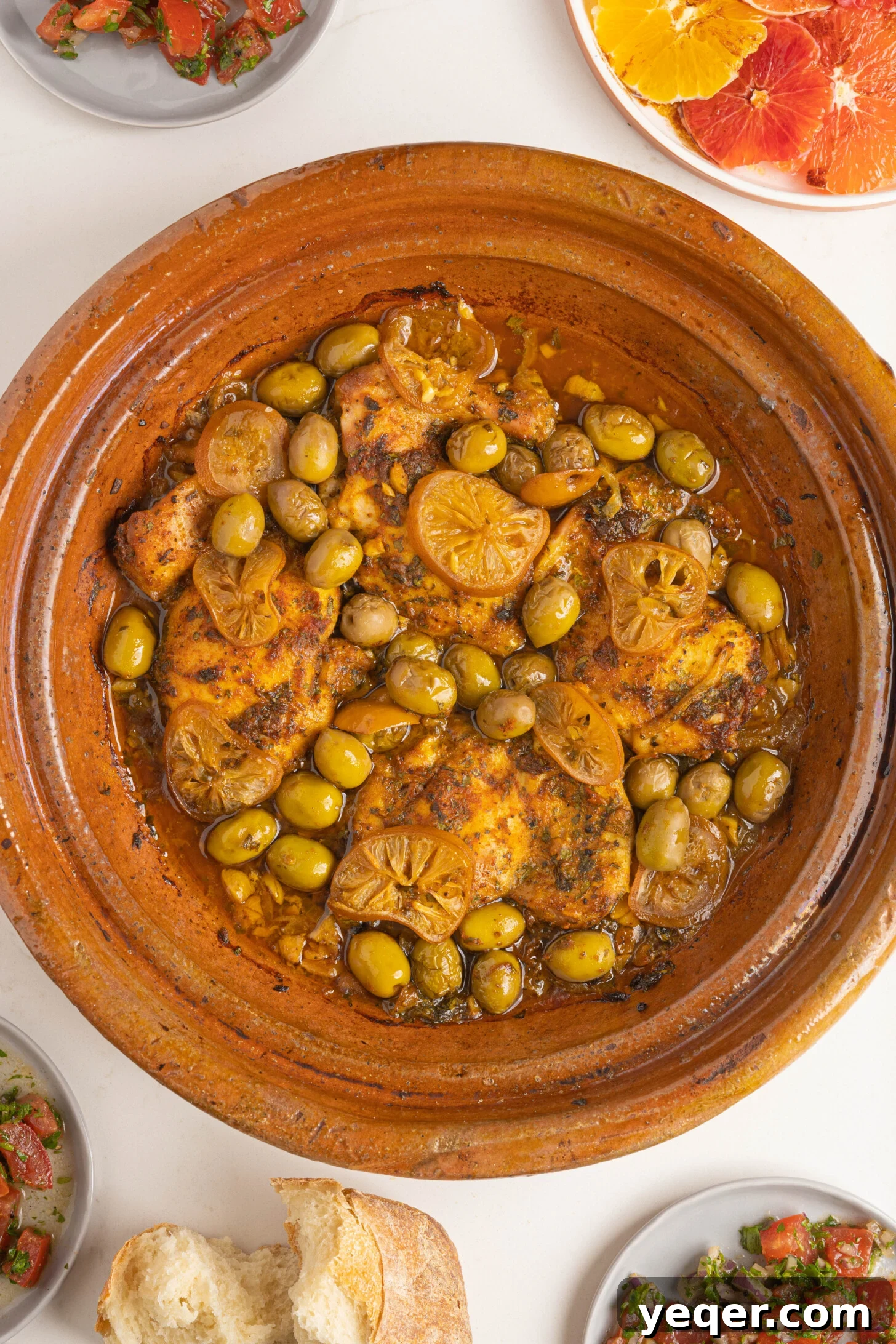
If you’ve ever had the distinct pleasure of visiting Morocco, the chances are high that you’ve encountered and indulged in a tagine (also occasionally spelled tajine). This iconic conical clay pot isn’t just a cooking vessel; it’s a staple in countless Moroccan recipes, revered for its remarkable ability to transform simple, humble ingredients into dishes bursting with complex, deep flavors.
Whether you’re an experienced chef cooking directly in an authentic tagine pot or a home cook using a classic tagine recipe adapted for a more conventional pot or Dutch oven, you are undoubtedly in for a truly delicious and uniquely Moroccan culinary experience. The essence of the tagine lies in its slow, gentle cooking process, which tenderizes meats and vegetables to perfection while infusing them with rich, aromatic spices.
It’s important to note that the term ‘tagine’ refers to both the distinctive conical cooking pot and the wide variety of savory, slow-cooked dishes Moroccans lovingly prepare using this very pot.
What Exactly is a Tagine Pot? Understanding Its Unique Design
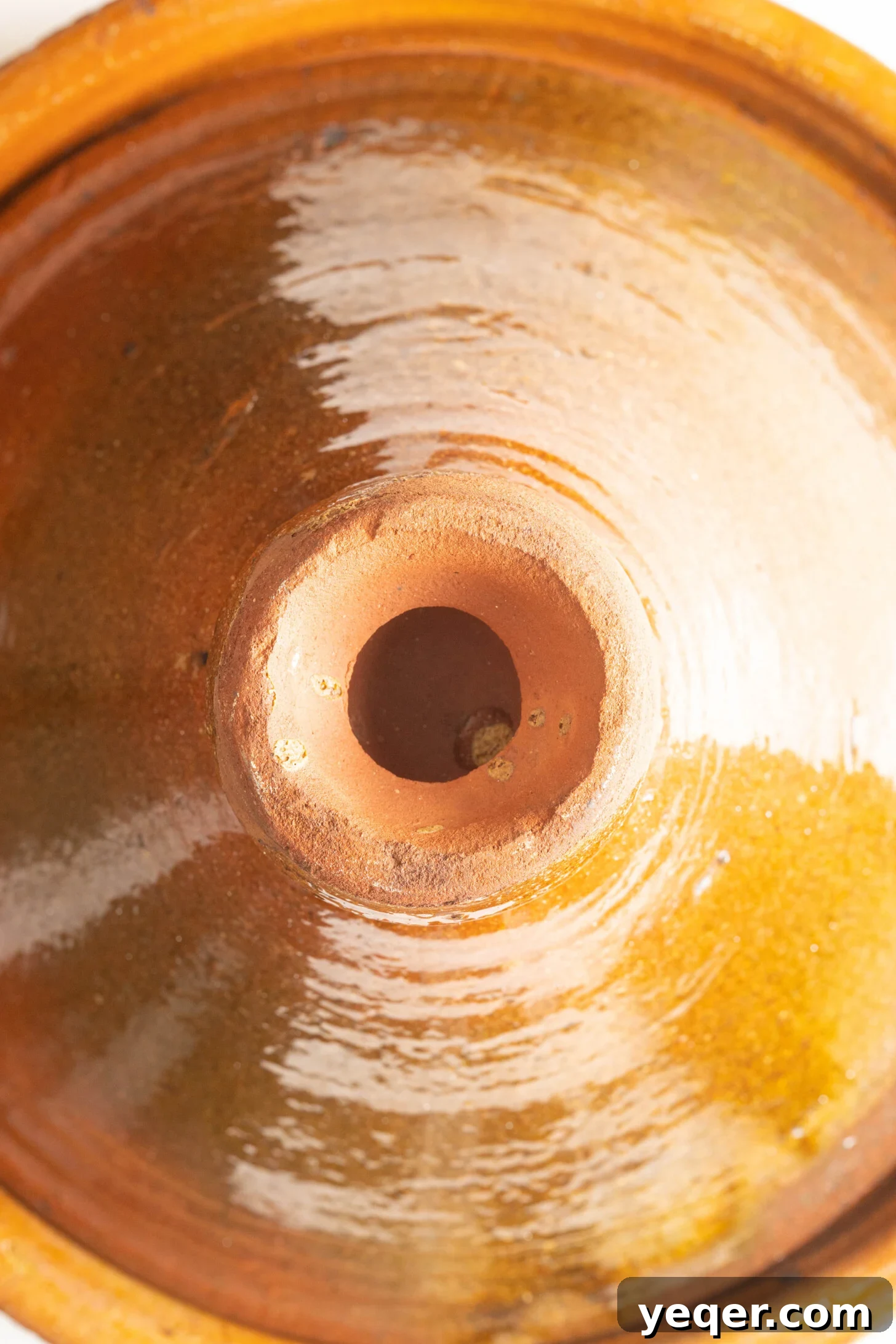
While the base of a tagine pot shares a somewhat shallow yet familiar shape with an average stew pot or even a Dutch oven, it’s the lid that truly sets it apart. The tagine’s signature conical lid is not merely decorative; it’s a brilliant piece of traditional engineering designed to optimize flavor and moisture retention during the cooking process.
This tall, cone-shaped lid plays a crucial role: as ingredients cook and release steam, the steam rises into the cone, condenses into liquid, and then drips back down into the dish. This continuous self-basting cycle ensures that meat and vegetables remain incredibly tender, moist, and thoroughly infused with all the aromatic herbs and spices used in the recipe. The result is a dish with unparalleled depth of flavor and a rich, concentrated sauce that begs to be sopped up with bread.
Materials and Craftsmanship
Traditional Moroccan tagines are typically crafted from earthenware clay, a type of clay that often resembles terracotta. These beautiful pots are usually handmade by skilled Moroccan artisans, meticulously shaped on a pottery wheel. The craftsmanship not only gives each tagine a unique character but also contributes to its excellent cooking properties.
In Morocco, you’ll find both glazed and unglazed tagines, each offering distinct benefits for cooking:
- Unglazed Tagines: These are the most traditional and are highly prized for their ability to absorb and evenly distribute heat. They impart an earthy flavor to dishes over time and require seasoning before first use to prevent cracking and enhance their non-stick properties. They are excellent for slow, gentle cooking.
- Glazed Tagines: While still traditional, glazed tagines offer easier cleaning and typically do not require seasoning. The glaze can be decorative, but it also creates a non-porous surface that is less prone to absorbing flavors from previous meals. They are also suitable for various cooking methods, often preferred for their convenience.
Understanding the type of tagine you own is key to proper care and successful cooking, ensuring its longevity and the authentic taste of your Moroccan dishes.
Traditional Moroccan Serving Etiquette and the Tagine Experience
Growing up, tagines were a weekly highlight at our family dinners. Whether it was at my grandmother’s bustling table in Rabat or my dad’s more intimate setting in Washington, D.C., the experience was always the same: we gathered around a circular table, eager for the culinary feast to unfold.
Traditionally, the tagine itself is served directly at the center of the table, remaining hot throughout the meal and acting as the focal point of the dining experience. This communal style of eating emphasizes sharing, conversation, and family bonding. It’s very common to accompany the main tagine dish with an assortment of vibrant Moroccan side salads, served in smaller bowls and plates strategically placed around the tagine. These salads, often fresh and tangy, provide a refreshing contrast to the rich flavors of the tagine and are usually spread out so that each individual has easy access to every variety.
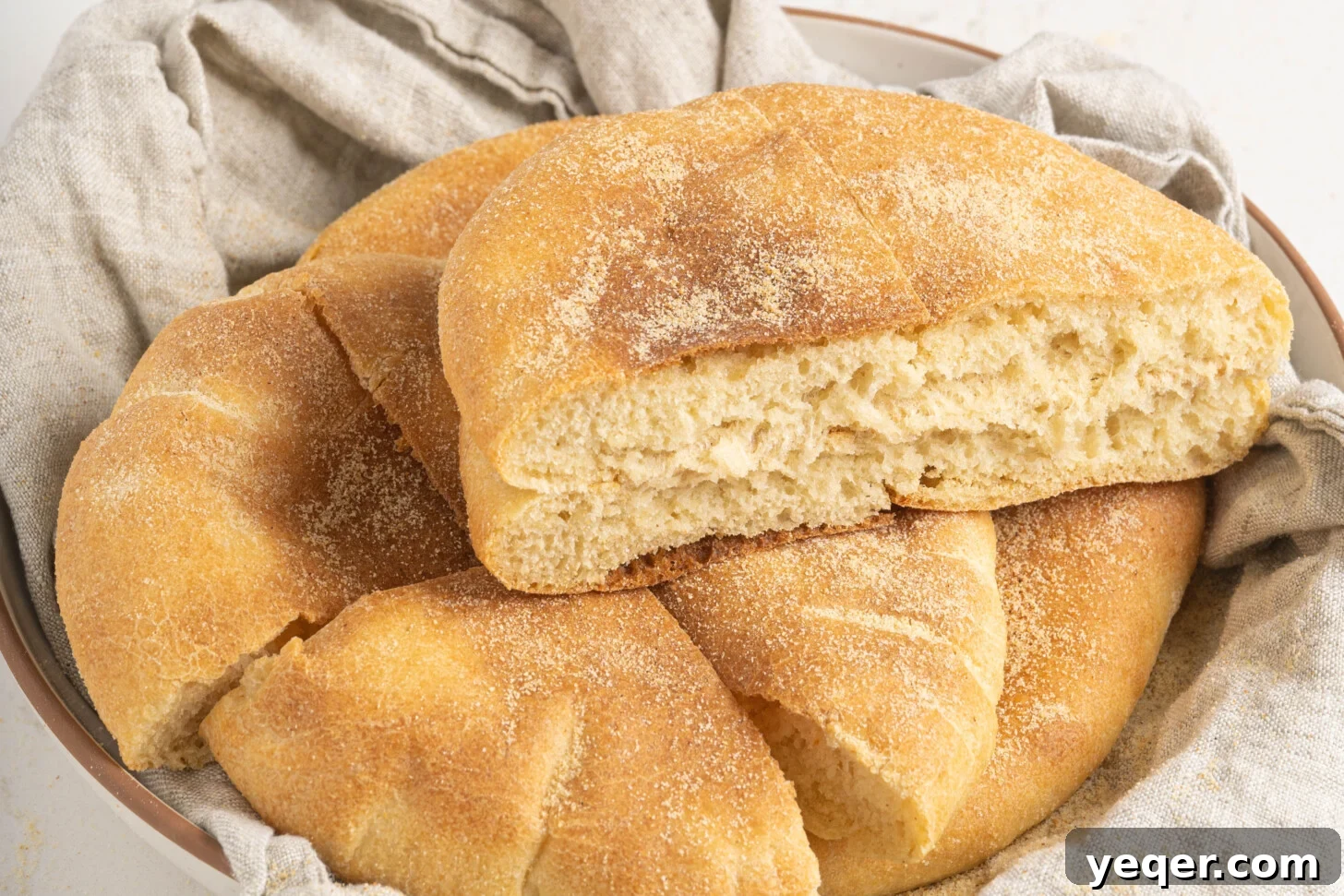
Another indispensable element of serving a tagine is the bread, known as khobz. Typically warmed and presented in a small basket, khobz is passed around the table, allowing everyone to partake. Moroccans cherish their bread, and for excellent reason; it performs the dual role of a utensil and a flavor enhancer. It does a magnificent job of soaking up all the delectable sauces and juices concentrated at the base of the tagine. Beyond that, it serves as a perfect vehicle to scoop up tender pieces of meat, soft vegetables, and any other savory contents of the dish, ensuring no drop of flavor goes to waste.
To recreate an authentic Moroccan dining experience, here are a few of my favorite Moroccan side salads that beautifully complement any tagine:
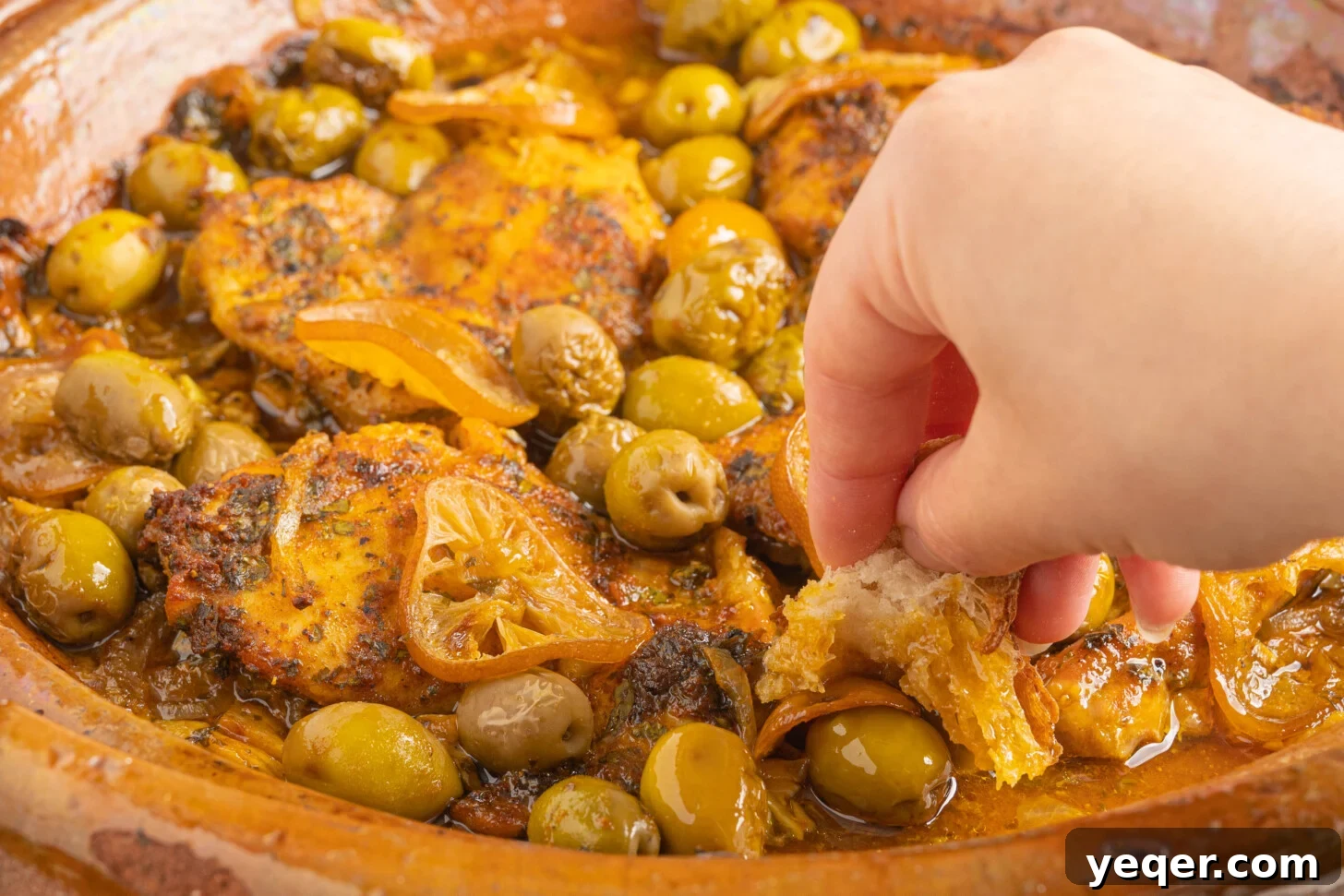
Eating Your Tagine: Embracing the Moroccan Tradition
In Morocco, we deeply value the tradition of enjoying tagines with bread and our hands, rather than relying on utensils (as beautifully illustrated in the image above). This method isn’t just a cultural custom; it’s believed by many to enhance the tactile and sensory experience of the meal, connecting you more intimately with the food.
When gathered around a tagine, typically at a circular table, each person unofficially claims the section of the tagine closest to their seat. Diners then eat from that designated quadrant, using pieces of bread to scoop up succulent meats, tender vegetables, and the rich, flavorful sauce. This communal yet personal approach to dining fosters a sense of unity and shared enjoyment around the table.
For those new to this tradition, eating with your hands might seem daunting, but it’s remarkably simple and incredibly satisfying. The key is to use the bread as your primary tool, tearing off pieces to grasp and enjoy the contents of the tagine. It’s a clean and surprisingly elegant way to eat, deeply rooted in Moroccan hospitality.
While embracing the authentic, hands-on Moroccan way is highly recommended for the full experience, it’s also perfectly acceptable to adapt. If you prefer, you can certainly use utensils, or serve your tagine in individual portions – perhaps spooned over a bed of fluffy couscous, or simply placed on individual plates or bowls. The most important aspect is to enjoy the incredible flavors and the spirit of Moroccan cuisine.
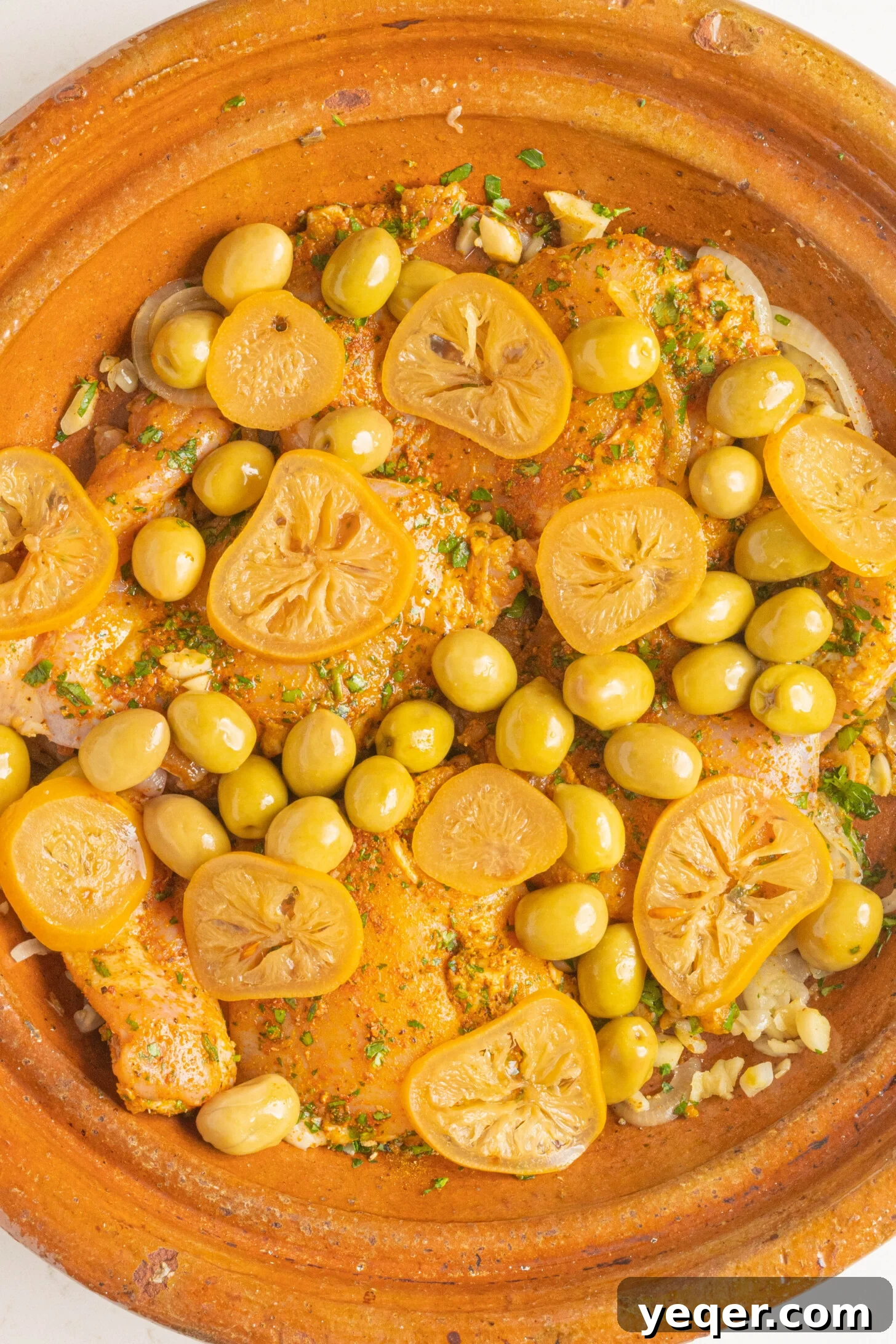
How to Cook in a Tagine: Unlocking Authentic Flavors
Cooking with a tagine, while appearing exotic, is surprisingly straightforward and often simpler than you might imagine. In many cases, it’s as easy as building a flavor base by sautéing some onions and garlic with olive oil, then carefully layering your main ingredients on top, adding a splash of liquid, and allowing everything to slow-cook until perfectly tender.
Essential Tips for Cooking with a Tagine Pot
An authentic Moroccan earthenware tagine is incredibly versatile. It should be suitable for use on the stovetop (always over low to medium heat to prevent cracking the clay), as well as in the oven. Many Moroccans even take advantage of the hot summer months to cook their tagines over an open flame or on a grill, imparting a unique smoky flavor. Your ability to use these different heat sources will depend on the specific type of tagine you own, so it’s always wise to consult manufacturer guidelines, especially for modern interpretations.
When approaching how to cook in your tagine without a specific recipe, I recommend starting with your favorite stewed dishes or braises. The tagine excels at slow cooking, allowing flavors to meld beautifully. Here’s a general approach:
- Build a Flavor Base: Begin on the stovetop over low heat. Sauté any aromatics like onions, garlic, or ginger in a good quality olive oil until softened and fragrant.
- Layering Ingredients: Add your heartier vegetables or proteins that require more cooking time to the bottom. Layer more delicate ingredients, like fish or quick-cooking vegetables, towards the top.
- Spice and Herb Infusion: Generously add your chosen spices and fresh herbs. A splash of water, broth, or crushed tomatoes will help develop a rich sauce. Remember, the tagine’s conical lid creates its own moisture, so you’ll need less liquid than a conventional pot.
- Slow Cooking: Cover with the lid and transfer to a preheated oven (typically 325-350°F / 160-175°C) or continue cooking on the stovetop over very low heat. Cook until the meat is fork-tender and vegetables are soft and flavorful.
The beauty of tagine cooking lies in its forgiving nature and the way it tenderizes ingredients while deepening flavors. It’s also a relatively healthy cooking method, often requiring minimal oil.
Infinite Tagine Combinations
If you’re ever fortunate enough to journey through Morocco, you’ll quickly discover an endless array of tagine combinations, reflecting regional specialties and seasonal ingredients. Each family often has its own cherished variations. Here are just a few of our family’s favorites to inspire your culinary adventures:
- Beef Tagine with Sweet Prunes & Toasted Almonds
- Delicate Fish Tagine with Fresh Tomatoes, Potatoes, & Briny Olives
- Classic Chicken Tagine with Preserved Lemons & Green Olives
- Rich Lamb Shank Tangia Tagine (a Marrakech specialty)
- Wholesome Veggie Tagine with Tender Potatoes and seasonal produce
- Flavorful Meatball Tagine in a spiced tomato sauce
- Makfoul (Succulent Lamb Tagine with Caramelized Onions & Tomatoes)
- Tender Lamb Tagine with Olives, Fresh Peas & Artichoke Hearts
Remember to check the section above for ideas on how to traditionally serve these magnificent tagine dishes!
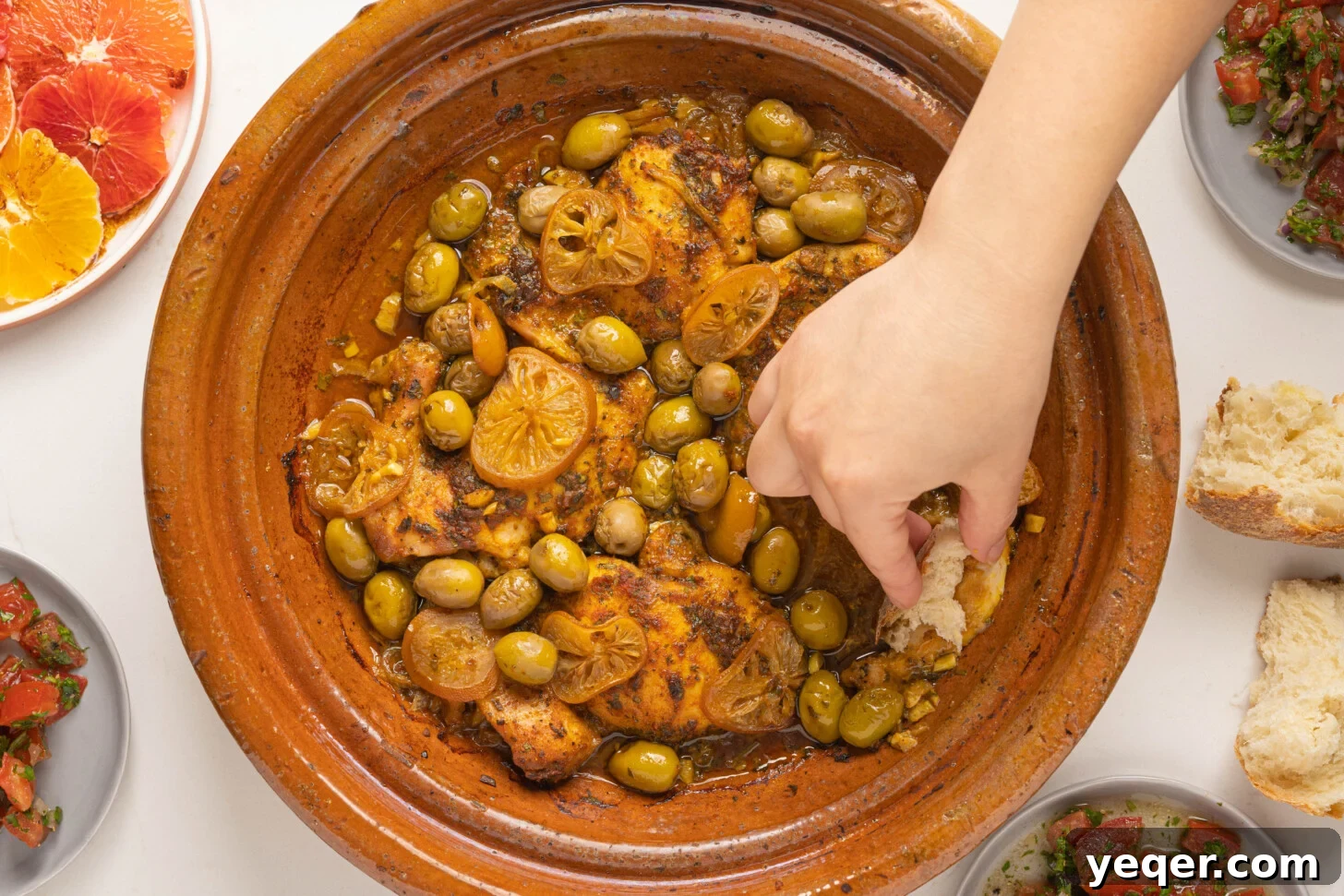
Choosing Your Tagine Pot: A Guide to Popular Options
Once you’ve experienced the joy of cooking in a tagine, you’ll begin to appreciate the common thread of ingredients and spices that define many Moroccan recipes. You can delve deeper into these culinary cornerstones in my comprehensive list of Moroccan staple recipes, where you’ll encounter frequent use of spices like earthy paprika, luxurious saffron, and pungent cumin, alongside fresh herbs such as bright parsley and fragrant cilantro. Other commonly employed ingredients that lend characteristic Moroccan flair include various nuts, tangy preserved lemons, and briny olives.
Now that we’ve thoroughly explored the art of serving your tagine and the nuanced methods of cooking with one, let’s examine some of the most popular tagine pot styles available on the market, helping you choose the right one for your kitchen:
- The Painted Ceramic Tagine: While these tagines are undeniably beautiful, often featuring vibrant colors and intricate designs, making them visually appealing and seemingly authentic, it’s crucial to understand their primary purpose. Most painted ceramic tagines are designed for serving or decorative use only. The nature of this style of ceramic often means it cannot withstand direct heat on a stovetop and is very sensitive to abrupt changes in temperature, which can lead to cracking. Avoid cooking in these unless explicitly stated by the manufacturer that they are oven-safe and stovetop-friendly.
- The Cast Iron Tagine: If you’re seeking durability, even heat distribution, and a virtually indestructible cooking vessel, and cannot easily acquire an authentic Moroccan clay tagine, this is an excellent alternative. Its robust cast iron foundation means it can withstand high heat on the stovetop and in the oven, making it incredibly adaptable to a wide array of popular Moroccan recipes. Cast iron retains heat exceptionally well, ensuring a consistent simmer and beautifully tender results. While it lacks the traditional porous clay, it still delivers excellent performance and is a great choice for modern kitchens.
- The Traditional Moroccan Tagine (for Cooking): This style is the closest you can get to traveling to Morocco and purchasing one directly from a local artisan in the souks. Made from authentic clay, often unglazed or simply glazed, these tagines are designed specifically for cooking. They are generally safe to use on the stovetop (with a diffuser or over very low heat) and in the oven, providing the most authentic cooking experience and flavor development. They may require seasoning before first use and a bit more care, but the results are truly unparalleled, yielding dishes with a depth of flavor that only traditional clay can impart.
No matter which style of tagine you ultimately decide to acquire and cook with, I sincerely hope you thoroughly enjoy the entire experience. From the preparation to the communal act of sharing, I believe you will come to appreciate just how special and culturally rich this kind of Moroccan cuisine truly is. Thank you for your curiosity and for exploring the wonderful world of Moroccan flavors and traditions.
Bismillah,