
Mastering Lemon Dijon Brussels Sprouts: Your Guide to Perfectly Crispy & Flavorful Roasting
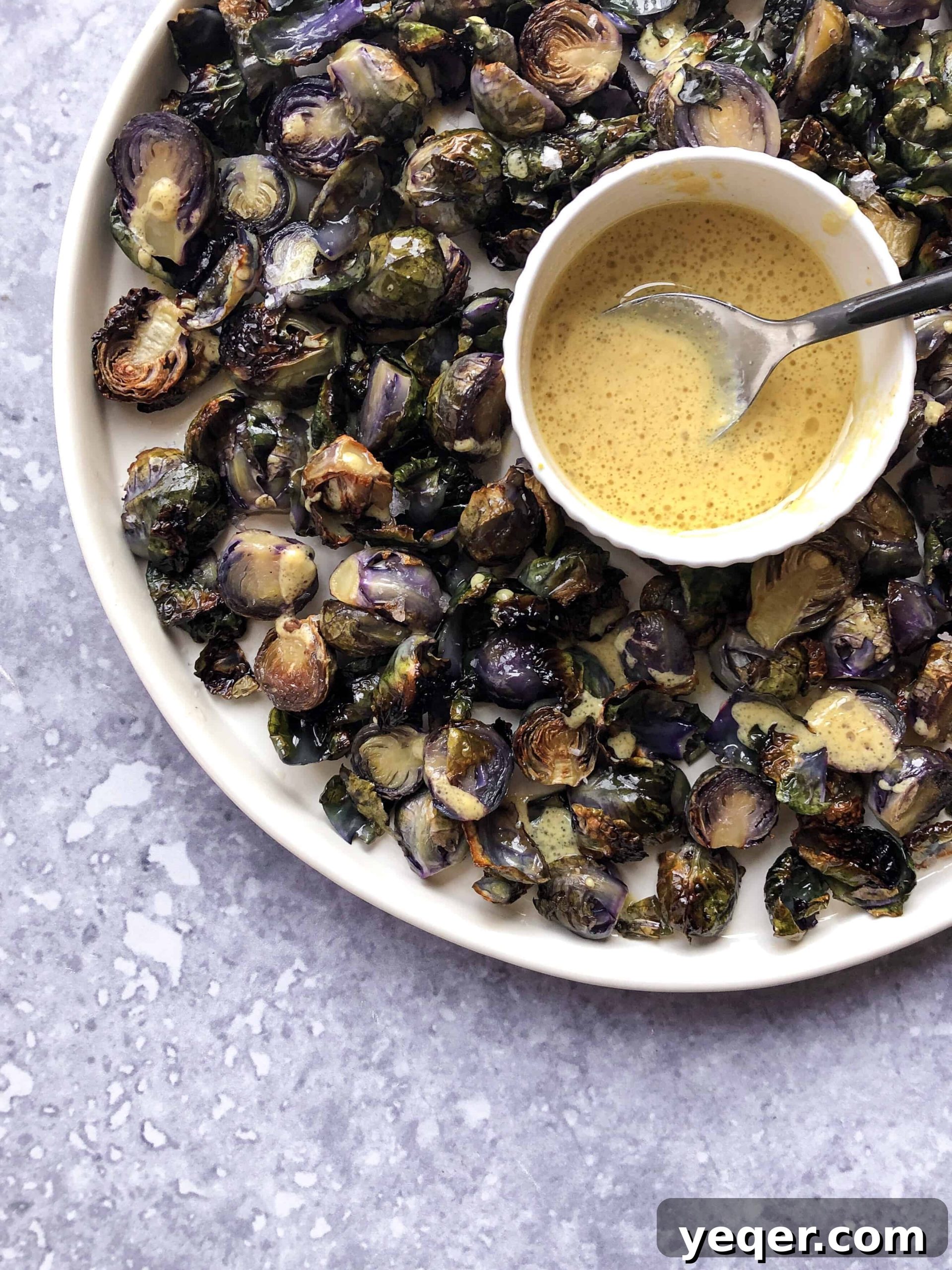
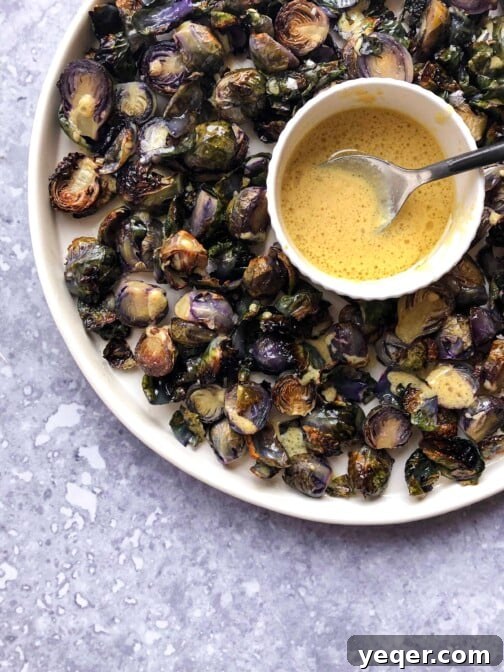
Roasted to golden perfection with premium extra virgin olive oil and generously coated in a zesty dijon mustard citrus sauce, these Lemon Dijon Brussels Sprouts transcend expectations. They’re not just a side dish; they’re an experience – ideal as an impressive appetizer, a healthy snack, or a vibrant accompaniment to any meal.
This post may contain affiliate links. If you make a purchase through a linked item, I may earn a small commission at no additional cost to you. Learn more about my disclosure policy here.
The Brussels Sprout Redemption Story: From Dreaded to Delicious
Brussels sprouts have long suffered from a PR problem, often relegated to the “least favorite vegetable” list. But this unfair reputation usually stems from one thing: poor preparation. Let’s be honest, there are typically three kinds of Brussels sprouts experiences:
First, there’s the **under-cooked disaster**. These are the sprouts that are still disturbingly crunchy, almost raw, with a bitter, earthy flavor that no amount of sauce can mask. They might have been steamed too briefly or simply not given enough time in the oven, leaving a textural experience that deters many from trying Brussels sprouts ever again. This method often leaves them feeling tough and unappetizing.
Next, we encounter the **burnt offerings**. While a little char can be delicious, these go beyond. Crispy in all the wrong ways, these sprouts are often shriveled, acrid, and leave a distinctly bitter, unpleasant aftertaste. They’re a stark reminder that there’s a fine line between perfectly caramelized and utterly incinerated. Over-broiling or too high a heat for too long can easily lead to this unfortunate outcome, turning a potentially great vegetable into a culinary mistake.
Finally, and thankfully, there are the Brussels sprouts like these Lemon Dijon masterpieces. These are the kind that redefine the vegetable entirely. Imagine sprouts that are perfectly cooked through, tender on the inside, yet boast wonderfully crisp, golden-brown outer leaves. Their texture is harmonious, their flavor profile complex yet balanced. This preparation method transforms the humble sprout into an unforgettable delight, proving that with the right technique, this cruciferous vegetable can truly shine.
This recipe isn’t just about cooking Brussels sprouts; it’s about giving this often-misunderstood veggie a fresh, new look and an irresistible taste that will convert even the most skeptical eaters. Prepare for a Brussels sprout renaissance in your kitchen!
Roasting 101: The Secret to Crispy, Tender Brussels Sprouts
When it comes to preparing vegetables, especially ones as flavorful as Brussels sprouts, simplicity often yields the best results. The art of perfectly roasted vegetables isn’t about dousing them in an array of complicated sauces or exotic spices from the start. Instead, it’s about mastering the core technique to achieve that coveted balance: tender on the inside, beautifully crisp and caramelized on the outside, without any hint of burning.
The ultimate secret to perfectly roasted Brussels sprouts lies in a two-stage cooking process: baking them until tender, then finishing them with a quick broil for that irresistible crisp.
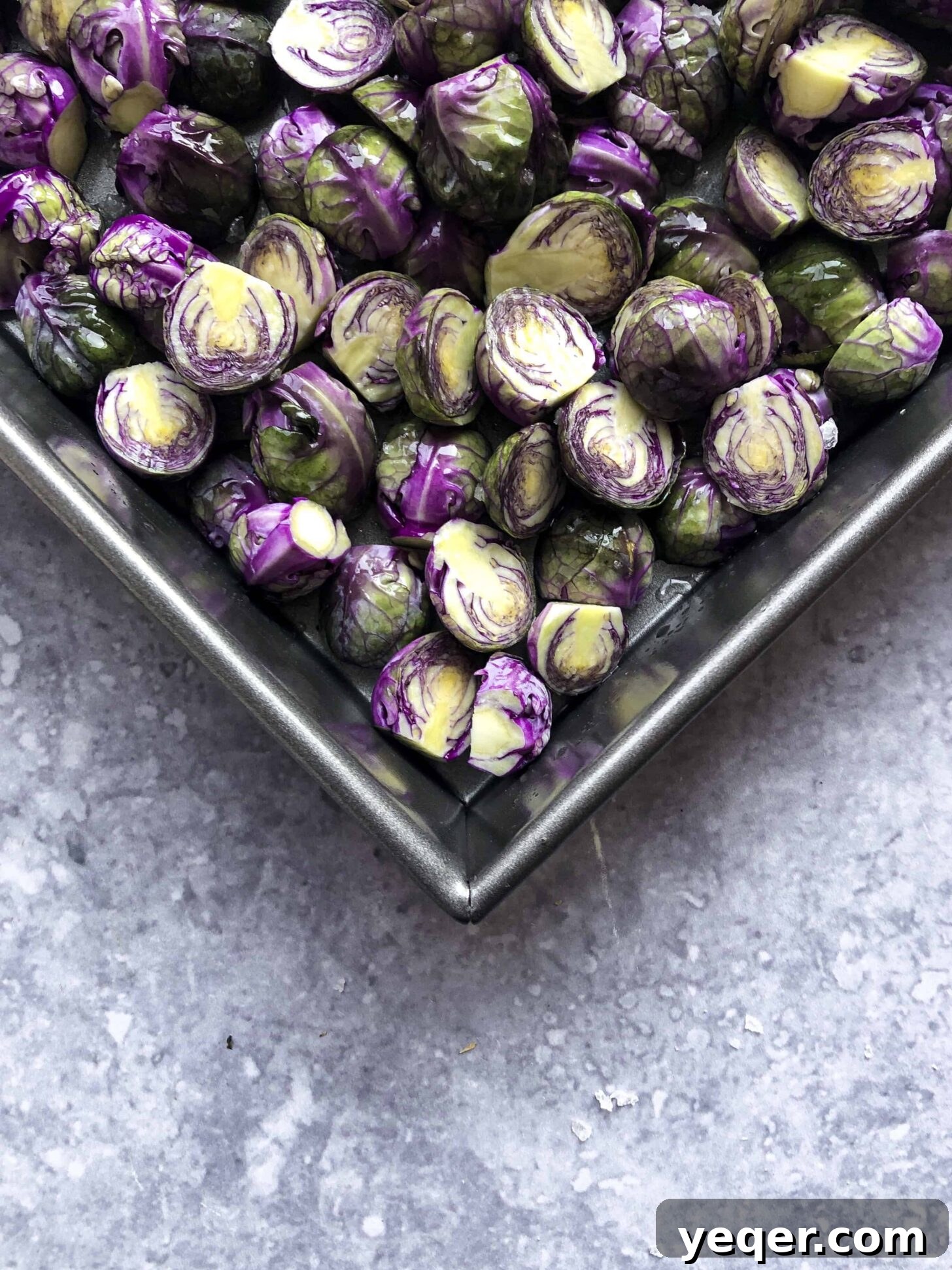
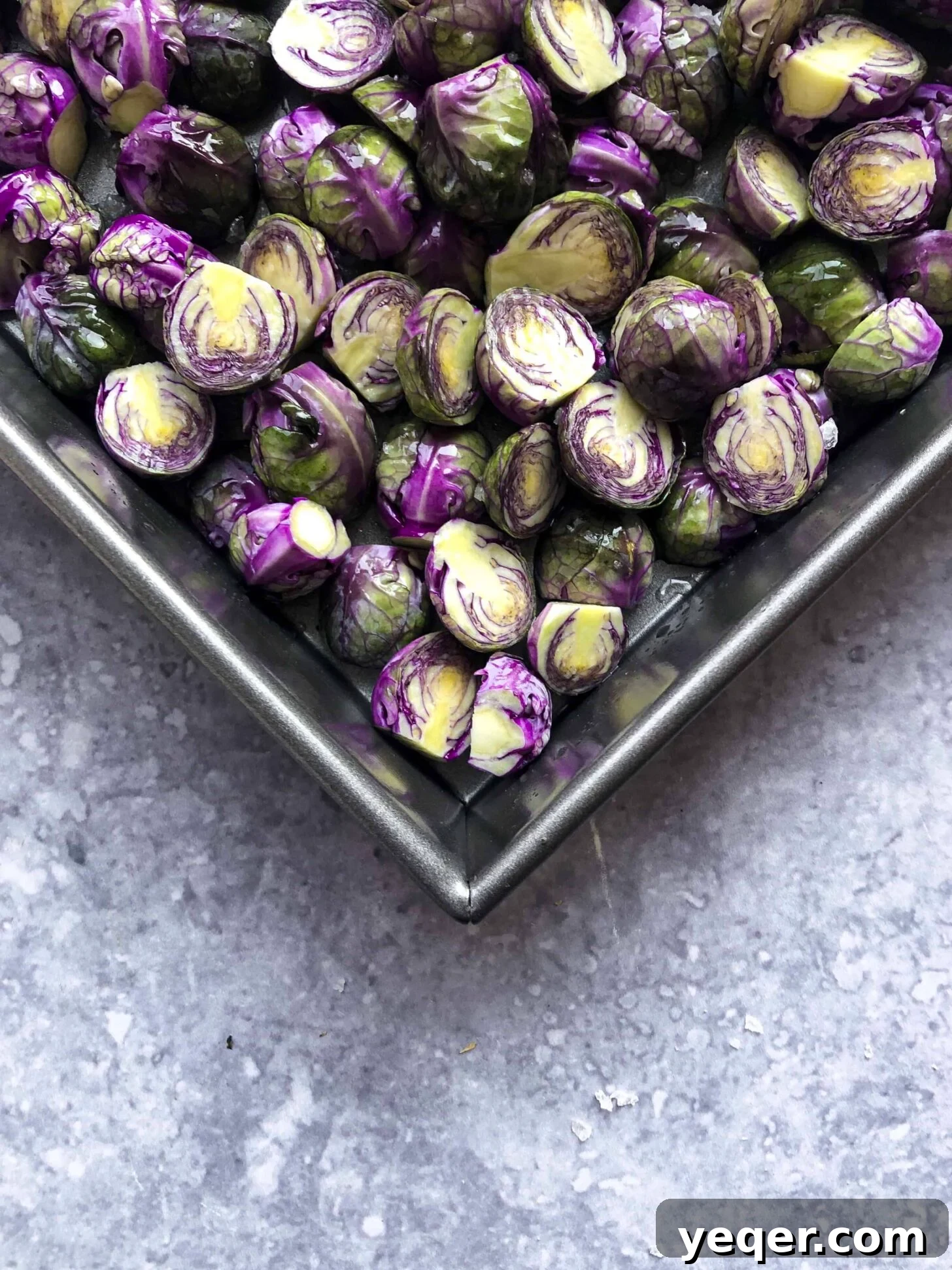
Begin by ensuring your oven is preheated to a consistent 400 degrees Fahrenheit (200°C). This high temperature is crucial for activating the Maillard reaction, which gives vegetables their rich, roasted flavor and beautiful browning. Before placing your sprouts in the oven, toss them generously with your chosen cooking oil – extra virgin olive oil is highly recommended for its flavor and health benefits – along with salt and pepper. Spread them in a single layer on a baking sheet, ensuring they have enough space to roast rather than steam. Overcrowding the pan is a common mistake that leads to soggy sprouts.
Baking at 400°F allows the sprouts to slowly soften from the inside out. This initial phase is where they develop their fundamental tenderness and sweet, nutty flavor. Resist the urge to broil them right away! Only after they have become wonderfully soft and slightly tender, usually after about 20-25 minutes, are they ready for the final, transformative step. This patient baking ensures a delightful texture throughout each sprout.
Once tender, it’s time to introduce the broiler. Broiling provides intense, direct heat that rapidly caramelizes the outer leaves, giving them that exquisite crispness and delightful char. This brief, high-heat burst is what prevents the dreaded mushy sprout and instead creates those desirable crispy edges that make this dish so addictive. Keep a close eye on them during this stage, as broilers can vary in intensity and sprouts can go from perfect to burnt in a matter of seconds. A vigilant eye and a few quick shakes of the pan will ensure uniform crisping.
The Irresistible Allure of Lemon Dijon Flavor
Now, let’s talk about the magical sauce that elevates these already delicious Brussels sprouts to culinary stardom. Imagine those perfectly roasted sprouts: soft and tender on the inside from their initial bake, then broiled to a crisp perfection, with golden-brown edges that promise an incredible crunch. Now, envision a creamy, tangy, and utterly addictive lemon dijon sauce generously drizzled over every single one of those irresistible sprouts.
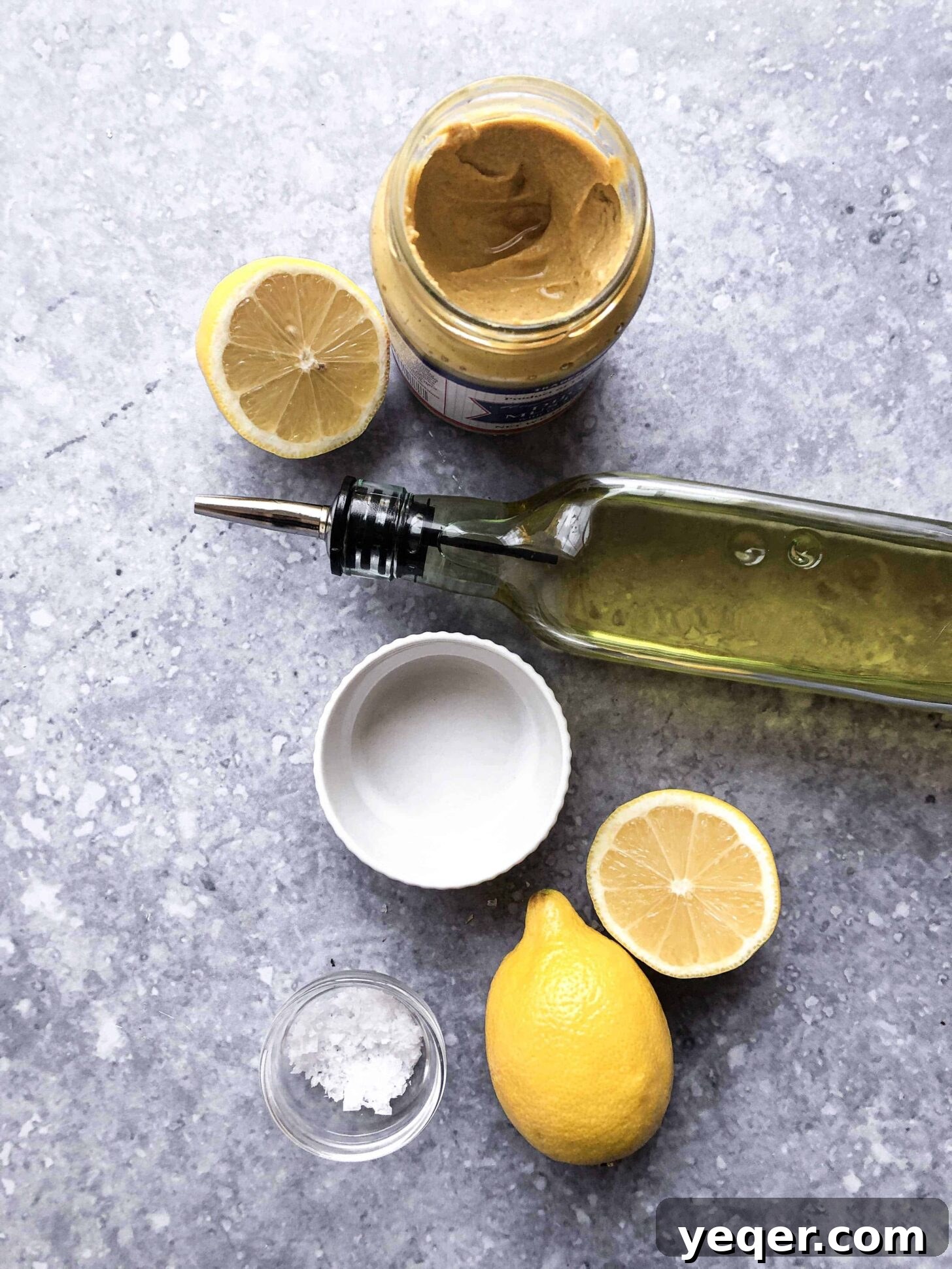
This simple yet profound sauce acts as the ultimate flavor enhancer. The bright, acidic notes from fresh lemon juice cut through the richness of the olive oil and the natural earthiness of the sprouts, adding a refreshing zest. The Dijon mustard brings a delightful tang and a subtle, peppery kick, along with a creamy texture that coats each sprout beautifully. Together, these ingredients create a harmonious balance of salty, savory, and acidic flavors that dance on your palate. It’s this exquisite combination that takes an already deliciously roasted vegetable and transforms it into a truly gourmet experience.
The sauce isn’t just about taste; it also adds a lovely sheen and a moist counterpoint to the crispy outer leaves. It binds all the elements together, ensuring every bite is bursting with flavor. A sprinkle of flake salt at the end provides a final textural flourish and intensifies all the savory notes. This Lemon Dijon sauce isn’t just an addition; it’s the heart of what makes these Brussels sprouts so utterly irresistible.
Lemon Dijon Brussels Sprouts
5 Stars 4 Stars 3 Stars 2 Stars 1 Star
No reviews
Author: Salima Benkhalti
Prep Time: 5 minutes
Cook Time: 40 minutes
Total Time: 45 minutes
Yield: 3–4 servings 1x
Category: Side Dish
Method: broiled
Cuisine: American
Ingredients
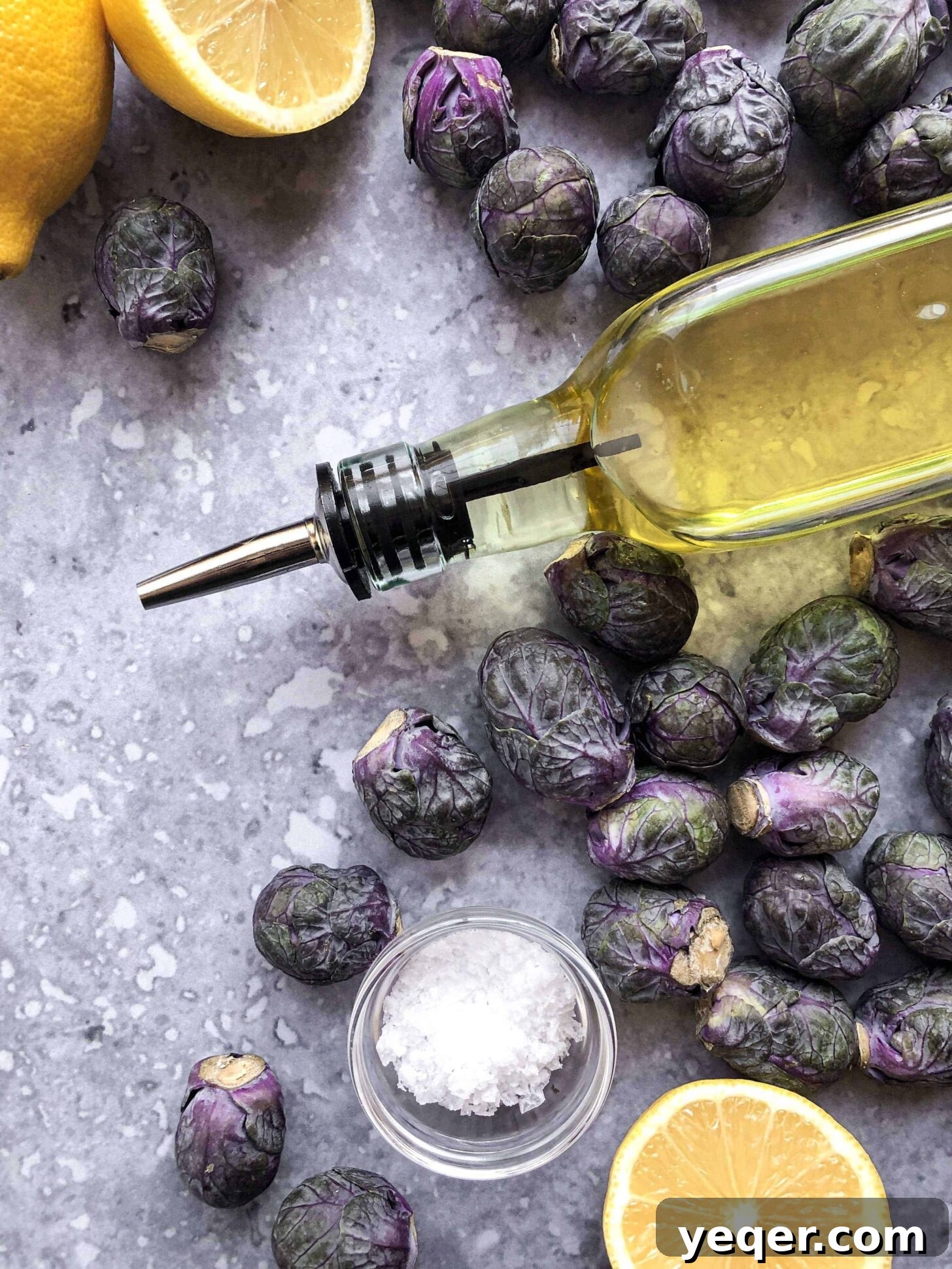
2 cups Brussels sprouts, halved
2 tbsp olive oil
3 tsp salt
3 tsp pepper
Juice of 1 lemon
1/2 tbsp Dijon mustard
1/2 tbsp olive oil
Instructions
- Preheat your oven to 400°F (200°C). In a large bowl, toss the halved Brussels sprouts with 2 tablespoons of olive oil, 3 teaspoons of salt, and 3 teaspoons of pepper until evenly coated. Spread them in a single layer on a baking sheet. Roast for 20 minutes, allowing them to soften and begin to caramelize.
- After 20 minutes of roasting, switch your oven to the broiler setting. Broil the sprouts for an additional 15 minutes, ensuring to check and shake the pan every 5 minutes. This prevents burning and promotes even crisping of the outer leaves. Watch carefully as broilers can vary in intensity.
- While the sprouts are broiling, prepare the dressing. In a small bowl, whisk together the fresh lemon juice, Dijon mustard, and the remaining 1/2 tablespoon of olive oil until well combined.
- Once the Brussels sprouts are golden and crispy, remove them from the oven. Transfer them to a serving dish and immediately drizzle with the prepared lemon Dijon sauce. Toss gently to coat all the sprouts. Garnish with a sprinkle of flake salt for extra texture and flavor, then serve warm and enjoy!
Tips for Perfect Lemon Dijon Brussels Sprouts Every Time
- Choose Fresh Sprouts: Look for firm, bright green Brussels sprouts with tightly packed leaves. Avoid any with yellowing leaves or soft spots.
- Even Halving: For uniform cooking, ensure all your sprouts are halved roughly the same size. Smaller sprouts might just need their ends trimmed.
- Don’t Overcrowd the Pan: This is crucial! Give your sprouts plenty of space on the baking sheet to allow for proper air circulation. If they’re too close, they’ll steam instead of roast, resulting in a soggy texture. Use two baking sheets if necessary.
- Hot Oven is Key: A high initial temperature of 400°F (200°C) is essential for developing that delicious caramelized crust and tender interior.
- Broiling with Caution: The broiler works fast! Never walk away from the oven during the broiling stage. Check frequently and toss to ensure even crisping without burning.
- Serve Immediately: Roasted Brussels sprouts are best enjoyed fresh out of the oven when they’re at their crispiest.
Serving Suggestions & Pairings
These Lemon Dijon Brussels Sprouts are incredibly versatile and make a fantastic addition to almost any meal. Here are some ideas:
- Holiday Feasts: They’re a vibrant and flavorful alternative to traditional heavy sides during Thanksgiving, Christmas, or Easter.
- Weeknight Dinners: Pair them with roasted chicken, baked salmon, grilled steak, or a simple pasta dish for a healthy and delicious vegetable component.
- Appetizer Perfection: Serve them on their own as a sophisticated appetizer, perhaps with toothpicks, for guests to enjoy.
- Vegetarian Main: Combine them with quinoa, lentils, or a grain bowl for a satisfying plant-based meal.
- Brunch Side: A surprising but delicious addition to a hearty brunch spread alongside eggs or breakfast meats.
Storage and Reheating
Leftover Lemon Dijon Brussels Sprouts can be stored in an airtight container in the refrigerator for up to 3-4 days. While they won’t be as crispy as freshly made, they still retain their wonderful flavor.
To reheat, spread the sprouts on a baking sheet and warm them in a preheated oven at 350°F (175°C) for about 10-15 minutes, or until heated through and slightly re-crisped. Avoid reheating in the microwave, as this will make them soft and watery.
Frequently Asked Questions (FAQs)
Q: Why are my Brussels sprouts bitter?
A: Bitterness can be common with Brussels sprouts, especially if they are undercooked or very large. Roasting at high temperatures helps to mellow out this bitterness by caramelizing their natural sugars. The lemon juice in this recipe also helps to balance any residual bitterness.
Q: Can I use frozen Brussels sprouts for this recipe?
A: While fresh sprouts are highly recommended for the best texture, you can use frozen. However, they tend to release more water and may not get as crispy. If using frozen, thaw them first, pat them very dry, and consider adding an extra 5-10 minutes to the initial roasting time.
Q: Can I prepare the sauce in advance?
A: Absolutely! The lemon Dijon sauce can be made up to 2-3 days in advance and stored in an airtight container in the refrigerator. Give it a good whisk before drizzling over the hot sprouts.
Q: Are Brussels sprouts healthy?
A: Yes! Brussels sprouts are incredibly nutritious. They are packed with vitamins K and C, fiber, and antioxidants, making them a fantastic addition to a healthy diet.
Q: Can I add other seasonings to the sprouts?
A: Certainly! While this recipe focuses on classic lemon Dijon, feel free to experiment. A pinch of garlic powder, red pepper flakes for a kick, or a sprinkle of Parmesan cheese towards the end of roasting can add delicious variations.
These Lemon Dijon Brussels Sprouts are more than just a recipe; they’re a testament to how simple ingredients, combined with the right technique, can create truly extraordinary flavors. Say goodbye to dreaded, soggy sprouts and hello to a vibrant, crispy, and utterly delicious side dish that will earn its place in your regular rotation. Give this recipe a try and prepare to fall in love with Brussels sprouts all over again!