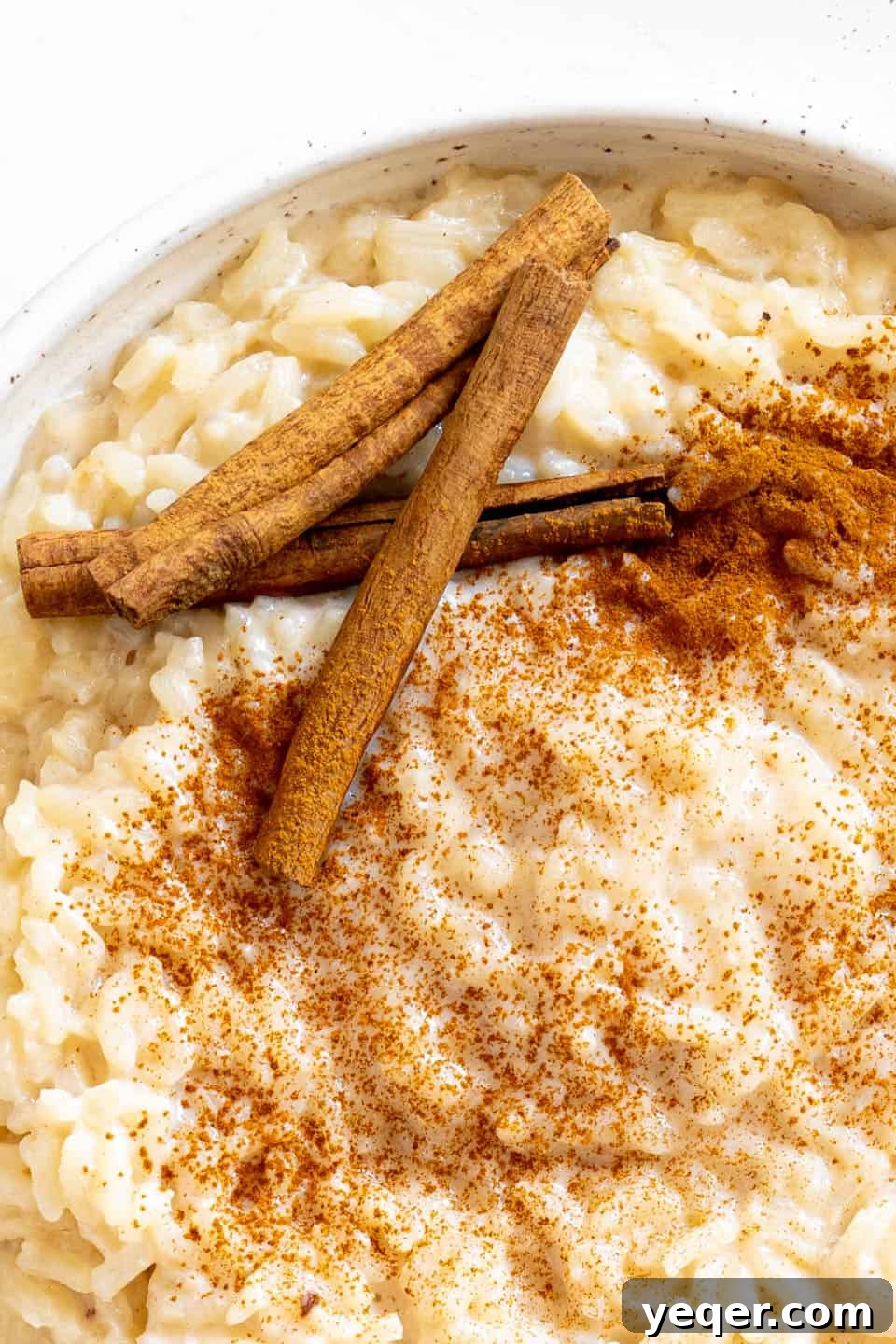
Arroz con Leche, a beloved dessert known universally as rice with milk, offers a delightful embrace of warmth and comfort in every spoonful. While various cultures boast their unique renditions of this creamy classic, the Puerto Rican style Arroz con Leche truly distinguishes itself with its exquisite blend of aromatic spices, rich whole milk, and the deep, caramel-like sweetness of brown sugar. This recipe promises an authentic taste of the Caribbean, transforming simple, readily available pantry staples into an extraordinarily delicious and deeply satisfying treat. You’ll find it surprisingly easy to prepare at home, coming together beautifully in under an hour, making it an ideal choice for a comforting weeknight dessert or a festive addition to any special occasion.
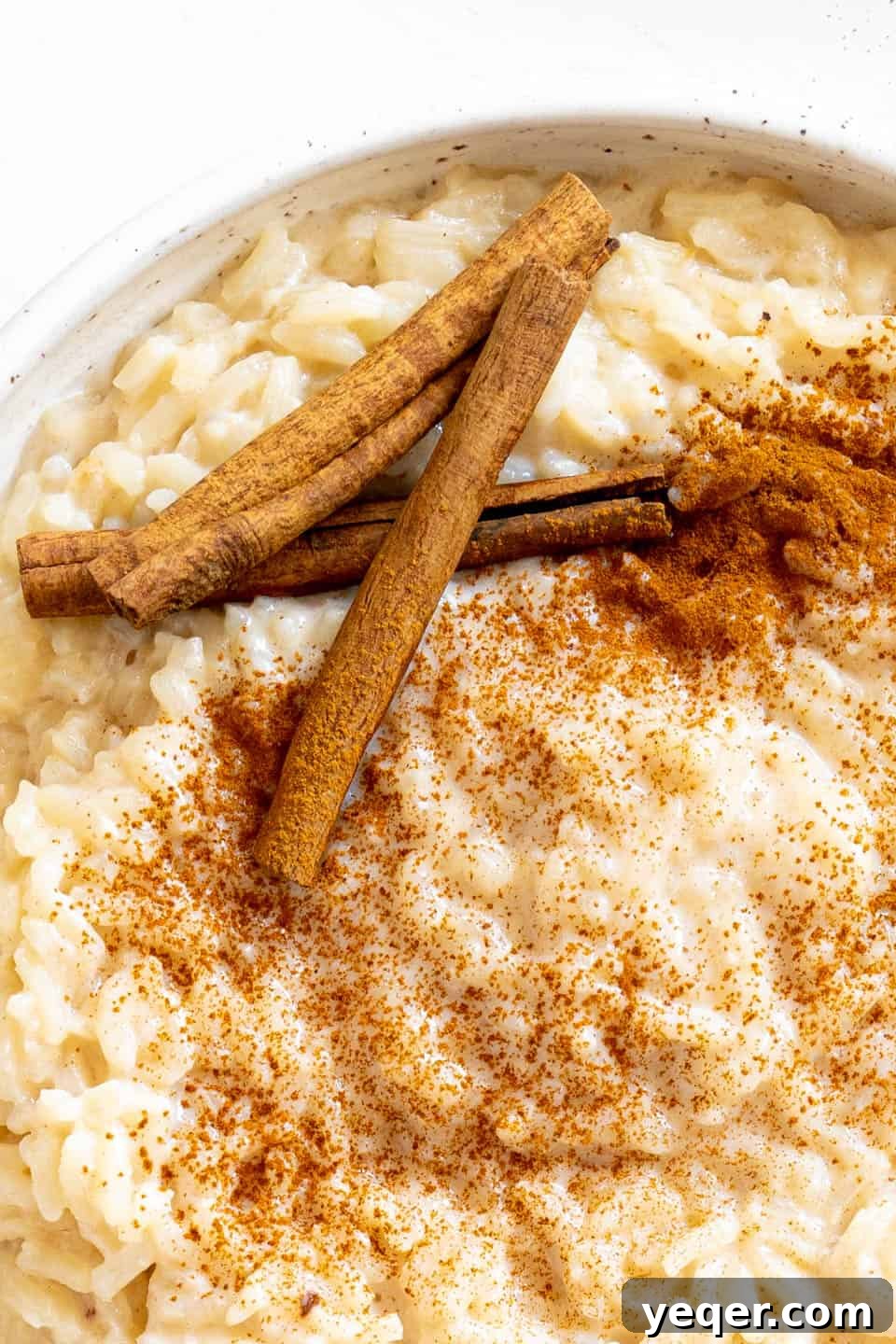
For those seeking a quick overview of this delightful recipe, here are the essential details:
- Author: Salima Benkhalti
- Prep Time: 10 minutes
- Cook Time: 30 minutes
- Total Time: 40 minutes
- Yield: 6 servings
- Category: Dessert, Breakfast
- Method: Stovetop
- Cuisine: Puerto Rican, Latin
- Diet: Gluten Free
This particular recipe draws inspiration from my popular Arroz con Dulce (Puerto Rican Coconut Rice Pudding), sharing a similar foundation of comforting flavors and easy-to-find ingredients. It’s a testament to the versatility of Puerto Rican desserts, beloved not just on the island but across Latin countries and various cultures globally.
The Heartwarming Heritage of Arroz con Leche
The culinary landscape of Puerto Rico is a vibrant mosaic, beautifully woven from Spanish, African, and Taíno influences, and Arroz con Leche serves as a perfect embodiment of this rich heritage. While its origins can be traced back to Spain, where rice pudding (arroz con leche) has been a cherished staple for centuries, the Puerto Rican interpretation has uniquely evolved to embrace the island’s distinct flavor profile. Unlike some European versions that might feature delicate notes of lemon zest or vanilla, the Puerto Rican variant often leans into bolder, more aromatic spices like cinnamon sticks and cloves, coupled with the deep, molasses-like sweetness of brown sugar. This creates a profoundly comforting dessert that resonates deeply with the island’s culinary traditions, frequently appearing at family gatherings, holiday celebrations, and as a treasured everyday indulgence.
What Makes Puerto Rican Arroz con Leche Special?
The magic of Puerto Rican Arroz con Leche lies in its specific ingredient choices and preparation method. The use of long-grain white rice allows the grains to remain somewhat distinct yet tender, perfectly absorbing the luxurious flavors. Whole milk is paramount, lending an unparalleled creaminess and richness that defines the pudding’s texture. The inclusion of brown sugar, rather than white granulated sugar, adds a deeper, more complex sweetness with subtle caramel undertones, which beautifully complements the warm spices. Cinnamon sticks and whole cloves infuse the milk with a comforting aroma and a gentle kick, making each spoonful a delightful experience. It’s more than just a dessert; it’s a taste of home, a cherished memory, and a delicious celebration of cultural fusion that delights palates from bustling city kitchens to serene countryside homes.
Why This Easy Recipe Will Become Your Favorite
This specific Arroz con Leche recipe is carefully designed to balance both authenticity and ease, ensuring that anyone can recreate this traditional Puerto Rican delight in their own kitchen. The beauty of this recipe lies in its accessibility – you don’t need exotic components or advanced culinary skills to create a genuinely heartwarming dessert that tastes like it came straight from an abuela’s kitchen. It’s a versatile and delightful dish, similar to versions found in many Latin American countries and cultures worldwide, each with its unique twist. My recipe focuses on delivering that classic Puerto Rican taste with minimal fuss, ensuring a perfectly creamy texture and beautifully balanced sweetness without the need for constant, laborious stirring or overly complex steps. It’s perfect for impressing guests with a taste of Caribbean comfort or simply treating yourself and your loved ones to a wholesome, homemade delight that brings instant cheer.
Gather Your Simple Ingredients
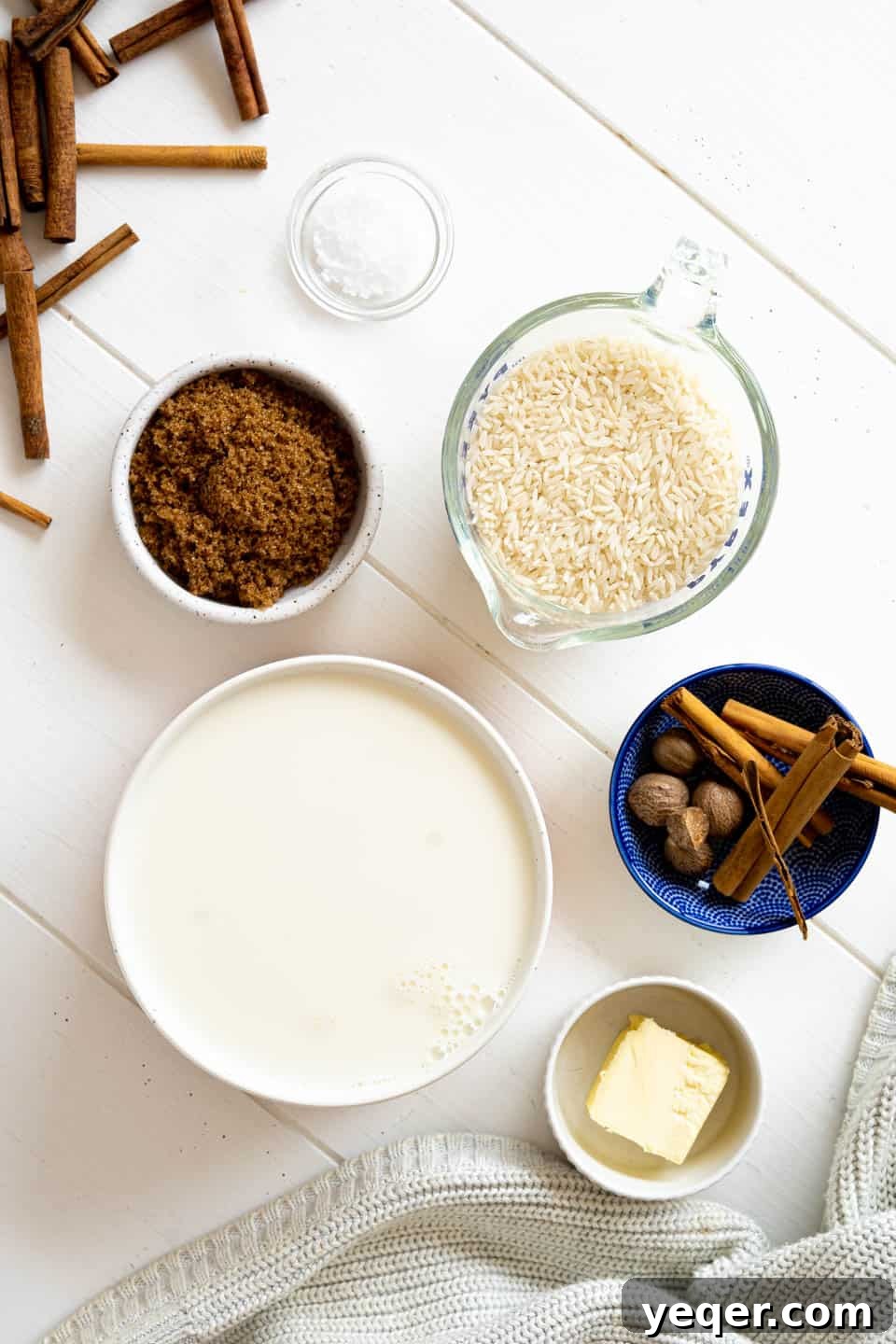
Creating an authentic Puerto Rican Arroz con Leche begins with selecting the right ingredients. Fortunately, most of these are common pantry staples, making this a convenient and economical dessert to whip up at a moment’s notice. The key is using whole milk for unparalleled creaminess and long-grain white rice, which maintains its structure beautifully while absorbing all the delicious flavors. The choice of brown sugar, rather than white, adds a deeper, more molasses-like sweetness that complements the warming spices perfectly. Each component plays a crucial role in achieving the signature taste and wonderfully comforting texture of this beloved dessert. Check out the list below before heading to the grocery store and see what you already have on hand:
- 1 cup white rice (I used long grain)
- 2 cups water
- 3 cinnamon sticks
- 5 cloves
- 1 tsp nutmeg
- ½ tsp salt
- 4 cups whole milk
- ½ cup brown sugar
- 2 tbsp butter
- 1 tsp ground cinnamon to garnish
Mastering the Art of Arroz con Leche: Step-by-Step Instructions
Follow these simple steps to create a truly delicious and authentic Puerto Rican Arroz con Leche. The process is straightforward and yields incredibly comforting results.
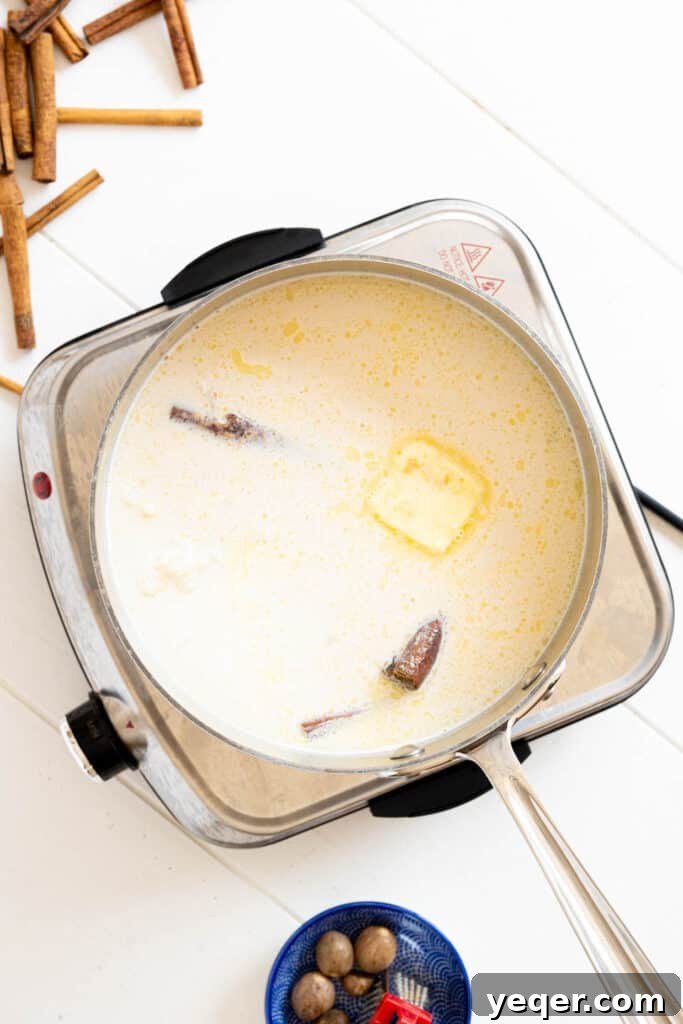
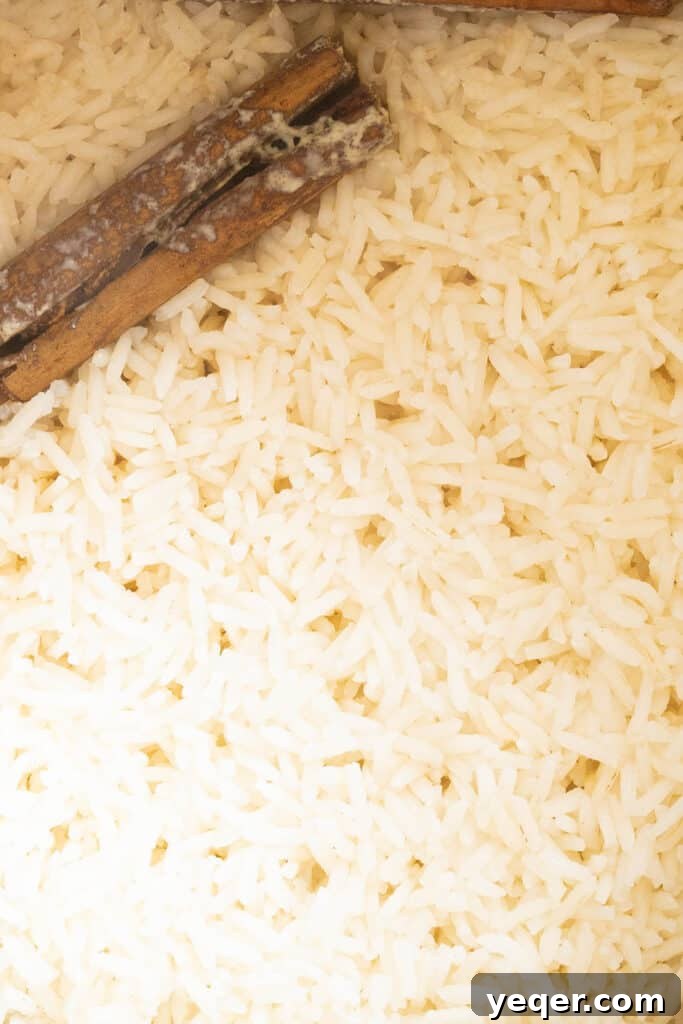
- Prepare the Rice Base: In a sturdy saucepan, combine the 1 cup of white rice, 2 cups of water, 3 cinnamon sticks, 5 cloves, 1 tsp nutmeg, and ½ tsp salt. Bring this mixture to a rolling boil over high heat. Once boiling, reduce the heat to low, cover the saucepan tightly, and let it simmer for approximately 15 minutes. This initial cooking phase allows the rice to partially cook and begin absorbing the fragrant spices, setting the foundation for a deeply flavored pudding.
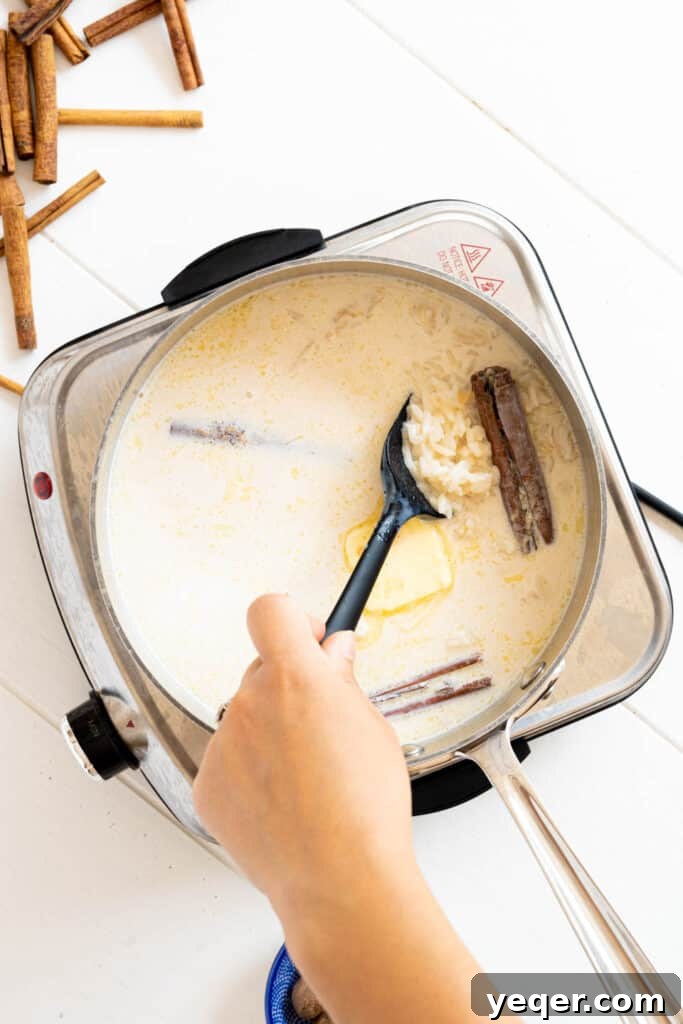
- Add Dairy and Sweetness: After 15 minutes, carefully uncover the pot and increase the heat to medium. Pour in the 4 cups of whole milk, add the ½ cup of brown sugar, and incorporate the 2 tbsp of butter. Stir gently but thoroughly to combine all the ingredients, ensuring that the brown sugar fully dissolves into the creamy liquid. The butter contributes a luxurious richness that elevates the pudding’s texture and taste.
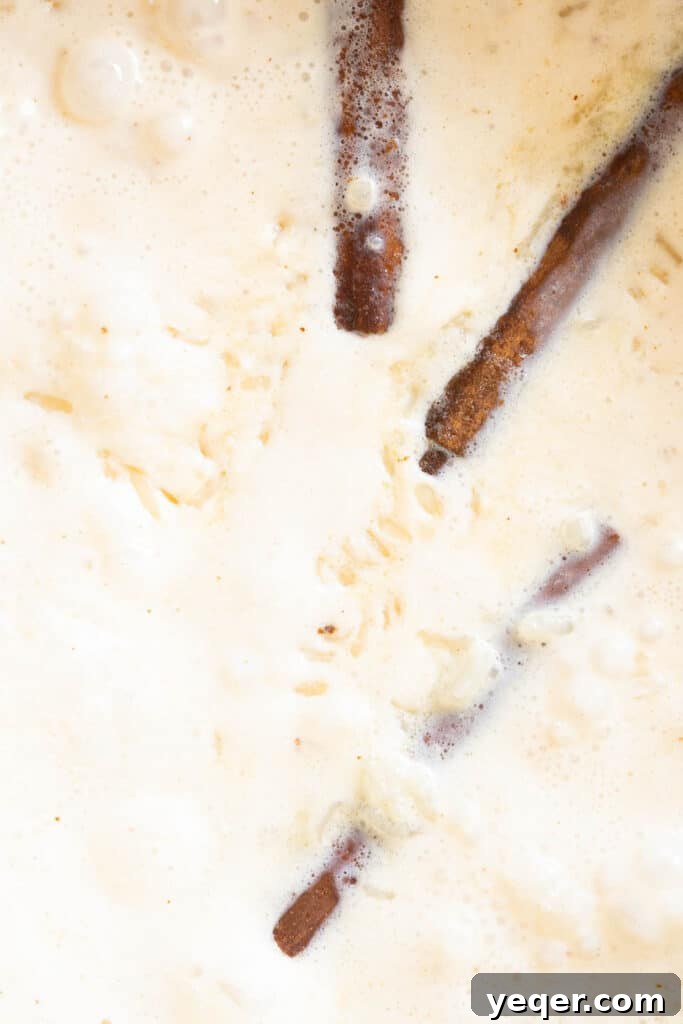
- Simmer to Creamy Perfection: Once everything is well mixed, cover the saucepan again. Continue to cook on medium heat for another 20 minutes. During this crucial simmering stage, it’s vital to lift the lid and stir the mixture every five minutes or so. This consistent stirring prevents the rice from sticking to the bottom of the pot, promotes even cooking, and helps to release the starches, which are essential for achieving that characteristic creamy consistency. The pudding will noticeably thicken as it cooks, developing its luscious texture.
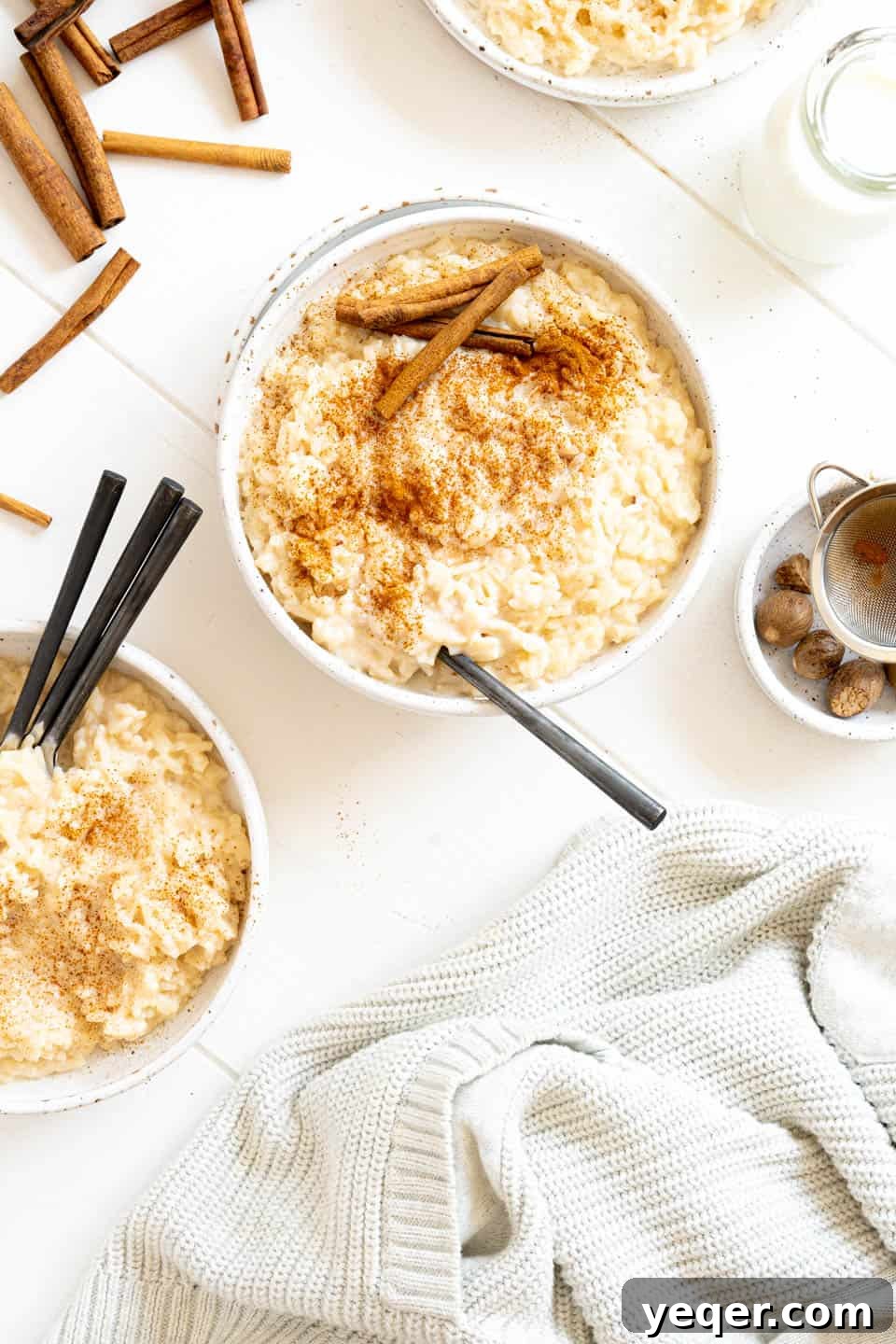
- Cool and Serve: Once the pudding has reached your desired creamy consistency (remember, it will continue to thicken slightly as it cools), remove it from the heat. Allow the mixture to cool for at least 10 minutes before serving. This resting period allows the flavors to meld further and the texture to set beautifully. Serve your Arroz con Leche warm, ideally garnished with a sprinkle of ground cinnamon for an extra touch of spice and elegance. Enjoy!
Tips for a Perfect Rice Pudding Every Time
Achieving the perfect bowl of creamy Arroz con Leche is simple with a few helpful tips that ensure a consistently delicious result:
- To Rinse or Not to Rinse?: Some rice pudding recipes suggest rinsing rice to remove excess starch. However, for a truly creamy and thick pudding, skipping the rinse can actually help release more starch into the liquid, contributing to a richer, more luxurious texture. If you prefer a less sticky, more defined grain, a quick rinse before cooking is perfectly fine.
- Low and Slow is Key: Patience is a virtue when making rice pudding. Cooking on medium-low heat after adding the milk is crucial. This gentle heat ensures the rice cooks thoroughly without scorching the bottom of the pot, which can happen easily with milk-based dishes.
- Stir Frequently: Consistent and frequent stirring, especially in the final stages of cooking, is absolutely essential. This not only prevents the rice from sticking and burning but also promotes even cooking and helps develop that signature creamy consistency by continually distributing the starches.
- Adjust Sweetness to Taste: The ½ cup of brown sugar provides a beautifully balanced sweetness that complements the spices. However, palates vary, so feel free to add a little more or less sugar to suit your personal preference. Remember, the flavors tend to deepen and mellow as the pudding cools.
- Don’t Overcook: It’s important to note that Arroz con Leche will continue to thicken considerably as it cools. Remove it from the heat when it’s still a little looser than your desired final consistency. This prevents it from becoming too dense or gummy.
- Quality Ingredients Matter: Using whole milk makes a significant difference in the richness and overall creaminess of the pudding. Additionally, good quality cinnamon sticks and freshly grated nutmeg will elevate the overall flavor profile, adding depth and warmth to the dessert.
Creative Variations & Serving Suggestions
While wonderfully delicious in its traditional form, Arroz con Leche is also incredibly versatile and open to creative twists, allowing you to customize it to your taste or for special occasions. Here are a few favorite ideas to mix things up:
- Classic Raisins: Many traditional rice pudding recipes, including some beloved Latin American versions, often incorporate plump raisins. If you enjoy their chewy texture and burst of sweetness, feel free to stir in about ½ cup of golden or dark raisins along with the milk. They will plump up beautifully as they simmer.
- Deluxe Dessert Parfait: Transform your creamy Arroz con Leche into an elegant dessert by layering it in glasses with fresh berries such as strawberries, blueberries, or raspberries, and a generous sprinkle of chopped nuts (pecans, walnuts, or almonds work wonderfully). This creates a sophisticated, breakfast-parfait-style presentation that’s perfect for brunch or a light dessert.
- Tropical Coconut Twist (Dairy-Free): For a delightful dairy-free alternative or simply to embrace a more tropical flavor profile, I highly recommend exploring my Arroz con Dulce recipe. This version uses coconut milk to achieve a similar creamy indulgence with a distinct and aromatic Caribbean flair.
- Citrus Zest: A subtle hint of fresh orange or lime zest, added during the simmering process, can brighten the flavors significantly. The citrus notes provide a refreshing counterpoint to the sweetness and warm spices, adding another layer of complexity.
- Spiced Up: Don’t hesitate to experiment with additional warming spices. A tiny pinch of ground cardamom or a single star anise pod can introduce a more complex and exotic aroma, taking your Arroz con Leche to an exciting new level.
- Caramel Drizzle: For an extra touch of indulgence, a light drizzle of dulce de leche or a homemade caramel sauce just before serving can elevate this comforting dessert to new heights, adding a luxurious sweetness that is truly irresistible.
Storing Your Homemade Arroz con Leche
Proper storage is essential to ensure your homemade Arroz con Leche remains fresh, flavorful, and safe to enjoy. Once the pudding has cooled completely to room temperature, transfer any leftovers into an airtight container. I highly recommend using durable glass containers with secure lids, such as these Pyrex bowls with lids, as they help maintain the pudding’s quality and prevent it from absorbing any odors from the refrigerator. Store your Arroz con Leche in the refrigerator for 3-4 days for the best taste and texture. Please note that this recipe does not stand up well to freezing; the texture of the rice can become grainy or mushy upon thawing, significantly diminishing the creamy experience. For this reason, it’s always best to enjoy it fresh or within a few days of preparation.
Frequently Asked Questions (FAQ)
What kind of rice is best for Arroz con Leche?
Long-grain white rice, such as Jasmine or Basmati, works wonderfully for Arroz con Leche. Its grains remain somewhat distinct yet tender when cooked, while still releasing enough starch to contribute to a creamy consistency. Avoid using parboiled or instant rice, as they will not achieve the desired texture or absorb flavors as effectively.
Can I use different types of milk?
While whole milk is highly recommended for the richest and creamiest results, you can certainly experiment with other milks. 2% milk will still work but might result in a slightly less rich pudding. For a dairy-free option, refer to the Arroz con Dulce recipe mentioned in the variations section, as plain plant milks might not thicken quite the same way without adjustments to the recipe.
How do I prevent the rice pudding from sticking to the bottom of the pot?
Frequent stirring, especially after adding the milk, is crucial to prevent sticking. Additionally, ensure you are cooking on medium-low heat to avoid scorching the bottom of the pot. Using a heavy-bottomed saucepan can also significantly help in distributing heat more evenly and minimizing the chances of sticking.
Can I make Arroz con Leche ahead of time?
Absolutely! Arroz con Leche is an excellent make-ahead dessert. It can be prepared a day or two in advance and stored in the refrigerator. In fact, the flavors often deepen and meld beautifully overnight. Just remember that it will thicken considerably as it chills, so you might need to add a splash of milk when reheating if you prefer a looser consistency.
How do I reheat Arroz con Leche?
You can gently reheat Arroz con Leche on the stovetop over low heat, stirring frequently to prevent sticking and ensure even warming. Alternatively, you can use the microwave in short bursts, stirring between each interval. If it has thickened too much in the fridge, feel free to add a tablespoon or two of milk to achieve your preferred consistency while reheating.
Buen Provecho,