
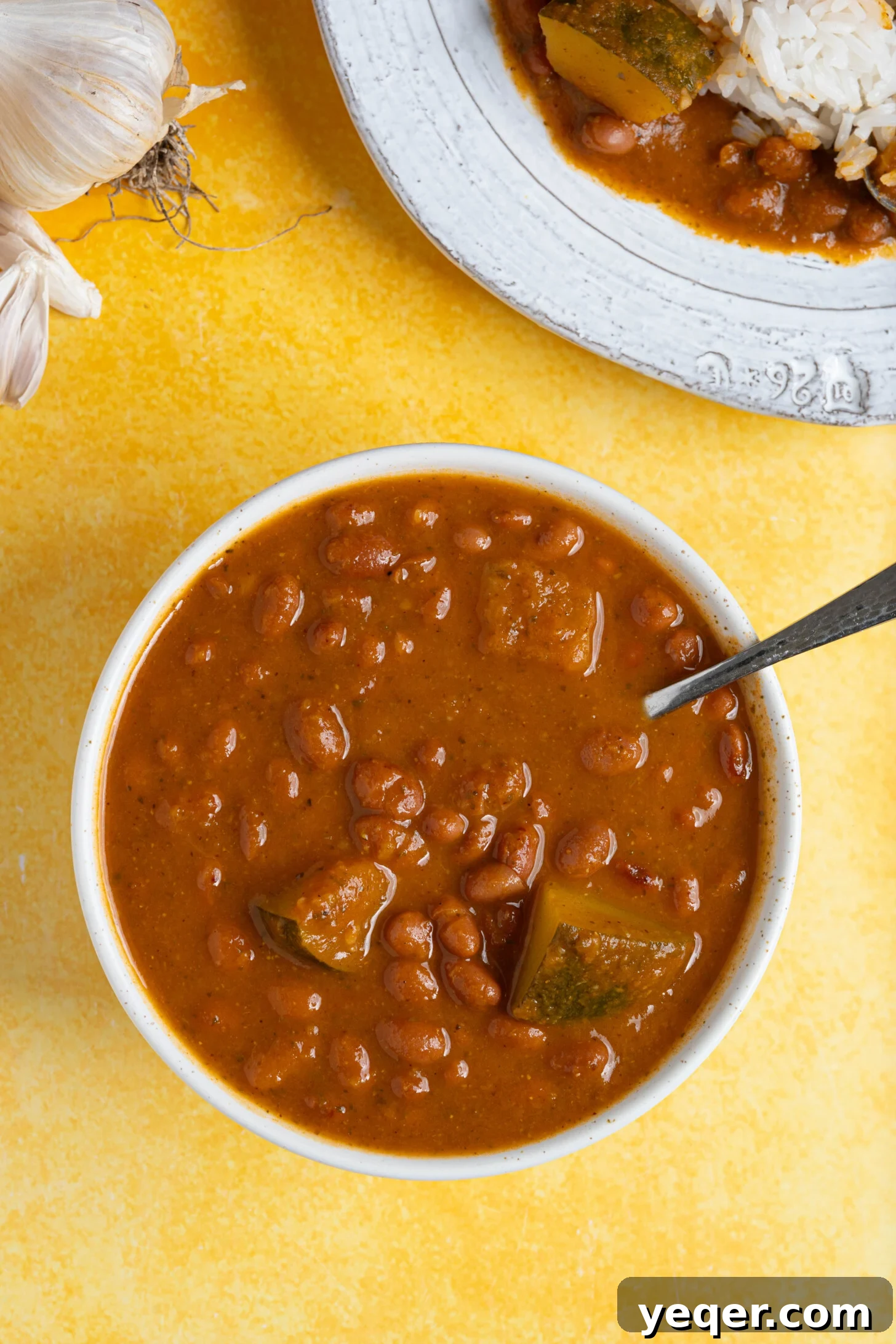
Welcome to the heart of Puerto Rican cuisine, where every dish tells a story of heritage, flavor, and family. Among the myriad of culinary treasures, there is one staple that stands out for its comforting embrace and rich history: Habichuelas Guisadas. Often simply referred to as “stewed beans” or “habichuelas rojas,” this dish is more than just food; it’s a warm hug from the Caribbean, a taste of home, and a cornerstone of countless Puerto Rican meals. This particular recipe, passed down through generations in my family, elevates simple red beans into an unforgettable experience, thanks to the harmonious blend of aromatic sofrito, vibrant sazon, savory adobo, and tender winter squash. Served generously over a bed of fluffy white rice, these Puerto Rican stewed beans are the very definition of comfort food, promising to transport your taste buds straight to the sunny shores of Puerto Rico with every spoonful.
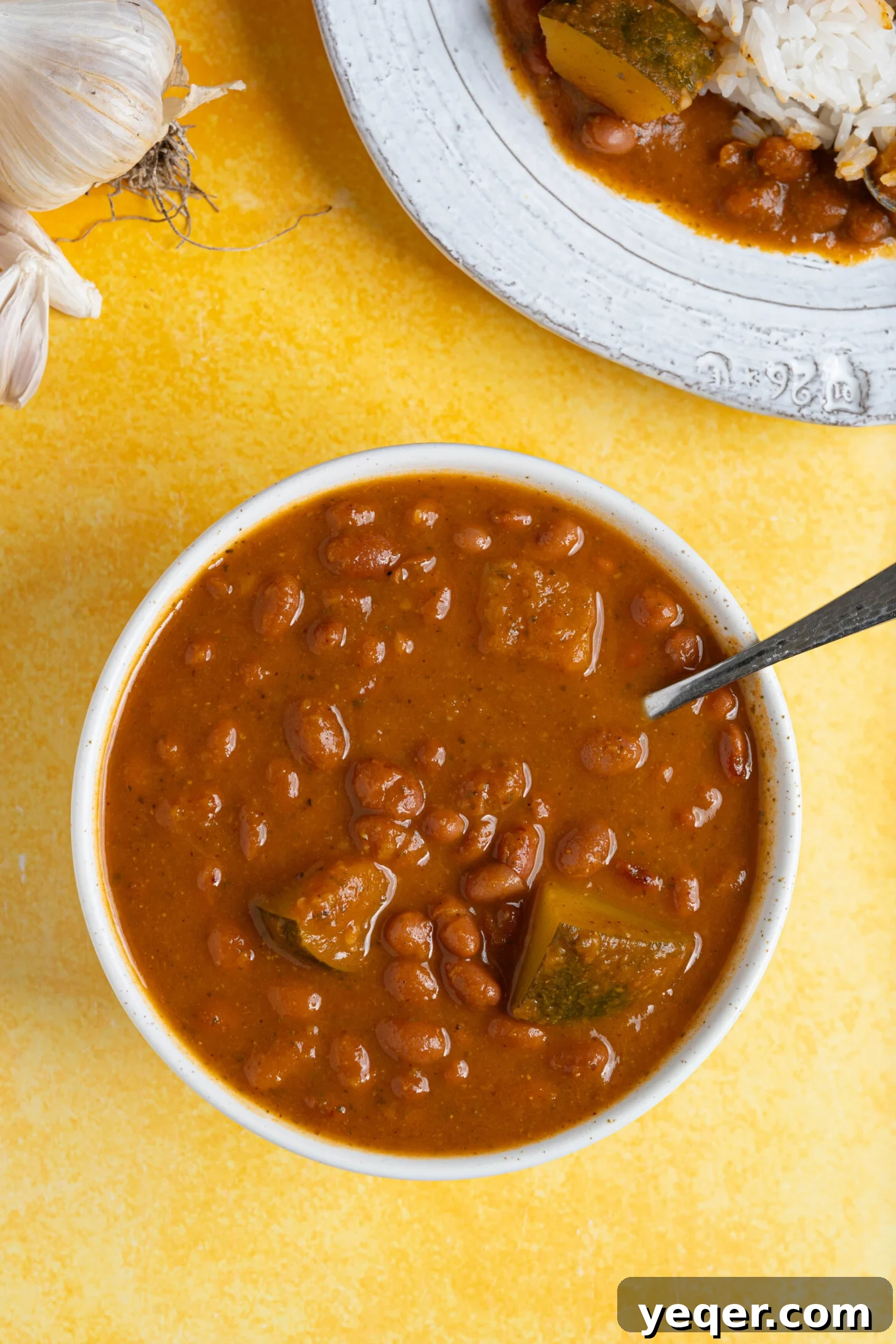
The Soul of Puerto Rican Cuisine: Habichuelas Guisadas
In the vast culinary landscape of Latin America, few pairings are as iconic and essential as rice and beans. For generations in Puerto Rico, and indeed across many Latin cultures, this humble combination has formed the backbone of daily meals. My family, like countless others, was practically raised on the wholesome trio of rice, plantains, and habichuelas—the beloved Puerto Rican term for beans. These stewed beans are not just a side dish; they are a hearty, flavorful main event, capable of standing proudly on their own or complementing a wide array of other Puerto Rican specialties.
Habichuelas Guisadas, specifically referring to red or pink beans (habichuelas rojas or rosadas), are slow-simmered to perfection in a deeply savory broth. This broth is infused with an array of traditional seasonings, making it incredibly aromatic and comforting. The inclusion of tender winter squash adds a subtle sweetness and velvety texture that perfectly balances the robust flavors of the beans and spices. This particular Habichuelas Guisadas recipe is a wonderfully convenient family favorite that consistently delivers on flavor, requiring minimal prep time for maximum reward. It’s the ideal super easy weeknight dinner, pairing magnificently with a bowl of fragrant white rice or as an accompaniment to classic Mofongo, a traditional fried plantain dish.
If you find yourself captivated by the delightful simplicity and profound flavors of this Puerto Rican staple, you’ll undoubtedly enjoy exploring other island favorites. Be sure to try Arroz con Gandules, a festive rice dish with pigeon peas that’s a holiday favorite, and Arroz con Habichuelas, another beloved rice and beans combination that exemplifies the island’s culinary heart. Each dish offers a unique glimpse into the rich traditions of Puerto Rican home cooking.

Unlocking Authentic Flavor: Key Ingredients for Puerto Rican Stewed Beans
Creating truly authentic and delicious Habichuelas Guisadas starts with understanding the power of a few essential ingredients. While the dish seems simple, each component plays a vital role in building the layers of flavor that make this recipe so special. From the aromatic base to the tender beans and vegetables, every element contributes to the comforting warmth of this Puerto Rican classic, transforming it from a simple bean dish into a culinary masterpiece.
The Flavor Foundation: Sofrito, Sazon, and Adobo
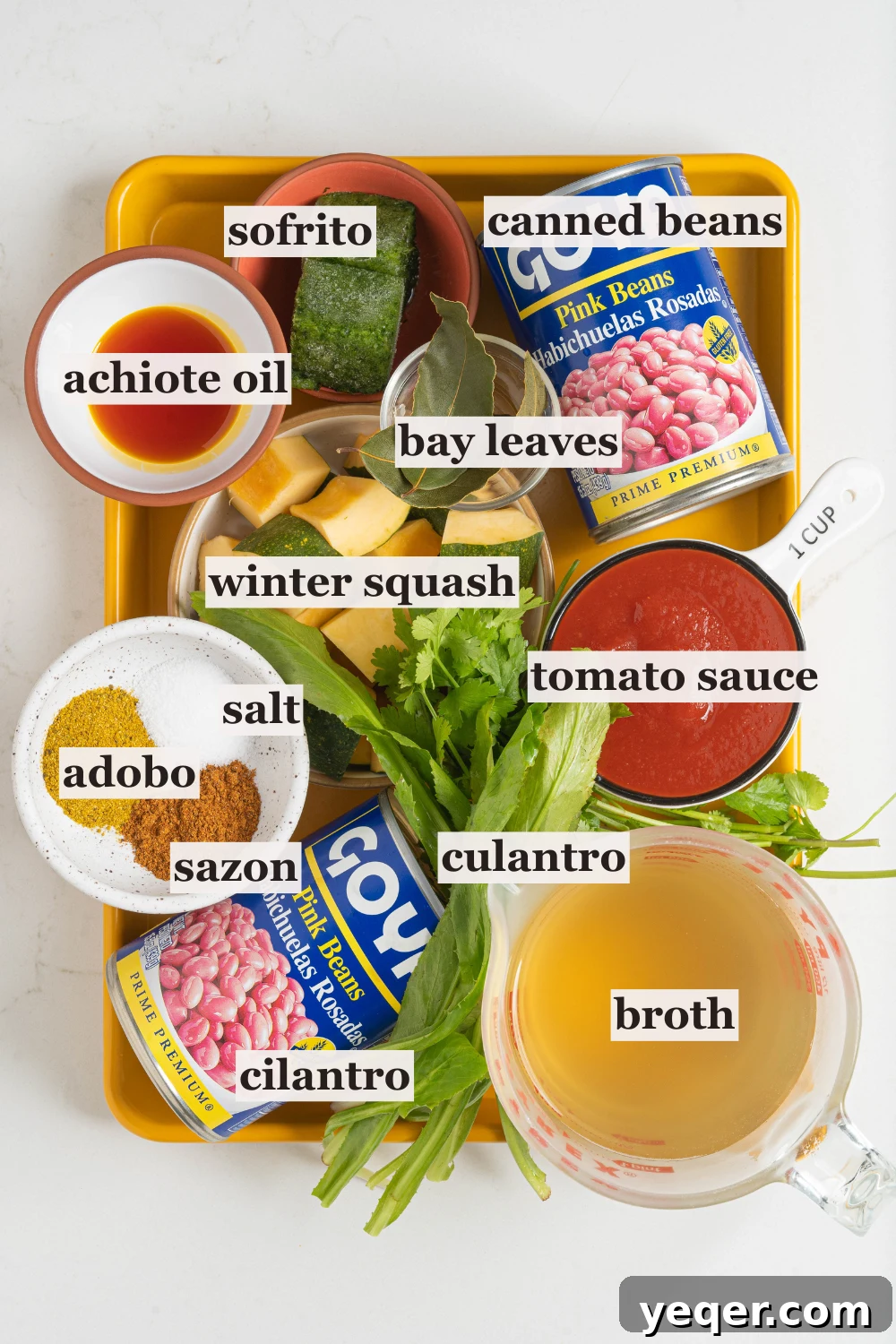
To truly capture the essence of Puerto Rican cooking, you’ll need three culinary pillars: Sofrito, Sazon, and Adobo. These are not just seasonings; they are flavor amplifiers that lay the groundwork for a truly impressive dish and are indispensable in any Puerto Rican pantry.
- Sofrito: This vibrant, aromatic blend of fresh vegetables and herbs (typically onions, garlic, bell peppers, culantro, and cilantro) is the heart and soul of countless Puerto Rican dishes. It’s sautéed first to release its fragrant oils and create an unparalleled depth of flavor. If you can’t find pre-made sofrito, making your own from scratch is a rewarding experience that guarantees the freshest taste and allows for personal customization.
- Sazon: A cornerstone seasoning in Puerto Rican pantries, sazon (often containing achiote for color) provides a warm, earthy, and savory note. It adds that characteristic golden-orange hue and rich depth that is instantly recognizable in Caribbean cuisine. Many varieties also include coriander and cumin.
- Adobo: This all-purpose seasoning blend, typically composed of garlic powder, oregano, salt, and pepper, is another must-have. It enhances the natural flavors of the ingredients, adding a layer of savory goodness that ties everything together. It’s used on everything from meats to vegetables, and of course, beans.
Together, these three staples create a super flavorful base that transforms ordinary beans into something extraordinary. Beyond these, the simple inclusion of bay leaves, fresh cilantro and/or culantro, and good quality tomato sauce contribute to the luscious, rich broth that defines Habichuelas Guisadas. The addition of tender winter squash—like acorn, butternut, or kabocha—adds a natural sweetness and creamy texture as it cooks down, making the stew even more hearty and satisfying. This combination of ingredients ensures a depth of flavor that is both complex and comforting.
Don’t worry if these staple ingredients aren’t readily available at your local grocery store. Many can be found in international markets, online specialty stores, or you can even learn to create your own blends from common pantry spices, especially for sazon and adobo. Fresh culantro, while traditional and highly recommended for its unique robust flavor, can be substituted with extra cilantro if necessary, though culantro does offer a more distinct and authentic flavor profile.
Crafting Your Habichuelas Guisadas: A Step-by-Step Guide
Making Habichuelas Guisadas is a straightforward process that yields incredibly rewarding results. Follow these detailed steps to create a truly authentic and delicious pot of Puerto Rican stewed beans, focusing on the techniques that build layers of flavor:

Secrets to Maximum Flavor in Your Habichuelas Guisadas
Achieving the rich, deeply satisfying flavor profile of authentic Habichuelas Guisadas goes beyond just combining ingredients; it’s about understanding how each component interacts and contributes to the overall culinary experience. This isn’t just an average can of beans; it’s a symphony of tastes perfected over generations, designed to evoke the warmth and spirit of Puerto Rico.
As mentioned, the foundational trinity of sofrito, sazon, and adobo is non-negotiable for that distinct Puerto Rican taste. These staples build a super flavorful base that is robust and aromatic. But the magic doesn’t stop there. Here’s how to unlock the maximum potential for your stew:
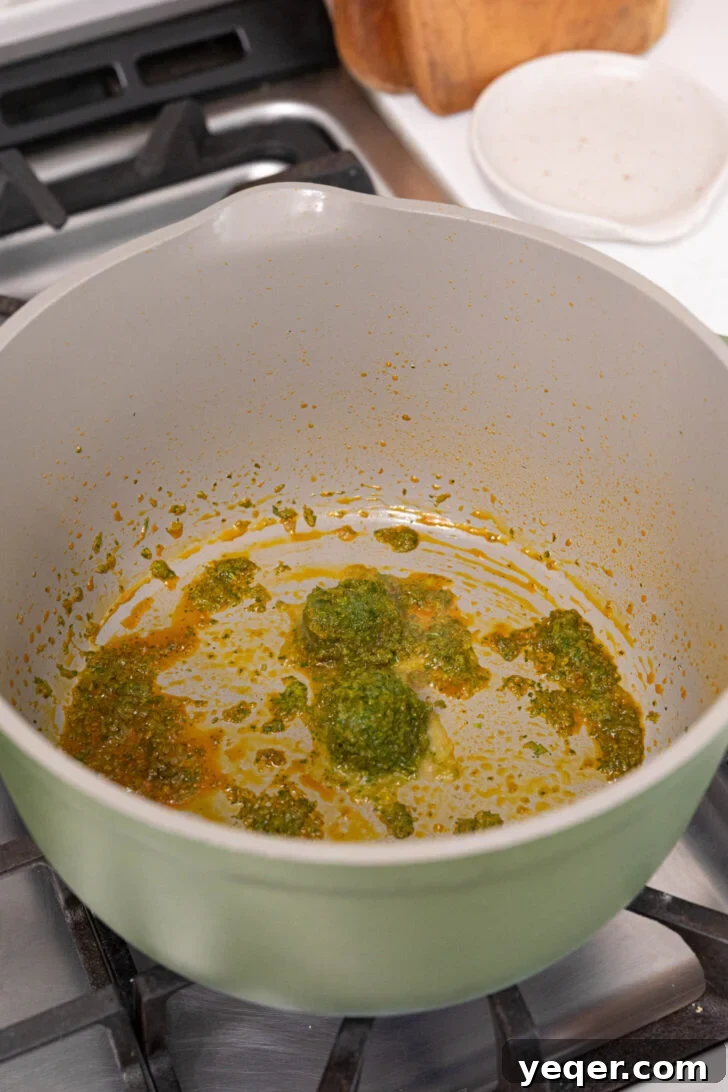
- Sautéing the Sofrito: Don’t rush this step. Allow the sofrito to gently simmer in the oil for several minutes. This process, known as “sweating” the aromatics, releases its essential oils and softens the vegetables, intensifying their natural sweetness and complex aromatic compounds. This foundational layer is key.
- Blooming the Spices: When you add the sazon and adobo, mix them into the hot sofrito for a minute before adding any liquids. The heat helps to “bloom” the spices, intensifying their flavors and aromas by activating their essential oils. This simple technique makes a significant difference in the final taste, ensuring your spices are fully integrated.
- Bay Leaves and Fresh Herbs: Bay leaves add a subtle, savory depth that slow-cooks into the broth, providing an underlying layer of classic flavor. Fresh cilantro and especially culantro (if you can find it) are critical for that bright, herbaceous finish that characterizes Caribbean cuisine. Add them early enough to infuse their essence throughout the stew.
- Quality Tomato Sauce: The tomato sauce provides body, a touch of acidity, and a beautiful reddish hue to the broth, harmonizing with the other savory elements. Choose a good quality plain tomato sauce for the best results.
- Winter Squash Selection: Beyond adding a lovely texture, winter squash (such as acorn, butternut, or kabocha) slowly breaks down as it simmers, naturally thickening the stew and adding a delicate, earthy sweetness that rounds out the flavors beautifully. Don’t skip this ingredient; it’s an integral part of the authentic experience.
- The Art of Slow Simmering: Patience is key to truly exceptional Habichuelas Guisadas. The longer the beans simmer on low heat, the more the flavors will meld, deepen, and concentrate. This isn’t a dish to rush; allow it to gently bubble, absorbing all the aromatic goodness and transforming into a rich, cohesive stew.
If you encounter difficulty finding these specific Puerto Rican staple ingredients, remember that many can be sourced from international grocery stores, specialty online retailers, or even recreated with common spices from your pantry. For example, a homemade sazon blend can be made with annatto powder (or turmeric for color), coriander, cumin, garlic powder, and oregano. Don’t hesitate to explore online shops dedicated to Latin American ingredients for authentic products.
Serving Suggestions & Variations for Habichuelas Guisadas
Habichuelas Guisadas is an incredibly versatile dish, capable of adapting to various meals and preferences. While traditionally served with white rice, don’t limit your options:
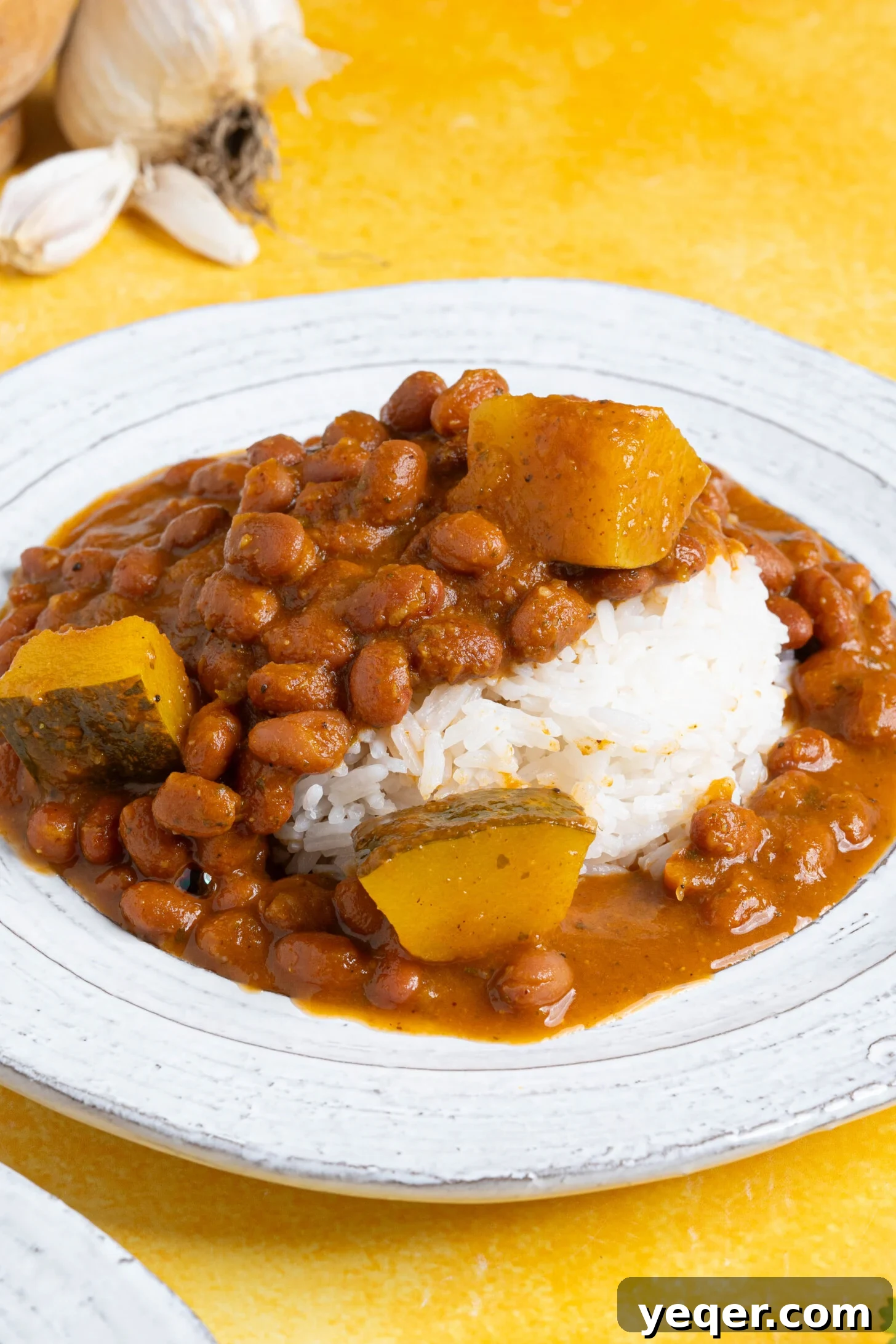
- The Classic Pairing: The most common and beloved way to enjoy Habichuelas Guisadas is generously spooned over warm, fluffy white rice, perhaps with a side of fried plantains (either savory tostones or sweet maduros) and a simple green salad.
- With Mofongo: For a truly iconic Puerto Rican experience, pair your stewed beans with Mofongo. The rich, savory stew perfectly soaks into the mashed plantain, creating an explosion of texture and flavor.
- As a Hearty Soup: Enjoyed on its own in a bowl, perhaps with a slice of crusty bread for dipping into the flavorful broth, Habichuelas Guisadas makes for a fulfilling light meal or starter.
- Over Other Grains: For a healthier twist or different texture, try serving it with brown rice, quinoa, or even couscous.
- Add Protein: Although this recipe is wonderfully vegan, some traditional variations include small pieces of ham hock, pork, or chicken for added richness and depth. For a plant-based protein boost, consider adding plant-based sausage, textured vegetable protein (TVP), or extra firm tofu chunks towards the end of cooking.
- Spicy Kick: If you enjoy a touch of heat, a pinch of red pepper flakes added with the other dry seasonings, or a dash of your favorite hot sauce at the end, can elevate the flavor profile.
Storage and Meal Prep Tips for Your Stewed Beans
Habichuelas Guisadas is an excellent dish for meal prepping, as its flavors often improve overnight, allowing the spices to meld even further. Store any leftovers in an airtight container in the refrigerator for up to 4-5 days. It also freezes beautifully for up to 3 months. To reheat, thaw overnight in the refrigerator and gently warm on the stovetop over low heat, adding a splash of water or vegetable broth if the stew has thickened too much during storage. This makes it a perfect make-ahead option for busy weeknights.
Buen provecho, and may your kitchen be filled with the wonderful aromas of Puerto Rico!

Print Recipe
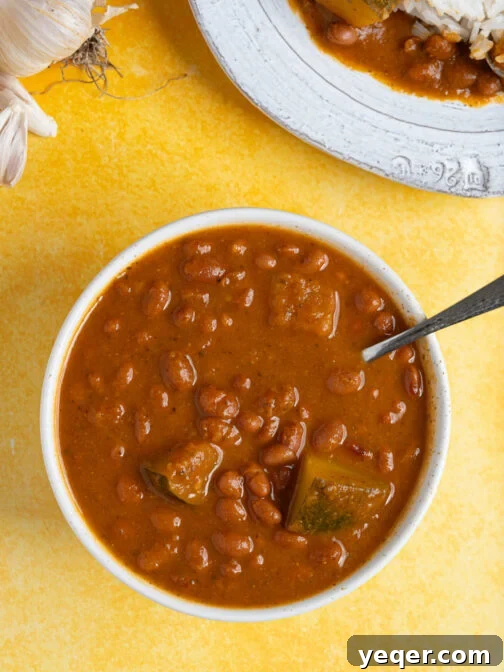
Habichuelas Guisadas (Puerto Rican Stewed Beans)
5 Stars
4 Stars
3 Stars
2 Stars
1 Star
5 from 4 reviews
- Author: Salima Benkhalti
Prep Time: 10 minutes
Cook Time: 35 minutes
Total Time: 45 minutes
Yield: 4 servings
Category: Entree, Dinner, Lunch, Main Dish
Method: Stovetop
Cuisine: Puerto Rican, Latin
Diet: Vegan
Description
Experience the ultimate Puerto Rican comfort food with my family’s authentic Habichuelas Guisadas (also known as stewed beans or habichuelas rojas). This vegan-friendly recipe features red beans slow-simmered with a rich base of homemade sofrito, essential sazon, adobo, and tender winter squash, creating a luscious, flavorful stew that is perfect over warm rice or mofongo. A true taste of the Caribbean!
Ingredients
- 1 tbsp olive oil (or achiote oil)
- 3 tbsp sofrito
- 1 tsp sazon seasoning
- 1 tsp adobo seasoning
- 1 tsp salt
- 2 dried bay leaves
- 1 cup (8oz) tomato sauce
- 2 cups water or vegetable broth
- 1 1/2 cups winter squash, cubed (acorn, kabocha, butternut, or calabaza work wonderfully)
- 2 (16oz) cans red or pink beans, thoroughly drained and rinsed
- 10 sprigs culantro and/or cilantro (a combination offers the best flavor, but cilantro alone works)
Instructions
- Simmer the oil & sofrito. In a large, heavy-bottomed soup pot or caldero, heat 1 tablespoon of olive oil (or achiote oil for an authentic touch) over medium heat until it shimmers. Add 3 tablespoons of Puerto Rican sofrito and sauté for 3-5 minutes, stirring occasionally, until fragrant and softened. This crucial step develops the aromatic base of your stew.
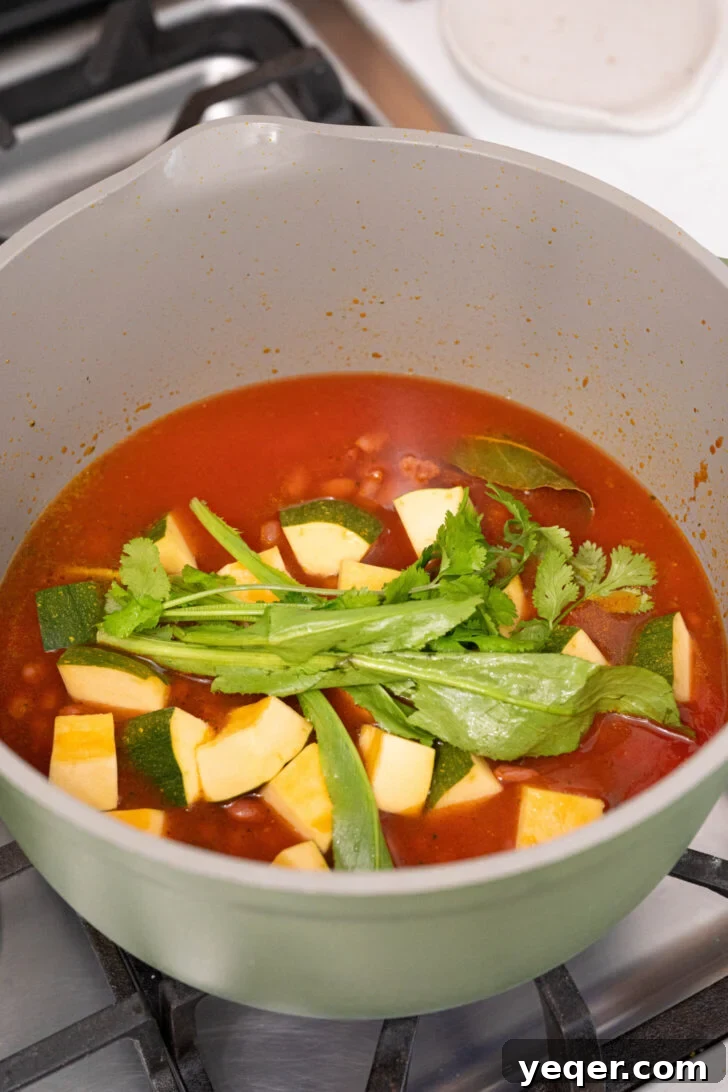
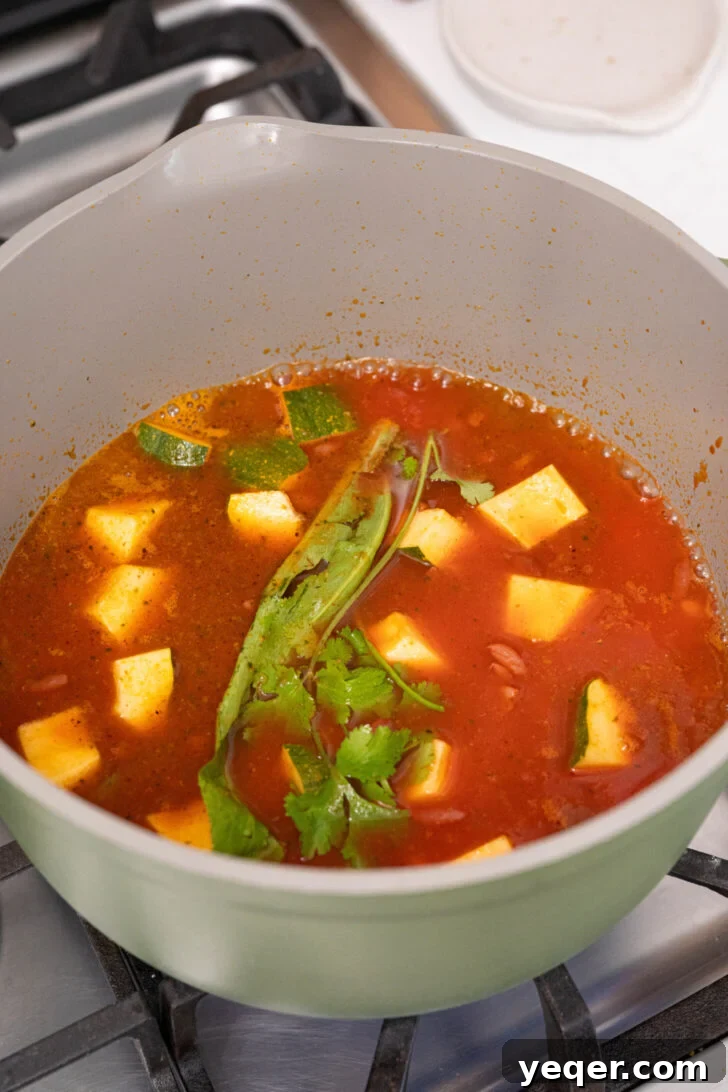
- Add remaining ingredients and bring to a boil. Stir in 1 teaspoon each of sazon seasoning, adobo seasoning, and salt. Cook for another minute, allowing the spices to bloom in the hot oil. Next, add the 2 dried bay leaves, 10 sprigs of fresh culantro and/or cilantro, 1 cup of tomato sauce, 2 cups of water or broth, 1 1/2 cups of cubed winter squash, and the 2 cans of drained and rinsed red or pink beans. Increase the heat and bring the liquid to a robust boil, stirring to combine all ingredients thoroughly.
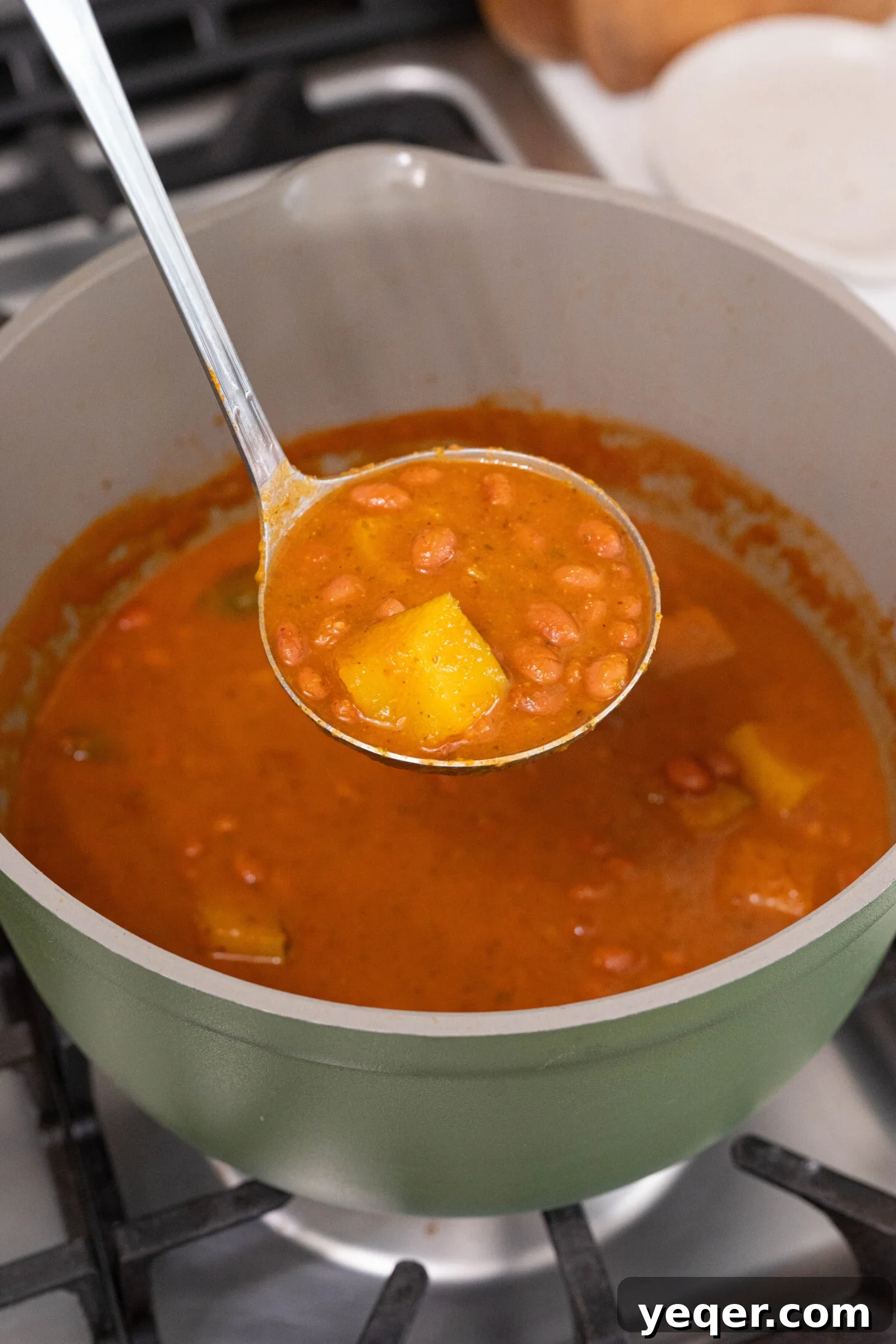
- Simmer until reduced and thickened. Once boiling, reduce the heat to low, cover the pot, and let it simmer gently for at least 30 minutes, or until the squash is tender and the broth has thickened to your desired consistency. Stir the stew every 10-15 minutes to prevent sticking and ensure even cooking. The longer it simmers, the more the flavors will deepen and meld.
- Blend (optional) & serve. For an even creamier and thicker stew, carefully remove about 1/2 cup of the cooked beans, squash, and broth. Blend this mixture until smooth using an immersion blender or a traditional blender (exercise caution with hot liquids). Return the blended mixture to the pot and stir it into the stew. This traditional technique creates a naturally thick and velvety broth. Taste and adjust seasonings as needed. Serve your warm Habichuelas Guisadas generously over freshly cooked white rice or with a side of mofongo for a truly authentic Puerto Rican meal.
Equipment
Buy Now →
While any large soup pot will work beautifully for this recipe, a traditional caldero (a heavy-duty aluminum pot) is often preferred in Puerto Rican kitchens for its excellent heat distribution and ability to create a perfect “pegado” (crispy rice) on the bottom, though not strictly necessary for preparing this delicious bean stew.
Notes & Expert Tips
To make with dried beans instead of canned: If you prefer to use dried red or pink beans, soak 1 cup of dried beans overnight, then rinse thoroughly. Add the soaked beans to a pot with 4 cups of salted water (a 1:4 ratio of beans to water). Bring to a boil, then reduce heat and simmer for approximately 1 hour, or until the beans are tender. Drain the cooking water, and then proceed with the recipe instructions above from Step 1, using your freshly cooked beans.
Adjusting Consistency: If your stew is too thin, simply continue to simmer uncovered over low heat until it reaches your desired thickness. If it thickens too much, add a small amount of water or vegetable broth until it reaches the perfect, luscious consistency.
Spice Level: For an extra kick, consider adding a pinch of crushed red pepper flakes along with the other dry seasonings in Step 2, or a small amount of your favorite hot sauce when serving.
Fresh Herbs: While cilantro is widely available, culantro (also known as Mexican coriander or long coriander) offers a more intense and authentic flavor profile often found in Caribbean cuisine. If you can find it at your local international market, use a mix of both for the best results, as they complement each other beautifully.
Squash Choice: Acorn, kabocha, and butternut squash are all excellent choices for this recipe, offering a creamy texture and sweet undertones as they break down. Feel free to use what’s available and fresh in your region.