
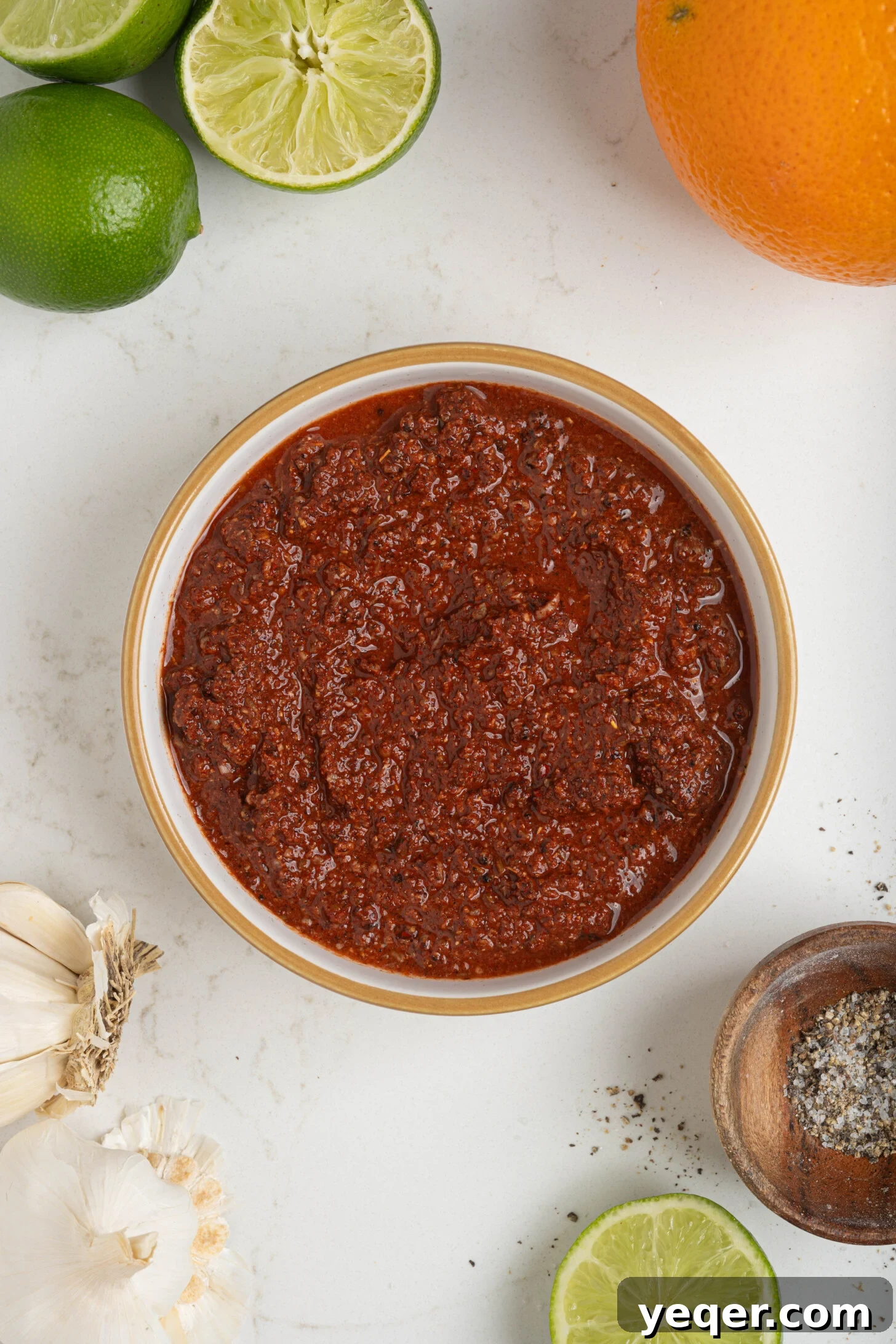
Unlock a world of vibrant flavor and stunning color in your cooking with this incredible homemade Achiote Paste. Far more than just a seasoning, this versatile blend of annatto seeds, aromatic whole spices, tangy vinegar, and bright citrus is a culinary secret weapon. Elevate your favorite meat marinades, transform simple rice dishes, deepen the complexity of stews, and so much more. Easy to prepare and bursting with authentic taste, this DIY achiote paste is destined to become a staple in your fridge, ready to infuse your meals with a touch of Latin American magic.
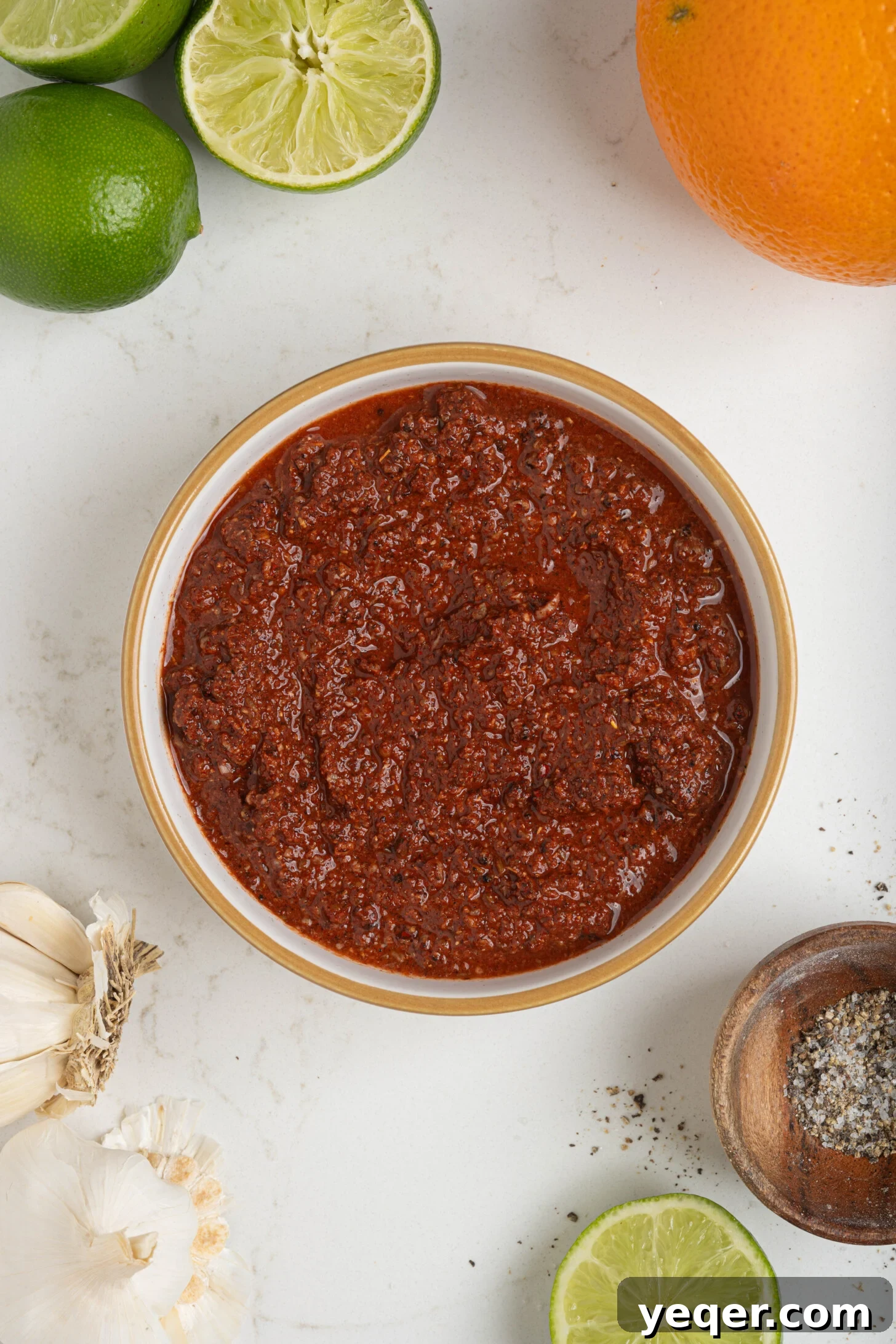
If you’ve ever delved into the rich flavors of Latin American cuisine, you’ve likely encountered the distinctive taste and breathtaking hue that annatto seeds impart. Ingredients like sazon seasoning or achiote oil owe their characteristic appeal to these small, but mighty, seeds. Achiote paste, in particular, captures the essence of annatto, blending it with other complementary spices to create an indispensable ingredient in countless kitchens.
What is Achiote Paste? A Culinary Gem Explained
Achiote paste is a traditional seasoning deeply rooted in the culinary traditions of Latin America and the Caribbean. At its heart are annatto seeds, derived from the Bixa Orellana tree, native to tropical regions. These small, triangular seeds are known primarily for their intense red-orange color, which they readily release when ground or heated in oil. Beyond their visual appeal, annatto seeds possess a subtle yet complex flavor profile – often described as earthy, mildly peppery, slightly nutty, and with delicate notes of smoke and citrus. It’s this unique combination of color and flavor that makes achiote paste such a treasured component in so many savory dishes.
Traditionally, achiote paste combines finely ground annatto seeds with a selection of whole spices such as coriander, cumin, and oregano, along with fresh garlic, and an acidic liquid like vinegar or orange juice. The result is a soft, pliable paste that serves as an excellent base for marinades, rubs, and flavor builders in a wide variety of recipes. While variations of this paste can be found across Mexico, Central America, and South America, the version we’re preparing today leans towards a vibrant Caribbean style, often characterized by a slightly wetter texture and a generous incorporation of fresh garlic, enhancing its aromatic punch.
This paste isn’t just about adding color; it’s about layering flavors that evolve and deepen as they cook. The acidity from the citrus and vinegar not only brightens the taste but also plays a crucial role in tenderizing meats, making it a perfect choice for slow-cooked dishes or quick marinades alike. From simple everyday meals to festive culinary creations, achiote paste adds an undeniable authenticity and depth that is truly unparalleled.
The Secret Behind Annatto Seeds: Flavor and Color
The annatto seed, sometimes referred to as “the poor man’s saffron” due to its powerful coloring properties, holds a distinct place in the culinary world. Historically, it has been used not only as a food coloring but also as a body paint and textile dye. In cooking, its vibrant hue transforms dishes, giving them a warm, inviting appearance without artificial additives. Unlike some other natural colorants, annatto offers a pleasant, aromatic flavor that complements a wide range of ingredients rather than overpowering them.
The subtle smokey undertones of annatto, combined with its hints of citrus, make it particularly well-suited for hearty meats and robust stews. It provides a foundational flavor layer that enhances other spices without being overtly strong itself. This characteristic makes achiote paste incredibly versatile, allowing it to blend seamlessly into various culinary contexts. Whether you’re aiming for a rich red color in a traditional stew or a golden-orange crust on roasted poultry, annatto delivers both visual appeal and a nuanced flavor that is distinctly Latin American.
Beyond its primary role, annatto seeds also offer a slight peppery note, contributing to the overall complexity of the paste. This blend of attributes ensures that every spoonful of homemade achiote paste brings a truly multidimensional experience to your palate, elevating simple ingredients to extraordinary culinary heights. It’s a natural food enhancer, cherished for centuries, and now easily accessible in your own kitchen.
Essential Ingredients for Authentic Achiote Paste
Crafting this flavorful paste requires a careful selection of ingredients, each playing a vital role in achieving its signature taste and texture. Our recipe focuses on readily available components while maintaining the integrity of traditional Caribbean-style achiote paste. You’ll find the complete list with exact quantities in the recipe card below, but let’s dive into what makes each ingredient essential:
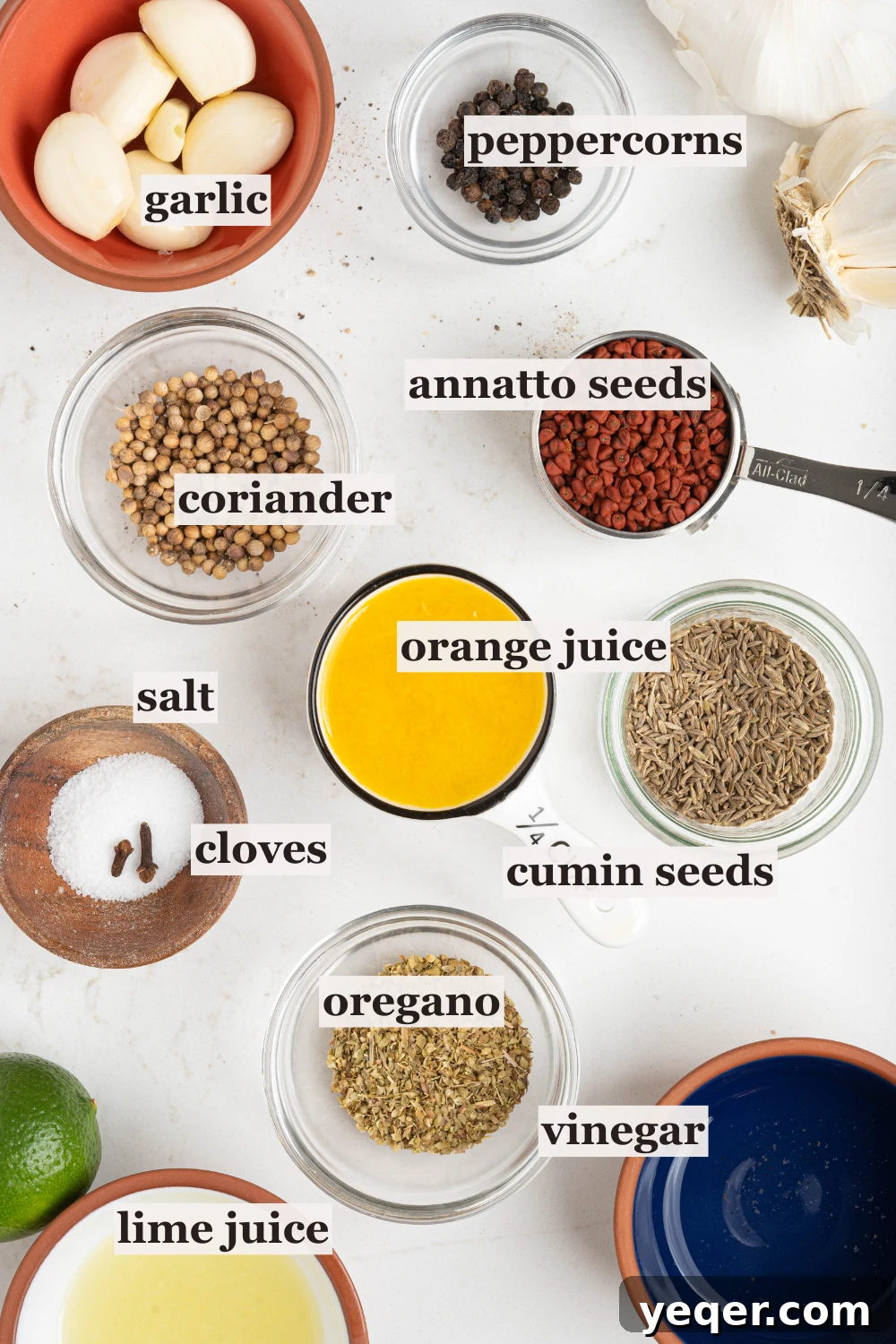
- Annatto Seeds: The star of the show. These seeds provide the distinctive red-orange color and earthy, slightly peppery, and citrusy flavor. Use whole seeds for maximum freshness and aroma.
- Coriander Seeds: These offer a warm, citrusy, and slightly sweet note that beautifully complements the annatto, adding depth to the spice blend.
- Dried Oregano: A staple in Latin American cooking, dried oregano (especially Mexican oregano, if available) brings an earthy, pungent, and slightly minty flavor that is crucial for authenticity.
- Cumin Seeds: With their warm, nutty, and slightly pungent aroma, cumin seeds add a foundational layer of savory flavor that is characteristic of many regional cuisines.
- Peppercorns: Whole black peppercorns contribute a sharp, pungent heat that balances the other spices and adds a subtle kick to the paste.
- Whole Cloves: Just a couple of whole cloves impart a strong, sweet, and aromatic warmth. Their potent flavor should be used sparingly to avoid overpowering the paste.
- Salt: Essential for enhancing all the other flavors and seasoning the paste properly from the start.
- Garlic Cloves: Fresh garlic is non-negotiable for its pungent, aromatic intensity, especially in Caribbean-style achiote paste. We recommend six cloves for a truly robust flavor.
- Orange Juice: Freshly squeezed orange juice provides a sweet and tangy citrus note, essential for both flavor and creating the paste’s ideal consistency.
- Lime Juice: Adding lime juice introduces a sharper, brighter acidity that cuts through the richness and balances the flavors.
- White Vinegar: Vinegar serves as another key acidic component, offering a distinct tang and helping to preserve the paste. We opt for a blend of orange and lime juice with white vinegar as a convenient and flavorful substitute for sour orange juice, which can be harder to find. This combination perfectly mimics the complex tartness desired in authentic achiote paste.
Each component is selected to create a harmonious blend that is complex, aromatic, and deeply satisfying. Preparing your own paste allows you to control the quality and freshness of these ingredients, ensuring a superior product every time.
Crafting Your Homemade Achiote Paste: A Simple Guide
Making your own achiote paste is a surprisingly straightforward process that yields incredibly rewarding results. With just two main steps, you’ll have a vibrant, flavorful paste ready to elevate your cooking. This recipe prioritizes efficiency without compromising on authenticity or taste.
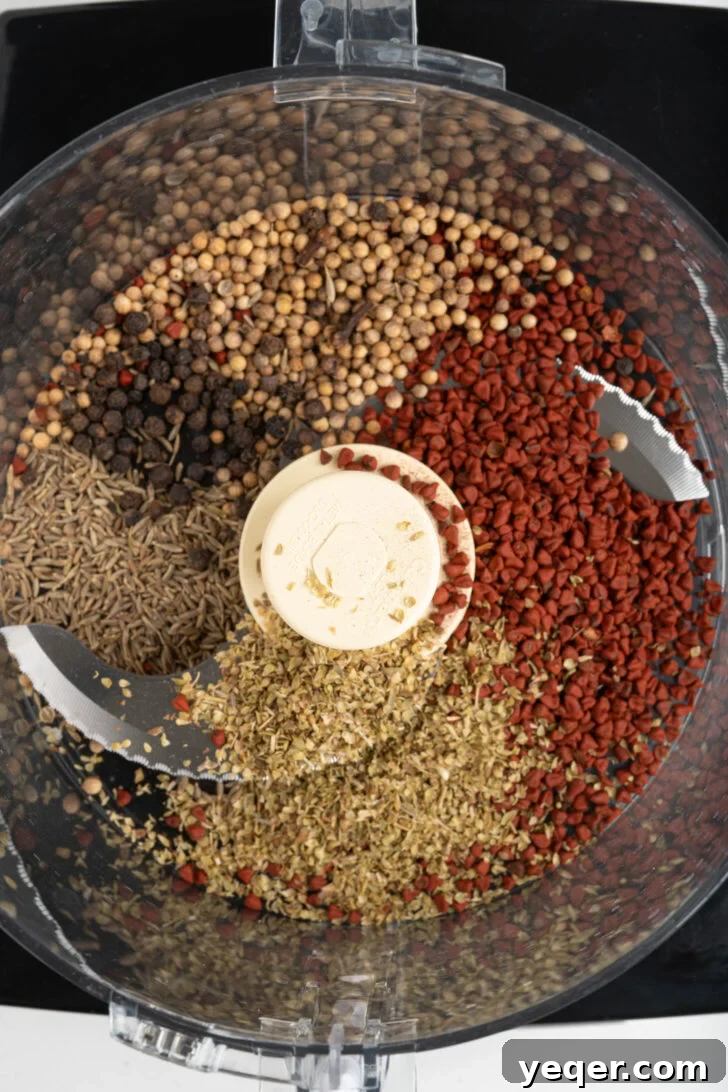
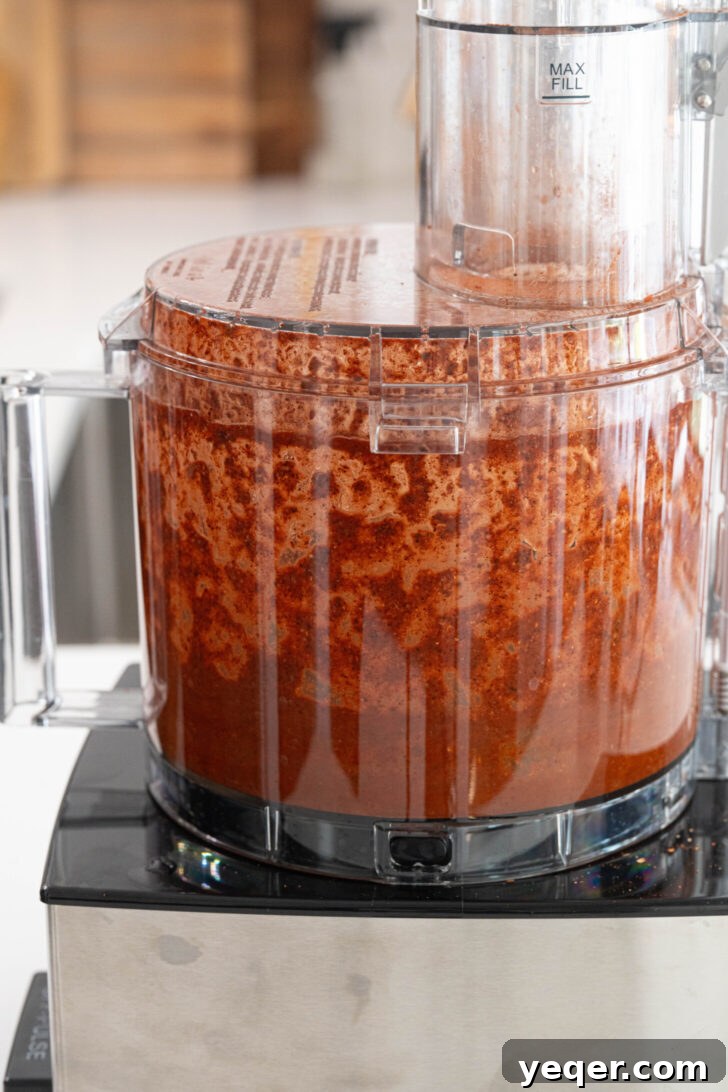
Step 1: Grinding the Whole Spices
The first crucial step is to prepare your whole spices. In a food processor or a dedicated spice grinder (you could use a mortar and pestle, but for speed and finer consistency, a machine is recommended), combine the whole annatto seeds, coriander seeds, dried oregano, cumin seeds, peppercorns, and whole cloves. Pulse these ingredients until they transform into a semi-fine, fragrant powder. The goal isn’t to create an ultra-fine flour, but rather to break down the spices sufficiently to release their aromatic oils and ensure a smooth paste. Grinding them just before use maximizes their potency and flavor, making a noticeable difference in the final product.
Step 2: Blending to Perfection
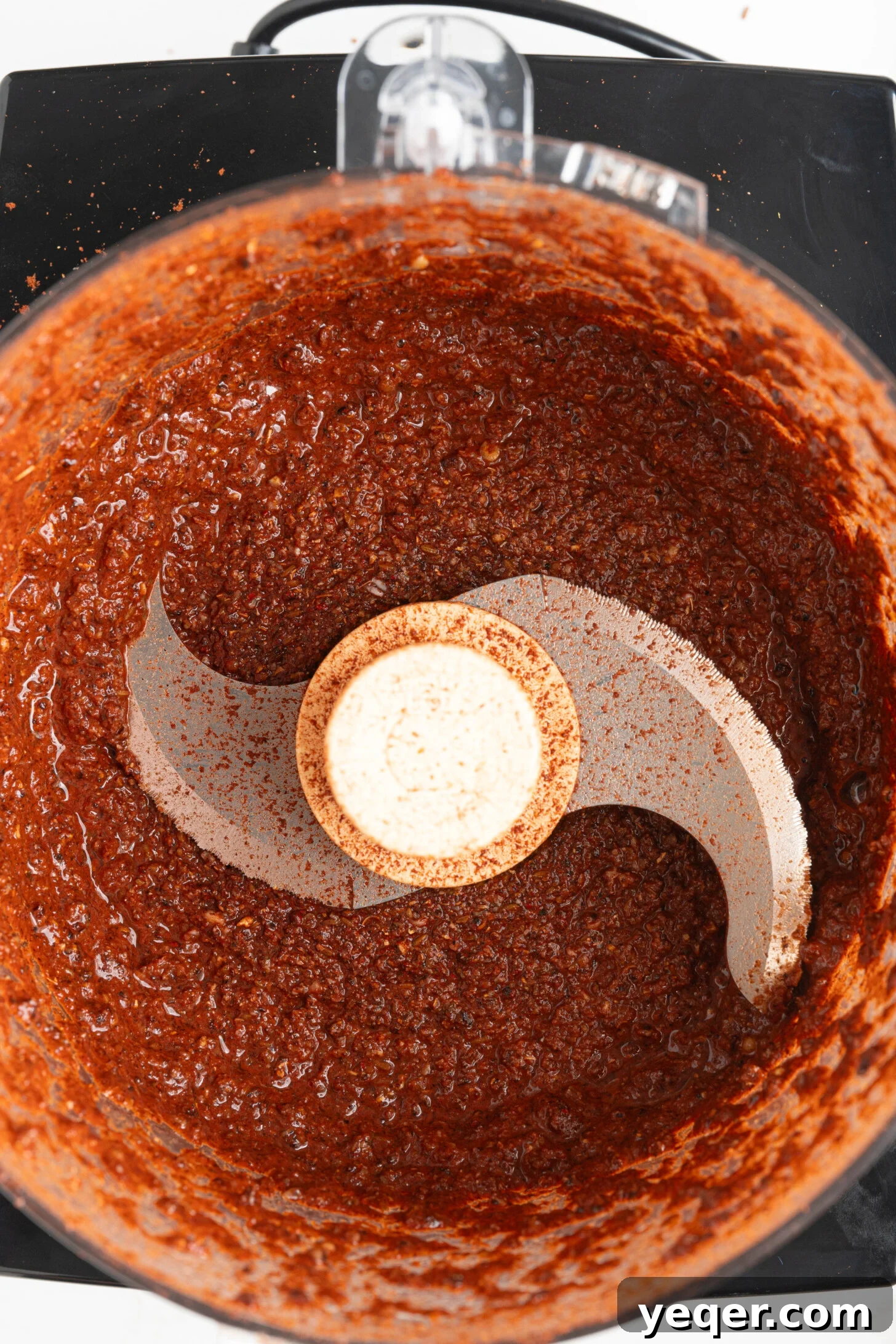
Once your spices are ground, it’s time to bring everything together. Add the freshly ground spice mixture, salt, minced garlic, freshly squeezed orange juice, lime juice, and white vinegar into the food processor. Secure the lid and pulse the ingredients repeatedly until a smooth, uniform paste forms. You’ll witness the vibrant red-orange color of the annatto seeds truly come alive during this process. Scrape down the sides of the processor as needed to ensure all ingredients are thoroughly incorporated. The ideal consistency should be thick but spreadable. If you prefer a wetter or thinner paste, simply add a little more orange juice or vinegar, one tablespoon at a time, until you reach your desired texture. This adjustability allows for customization based on how you plan to use the paste.
Tip: For the best flavor, use fresh citrus juices. The brightness they impart is key to the paste’s overall balance.
Unleashing the Versatility of Achiote Paste in Your Kitchen
This homemade achiote paste is an incredibly versatile ingredient, capable of transforming a multitude of dishes with its distinctive flavor and color. While it’s most famously used as a marinade, its applications extend far beyond, making it an indispensable component in a well-stocked kitchen. The unique blend of spices and acidity makes it an ideal companion for a wide array of proteins and starches.
Marinating and Rubbing Meats
Achiote paste truly shines as a marinade or rub for meats. The acids from the vinegar and citrus not only infuse flavor but also work to tenderize the protein, making it exceptionally succulent. It pairs beautifully with:
- Pork: Think juicy pork chops, slow-roasted pork shoulder (pernil), or crispy pork belly. Try it as a substitute for the spices in this easy pork chop (chuletas fritas) recipe.
- Chicken: From whole roasted chickens to grilled skewers and even pan-fried cutlets, achiote paste adds a vibrant color and robust flavor. It’s a flavorful rub on this whole roasted chicken, or for Grilled Puerto Rican Pinchos de Pollo (Chicken Skewers).
- Seafood: White fish, shrimp, or even firm-fleshed fish like swordfish can be coated in achiote paste for a quick and flavorful grill or pan-fry.
For best results, allow meats to marinate for at least an hour, or preferably overnight, to allow the flavors to fully penetrate and the tenderizing action to take effect. The longer it marinates, the deeper the flavor and color will be.
Enhancing Rice Dishes and Stews
Beyond meats, achiote paste is fantastic for adding both flavor and that iconic red-orange hue to starchy dishes and liquid-based preparations. A spoonful or two can elevate:
- Rice Dishes: Stir it into water or broth when cooking rice to create a beautiful, flavorful side dish. It’s an absolute must for authentic Puerto Rican Arroz Con Pollo or other rice and bean concoctions.
- Stews and Soups: Incorporate it early in the cooking process to build a rich flavor base and impart a warm, appetizing color to bean stews, chili, or hearty vegetable soups.
- Vegetables: Toss roasted vegetables like potatoes, yuca, or bell peppers with achiote paste before roasting for an extra layer of flavor and a beautiful glaze.
Beyond Savory Dishes: Exploring New Uses
Don’t limit achiote paste to traditional savory applications. Get creative!
- Breads and Doughs: Knead a small amount into bread dough or empanada doughs for a subtly flavored, visually striking finish.
- Sauces: Whisk it into homemade vinaigrettes, salad dressings, or even mayonnaise for a unique twist.
The possibilities are endless, and with your homemade paste, you have complete control over the intensity and application.
Special Equipment for Effortless Preparation
While some traditional recipes might call for a mortar and pestle to grind spices, for this particular achiote paste recipe, I highly recommend opting for a modern kitchen appliance: the food processor. As much as I appreciate the rustic charm and subtle texture achieved with a mortar and pestle, the food processor offers unparalleled efficiency and consistency, especially when dealing with tougher whole spices like annatto seeds.
Using a food processor ensures that your achiote paste comes together in a fraction of the time, and with far less effort. It effortlessly grinds the whole spices into a fine powder before smoothly blending them with the wet ingredients to form a uniform paste. This method not only saves you precious time and energy but also minimizes cleanup, as you’re using just one primary piece of equipment for both grinding and blending. Look for a model with a powerful motor and sharp blades to achieve the best results.
If you don’t own a food processor, a dedicated spice grinder can handle the initial grinding of the dry spices, and then you can transfer them to a blender with the wet ingredients. However, for a truly quick and seamless experience, the food processor is your best friend for this recipe.
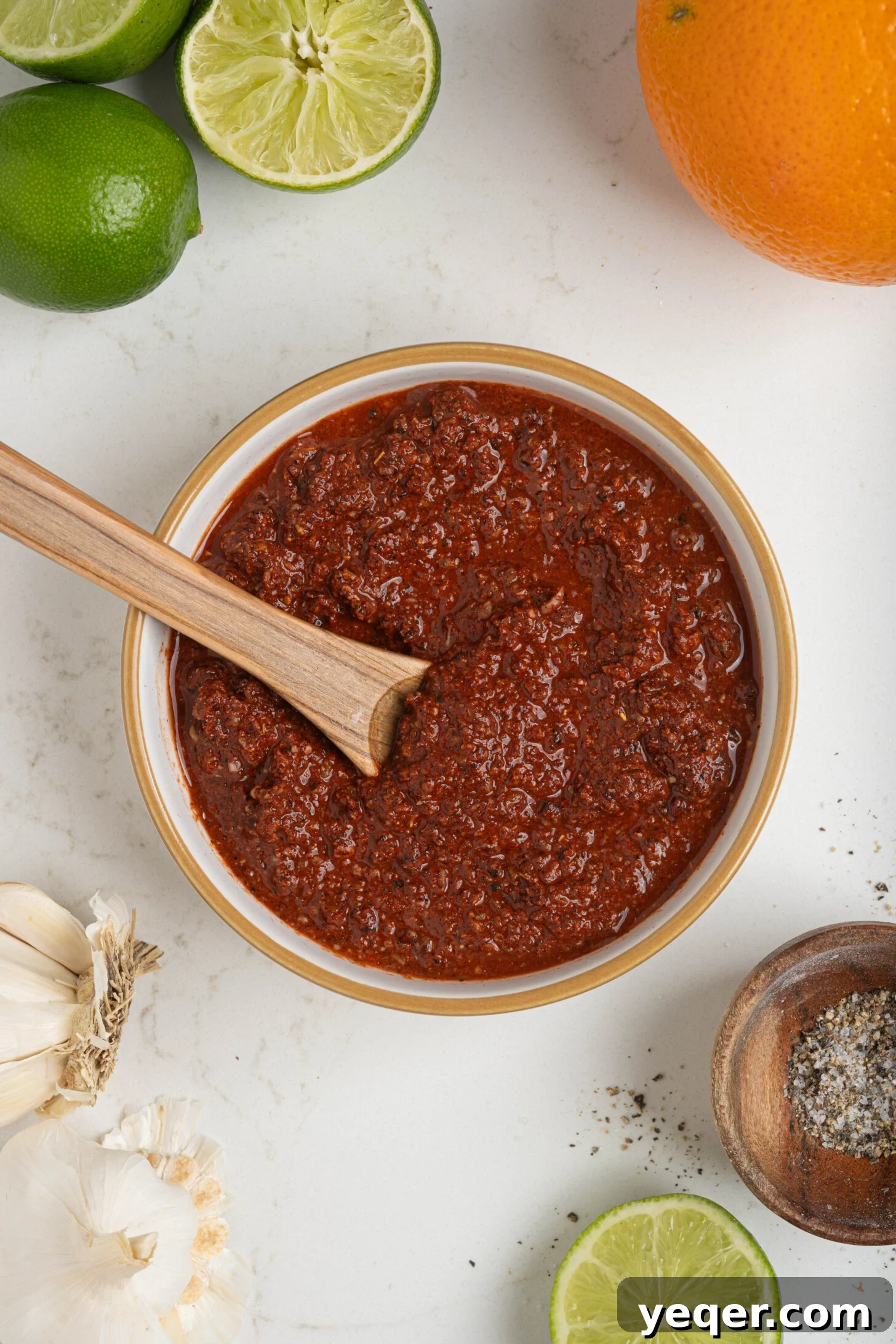
Why Choose Homemade Achiote Paste?
While store-bought achiote paste is readily available in many markets, making your own offers several undeniable advantages that contribute to a superior culinary experience. First and foremost, you gain complete control over the ingredients. This means no artificial colors, preservatives, or fillers often found in commercial versions. You can select the freshest whole spices and citrus, ensuring the most vibrant and authentic flavor profile possible.
Secondly, the freshness of freshly ground spices cannot be overstated. When you grind whole spices just before making the paste, you unlock their peak aromatic oils and flavors, resulting in a much more pungent and complex paste than one made with pre-ground spices or those that have sat on a shelf for months. The subtle nuances of annatto, coriander, and cumin are truly pronounced in a homemade batch.
Finally, customizing your paste to your exact preferences is a significant benefit. Want more garlic? Add it! Prefer a touch more heat? Incorporate a pinch of chili. The ability to fine-tune the consistency and flavor balance makes homemade achiote paste a truly personal and exceptional ingredient in your cooking journey. It’s a simple step that yields profound flavor dividends.
Storage and Preservation: Maximizing Freshness
One of the great advantages of making your own achiote paste is having a fresh, flavorful condiment on hand whenever inspiration strikes. Proper storage is key to maintaining its vibrant flavor and color. Once prepared, transfer your homemade achiote paste to an airtight container. It will keep beautifully in the refrigerator for up to a month, allowing you to enjoy its benefits over several weeks of cooking. For longer-term storage, achiote paste freezes exceptionally well. Portion it into smaller containers or even ice cube trays, then transfer the frozen cubes to a freezer-safe bag. It can be stored in the freezer for up to three months without significant loss of flavor or color. Simply thaw the desired amount in the refrigerator overnight or directly add a frozen cube to hot dishes like stews or rice for instant flavor. This makes meal prep incredibly convenient, ensuring you always have this powerful ingredient ready to go.
More Tasty Latin Sauces & Marinades to Explore
Achiote paste is just one of many incredible sauces and marinades that define the vibrant flavors of Latin cuisine. If you love this recipe, be sure to explore these other delicious additions to your culinary repertoire:
A bright and herbaceous Argentine sauce, perfect for grilled meats.
A zesty and fiery hot sauce from Puerto Rico, fantastic on almost anything.
A pungent garlic sauce, ideal for marinating and dipping, especially with pork and root vegetables.
A fresh and tangy sauce with a creamy texture, perfect for tacos, salads, and grilled dishes.
Buen Provecho,

Print
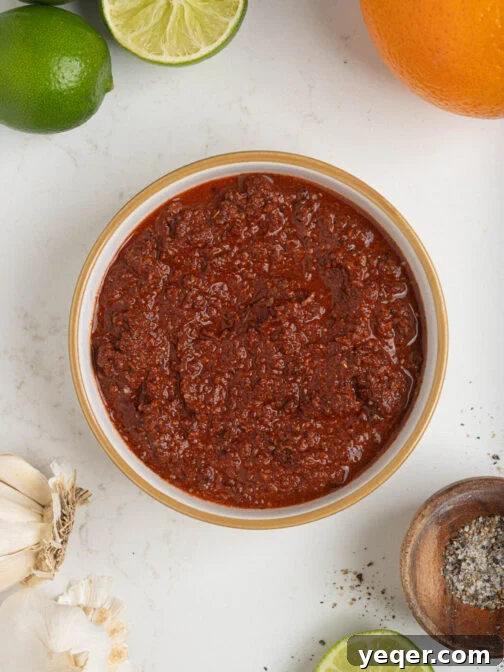
Quick DIY Achiote (Annatto) Paste
5 Stars
4 Stars
3 Stars
2 Stars
1 Star
No reviews
Author: Salima Benkhalti
Prep Time: 10 minutes
Total Time: 10 minutes
Yield: ½ cup 1x
Category: Sauce, Paste, Marinade
Method: Blended
Cuisine: Latin
Diet: Vegan
Description
This quick DIY Achiote Paste is an easy way to add flavor and color to your favorite meat marinades, rice dishes, stews and more. Made with a blend of annatto seeds, whole spices, vinegar and fresh citrus, it’s a powerful secret weapon to keep in the fridge and use to spice up your life!
Ingredients
Units
Scale
- 1/4 cup whole annatto seeds
- 1 tbsp coriander seeds
- 1 tbsp dried oregano
- 2 tsp cumin seeds
- 1 tsp peppercorns
- 2 whole cloves
- 1 tsp salt
- 6 garlic cloves, minced
- 1/4 cup orange juice (freshly squeezed)
- 1 tbsp lime juice
- 1 tbsp white vinegar
Instructions
- Grind the whole spices. In a mortar & pestle, food processor or spice grinder, carefully grind the annatto seeds, coriander seeds, dried oregano, cumin seeds, peppercorns, and cloves until a semi-fine, aromatic powder forms. Ensure the spices are well-broken down to release their full flavor.
- Blend with remaining ingredients. Transfer the freshly ground spices to a food processor. Add the salt, minced garlic, orange juice, lime juice, and white vinegar. Process and pulse the mixture until a smooth, vibrant red-orange paste forms. Scrape down the sides of the bowl as necessary to ensure even blending. For a thinner consistency, add an additional tablespoon of orange juice or vinegar at a time until desired texture is reached. Refer to the notes section for detailed storage instructions.
Equipment
Food Processor
Buy Now →
Pilon (Mortar & Pestle)
Buy Now →
Notes
Storage: Store your homemade achiote paste in an airtight container in the fridge for up to a month. For longer preservation, it can be frozen for up to 3 months. For easy portioning, freeze in small ice cube trays.
Usage ideas: This versatile paste is excellent as a marinade or rub for a variety of meats, fish, and vegetables. It also adds beautiful color and deep flavor to starchy dishes like rice, empanada doughs, and various types of breads and stews. Experiment with a spoonful in your favorite Latin-inspired recipes to enhance their authenticity and appeal.