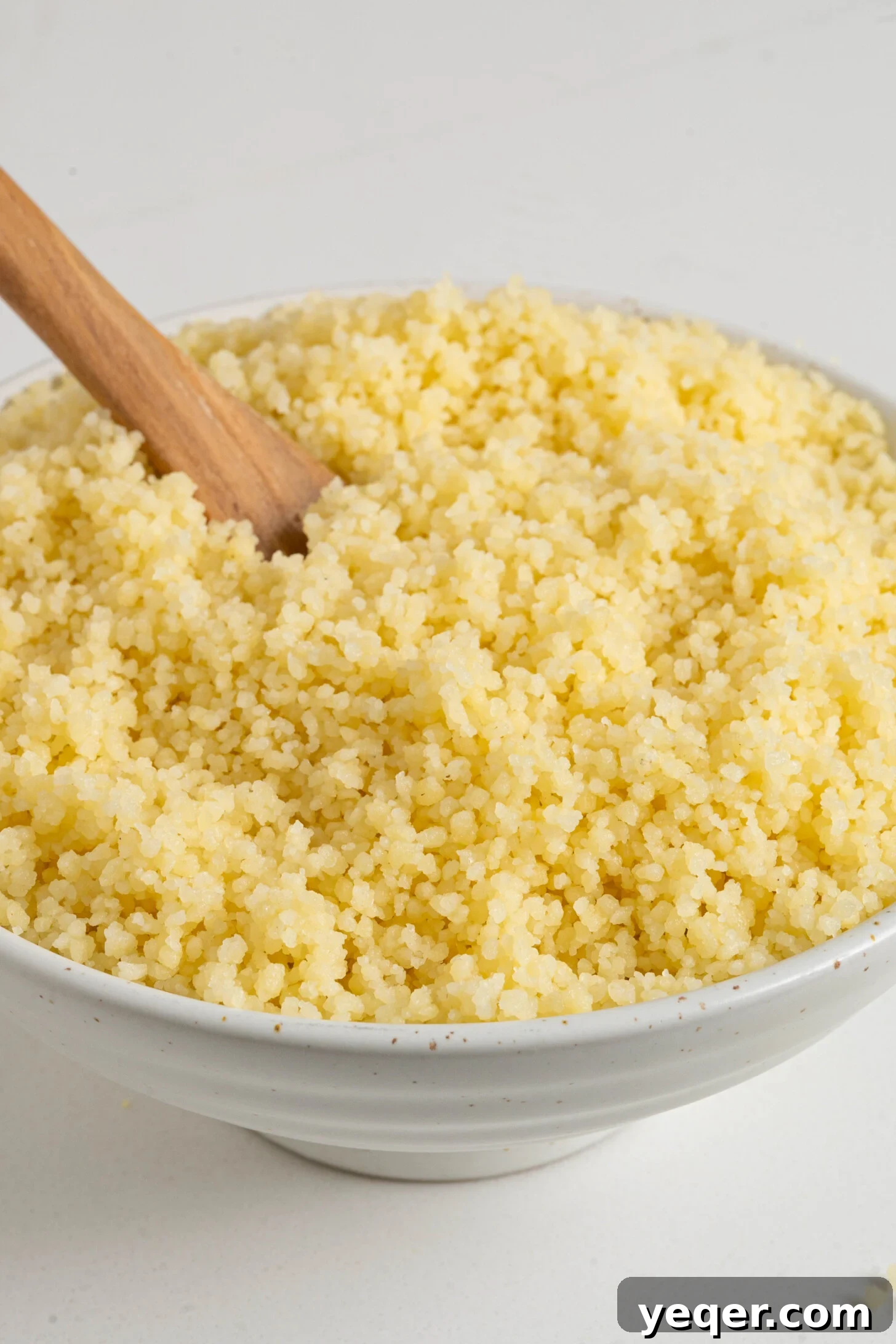
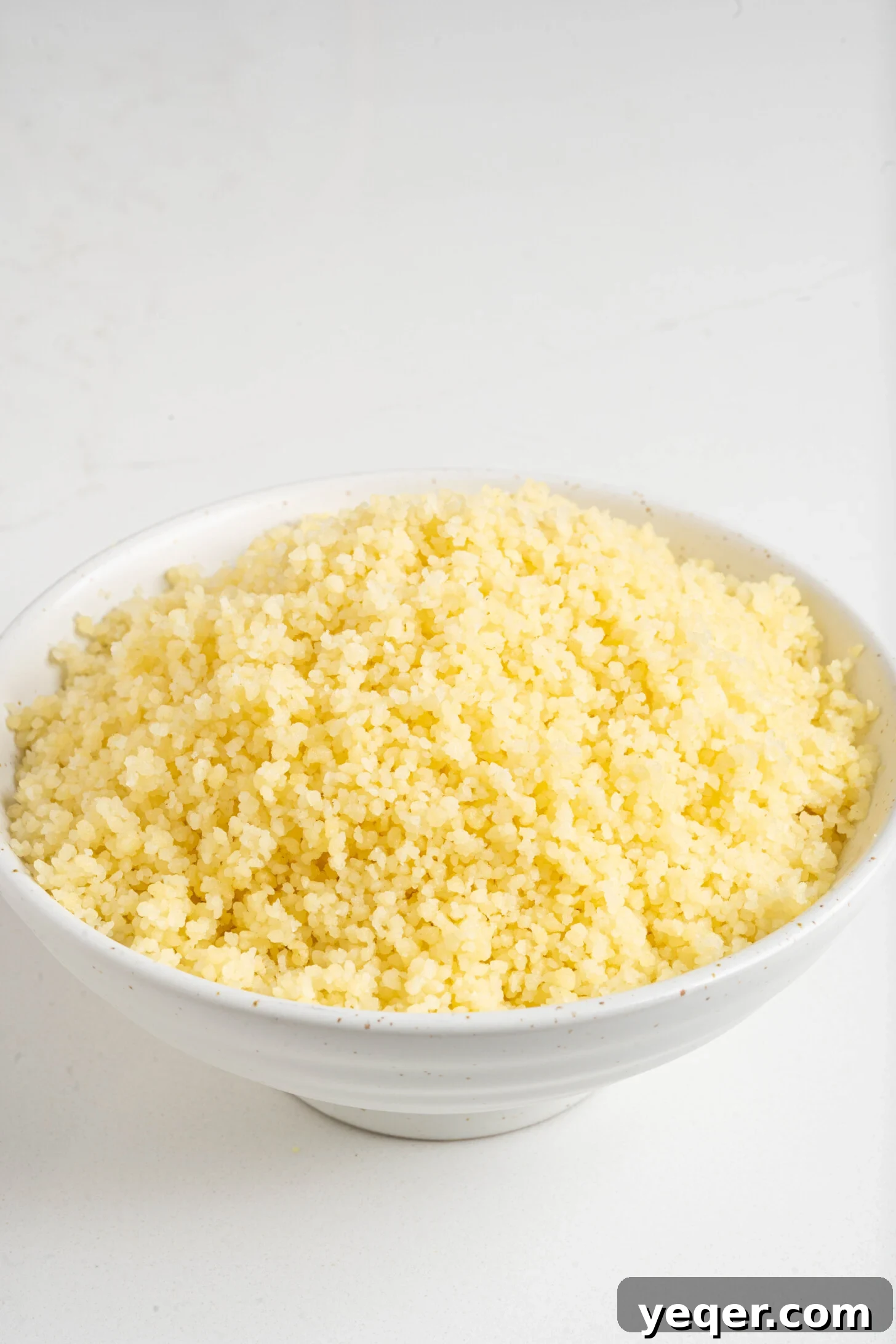
Unlock the secret to perfectly fluffy couscous in mere minutes! This comprehensive guide, steeped in Moroccan culinary tradition, shares everything you need to know to master this delicate, versatile pasta. As someone who grew up enjoying couscous as a weekly staple in classic Moroccan meals, I’m here to show you how to achieve that light, airy texture that truly elevates any dish.
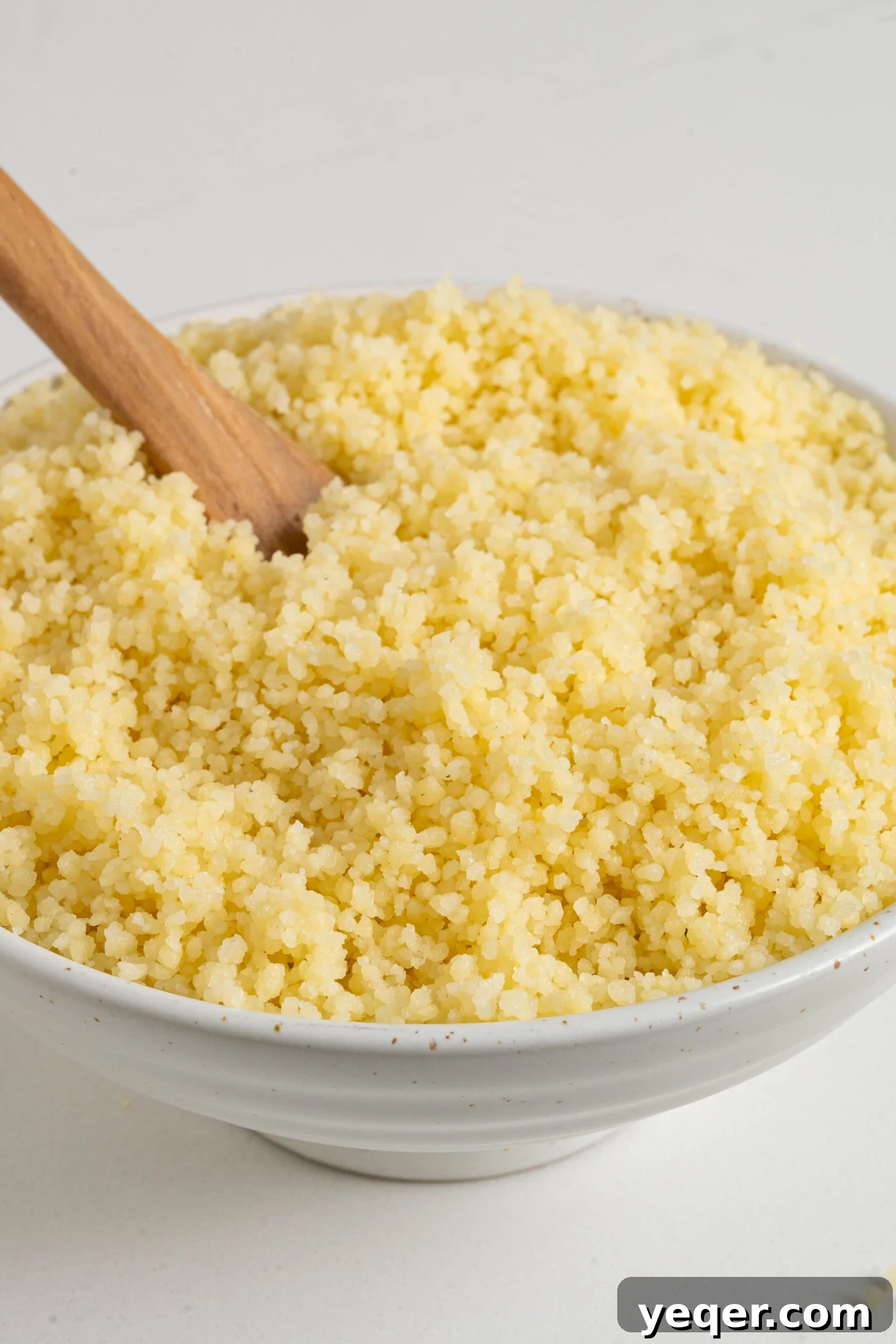
If you’ve ever had properly prepared couscous, you understand its unique appeal. Each tiny grain should feel distinct, light, and airy, never clumpy or soggy. While the preparation itself is remarkably simple and fast, a few crucial steps are key to achieving that ideal, fluffy result every single time. Forget disappointing, sticky couscous – we’re diving deep into the art of perfection.
Ready to transform your couscous game? Let’s get started!
The Golden Rules for Perfectly Fluffy Couscous, Every Time
Achieving consistently fluffy couscous boils down to three fundamental principles. Master these, and you’ll never look back:
- The Unwavering 1:1 Ratio: This is the cornerstone of success. Always use equal parts dry couscous to liquid (water or broth). Precision here prevents both dry, undercooked grains and soggy, overhydrated pasta.
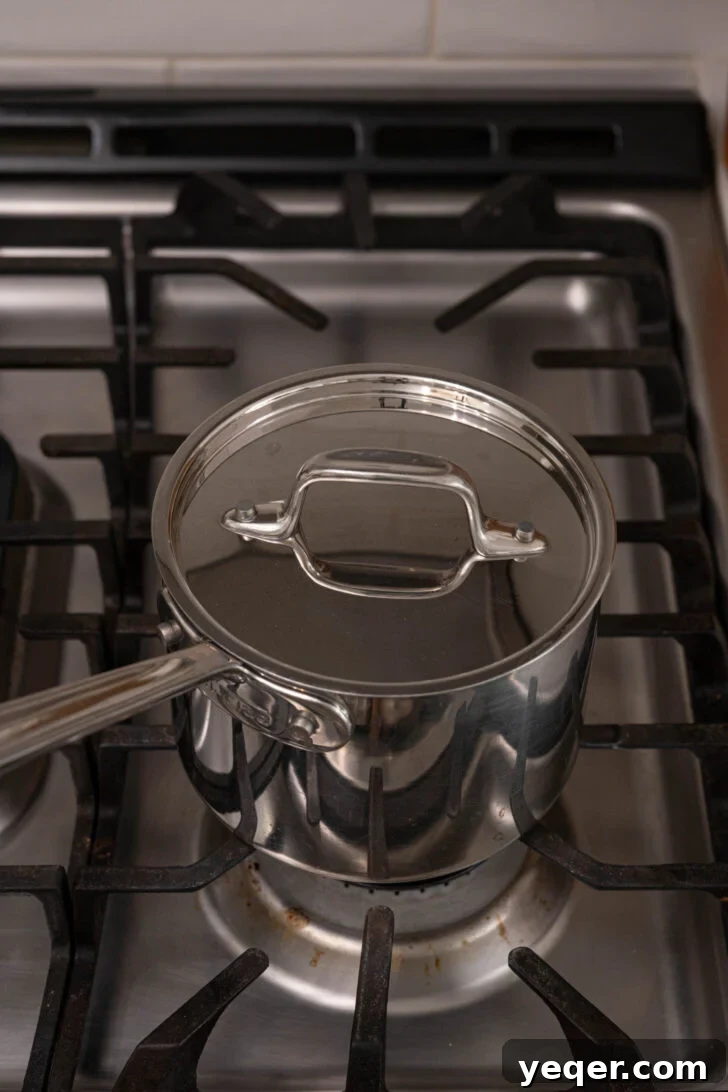
- Hands-Off During Hydration: Once you add the hot liquid, resist the urge to peek, stir, or touch. Cover the pot tightly and let it steam undisturbed for exactly 10 minutes. This crucial resting period allows the couscous to absorb the liquid evenly and fully cook without interference.
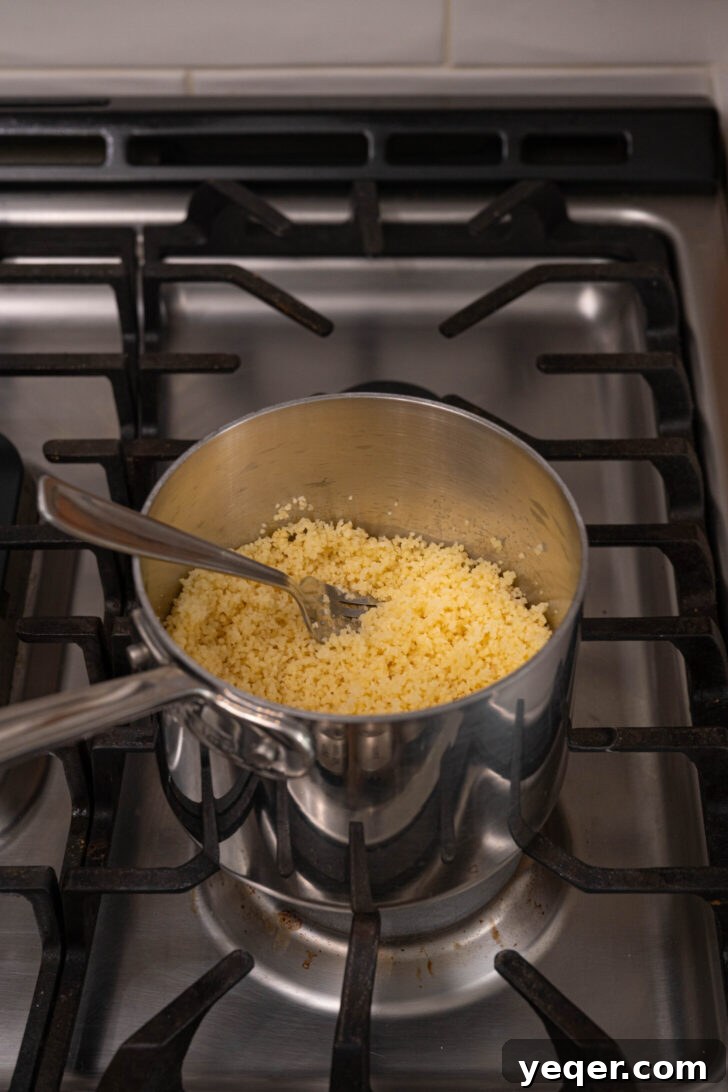
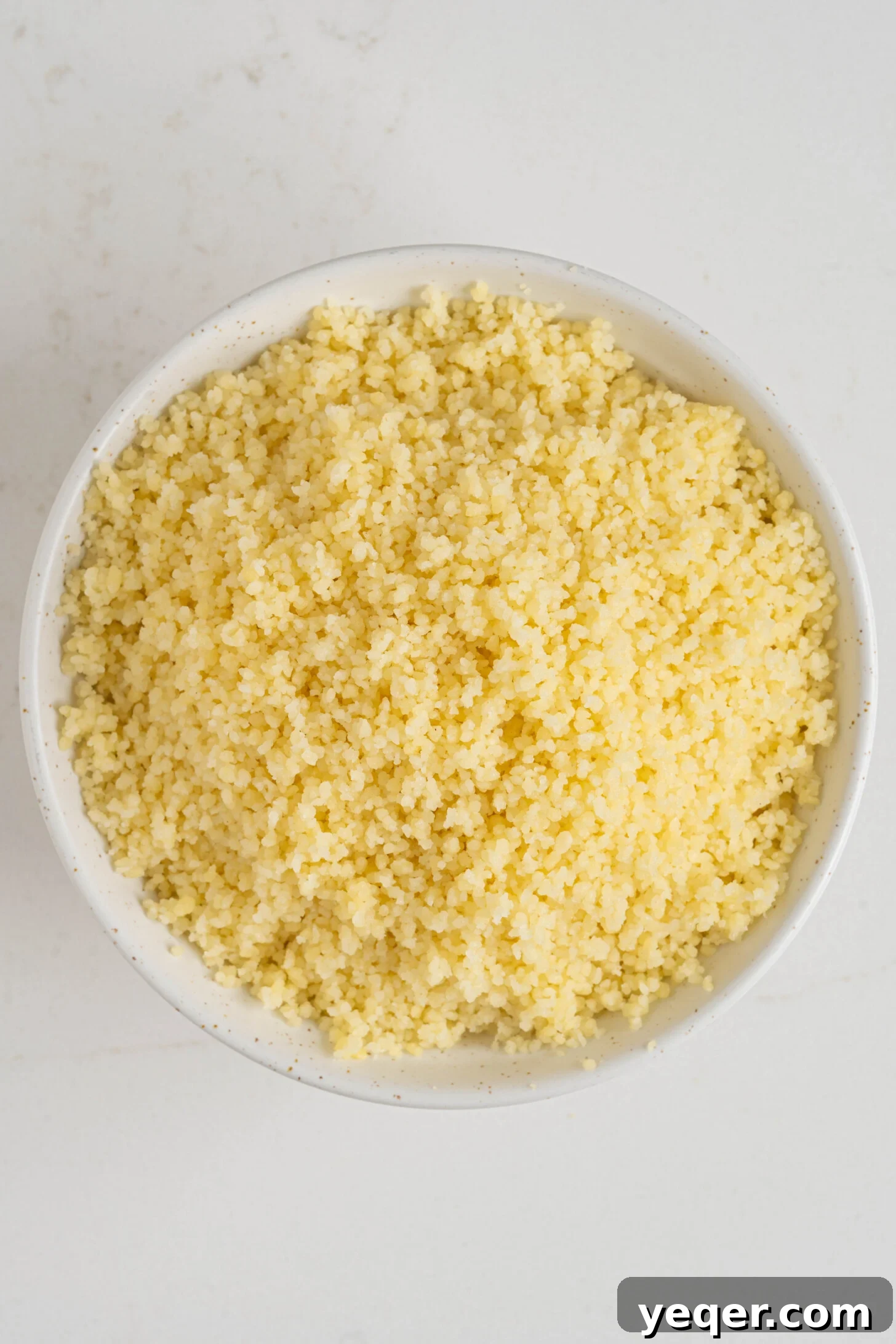
- The Art of the Fluff: Before serving, gently toss the cooked couscous with a fork. In Morocco, many prefer to use clean hands, delicately separating the grains to introduce air and enhance that signature fluffy texture. Don’t skip this step – it’s what truly transforms it!
By adhering to these simple yet critical guidelines, you’ll consistently produce couscous that is light, airy, and utterly delicious, a testament to its delicate nature as a pasta.
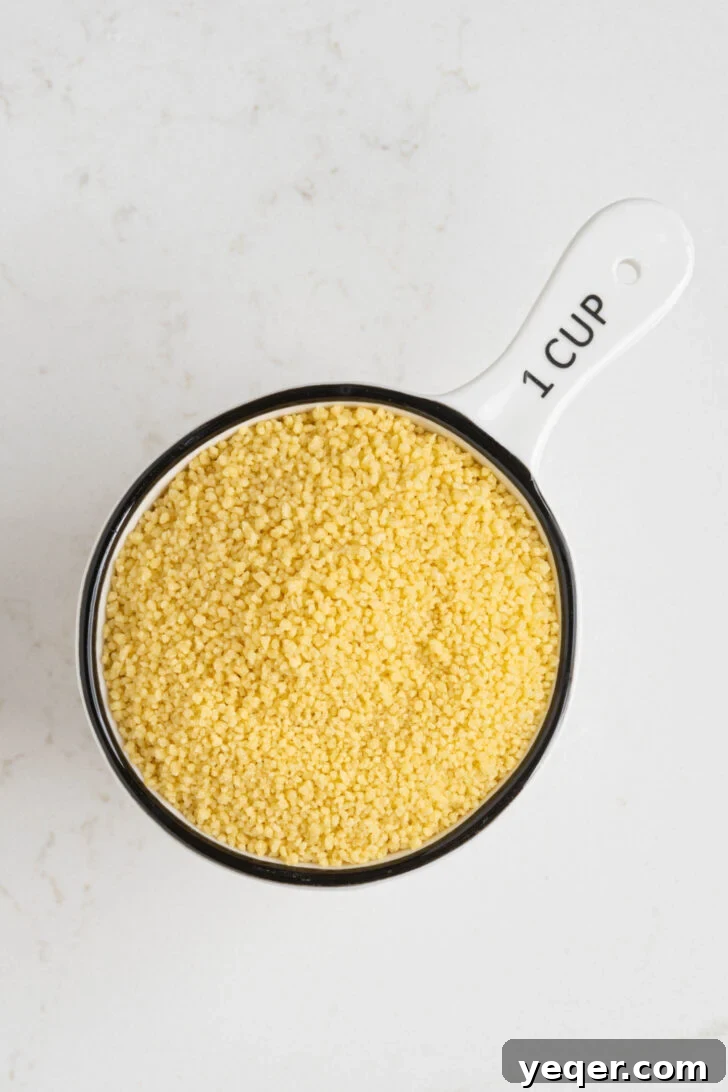
What You’ll Need: Simple Ingredients, Big Flavor
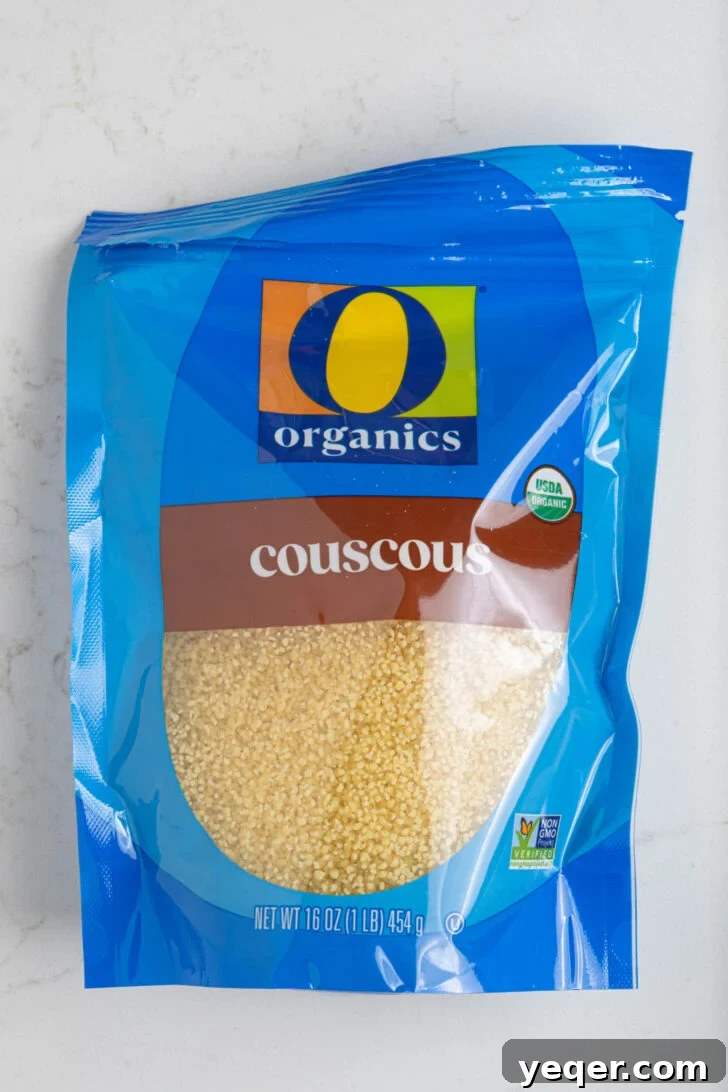
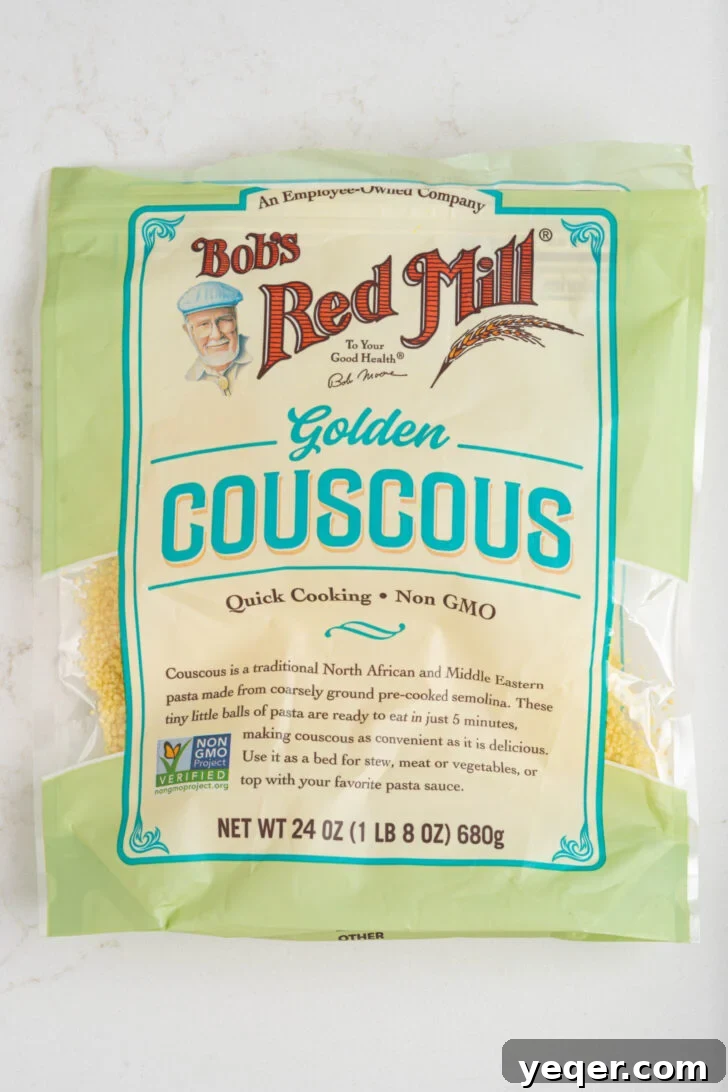
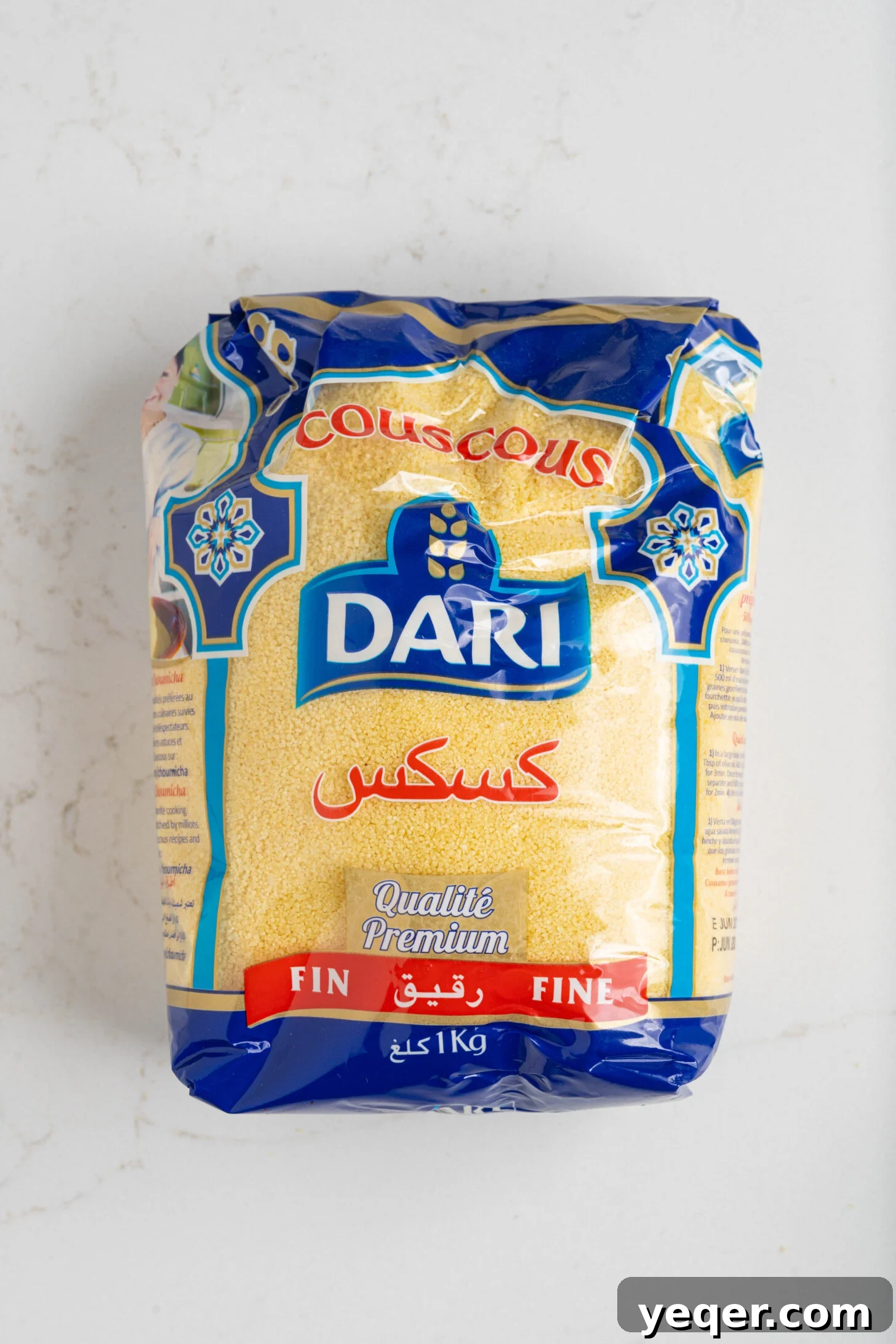
The beauty of this recipe lies in its simplicity, requiring just a handful of basic ingredients you likely already have on hand. For this stovetop method, you’ll want to use standard instant or quick-cooking couscous, typically labeled simply as ‘couscous’ in most American and European grocery stores. This type of couscous is pre-steamed and dried, making it incredibly fast to prepare.
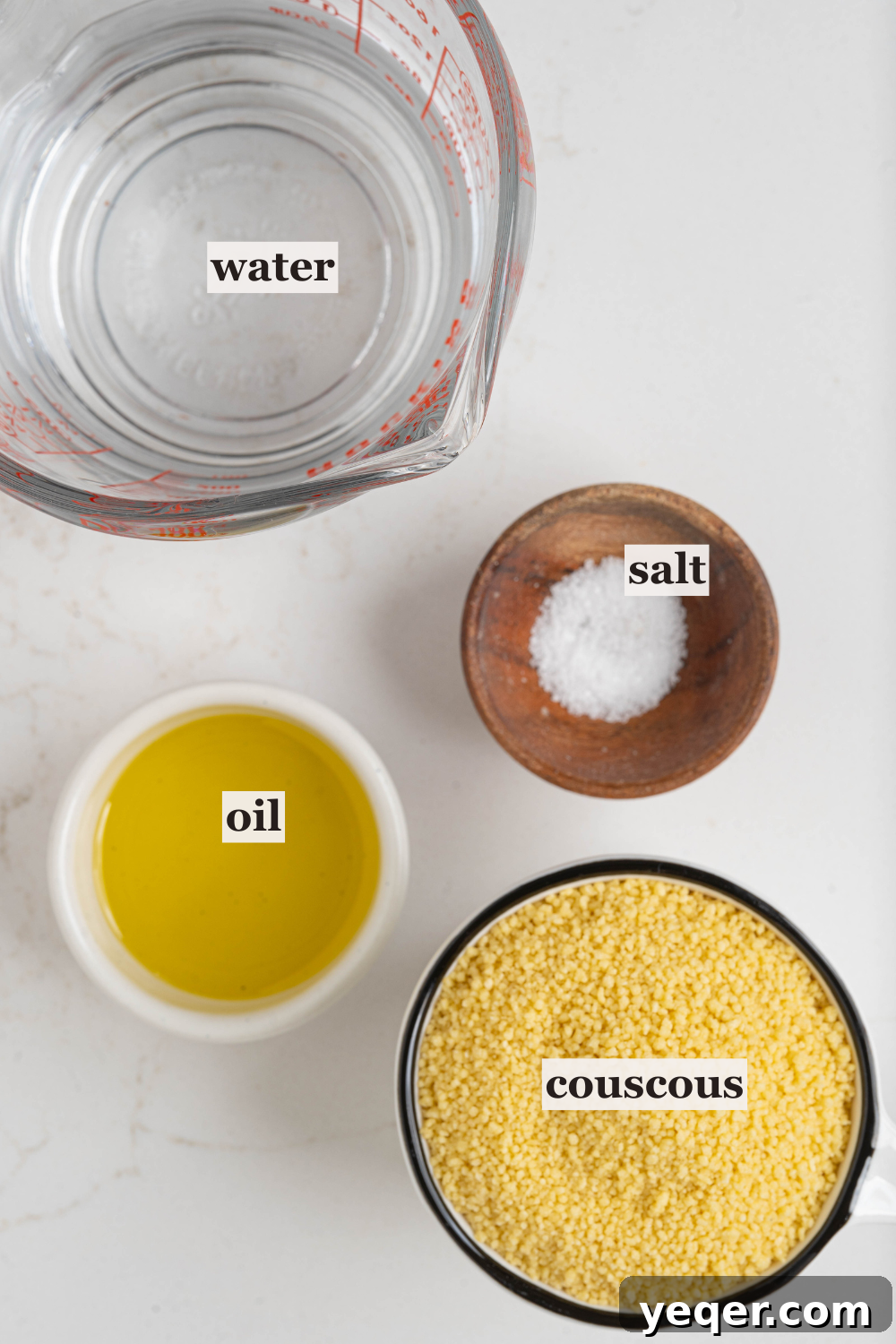
The Essential Ingredients:
- Couscous: 1 cup (instant/quick-cooking variety)
- Liquid: 1 cup water or broth (chicken, vegetable, or beef broth adds a wonderful depth of flavor)
- Fat: 1 tablespoon olive oil, ghee, or unsalted butter (this helps prevent sticking and adds richness)
- Seasoning: A pinch of salt (to enhance the overall taste)
These quantities yield approximately 2 cups of fluffy couscous, perfect as a side dish for 2-4 people. You can easily scale this recipe up or down by maintaining the strict 1:1 ratio of couscous to liquid.
Step-by-Step Instructions: Your Couscous Masterclass
Follow these straightforward steps to achieve perfectly fluffy couscous every single time. It’s so easy, you’ll wonder why you ever made it any other way!
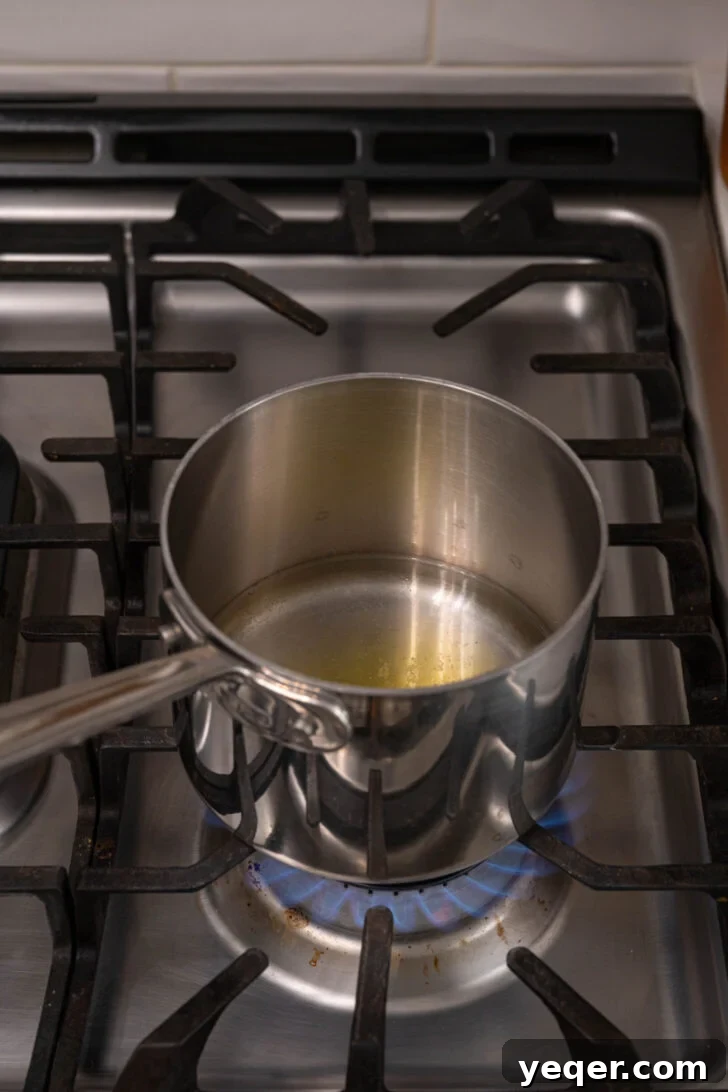
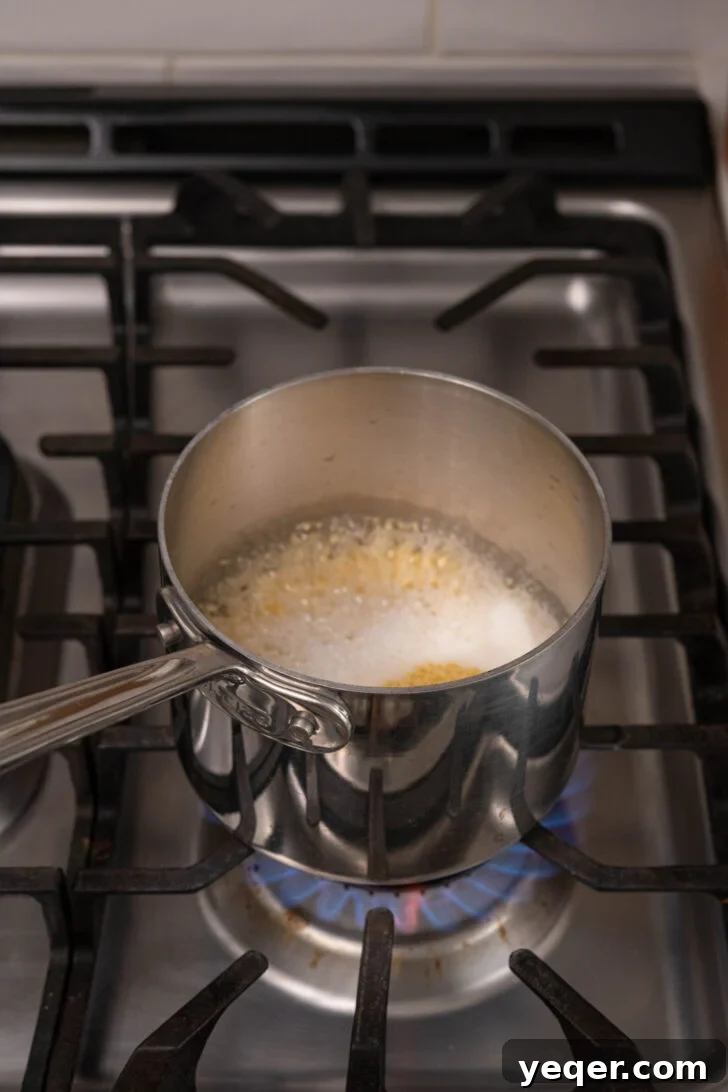
Troubleshooting Common Couscous Issues:
- Soggy Couscous: This almost always indicates too much liquid or lifting the lid too early. Ensure your 1:1 ratio is precise and that the pot remains tightly covered for the full 10 minutes. If it’s slightly soggy, spreading it on a baking sheet to cool and dry out briefly can sometimes help.
- Dry or Crunchy Couscous: This happens if there isn’t enough liquid, or if the lid wasn’t tight enough, allowing steam to escape. Double-check your measurements and ensure your pot lid creates a good seal. If it’s too dry after fluffing, you can sprinkle a tablespoon or two of hot water or broth over it, cover again for 2-3 minutes, then re-fluff.
Exploring the Traditional Couscoussier Method
While our quick stovetop method yields excellent results, it’s worth understanding the traditional approach, especially if you’re interested in Moroccan cuisine. A couscoussier is a specialized cooking vessel, essentially two stacked pots with a steamer basket on top. This iconic tool is ubiquitous in Moroccan markets (Medinas) and is purpose-built for creating authentic, richly flavored couscous, often served as part of elaborate dishes like Moroccan couscous with lamb, traditionally enjoyed on Fridays.
The couscoussier’s design allows the couscous in the top steamer to be infused with the aromatic steam from broth, meats, and vegetables simmering in the bottom pot. This multi-level cooking process steams the couscous multiple times, requiring careful, manual fluffing and re-steaming, a technique that produces an unparalleled depth of flavor and texture in traditional Moroccan cooking. However, this method is considerably more time-consuming and complex than the simple stovetop technique we’ve shared today.
If you own a couscoussier and wish to use it, it’s crucial to use a finer, non-pre-cooked couscous, often labeled “medium” or “fine” couscous, not the instant variety. This raw couscous requires thorough rinsing and specific steaming cycles to achieve its delicate texture. For most home cooks seeking a quick and easy side dish, the stovetop method remains the most practical and efficient choice for perfectly fluffy results.
What to Serve Alongside: Perfect Pairings
Fluffy couscous is incredibly versatile and serves as an excellent canvas for a wide array of main courses. Its neutral yet satisfying flavor makes it an ideal accompaniment for rich stews, grilled meats, and vibrant vegetable dishes. Here are a few of my absolute favorite recipes that pair beautifully with freshly made couscous, bringing a taste of Morocco to your table:
Beyond these Moroccan classics, couscous is also a fantastic side for roasted vegetables, grilled fish, or any saucy curry or stew. It’s an excellent alternative to rice or quinoa when you want something quick, light, and absorbent.
Quick Tips to Add Flavor: Elevate Your Couscous
Couscous, being a delicate pasta, is like a blank canvas, eagerly absorbing any flavors you choose to introduce. This makes it incredibly easy to customize and infuse with your favorite spices, herbs, and seasonings. Here are some simple yet effective ideas to boost your couscous’s flavor profile:
- Infuse with Compound Butter: For a quick flavor punch, stir a tablespoon or two of your favorite compound butter (such as garlic herb butter, lemon dill butter, or harissa butter) into the boiling water or broth *before* adding the couscous. This allows the butter to melt and distribute its aromatic goodness throughout the grains as they hydrate.
- Fresh Herbs and Bright Citrus: After fluffing, mix in a generous handful of freshly minced herbs like parsley, cilantro, mint, or chives. A squeeze of fresh lemon juice and a sprinkle of lemon zest will add a bright, zesty finish, making your couscous taste incredibly fresh and vibrant. This is especially delightful when serving with lighter meals like fish or chicken.
- Load it with Veggies and Cheese: Transform your couscous from a simple side to a more substantial dish by incorporating cooked vegetables or a sprinkle of cheese. Think sautéed bell peppers, zucchini, roasted cherry tomatoes, or finely diced cucumber. For cheese, crumbled feta, goat cheese, or a hint of Parmesan can add a lovely tang and creaminess. For more inspiration on creating a flavorful, hearty couscous dish, check out this fantastic 30-minute Warm Couscous Salad recipe.
- Spice it Up: A pinch of ground cumin, coriander, turmeric, or a blend like Ras el Hanout can add warmth and an exotic touch to your couscous. Add spices to the boiling liquid along with the salt and oil for even distribution.
- Nutty Crunch: Toasted pine nuts, slivered almonds, or chopped pistachios can add a delightful textural contrast and a rich, nutty flavor. Stir them in just before serving.
Storage and Reheating Tips
Cooked couscous can be stored in an airtight container in the refrigerator for up to 3-4 days. To reheat, you can gently warm it in a microwave with a splash of water or broth, stirring halfway through, or steam it on the stovetop over low heat until warmed through and fluffy again. Adding a tiny bit of moisture helps prevent it from drying out.
Thank you for joining me on this culinary journey. I hope this guide empowers you to make the most delicious, fluffy couscous with confidence, adding a touch of Moroccan magic to your everyday meals.