
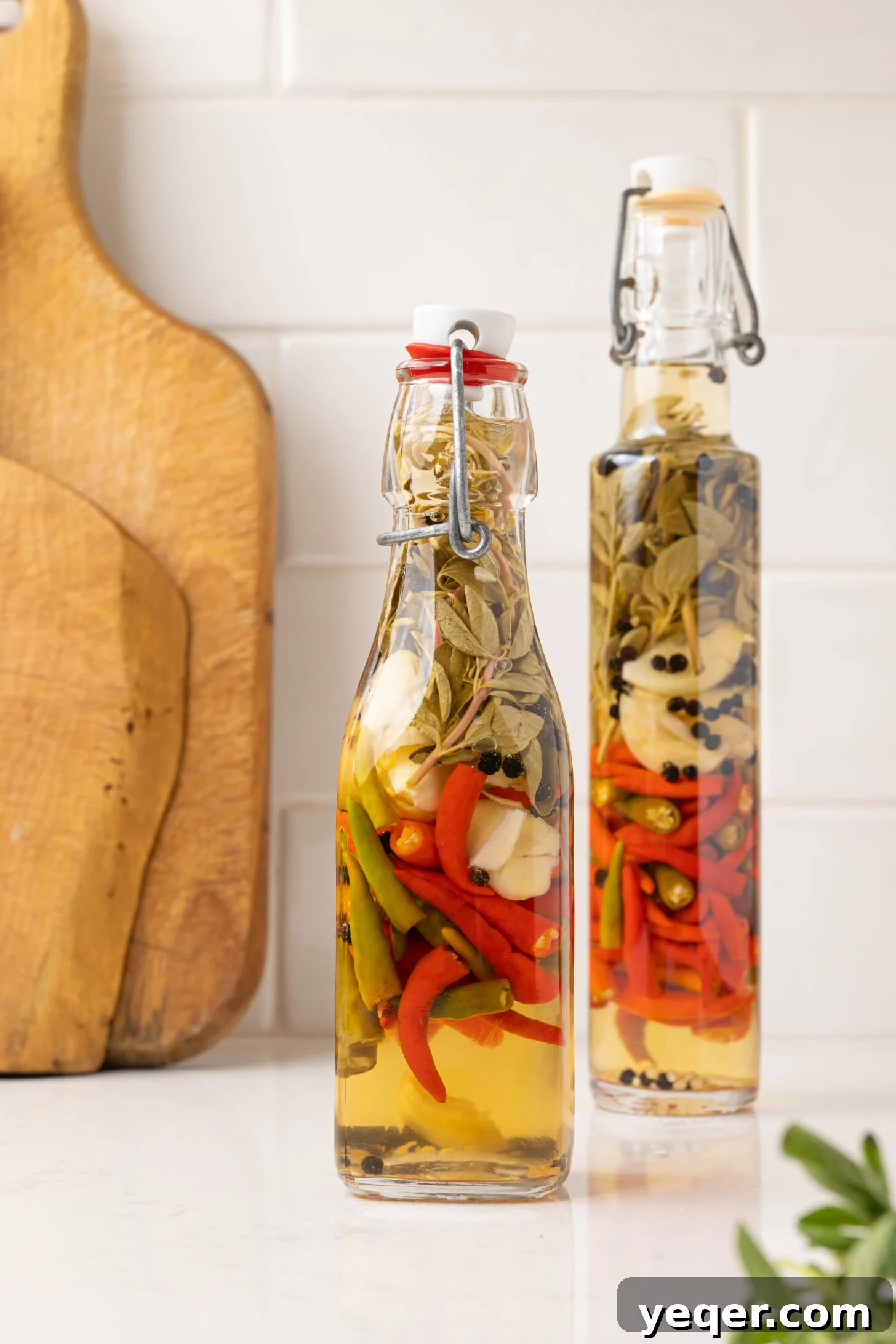
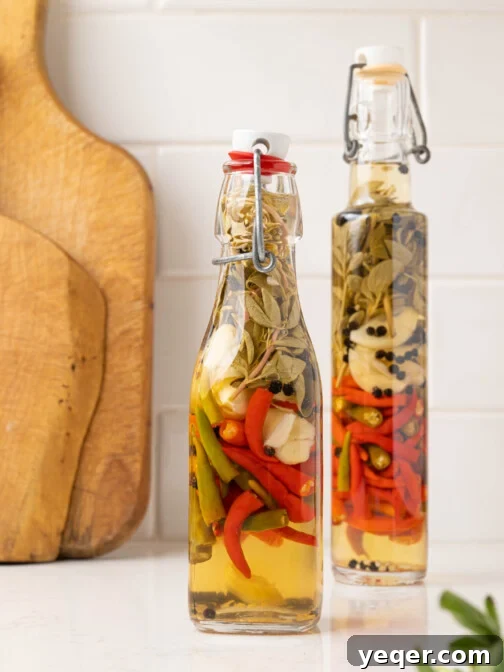
Pique is more than just a hot sauce; it’s a vibrant expression of Puerto Rican culinary tradition, bringing a distinctive tang and a gentle warmth to a myriad of dishes. This homemade condiment, characterized by its bright vinegar base infused with fiery peppers, pungent garlic, aromatic oregano, and bold peppercorns, is a staple in many Puerto Rican households and restaurants. Requiring a mere 10 minutes of active preparation, followed by a few days of patient countertop fermentation, pique develops a complex, layered flavor that is both refreshing and exciting.
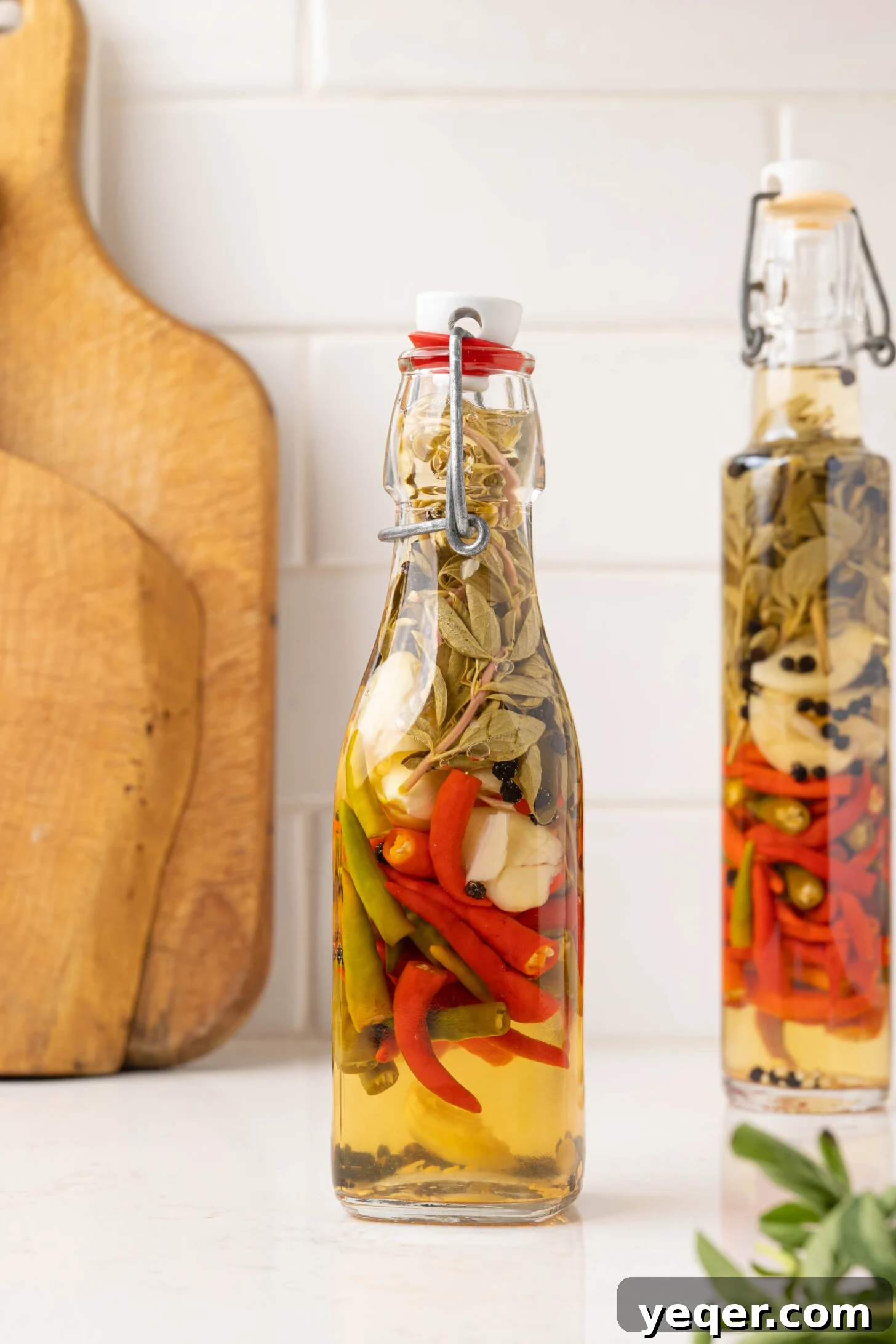
While Puerto Rican cuisine isn’t typically renowned for its intense spiciness, the island’s rich and flavorful dishes often find their perfect complement in a high-quality hot sauce. Pique offers exactly that—a versatile, vinegary kick that elevates the dining experience without overpowering the inherent flavors of the food. It’s not uncommon to encounter a bottle of this beloved Puerto Rican hot sauce, whether lovingly homemade or carefully selected from a store, gracing tables across the island, ready to add a personal touch to any meal.
This vinegary, spicy concoction is an ideal companion for classic Puerto Rican dishes. Imagine drizzling it over hearty pasteles, savoring it with comforting arroz con pollo, or enhancing the robust flavors of a traditional sancocho. Pique’s bright acidity and subtle heat cut through rich flavors, making every bite more engaging and memorable. Beyond these traditional pairings, its versatility knows few bounds, transforming everyday meals into a culinary adventure.
The Essence of Pique: A Puerto Rican Staple
Pique holds a special place in Puerto Rican culinary culture, embodying a blend of simplicity, tradition, and flavor. Unlike many commercial hot sauces packed with artificial preservatives and additives, homemade pique celebrates fresh ingredients and a natural fermentation process. This not only results in a cleaner, more vibrant taste but also offers the satisfaction of crafting a condiment from scratch. The beauty of pique lies in its adaptability; while the core ingredients remain consistent, variations in pepper choice and added aromatics allow for endless personalization, making each batch uniquely delicious.
The history of pique, like much of Caribbean cuisine, is intertwined with the island’s diverse cultural influences. The Spanish brought vinegar, the Taino people cultivated various peppers, and African traditions contributed to the vibrant culinary tapestry. Over generations, these elements converged to create pique, a condiment that reflects the resilience and ingenuity of Puerto Rican cooks. It’s a testament to the idea that the best flavors often emerge from humble beginnings and simple, quality ingredients. This commitment to fresh, local produce is what gives pique its authentic, invigorating character.
Making your own pique is not just about producing a delicious hot sauce; it’s an immersive experience that connects you to the heart of Puerto Rican cooking. It’s an opportunity to experiment with different levels of heat and flavor, tailoring the sauce to your personal preference. From the moment you begin prepping the peppers to the exciting anticipation of the sauce maturing on your counter, every step is a rewarding part of the journey. The result is a condiment that not only tastes incredible but also carries a story, a connection to a rich culinary heritage.
Ingredients for Authentic Pique
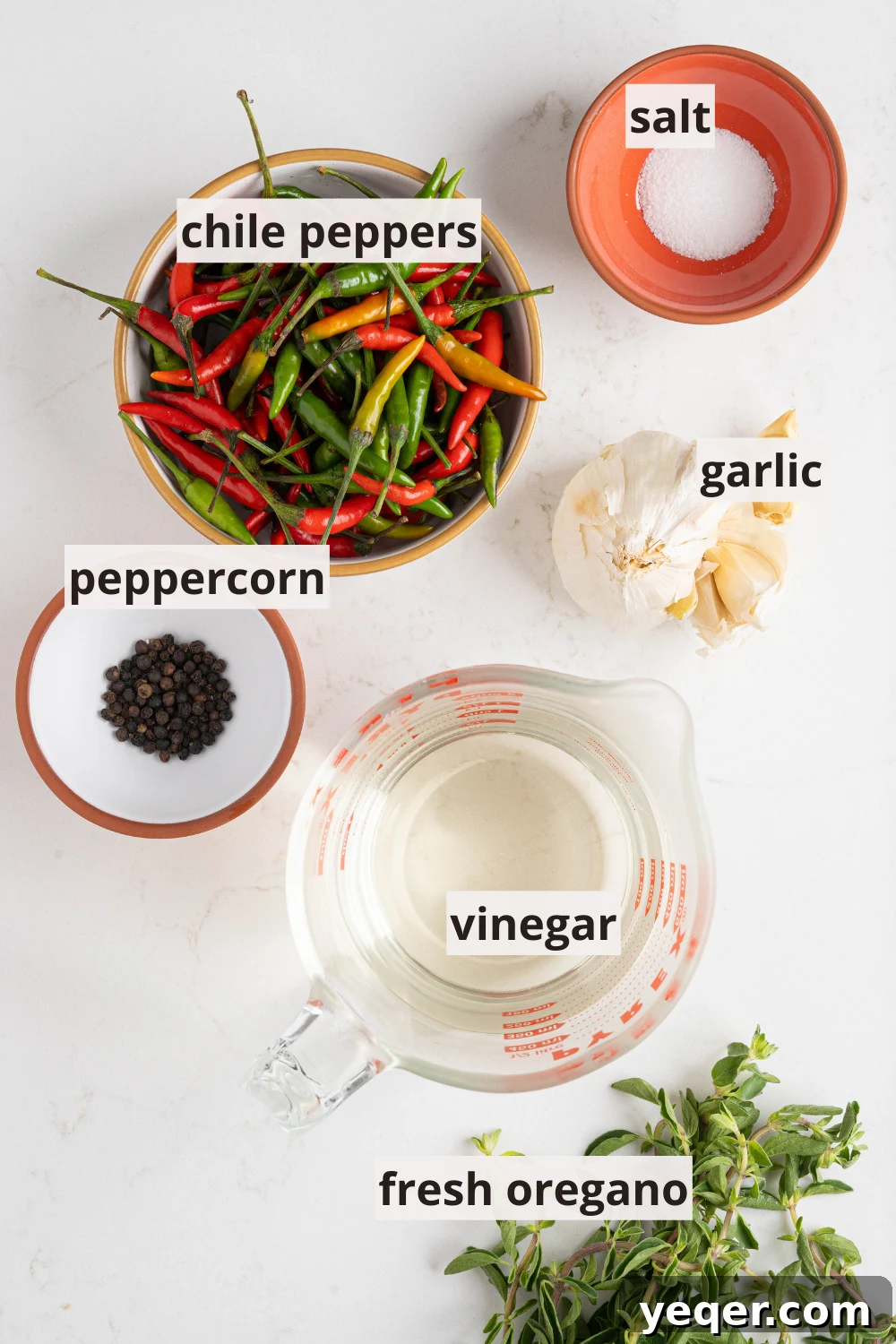
Creating your own batch of Puerto Rican pique begins with a selection of fresh, high-quality ingredients. While the exact proportions can be adjusted to personal taste, the core components are essential for achieving that authentic, zesty flavor profile. For specific quantities, always refer to your comprehensive recipe card.
The star of the show is, of course, the **chile peppers**. Traditional Puerto Rican pique often features local varieties such as ajíes caballeros, known for their distinct heat and flavor. However, you can easily substitute or blend other readily available peppers like jalapeños, habaneros (for a spicier kick), Scotch bonnets, or even aji pineapples. The choice of pepper allows you to control the heat level, from a gentle warmth to an intense blaze. The key is to use fresh, firm peppers that are free from blemishes, ensuring the best possible flavor and proper fermentation.
**White vinegar** forms the tangy backbone of pique. Its high acidity is crucial not only for preserving the sauce but also for extracting and balancing the flavors of the peppers and aromatics. The vinegar also plays a vital role in the mild fermentation process, contributing to the sauce’s unique depth and complexity. Opt for a good quality distilled white vinegar for a clean, sharp taste.
**Garlic**, in its fresh and smashed form, infuses the sauce with its characteristic pungent and savory notes. Using whole, peeled cloves allows the garlic flavor to slowly release and meld with the other ingredients over time. Similarly, fresh **oregano** provides an earthy, aromatic counterpoint to the vinegar and heat, adding a layer of herbal sophistication. If fresh oregano is unavailable, dried oregano can be used, though in a smaller quantity due to its more concentrated flavor.
**Whole peppercorns** contribute a subtle, peppery heat and a hint of spice, complementing the chili peppers without competing with them. Black peppercorns are most commonly used, but a blend of different colored peppercorns can add visual appeal and a broader spectrum of peppery notes. Finally, a touch of **salt** is essential to enhance all the flavors and aid in the preservation process. Remember that the quality of each ingredient directly impacts the final taste of your homemade pique, so choose wisely.
Crafting Your Homemade Pique: A Step-by-Step Guide
Making pique is a straightforward and rewarding process. With just a few simple steps, you’ll be on your way to enjoying your very own batch of this delightful Puerto Rican hot sauce. Please refer to your recipe card for precise measurements.
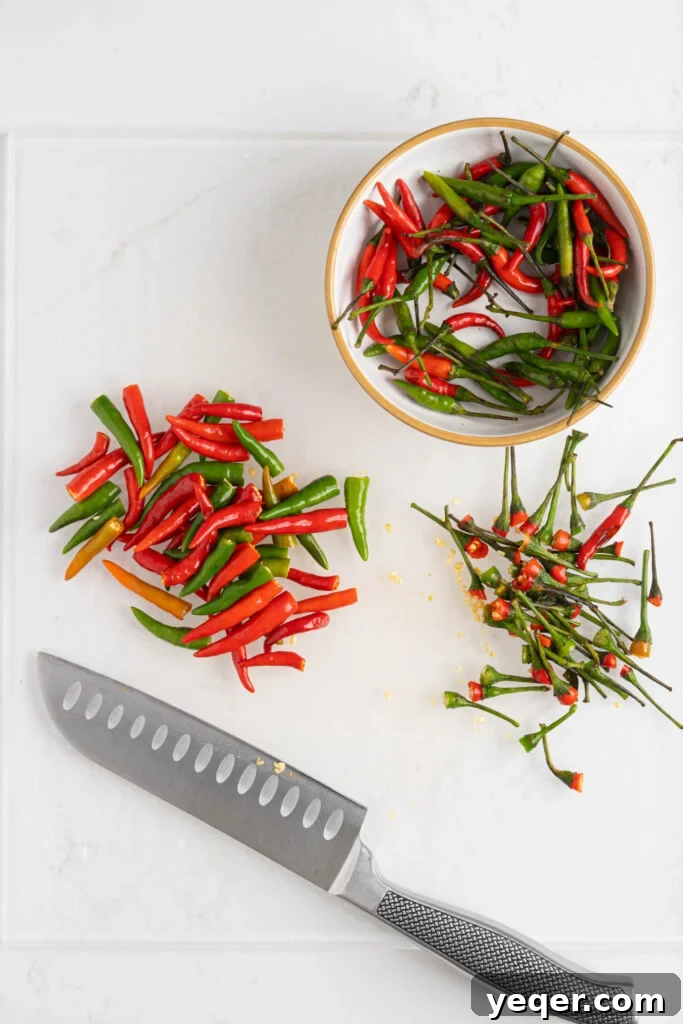
Step 1: Preparing the Peppers with Care
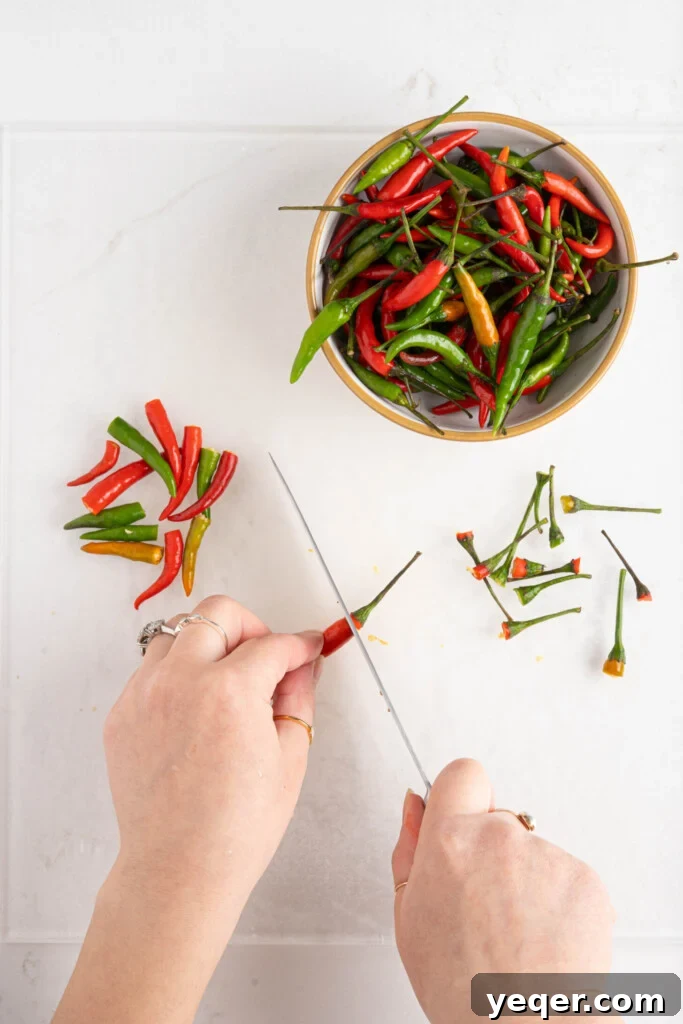
The first step involves preparing your chosen chile peppers. If you are working with larger varieties, carefully slice them in half lengthwise. This step also offers the opportunity to remove the seeds and the white membrane if you prefer a milder sauce; leaving them in will yield a spicier pique. After halving, chop the peppers into manageable pieces. The size of these pieces should be small enough to easily fit through the neck of your chosen bottling jar. Remember, safety first: always wear gloves when handling hot peppers to prevent skin irritation, which can last for hours or even days if not properly managed.
Step 2: Combining the Aromatic Ingredients
Once your peppers are prepped, it’s time to assemble your pique. Carefully add the chopped peppers to your clean, sterilized jar. Follow this with the peeled and smashed garlic cloves, fresh oregano sprigs, whole peppercorns, and a pinch of salt. Finally, pour in the white vinegar, ensuring it fully submerges the solids. It is crucial to leave an inch or two of headspace at the top of the bottle. This gap is vital because pique undergoes a mild fermentation process, which can cause the liquid to bubble and expand. Securely seal the bottle with a tight-fitting lid, then give it a good shake to thoroughly mix all the ingredients. This initial shake helps to distribute the flavors evenly and kickstart the infusion process.
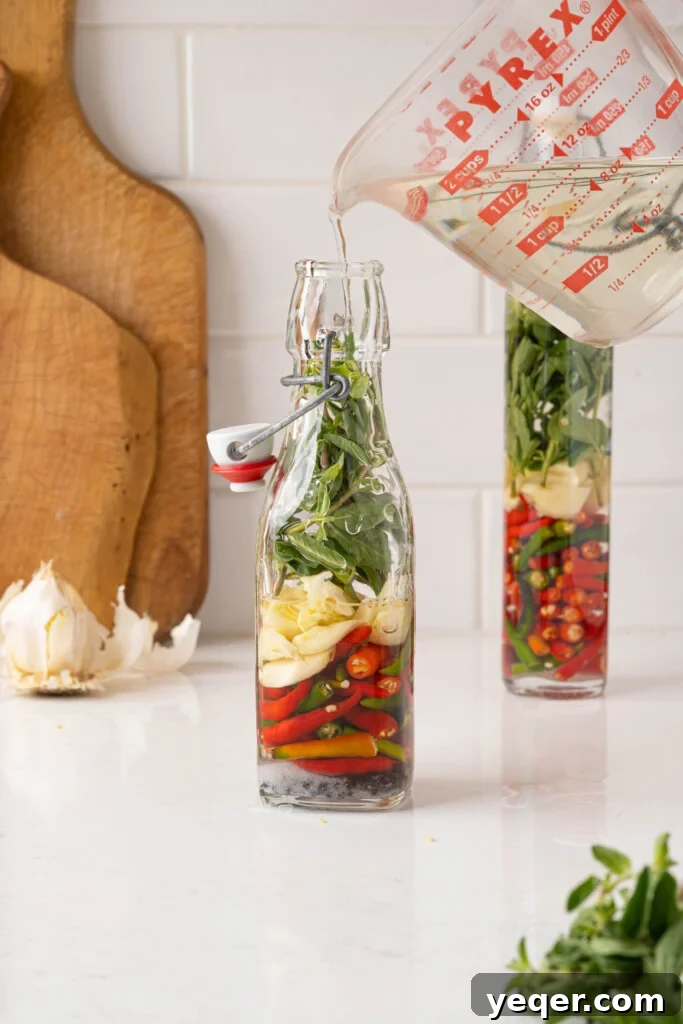
Seal and shake the bottle to get everything mixed together.
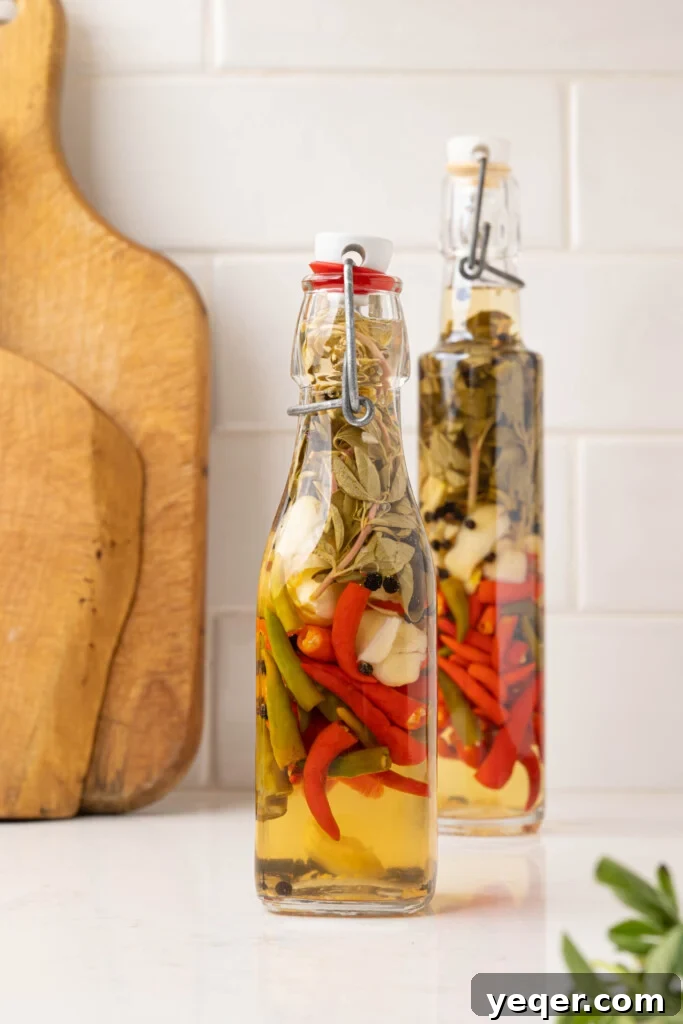
Step 3: The Flavor Development – Fermentation and Patience
With all the ingredients combined, the next stage is one of patience and anticipation. Place your sealed jar of pique on your countertop at room temperature for a minimum of a few days. During this time, the vinegar will work its magic, extracting the vibrant flavors and essential oils from the peppers, garlic, and herbs. A subtle fermentation will also occur, further developing the sauce’s complexity and depth. While pique can be enjoyed after just a few days, many connoisseurs agree that its flavor continues to deepen and mature over weeks, or even months, becoming richer and more harmonious with time. You can begin sampling it after three to five days to determine if it has reached your preferred flavor intensity. Once ready, your homemade pique is prepared to elevate any dish you desire.
For those who prefer a smoother, more conventional red hot sauce consistency, an alternative method can be employed. After the fermentation period, simply blend all the ingredients in a food processor or blender until smooth. Then, strain the mixture through a fine mesh strainer to remove any solids, leaving behind a perfectly smooth and fiery condiment. This variation offers a different texture while retaining all the incredible flavors of traditional pique.
Eager to discover new ways to enjoy your freshly made hot sauce? Explore the extensive Puerto Rican recipe archive to find a plethora of dishes that will benefit from a dash or two of your vibrant pique!
Picking the Perfect Bottle for Your Pique
The choice of bottle for your homemade pique is more significant than you might think, impacting both the ease of use and the preservation of your delicious hot sauce. You will definitely need a suitable container to store your finished creation.
I personally advocate for reusing old hot sauce bottles or even small olive oil bottles. This approach is not only eco-friendly but also practical. However, it is paramount to ensure that any glass bottle you plan to reuse is meticulously cleaned and sterilized. A clear glass bottle is preferable, as it allows you to easily monitor the contents and appreciate the vibrant colors of your pique. Thorough cleaning is essential to prevent any contamination that could affect the flavor or shelf life of your sauce.
When selecting a bottle, consider one with a narrow neck. This design offers superior control when pouring, allowing you to add just the right amount of sauce to your dishes without accidentally drenching them. Crucially, a narrow neck also helps to keep the larger solid components—like pepper pieces, whole peppercorns, or garlic cloves—contained within the bottle, ensuring that you dispense primarily the flavorful liquid. This is particularly important for pique, which is typically enjoyed as a liquid condiment, with the solids infusing their essence into the vinegar over time. A good seal is also vital to prevent air exposure, which can diminish flavor and reduce shelf life.
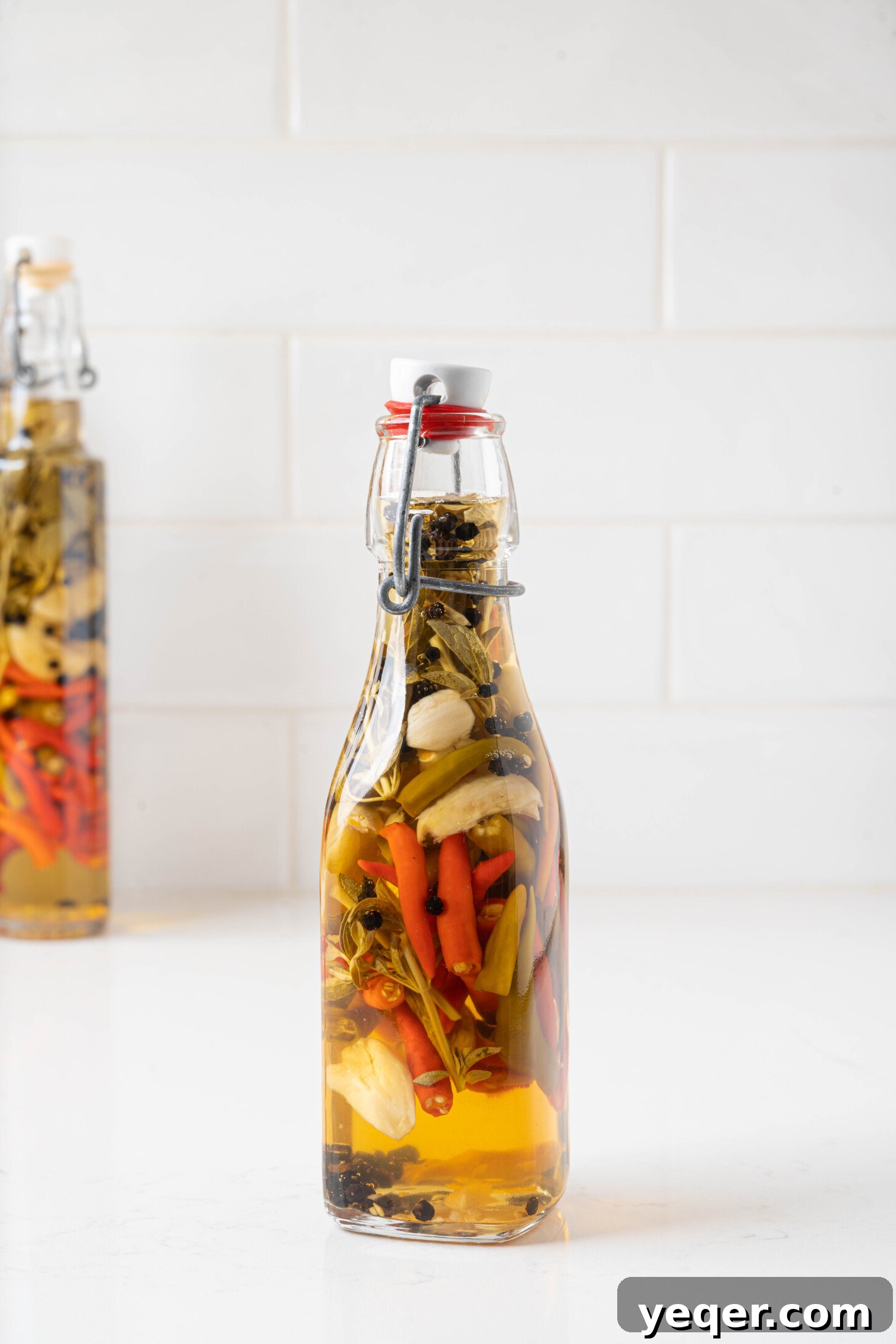
Unleashing the Flavor: Where to Use Your Puerto Rican Hot Sauce
The beauty of homemade Pique lies in its incredible versatility. As previously highlighted, it adds a delightful and invigorating kick to virtually any dish. Its bright, vinegary profile and fresh spice make it an indispensable condiment in the Puerto Rican kitchen and beyond. Here are some of my absolute favorite ways to incorporate this vibrant hot sauce:
- Traditional Puerto Rican Fare: Pique is a match made in heaven for classics like Pasteles, where its acidity cuts through the richness of the masa and meat filling. It’s equally fantastic with Arroz con Pollo, adding a zesty punch to the savory rice and chicken. And for a truly comforting experience, a dash of pique transforms a hearty Sancocho (beef and root vegetable stew) into an even more flavorful and dynamic meal. Don’t forget to try it with Puerto Rican Style Stewed Black Beans for an elevated everyday side.
- Breakfast Boost: Start your day with a zing! Pique is fantastic drizzled over scrambled eggs, omelets, or even a classic avocado toast. Its tanginess brightens up rich breakfast staples and adds an unexpected layer of flavor.
- Soups and Stews: Any soup or stew, from a simple chicken noodle to a hearty lentil, can be greatly enhanced with a few drops of pique. It adds depth and a warming heat that can awaken the palate, especially on a chilly day.
- Grilled Meats and Seafood: The acidic brightness of pique makes it an excellent accompaniment for grilled chicken, pork chops, or any type of grilled fish. It acts as a marinade enhancer or a finishing sauce, cutting through the smoky flavors and adding a fresh, spicy counterpoint.
- Rice and Beans: A foundational dish in many cultures, rice and beans become extraordinary with a generous splash of pique. It transforms a simple meal into something truly special, adding a layer of complexity and zest.
- Sandwiches and Wraps: Elevate your lunch! Use pique as a flavorful spread or drizzle in your favorite sandwiches, wraps, or even hot dogs and burgers. It provides an exciting alternative to standard condiments like ketchup or mustard.
- Appetizers and Snacks: From empanadas and alcapurrias to simple plantain chips, pique makes a fantastic dipping sauce. It also pairs wonderfully with cheese and crackers, offering a gourmet kick to a casual snack.
- Salads and Dressings: For an adventurous twist, incorporate a small amount of pique into your salad dressings or sprinkle it directly over green salads. Its vinegar base makes it a natural fit for vinaigrettes, infusing them with a spicy, herbaceous note.
Buen provecho,

10 Minute Pique (Puerto Rican Hot Sauce)
5 Stars 4 Stars 3 Stars 2 Stars 1 Star
5 from 1 review
Author: Salima Benkhalti
Prep Time: 10 minutes
Total Time: 2 days 10 minutes
Yield: 30 servings
Category: Sauce
Method: Fermented
Cuisine: Puerto Rican
Diet: Vegan
Description
Pique is a style of Puerto Rican hot sauce made with peppers, vinegar, garlic, oregano, and peppercorns. It requires just 10 minutes of prep, and a few days on the counter to develop maximum flavor.
Ingredients
- 1 cup chile peppers (can be ajíes caballeros, jalapeños, habaneros, ajis pineapples, or a blend of your favorite peppers)
- 3 cloves garlic, peeled and smashed
- 1/4 cup fresh oregano
- 1 tsp whole peppercorns
- 1 tsp salt
- 1 – 1 1/2 cups white vinegar
Instructions
- Prep the peppers. If using larger peppers, start by slicing the peppers in half and removing the seeds (optional). Next, chop the peppers into pieces small enough to fit into the jar you plan to bottle the pique in.
- Combine. Add the peppers, garlic, oregano, peppercorns, salt and vinegar to your jar. Make sure to leave an inch or two of space at the top of the bottle. Seal and shake the bottle to get everything mixed together.
- Store. Let the pique sit on your countertop for a few days before using on whatever you like.
Notes
To make this into a more conventional red hot sauce, blend all the ingredients and strain through a mesh strainer before bottling and fermenting.
This hot sauce keeps well on the countertop, because of the fermentation thanks to vinegar.