
Welcome to a culinary journey through Morocco! This comprehensive collection features over 25 traditional Moroccan recipes, designed to showcase just how incredibly flavorful and accessible Moroccan food truly is. From savory tagines passed down through generations in my family to iconic street food favorites and refreshing beverages, you’ll discover the vibrant tastes and aromas that define Moroccan cuisine. Get ready to explore an array of dishes, including many treasured family recipes, that promise to transform your kitchen into a fragrant Moroccan riad. Join me as we delve into the heart of Moroccan cooking, sharing tips for success and an enticing selection of dishes that celebrate a rich culinary heritage.
This post is dedicated to sharing more than 25 of my most beloved Moroccan recipes straight from the blog. Beyond the recipes themselves, I’ll also provide essential tips to ensure your Moroccan cooking endeavors are met with delicious success, allowing you to master the art of creating truly authentic dishes.
Table of Contents
- How to Develop Maximum Flavor in Moroccan Cuisine
- Essential Ingredients in Moroccan Cooking
- Delectable Moroccan Chicken Recipes
- Hearty Moroccan Couscous Dishes
- Rich Moroccan Lamb Recipes
- Comforting Moroccan Soup Recipes
- Fresh Moroccan Salad Recipes
- Traditional Moroccan Breakfast Delights
- Sweet Moroccan Dessert Recipes
- Refreshing Moroccan Drink Recipes
- Essential Moroccan Pantry Staples
How to Develop Maximum Flavor in Moroccan Cuisine
Moroccan cooking is celebrated for its deep, complex flavors, achieved through a blend of traditional techniques, aromatic spices, and fresh ingredients. Whether you’re preparing a savory entrée, a refreshing side dish, or a delightful dessert, you’ll encounter common culinary threads that weave through many Moroccan recipes, creating a harmonious and unforgettable dining experience.
Many of the authentic Moroccan dishes I cherished growing up were lovingly prepared and slow-cooked in a tagine. This iconic conical-shaped clay pot is not merely a cooking vessel; it’s a symbol of Moroccan culinary tradition. The tagine’s unique design allows for gentle, even cooking, trapping steam and infusing ingredients with rich moisture and concentrated flavors. While owning a traditional tagine isn’t strictly necessary to recreate these recipes – a Dutch oven or heavy-bottomed pot can often be substituted – it undeniably enhances the experience and adds an element of authenticity to your kitchen.
Unlocking the full potential of Moroccan flavors relies heavily on the artful use of specific seasonings, marinades, and flavor enhancers. These ingredients are the backbone of the cuisine, contributing to its distinctive taste profile:
- Ras el Hanout – This exquisite Moroccan spice blend, whose name translates to “head of the shop,” signifies the finest spices a merchant has to offer. It’s a cornerstone of Moroccan cooking, incredibly flavorful and versatile, frequently used in tagines, red meat dishes, and even to elevate vegetables. Its complex profile typically includes over a dozen spices, such as cardamom, cinnamon, cloves, nutmeg, and ginger, creating a warm and aromatic foundation.
- Preserved Lemons – A true Moroccan culinary secret, preserved lemons are fermented with just two simple ingredients: lemons and salt. This process mellows their tartness and amplifies their citrusy essence, adding an unparalleled depth of flavor and bright tang to a vast array of marinades, tagines, and salads. The tender rind is often prized for its intense aroma.
- Harissa – This fiery and flavorful North African hot sauce is a staple, crafted from dried chiles, often with a hint of preserved lemon, garlic, and traditional spices like caraway and coriander. Harissa imparts both heat and a delightful acidity, making it an essential component in various sauces, marinades, and tagines, or simply as a condiment to spice up any meal.
- Chermoula – A vibrant and aromatic marinade, chermoula is a flavor powerhouse. It combines fresh herbs such as cilantro and parsley with garlic, olive oil, and the distinctive tang of preserved lemons, along with a medley of spices. This versatile marinade is absolutely perfect for infusing rich flavor into fish, shellfish, grilled meats, vegetables, or practically any savory dish you can imagine.
- Key Spices – Moroccans embrace spices with generosity, creating intricate flavor layers. Some of the most frequently used spices, vital to achieving authentic taste, include earthy cumin, luxurious saffron, warming ginger, sweet paprika, aromatic cardamom, comforting cinnamon, and vibrant turmeric. These spices are often toasted and ground to maximize their potency and fragrance.
- Fresh Herbs – The liberal use of fresh herbs is another hallmark of Moroccan cooking. You’ll consistently find copious amounts of fragrant cilantro, fresh parsley, and invigorating mint, often bundled together, enhancing the freshness and aroma of countless dishes, from stews to salads and teas.
Essential Ingredients in Moroccan Cooking
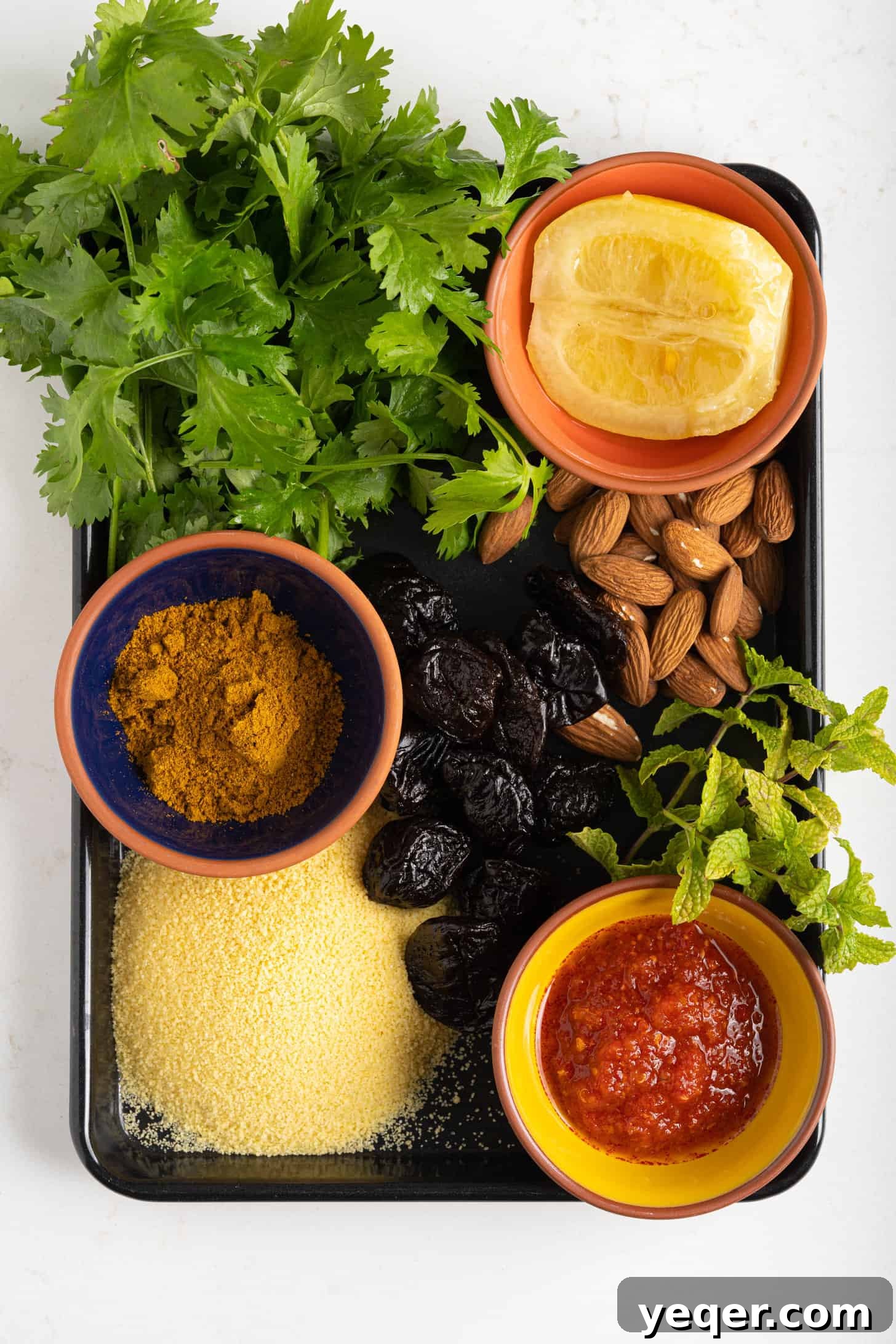
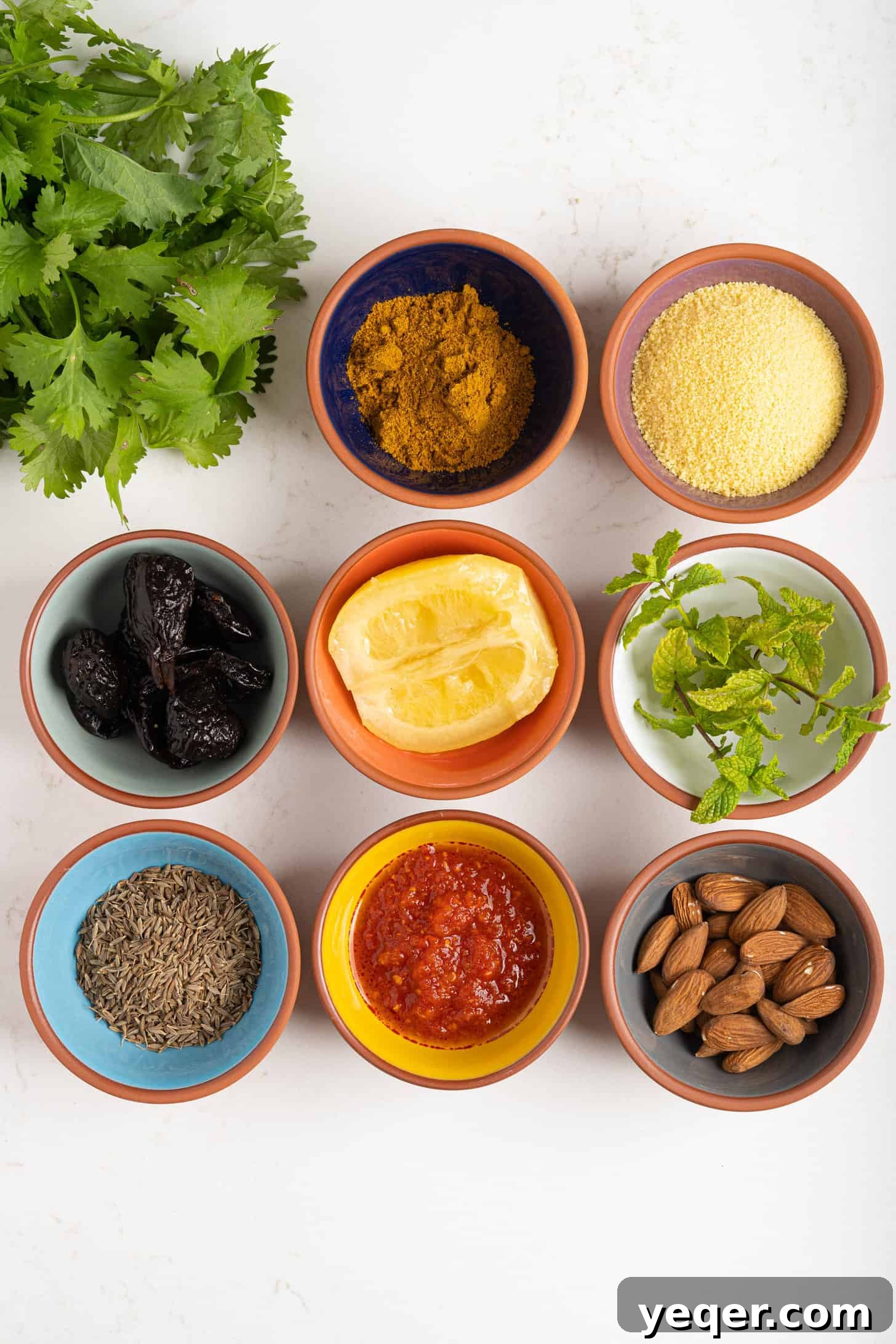
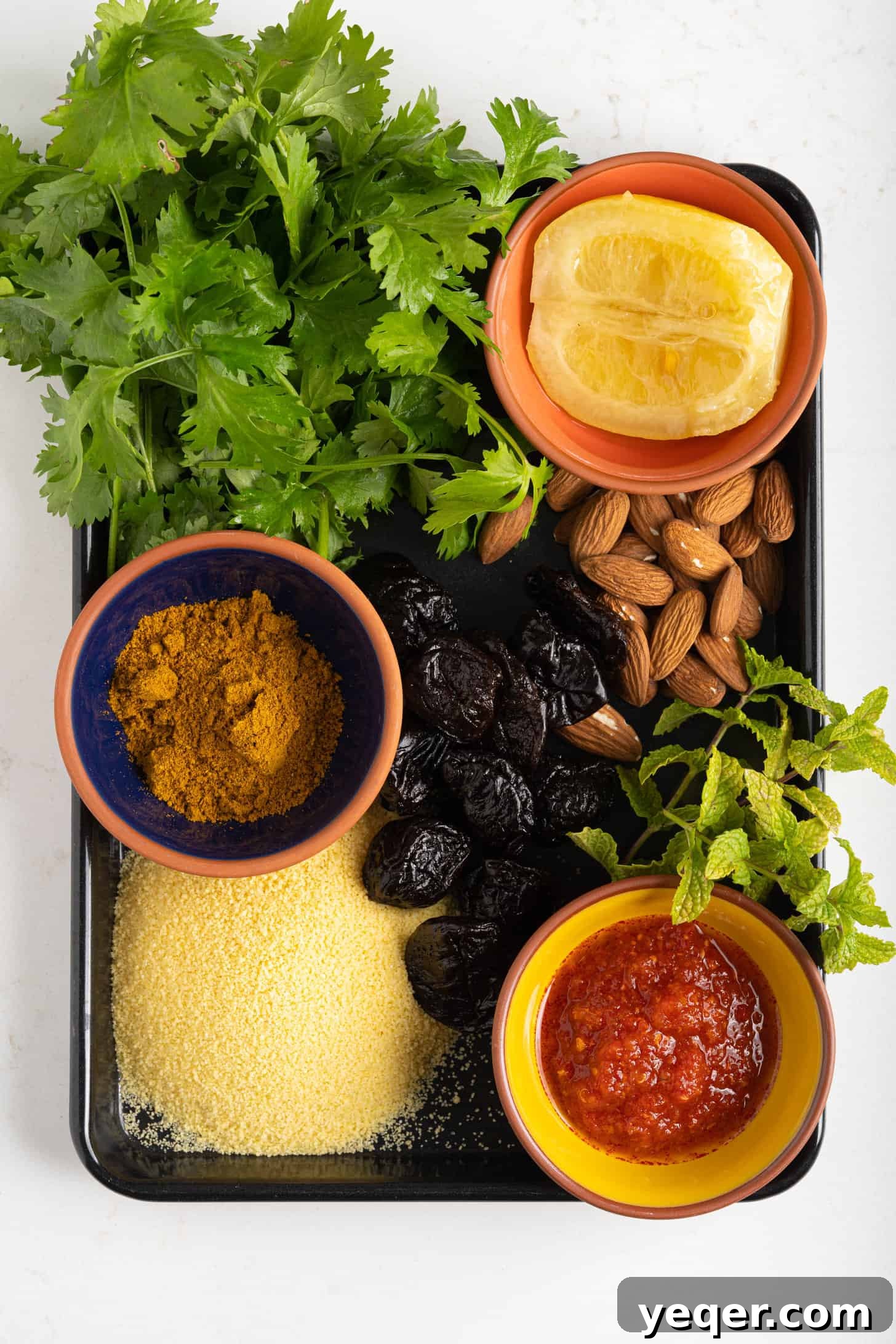
Growing up immersed in Moroccan culinary traditions was a true blessing, offering a rich and diverse palate of flavors stemming from a wide variety of fresh produce, high-quality proteins, and essential grains. The Moroccan pantry is a treasure trove of distinctive ingredients that are fundamental to creating the authentic tastes of this incredible cuisine. Understanding and utilizing these key ingredients will elevate your Moroccan cooking to new heights.
Here are some popular and commonly used ingredients that form the foundation of many Moroccan recipes:
- Nuts – Almonds, walnuts, and pistachios are frequently used in Moroccan cuisine, appearing in both sweet and savory applications. They add texture, richness, and depth, often featuring in pastries, tagines, and couscous dishes. Sliced almonds might garnish a chicken tagine, while ground almonds are the heart of many delicate cookies.
- Honey & Dried Fruit – The natural sweetness of dates, apricots, figs, and raisins is a cornerstone of Moroccan flavor, often paired with savory meats in tagines or used generously in desserts. Honey, a revered sweetener, is also frequently used, adding a luxurious glaze to pastries and a balancing note to many dishes.
- Orange Blossom Water – This fragrant floral distillate is a delicate yet powerful flavoring agent, commonly used in Moroccan desserts, pastries, and even some refreshing drinks. It imparts a distinctive, elegant aroma that is instantly recognizable and deeply cherished in the cuisine.
- Pickled Vegetables – Olives, particularly green and red varieties, and pickled peppers are indispensable. They provide a briny, tangy counterpoint to rich stews and tagines, adding a burst of flavor and a pleasing textural element. These pickles are often served as part of a mezze or incorporated directly into the cooking process.
- Grains – At the heart of Moroccan meals are grains like fluffy couscous, fine semolina flour (used in breads and pancakes), and wholesome barley. Couscous, in particular, is not just a side dish but often the central component of large family meals, steamed to perfection and piled high with vegetables and meat.
- Bread (Khobz) – Moroccan bread, or Khobz, is a fundamental part of every meal. Whether it’s round, crusty loaves baked in communal ovens or flatbreads cooked on a griddle, bread is used to scoop up tagines, soak up sauces, and complement salads. Its presence is central to the communal dining experience.
Now that you have a deeper understanding of the vibrant flavors and essential ingredients of Moroccan cuisine, let’s embark on a delicious journey through some of my favorite traditional recipes. Get ready to cook, savor, and enjoy the true taste of Morocco!
Delectable Moroccan Chicken Recipes
Chicken is a staple protein in Moroccan cuisine, often slow-cooked to tender perfection in fragrant tagines or grilled on skewers, infused with a medley of aromatic spices. These recipes highlight the versatility of chicken, offering rich, flavorful meals that are both comforting and exotic.
Traditional Moroccan Chicken Tagine with Olives and Preserved Lemon
Discover the quintessential flavors of Morocco with this traditional chicken tagine. Juicy chicken thighs are marinated in a blend of authentic Moroccan spices, then slow-cooked in a rich, aromatic sauce with briny olives and tangy preserved lemons. Served ideally over a bed of fluffy couscous, this dish promises an explosion of classic Moroccan taste that’s deeply satisfying and truly unforgettable.
30 Minute Harissa Chicken Skewers
For a quick yet incredibly flavorful meal, these harissa chicken skewers are a perfect choice. Packed with the bold heat of North African harissa, vibrant fresh vegetables, and traditional Moroccan spices, these skewers are grilled to perfection. They make a fantastic meal when served over a bed of light couscous or alongside warm, crusty bread, all prepared in just 30 minutes for a truly satisfying experience.
Hearty Moroccan Couscous Dishes
Couscous holds a special place in Moroccan cuisine, often served as the centerpiece of Friday family meals and festive occasions. These recipes celebrate the versatility of this beloved grain, from hearty meat and vegetable stews to delightful vegetarian options.
Authentic Moroccan Couscous (Ahmed’s Version)
Experience the true taste of Morocco with this authentic couscous, a vibrant and comforting dish featuring perfectly steamed couscous crowned with succulent lamb, a colorful medley of stewed vegetables, and a richly flavored broth. My family in Morocco traditionally prepares this cherished dish every Friday, fostering a sense of community and prayer around the dinner table, making it a truly special culinary tradition.
Moroccan Vegetable Tagine
This Moroccan Vegetable Tagine is the ultimate hearty stew, especially comforting during colder months. It’s generously loaded with warming spices and a bountiful selection of wholesome vegetables, simmered until tender. Served over a fluffy bed of couscous or with warm, crusty bread, this incredibly flavorful and naturally vegan meal is guaranteed to bring warmth and satisfaction to your entire family, making it a perfect wholesome dinner option.
Rich Moroccan Lamb Recipes
Lamb is a revered protein in Moroccan gastronomy, often prepared with profound spices and slow-cooking methods that yield incredibly tender and aromatic results. From celebratory stews to quick street food, these lamb recipes embody the rich culinary traditions of Morocco.
Grilled Lamb Chops with Cumin and Salt
Indulge in this popular Moroccan street food, a simple yet incredibly delicious dish that’s surprisingly easy to prepare. These succulent grilled lamb chops are bursting with flavor, seasoned perfectly with a mix of earthy cumin and sea salt, and can be ready in under 30 minutes. They evoke fond memories of summers spent in my Grandma’s bustling kitchen in Rabat, typically served with this delightful spice blend in a charming little ceramic bowl.
Grilled Lamb Kebabs
These exquisite lamb kebabs are a feast for the senses, marinated to perfection with a rich blend of Middle Eastern spices, fragrant fresh herbs, and the distinct tang of preserved lemon. Expertly grilled to achieve juicy tenderness, they make an ideal main course, perfectly complemented by your favorite grilled vegetables, warm bread, or a fluffy serving of couscous for a complete and satisfying Moroccan-inspired meal.
Moroccan Lamb Shank Tagine (Tangia)
This authentic Moroccan Lamb Shank Tagine, traditionally known as Tangia, hails from my father’s vibrant hometown of Marrakech. It is a masterpiece of slow-cooked lamb, brimming with the robust flavors of tender garlic, piquant preserved lemon, and the rich essence of lamb. You will undoubtedly adore the exquisite sauce this dish yields, perfect for soaking up with a fresh baguette or serving generously over a bed of light, fluffy couscous, creating a truly memorable dining experience.
Comforting Moroccan Soup Recipes
Moroccan soups are renowned for their comforting warmth, rich flavors, and hearty ingredients. Often a meal in themselves, these traditional recipes range from thick, earthy purees to vibrant, spice-laden broths, perfect for nourishing the soul.
Bisarra (Moroccan Fava Bean Soup)
Warm up with a bowl of Bisarra, a wonderfully creamy and deeply flavorful Moroccan fava bean soup. Made with just a few simple ingredients and pureed to a velvety consistency, this traditional recipe is naturally vegan and gluten-free, offering a wholesome and satisfying meal. It’s often served with a drizzle of olive oil and a sprinkle of cumin, embodying comforting simplicity.
Moroccan Harira
Join us in preparing my father’s legendary Moroccan Harira, a robust and aromatic soup traditionally enjoyed to break the fast during the holy month of Ramadan in Morocco. This rich and complex soup, often featuring lentils, chickpeas, tomatoes, and a mix of herbs and spices, is a symbol of warmth and hospitality, offering both sustenance and profound flavor after a day of fasting.
Fresh Moroccan Salad Recipes
Moroccan salads are vibrant, fresh, and often served as a medley of small dishes to complement a main meal. Bursting with seasonal produce, aromatic herbs, and simple yet impactful dressings, these recipes offer a refreshing contrast and a delightful spectrum of textures and flavors.
Classic Moroccan Tomato Salad
Prepare this classic Moroccan tomato salad, a simple yet incredibly flavorful dish. It’s generously loaded with ripe, juicy tomatoes, an abundance of fresh herbs, and seasoned with traditional Moroccan spices. This refreshing salad is a staple on any Moroccan table, offering a bright and zesty accompaniment to richer dishes.
Classic Moroccan Lentil Salad
As part of my commitment to sharing more authentic family recipes, I’m delighted to present this Classic Moroccan Lentil Salad. It’s a wholesome and hearty dish, typically prepared with tender lentils, fresh vegetables, and a delightful dressing often featuring high-quality olive oil. This salad is both nutritious and packed with the comforting flavors of Moroccan home cooking.
Classic Roasted Moroccan Beet Salad
This classic roasted Moroccan beet salad is a vibrant and healthy dish that comes together effortlessly. It features tender roasted beets, a zesty dressing of vinegar and olive oil, and a generous sprinkle of fresh parsley, seasoned simply with salt and pepper. Ready in under an hour, this refreshing salad is delicious served cold as a side dish or a light, flavorful snack.
Moroccan Carrot Salad
Today, we’re making a popular Moroccan Carrot Salad that is wonderfully refreshing, naturally vegan, and gluten-free. This simple yet flavorful salad requires only four key ingredients, allowing the natural sweetness of the carrots to shine through, complemented by a zesty dressing and a touch of traditional spice for an authentic Moroccan taste.
Moroccan Roasted Pepper Salad
Discover the delightful flavors of this Moroccan pepper salad, crafted with beautifully roasted bell peppers, ripe tomatoes, a medley of traditional spices, rich olive oil, and a splash of vinegar. This refreshing and savory side dish is an excellent accompaniment to warm bread or any protein, offering a burst of Mediterranean-inspired taste with every bite.
Zaalouk (30 Minute Moroccan Eggplant Dip)
Today, we’re preparing one of my absolute favorite vegan dishes: Zaalouk. This rich and smoky Moroccan eggplant dip is a culinary delight, made with fresh eggplant, ripe tomatoes, aromatic spices, and a generous drizzle of olive oil. It’s wonderfully versatile, perfect as a flavorful salad, integrated into a tagine, or served as a delightful dip with warm, crusty bread, all coming together in just 30 minutes.
15 Minute Authentic Moroccan Cucumber Salad
This authentic Moroccan cucumber salad is a burst of bright, refreshing flavors, coming together in just 15 minutes. Crafted with crisp Persian or Armenian cucumbers, invigorating fresh mint, and a simple yet zesty vinaigrette, it offers a perfect vegan and gluten-free option. Serve it as a delightful side dish to any meal or enjoy it as a light, cooling snack.
30 Minute Moroccan Roasted Eggplant
Indulge in this quick and easy roasted eggplant, generously seasoned with authentic Moroccan spices, lightly tossed with a drizzle of exquisite olive oil, and finished with fragrant fresh herbs. This dish transforms simple eggplant into a wonderfully flavorful side, perfect for accompanying any main dish or protein, adding a touch of Moroccan charm to your plate in just 30 minutes.
Spicy Potatoes: My Moroccan Grandma’s Version of Potato Salad
Join me in recreating my beloved grandma’s spicy potatoes, a unique Moroccan take on potato salad. These tender potatoes are exquisitely seasoned with zesty preserved lemon, a kick of Moroccan harissa paste, aromatic garlic, fresh parsley, and a blend of vibrant spices. This dish offers a rich, comforting, and distinctly Moroccan flavor profile that’s perfect as a side or a light meal. Pair it with warm bread or grilled meats for a complete experience!
Traditional Moroccan Breakfast Delights
Moroccan breakfasts are a delightful spread of sweet and savory dishes, often featuring fresh bread, pastries, and egg-based creations. These recipes offer a glimpse into the comforting and flavorful start to a Moroccan day, perfect for enjoying with family and friends.
30 Minute Shakshuka (Moroccan Style)
Prepare this vibrant Moroccan-style shakshuka, a delicious dish featuring perfectly poached eggs nestled in a rich tomato and red pepper sauce. This flavorful meal comes together in just 30 minutes, making it an ideal choice for a quick breakfast, a satisfying lunch, or a light dinner. Serve it with a crusty loaf of fresh bread to soak up all the wonderful sauce.
Baghrir (Moroccan Semolina Pancakes)
Indulge in Baghrir, delightful light and spongy Moroccan pancakes crafted from fine semolina flour. When cooked to perfection, these unique pancakes are dotted with countless tiny holes, making them ideal for soaking up generous drizzles of melted honey and butter. They are a beloved breakfast or snack, offering a truly distinctive texture and a sweet, comforting flavor profile.
Sweet Moroccan Dessert Recipes
Moroccan desserts are a celebration of sweetness, fragrance, and intricate flavors, often featuring nuts, honey, and floral waters. These recipes offer a taste of the delightful pastries and treats that bring a joyful conclusion to any Moroccan meal or special occasion.
Halwa Chebakia (Moroccan Sesame Cookies)
Join me in crafting Halwa Chebakia, exquisite fried Moroccan sesame cookies traditionally served during the holy month of Ramadan. These beautifully flower-shaped treats are brimming with warming spices like turmeric and saffron, expertly fried to a crisp, then lovingly steeped in honey infused with fragrant orange blossom water. While undeniably a labor of love, these Moroccan cookies are a truly special indulgence, perfect for sharing and celebrating during the holidays and festive gatherings.
Gazelle Horns (Moroccan Almond Cookies)
Gazelle Horns, also elegantly known as Cornes de Gazelle, are a quintessential Moroccan cookie. These delicate pastries feature a rich, aromatic almond filling encased within a thin, tender pastry shell, shaped gracefully like a gazelle’s horn. They are a beloved sweet treat, perfect for special occasions or alongside a cup of traditional Moroccan mint tea.
Refreshing Moroccan Drink Recipes
Moroccan beverages are an integral part of daily life and hospitality, ranging from iconic teas to refreshing fruit juices and unique spiced coffees. These recipes allow you to experience the authentic drinks that punctuate meals and gatherings throughout Morocco.
Moroccan Mint Tea
Learn the art of preparing Moroccan mint tea, an iconic beverage and one of the nation’s most beloved drinks. This traditional tea is a harmonious blend of vibrant fresh mint, robust gunpowder tea, and just the right amount of sugar, creating a refreshing and inviting experience. It’s more than just a drink; it’s a symbol of Moroccan hospitality and a cherished ritual.
Authentic Moroccan Coffee (10 Minutes)
Discover how to brew this authentic Moroccan coffee, a truly aromatic experience infused with warm and sweet spices like fragrant cardamom, comforting cinnamon, and a hint of nutmeg. This delightful beverage can be prepared in under 10 minutes, offering a rich and exotic start to your day or a perfect end to a meal, capturing the essence of Moroccan hospitality in a cup.
Fresh Squeezed Orange Juice
There’s nothing quite as invigorating as fresh squeezed orange juice, especially enjoyable during the colder winter months when citrus is in peak season. Grab a bag of your favorite juicy oranges and get ready! You’ll be amazed by how incredibly easy it is to create this delightful treat with absolutely no added sugar or fancy gadgets required. Just pure, natural goodness in every sip.
Avocado Smoothie (3 Ingredients!)
This simple yet incredibly delicious avocado smoothie is a creamy, naturally sweet treat, crafted with just three essential ingredients: fresh, ripe avocado, your choice of plant-based milk, and a touch of golden honey. It’s a wonderfully refreshing and nutritious beverage, perfect for a quick breakfast, a revitalizing snack, or a delightful dessert on a warm day, showcasing the rich, velvety texture of avocado.
Essential Moroccan Pantry Staples
Beyond individual dishes, certain essential components are foundational to Moroccan cooking. These staples are often prepared in advance and kept on hand, ready to infuse any meal with authentic Moroccan character and depth of flavor. Mastering these basics will empower you to create a wide array of Moroccan dishes.
Preserved Lemon Recipe (A Traditional Moroccan Staple)
Preserved lemons are an indispensable culinary staple in Moroccan cuisine, cherished for their intensely aromatic and uniquely tangy flavor. This straightforward recipe for preserving lemons is quick and easy, yielding a product that adds incredible depth and bright complexity to a wide variety of Moroccan marinades, tagines, salsas, sauces, and much more! With just 10 minutes of prep time, this recipe typically provides 6 perfectly preserved lemons, ready to elevate your cooking.
Homemade Harissa (A Moroccan Cooking Staple)
Allow me to introduce you to your new favorite Moroccan cooking staple: homemade Harissa. This vibrant North African hot sauce is a powerhouse of flavor, traditionally made with sun-dried chiles, a touch of preserved lemon, aromatic garlic, and a blend of traditional spices like caraway and coriander. Its bold, spicy, and tangy profile makes it an essential condiment and ingredient in countless Moroccan dishes, adding an undeniable kick.
5-Minute Ras El Hanout Spice Blend Recipe
This DIY recipe for Ras El Hanout, meaning ‘head of the shop,’ is an absolute game-changer! It’s the ultimate classic Moroccan spice blend – incredibly flavorful, wonderfully versatile, and used extensively throughout Moroccan cuisine to impart deep, aromatic notes. Crafting your own blend ensures freshness and allows you to tailor its complexity, and with just 5 minutes, you can have this essential spice mix ready to transform your dishes.
Chermoula (The Perfect Moroccan Marinade)
Chermoula is a truly exceptional and flavorful Moroccan marinade, a vibrant blend of pungent garlic, zesty preserved lemons, an abundance of fresh herbs like cilantro and parsley, and rich olive oil, all brought together with a touch of traditional spices. It’s the quintessential marinade for infusing incredible taste into grilled fish, succulent shellfish, roasted vegetables, or just about any savory dish you wish to elevate with a burst of authentic Moroccan essence.
Authentic Moroccan Mint Tea Recipe
- Author: Salima Benkhalti
- Prep Time: 10 minutes
- Cook Time: 10 minutes
- Total Time: 20 minutes
- Yield: 2 cups of tea
- Category: Beverages, Drinks
- Method: Boiled
- Cuisine: Moroccan
- Diet: Gluten Free
Description
Master the art of making Moroccan mint tea, a beloved national beverage crafted from fresh mint, robust gunpowder tea, and a touch of sugar. This traditional tea is a symbol of hospitality and a delightful refreshment, perfect for any time of day.
Ingredients
- 1 tbsp gunpowder tea
- 1/2 tbsp sugar
- 1/2 cup fresh mint leaves
- 2 cups water
Instructions
- Begin by adding the gunpowder tea pellets to your teapot. Heat your water in a tea kettle until it reaches a hot, rolling boil.
- Pour approximately half a cup of this hot water over the gunpowder tea in the teapot. Cover the teapot and allow it to steep for a few minutes. Carefully pour this initial water out of the teapot, ideally through a strainer (if your teapot doesn’t have one built-in), and collect it in a small glass. Set this aside, as it is the “spirit” of the tea, holding much of its potent flavor.
- Next, pour an additional cup of hot water over the gunpowder tea in the teapot. Cover it once more and let it steep for another 2-3 minutes. This water is then poured into a separate cup, through a strainer, and discarded. This step helps to “wash” the tea leaves and remove any bitterness.
- Finally, add the sugar and the fresh mint leaves to the bottom of the teapot, over the gunpowder leaves. Pour the reserved “spirit” (from step 2) back into the teapot. Fill the teapot to the brim with more hot water, cover, and allow it to steep for 5-10 minutes, letting all the flavors meld beautifully.
- If your teapot lacks an integrated strainer, strain the tea before pouring it into a glass. Then, pour this glass of tea back into the teapot. Repeat this pouring process a few times between two glasses or the teapot and a glass. This aeration helps to mix the tea thoroughly with the caramelized sugar and enhance its flavor and foam. Once mixed to your liking, strain one last time, serve in small glasses, and savor your authentic Moroccan mint tea!
Bismillah,

I sincerely hope this extensive list of Moroccan recipes has ignited your culinary inspiration! While this collection represents a selection of my cherished dishes, it truly captures the profound essence and special magic of Moroccan cuisine. From the aromatic spices to the rich history behind each dish, every recipe is a testament to the vibrant food culture of Morocco.
Exploring these traditional flavors is an experience unlike any other, offering a taste of my heritage and the warmth of Moroccan hospitality. Whether you’re preparing a celebratory tagine, a comforting bowl of harira, or a refreshing glass of mint tea, each step in these recipes connects you to a rich culinary tradition.
I would be absolutely thrilled to hear about your cooking adventures. If you decide to try any of these delightful recipes, please don’t hesitate to reach out and share your thoughts. You can connect with me on Instagram, or simply leave a comment below. Your feedback means the world to me and helps to foster a community of food lovers passionate about authentic flavors.
Happy cooking, and enjoy the wonderful journey through Moroccan gastronomy!