
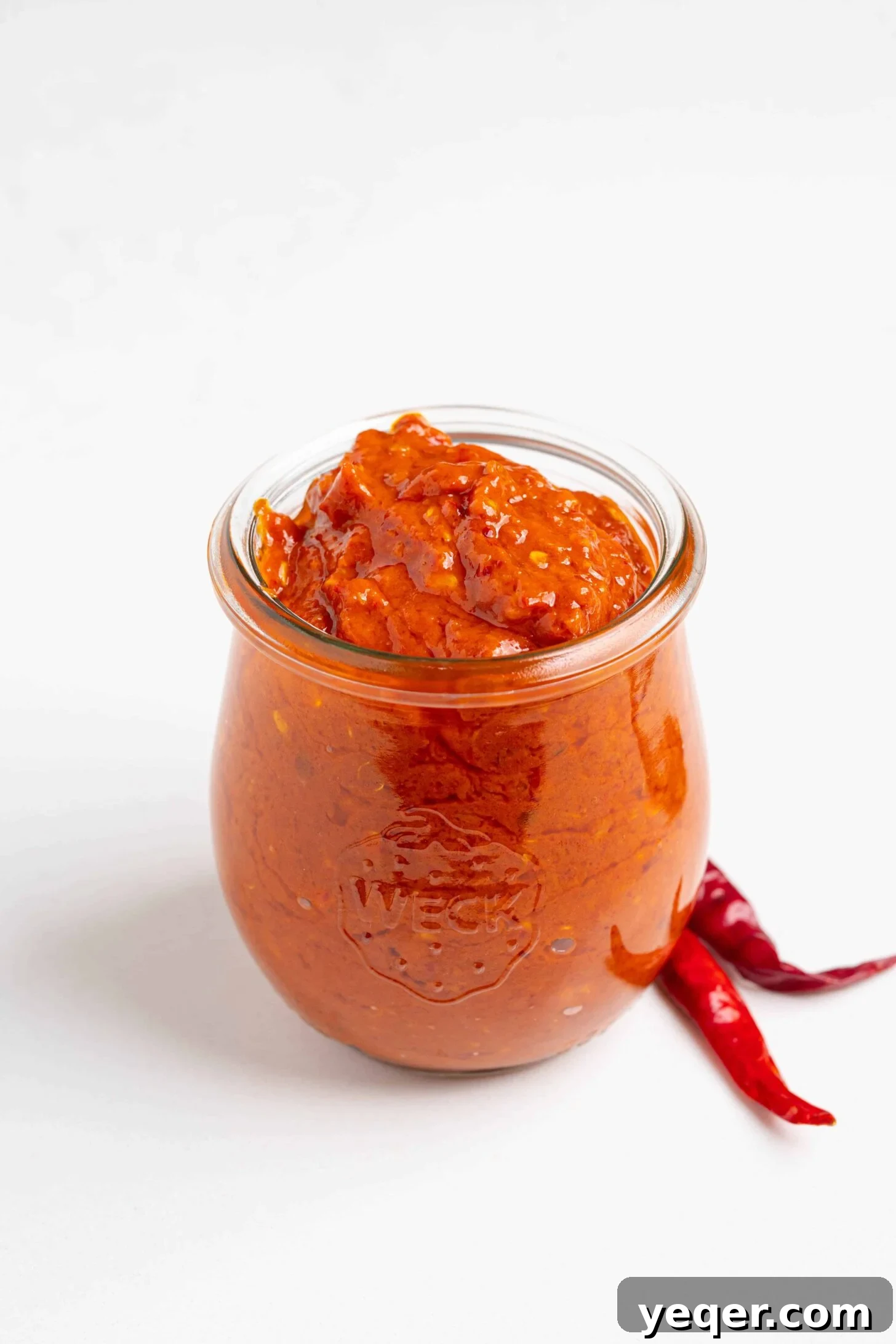
Embark on a culinary journey to North Africa with Harissa, a vibrant and aromatic chili paste that promises to become your new kitchen essential. This iconic Tunisian hot sauce, celebrated across Morocco, Algeria, Libya, and even parts of the Middle East, is a symphony of sun-dried chiles, tangy preserved lemons, and a blend of earthy spices. Far more than just a condiment, homemade Harissa offers a depth of flavor that transcends mere heat, adding a sophisticated kick to any dish.
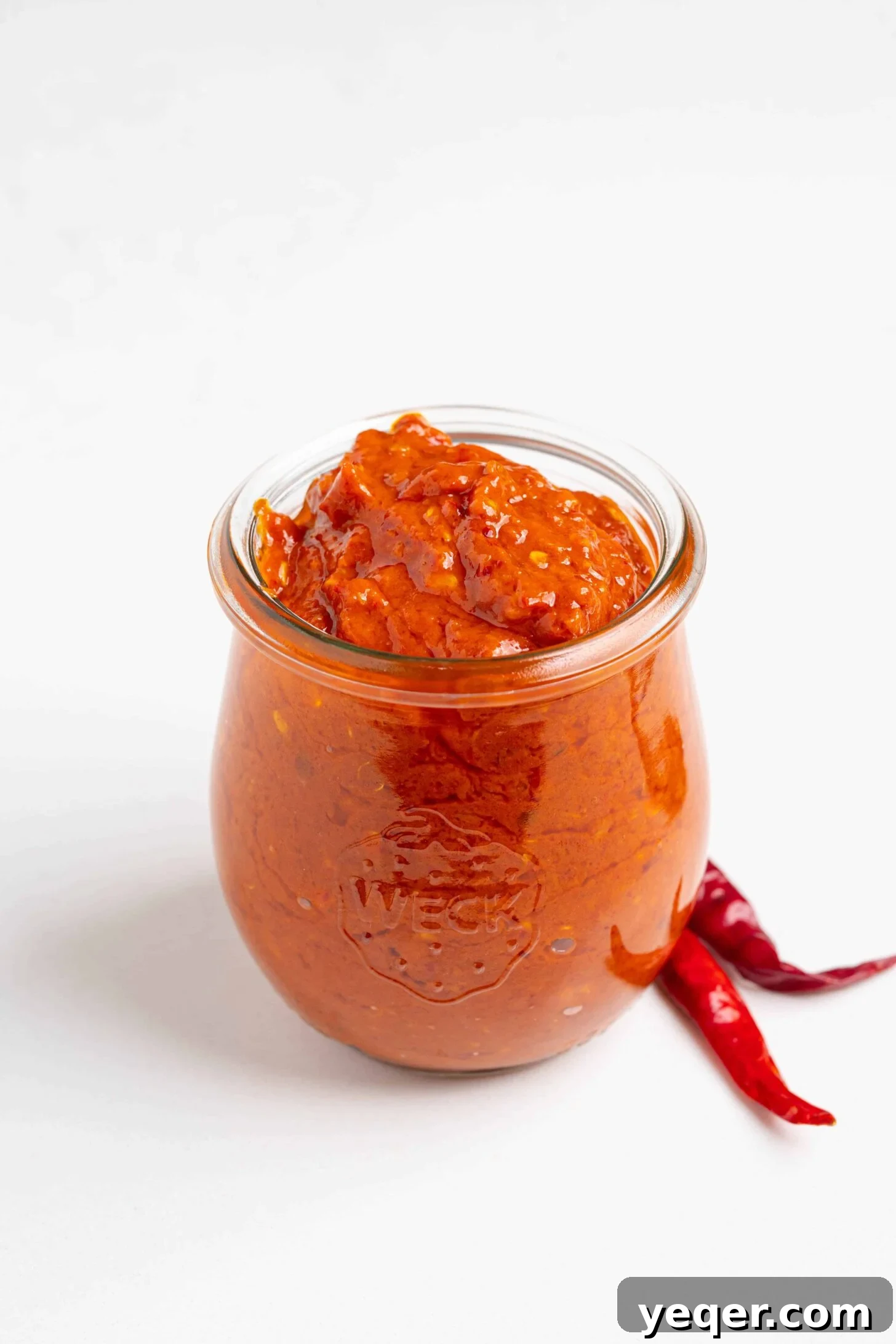
If you've ever delved into the rich tapestry of traditional Moroccan recipes, the name Harissa likely rings familiar. It's an indispensable component, lending its unique character to everything from succulent harissa chicken thighs and comforting harissa pasta, to being slathered on sandwiches or served as a fiery dip. Its versatility knows no bounds, acting as a marinade, a flavor enhancer in sauces, a vibrant topping, or simply as a standalone hot sauce.
While its origins firmly lie in Tunisia, Harissa's popularity has transcended borders, becoming a cherished staple throughout North Africa and extending its reach into various Middle Eastern cuisines. Each region, and often each family, boasts its own subtle variations, making Harissa a testament to the diverse and inventive spirit of regional cooking.
The secret to Harissa's bright, zingy, and complex flavor profile lies in the harmonious blend of ingredients. The unique tartness of preserved lemons, with their intense citrusy notes, provides an unparalleled depth when combined with the robust heat of your chosen dried red hot chile peppers. This distinctive acidity sets Harissa apart from other chili pastes, elevating it beyond a simple spicy addition.
Often, Harissa is compared to other popular chili sauces like Sambal and Sriracha, but I find it possesses a distinctly smokier, sharper, and more profound citrusy character. This complexity is largely attributed to the inclusion of smoked paprika and the aforementioned preserved lemon, which introduce layers of flavor that are truly unique. It’s a condiment that doesn't just add heat; it adds a narrative of flavor to every bite.
Short on time to make your own preserved lemons? No worries! You can easily purchase a jar online or find them at your local Arab market. Opt for high-quality, authentic brands for the best results.
The Rich History and Cultural Significance of Harissa
Harissa's journey began centuries ago in Tunisia, after chili peppers were introduced to the region by Spanish explorers returning from the Americas in the 16th century. The fertile lands and warm climate proved ideal for cultivating these new spices, which quickly integrated into the local cuisine. Over time, the unique blend of chiles, garlic, olive oil, and various spices evolved into what we now recognize as Harissa. It became a staple, not just for its flavor and heat, but also for its preservative qualities, helping to extend the life of many dishes in a hot climate.
In North Africa, Harissa is more than just a sauce; it's a culinary emblem, deeply ingrained in the culture and daily life. It symbolizes hospitality and the warmth of Moroccan and Tunisian homes. Families often have their own secret recipes, passed down through generations, with subtle variations in spice blends, chile types, and consistency. These familial recipes are a source of pride, reflecting regional specificities and personal preferences. From the bustling souks to quiet family kitchens, the aroma of Harissa being prepared is a common, comforting scent, signifying good food and lively gatherings. It's frequently offered as part of a mezze platter, alongside bread and olives, setting the stage for a memorable meal.
Key Ingredients for Authentic Harissa
Crafting your own Harissa from scratch is a rewarding experience, allowing you to control the freshness, flavor, and heat level. Here’s a detailed look at the essential ingredients you’ll need:
- Dried Red Hot Chile Peppers: The heart of Harissa. Your choice of chiles will dictate the heat and much of the flavor profile. Options range from milder varieties like Guajillo and Anaheim, which offer a fruity earthiness, to hotter ones such as Chiles de Arbol for a fiery kick. Experiment to find your perfect balance.
- Preserved Lemon or Fresh Lemon Juice: This ingredient is crucial for Harissa's distinctive bright and tangy character. Preserved lemons offer a deeply fermented, umami-rich citrus flavor that fresh lemon juice can only approximate. If using fresh juice, consider adding a pinch of lemon zest for added aroma.
- Garlic Cloves: Essential for its pungent, aromatic foundation. Fresh garlic is paramount for the best flavor.
- Good Quality Olive Oil: Acts as a binding agent, emulsifier, and flavor carrier, lending a smooth texture and rich, peppery notes to the paste. A high-quality extra virgin olive oil is recommended.
- Salt: Enhances all the flavors and acts as a natural preservative. Adjust to your taste, especially if using store-bought preserved lemons which can be quite salty.
- Coriander Seeds: When toasted and ground, they provide a warm, citrusy, and slightly sweet aroma that beautifully complements the chiles.
- Cumin: Adds an earthy, robust, and slightly bitter note, characteristic of North African spice blends.
- Paprika: This contributes to Harissa's signature vibrant red color and introduces a mild, sweet, or smoky undertone, depending on whether you use sweet or smoked paprika. Smoked paprika is highly recommended for an authentic flavor.
- Tomato Paste: Deepens the color and adds a subtle umami sweetness, balancing the heat and acidity.
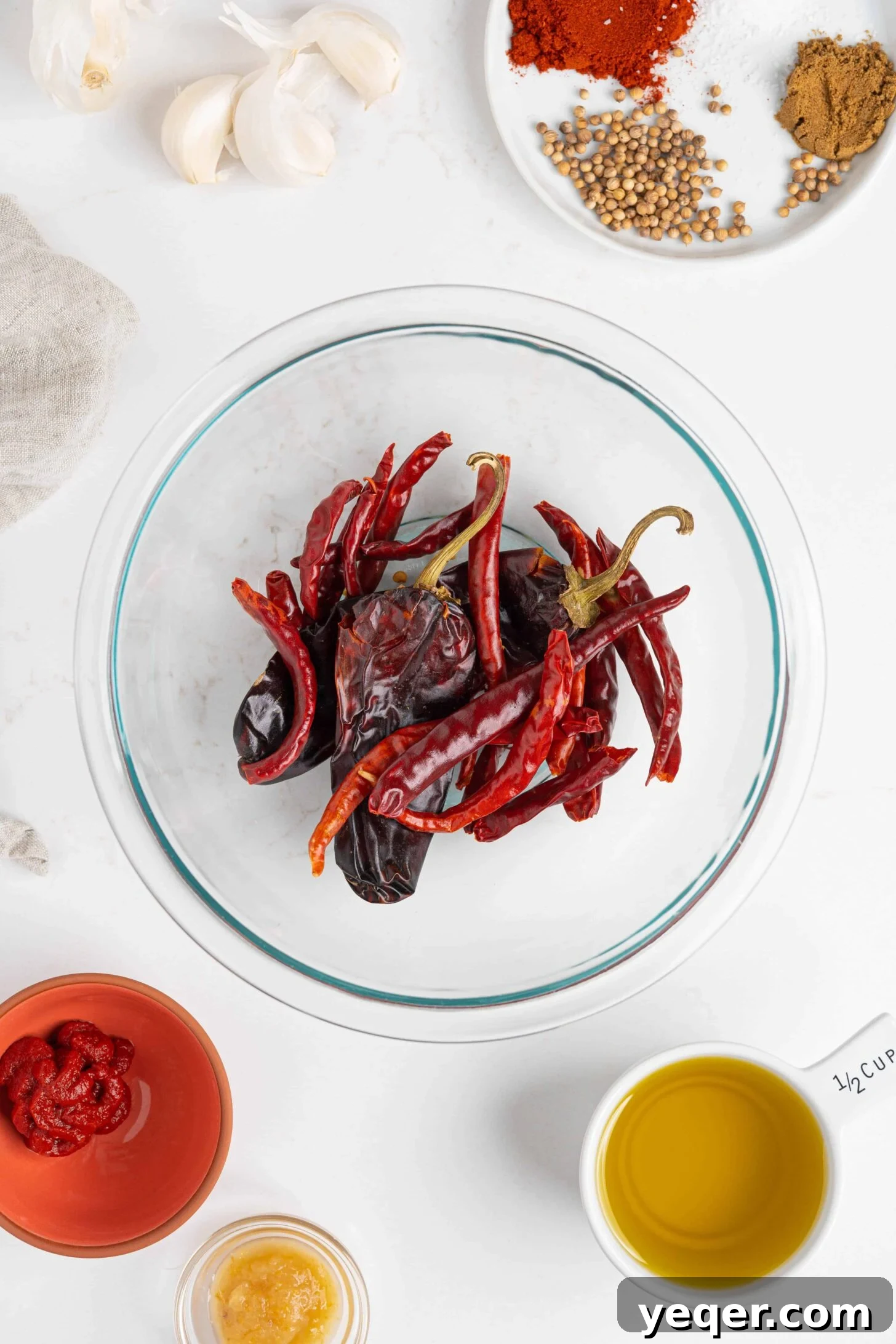
How to Make Your Own Homemade Harissa
Making Harissa is a straightforward process that yields incredibly satisfying results. Follow these steps to create your own batch of this North African delight:
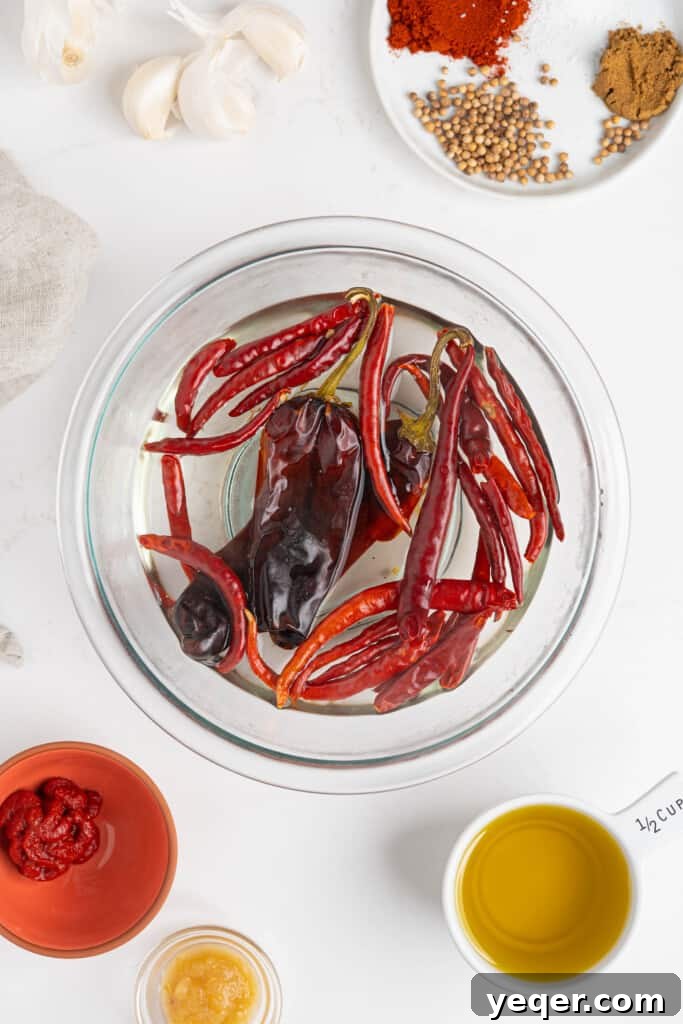
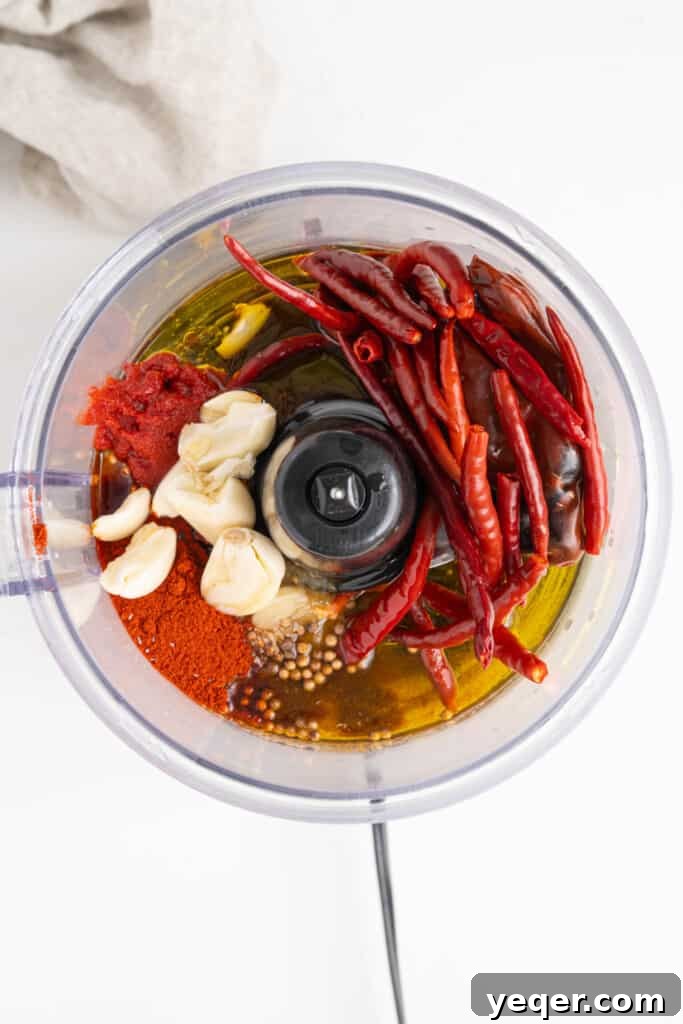
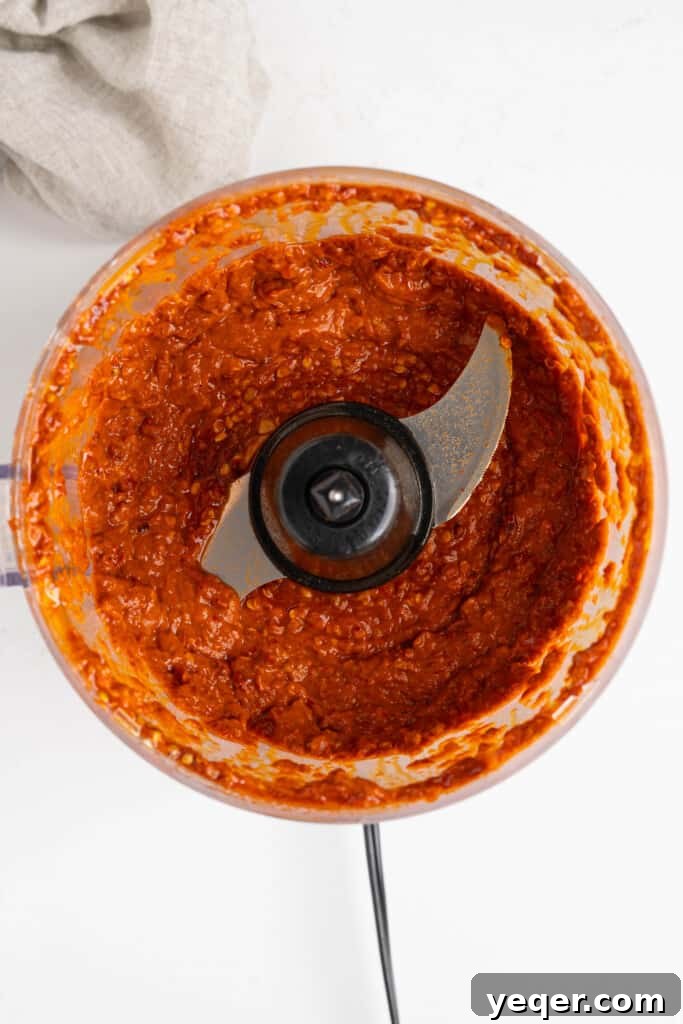
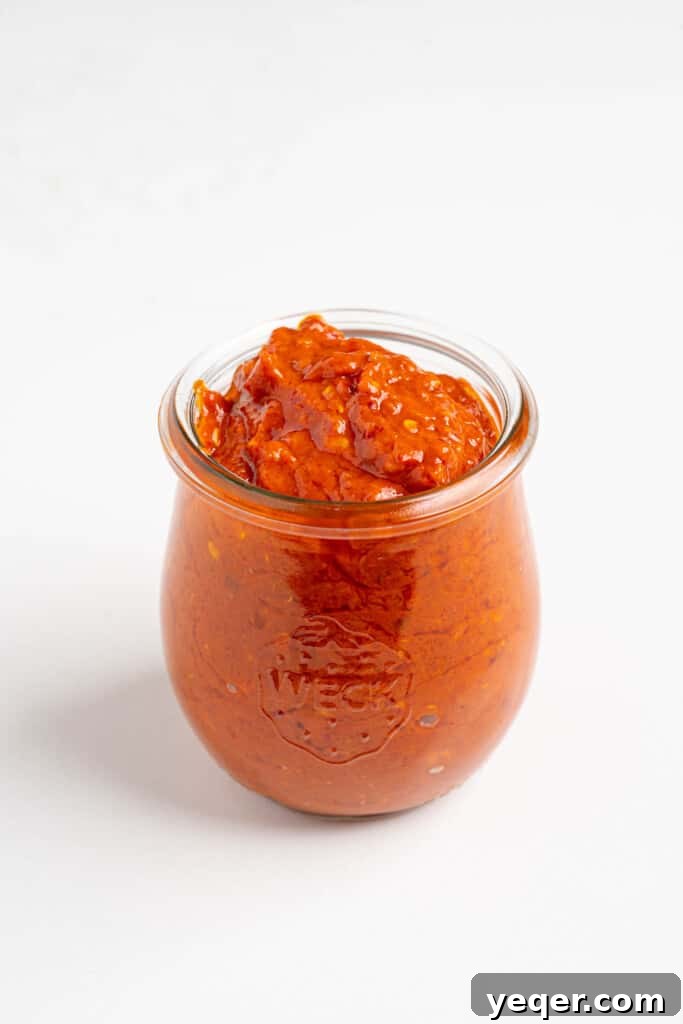
Picking the Right Chile Peppers for Your Harissa
One of the most exciting aspects of making your own Harissa, as opposed to buying it pre-made, is the complete control you have over its spice level and flavor profile. The heat of your homemade hot sauce will significantly vary based on the type of chile peppers you select. This allows for endless customization, ensuring your Harissa perfectly matches your palate.
Here’s a guide to common varieties of dried peppers and their approximate heat levels, measured on the Scoville scale, to help you make an informed choice:
- Ancho Peppers: These are dried Poblano peppers, offering a mild to medium heat with a rich, fruity, and slightly smoky flavor. They are an excellent choice if you prefer a more mellow Harissa that focuses on depth of flavor rather than overwhelming spice.
- Guajillo Peppers: Ranging from mild to medium, Guajillos contribute a pleasant fruity and green tea-like flavor. They provide a beautiful red color and a moderate warmth, ideal for a balanced Harissa.
- Anaheim Peppers: Also mild to medium in heat, Anaheims have a slightly sweet, tangy, and fruity profile. They are a good starting point for those new to making Harissa, providing approachable warmth.
- Chiles de Arbol: These slender, bright red chiles pack a medium to hot punch. They are quite fiery and deliver a clean, sharp heat, perfect for those who like their Harissa with a noticeable kick.
- Serrano Peppers (fresh or dried): While typically used fresh, dried serranos can be found and offer a medium to hot heat, similar to Chiles de Arbol but with a slightly brighter flavor.
- Thai Hot Peppers (Bird's Eye Chiles): For serious heat seekers, these small but mighty peppers are hot to very hot. They will make your Harissa intensely fiery, so use them with caution and adjust quantities based on your tolerance.
- Ghost Peppers (Bhut Jolokia): For the truly adventurous and experienced spice enthusiasts, ghost peppers are extremely hot. Using even a small amount will result in an intensely spicy Harissa. It is recommended to handle these with gloves and extreme care.
Pro Tip for Taming the Heat: If you're cautious about making your Harissa too spicy, a simple trick is to remove the seeds and the white pith (placenta) from the rehydrated chiles before adding them to the food processor. These parts contain the highest concentration of capsaicin, the compound responsible for a pepper's heat. Removing them will significantly mellow the spice level without sacrificing flavor.
Elevate Your Dishes: Where to Use Homemade Harissa
Moroccan Harissa sauce is incredibly versatile and can be used anywhere you'd typically reach for a hot sauce. Its complex flavor profile, however, allows it to do more than just add heat; it infuses dishes with a rich, aromatic depth. I particularly love it spread on toast with a fried egg for a spicy breakfast kick, sautéed into rice dishes for an instant flavor boost, or as a robust, spicy sauce for red meats like lamb and beef. Its earthy and citrusy notes pair exceptionally well with grilled foods, roasted vegetables, and hearty stews.
That said, there are some recipes where Harissa truly shines and feels like it was simply meant to be. Here are a few of my favorite applications:
- Moroccan Couscous: Stirring a spoonful of Harissa into your couscous, whether it's plain or part of a tagine, will transform its flavor, adding an exciting layer of spice and warmth.
- Kefta Lettuce Wraps: The Harissa yogurt sauce featured in these wraps is truly unforgettable. It provides a creamy, tangy, and spicy counterpoint to the savory kefta, making each bite an explosion of flavor.
- Chicken with Lemon & Olives (Chicken Tagine): This popular Moroccan classic would be absolutely fantastic with a generous spoonful of Harissa incorporated into its marinade or simmering sauce. The spicy notes beautifully complement the preserved lemons and briny olives.
- Marinades for Meats and Vegetables: Harissa makes an exceptional marinade for chicken, lamb, fish, or even firm tofu and hearty vegetables like cauliflower or eggplant. Its oil base helps tenderize, while the spices penetrate deeply, infusing immense flavor.
- Soups and Stews: A dollop of Harissa stirred into lentil soup, a hearty vegetable stew, or even a classic Moroccan harira, can elevate the entire dish, adding warmth and a nuanced spicy undertone.
- Dips and Spreads: Mix Harissa with yogurt, crème fraîche, or labneh for a creamy, spicy dip perfect for crudités, pita bread, or as a side for grilled meats. It's also delicious blended into hummus or spread on sandwiches and wraps.
Also, be sure to explore my dedicated recipes for harissa chicken skewers and marinated chicken thighs, which showcase Harissa's incredible potential to create truly memorable meals.
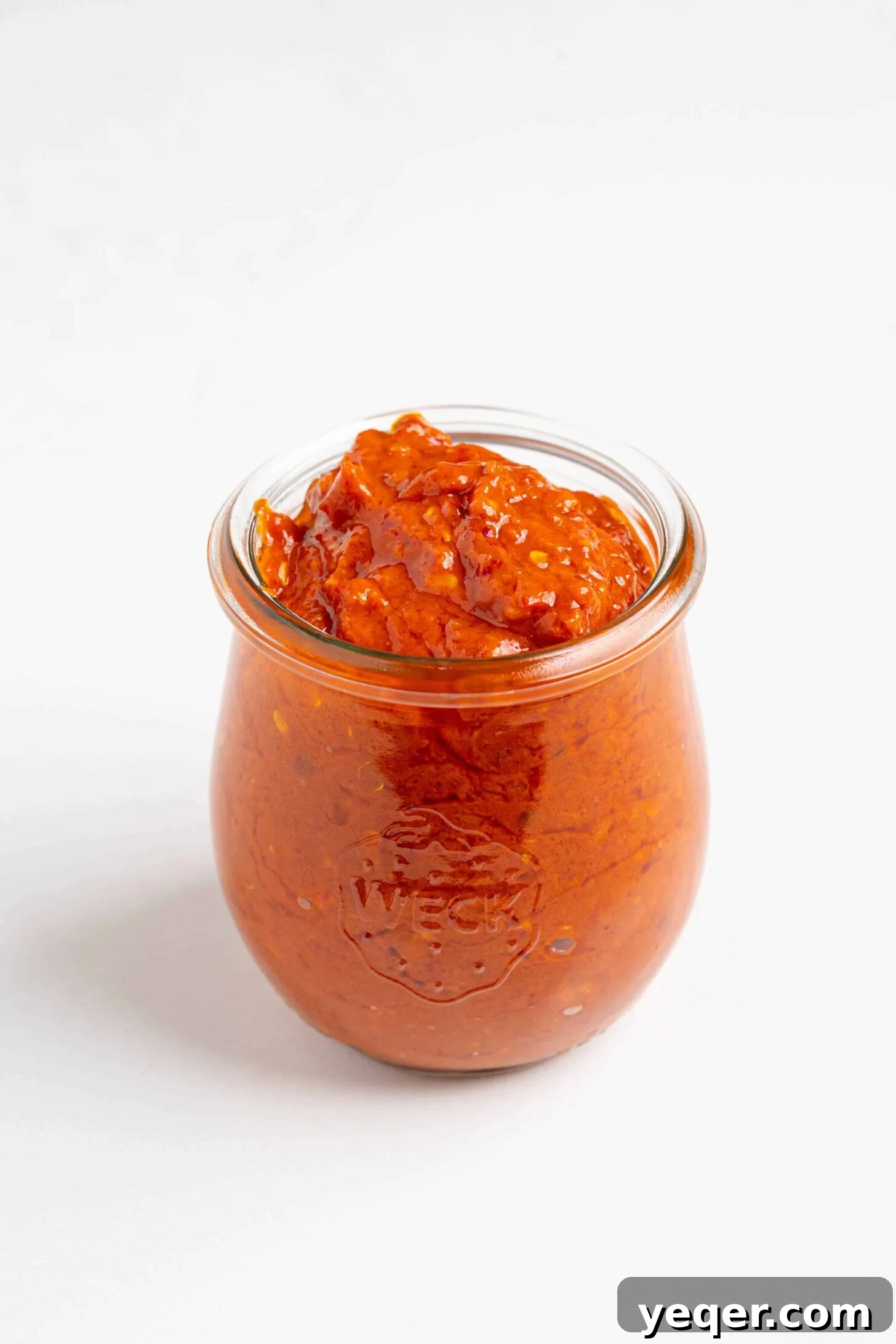
Storage Tips for Homemade Harissa
Proper storage is key to enjoying your homemade Harissa for an extended period. With its olive oil content and natural preservatives, Harissa keeps remarkably well:
- Refrigeration: Harissa can be stored in a clean, airtight container in the fridge for up to 1 month. To maximize its freshness, always ensure there is a thin layer of olive oil on top of the paste. This creates a barrier that prevents oxidation and spoilage.
- Freezing: For longer storage, Harissa freezes beautifully. Transfer it to a freezer-safe container or, for convenient portions, freeze it in an ice cube tray. Once frozen solid, transfer the Harissa cubes to a freezer bag. It can keep in the freezer for 1-2 months without significant loss of flavor. When needed, simply break off a chunk or cube and thaw in the refrigerator or at room temperature, then use as desired.
Always use a clean spoon when scooping out Harissa to avoid introducing contaminants, which can shorten its shelf life. If you notice any mold or an off smell, it's best to discard the batch.
Bismillah (In the name of God), enjoy your culinary creations!

Print
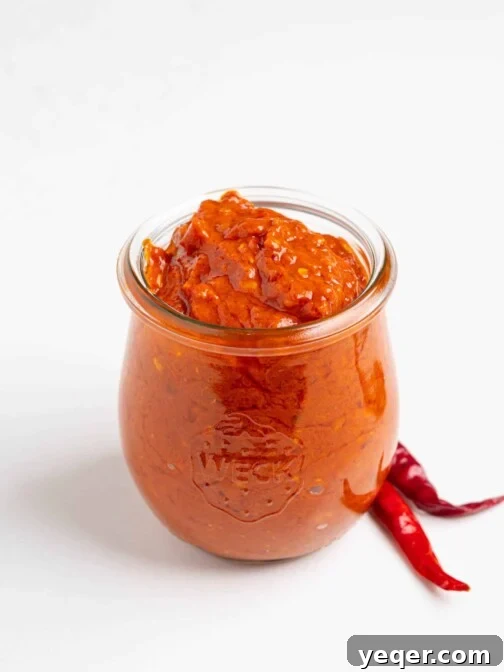
Homemade Harissa (A Moroccan Cooking Staple)
5 from 1 review
- Author: Salima Benkhalti
Prep Time: 25 minutes
Cook Time: 0 minutes
Total Time: 25 minutes
Yield: 10 servings 1x
Category: side dish, sauce, marinade
Method: Blended, Pureed, Processed
Cuisine: Moroccan, North African, Tunisian, Libyan
Diet: Vegan
Description
Allow me to introduce you to your new favorite Moroccan cooking staple, Harissa. This Tunisian hot sauce is popular across North Africa and is made with dried chiles, preserved lemon, and traditional spices.
Ingredients
- 20 (about 1 cup) dried red hot chile peppers (e.g., guajillo, anaheim, chiles de arbol)
- 1 tsp minced preserved lemon or 1 tbsp lemon juice
- 4 garlic cloves, peeled
- 1/2 cup olive oil
- 1 tsp salt
- 1 tsp coriander seeds
- 1/2 tsp cumin
- 2 tsp paprika
- 2 tbsp tomato paste
Instructions
- Hydrate the chiles. Add them to a bowl and cover with hot water. Soak for 20 minutes or until the chiles are soft and easy to work with.
- Process the harissa. Remove the stems from the peppers and add to a food processor with the remaining ingredients. Pulse until a consistent paste is formed, adding more olive oil if needed to reach desired consistency.
- Store. Harissa can keep in an airtight container in the fridge for up to 1 month.
Notes
Tip: If you’re concerned about things being too spicy, remove the seeds from the chiles before adding to the food processor to tame things down.