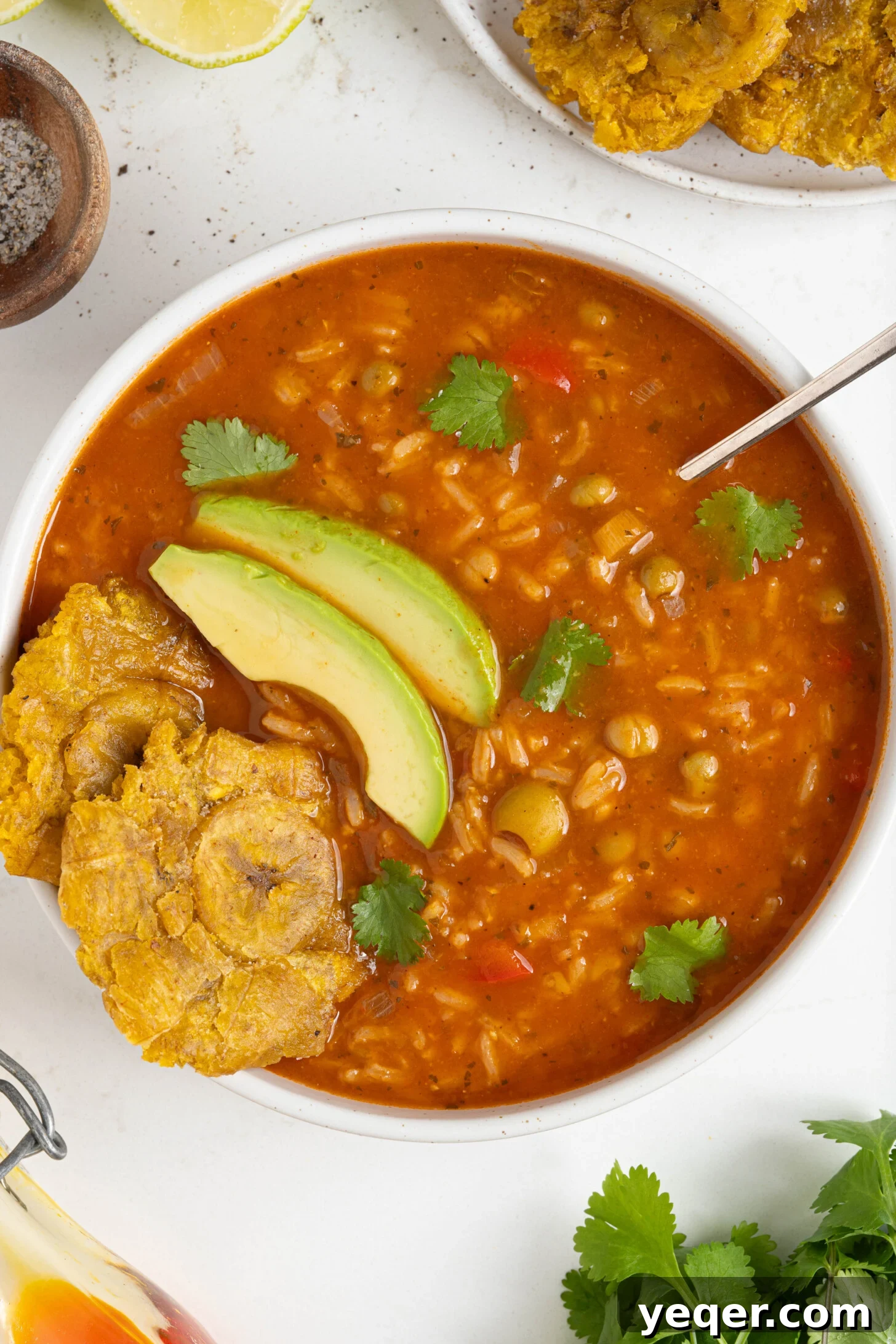
Welcome to a culinary journey into the heart of Puerto Rican comfort food: the exquisite Asopao de Gandules. This savory pigeon pea stew is more than just a meal; it’s a warm embrace, a dish that nourishes both body and soul. Known for its rich flavors and hearty texture, Asopao de Gandules is a staple in Puerto Rican households, beloved for its ability to bring families together around the dinner table.
Whether you’re new to Caribbean cuisine or a long-time enthusiast, this recipe offers a delicious and accessible way to experience the vibrant tastes of Puerto Rico. Made primarily with canned gandules (pigeon peas), stewed to perfection with aromatic onions, colorful peppers, briny olives, and fluffy rice, it’s an incredibly straightforward dish that relies on readily available and inexpensive ingredients. Prepare to discover your new favorite comfort food that’s easy to prepare, deeply satisfying, and bursts with authentic flavor.
What is Asopao de Gandules?
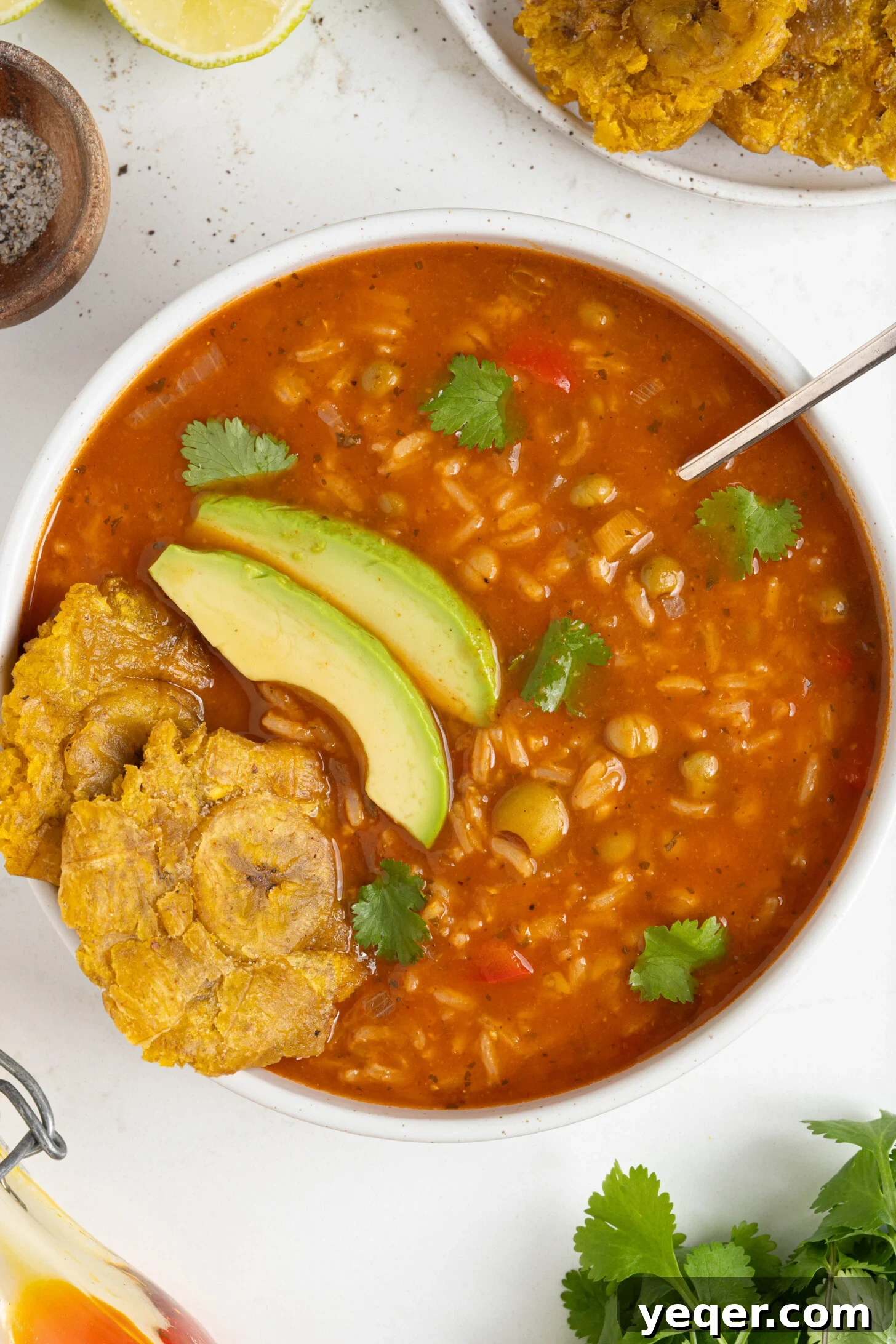
Asopao is a traditional Puerto Rican dish often described as a thick, soupy rice stew. While there are many variations, such as Asopao de Pollo (chicken) or Asopao de Camarones (shrimp), Asopao de Gandules stands out with its unique use of pigeon peas as the star ingredient. It falls somewhere between a hearty soup and a rich paella, offering a comforting consistency that’s perfect for a chilly evening or a satisfying family meal.
The base of this dish typically features a flavorful sofrito, a fundamental aromatic blend in Puerto Rican cooking, combined with savory spices, tomato sauce, and, of course, gandules. The addition of rice simmers directly in the broth, absorbing all the wonderful flavors and thickening the stew to its characteristic consistency. The result is a deeply flavorful, aromatic, and incredibly satisfying dish that truly embodies the spirit of Caribbean home cooking.
Why This Asopao Recipe Is A Must-Try
This Asopao de Gandules recipe is designed for both authenticity and ease. It leverages canned gandules, making it accessible even if fresh or dried pigeon peas aren’t readily available. Here’s why you’ll want to add this to your regular cooking rotation:
- Uncomplicated & Quick: With a prep time of just 15 minutes and a cook time of 30 minutes, you can have a comforting, homemade meal on the table in under an hour.
- Budget-Friendly: Utilizing affordable ingredients like canned peas, rice, and common vegetables, this stew is kind to your wallet without compromising on flavor.
- Deeply Flavorful: The combination of sofrito, adobo, sazón, and the natural sweetness of gandules creates a complex and irresistible flavor profile.
- Hearty & Wholesome: Packed with protein from the pigeon peas and carbs from the rice, it’s a complete meal that will keep you feeling full and satisfied.
- Customizable: Easily adaptable to your preferences, whether you want to add meat, adjust spice levels, or load up on extra vegetables.
Ingredients for the Perfect Asopao de Gandules
Crafting a delicious Asopao de Gandules begins with selecting the right ingredients. Each component plays a vital role in building the layered flavors that make this dish so special.
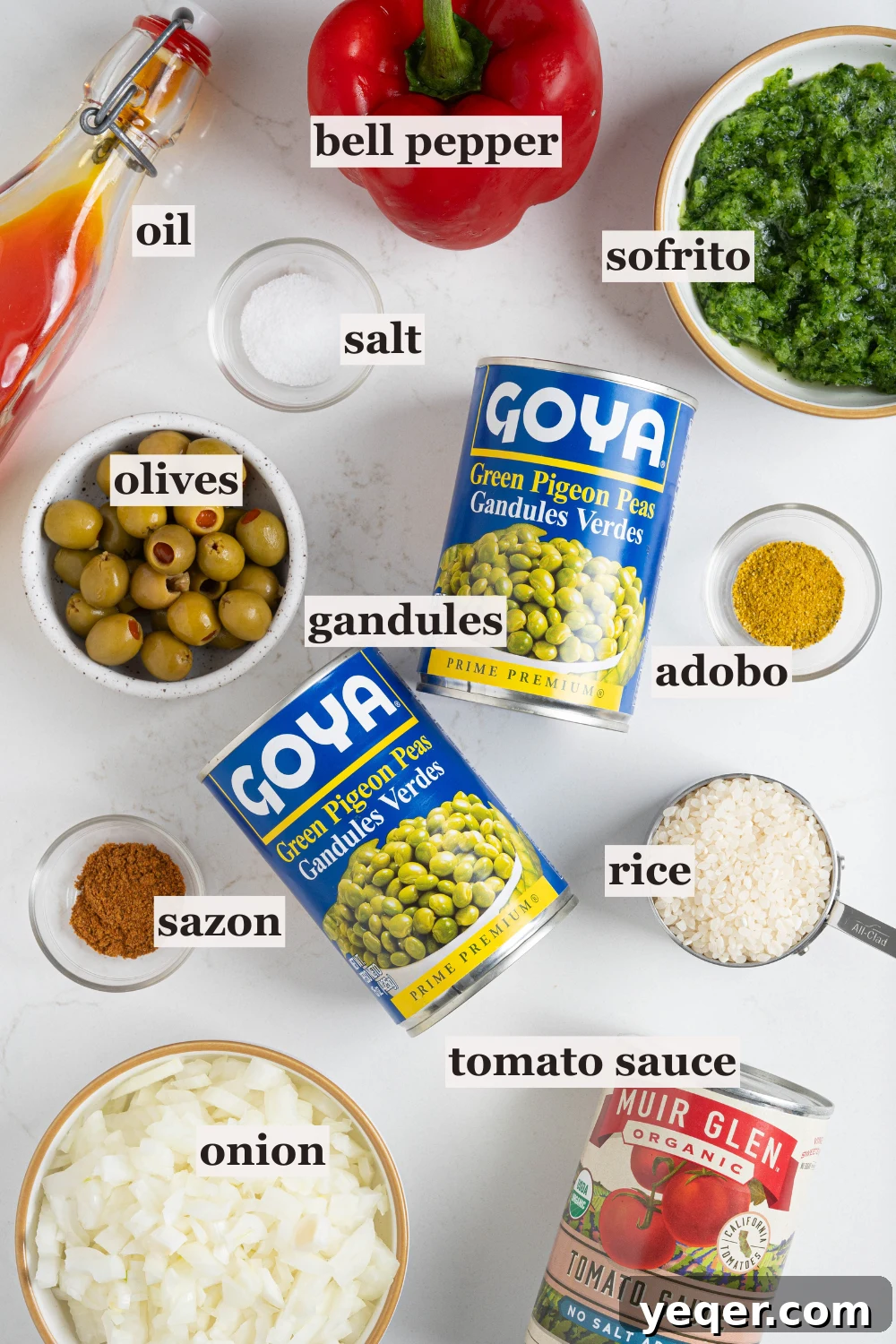
Here’s a breakdown of the essential ingredients you’ll need:
- Achiote Oil or Olive Oil: Achiote oil, also known as annatto oil, adds a beautiful reddish-orange hue and a subtle, earthy flavor. If unavailable, good quality olive oil works perfectly.
- Small Yellow Onion & Red Bell Pepper: These aromatics form the base of many Puerto Rican dishes, providing a sweet and pungent foundation for the stew. Dicing them finely ensures they soften and blend seamlessly into the sauce.
- Sofrito: This is the soul of Puerto Rican cooking. Sofrito is an aromatic blend of herbs and vegetables like culantro, cilantro, onions, peppers, and garlic, often pureed. It infuses the entire dish with unparalleled depth and authentic flavor. You can find pre-made sofrito in many supermarkets or make your own fresh.
- Canned Pigeon Peas (Gandules): The star of our show! Gandules are hearty, creamy, and have a unique mildly sweet, nutty flavor. Canned varieties are convenient and retain excellent texture when drained properly.
- Tomato Sauce: Adds a rich, tangy depth and helps create the signature color of the stew.
- Adobo Seasoning: A fundamental all-purpose seasoning in Latin American cuisine, typically a blend of salt, garlic powder, onion powder, oregano, and black pepper. It provides a savory boost.
- Sazón Seasoning: Another powerhouse seasoning, sazón often includes coriander, annatto, garlic, cumin, and oregano. It enhances both the color and flavor of the stew, giving it that characteristic vibrant Latin taste.
- Salt & Water: Essential for seasoning and creating the perfect broth consistency.
- Pimento Olives: These add a briny, savory counterpoint to the richness of the stew, a common addition in many Puerto Rican stews.
- Short to Medium Grain White Rice (Optional): The rice absorbs the flavorful broth, thickening the stew. Short or medium grain rice works best for its starch content and ability to create a creamy texture.
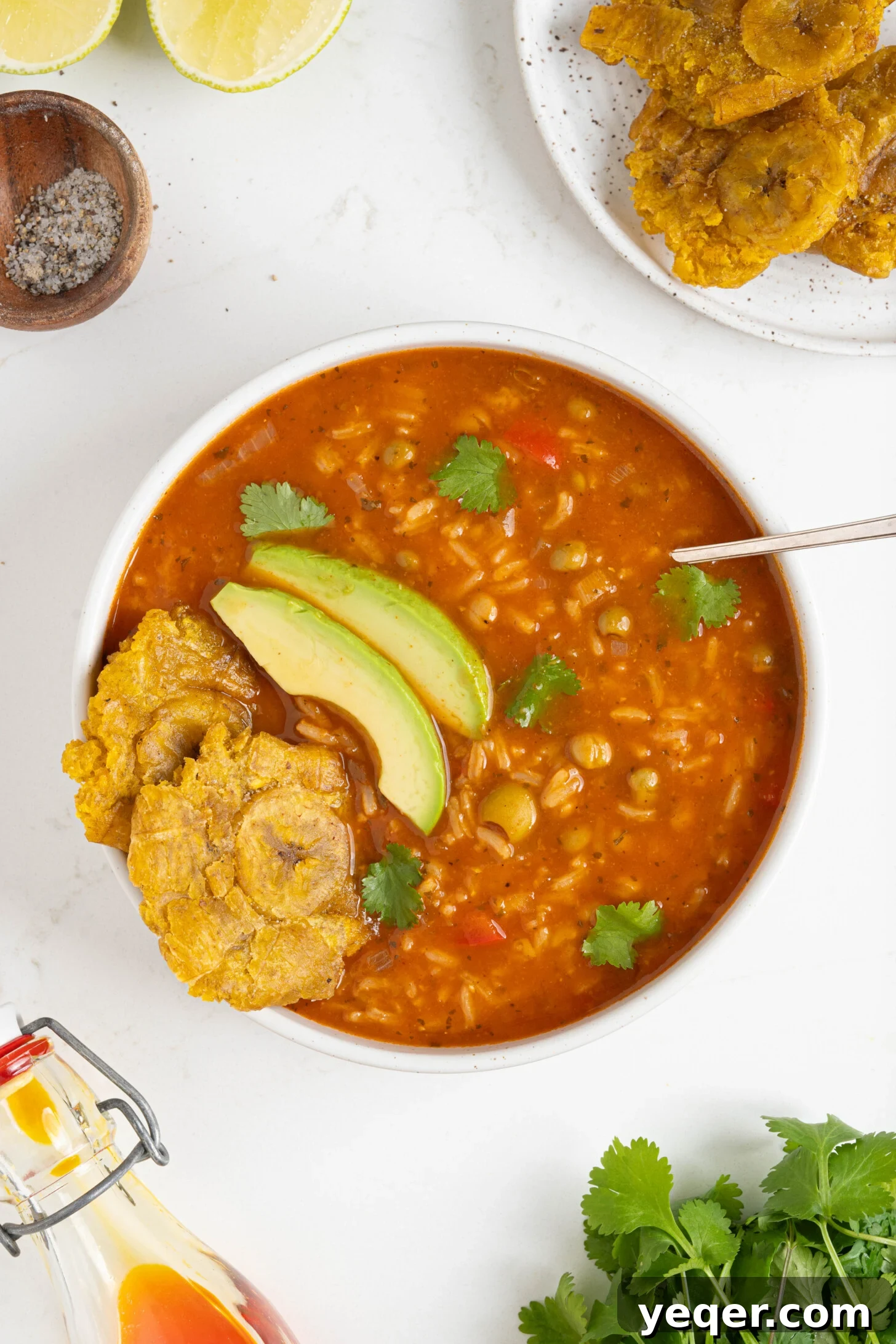
- Optional Toppings: Fresh cilantro, a squeeze of lime juice, sliced ripe avocado, and a drizzle of pique (Puerto Rican hot sauce) are all excellent additions that elevate the flavor and presentation of your Asopao.
Step by Step Instructions
Pro Tip: For an even heartier meal, consider adding salchichas (ham or sausages) to this recipe. Simply sauté them with the onions and bell peppers in the first step, then proceed with the rest of the instructions. The smoky flavor will beautifully complement the gandules!
To Rice or Not to Rice: The Asopao Consistency Dilemma
The role of rice in Asopao is crucial to its texture, and it’s an aspect that can significantly alter the dish’s final consistency. Through extensive testing, I’ve observed that a delicate balance is key: less rice often leads to a more desirable outcome.
Adding too much rice can quickly absorb an excessive amount of the flavorful broth, transforming the rich, soupy stew into something akin to a thick porridge or a dense rice dish. While still delicious, it loses the characteristic “soupy” quality that defines Asopao.
Therefore, I strongly recommend using only about ½ cup of short to medium grain white rice for this recipe. This amount allows the rice to cook through, adding body and substance, without completely dominating the liquid. Alternatively, if you prefer a thinner, more broth-forward consistency—leaning more towards a traditional soup—you can skip the rice entirely. If omitting rice, remember to reduce the water from 4 cups to 3 cups to maintain a concentrated flavor. The beauty of Asopao is its versatility, allowing you to tailor the rice content to your personal preference for thickness.
What to Eat with Your Asopao: Serving Suggestions
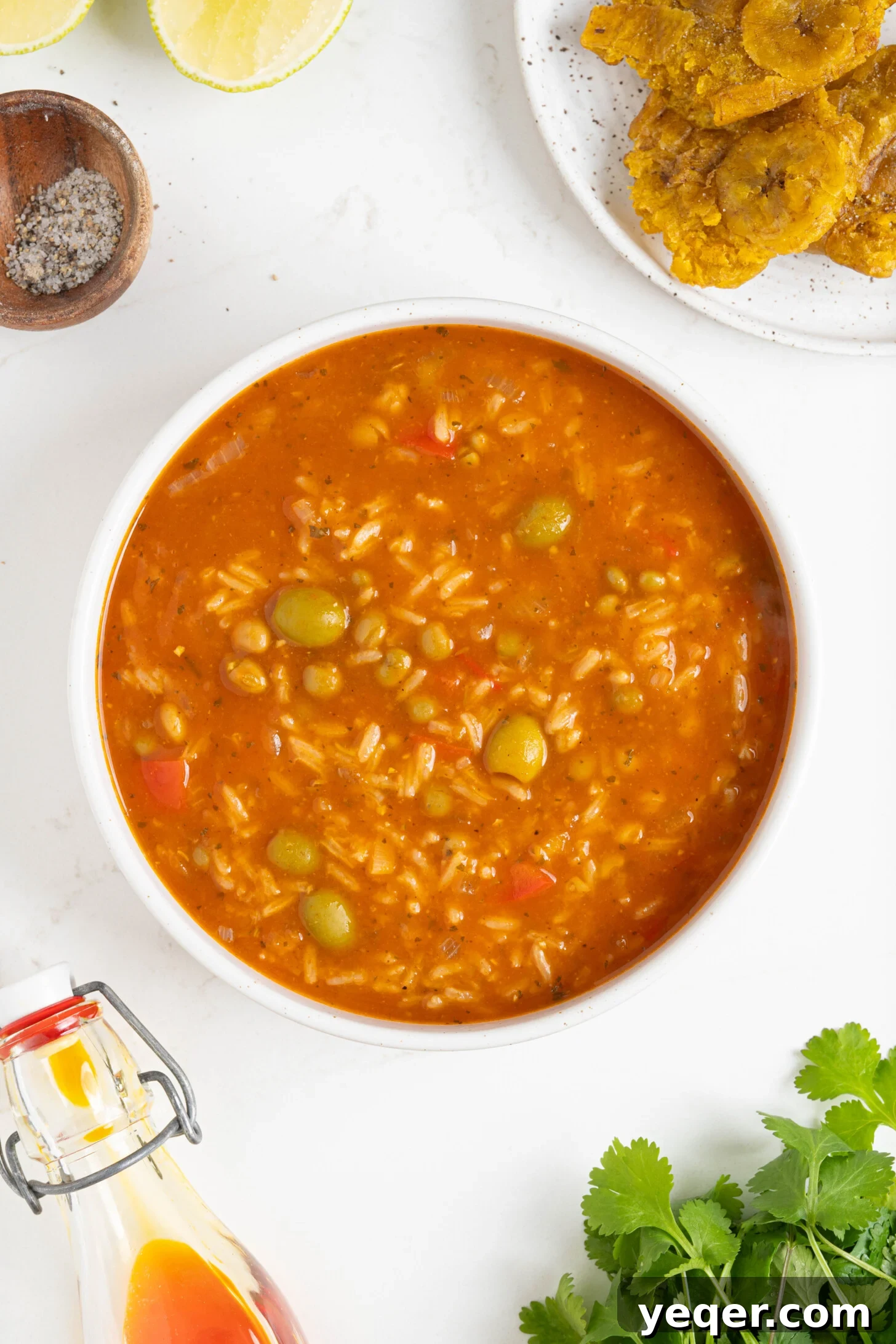
While Asopao de Gandules is a complete and satisfying meal on its own, I believe that a few simple toppings and accompaniments can elevate it to an extraordinary culinary experience. Here are my favorite ways to take this comforting pigeon pea stew to the next level:
- A Squeeze of Fresh Lime Juice: A burst of citrus brightens the rich flavors of the stew, adding a refreshing tang that cuts through the savory notes.
- A Drizzle of Pique or Your Favorite Hot Sauce: For those who enjoy a bit of heat, a dash of Puerto Rican pique (a homemade pickled hot sauce) or any preferred hot sauce adds a delightful kick.
- Sprigs of Fresh Cilantro: Chopped fresh cilantro not only adds a vibrant green garnish but also brings a fresh, herbaceous aroma that complements the stew beautifully.
- Some Sliced Ripe Avocado: Creamy, cool avocado offers a wonderful textural contrast and a rich, buttery flavor that balances the warmth of the Asopao.
- And my all-time favorite… Freshly Fried Tostones: These crispy, twice-fried plantain slices are the ultimate accompaniment. They provide a satisfying crunch and are perfect for scooping up every last bit of the delicious stew.
Related Puerto Rican Sides to Serve with Asopao
To truly complete your Puerto Rican feast, consider pairing your Asopao with these traditional favorites:
Let’s Talk Gandules: The Heart of the Stew
If you’re just discovering the wonderful world of gandules, allow me to introduce you to one of my all-time favorite legumes! This versatile bean, also widely known as a pigeon pea, is an indispensable staple in Puerto Rican cuisine, woven into the fabric of countless traditional dishes.
Originating from Asia and Africa, gandules found their way to the Caribbean centuries ago and have since become a cornerstone of island cooking. We lovingly incorporate them into a variety of meals: from rich stews and hearty meat dishes to traditional pasteles, and of course, in one of our most iconic preparations, arroz con gandules (rice with pigeon peas).
What makes gandules so special? They are exceptionally hearty and possess a delightful creaminess that often surpasses that of your average black or red bean. Their flavor is subtly sweet with earthy undertones, making them incredibly versatile. This unique profile allows them to pair exceptionally well with robust ingredients like garlic, onions, and cilantro – precisely why they shine so brilliantly in this Asopao de Gandules. They absorb the flavors of the broth while retaining their distinct texture, adding both substance and a touch of sweetness to every spoonful.
More Puerto Rican Stews & Soups to Explore
If you’ve enjoyed the comforting warmth of Asopao de Gandules, you’ll be delighted to discover the rich variety of other stews and soups that are central to Puerto Rican cooking. Each dish offers a unique blend of flavors and textures, reflecting the island’s diverse culinary heritage. Here are a few more traditional recipes to expand your Puerto Rican culinary repertoire:
Asopao de Gandules (Pigeon Pea Stew) Recipe Card
Asopao de Gandules (Pigeon Pea Stew)
- Author: Salima Benkhalti
- Prep Time: 15 minutes
- Cook Time: 30 minutes
- Total Time: 45 minutes
- Yield: 6 servings
- Category: Stew, Soup, Entree, Main Dish
- Method: Stewed
- Cuisine: Puerto Rican, Latin
- Diet: Vegan
Description
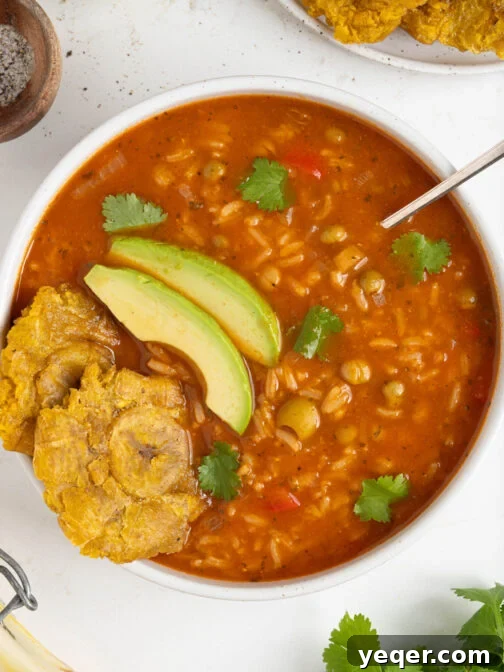
This cozy Puerto Rican style Asopao de Gandules is the ultimate comfort food that warms from within. Made with canned gandules (aka pigeon peas) stewed with onions, peppers, olives, and rice, it’s an incredibly easy dish to throw together with inexpensive ingredients.
Ingredients
- 1 tbsp achiote oil or olive oil
- 1 small yellow onion, diced
- 1/2 red bell pepper, diced with seeds removed
- 1/3 cup sofrito
- 2 (15 oz) cans of pigeon peas, drained
- 1 (15 oz) can tomato sauce
- 1 tsp adobo seasoning
- 1 tsp sazon seasoning
- 2 tsp salt
- 4 cups water
- 1/2 cup pimento olives
- optional: 1/2 cup short to medium grain white rice
- optional toppings: cilantro, lime juice, avocado, pique
Instructions
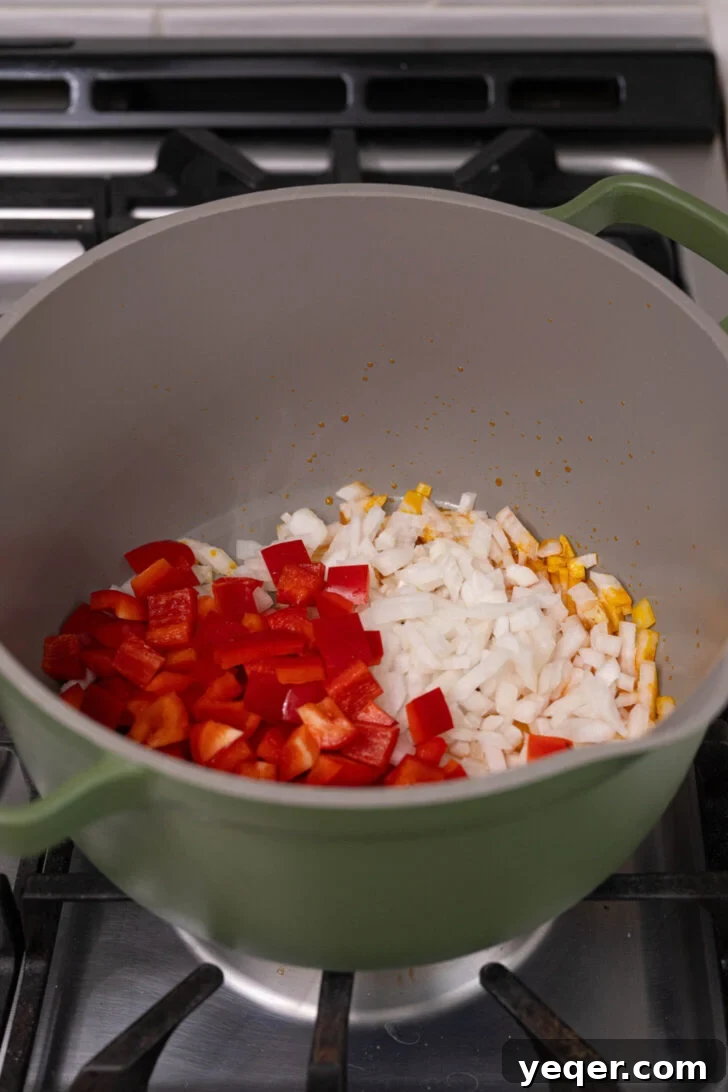
- Sauté veggies. Warm the oil in a pot over medium heat before adding the onion and bell pepper. Sauté until the onion begins to soften and turn translucent.
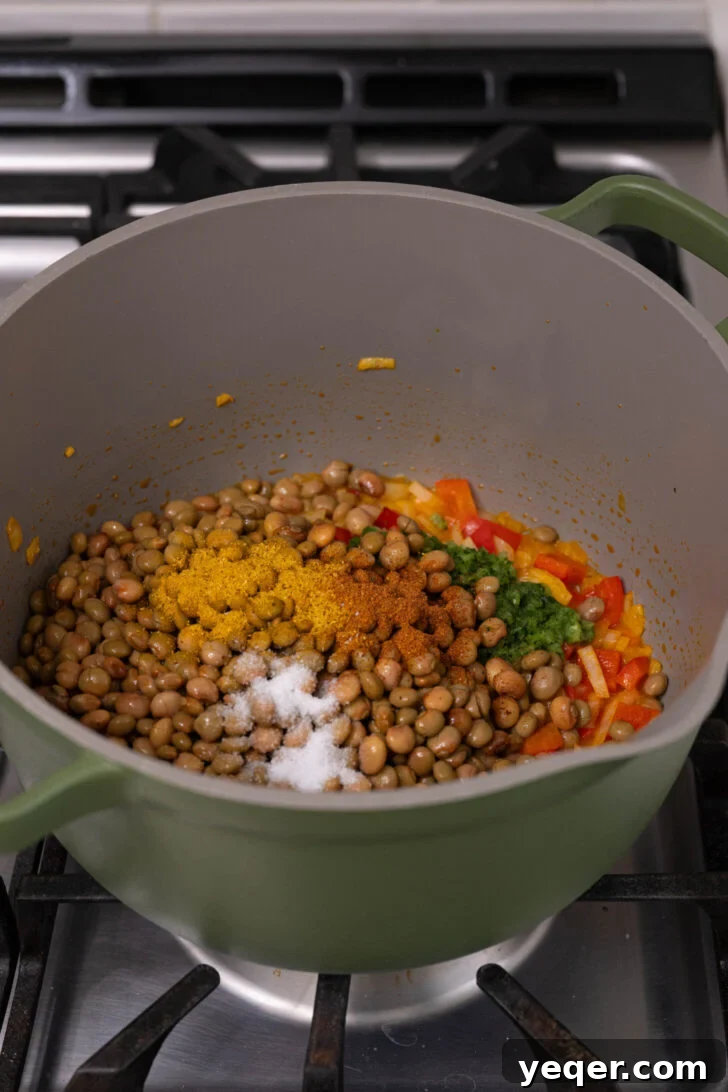
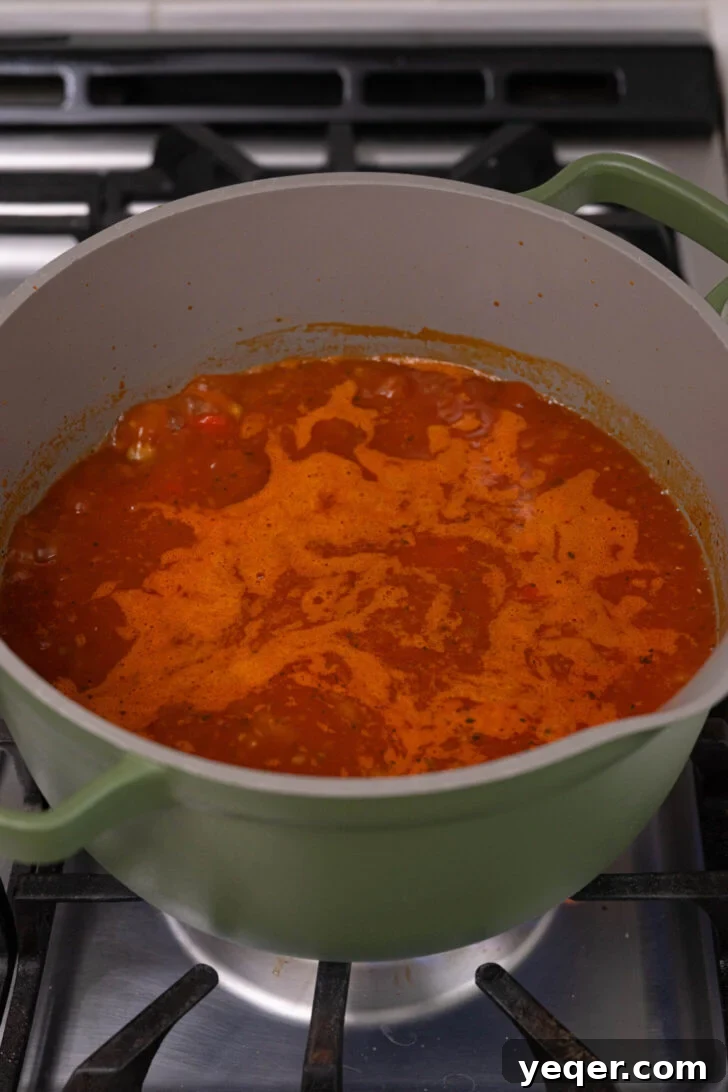
- Add gandules and other seasonings. Toss in the sofrito, gandules, and seasonings (adobo, sazon, salt). Stir to combine and allow to simmer for 3-5 minutes before adding the tomato sauce and all of the water. Turn the heat up to high and bring the liquid to a rolling boil.
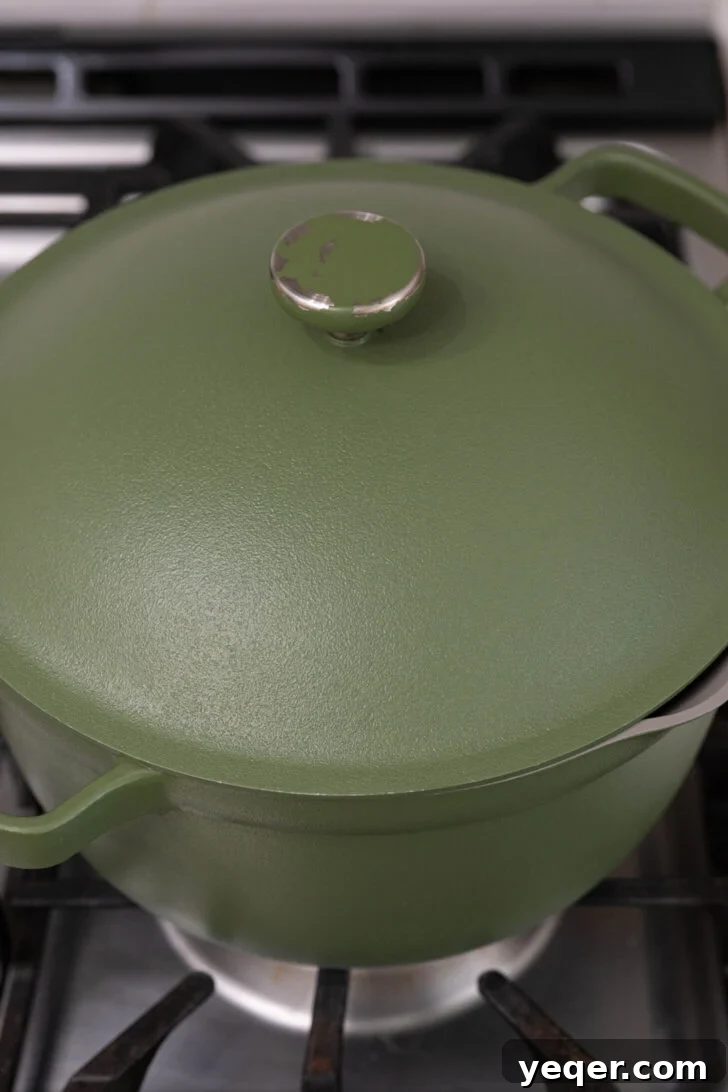
- Add olives and rice and stew. Once the liquid begins to boil, add in the pimento olives and the rinsed rice (if using). Give everything a gentle stir before covering the pot tightly and turning the heat down to low.
- Stew until the rice is cooked. Continue to stew the Asopao, covered, on low heat until the rice is fully cooked through and tender, which typically takes about 15-20 minutes. Uncover and stir everything together, adding a splash of water if necessary to achieve your desired consistency. Add additional salt and pepper to taste, and enjoy! Garnish with sliced avocado, tostones, a squeeze of lime juice, or pique and fresh cilantro.
Notes
If you choose to skip the rice, use 3 cups of water instead of 4 to ensure the stew maintains a rich flavor and consistency.
Buen provecho, and happy cooking!