
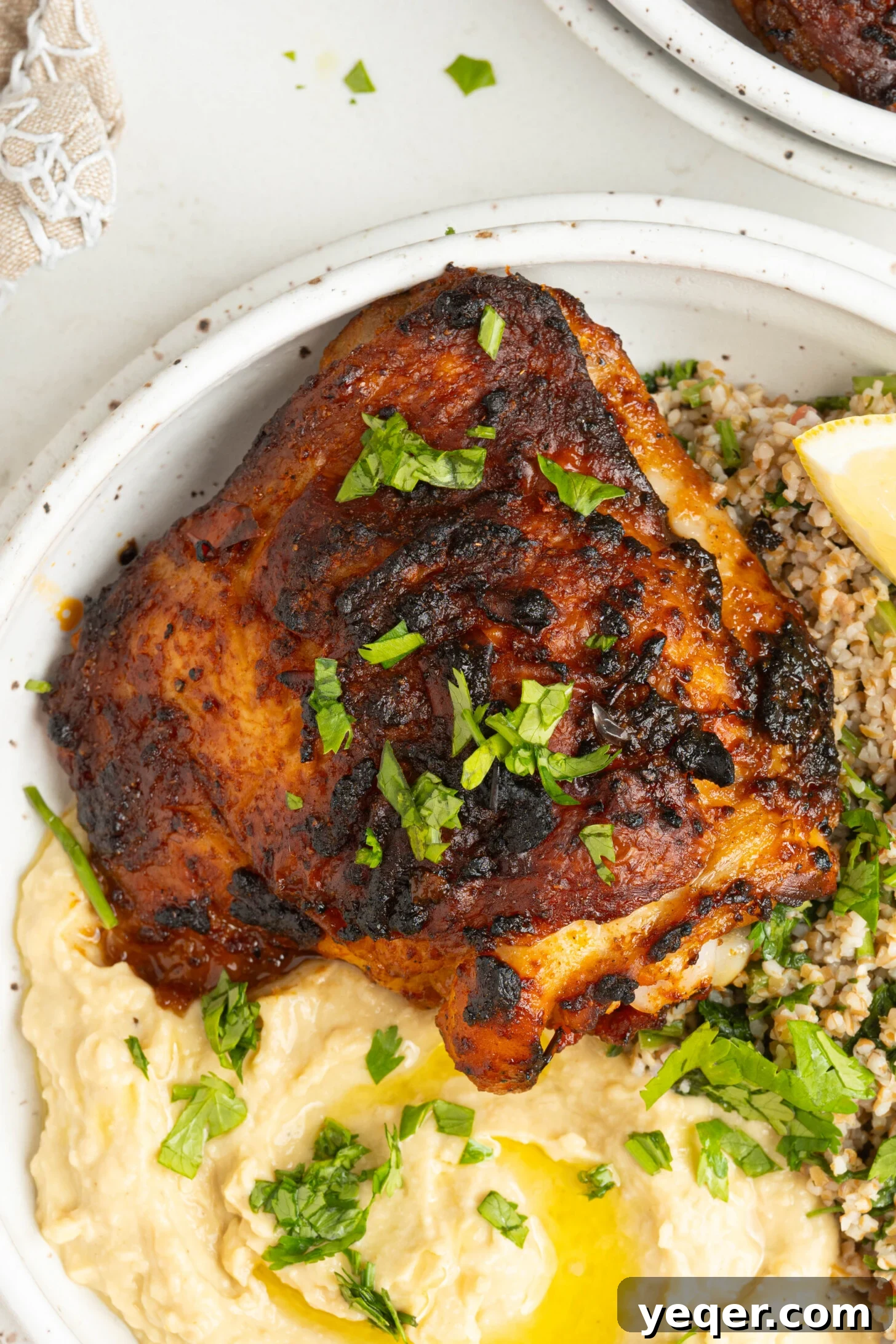
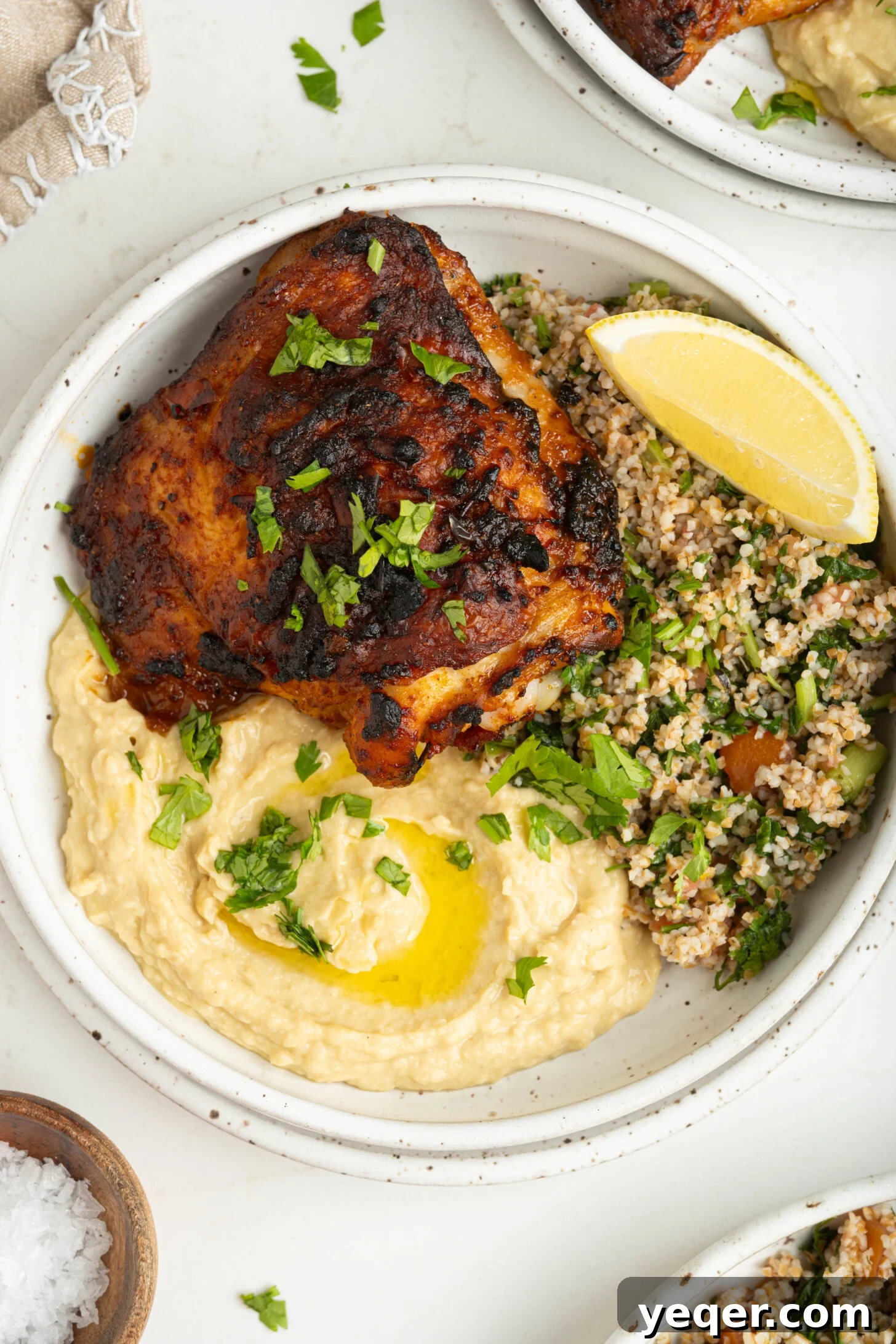
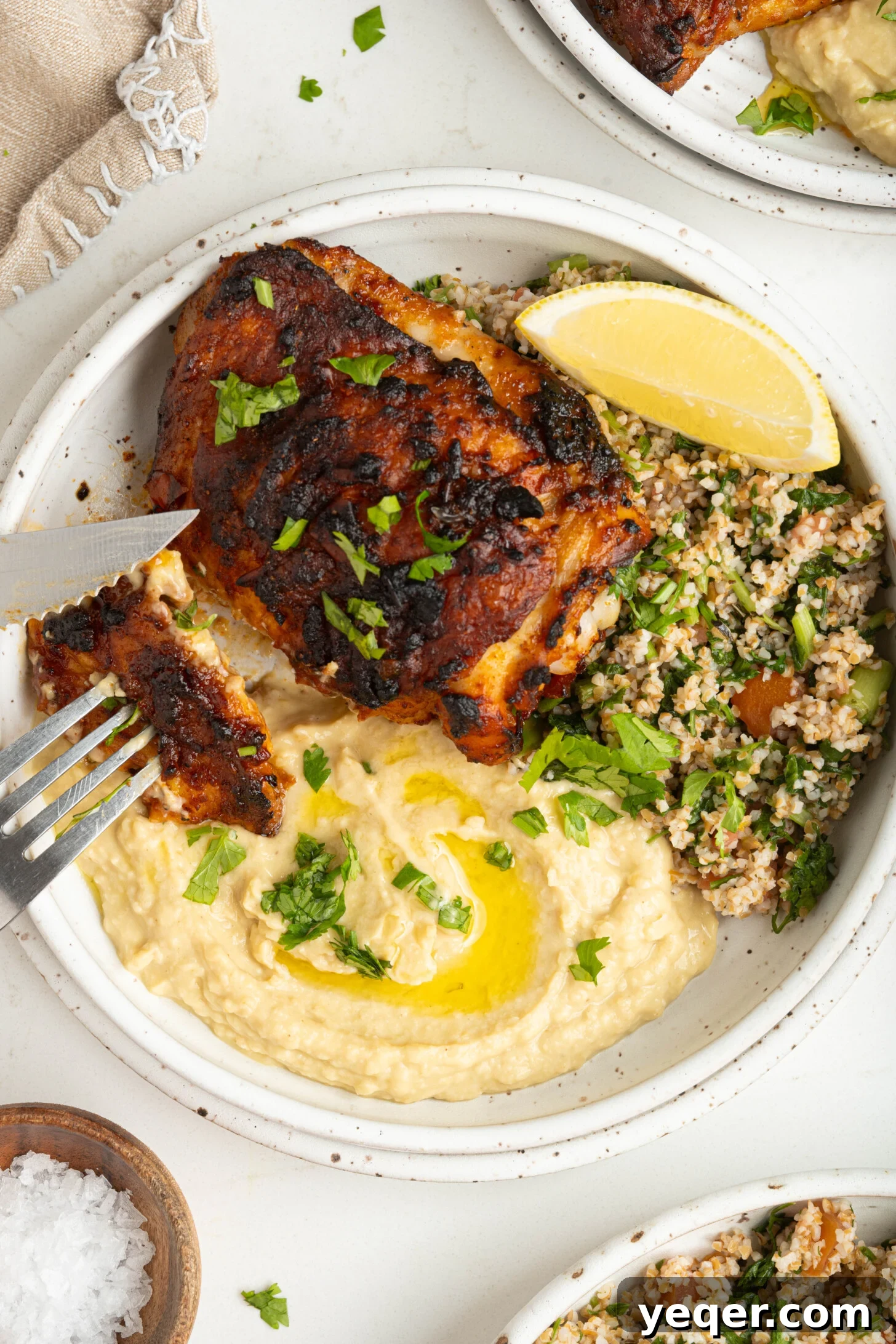
Embark on a culinary journey with these quick-roasted, incredibly juicy harissa chicken thighs. Whether you prefer bone-in or boneless cuts, this recipe guarantees super tender results, making for a delicious and vibrant entree. Pair it effortlessly with a fresh salad, creamy hummus, a medley of roasted vegetables, fluffy rice, or light couscous for a complete and satisfying meal.
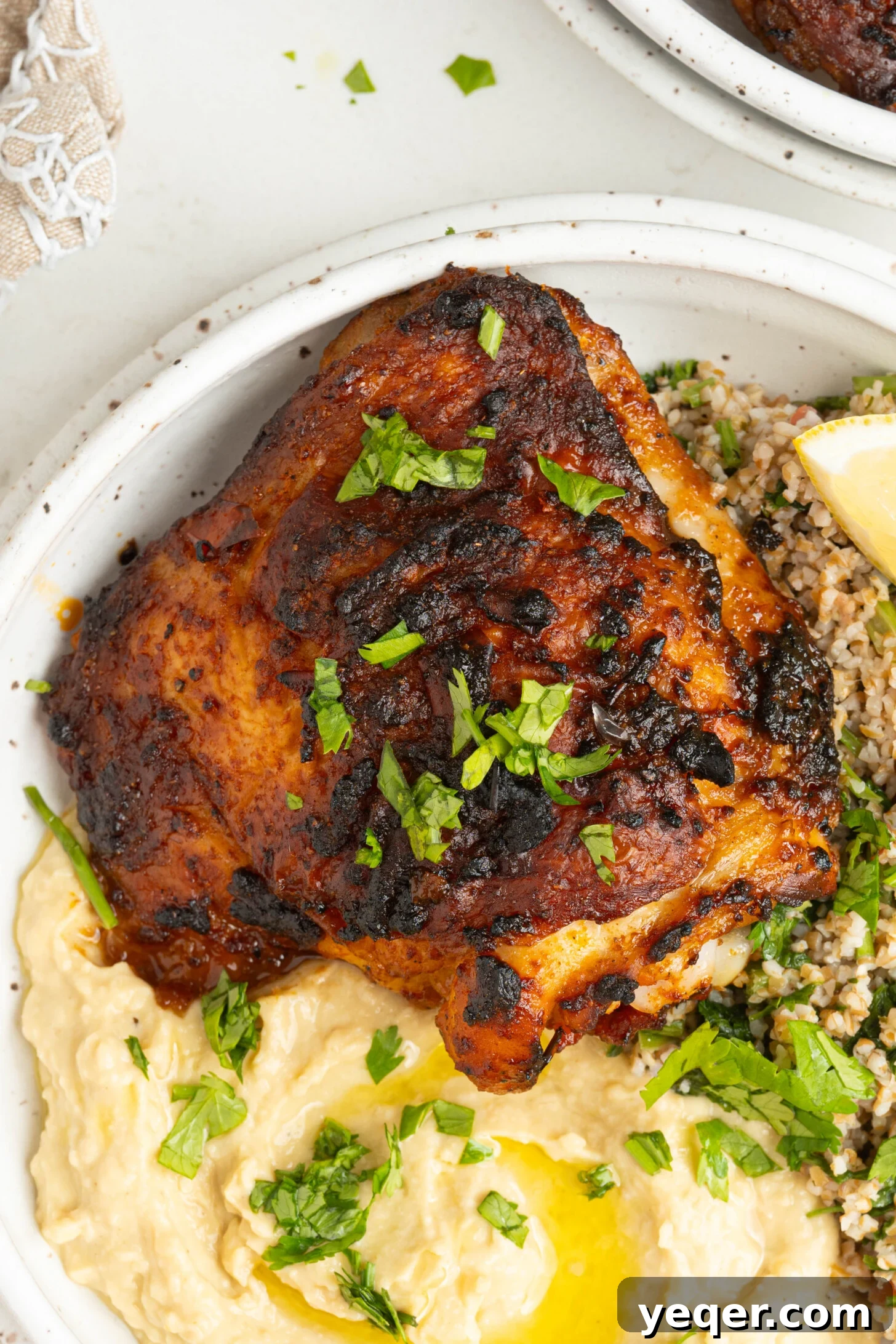
Why You’ll Adore This Harissa Chicken Thighs Recipe
Harissa paste, a truly enchanting and versatile chili paste, hails from the vibrant kitchens of Tunisia and is a cornerstone ingredient in many North African and Moroccan recipes. Its complex flavor profile boasts a captivating blend of spicy heat, bright tanginess, subtle smokiness, and often a touch of sweetness, making it an extraordinary companion for meats, vegetables, and a myriad of other dishes.
What makes harissa truly shine in this recipe is its ability to transform simple chicken thighs into an exotic, flavor-packed masterpiece. Crafted from a harmonious mix of sun-dried peppers, fragrant garlic, an array of warming spices, and sometimes even the distinct zest of preserved lemons, harissa serves as an unparalleled base for a marinade. When combined with a judicious blend of additional spices, freshly grated garlic, and a squeeze of bright lemon juice, it creates a marinade that infuses the chicken with an incredible depth of flavor.
This recipe promises not only a delightfully spice-forward entree but also a meal that’s remarkably easy to prepare. It’s perfect for busy weeknights yet impressive enough for entertaining. The marinade tenderizes the chicken, ensuring each bite is succulent and bursting with the aromatic essence of North Africa. Serve these delectable harissa chicken thighs with crisp salads and hearty grains for a complete and wholesome dining experience. If you’re looking to explore more harissa-infused dishes, don’t miss our tempting harissa pasta recipe for a perfectly spicy side.
Essential Ingredients for Your Harissa Chicken Thighs
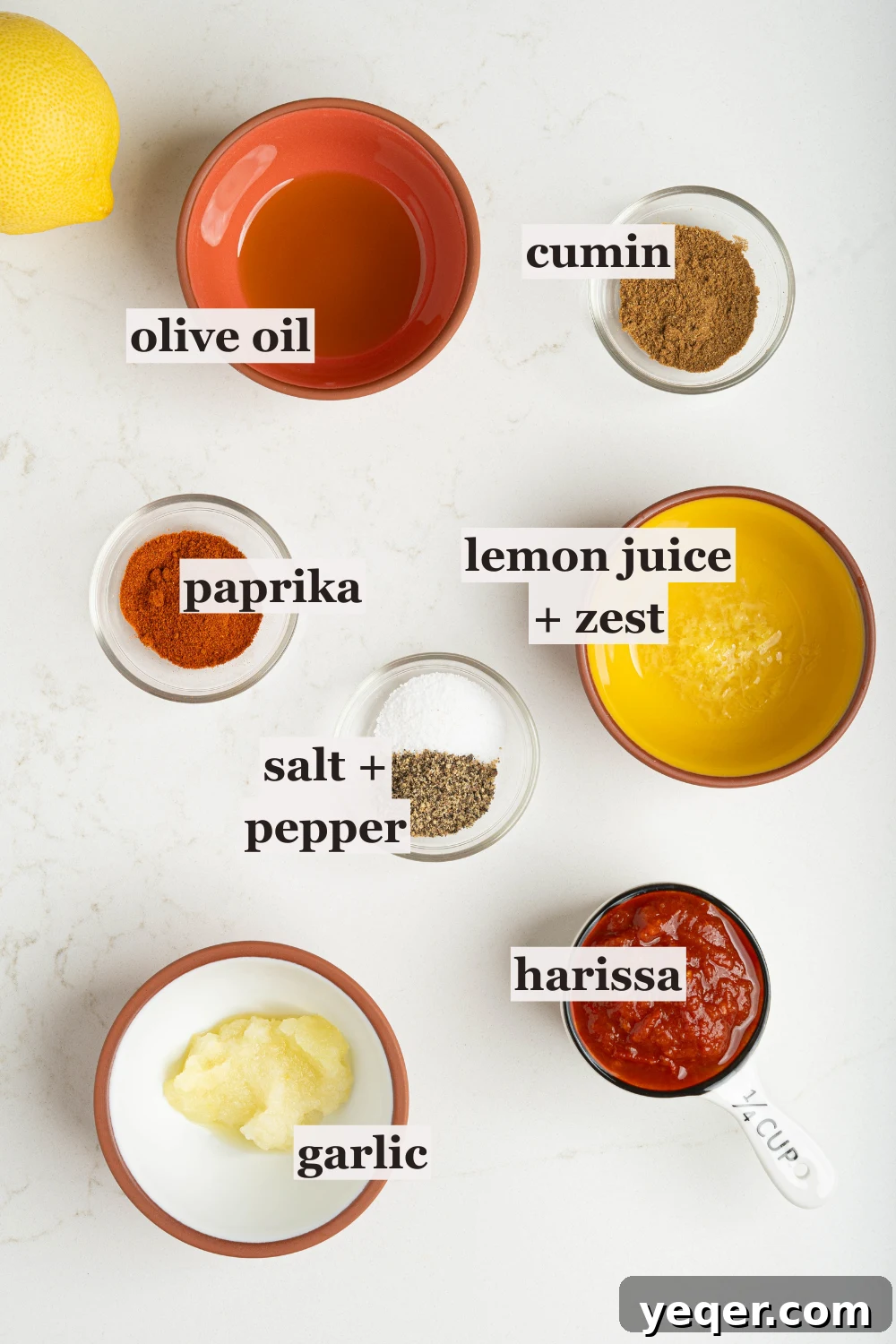
Creating these sensational harissa chicken thighs requires just a handful of fresh, flavorful ingredients. Here’s what you’ll need to gather:
- Harissa Paste: The star of our marinade! You can easily make your own harissa paste from scratch or opt for a high-quality store-bought version. Look for brands with authentic flavor profiles.
- Olive Oil: A good quality extra virgin olive oil not only helps to bind the marinade but also adds a fruity richness and helps achieve beautifully crispy skin.
- Lemon Juice & Zest: Freshly squeezed lemon juice and finely grated zest are crucial. They introduce a bright acidity that balances the heat of the harissa and truly lifts the overall flavor of the dish.
- Salt: Essential for seasoning and enhancing all the other flavors.
- Black Pepper: Freshly ground black pepper adds a pungent, spicy kick.
- Paprika: Sweet paprika contributes a vibrant color and a mild, earthy sweetness, complementing the harissa’s spice.
- Cumin: Ground cumin brings a warm, earthy, and slightly smoky aroma, a classic pairing with North African flavors.
- Garlic: Freshly grated garlic is non-negotiable for its pungent, aromatic intensity. Don’t skimp here; it’s a key flavor builder!
- Chicken Thighs: Approximately 2 pounds of chicken thighs, which typically equates to about 6-8 individual thighs. You have the flexibility to choose either boneless or bone-in thighs, and skin-on or skinless, depending on your preference.
- Optional Garnishes: For an extra flourish, consider having additional harissa for serving, fresh lemon slices for a burst of citrus, and a sprinkle of fresh herbs like cilantro or parsley.
Refer to the comprehensive recipe card below for precise quantities and detailed nutritional information.
Step-by-Step Guide to Perfect Roasted Harissa Chicken Thighs
Achieving perfectly roasted harissa chicken thighs is simpler than you might think. Follow these straightforward steps to create a truly unforgettable meal:
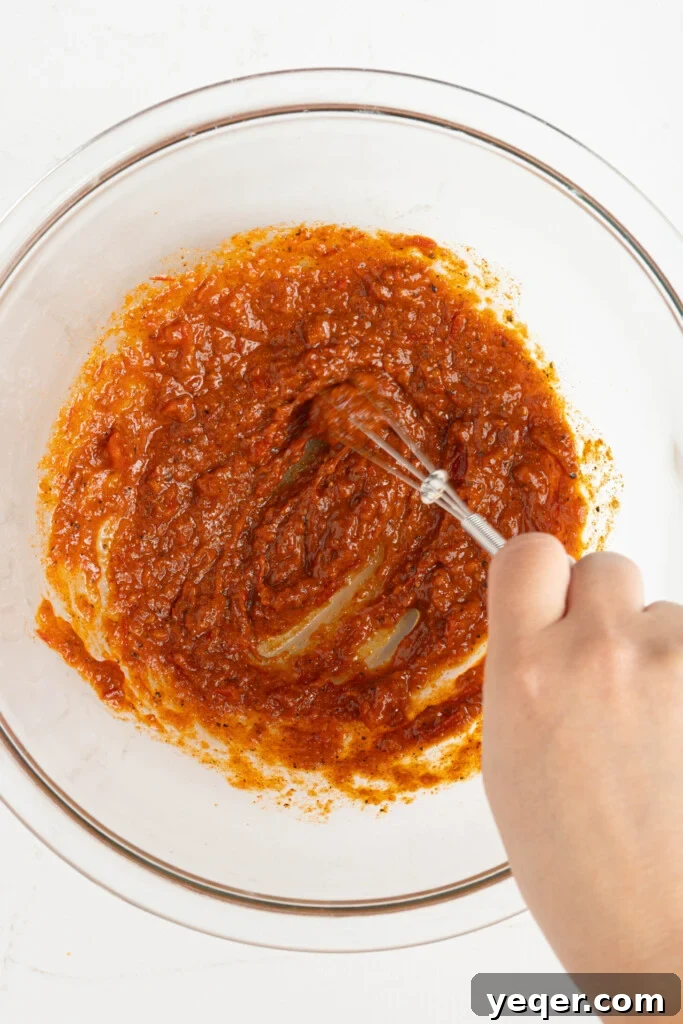
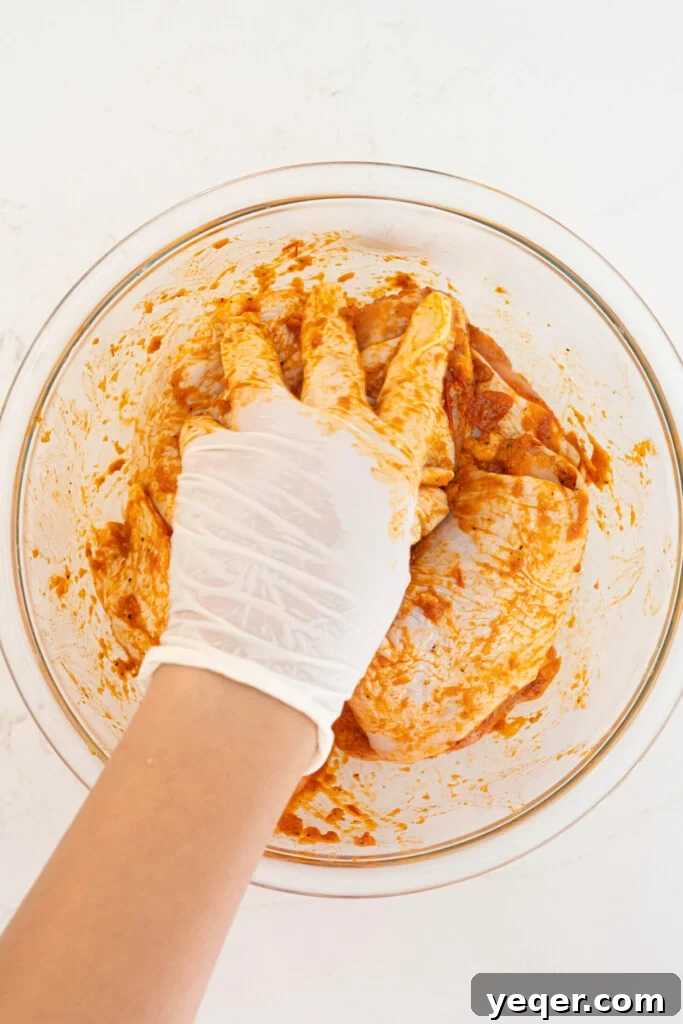
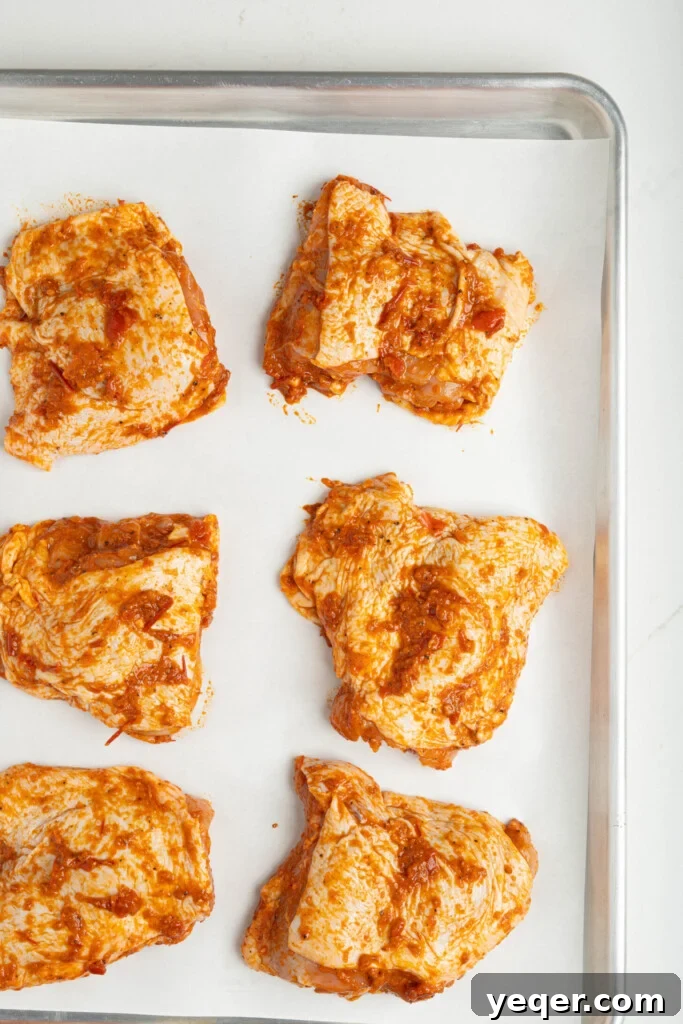
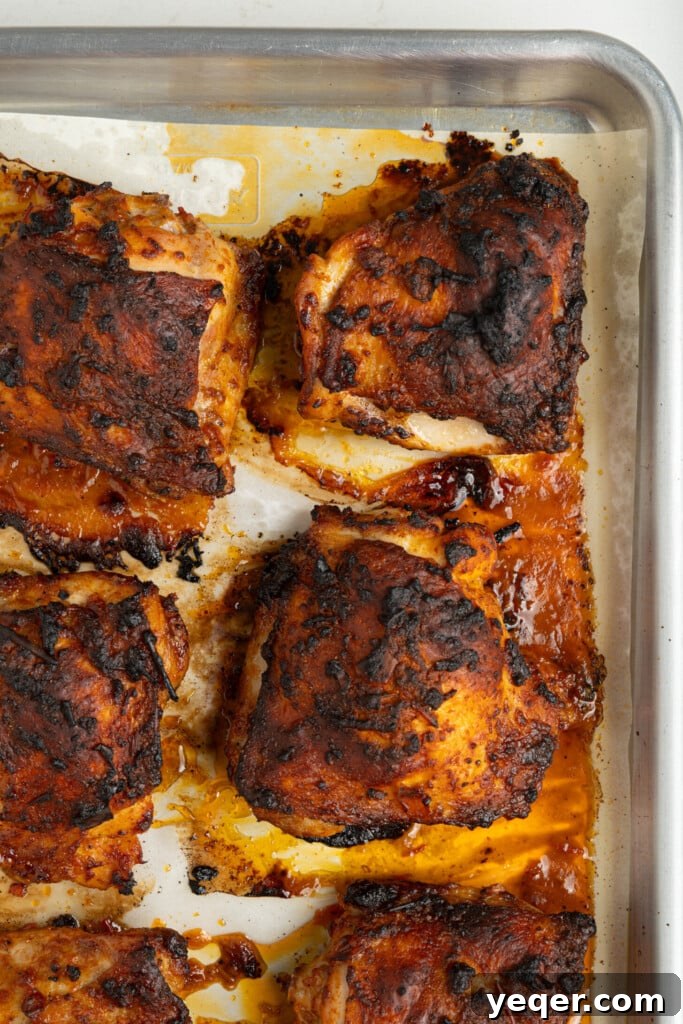
Important Note on Cook Time: The cooking duration for your harissa chicken thighs will indeed vary significantly based on whether you opt for boneless or bone-in cuts. Bone-in thighs, due to their structure, require a longer cooking period. To eliminate any guesswork and guarantee your chicken is both perfectly cooked and safe to eat, always rely on a high-quality meat thermometer. Ensure the thickest part of the chicken reaches an internal temperature of 165°F (74°C) before removing it from the oven.
Delicious Pairings: What to Eat With Harissa Chicken
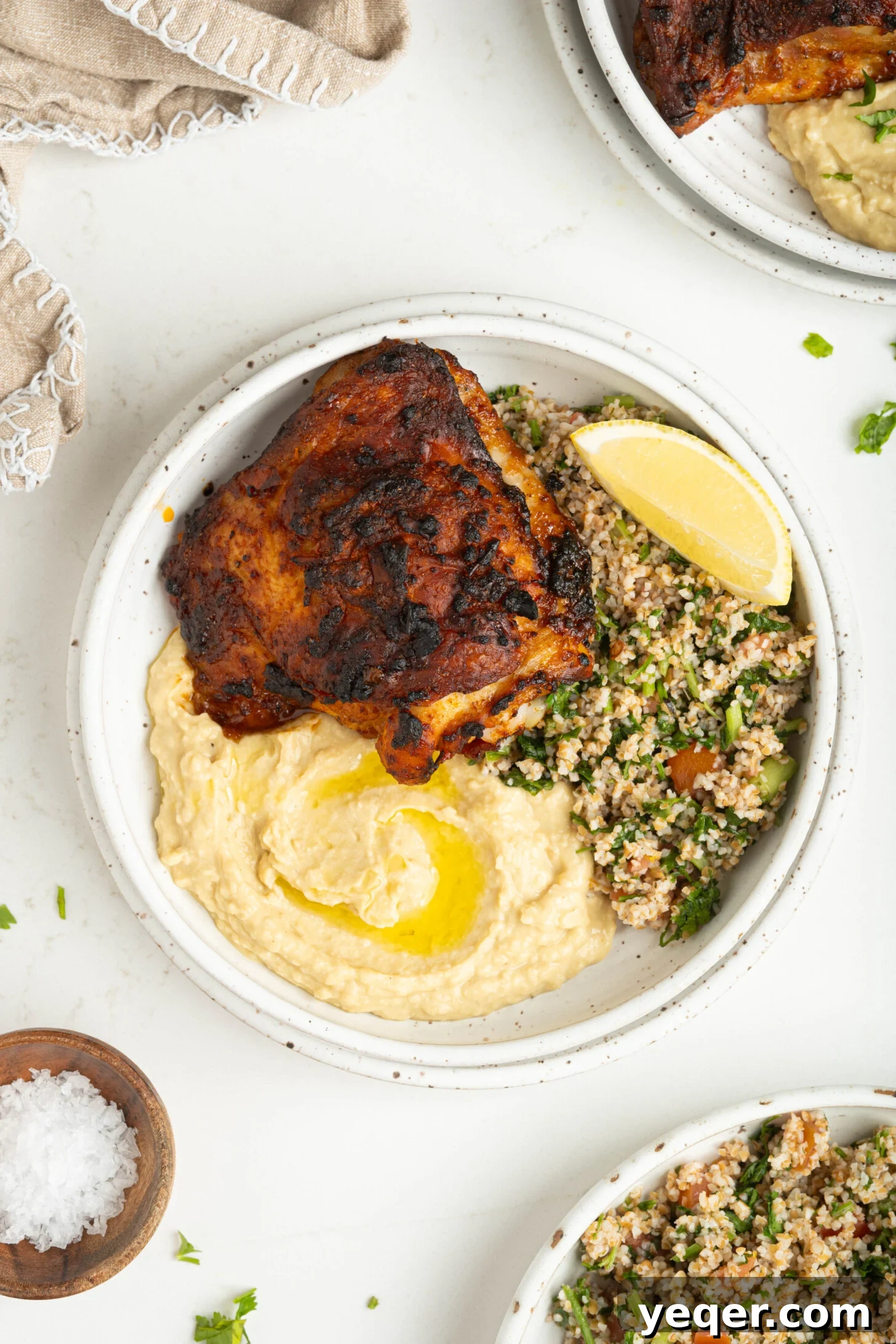
One of the many charms of these spicy and succulent harissa chicken thighs is their incredible versatility, allowing them to be paired with an extensive array of side dishes. The rich, bold flavors of the chicken make it an excellent centerpiece for a diverse and satisfying meal.
We particularly enjoy serving these harissa-infused chicken thighs with a variety of grains that can absorb their delicious juices and complement the spices. Consider fluffy turmeric rice, a light and aromatic couscous salad, or even quinoa for a hearty and nutritious option. These grains provide a perfect textural contrast and a comforting base.
To brighten the meal and add a refreshing element, Moroccan salads are an ideal choice. Their fresh, vibrant flavors offer a wonderful counterbalance to the chicken’s spiciness. Try pairing your chicken with a classic Moroccan tomato salad, the smoky and rich eggplant dip known as Zaalouk, or a refreshing roasted pepper salad. Beyond these, a simple green salad with a light vinaigrette also works beautifully.
For additional serving inspiration, here are a few more favorites that beautifully complement the robust flavors of harissa chicken:
Consider also adding a simple yogurt sauce (like a mint raita or plain Greek yogurt with a drizzle of olive oil) to offer a cooling contrast to the harissa’s spice. Roasted root vegetables like carrots, potatoes, or sweet potatoes, tossed with a little olive oil and salt, would also make fantastic companions, roasting alongside the chicken to absorb some of its wonderful flavors.
Bone-In Vs. Boneless: Choosing Your Chicken Thighs
When preparing harissa chicken thighs, you have the flexibility to choose between bone-in or boneless cuts, as well as skin-on or skinless options. Each choice offers a slightly different experience in terms of flavor, texture, and cooking time. Ultimately, the best choice depends on your personal preference and how you plan to serve the dish.
Bone-in chicken thighs tend to be more flavorful and juicy, as the bone helps to insulate the meat during cooking, preventing it from drying out. They also often yield a richer, more succulent texture. However, they do require a longer cooking time compared to their boneless counterparts. If you opt for bone-in, be prepared for a slightly extended roasting period to ensure the meat near the bone is fully cooked.
Boneless chicken thighs, on the other hand, offer convenience and a quicker cooking time, making them an excellent choice for busy weeknights. They are easier to eat and ideal for dishes where you might shred the chicken or incorporate it into salads and wraps. While still incredibly juicy and tender, some argue they lack the profound depth of flavor that bone-in thighs offer.
Regardless of your choice, the most critical factor is ensuring the chicken is cooked through to a safe internal temperature. This is where a reliable meat thermometer becomes an indispensable kitchen tool. Always aim for an internal temperature of 165°F (74°C) at the thickest part of the thigh to confirm it’s ready to be removed from the heat.
After cooking, whether bone-in or boneless, always allow your chicken to rest for a minimum of 5 minutes before slicing or serving. This resting period is crucial; it permits the juices to redistribute throughout the meat, guaranteeing every bite is as juicy, moist, and tender as possible. This simple step makes all the difference in achieving perfectly cooked chicken.
Versatility Beyond Thighs: Different Chicken Cuts with Harissa
The beauty of this vibrant harissa marinade lies in its incredible versatility; it truly works wonders on virtually any cut of chicken. So, feel empowered to experiment and use whatever chicken cuts are most accessible or appealing to you. The fundamental flavor profile will remain, simply adjust your cooking times accordingly.
Here are some fantastic ideas for adapting this harissa marinade to other cuts of chicken:
- Whole Chicken: For an impressive centerpiece, you can easily double or even triple the harissa rub ingredients to generously coat an entire chicken. For optimal cooking, consider spatchcocking (butterflying) the chicken to ensure it cooks more evenly and quickly. Apply the rub all over, getting into every crevice, and roast until golden brown and cooked through. For more specific instructions on whole roasted harissa chicken, you can refer to this recipe I developed for Eating Well.
- Chicken Breasts: If you prefer leaner meat, chicken breasts are an excellent option. Use approximately 2 pounds of boneless, skinless chicken breasts and follow the same marinating instructions as outlined for the thighs. Due to their lower fat content and uniform thickness, chicken breasts will cook faster. Be diligent with your meat thermometer to prevent overcooking, which can lead to dry meat. Aim for 165°F (74°C) and remove promptly.
- Chicken Wings: The harissa marinade creates incredibly flavorful and crispy chicken wings. Start with at least 2 pounds of chicken wings. The smaller size of wings means they will cook much faster than thighs or breasts, so close monitoring of the internal temperature is essential. They’re perfect for appetizers or a casual meal, delivering a spicy, tangy punch that’s hard to resist.
- Chicken Skewers (Kebabs): Cut boneless chicken into 1-inch cubes, marinate them, and then thread them onto skewers. You can add vegetables like bell peppers and onions to the skewers for a complete meal. These are fantastic for grilling or broiling and cook very quickly, making them ideal for a rapid, flavorful dinner.
No matter which cut you choose, if you decide to make any version of this recipe, consider serving it with a cooling and tangy dip like this homemade cilantro lime sauce. It provides a refreshing contrast to the spicy harissa and elevates the entire dish.
Flavor Boosters: Exciting Additions and Variations
While the classic harissa chicken recipe is utterly delicious on its own, there are several simple additions and variations you can explore to customize the flavor profile and make it uniquely yours. These tweaks can introduce subtle sweetness, enhance existing notes, or add new dimensions of taste.
For instance, if you’re keen on introducing a subtly sweet kick that beautifully complements the spicy and tangy notes of the harissa, try grating half of a small red onion directly into your harissa marinade. As the chicken roasts, the onion will caramelize slightly, lending a delicate sweetness and depth without overpowering the other flavors.
Beyond red onion, consider these other fantastic additions:
- A Touch of Sweetness: Drizzle a tablespoon of honey or maple syrup into the marinade. This can balance the heat of the harissa and create a lovely glaze on the chicken as it roasts.
- Extra Smokiness: If you desire an even deeper smoky flavor, incorporate a teaspoon of smoked paprika alongside the regular paprika in the rub.
- Fresh Herbs: Beyond garnishing, finely chopped fresh cilantro or parsley can be added directly to the marinade for an herbaceous freshness that permeates the meat.
- Yogurt Tenderizer: For an exceptionally tender chicken with a slightly milder spice, mix a couple of tablespoons of plain Greek yogurt into the harissa marinade. The lactic acid in the yogurt helps to break down the chicken fibers, and it also mellows the heat slightly while adding a creamy texture.
- Roasting Vegetables: For a one-pan meal, toss chopped root vegetables (like carrots, potatoes, parsnips, or sweet potatoes) or robust vegetables (such as bell peppers, zucchini, or onions) with a little olive oil, salt, and pepper. Arrange them around the chicken on the baking sheet to roast simultaneously, absorbing the delicious chicken and harissa juices.
Don’t be afraid to experiment with these additions to find your favorite twist on this already incredible recipe!
Explore More Moroccan-Inspired Chicken Recipes
If you’ve enjoyed the bold flavors of these harissa chicken thighs, you’re likely to fall in love with other Moroccan and North African chicken dishes. Our kitchen is rich with recipes that celebrate aromatic spices, tender meats, and heartwarming preparations. Here are a few more chicken recipes from our collection that we think you’ll absolutely adore:
Each of these recipes brings a unique culinary perspective, celebrating the rich heritage and diverse flavors of Moroccan cuisine. Whether you’re in the mood for a quick weeknight meal or a more elaborate weekend feast, you’ll find something to inspire your next kitchen adventure.
Essential Kitchen Equipment for Roasting Chicken
Having the right tools can make all the difference in the kitchen, especially when striving for perfectly cooked and delicious harissa chicken thighs. While this recipe is quite straightforward, a few key pieces of equipment can significantly simplify the process and enhance your results:
- Meat Thermometer: This is unequivocally the most important tool for this recipe. We cannot stress enough the value of a meat thermometer. It takes all the guesswork out of cooking chicken, ensuring your thighs are never undercooked (a safety concern) or overcooked (leading to dry meat). A quick-read thermometer will accurately tell you when your chicken has reached the safe internal temperature of 165°F (74°C).
- Large Mixing Bowl: Essential for combining all the marinade ingredients and tossing the chicken to ensure every piece is thoroughly coated in the flavorful harissa rub.
- Baking Sheet or Roasting Pan: A sturdy baking sheet, preferably with a rim, is necessary for roasting the chicken. A good quality sheet ensures even heat distribution and helps achieve beautiful browning.
- Whisk: For thoroughly blending the harissa paste with the olive oil, lemon juice, and spices to create a uniform marinade.
- Zester or Fine Grater: To extract the aromatic zest from the lemon and to grate fresh garlic, ensuring maximum flavor distribution in the marinade.
- Tongs: Useful for flipping the chicken during roasting (if desired) and for transferring the cooked chicken without piercing it and losing precious juices.
Investing in these basic kitchen tools will not only make preparing this harissa chicken recipe a breeze but will also improve the quality and consistency of your cooking across many other dishes.
Recommended Products for This Recipe
Meat Thermometer
Buy Now →
Harissa Paste
Buy Now →
Sheet Pan
Buy Now →
Storage and Meal Prep Tips for Harissa Chicken Thighs
These flavorful harissa chicken thighs are not only delicious fresh from the oven but also make fantastic leftovers, ideal for meal prepping and enjoying throughout the week. Proper storage ensures their freshness and maintains their vibrant taste.
- Refrigeration: Cooked harissa chicken thighs can be stored in an airtight container in the refrigerator for up to 5 days. This makes them perfect for packing into lunchboxes or quickly reheating for dinner.
- Reheating: To reheat, you have a couple of excellent options. For best results, especially if you prefer crispy skin, reheat the chicken in the oven at around 350°F (175°C) for 10-15 minutes, or until warmed through. Alternatively, for a quicker option, you can use a microwave, though the skin may not retain its crispness.
- Freezing Cooked Chicken: If you’ve made a larger batch, cooked harissa chicken thighs freeze beautifully. Allow them to cool completely, then store them in a freezer-safe, airtight container or heavy-duty freezer bags for up to 3 months. Thaw overnight in the refrigerator before reheating.
- Marinating Ahead (Meal Prep): This recipe is also wonderfully suited for make-ahead meal prep. You can prepare the harissa rub and marinate the chicken thighs up to 2 days in advance. Store the marinated chicken in an airtight container or a sealed bag in the refrigerator. This allows the flavors to truly penetrate the meat, often resulting in an even more intensely delicious dish. When you’re ready to enjoy, simply transfer the chicken to a baking sheet and roast as directed.
With these storage and meal prep strategies, you can easily enjoy the rich, spicy flavors of harissa chicken whenever the craving strikes, making your weeknights (and meal planning) significantly easier and more delicious.
Frequently Asked Questions (FAQ)
Here are answers to some common questions about making and enjoying harissa chicken thighs:
- What exactly is harissa? Harissa is a fiery and aromatic chili paste originating from Tunisia, widely used in North African cuisine. It’s typically made from roasted red peppers, Baklouti peppers, serrano peppers, or other hot chili peppers, blended with olive oil, garlic, and spices like caraway, coriander, and cumin. Its flavor is complex – spicy, tangy, smoky, and sometimes subtly sweet.
- How spicy is harissa chicken? The spice level of harissa chicken can vary depending on the type of harissa paste you use. Some store-bought harissas are milder, while homemade versions or specific brands can be quite hot. You can control the heat by adjusting the amount of harissa paste used, or by pairing it with cooling sides like yogurt sauce or creamy hummus.
- Can I use harissa powder instead of paste? While harissa paste is preferred for its moisture and depth of flavor, you can substitute harissa powder. Mix the powder with enough olive oil and a splash of water or lemon juice to create a paste-like consistency before adding other marinade ingredients. Keep in mind the flavor profile might be slightly different.
- Can this recipe be made on the grill? Absolutely! Harissa chicken thighs are fantastic grilled. Marinate the chicken as directed, then grill over medium-high heat, flipping occasionally, until cooked through and nicely charred. Keep an eye on flare-ups due to the oil in the marinade. As always, use a meat thermometer to ensure an internal temperature of 165°F (74°C).
- Is this recipe gluten-free and dairy-free? Yes, this recipe is naturally gluten-free. Most harissa pastes are also dairy-free, but always check the label of your store-bought harissa to be certain if you have dietary restrictions.
- Can I prepare the marinade the night before? Yes, marinating the chicken overnight (up to 2 days) is highly recommended! This allows the flavors to fully penetrate the meat, resulting in an even more delicious and tender outcome.
Enjoy,

Print Recipe
Quick Roasted Juicy Harissa Chicken Thighs
5 Stars 4 Stars 3 Stars 2 Stars 1 Star
5 from 2 reviews
Author: Salima Benkhalti
Prep Time: 10 minutes
Cook Time: 40 minutes
Total Time: 1 hour
Yield: 6 servings 1x
Category: Entree, Dinner, Lunch, Main Dish
Method: Roasted, Grilled, Stovetop
Cuisine: North African
Diet: Gluten Free
Description
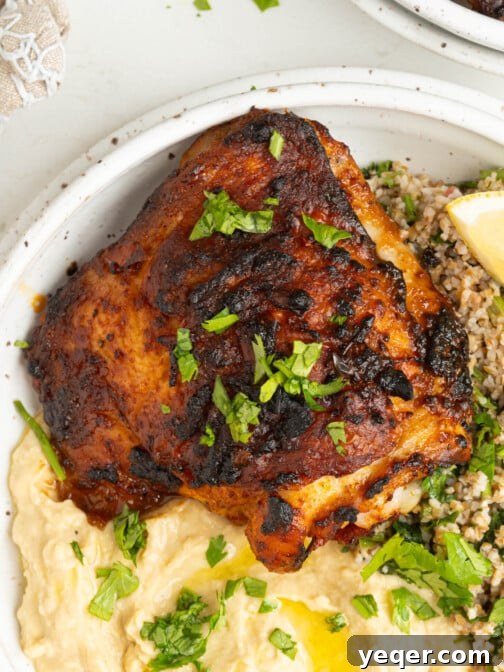
Learn how to make these quick roasted juicy harissa chicken thighs, using either bone in or boneless meat. They’re super tender and make a delicious entree for a meal when paired with salad, hummus, roasted veggies, rice or couscous.
Ingredients
Scale
- 1/4 cup harissa paste (can also be store bought)
- 1 tsp olive oil
- 1 tsp lemon juice + 1 tsp lemon zest
- 1 tsp salt
- 1 tsp black pepper
- 1 tsp paprika
- 1 tsp cumin
- 6–8 cloves garlic, grated (depends on how much you love garlic & the size of your cloves)
- 2 lbs chicken thighs, about 6-8 thighs (can be boneless or bone in)
- Optional: additional harissa, lemon slices & fresh herbs to garnish
Instructions
- Make the harissa rub. In a large bowl combine harissa, olive oil, lemon juice & zest, salt, pepper, paprika, cumin, & garlic. Mix well.
- Prep the oven & chicken. Preheat your oven to 400° F/205° C. Pat the chicken dry with paper towels before adding to the bowl with the harissa mix and rubbing to coat the chicken all over.
- Roast. Cook the chicken for 40 minutes, or until cooked through (it should reach an internal temperature of 165° F / 74° C). The time this takes will vary depending on if you’re using boneless or bone in thighs.
- Serve. Let the chicken rest for at least 5 minutes before serving with a squeeze of additional harissa, lemon juice & fresh herbs.
Equipment
Harissa
Buy Now →
Meat Thermometer
Buy Now →
Sheet Pan
Buy Now →