
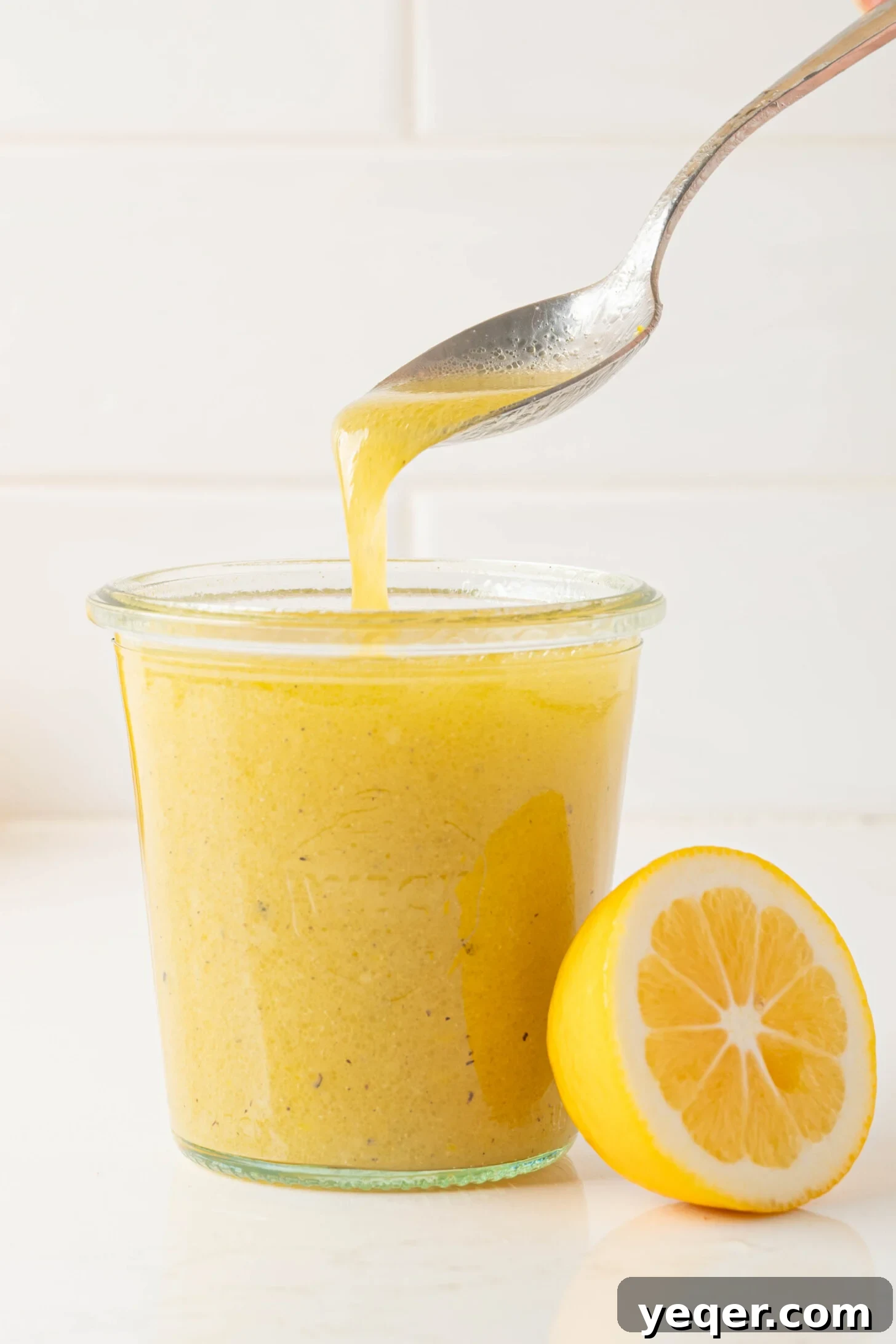
This easy lemon vinaigrette is bright and zippy, a culinary essential for elevating everyday meals. It’s the perfect silky-smooth, restaurant-quality dressing ready in minutes, transforming any salad into a gourmet experience. Crafted with fresh lemon juice and fragrant garlic, this simple recipe comes together in just 5 minutes and achieves a perfect emulsion using nothing more than a whisk and a bowl. Say goodbye to store-bought dressings and hello to vibrant, fresh flavor!
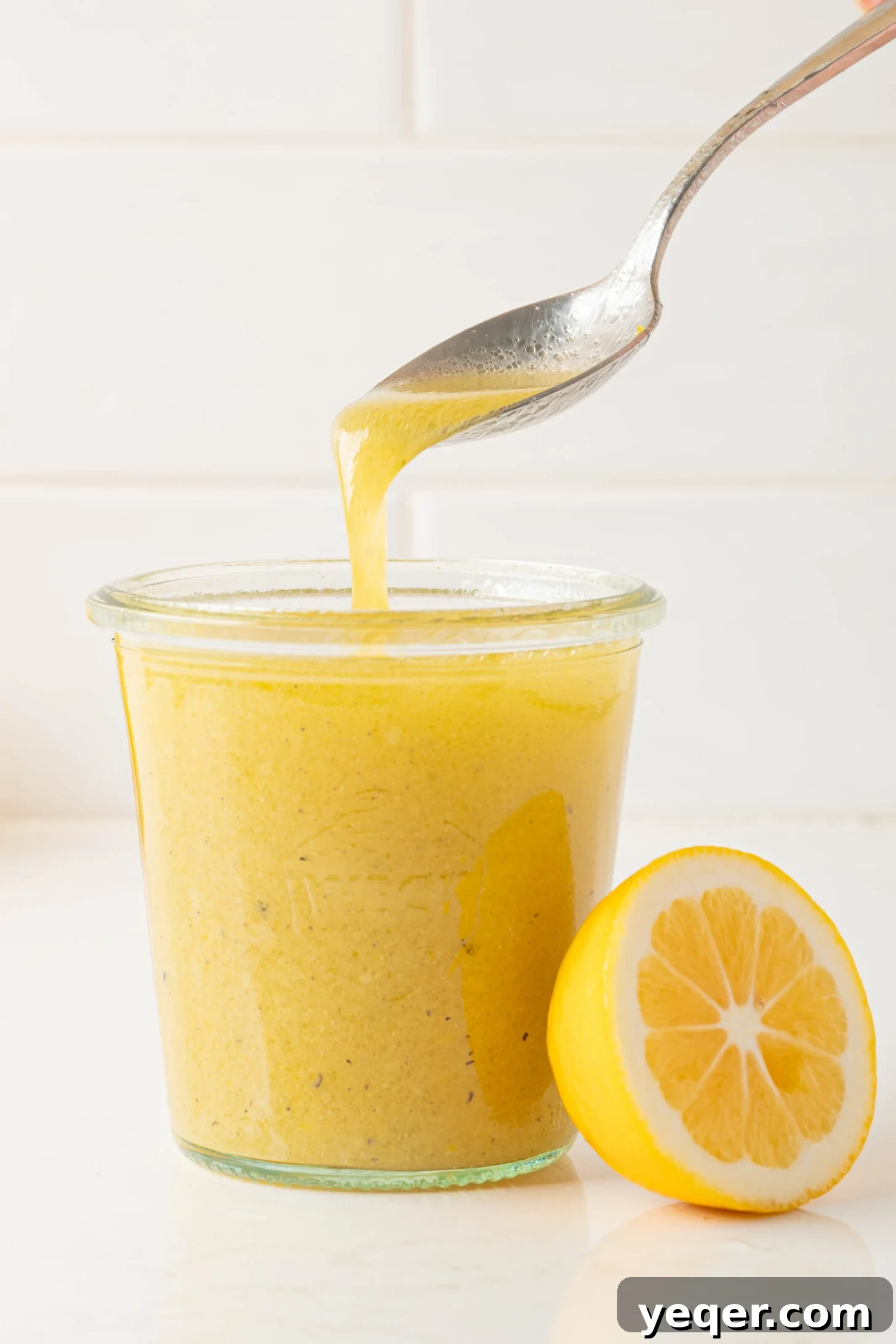
5-Minute Lemon Vinaigrette: Your Secret to Restaurant-Quality Salads
There’s nothing quite as satisfying as a perfectly dressed salad, and conversely, few things are as disappointing as a vinaigrette that has split into separate layers of oil and vinegar. We’ve all experienced the frustration of pouring a thick layer of oil onto our fresh greens, only to realize too late that the dressing hasn’t been properly mixed. This common culinary mishap can ruin an otherwise perfect salad, leaving you with an unevenly coated, less flavorful dish.
The hallmark of a truly exceptional, restaurant-quality vinaigrette lies in its ability to emulsify. This isn’t just a fancy chef’s term; it’s the secret to achieving that smooth, cohesive texture that evenly coats every leaf and ingredient in your salad, delivering a burst of flavor with every bite.
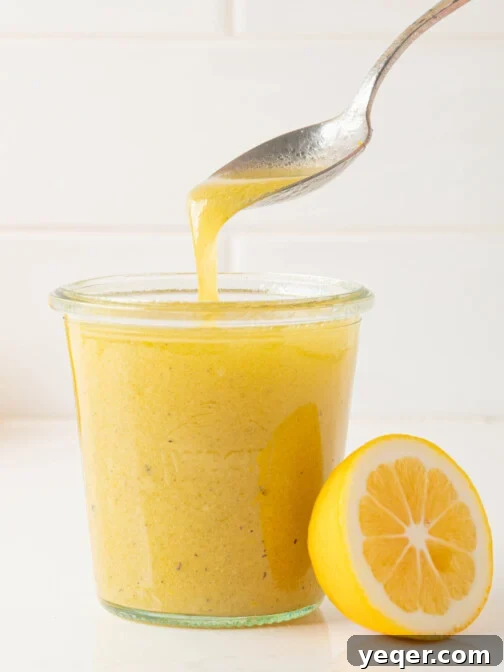
But what exactly does an emulsified dressing look and feel like? Imagine a sauce thick enough to cling to the back of a spoon, yet light and wonderfully creamy-smooth in texture. It’s not heavy or greasy, but rather possesses a delicate richness that enhances, rather than overwhelms, your salad. Don’t worry, achieving this seemingly complex result is simpler than you might think, and we’ll delve into the precise techniques later in this guide.
This vibrant and zesty lemon vinaigrette stands out as one of my all-time favorites, primarily because of its incredible versatility and ease of preparation. You can literally whip it up in a matter of minutes, and it pairs beautifully with an astonishing array of dishes. I’ve personally enjoyed this dressing on a hearty chickpea salad, drizzled over a classic ensalada verde (green salad), served as a refreshing dip for crunchy freshly cut vegetables, and incorporated into countless other culinary creations. Its bright flavor profile makes it an indispensable addition to any home cook’s repertoire.
Consistent with my philosophy for most go-to dressing recipes, this lemon vinaigrette is remarkably straightforward to prepare, requiring only the most basic kitchen tools: a simple whisk and a mixing bowl. No blenders, food processors, or elaborate gadgets are necessary, making it accessible for even the most novice of cooks.
If you appreciate the silky-smooth, creamy texture of this vinaigrette, I highly recommend exploring two more of my cherished dressing recipes: my rich tahini dressing and the refreshing cilantro lime sauce. Both offer unique flavor profiles and similar ease of preparation, promising to become new favorites in your kitchen.
Mastering the Art of Lemon Vinaigrette: Essential Ingredients
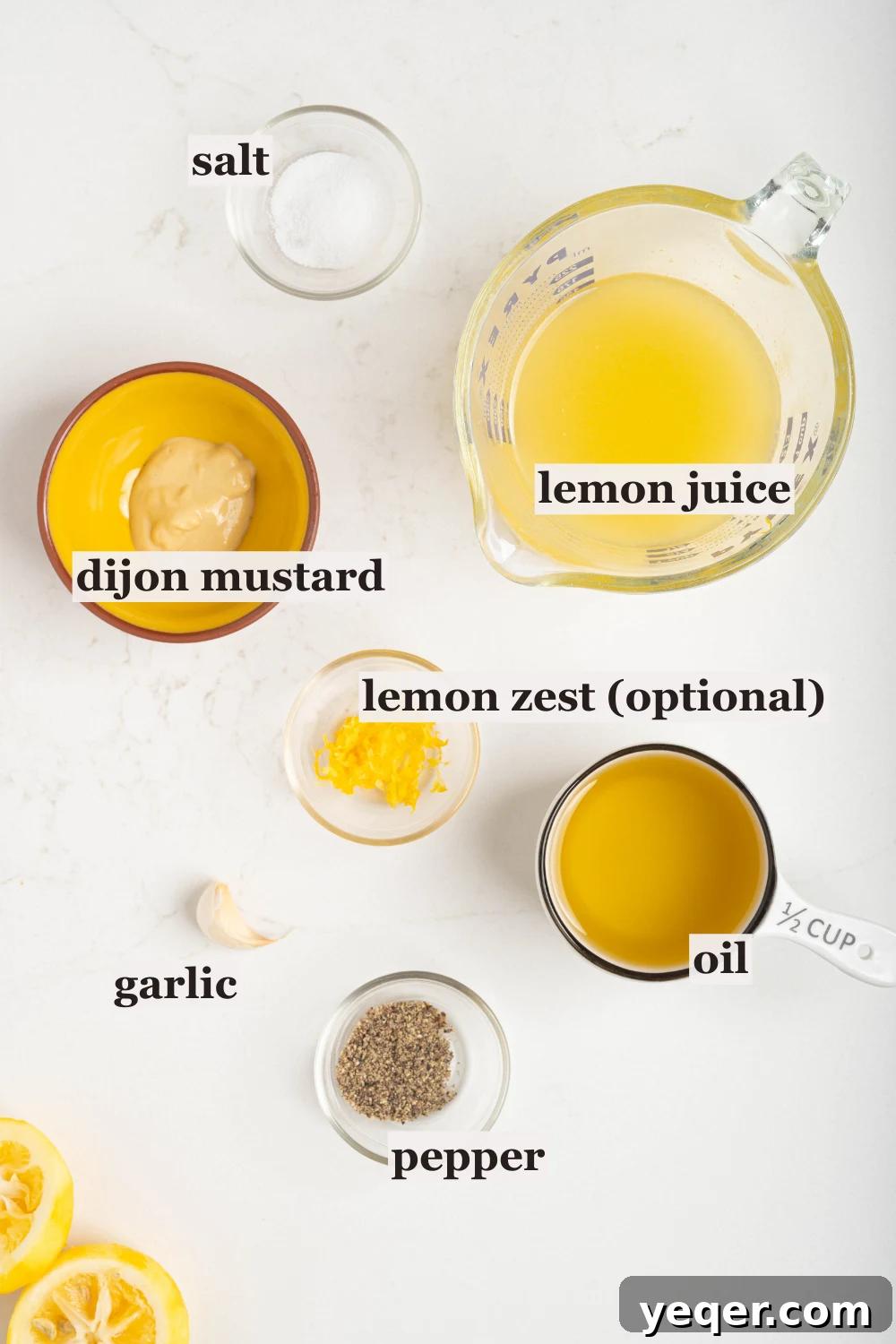
Crafting a truly exceptional lemon vinaigrette begins with a thoughtful selection of high-quality ingredients. While the recipe is incredibly simple, the freshness and quality of each component play a significant role in the final taste. You’ll find the full ingredient list with exact quantities in the comprehensive recipe card further down this page.
The Simple Grocery List:
- Fresh Lemons: The star of our show! Always opt for fresh lemons over bottled lemon juice. Freshly squeezed lemon juice provides a vibrant, bright, and complex acidity that bottled versions simply cannot replicate. Look for lemons that are firm, heavy for their size, and have a vibrant yellow color.
- Garlic: A single clove of fresh garlic adds a pungent, aromatic depth that complements the lemon beautifully. Grating the garlic ensures a smooth integration into the dressing without any harsh raw garlic chunks. Avoid pre-minced garlic for the best flavor.
- Dijon Mustard: More than just a flavor enhancer, Dijon mustard is a crucial emulsifying agent in this recipe. Its natural compounds help to bind the oil and lemon juice together, creating that desirable creamy texture. While a classic Dijon is recommended, you can experiment with other smooth mustards if you prefer.
- Salt: Essential for seasoning and balancing the flavors. Start with the recommended amount and adjust to your personal preference.
- Black Pepper: Freshly ground black pepper adds a subtle kick and aromatic complexity.
- Extra Virgin Olive Oil: The foundation of any good vinaigrette. Choose a good quality extra virgin olive oil with a flavor profile you enjoy. Its fruity notes will greatly enhance the dressing. If you prefer a milder flavor, a lighter olive oil or even a neutral oil like grapeseed or avocado oil can be used, though extra virgin olive oil offers the most depth.
Pro Tip for Enhanced Flavor: For an extra layer of citrusy depth and aroma, consider adding a half teaspoon of fresh lemon zest to your vinaigrette. The zest contains concentrated lemon oils that really make the flavors pop!
Remember, this recipe serves as a fantastic base from which to explore. Feel free to unleash your creativity by incorporating your favorite fresh herbs like dill, parsley, or chives. A touch of honey or maple syrup can introduce a subtle sweetness, balancing the tanginess of the lemon. You could even experiment with other citrus juices, such as lime or orange, to create entirely new flavor profiles.
Effortless Preparation: How to Make Your Perfect Lemon Vinaigrette
Creating this delicious, silky-smooth lemon vinaigrette is surprisingly simple and requires minimal effort. Follow these two easy steps to achieve a dressing that rivals any restaurant creation.
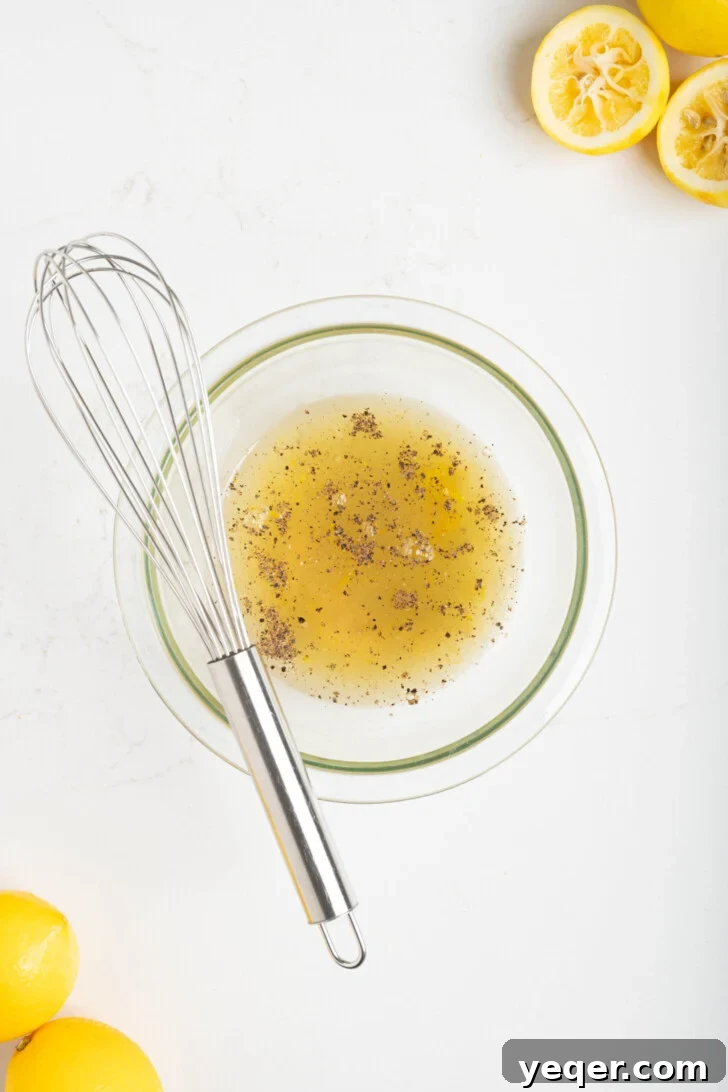
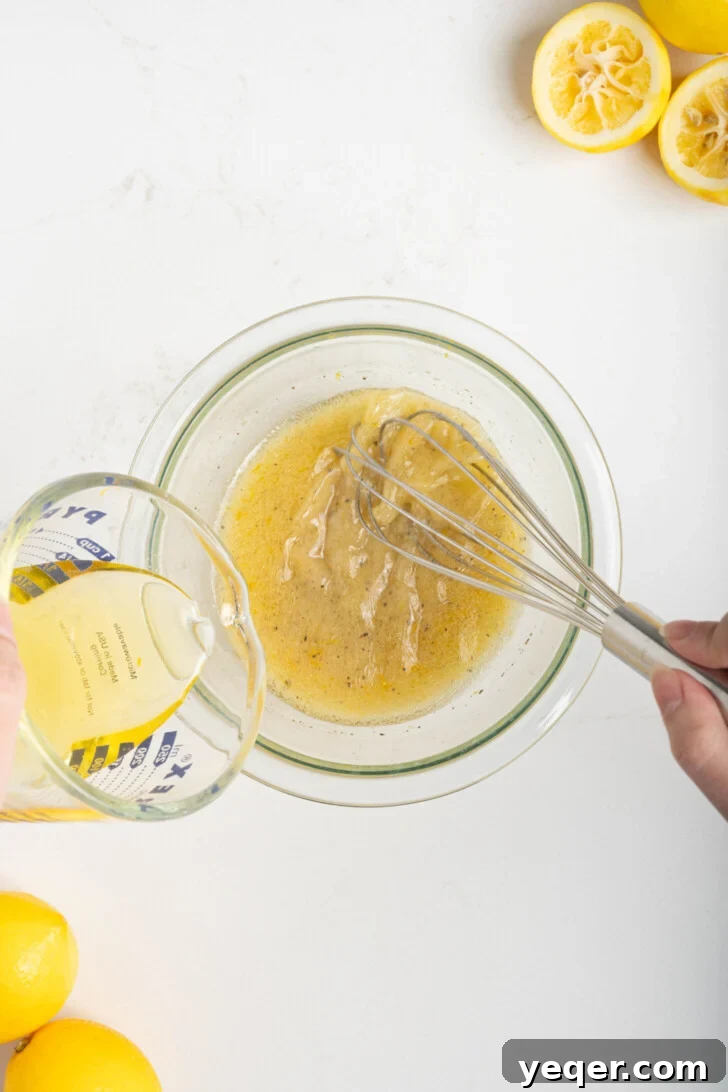
Important Tip: Always taste your dressing once it’s fully emulsified. This is your chance to fine-tune the flavors. You might find it needs a touch more salt, a grind of pepper, an extra splash of olive oil to mellow the acidity, or a bit more lemon juice for an added zing. Adjust according to your palate!
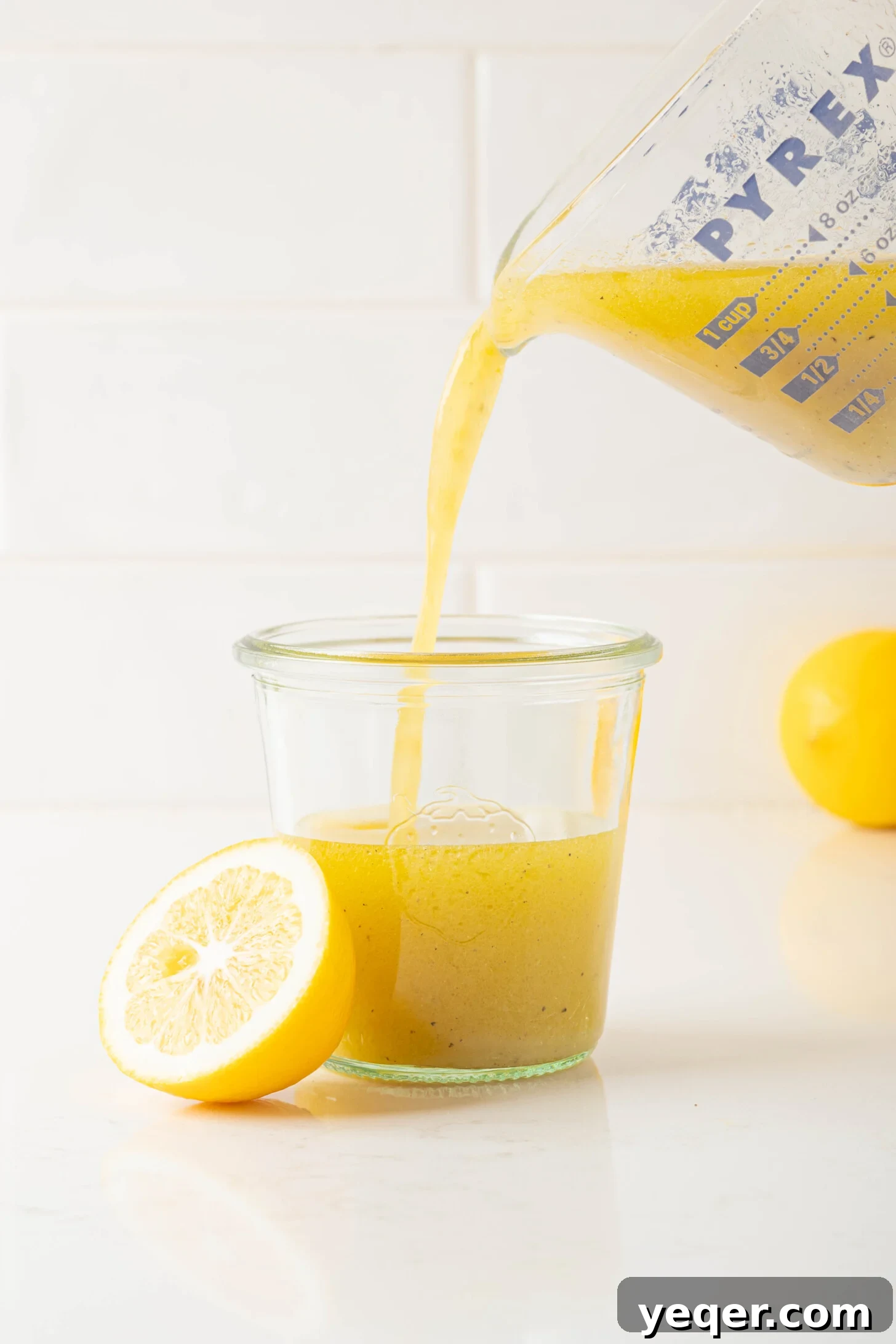
The Magic of Emulsification: Achieving a Silky-Smooth Dressing
The term “emulsify” might sound intimidating, conjuring images of complex molecular gastronomy, but in the context of vinaigrettes, it simply refers to the process of creating a creamy, smooth sauce from two liquids that normally wouldn’t mix – like oil and water. It’s a fundamental culinary technique that, thankfully, is quite easy to master, requiring no special equipment beyond a good whisk and a bit of technique.
At its core, emulsification involves dispersing tiny droplets of one liquid (the oil) evenly throughout another liquid (the lemon juice and other ingredients), preventing them from separating. In our lemon vinaigrette, Dijon mustard plays the hero role as the emulsifying agent. Mustard contains compounds that act as a bridge between oil and water molecules, helping them to stay suspended together in a stable mixture. Without an emulsifier, the oil and vinegar would quickly separate into distinct layers, no matter how vigorously you whisked them.
The key to successfully emulsifying this lemon dressing lies in the method: continuous, vigorous whisking while slowly drizzling in the olive oil. This gradual addition, combined with the mechanical action of the whisk, breaks the oil into minute particles and distributes them throughout the acidic base, creating a stable emulsion. To confirm you’ve achieved the perfect consistency, dip a spoon into the dressing and then run your finger across the back. A well-emulsified vinaigrette will leave a clear path that lingers, indicating its ideal thickness and smoothness.
While this lemon vinaigrette offers a lovely, light, and creamy texture, it’s important to note that it isn’t designed to be as thick or dense as some other dressings, such as a rich tahini sauce or a hearty chipotle vinaigrette. Its charm lies in its delicate balance and refreshing lightness, making it perfect for a wide variety of salads without weighing them down. Nonetheless, it will still achieve a beautiful, stable emulsion.
Should your vinaigrette separate slightly in the refrigerator – a common occurrence due to temperature changes and the natural properties of the ingredients – there’s no need for concern. Just like many high-quality store-bought dressings, a quick and vigorous shake of the jar or a rapid whisking will easily re-emulsify the sauce, restoring its creamy smooth texture. It will be as good as new, ready to brighten your next meal.
Troubleshooting Your Vinaigrette: Common Issues and Quick Fixes
- My vinaigrette didn’t emulsify! Don’t panic. If your dressing remains stubbornly separated, try this trick: pour the broken vinaigrette into a measuring cup. In a clean bowl, add a teaspoon of fresh lemon juice (or water if you’ve already used a lot of lemon). Slowly, drop by drop, whisk the broken vinaigrette back into the fresh lemon juice. The fresh acid will help to re-establish the emulsion.
- It’s too sour/tangy! If the lemon flavor is overwhelming, slowly whisk in a little more olive oil to balance the acidity. A tiny pinch of sugar or a drop of honey can also mellow the tartness without making it sweet.
- It’s too bland! This is an easy fix! Add a pinch more salt and pepper, or even a tiny amount of garlic powder if you want to enhance the savory notes. Fresh lemon zest can also boost the overall brightness.
- It’s too thick! While this recipe is designed to be lighter, if you accidentally added too much oil or it’s simply thicker than you prefer, thin it out by whisking in a teaspoon of water or additional lemon juice until it reaches your desired consistency.
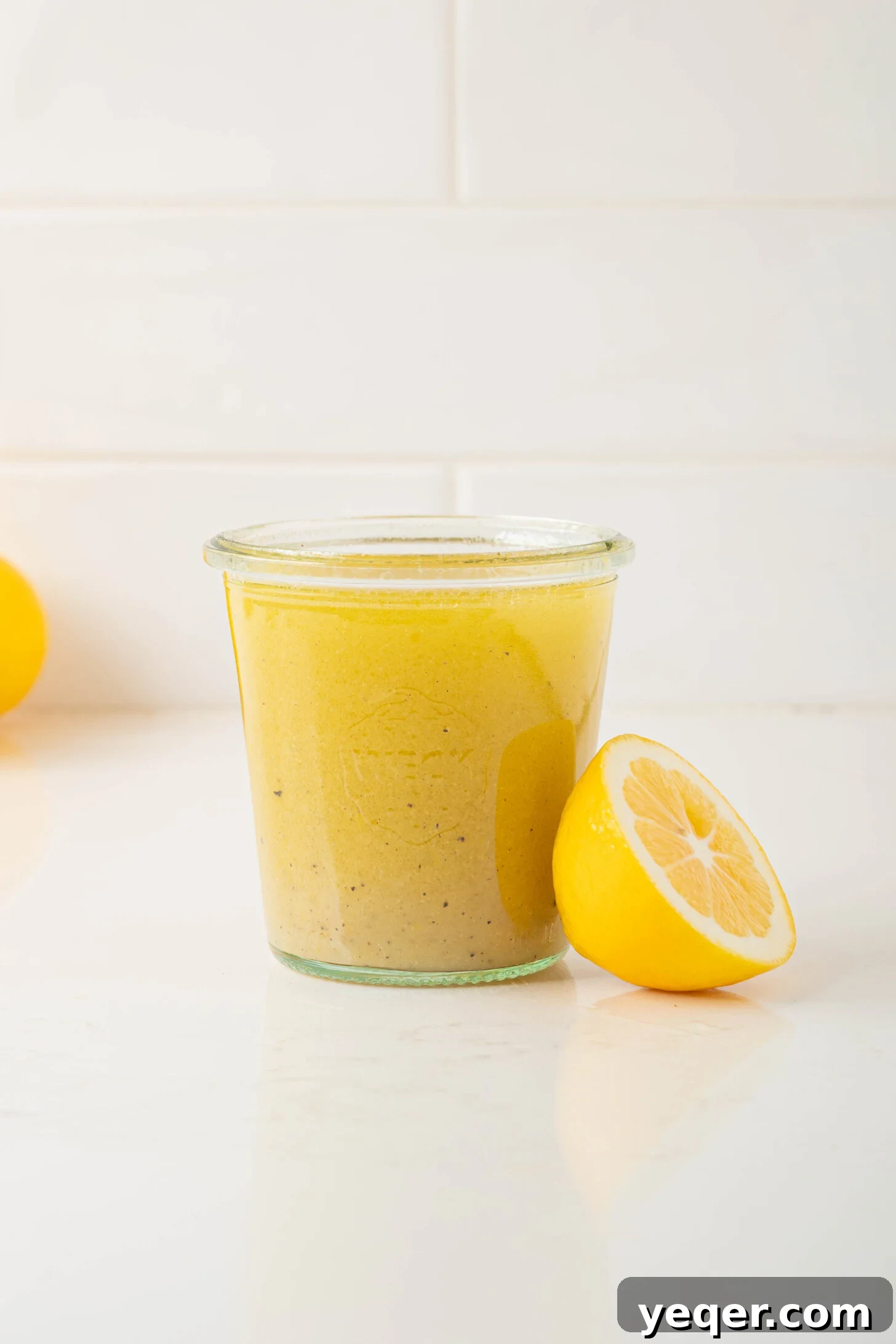
Versatility Unleashed: Where to Use Your Homemade Lemon Dressing
One of the most remarkable qualities of this lemon vinaigrette is its incredible versatility. It truly is an all-purpose dressing that can transform a multitude of dishes, extending far beyond the traditional green salad. Its bright, refreshing, and zesty profile makes it a fantastic complement to almost any meal, adding a burst of fresh flavor wherever it’s used.
Beyond the Salad Bowl: Creative Serving Ideas
- Classic Salads: Of course, it’s perfect for any garden salad, Caesar salad (as a lighter alternative), or mixed greens. Its lightness prevents your greens from becoming soggy.
- Grain Bowls: Drizzle generously over warm or cold grain bowls featuring quinoa, farro, couscous, or rice. Pair it with roasted vegetables, grilled chicken, chickpeas, and fresh herbs for a complete meal.
- Roasted Vegetables: Toss freshly roasted broccoli, asparagus, carrots, zucchini, or bell peppers with this vinaigrette for an instant flavor upgrade. The lemon brightens the earthy notes of the vegetables.
- Marinade for Proteins: Use it as a quick and flavorful marinade for chicken, fish (especially salmon or cod), or shrimp. The lemon juice tenderizes the protein while infusing it with zesty notes.
- Pasta Salads: Replace heavier creamy dressings in pasta salads with this vibrant vinaigrette. It’s fantastic with orzo, rotini, or bow-tie pasta mixed with cherry tomatoes, cucumbers, feta, and olives.
- Sandwiches & Wraps: A light drizzle inside sandwiches or wraps can add a burst of freshness, particularly to those with grilled vegetables or lean proteins.
- Dip for Fresh Veggies: Serve it as a healthy and refreshing dip for a crudités platter, alongside carrots, celery sticks, bell pepper strips, and cucumber slices.
- Warm Dishes: A finishing drizzle over grilled or pan-seared fish, a baked potato, or steamed greens can elevate a simple dish to something special.
- Legume Salads: Beyond the chickpea salad mentioned, it’s excellent with lentil salads or cannellini bean salads, adding brightness to their hearty profiles.
Here are some specific recipe ideas from Salima’s Kitchen where this vinaigrette shines:
Storage Guidelines for Your Homemade Lemon Vinaigrette
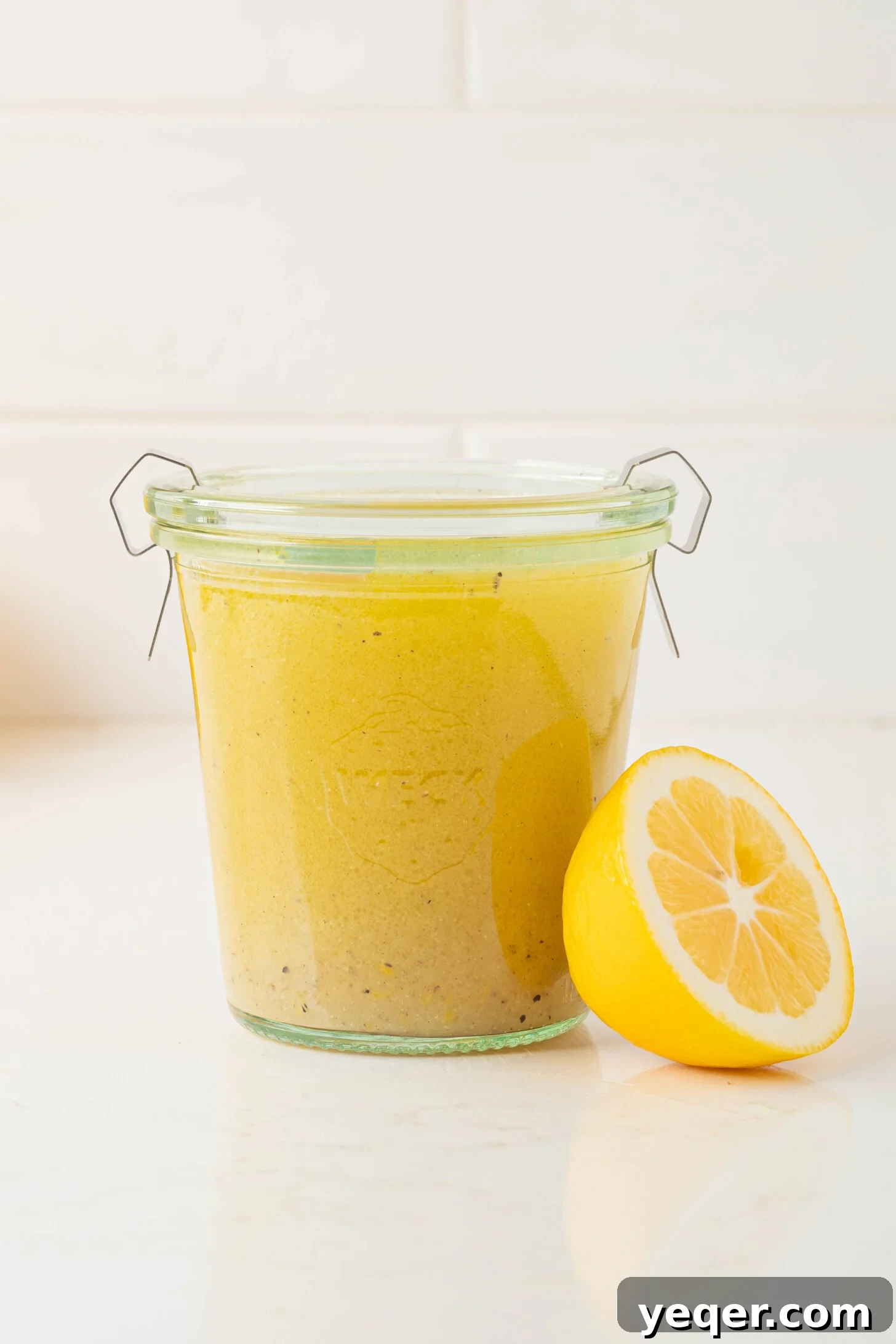
To ensure the freshest flavor and optimal safety, proper storage is key for your homemade lemon vinaigrette. Because this recipe relies on fresh, vibrant ingredients like lemon juice and raw garlic, its shelf life is naturally shorter than many commercially produced dressings filled with preservatives.
I strongly recommend storing your freshly made lemon vinaigrette in the refrigerator for a maximum of 3 to 4 days. Beyond this period, the flavors may begin to diminish, and the fresh garlic’s intensity could become too strong. Always store the dressing in an airtight container or a tightly sealed jar. This prevents oxidation, which can degrade the flavors, and keeps any unwanted odors from permeating your dressing.
Before each use, it’s crucial to give the container a good, vigorous shake. As discussed, vinaigrettes can naturally separate over time, especially when chilled. A quick shake will easily re-emulsify the dressing, bringing it back to its smooth, uniform consistency, ensuring that every pour delivers a perfect blend of flavors. For the best culinary experience, allow the dressing to come to room temperature for about 10-15 minutes before serving. This slight warming helps to release the full aromatic potential of the lemon and olive oil.
Explore More Tasty Sauces & Vinaigrettes from Salima’s Kitchen
If you’ve enjoyed the simplicity and vibrant flavors of this 5-minute lemon vinaigrette, you’ll be delighted to explore more homemade sauce and dressing recipes from Salima’s Kitchen. Each recipe is crafted with ease of preparation and incredible taste in mind, designed to elevate your everyday cooking.
Whether you’re looking for creamy, tangy, or spicy additions to your meals, my collection offers something for every palate. Dive into these other favorites to continue your journey of discovering delicious, wholesome homemade condiments:
Enjoy the journey of delicious homemade flavors!

Print Recipe
5-Minute Lemon Vinaigrette (Restaurant Quality)
5 Stars
4 Stars
3 Stars
2 Stars
1 Star
No reviews
- Author: Salima Benkhalti
- Prep Time: 1 minute
- Total Time: 5 minutes
- Yield: 1 cup
- Category: Dressing, Vinaigrette, Sauce
- Method: Whisked
- Cuisine: American, Mediterranean, Spanish
- Diet: Vegan
Description
This easy lemon vinaigrette is bright and zippy. It’s the perfect silky-smooth restaurant quality dressing to use on any salad. Made with fresh lemon juice and garlic, it comes together in 5-minutes and is emulsified using just a whisk and bowl.
Ingredients
- 1/3 cup lemon juice, about 2 fresh lemons, juiced
- 1 garlic clove, grated
- 1 tsp dijon mustard
- 1/2 tsp salt
- 1/2 tsp pepper
- optional: 1/2 tsp lemon zest
- 1/2 cup olive oil
Instructions
- Whisk together everything except the oil. In a bowl combine the lemon juice, grated garlic, mustard, salt, and pepper. Add the lemon zest here, if using. Whisk together well.
- Whisk in the oil. Drizzle in the olive oil while continuing to whisk. Keep whisking until the sauce emulsifies and looks silky smooth. Enjoy!
Notes
- How to know when the dressing is ready? You should be able to drag your finger across the back of a spoon dipped in the dressing and create a line.
- Make sure to taste the dressing once emulsified to see if you’d like to add more salt, pepper, oil, or lemon juice.
- You can also add a half teaspoon of lemon zest to add depth to the citrusy flavor.