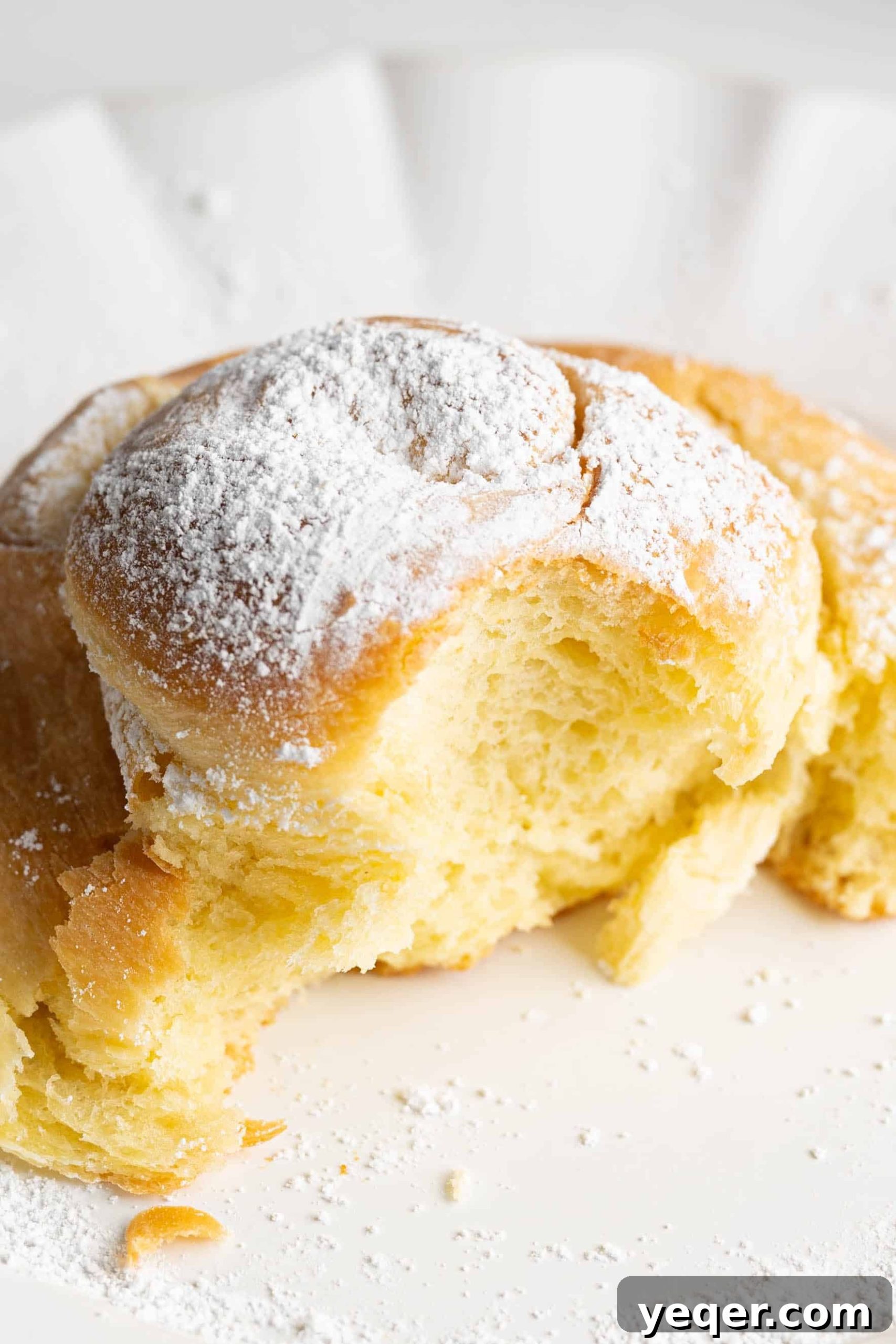
Fluffy Pan de Mallorca: The Ultimate Puerto Rican Sweet Bread Recipe
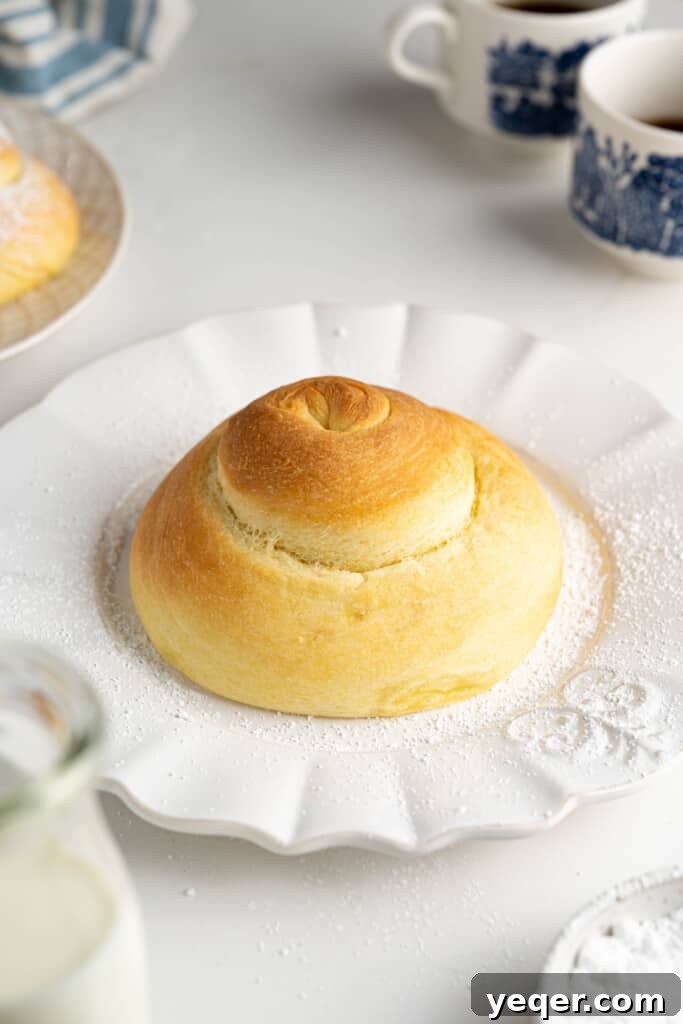
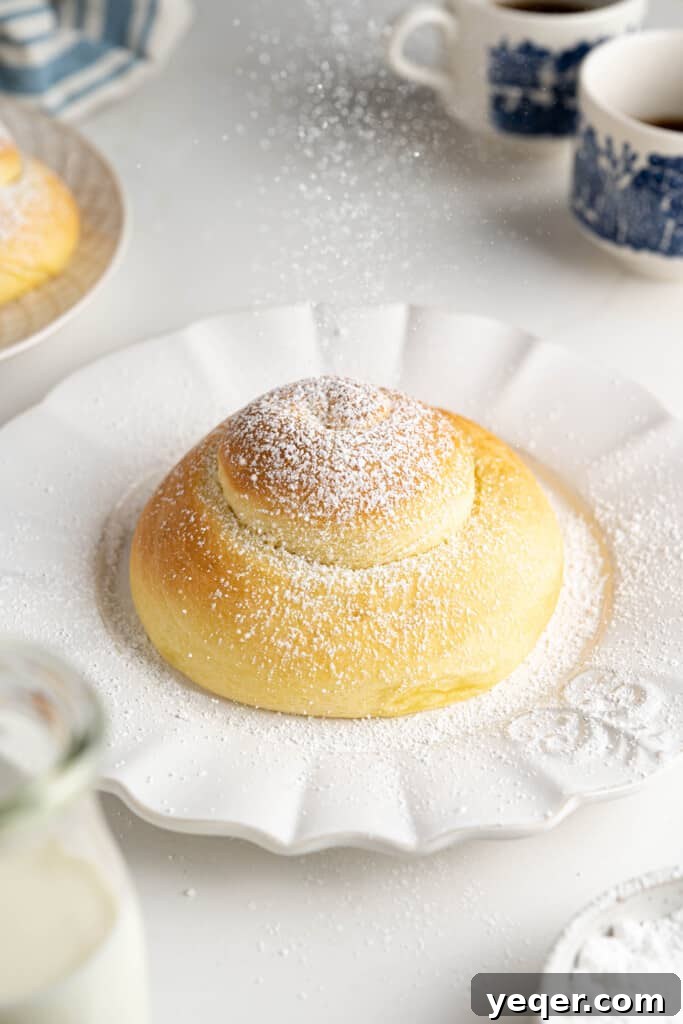
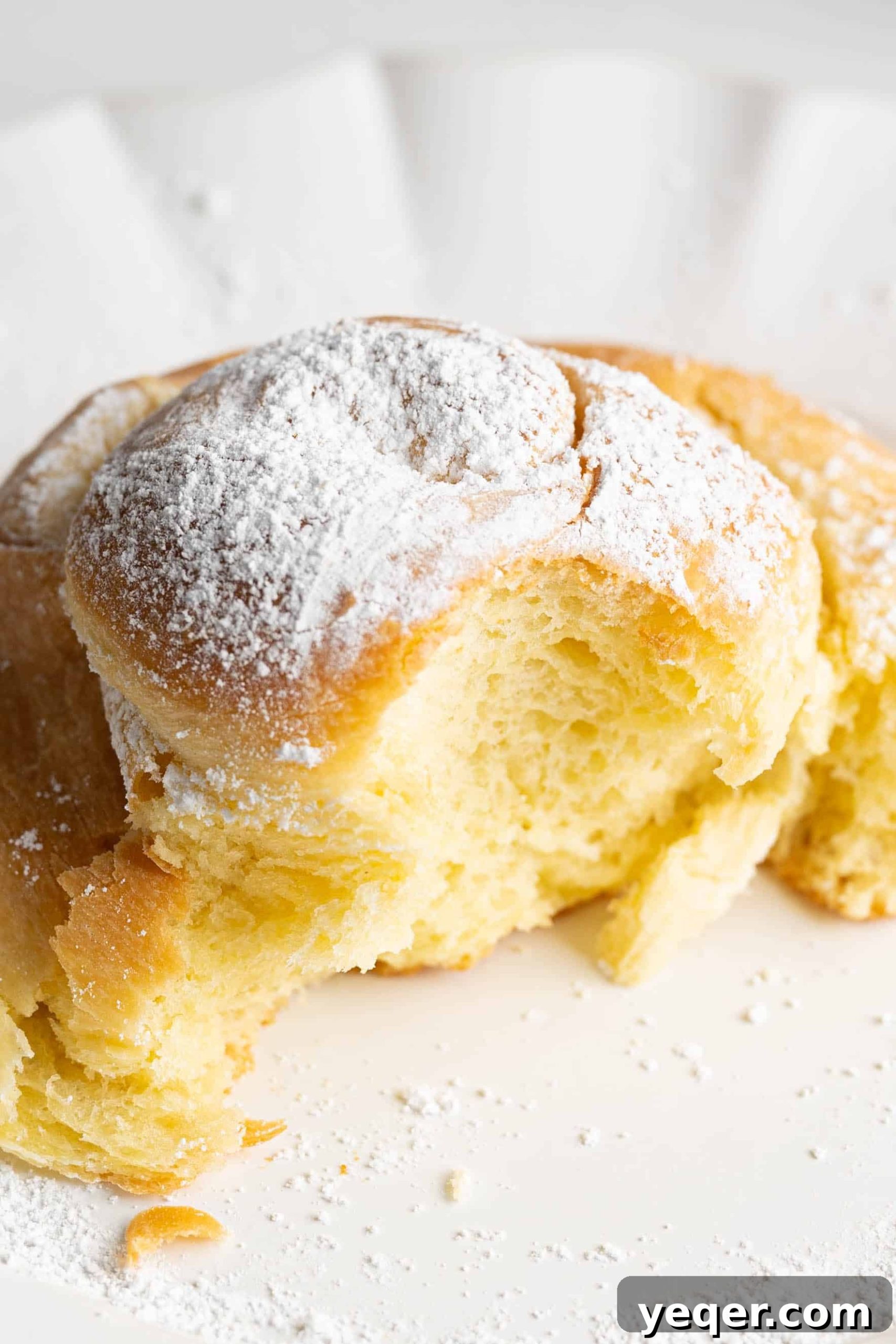
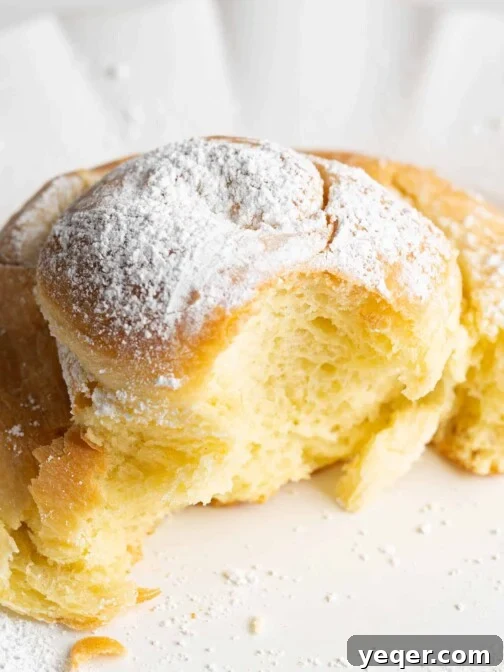
Welcome to the irresistible world of Pan de Mallorca, a truly enchanting Puerto Rican sweet bread that promises a fluffy, soft, and utterly delightful experience. Characterized by its unique spiral shape and a generous dusting of powdered sugar, this yeasted bread is a testament to the island’s rich culinary heritage. Each bite offers an exquisite texture that simply melts in your mouth, making these rolls a versatile and wonderful addition to any meal. This meticulously crafted recipe will guide you to create 12 perfect Pan de Mallorca rolls, bringing a taste of Puerto Rico right into your kitchen.
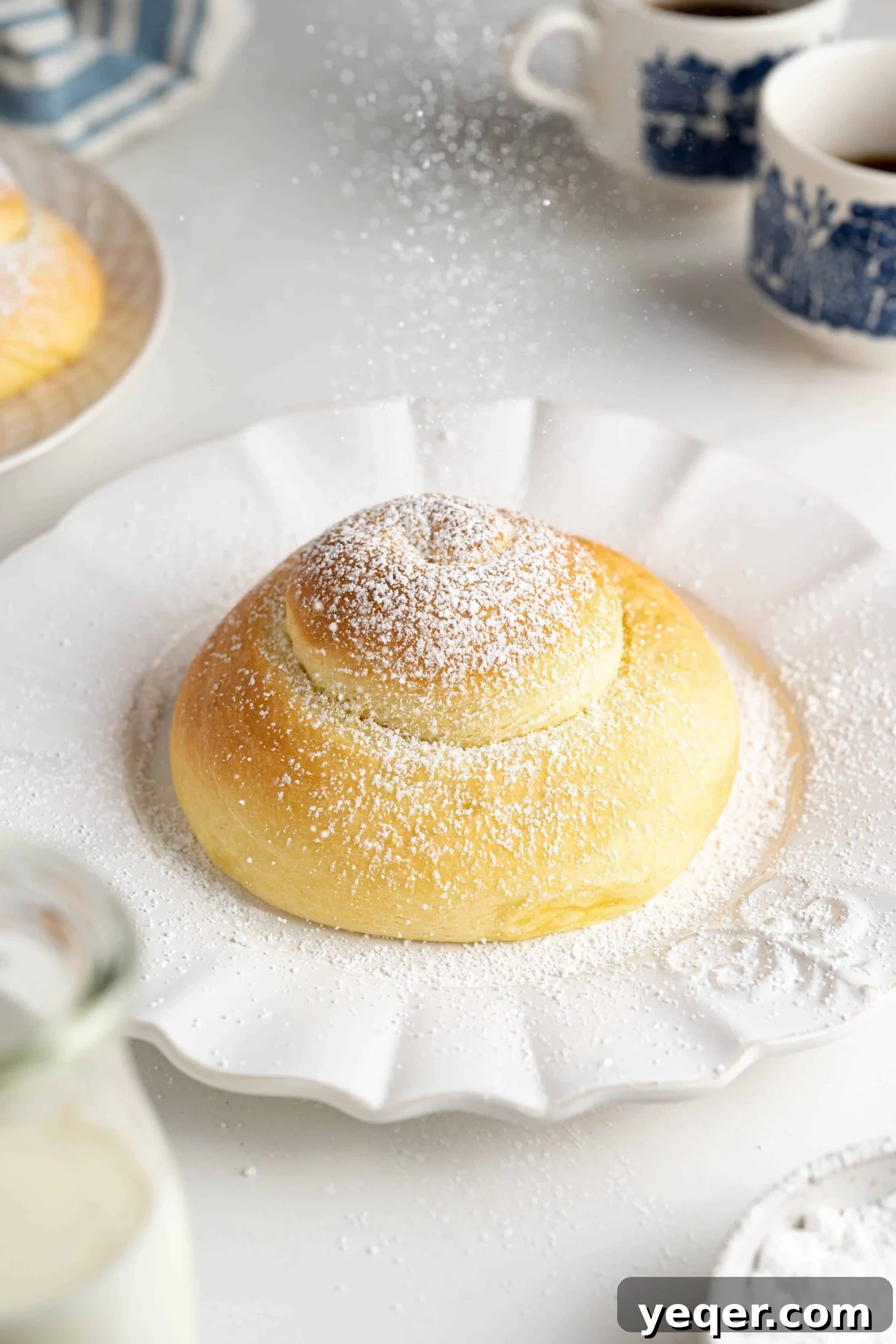
While often associated with breakfast, especially when paired with a steaming cup of Café con Leche, Pan de Mallorca’s versatility extends far beyond. Despite its sweet powdered sugar topping, these golden-brown rolls serve as an exceptional base for savory sandwiches, offering a delightful contrast that surprises and satisfies. Imagine a classic ham and cheese, or a traditional Cuban sandwich elevated by the slightly sweet, airy embrace of this bread.
The culinary journey of Pan de Mallorca begins on the Spanish island of Mallorca, lending its name to this beloved pastry. However, its true home in the hearts of many is undoubtedly Puerto Rico, where it has been embraced as a cherished staple in Puerto Rican cuisine. Across the vibrant island, these rolls are a common sight in bakeries and homes, transforming everyday meals into special occasions. They are the go-to choice for constructing iconic ham and cheese or Cubano sandwiches, and any delightful leftovers can be ingeniously repurposed into a truly spectacular bread pudding (budín).
Crafting Pan de Mallorca involves two crucial rising stages, which contribute to its impressive height and signature spiraled structure. While patience is a virtue in this recipe, the process itself is surprisingly straightforward and incredibly rewarding. There’s an unparalleled joy in savoring a freshly baked roll, still warm from the oven, as the delicate powdered sugar melts on your tongue, revealing the bread’s tender, rich interior.
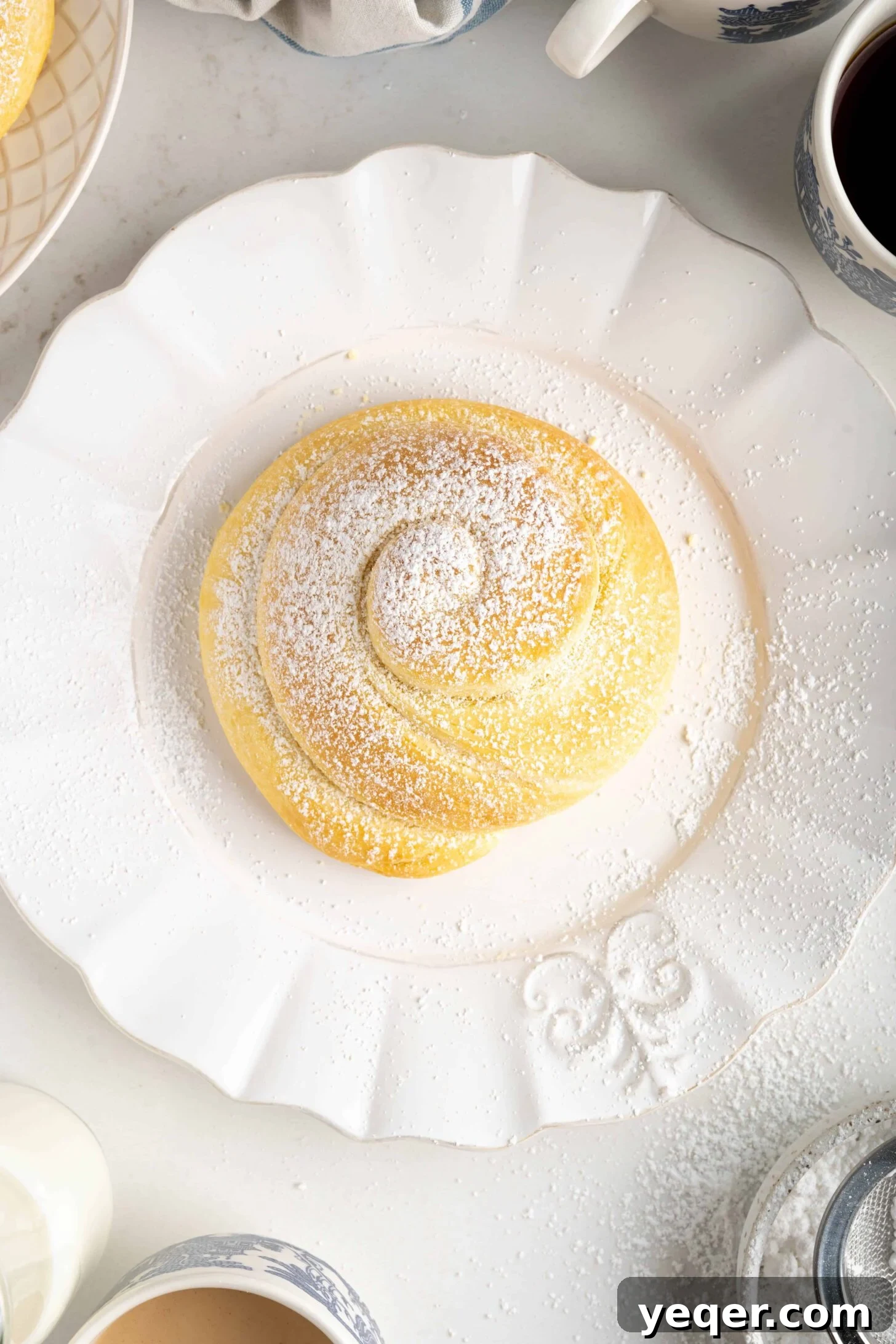
The Rich History of Pan de Mallorca
To truly appreciate Pan de Mallorca, one must delve into its intriguing history. Originating from the Balearic island of Mallorca, off the coast of Spain, the original “ensaimada de Mallorca” is a coiled pastry, typically larger and sometimes filled. Spanish colonization brought this delightful bread-making tradition to the Caribbean, where it evolved and adapted to local tastes and ingredients. In Puerto Rico, the ensaimada transformed into the smaller, richer, and sweeter Pan de Mallorca we know today, becoming an integral part of the island’s culinary identity.
Over centuries, Puerto Rican bakers perfected the recipe, infusing it with local nuances while retaining the iconic spiral shape. The bread quickly became a staple in panaderías (bakeries) and homes, cherished for its comforting sweetness and versatility. It embodies the fusion of Spanish influence and vibrant Puerto Rican culture, a delicious symbol of shared heritage and culinary innovation. Every bite tells a story of tradition, adaptation, and the love for good food.
Why You’ll Love This Pan de Mallorca Recipe
This Pan de Mallorca recipe is designed to deliver consistent results, even for novice bakers. It demystifies the process of working with yeasted dough, ensuring a successful and delicious outcome. You’ll love the simple ingredients, many of which you likely already have in your pantry. The step-by-step instructions are easy to follow, accompanied by clear images that guide you through each stage, from activating the yeast to achieving that perfect golden bake. The reward is a batch of heavenly, pillowy rolls that will undoubtedly impress your family and friends. Furthermore, the satisfaction of creating such a beloved traditional bread from scratch is truly unmatched.
Choosing Your Flour: Bread Flour vs. All-Purpose
When it comes to baking yeast breads, the type of flour you choose can significantly impact the final texture and rise. For this Pan de Mallorca recipe, I highly recommend using **bread flour**. The primary reason lies in its higher gluten content compared to standard all-purpose (AP) flour. Gluten is the protein responsible for developing elasticity and structure in dough, which translates to a chewier texture and a more impressive rise in your baked goods.
That being said, I understand that not everyone keeps bread flour on hand. If all you have is all-purpose flour, don’t worry! I’ve personally tested this recipe with AP flour, and the Pan de Mallorca still came out wonderfully delicious. The most notable difference you might observe is in the overall height and rise of the bread. Rolls made with AP flour tend to be slightly less lofty and perhaps a touch less chewy than those made with bread flour. However, the flavor and softness remain largely intact.
So, if all-purpose flour is your only option, please don’t let it deter you from trying this recipe. The results will still be delightful, producing a sweet bread that is soft and perfect for enjoying. Just be mindful that the ideal texture and maximum rise are achieved with bread flour.
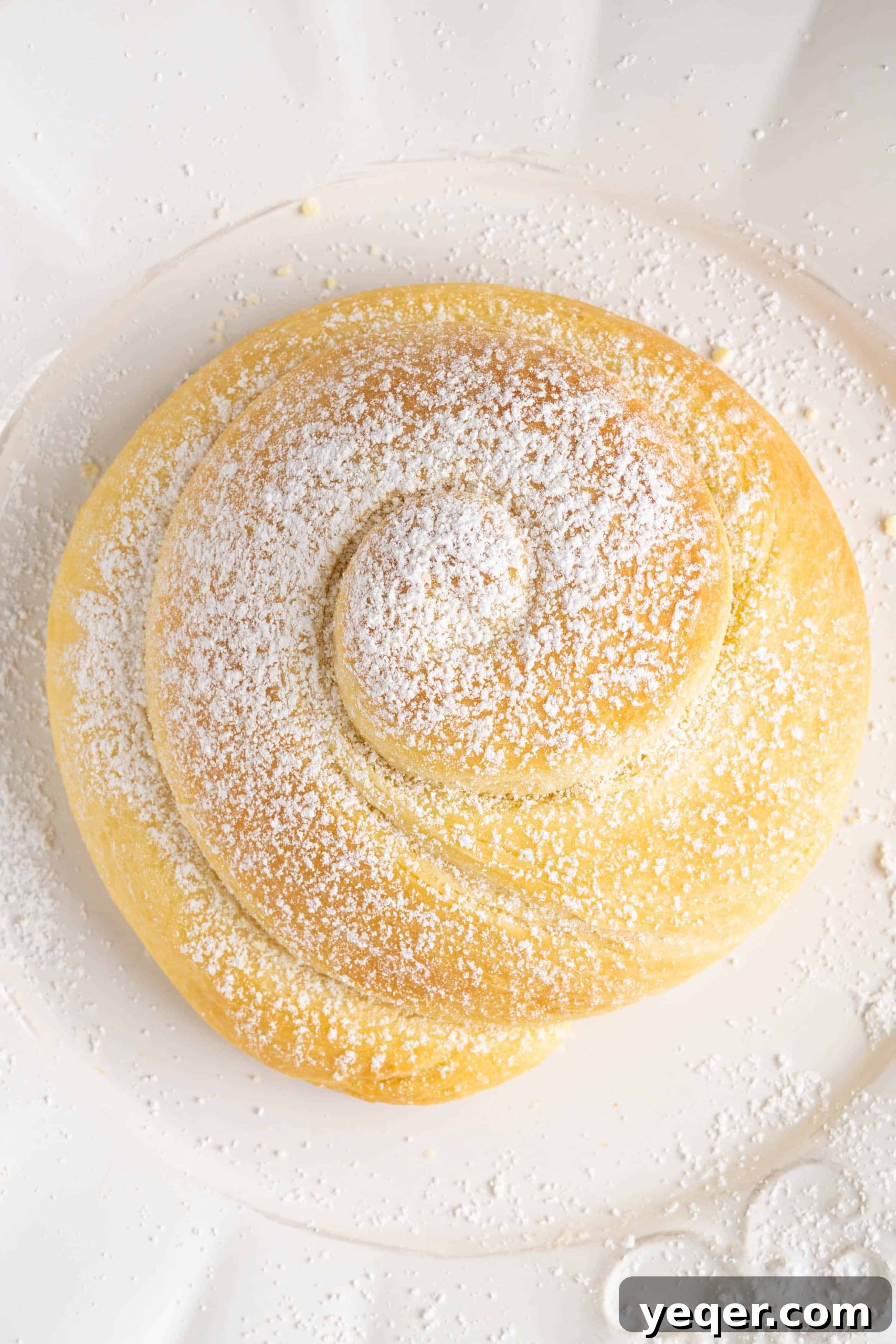
Mastering Pan de Mallorca: A Step-by-Step Guide
Creating these beautiful spiral buns is a rewarding process. Follow these detailed steps to achieve perfect Pan de Mallorca:
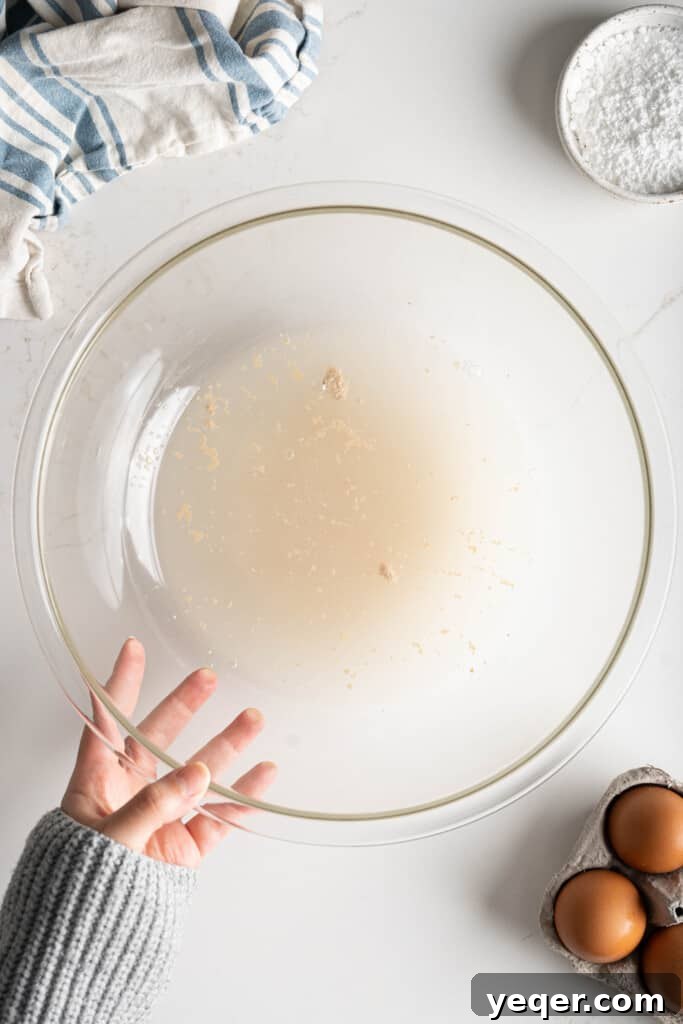
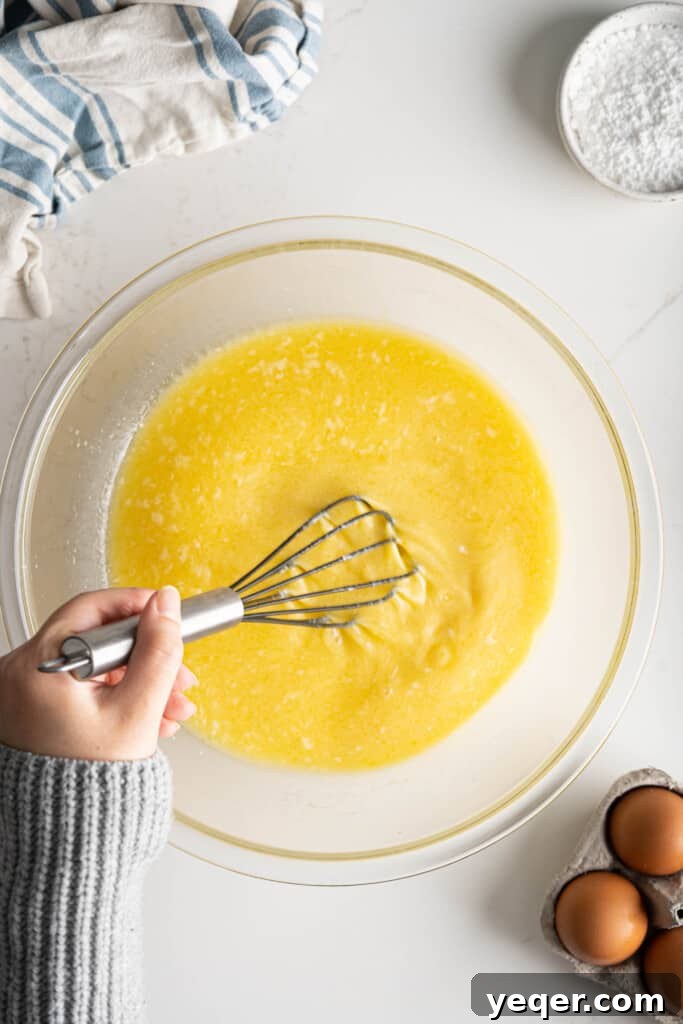
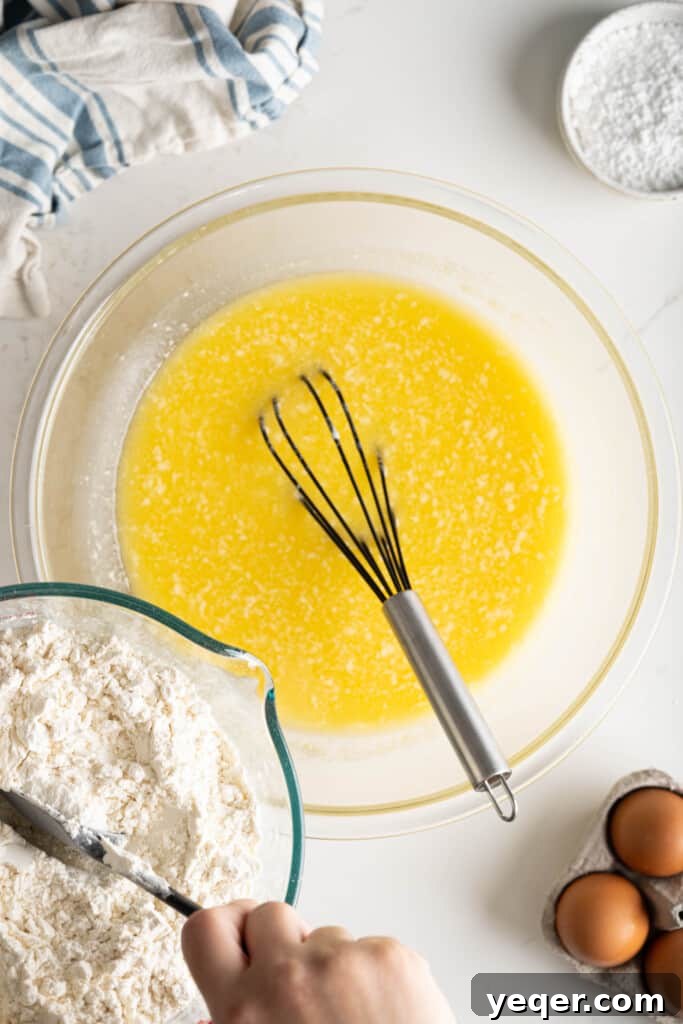
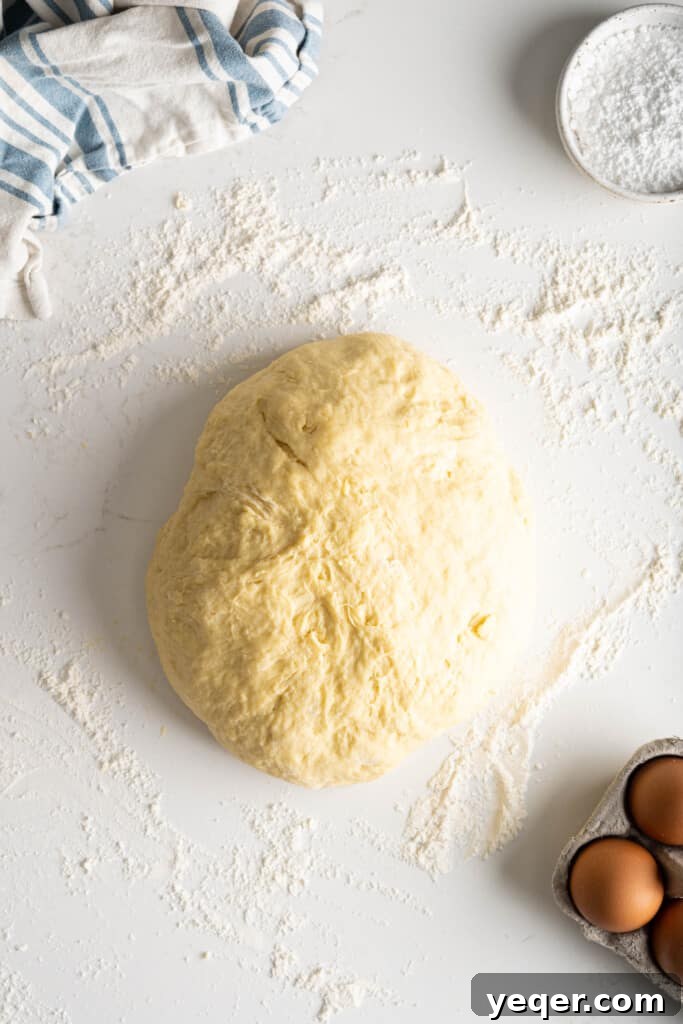
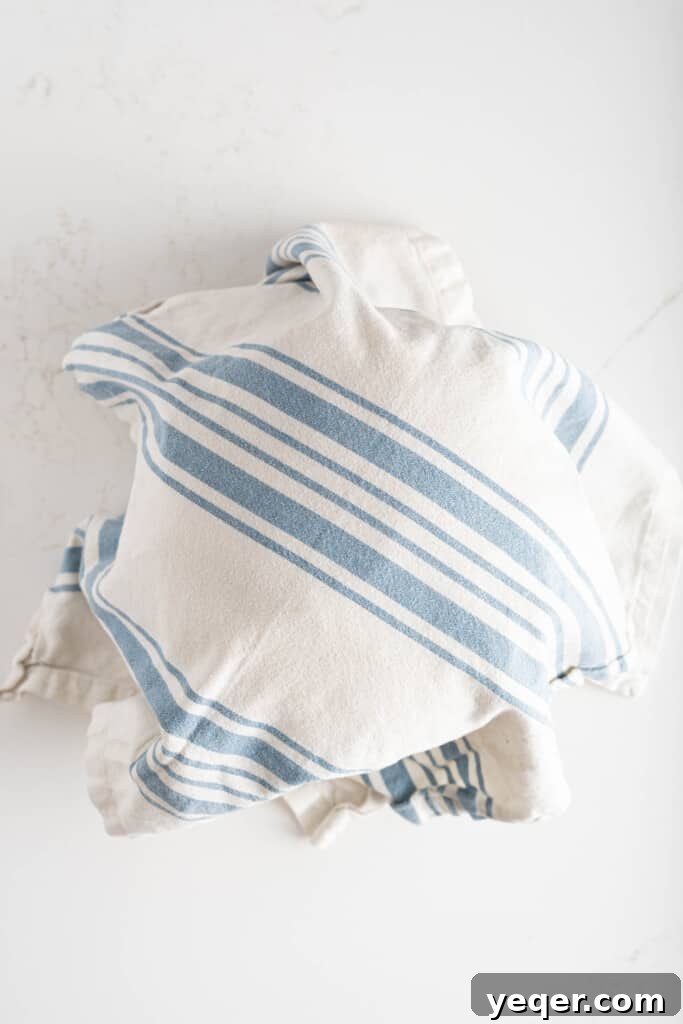
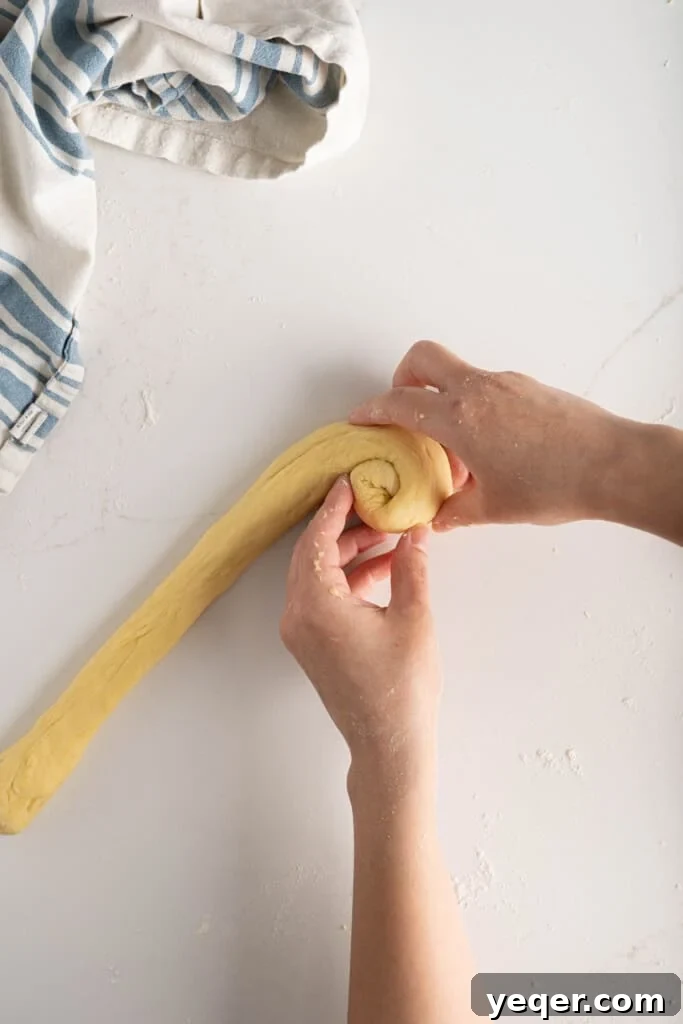
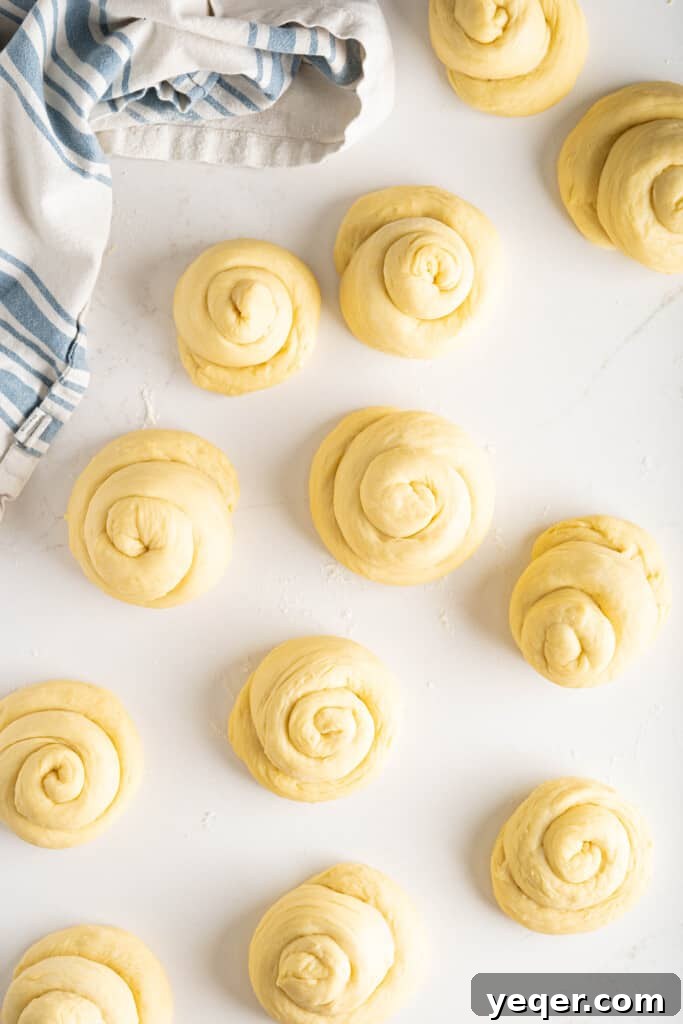
Important Tip: When coiling your Pan de Mallorca, make sure to firmly tuck the tail end of the dough strip underneath the roll. This critical step helps to prevent the spirals from unraveling during the baking process, ensuring your buns maintain their beautiful shape.
Essential Tools for Perfect Pan de Mallorca
While Pan de Mallorca can be made with basic kitchen equipment, a few specific tools can significantly enhance your baking experience and results:
- Light Aluminum Baking Sheets: The type of baking sheet you use can truly make a difference. Dark baking sheets tend to absorb more heat, which can sometimes lead to overly browned or even burnt bottoms on delicate sweet rolls. Opting for light-colored aluminum baking sheets helps to ensure an even bake and a beautifully golden crust without burning.
- Parchment Paper or Silicone Mats: Essential for preventing sticking, parchment paper or high-quality silicone baking mats ensure your Pan de Mallorca rolls lift off the pan effortlessly after baking, preserving their perfect shape and crust.
- Large Mixing Bowls: You’ll need at least two, one for proofing the yeast and mixing wet ingredients, and another for combining dry ingredients.
- Whisk and Wooden Spoon: For mixing and incorporating ingredients.
- Pastry Brush: Crucial for evenly brushing the rolls with melted butter before their second rise, contributing to a rich flavor and golden finish.
Tips for Success and Troubleshooting
- Yeast Activation: Ensure your warm water is between 105-115°F (40-46°C). Water that is too hot will kill the yeast, while water that is too cold won’t activate it. If your yeast doesn’t become foamy after 5-10 minutes, your yeast may be old or the water temperature was off. Start over with fresh yeast.
- Kneading Properly: Kneading develops the gluten, which is vital for the bread’s airy texture. Knead until the dough is smooth and elastic. It should spring back when gently poked. If using a stand mixer, use the dough hook attachment and knead for 8-10 minutes. By hand, it may take 12-15 minutes.
- Warm Rising Environment: Yeast dough loves warmth. Find a cozy spot in your kitchen, perhaps near a sunny window, or in a slightly warm (but turned off) oven. A draft-free environment prevents the dough from getting a “chill” which can slow down or stop the rise.
- Don’t Over-Flour: While you need flour for kneading, too much flour can make the bread dense and dry. Add just enough to prevent sticking. The dough should be soft and slightly tacky.
- Evenly Sized Rolls: Taking the time to divide the dough into equal portions ensures that all your rolls bake uniformly. Use a kitchen scale for precision if you have one.
- Tucking the Tail: As mentioned, tucking the end of the coiled dough strip securely underneath the roll is key to maintaining its beautiful spiral shape during baking.
- Baking to Perfection: Keep an eye on your rolls while baking. Ovens can vary, so the specified time is a guideline. They should be golden brown and sound hollow when tapped on the bottom.
Serving Suggestions & Pairing Ideas
Pan de Mallorca is incredibly versatile and can be enjoyed in numerous ways:
- Classic Breakfast: Serve warm with a cup of Puerto Rican coffee (Café con Leche) for an authentic morning experience.
- Sweet Treat: Enjoy as a simple dessert, perhaps with a dollop of whipped cream or a side of fresh fruit.
- Savory Sandwiches:
- Ham and Cheese: A Puerto Rican staple! Slice a roll horizontally, butter both sides, and grill with ham and Swiss cheese until golden and melted.
- Cuban Sandwich: Use Pan de Mallorca as the base for this iconic sandwich with roasted pork, ham, Swiss cheese, pickles, and mustard, then press until crisp.
- Breakfast Sandwich: Fill with scrambled eggs, bacon, or sausage for a hearty start to your day.
- Bread Pudding (Budín): Day-old Pan de Mallorca makes an extraordinary bread pudding. Its rich, sweet flavor and soft texture lend themselves perfectly to this comforting dessert.
Storing and Reheating Your Sweet Bread
To keep your Pan de Mallorca fresh and delicious, proper storage is key:
- Room Temperature: Store freshly baked rolls in an airtight container or a large zip-top bag at room temperature for up to 2-3 days. Make sure they are completely cooled before storing to prevent condensation, which can make them soggy.
- Freezing: For longer storage, Pan de Mallorca freezes beautifully. Once completely cooled, wrap individual rolls tightly in plastic wrap, then place them in a freezer-safe bag. They can be frozen for up to 1 month.
- Reheating:
- From Room Temperature: To enjoy warm, lightly toast in a toaster oven, or heat in a regular oven preheated to 300°F (150°C) for 5-7 minutes.
- From Frozen: Thaw rolls at room temperature for an hour or two, then reheat as described above. Alternatively, you can reheat directly from frozen in a preheated oven (325°F/160°C) for 10-15 minutes, or until warmed through.
Recipe: Fluffy Pan de Mallorca (Puerto Rican Sweet Bread)
Fluffy Pan de Mallorca (Puerto Rican Sweet Bread)
- Author: Salima Benkhalti
- Prep Time: 2 hours
- Cook Time: 20 minutes
- Total Time: 3 hours 30 minutes
- Yield: 12 rolls
- Category: side dish, side, dessert, bread
- Method: baked
- Cuisine: Puerto Rican, Latin
- Diet: Vegetarian
Description
Pan de Mallorca is a fluffy and soft, spiral shaped Puerto Rican sweet bread made with eggs. After rising and shaping, this delicious yeasted bread bakes up in the oven, and is dusted with powdered sugar. With an irresistible texture and a fun recognizable shape, these make a wonderful side to just about any meal. This recipe makes 12 Pan de Mallorca rolls.
Ingredients
- 1 tbsp active dry yeast
- 1/2 cup warm water
- 1/2 cup whole milk
- 8 egg yolks
- 1/2 cup white granulated sugar
- 1 cup melted butter + 2 tbsp melted butter for brushing the mallorca
- 5 cups bread flour (all purpose will work too)
- 1 tsp salt
- 1/4 cup powdered sugar, for dusting
Instructions
- In a large mixing bowl, combine the yeast and warm water. Let the yeast proof for 5 minutes until foamy.
- To the yeast mixture, add milk, egg yolks, sugar, and 1 cup of melted butter. Whisk together until smooth and consistent.
- In another large bowl, mix together the bread flour and salt. Slowly start incorporating the flour mixture into the bowl with the wet ingredients, one cup at a time. Mix with a wooden spoon until a dough forms. Add a bit more flour if the dough is too sticky to handle.
- Transfer the dough to a floured surface and knead for a few minutes until smooth and elastic. Transfer to a clean, lightly greased bowl, ensuring enough room for the dough to rise. Cover with a towel and let rise in a warm, draft-free place for at least 2 hours, or until doubled in size.
- Once risen, transfer the dough to a flour-dusted surface again. Split the dough in half, then split each half into thirds, and then each of those into half again to make 12 even-sized balls. Roll each ball out into a long strip (about a foot in length), then coil tightly into a circle, tucking the tail end underneath.
- Transfer the shaped Mallorca rolls to parchment-lined baking pans, leaving ample room for them to rise. Brush each roll with the remaining 2 tbsp of melted butter. Cover again with a clean kitchen towel and allow the rolls to rise for another 45 minutes.
- Preheat the oven to 350°F (175°C). Bake the sweet rolls for 20-30 minutes, or until they are golden brown on the outside.
- Remove from the oven, let cool slightly, then dust generously with powdered sugar before serving. Enjoy!
Equipment
Buy Now →
Buy Now →
Buy Now →
Buen Provecho!