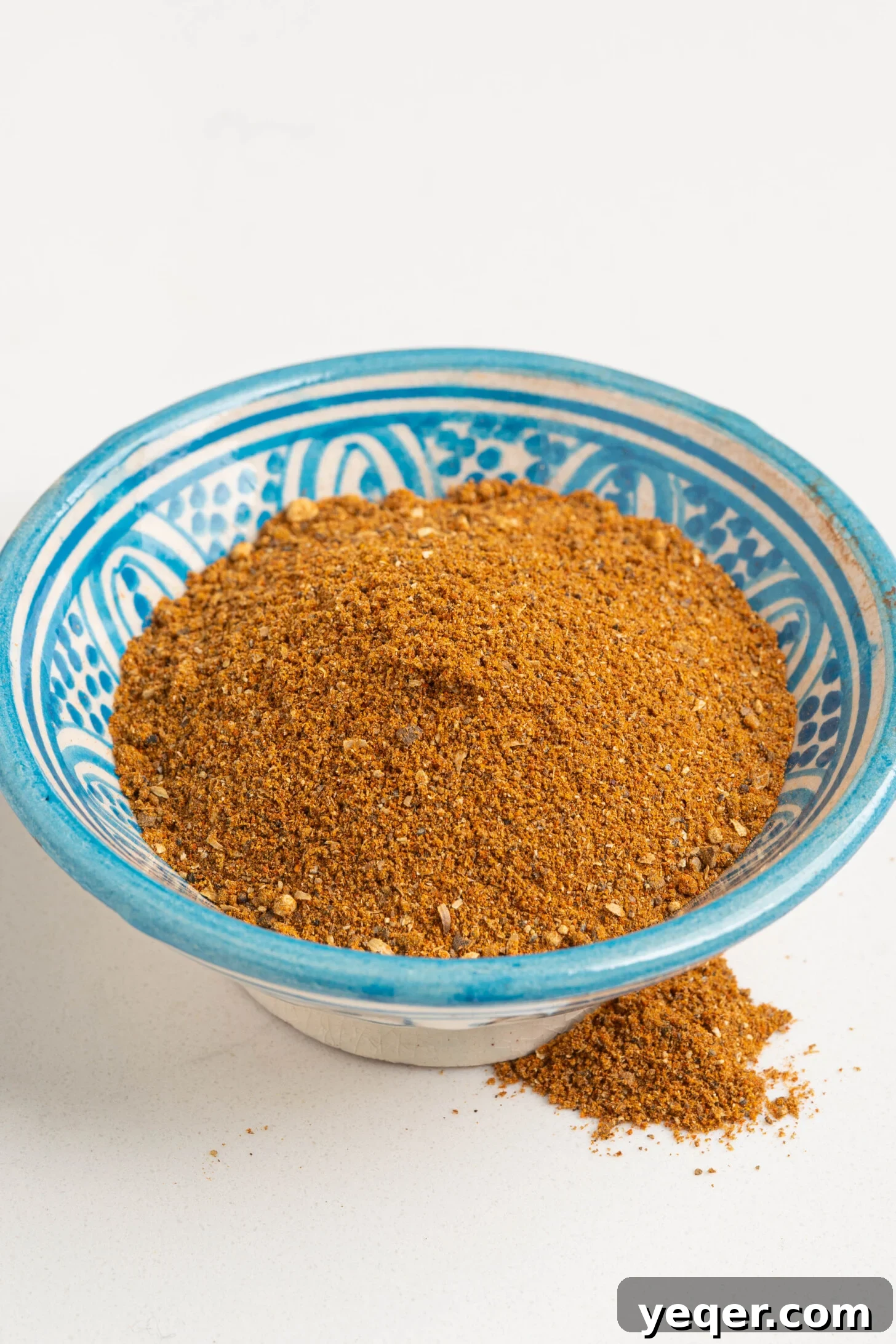
This DIY recipe for Ras El Hanout, translating majestically to ‘top shelf’, unlocks a world of authentic Moroccan flavor right in your kitchen! This classic North African spice blend, renowned for its incredible depth and aromatic complexity, comes together in mere minutes, promising a flavorful and incredibly versatile addition to countless culinary creations. It masterfully balances warm and pungent notes, weaving together the sweetness of cinnamon, ginger, and cloves with the savory depth of paprika, coriander, and cumin. Prepare to elevate your cooking with this essential, vibrant spice mix.
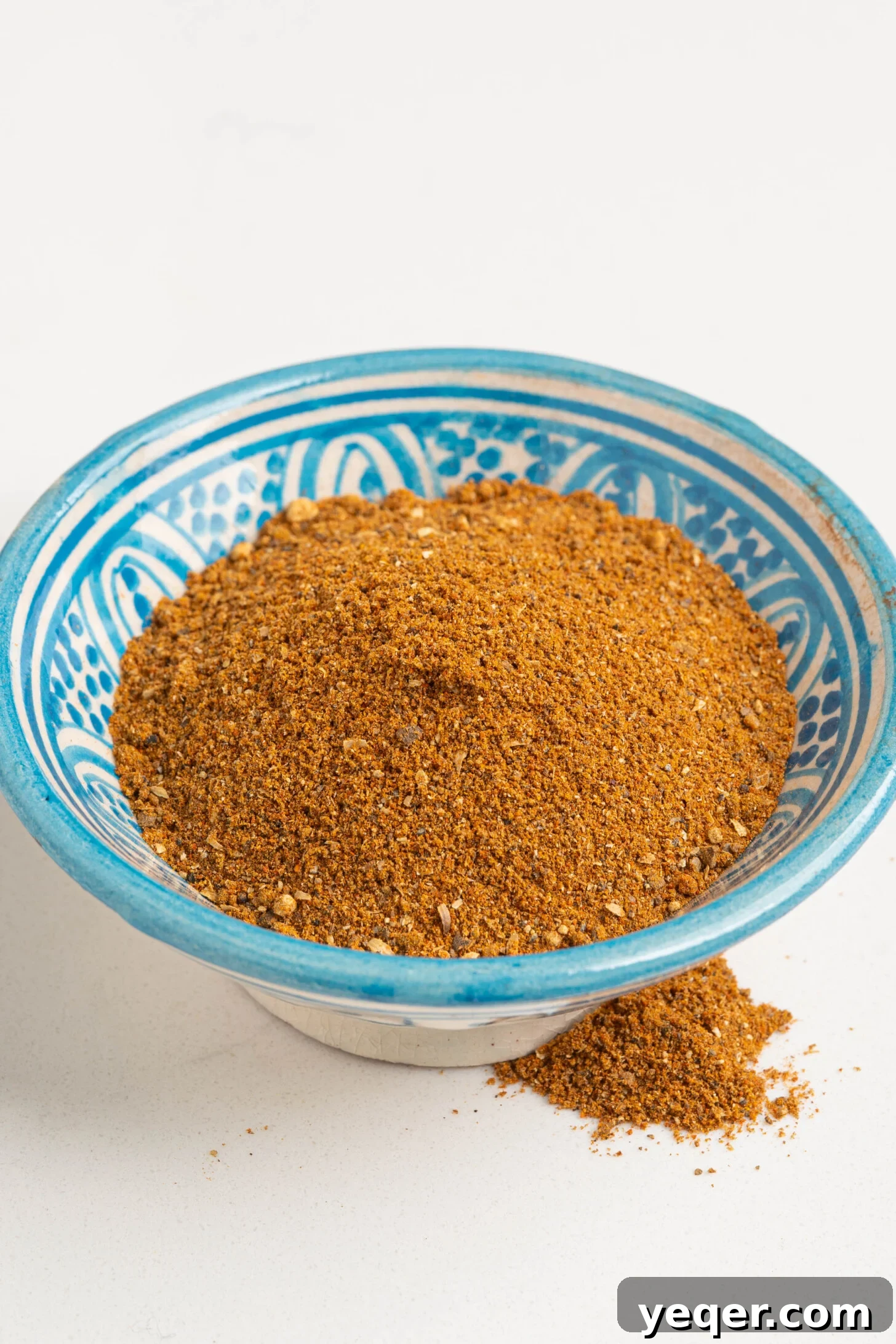
Unveiling Ras El Hanout: The “Top Shelf” Spice Blend of Morocco
Ras El Hanout is more than just a spice mix; it’s a culinary philosophy, a signature blend found across North Africa and central to many authentic Moroccan recipes. The name itself, “Ras El Hanout,” literally means “head of the shop” or “top shelf,” signifying that it contains the finest spices a merchant has to offer. This blend is famous for its warming, earthy flavors and intoxicating aromas, combining subtle sweetness with complex, grounding notes that impart a unique and unforgettable flavor profile wherever it’s used.
Growing up, I remember my dad and his friends good-naturedly debating whose family harbored the best Ras El Hanout blend. Our own pantry often boasted several variations, each a testament to the blend’s personal and evolving nature. This traditional practice underscores that there isn’t one definitive Ras El Hanout recipe, but rather a spectrum of possibilities, making your homemade version truly unique.
Why Make Your Own Ras El Hanout? The Benefits of a Homemade Blend
While pre-made Ras El Hanout is available, crafting your own offers unparalleled advantages. The primary benefit lies in the freshness of the spices. Store-bought blends often contain spices that have been sitting on shelves for months, losing their potency and vibrancy. By grinding whole spices yourself, you unlock their peak flavors and essential oils, resulting in a significantly more aromatic and flavorful blend.
Furthermore, making your own blend gives you complete control over the quality and origin of each ingredient. You can choose organic spices, avoid fillers or anti-caking agents, and even adjust the ratios to suit your personal taste preferences. This customization allows you to create a blend that perfectly complements your cooking style, whether you prefer it sweeter, spicier, or more earthy. It’s also often more cost-effective in the long run, as buying individual whole spices in bulk can be cheaper than repeatedly purchasing small jars of pre-ground mixes.
The process itself is a rewarding culinary experience. The act of grinding and combining fragrant spices is sensory and therapeutic, connecting you more deeply with the food you prepare. It’s an easy way to elevate your everyday meals and impress guests with the depth of flavor only a freshly made blend can provide.
The Essential Ingredients: A Symphony of Flavors in Every Pinch
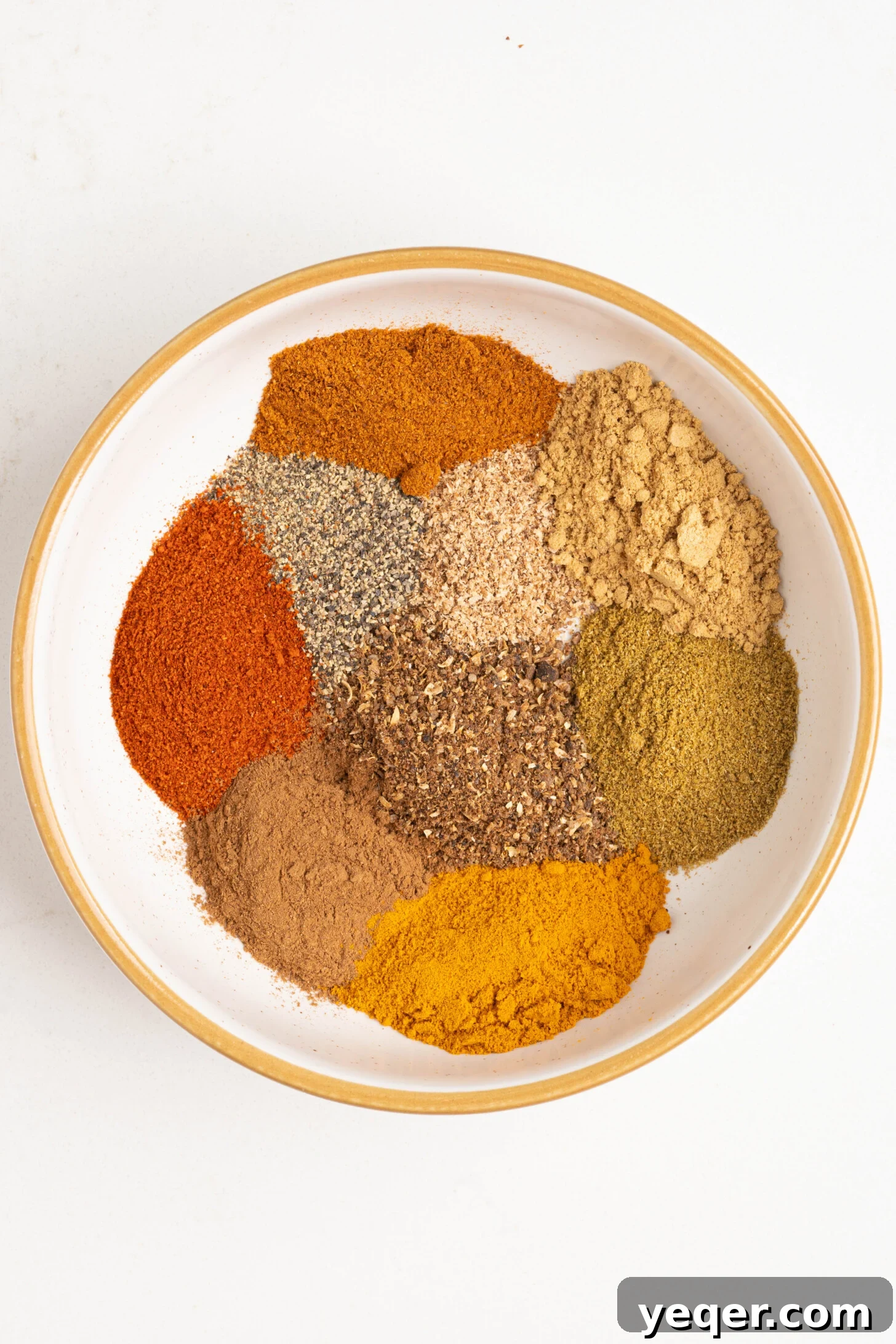
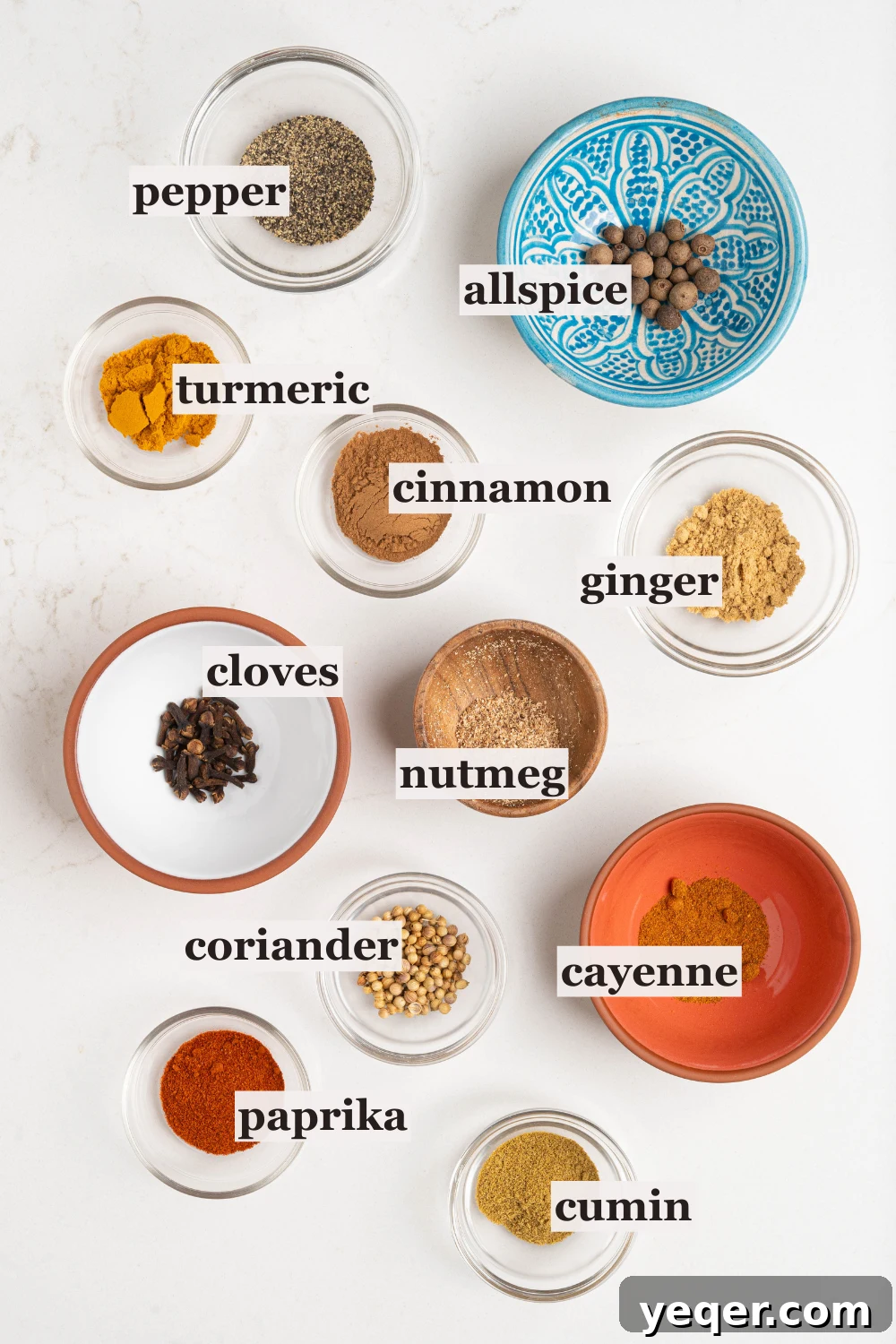
The beauty of Ras El Hanout lies in its complex interplay of ingredients, each contributing a distinct note to the overall harmony. While recipes vary, certain core spices form the backbone of this beloved blend. This carefully curated mix balances sweetness, warmth, pungency, and earthiness, creating a truly versatile seasoning.
Sweet and Warming Notes
- Cinnamon: A staple in Moroccan cuisine, cinnamon provides a sweet, woody warmth that is comforting and aromatic. It adds a subtle sweetness and depth, often associated with festive dishes.
- Ginger: Offering a pungent, spicy warmth with a hint of citrus, ginger brings a lively kick to the blend. It’s crucial for that characteristic North African warmth.
- Cloves: Intense, aromatic, and slightly bitter, cloves contribute a powerful, sweet-spicy aroma. They are used sparingly to avoid overpowering the other spices, adding a distinctive richness.
- Nutmeg: With its warm, earthy, and slightly sweet flavor profile, nutmeg adds a musky undertone that rounds out the sweeter elements and enhances overall complexity.
- Allspice: This spice miraculously tastes like a combination of cloves, nutmeg, and cinnamon, hence its name. It acts as a bridge between the various warming spices, unifying their flavors.
Earthy and Savory Foundations
- Coriander: Ground coriander seeds offer a fragrant, citrusy, and slightly sweet aroma. It’s an indispensable spice that adds brightness and an aromatic foundation.
- Cumin: Known for its earthy, nutty, and slightly bitter notes, cumin provides a deep, savory base. It’s a cornerstone of many North African and Middle Eastern spice blends.
- Paprika: Sweet paprika (or a combination of sweet and a touch of smoked for extra depth) contributes a mild, fruity flavor and a beautiful vibrant red hue to the blend. For an extra special touch, consider making homemade paprika.
- Turmeric: Beyond its distinctive golden color, turmeric offers an earthy, slightly bitter, and pungent flavor. It’s also prized for its anti-inflammatory properties and its ability to add a subtle, savory depth.
A Touch of Pungency and Heat
- Black Pepper: Essential for its sharp, pungent heat, black pepper provides a foundational spiciness that complements and enhances all the other flavors.
- Cayenne Pepper: For those who appreciate a fiery kick, cayenne pepper is an optional but welcome addition. It introduces a controllable level of heat without overwhelming the delicate balance of the other spices.
The precise ratios in this recipe have been carefully balanced to create a harmonious blend that is both authentic and incredibly delicious. Each spice plays a vital role, creating a nuanced and unforgettable flavor experience.
Making Your Own Spice Blend: The Art of Grinding Whole Spices
The secret to a truly exceptional Ras El Hanout lies in using whole spices and grinding them fresh just before blending. Whole spices retain their volatile oils and aromas far better than their pre-ground counterparts, which begin to lose potency as soon as they’re processed. This simple step guarantees a fresher, more flavorful, and more aromatic end result for your homemade blend.
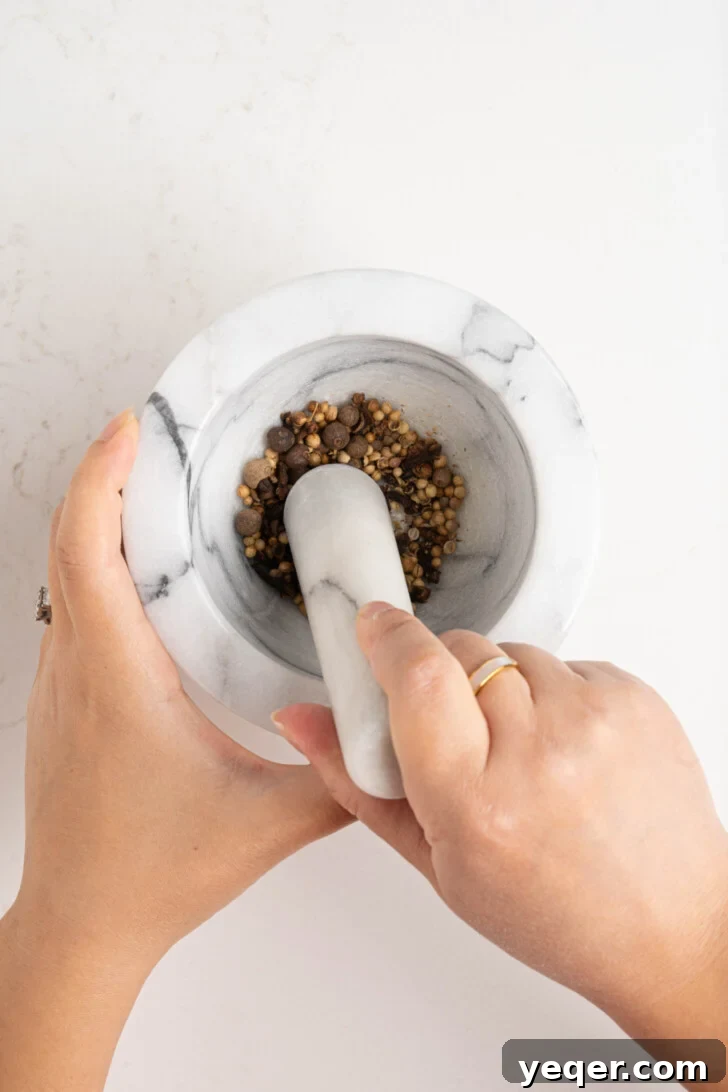
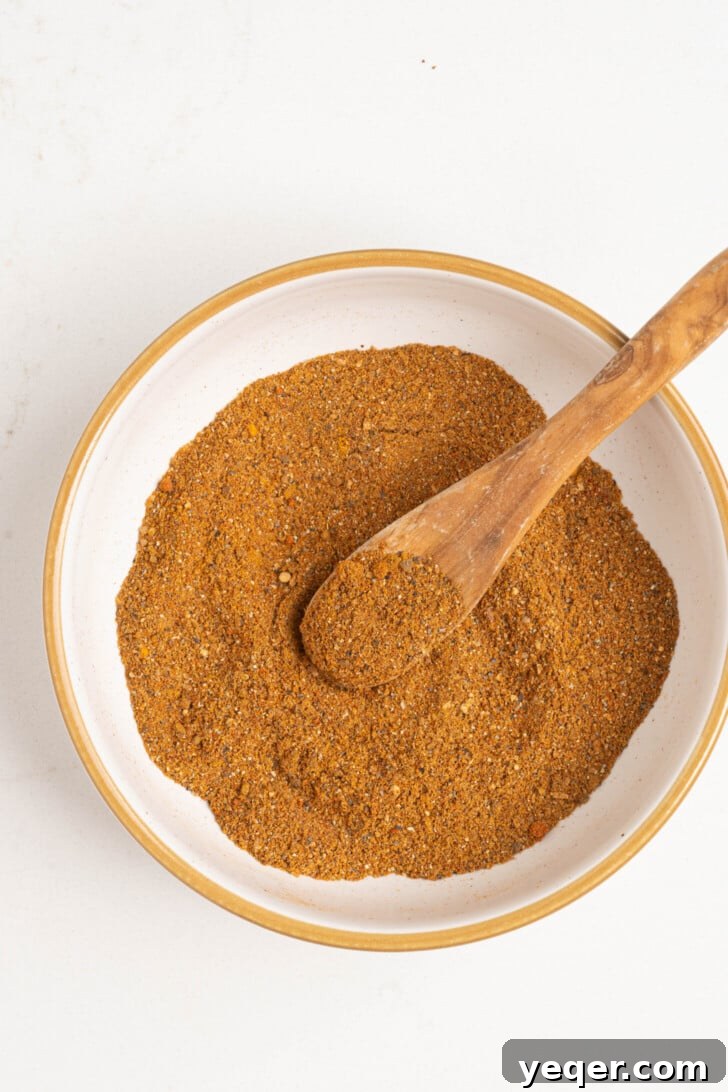
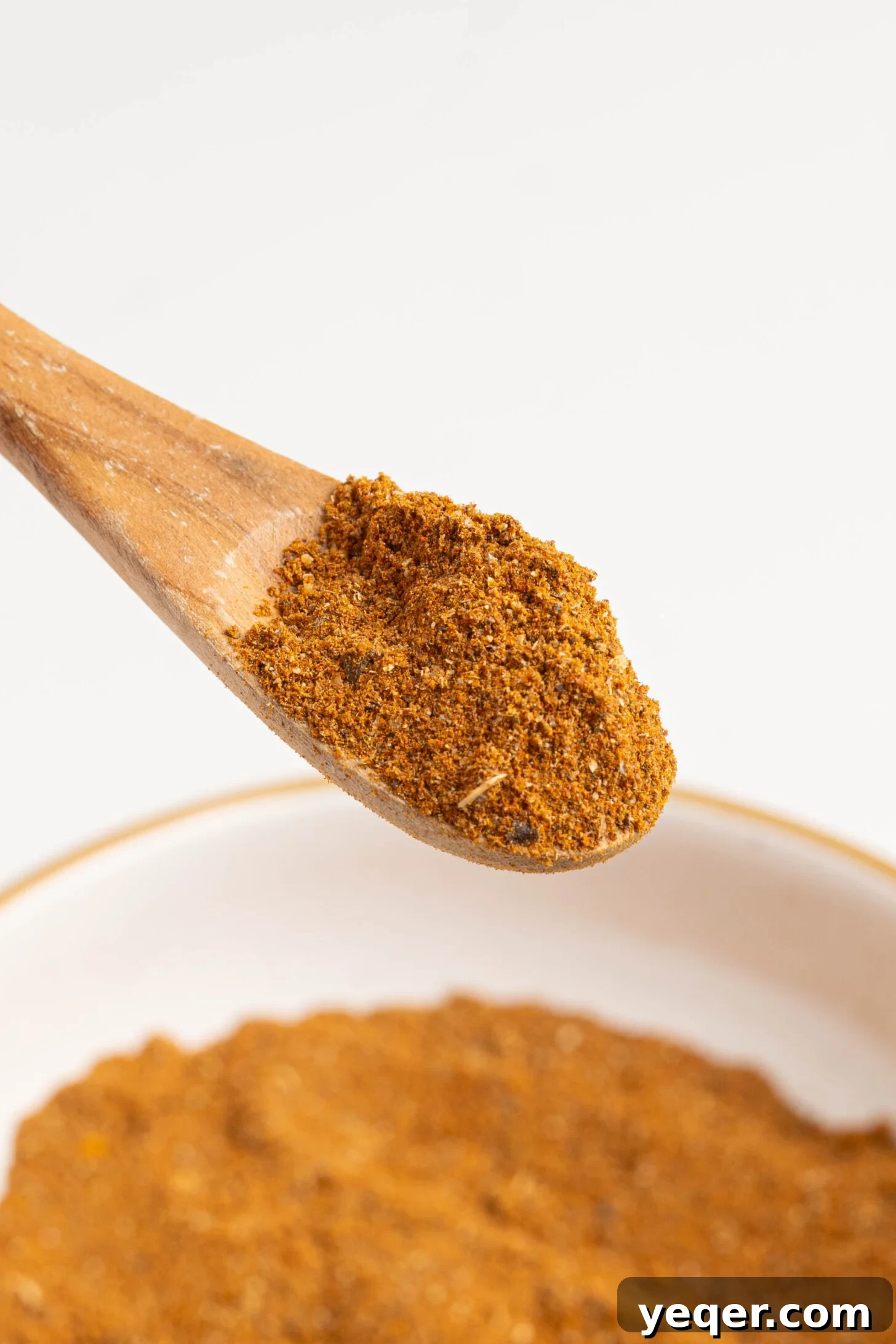
In general, using whole spices will always result in a fresher, more flavorful, and significantly more aromatic end result. Because of this, I strongly encourage you to use as many whole spices as you can acquire and have on hand. Toasting whole spices lightly in a dry pan before grinding can further deepen their flavor, but for a 5-minute blend, it’s an optional step.
Where to Use This Versatile Moroccan Spice Blend
The beauty of Ras El Hanout lies in its incredible versatility. It’s a flavor enhancer that can transform a simple dish into an exotic culinary journey. Here are some of my favorite ways to incorporate this Moroccan spice blend into everyday cooking:
- Tagines: This is arguably its most famous application. While many traditional Moroccan tagines have their own specific spice blends, Ras El Hanout serves as the perfect catch-all seasoning. It imparts a profound depth to slow-cooked meats, poultry, or vegetable tagines, marrying beautifully with the tender ingredients and rich sauces. It’s fantastic in a vegetable tagine or a hearty beef tagine.
- Meats: This blend is absolutely divine on red meat, especially lamb, enhancing its natural richness. It also pairs wonderfully with chicken, creating succulent marinades or flavorful rubs for roasting or grilling. Don’t shy away from trying it with fish, where it adds a delicate, aromatic warmth without overpowering the seafood.
- Veggies: Ras El Hanout has a magical way of bringing new depth and excitement to roasted or sautéed vegetables. Try sprinkling it generously over diced bell peppers, red onions, and potatoes with a drizzle of olive oil before roasting for a side dish that bursts with flavor. It’s also excellent with carrots, cauliflower, and zucchini.
- Soups and Stews: Beyond tagines, this blend can elevate any soup or stew. It adds a comforting warmth to lentil soups, chickpea stews (like these stewed chickpeas), or rich tomato-based dishes, including the popular shakshuka.
- Grains: Stir a teaspoon of Ras El Hanout into your couscous or rice pilaf during cooking for an aromatic side dish that perfectly complements any Moroccan-inspired meal.
- Marinades and Rubs: Create unforgettable marinades for grilling or pan-frying by combining Ras El Hanout with olive oil, lemon juice, garlic, and fresh herbs. The blend creates a savory crust on meats and vegetables that is truly irresistible.
Here are some popular family recipes where we frequently use ras el hanout to great effect:
Storing Your Precious Spice Mix for Optimal Freshness
To ensure your homemade Ras El Hanout retains its vibrant flavors and potent aromas for as long as possible, proper storage is crucial. The enemies of spice freshness are air, light, heat, and moisture.
Always store your Ras El Hanout blend in an airtight jar. Glass jars with tight-fitting lids are ideal, as they prevent air from reaching the spices and help to maintain their integrity. Avoid plastic containers, as they can sometimes absorb odors or allow air to seep in over time.
Keep the sealed jar in a cool, dark place, such as inside a pantry or spice cabinet, away from direct sunlight, heat sources (like ovens or stovetops), and humidity. Exposure to light and heat will degrade the spices quickly, diminishing their flavor and color.
If your individual spices were fresh when you made the blend, your homemade Ras El Hanout should maintain its peak potency and flavor for up to 6 months. While it won’t necessarily “go bad” after this period, its aromatic intensity will gradually fade. To check for freshness, simply give it a sniff – if the aroma isn’t as vibrant as when you first made it, it’s time to whip up a fresh batch!
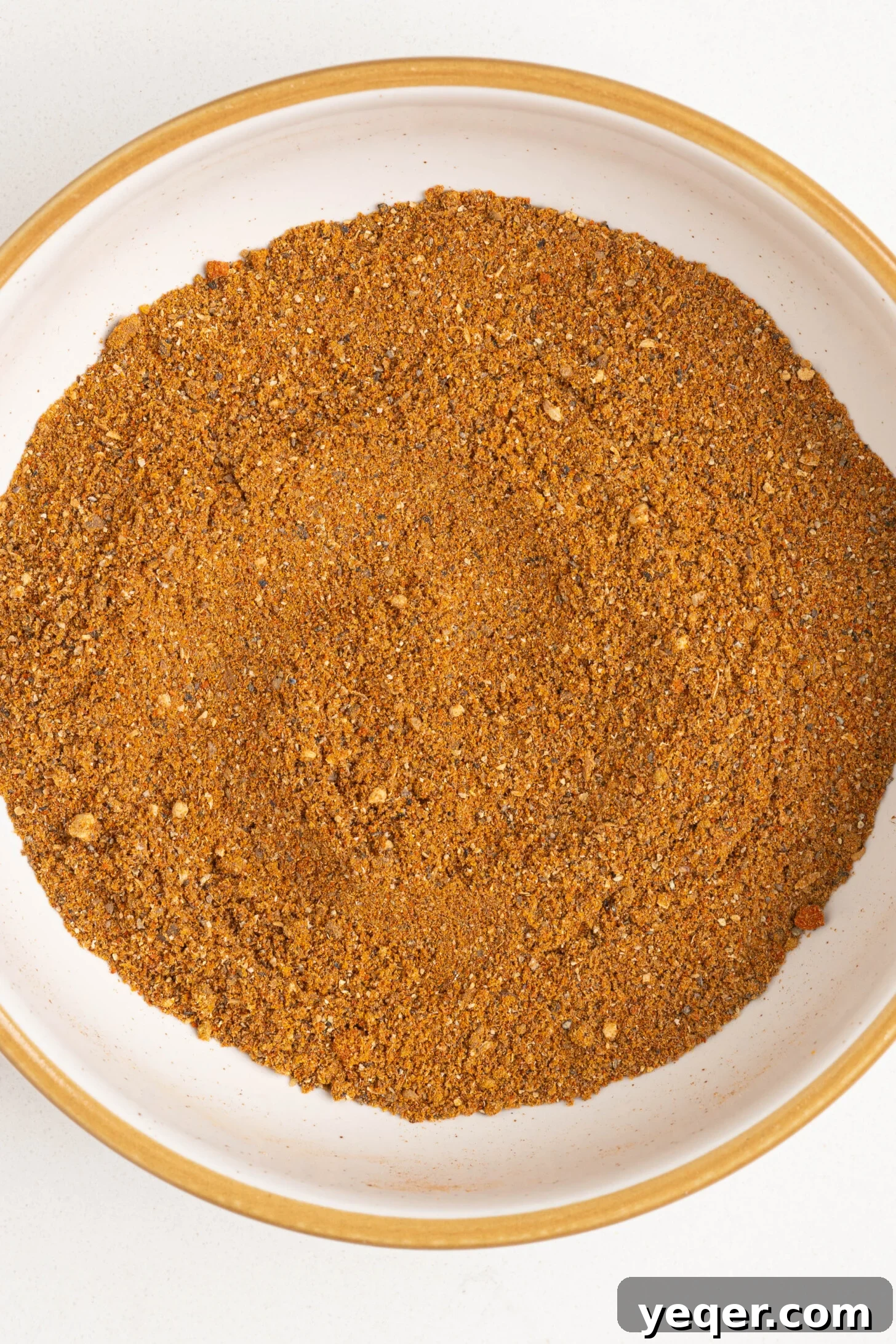
Your 5-Minute Homemade Ras El Hanout Spice Blend Recipe
Crafting this aromatic “top shelf” Moroccan spice blend is surprisingly simple and incredibly rewarding. In just 5 minutes, you can create a vibrant, flavorful mix that will transform your cooking.
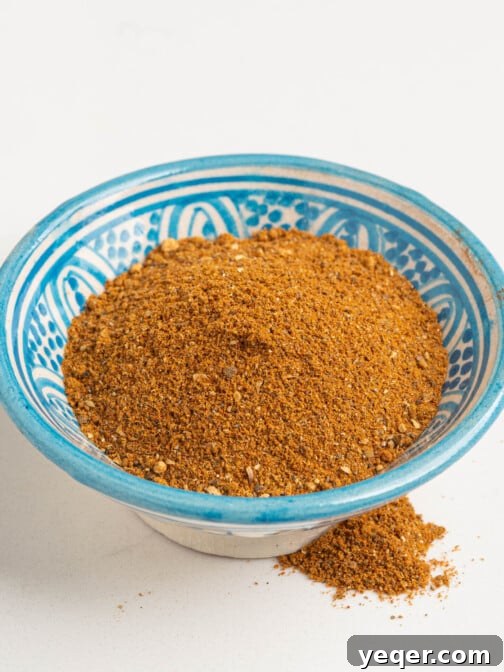
5-Minute Ras El Hanout Spice Blend Recipe
- Author: Salima Benkhalti
- Prep Time: 5 minutes
- Cook Time: 0 minutes
- Total Time: 5 minutes
- Yield: 2–3 servings
- Category: Spice Blend
- Method: Raw
- Cuisine: Moroccan, North African, Mediterranean, African
- Diet: Vegan
Description
This DIY recipe for Ras El Hanout, which translates to ‘top shelf’, is incredibly good! This classic Moroccan spice blend comes together in just 5 minutes and makes a flavorful & versatile addition to many recipes. It’s a warm, pungent mix, expertly combining the flavors of sweeter spices like cinnamon, ginger, and cloves with savory spices such as paprika, coriander, and cumin.
Ingredients
- 1 tsp cinnamon
- 1 tsp coriander
- 1 tsp cumin
- 1 tsp paprika
- 1 tsp allspice
- 1 tsp turmeric
- 1 tsp ginger
- 1 tsp nutmeg
- 1 tsp clove
- 1/2 tsp cayenne
- 1 tsp black pepper
Instructions
- In an airtight container, combine all the listed spices. Seal the container tightly and shake vigorously to ensure all the spices are evenly combined and thoroughly mixed. This freshly prepared spice blend will remain potent and flavorful for up to 6 months, provided your initial spices were fresh and it’s stored correctly.
Bismillah,