
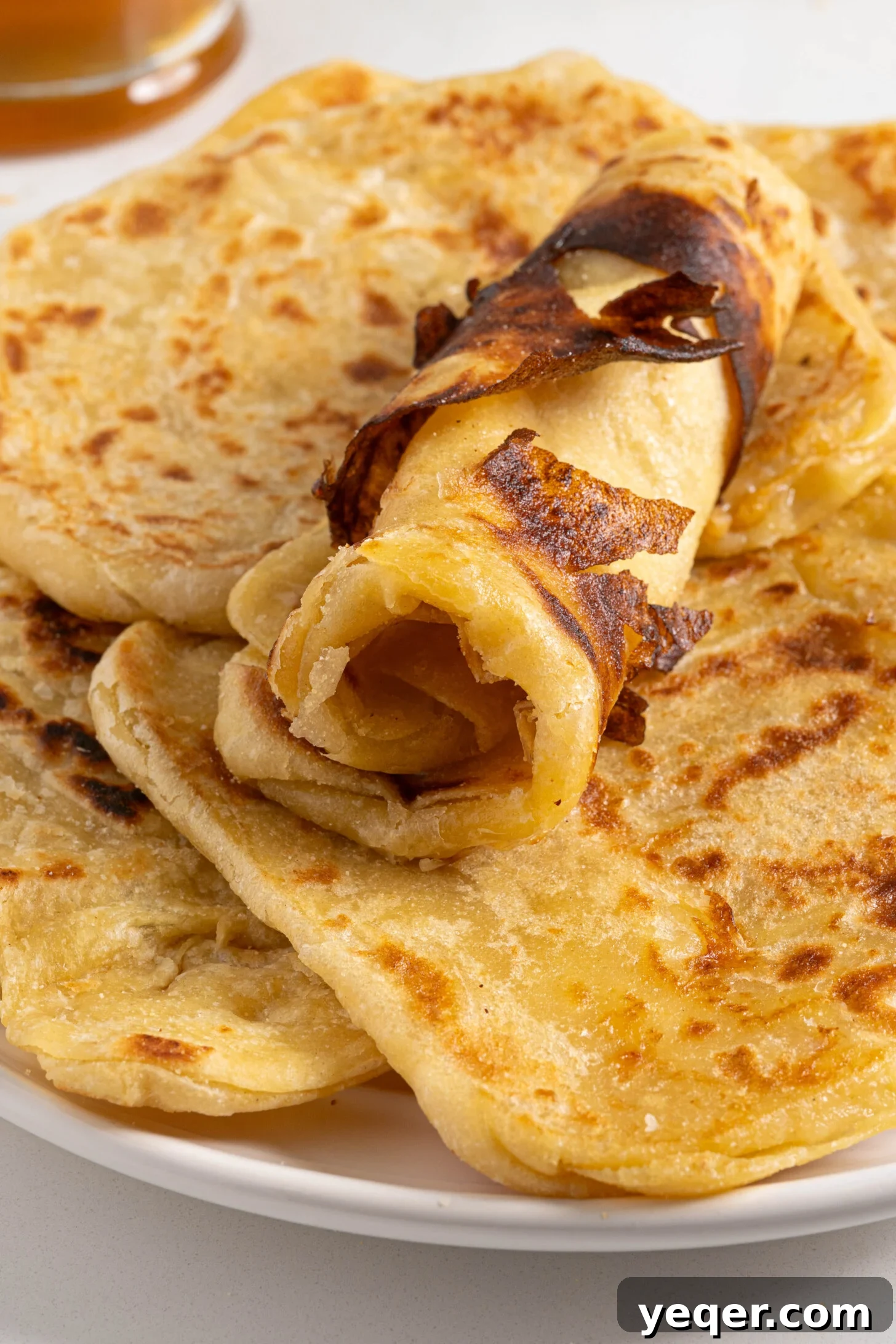
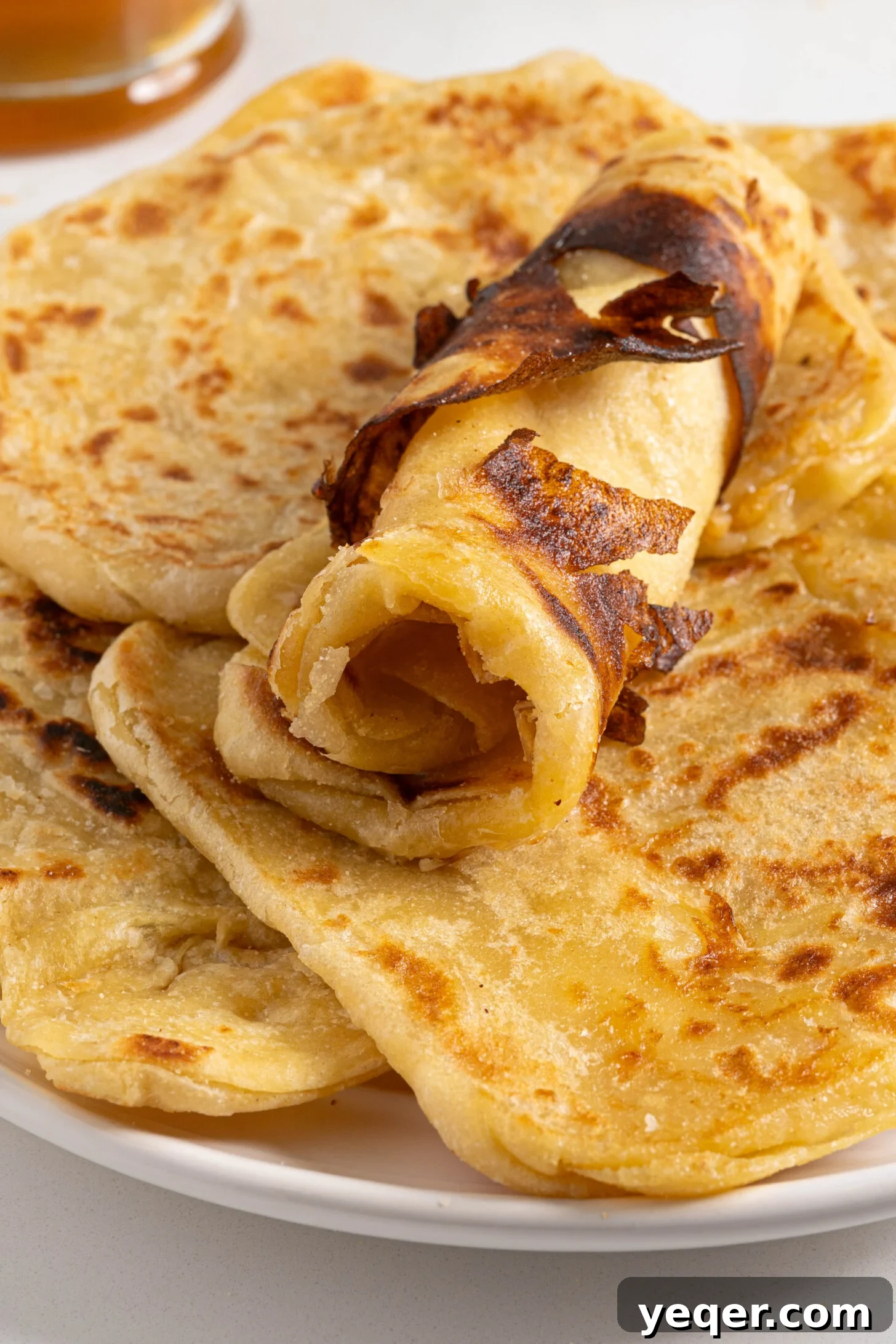
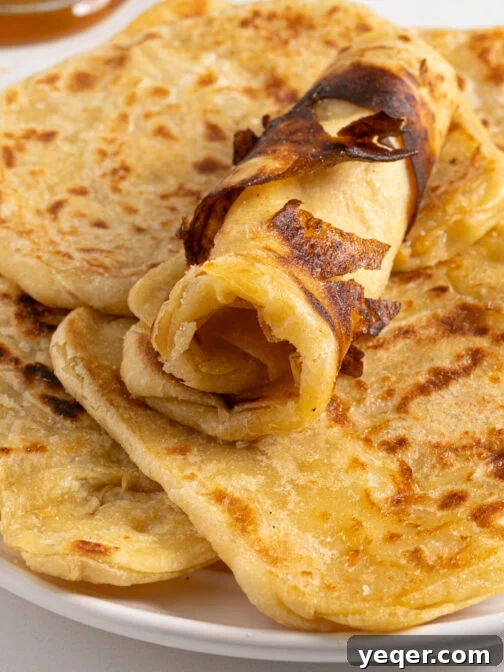
Msmen, also referred to as Rghaif in various Moroccan dialects, is a revered traditional Moroccan flatbread, celebrated for its exquisite layers of super-thin dough, generously brushed with butter and sprinkled with fine semolina. This culinary masterpiece transcends a simple breakfast item, serving as a versatile canvas for an array of sweet and savory delights. Its uniquely flaky texture and rich, buttery flavor make it a quintessential component of Moroccan cuisine, frequently enjoyed warm with honey and butter, especially during morning meals.
The popularity of Msmen stems not only from its delicious taste but also from the intricate art of its preparation, a craft often passed down through generations. Each Msmen flatbread is a testament to culinary skill, a delicate dance of stretching, folding, and layering that results in what feels like hundreds of buttery, ethereal sheets. For many, including myself, the tradition of making Msmen evokes cherished memories of grandmothers and aunts meticulously working the dough, a ritual that connects deeply to Moroccan heritage and hospitality.
The Culinary Significance of Msmen in Moroccan Culture
Msmen is far more than just a flatbread; it’s a cornerstone of Moroccan culinary identity and a symbol of familial warmth. It holds a central place in nearly every Moroccan breakfast spread, a staple that brings families together around the table. The preparation itself is an event, a rhythmic process of kneading, resting, stretching, and folding that fills the kitchen with enticing aromas. While often enjoyed casually, Msmen is also a popular treat for special occasions, holidays, and when hosting guests, embodying the generous spirit of Moroccan hospitality.
This delectable bread’s unique texture, a delightful combination of crispness and chewiness, sets it apart. The secret lies in its distinctive multi-layered structure, achieved through a precise folding technique and the liberal use of butter and semolina between layers. When cooked, these layers puff up and separate, creating an incredibly light and airy bread that is truly irresistible. To fully immerse yourself in an authentic Moroccan experience, serve your homemade Msmen with a steaming pot of traditional Moroccan Mint Tea and a bowl of rich, local honey.
Mastering the Layers: The Art of Msmen Folding
The defining characteristic and perhaps the most impressive aspect of Msmen is its multitude of delicate, paper-thin layers. Achieving this signature texture is an art form, a technique perfected over generations that yields a flatbread that is simultaneously soft, flaky, and wonderfully buttery. This intricate layering process is what gives Msmen its distinctive appeal and makes it such a sought-after delicacy.

The magic begins with creating an incredibly elastic and thin dough, stretched to near transparency. This ultra-thin sheet is then generously brushed with melted butter and sprinkled with fine semolina. The dough is subsequently folded over itself several times, creating a compact square. This square, in turn, often becomes the core of yet another thin layer of dough, which is again buttered, semolina-dusted, and folded around the first square.
These strategic applications of butter and semolina are crucial. The butter provides richness and prevents the layers from sticking together, while the semolina acts as a separation agent, absorbing some of the moisture and ensuring each layer can expand and crisp up independently when fried. This meticulous process ensures that when the Msmen hits the hot skillet, the trapped butter and air between the semolina-dusted layers create the characteristic puffiness and hundreds of distinct, flaky sheets that Msmen is famous for.
Did you know? In Morocco, this delightful delicacy is known by two common names: Msmen and Rghaif. While often used interchangeably, my family traditionally referred to them as Rghaif when they were round and Msmen when they were crafted into their classic square shape. These subtle distinctions often reflect regional variations in preparation or presentation, adding to the rich tapestry of Moroccan culinary traditions.
Msmen Varieties: From Classic to Stuffed Creations
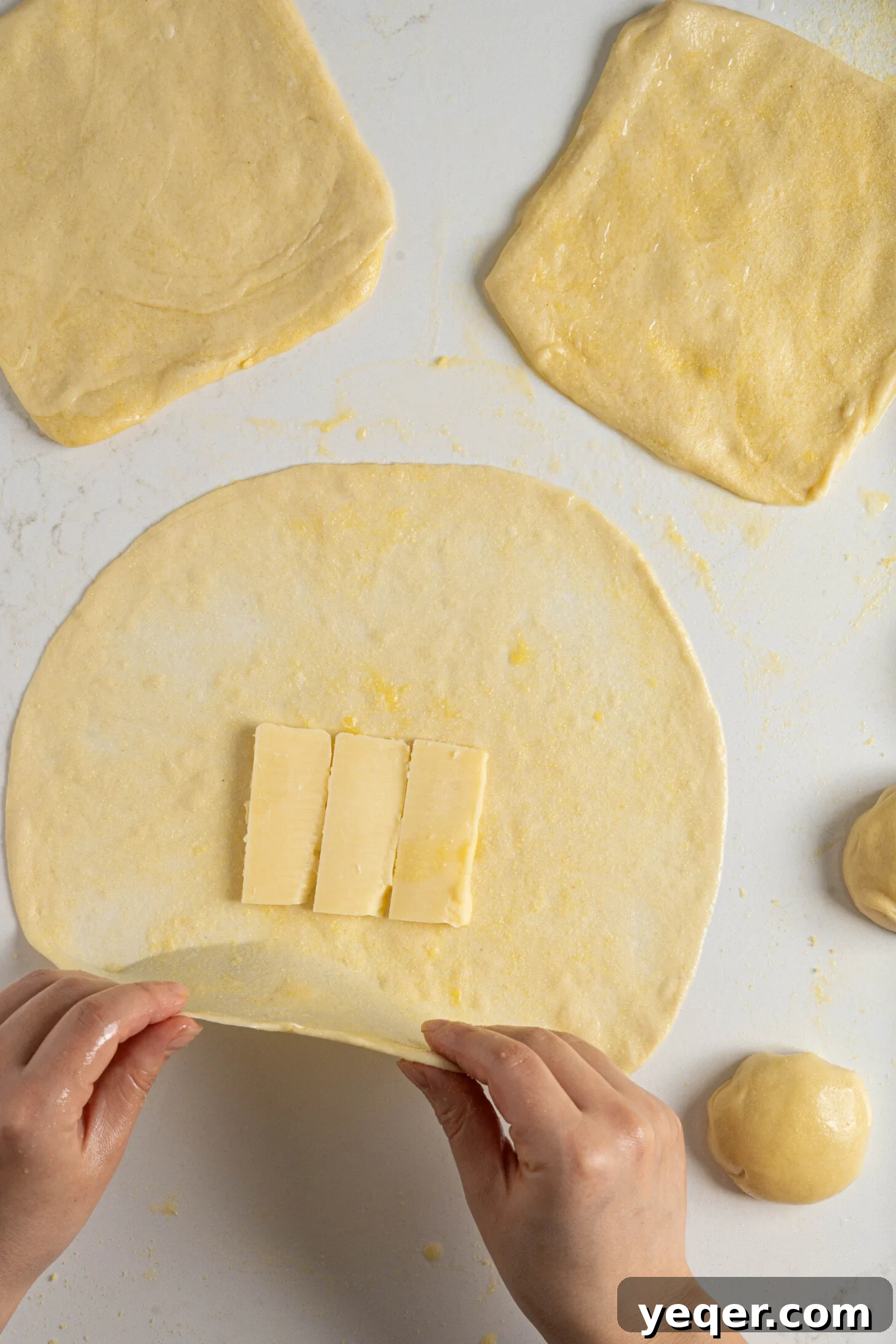
While the classic Msmen served with honey and butter remains universally adored, its versatility allows for exciting variations, particularly through stuffing. Growing up, my aunt would sometimes surprise us with a super addicting, melty, cheesy version of Msmen. She would simply add a few pieces of cheese to the center of the dough before frying, transforming the humble flatbread into a savory delight that was always my personal favorite.
Exploring this recipe with family, my brother reminded me of another incredible filling my aunt occasionally prepared: khlea. Khlea is a traditional Moroccan dried meat, typically lamb or beef, meticulously preserved in clarified butter. It’s a truly spectacular delicacy, renowned for its rich flavor and tender texture. Khlea is often enjoyed with bread or eggs, but when tucked inside Msmen, it creates an unparalleled savory experience – a true Moroccan comfort food that is both hearty and flavorful.
Beyond cheese and khlea, the possibilities for stuffing Msmen are endless. For a sweet twist, consider fillings like almond paste, ground nuts with sugar and spices, or even fruit preserves. Savory options could include spiced ground meat, caramelized onions, or a mix of sautéed vegetables. Each variation offers a new dimension to this already captivating flatbread, inviting culinary exploration and personal customization.
A Quintessential Moroccan Breakfast Spread
As previously highlighted, Msmen is frequently enjoyed as part of a larger, more elaborate traditional Moroccan breakfast. This morning feast is not just about sustenance; it’s a cultural experience, a vibrant display of flavors, textures, and aromas designed to be savored slowly, often in the company of loved ones. The spread is typically rich and diverse, reflecting Morocco’s abundant produce and culinary heritage.
In my family, a traditional Moroccan breakfast spread usually encompassed a delightful combination of elements. You’d find a freshly brewed pot of aromatic mint tea, accompanied by vibrant, fresh-squeezed orange juice. Msmen or soft, spongy baghrir pancakes would be abundant, alongside various types of fresh bread. Essential accompaniments include rich olive oil, traditional smen (preserved butter), and golden honey for dipping. Savory components often feature khlea, and eggs prepared in various ways, such as in a vibrant shakshuka or simple fried eggs. Finally, a selection of fresh seasonal fruits adds a refreshing balance to the meal.
Complementary Moroccan Recipes
Looking back, preparing such an elaborate spread can be quite time-consuming, far more than I often have on a regular basis. Even though my aunts often had some of these items premade – fresh orange juice from the store or Baghrir stored in the freezer – it was always a labor of love, a dedication to tradition and family.
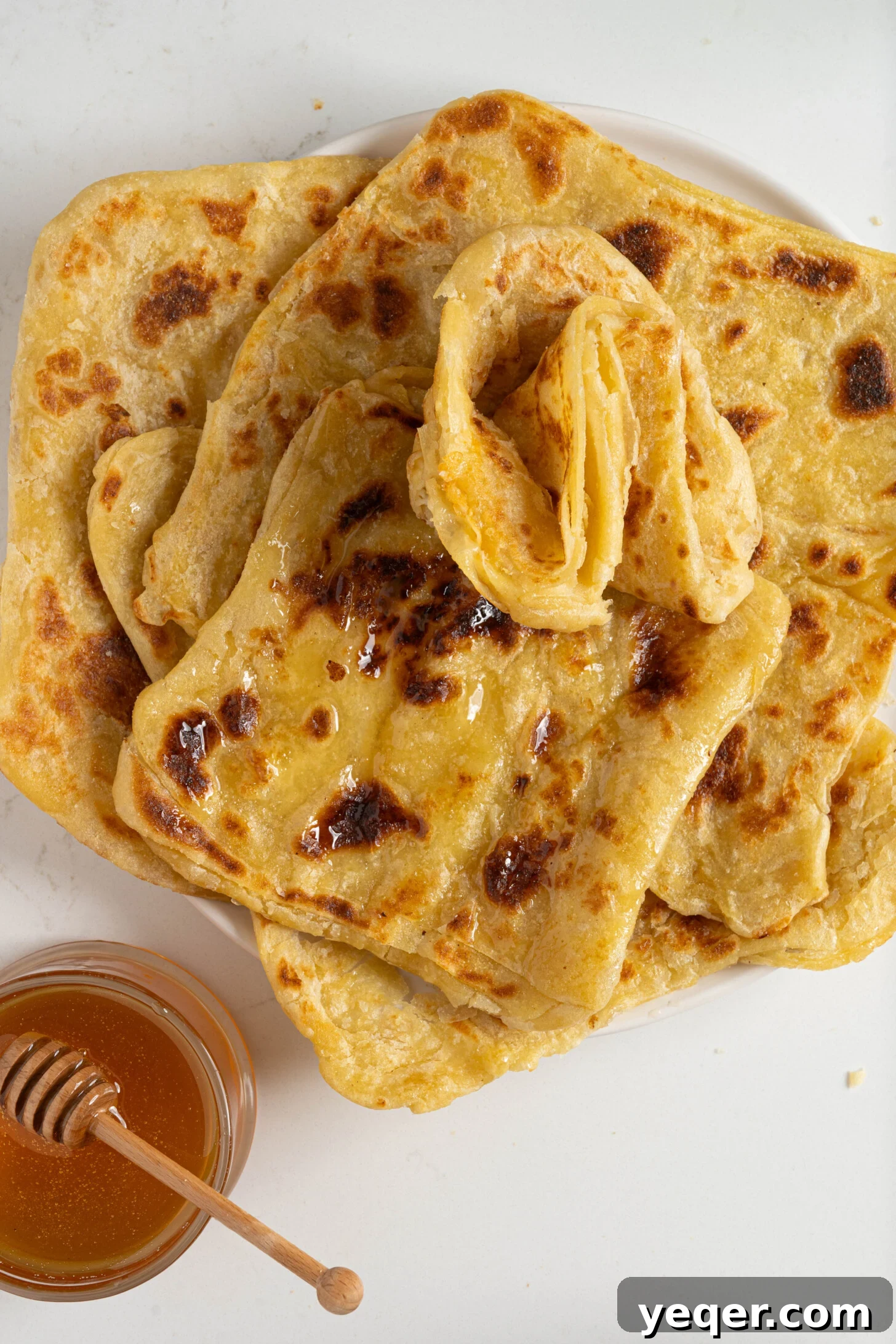
That said, Msmen possesses an undeniable charm that makes it special enough to stand entirely on its own. For those busier days, a simple yet satisfying approach is to serve warm Msmen with a generous drizzle of honey and a comforting cup of tea. It’s a perfect way to enjoy a taste of Morocco without the extensive preparation, proving that sometimes, simplicity truly is key to profound enjoyment.
Bsaha (To your health!),

Moroccan Flatbread (Msmen)
No reviews
- Author: Salima Benkhalti
-
Prep Time: 1 hour 45 minutes -
Cook Time: 15 minutes -
Total Time: 2 hours -
Yield: 8 flatbreads -
Category: Bread, Breakfast, Appetizer, Dessert -
Method: Toasted -
Cuisine: Moroccan -
Diet: Vegetarian
Description
Msmen is a traditional Moroccan flatbread made with layers of super thin dough, butter, and semolina. Perfect for serving with sweet and savory toppings, it’s a buttery blank canvas that’s commonly enjoyed for breakfast with honey and butter.
Ingredients
For the Dough:
- 3 cups all purpose flour
- 1 cup fine semolina flour
- 1 tsp salt
- 1 tbsp sugar
- 1 1/2 cups warm water
For Assembly:
- 1/4 cup oil
- 1/2 cup butter, melted
- 1/2 cup semolina
Instructions
- Make the dough: In a large bowl, combine both flours, salt, sugar, and warm water. Knead thoroughly on a clean surface for about 10-15 minutes until a stretchy, pliable dough forms that is no longer sticky to the touch. This vigorous kneading is key to developing gluten for elasticity. Transfer the dough to an oil-coated bowl, ensuring it’s lightly coated to prevent drying, and cover with a clean towel. Let it rest for a minimum of 30 minutes at room temperature.
- Prepare dough balls: After the initial resting period, lightly knead the dough again for a couple of minutes to release any trapped air bubbles and improve its texture. Then, divide the dough into 16 equal-sized balls, approximately 56 grams each if you prefer precise measurements, or simply eyeball them for consistency. Arrange these dough balls on a well-oiled surface (like a large cutting board or tray) and cover them again with a clean towel. Allow them to rest for another 30 minutes, which will make them much easier to stretch.
- Shape the first Msmen square: Liberally oil your hands and a clean, spacious work surface. Take one dough ball and begin to flatten it out into a super thin, almost transparent layer. The goal is to stretch the dough until it’s thin enough to see the counter through certain spots without tearing. Once stretched, lightly sprinkle the entire surface with about a teaspoon of melted butter and a pinch of fine semolina (precision isn’t critical here). Fold two opposite ends of the dough into the center, overlapping slightly, then sprinkle with more butter and semolina. Repeat with the remaining two opposite ends, folding them into the center to create a neat square shape. Sprinkle with butter and semolina one last time, then gently flatten the square with your hands. This is your first basic Msmen square.
- Create the layered Msmen: For the ultimate flaky texture, we’ll now layer one square inside another. Take a new dough ball and flatten it out just as you did in step 3, making it super thin and transparent. Sprinkle this flattened dough with melted butter and semolina. Carefully place the square-shaped dough you formed in step 3 directly in the center of this new, flattened dough. Now, fold two opposite ends of the outer dough over the inner square, sprinkling with butter and semolina after each fold. Repeat with the other two opposite ends, effectively encasing the first square within a second layer of dough, forming a larger square. Gently flatten the entire square thoroughly with your hands, pressing out any air bubbles as you go to ensure even cooking.
- Finish prepping all Msmen: Continue repeating steps 3 and 4 until all the dough balls have been used. This process will yield a total of 8 Msmen squares, each composed of multiple thin layers. As you form them, place them on an oiled tray and keep them covered to prevent drying while you work on the others.
- Cook the Msmen: Heat an oiled skillet or a wide griddle over medium heat. Once hot, place one Msmen square onto the skillet. Cook for a few minutes until it begins to puff up and turns golden brown on one side. Flip the Msmen regularly, every 1-2 minutes, continuing to cook each side until both are beautifully golden brown and the flatbread feels light and flaky. The frequent flipping helps to cook the layers evenly and ensures maximum puffiness. Remove from the skillet and serve immediately.
- Serving suggestions: Enjoy your freshly toasted Msmen warm with traditional accompaniments such as a generous drizzle of honey, a dollop of butter, or a splash of rich olive oil. For an authentic Moroccan experience, pair it with a refreshing glass of mint tea.
Notes
For Cheese Stuffed Msmen: If you desire a savory twist, add a few small pieces of your favorite cheese (such as mozzarella or feta) to the center of the dough before making the final folds in step 3 or 4. The cheese will melt beautifully during cooking, creating a delicious surprise.
Dough Ball Size: There’s no need to weigh out the dough balls if you prefer a more rustic approach. The suggestion of 56g per ball is merely for those who aim for perfection in the size and consistency of their Msmen.