
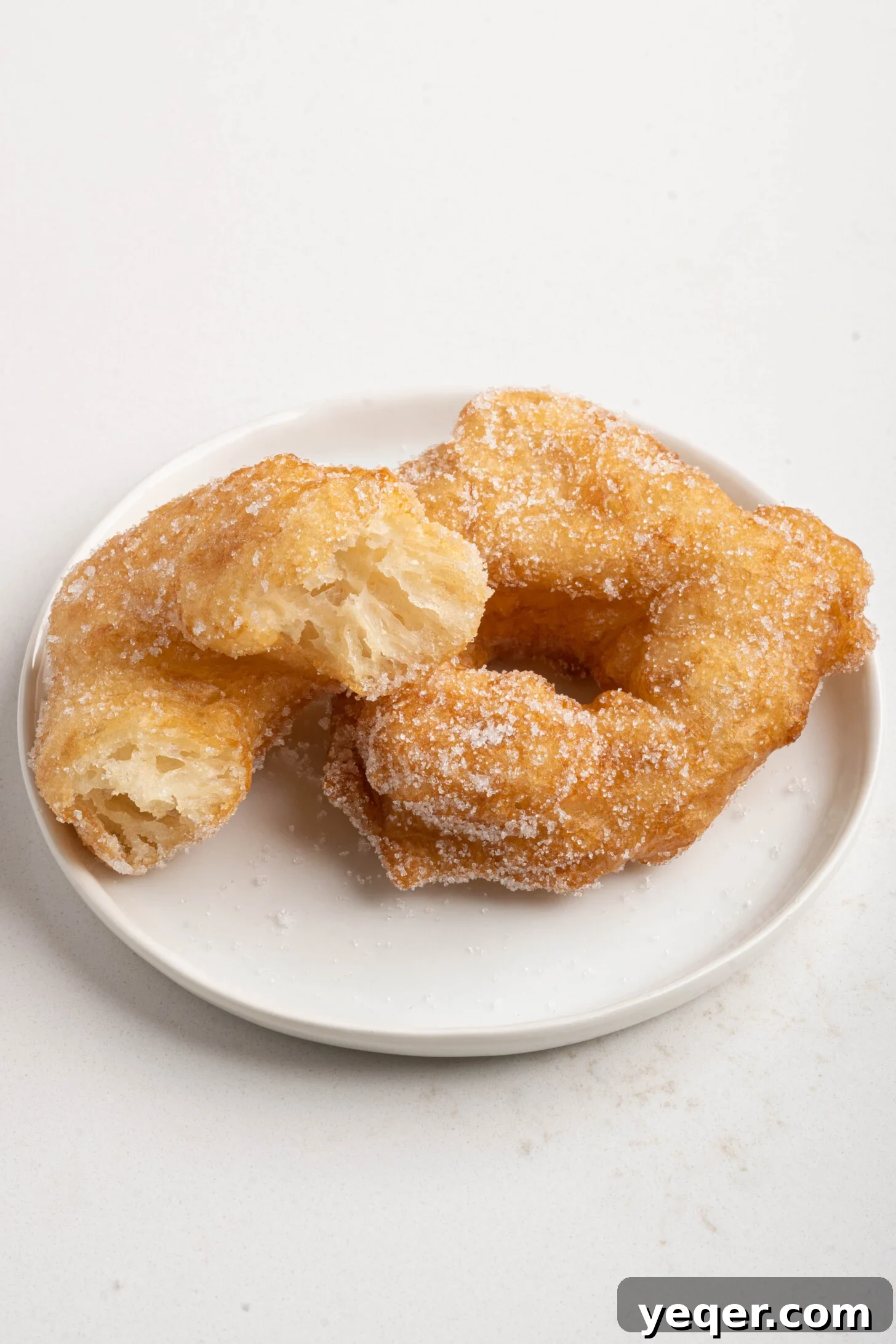
Sfenj are light and airy Moroccan donuts that are deep-fried to golden perfection and traditionally finished with a sprinkle of sugar or a drizzle of honey. Appropriately named for their delightfully spongey texture, these beloved pastries pair perfectly with a warm glass of Moroccan mint tea or a robust cup of coffee.
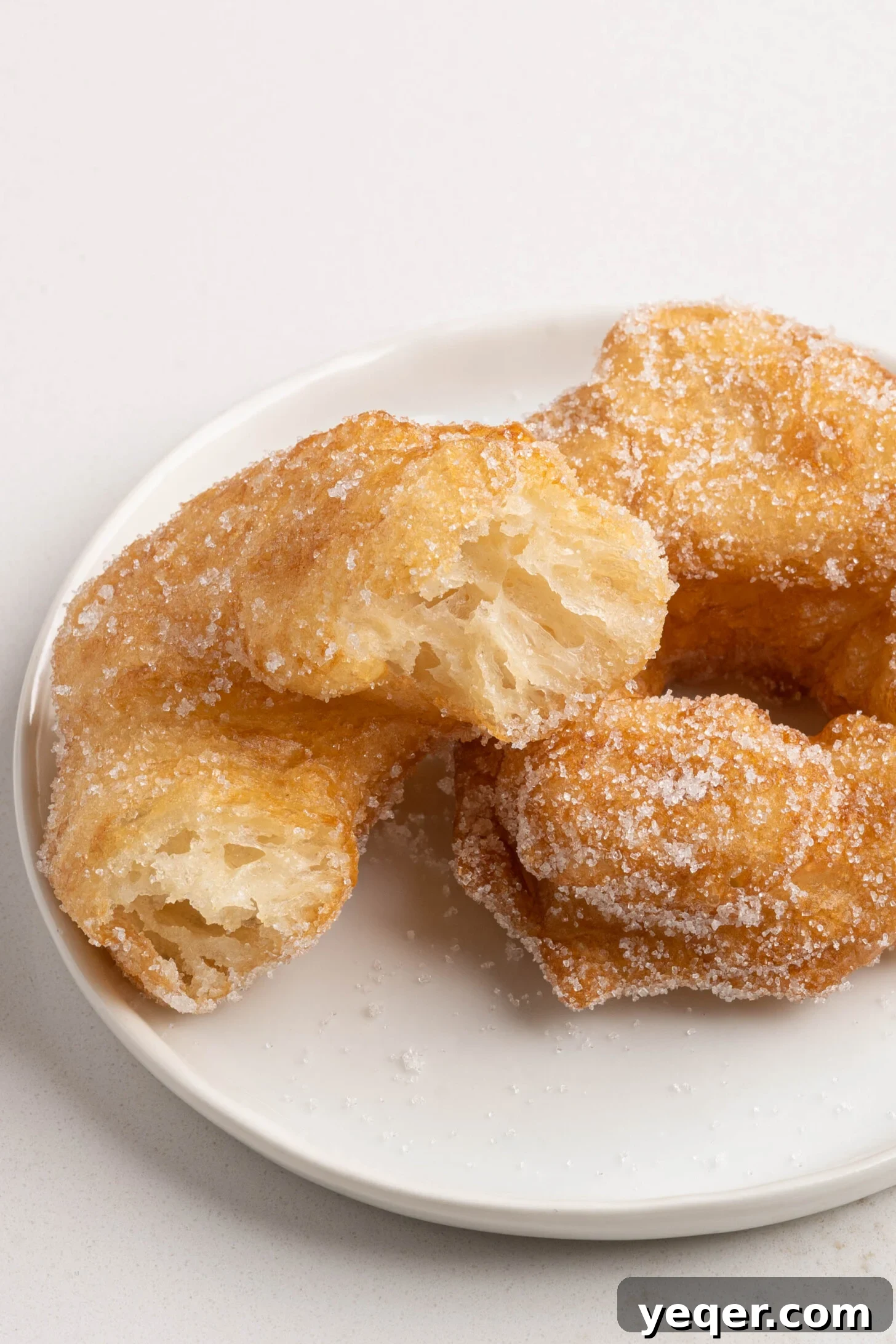
Sfenj: A Staple of Moroccan Culinary Culture
Like many Moroccan recipes, Sfenj (also often spelled Sfinj) are 100% worth the hype, embodying the warmth and generosity of Moroccan hospitality. These deep-fried delights are more than just a sweet treat; they are a significant part of daily life and special occasions throughout Morocco. Whether tossed in sugar, bathed in honey, or enjoyed plain, Sfenj are the quintessential companion to a steaming glass of Moroccan mint tea or a rich, aromatic Moroccan coffee.
Growing up, some of my fondest memories of hot Moroccan summers involved weekend mornings spent frolicking at the beach, followed by blissful afternoons gathered around my grandmother’s table. The air would be filled with the fragrant steam of a freshly brewed pot of mint tea, always accompanied by a towering platter of hot, freshly fried Sfenj. The anticipation built as we left the salty air of the beach and headed towards the small, unassuming hole-in-the-wall shop. Here, the local ‘sfenja’ – the skilled Sfenj vendor – spent his day in a mesmerizing dance of mixing and pulling the elastic dough, deftly deep-frying each golden ring, and sprinkling them generously with sugar. He made the entire process look utterly effortless, a true master of his craft.
It wasn’t until years later, driven by a growing curiosity and a desire to recreate that childhood magic, that I ventured into making Sfenj myself. To my delight, I discovered that while it requires a bit of patience and a good feel for dough, making these authentic Moroccan donuts at home is actually quite achievable. This guide will walk you through every step to bring the delicious taste of Moroccan street food right into your kitchen.
Essential Ingredients for Authentic Sfenj
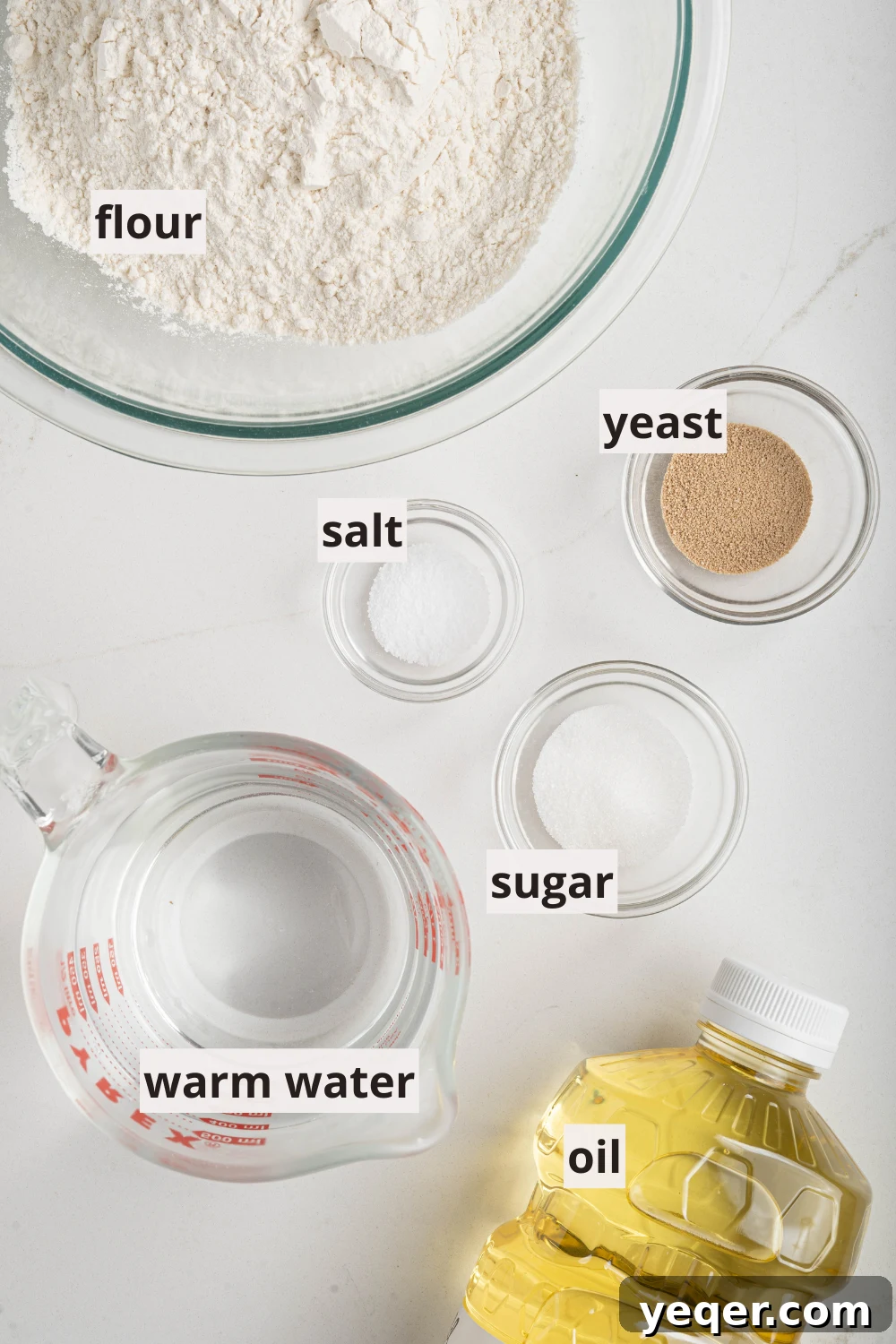
Creating these delightful Moroccan spongey donuts requires just a few basic ingredients, most of which you likely already have in your pantry. The simplicity of the ingredients belies the incredible flavor and texture they produce when combined correctly. Ensuring you have fresh, high-quality ingredients is the first step towards perfect homemade Sfenj.
Here’s what you’ll need to gather before you start preparing your dough:
- Active Dry Yeast: This is the leavening agent that gives Sfenj its characteristic lightness and airy texture. Ensure your yeast is fresh and active for optimal rise.
- Warm Water: Critical for activating the yeast. The water should be comfortably warm, not hot, to avoid killing the yeast.
- All-Purpose Flour: The foundation of our dough. While some recipes might call for bread flour, all-purpose flour works beautifully to achieve that soft, spongey crumb.
- Salt: Essential for flavor balance and also helps to control the yeast activity.
- Vegetable Oil: For deep-frying the Sfenj. Choose a neutral-flavored oil with a high smoke point. Additional oil will also be needed for handling the sticky dough.
- White Granulated Sugar or Honey: For sweetening the dough slightly and as an optional topping after frying.
(Refer to the recipe card below for exact quantities and precise measurements.)
Mastering the Art of Sfenj: Step-by-Step Instructions
Making Sfenj is a rewarding culinary journey that results in unbelievably light and delicious donuts. Follow these detailed instructions, complete with expert tips, to achieve that perfect spongey interior and crispy exterior.
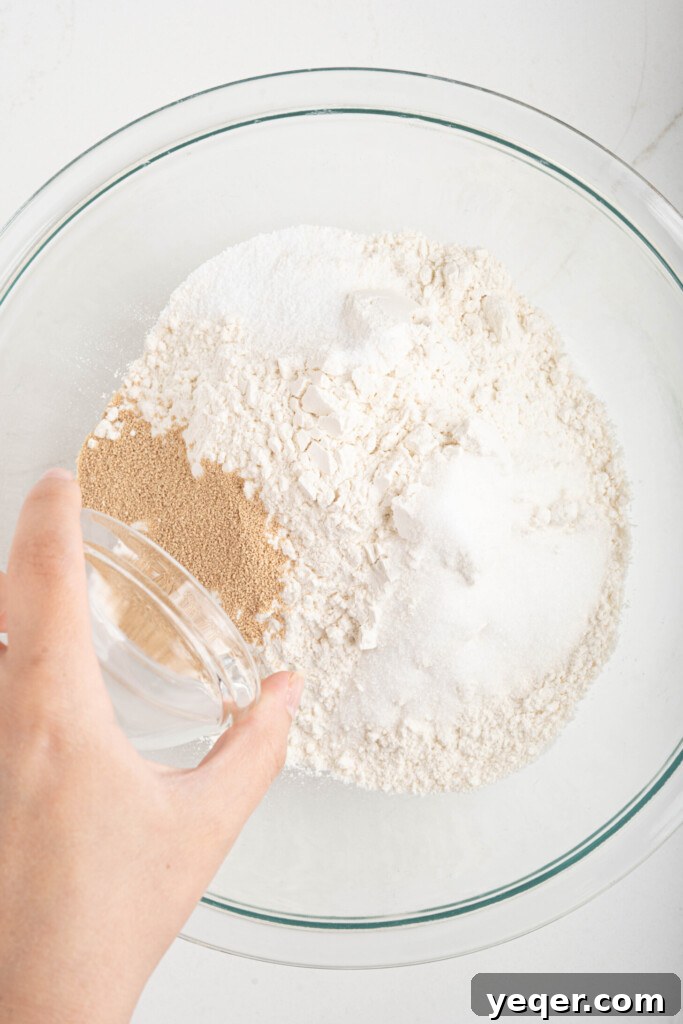
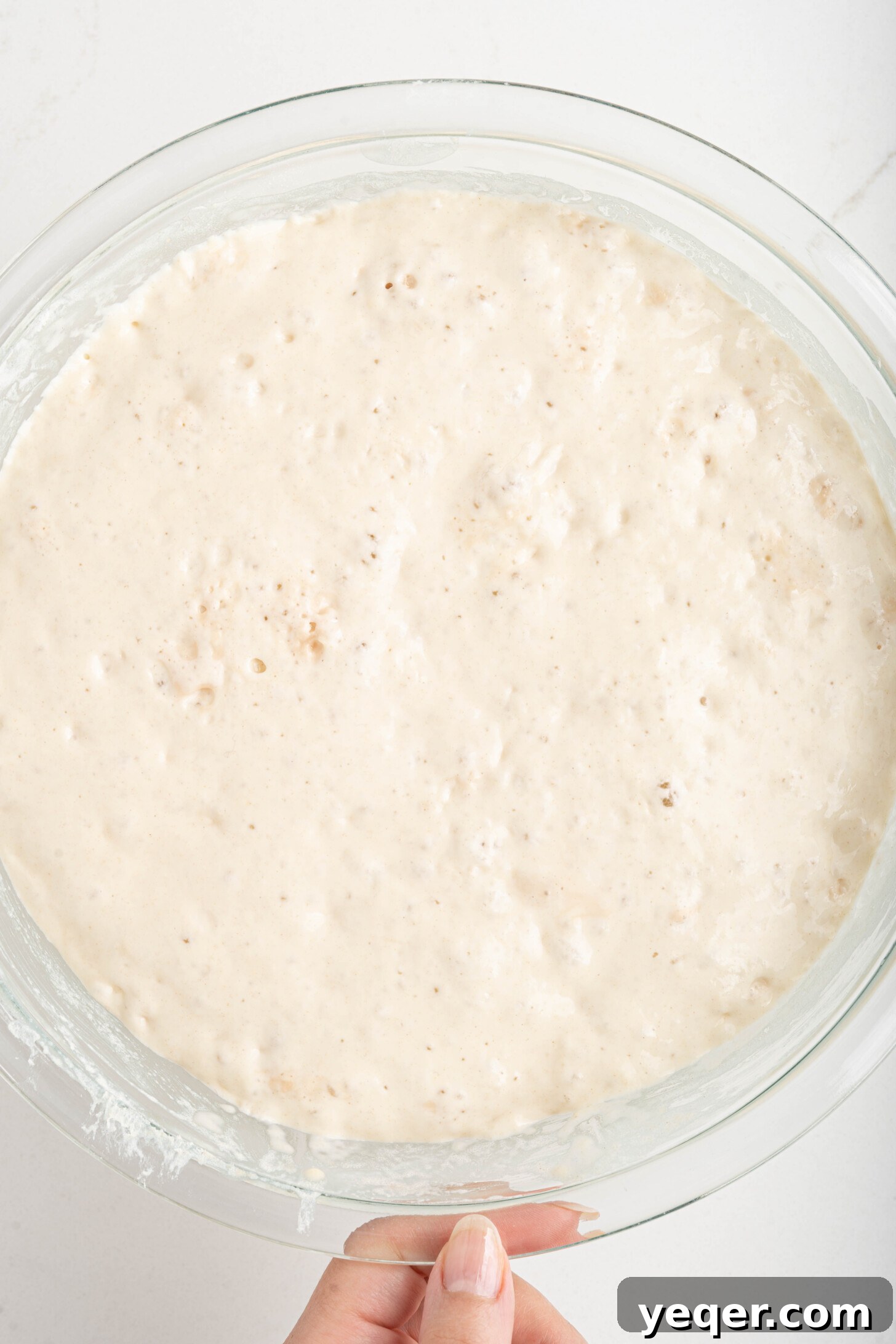
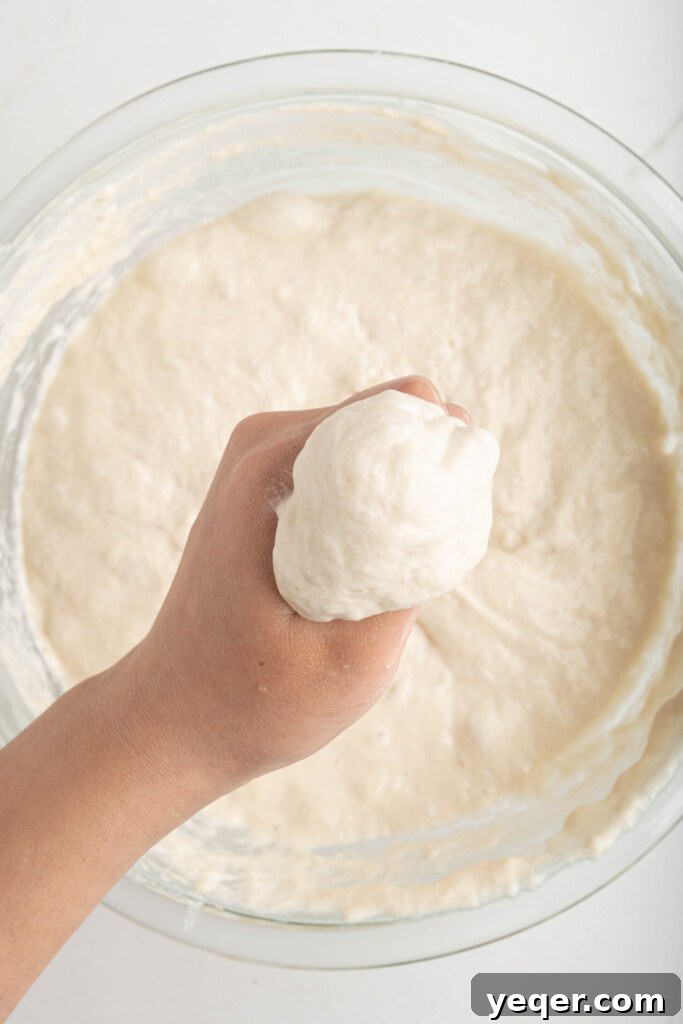
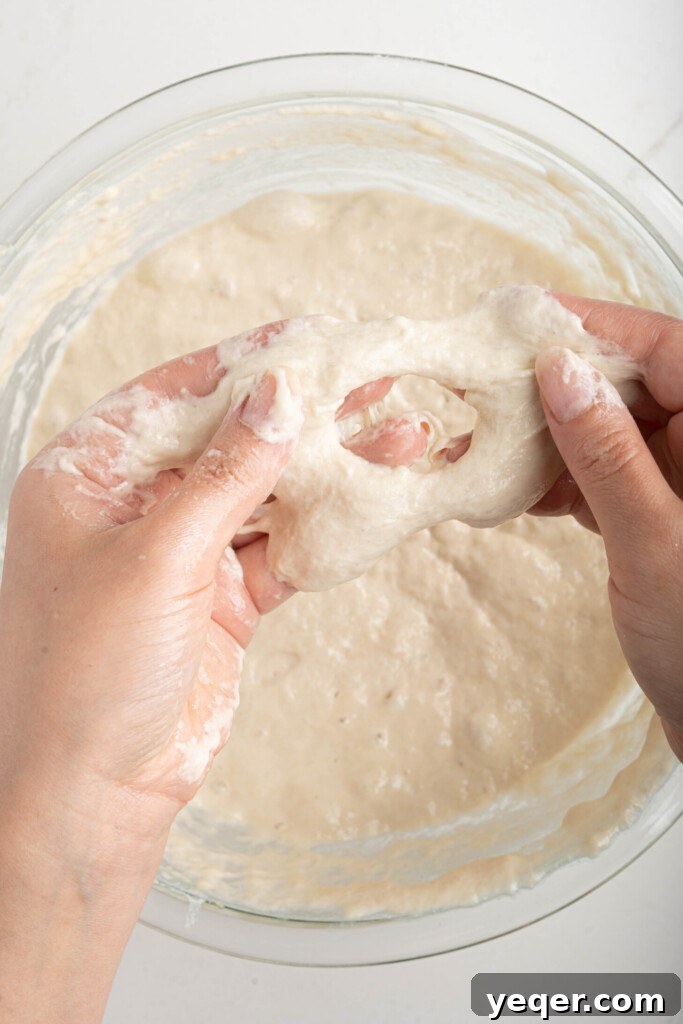
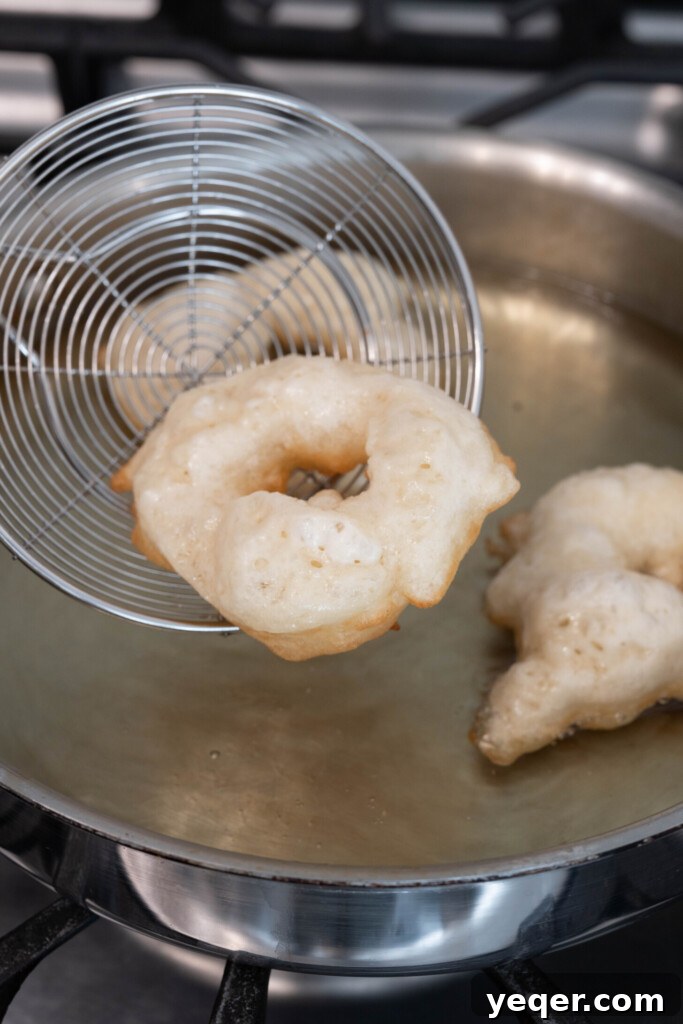
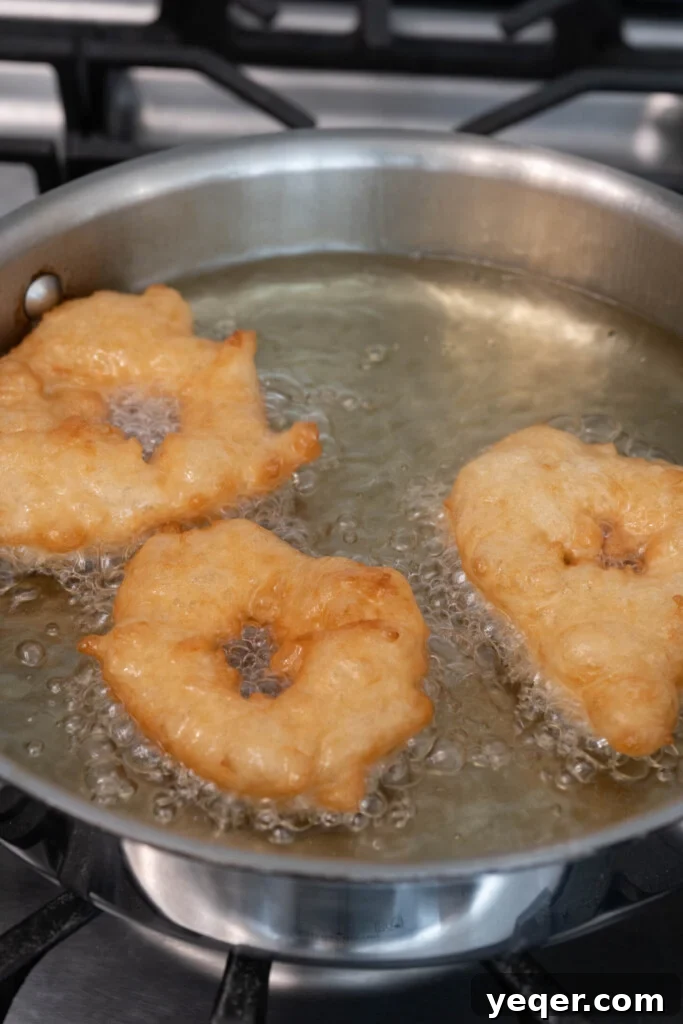
Helpful Tip: Always keep your hands lightly oiled when working with Sfenj dough. This sticky dough is much easier to manage and shape when your hands are slick with a little vegetable oil.
How to Pronounce Sfenj/Sfinj
Getting the pronunciation right adds to the authentic experience! Based on my family’s traditional pronunciation (which can vary slightly across different regions of Morocco), it sounds like:
s – f – in – ch
The Authentic Sfenj Experience: How to Enjoy
Sfenj is more than just a donut; it’s an experience, often shared with loved ones. The most popular and traditional way to enjoy Sfenj is undoubtedly with a refreshing glass of Moroccan mint tea. The warm, sweet, and aromatic tea provides a perfect counterpoint to the crispy, airy texture of the Sfenj.
However, the versatility of these Moroccan donuts means they can be enjoyed in various ways. You can also pair them with a robust pot of Moroccan coffee for a delightful breakfast or afternoon pick-me-up. For a simpler indulgence, a cold glass of milk can also be a wonderful pairing, especially for children.
Sfenj are best enjoyed fresh and warm, straight from the fryer. The contrast of the hot, crispy exterior and the soft, airy interior is truly magical. They are a beloved treat for breakfast, a mid-day snack, or even a light dessert after a meal, often served during family gatherings, holidays, or simply as a special weekend treat.
Irresistible Toppings and Variations for Your Sfenj
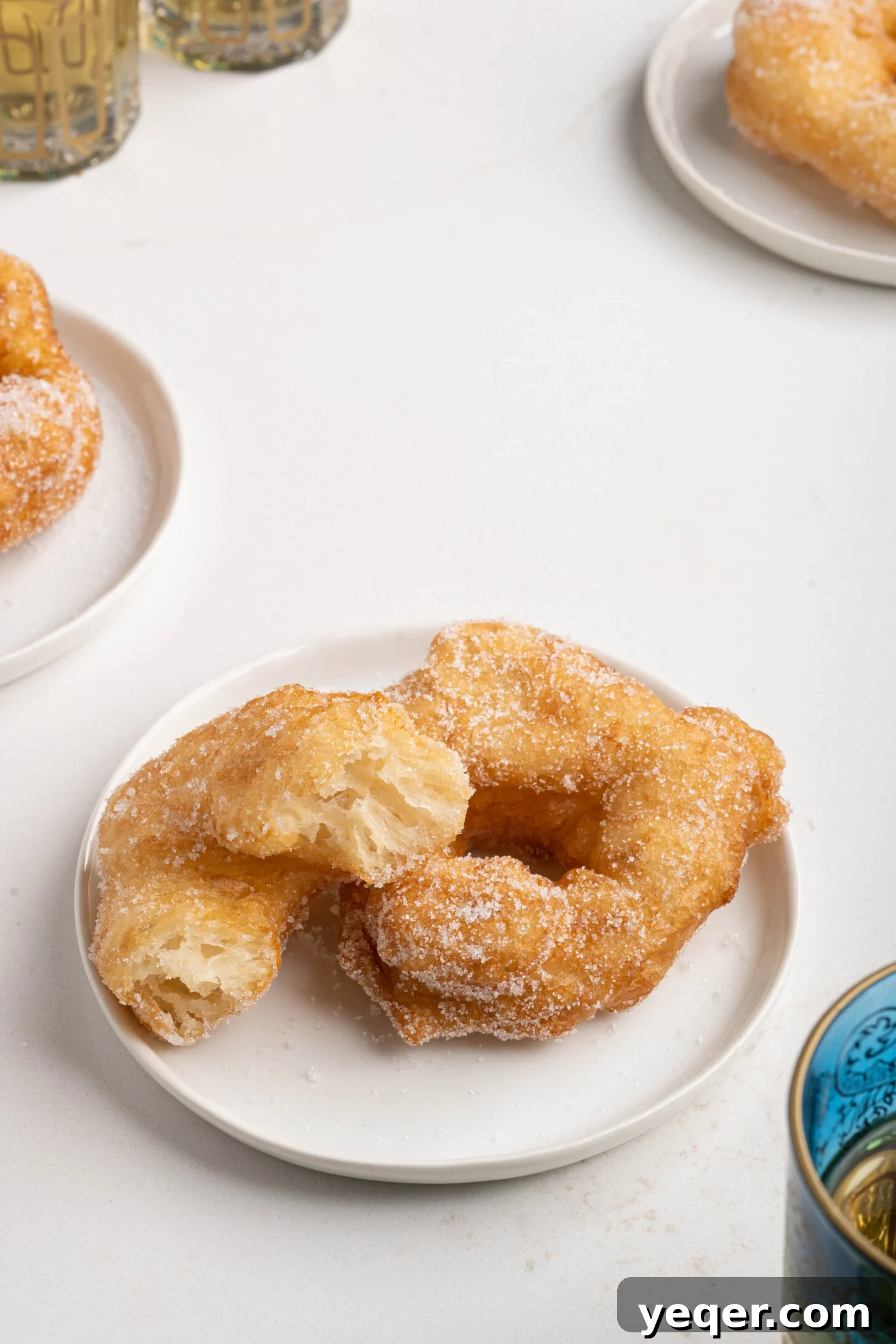
While the inherent simplicity of Sfenj – with its light, airy, and spongey interior contrasted by a crispy, crunchy exterior – is utterly delightful on its own, these Moroccan donuts also serve as a perfect canvas for a variety of delicious toppings. Whether you prefer a traditional finish or something a little more adventurous, there’s a topping to enhance every bite.
Here are a few of my favorite ways to elevate your Sfenj:
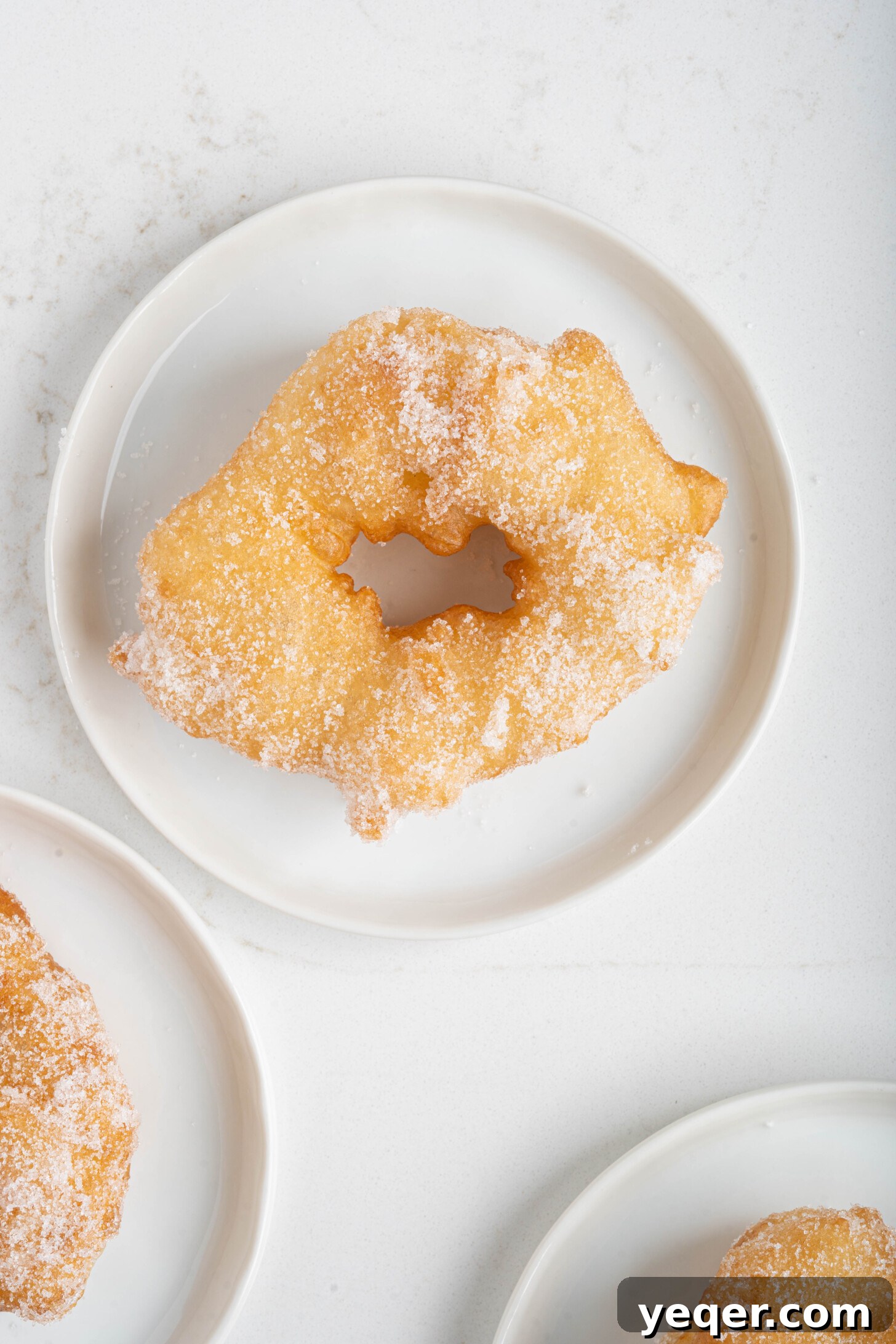
- Classic Sugar Sprinkle: Embrace tradition with a generous dusting of white granulated sugar. The fine crystals adhere beautifully to the warm Sfenj, adding a sweet crunch that is simply irresistible. This is the most common and beloved topping in Morocco.
- Golden Honey Drizzle: For a deeper, richer sweetness, dip your Sfenj into warm honey or drizzle it lavishly over the fresh donuts. The honey soaks into the porous texture, creating a moist and flavorful treat.
- Rich Date Syrup: Whether you opt for homemade date syrup or a high-quality store-bought variety, this deliciously rich and caramel-like syrup adds another dimension of complex flavor when drizzled over these warm donuts. It’s a fantastic way to introduce a distinctive Middle Eastern sweetness.
- Fruity Jam Spread: For a tangy-sweet contrast, a dollop of your favorite fruit jam can be truly wonderful. A bit of raspberry jam or apricot preserve spread on top goes a long way, adding moisture and a burst of fruity flavor.
- Cinnamon Sugar: For a twist on the classic, mix ground cinnamon with granulated sugar before tossing your warm Sfenj. This adds a fragrant, comforting spice note.
- Chocolate Drizzle: For a more modern and decadent treat, melt some chocolate and drizzle it over the Sfenj. A sprinkle of chopped nuts like almonds or pistachios could add an extra layer of texture and flavor.
No matter how you choose to enjoy them, these homemade Moroccan donuts are sure to become a beloved staple in your kitchen, bringing a taste of Moroccan sunshine to your table.
Bismillah,

Sfenj (Spongey Moroccan Donuts)
- Author: Salima Benkhalti
- Prep Time: 1 hour 30 minutes
- Cook Time: 30 minutes
- Total Time: 2 hours
- Yield: 24 donuts
- Category: Dessert, Snack, Breakfast
- Method: Fried
- Cuisine: Moroccan, North African
- Diet: Vegan
Description
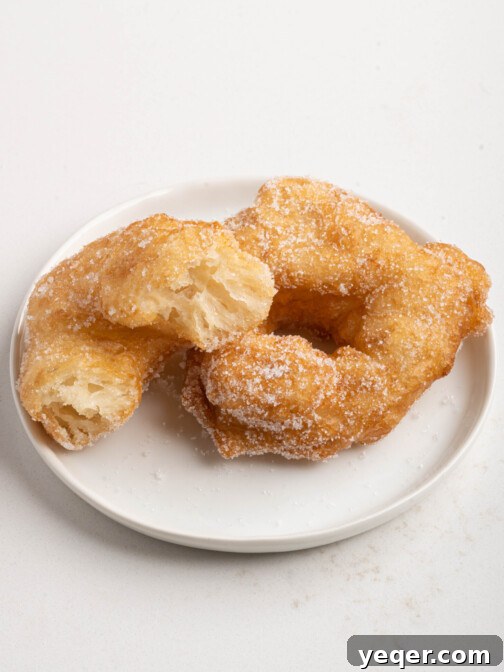
Sfenj are light and airy Moroccan donuts that are deep-fried and topped with a sprinkle of sugar. They are appropriately named for their spongey texture and pair perfectly with a glass of Moroccan mint tea.
Ingredients
- 3 cups all-purpose flour
- 1 tbsp active dry yeast
- 1 tbsp sugar
- 1 tsp salt
- 2 cups warm water
- 2 cups vegetable oil (for frying)
- Additional oil for working the dough
- (Optional) 2 tbsp white granulated sugar or honey (for topping)
Instructions
- Make the dough. Combine flour, yeast, sugar, salt, and water in a bowl. Mix to combine until the dough is homogenous and very sticky.
- Rise. Cover with a clean towel and set aside in a warm place to rise until the dough doubles in size, about an hour.
- Shape the donuts. Heat the oil in a deep pan to medium-high (around 350-375°F or 175-190°C). Rub your hands generously with oil before grabbing a 2-inch ball of dough. Using your oiled fingers, poke a hole through the center to form a classic donut shape.
- Fry the sfenj. Gently add each shaped donut to the hot oil, frying a few at a time without overcrowding the pan. Fry until golden brown on all sides, flipping occasionally to ensure even cooking and prevent burning.
- Toss in sugar or honey (optional). Remove the fried Sfenj with a slotted spoon and place them on a paper towel-lined plate to drain excess oil. Enjoy them plain, or immediately toss them in white granulated sugar or drizzle with honey for added sweetness. Serve warm.