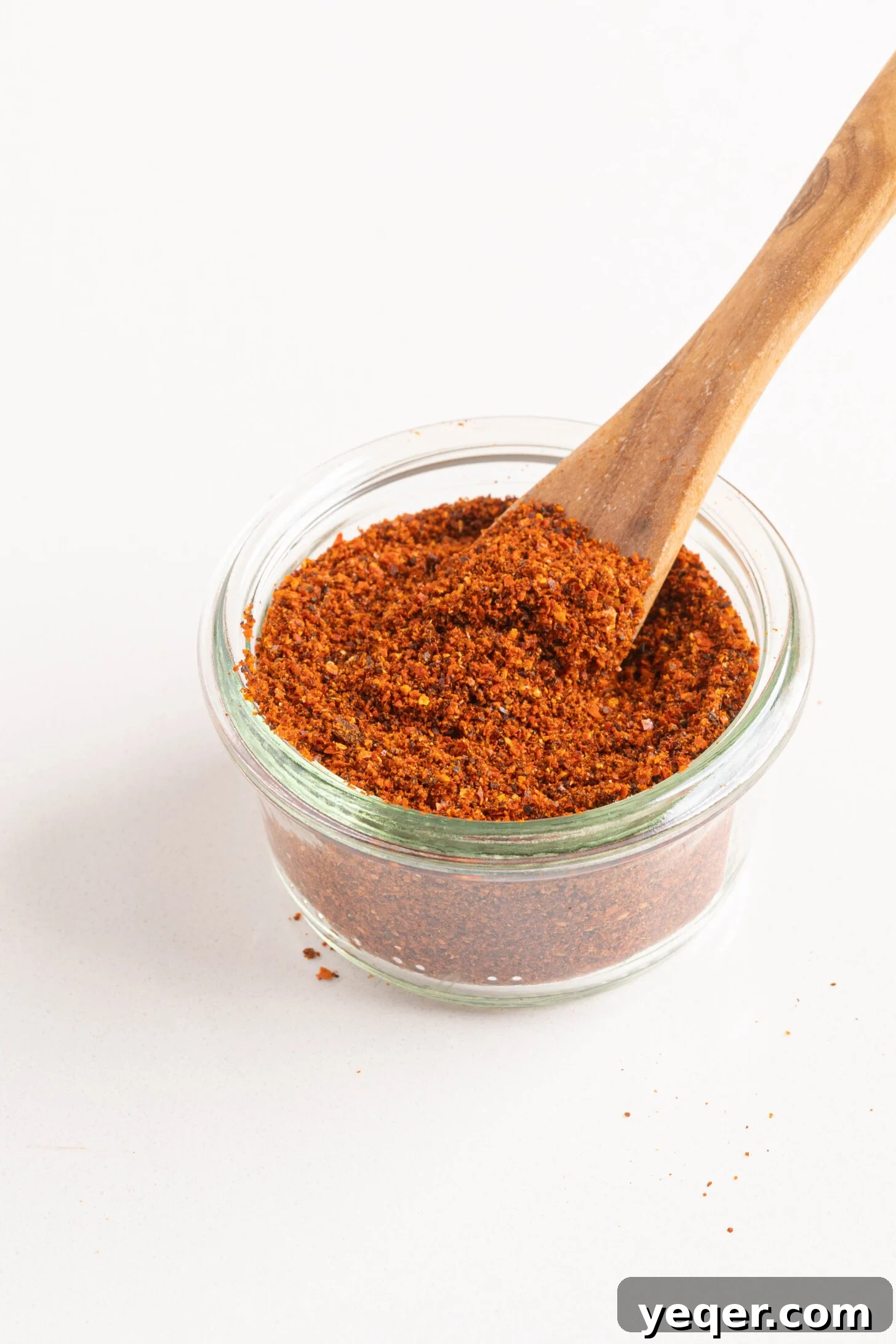
Transform your kitchen into a spice artisan’s workshop and discover how incredibly simple it is to craft your own vibrant, aromatic Homemade Paprika. Using just dried red peppers, this DIY recipe allows you to create a fresh, superior spice in as little as 5 minutes. Perfect for elevating your spice blends, infusing marinades with deep flavor, or adding a captivating finish to countless dishes, making paprika at home gives you unparalleled control over its taste, heat, and smokiness.
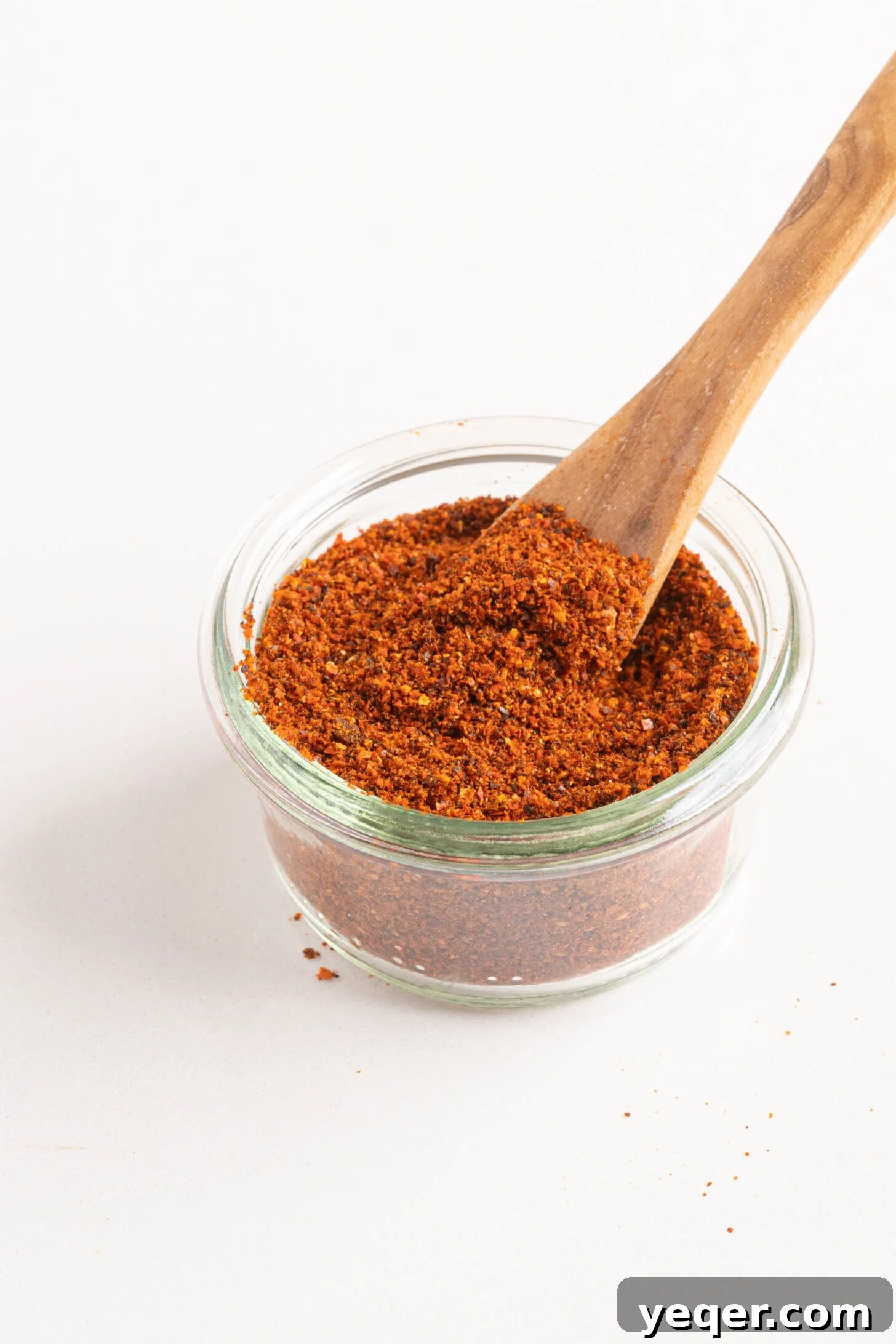
The Allure of Paprika: A Global Culinary Staple
Paprika is more than just a red powder; it’s a foundational spice with a rich history, deeply embedded in cuisines across the globe. For many, including myself, it evokes memories of home-cooked meals, like the robust flavors found in Puerto Rican recipes and the warm, inviting aromas of Moroccan dishes my parents lovingly prepared. This versatile spice, derived from dried bell peppers or other varieties of Capsicum annuum, is celebrated for its diverse flavor profile, ranging from mildly sweet and fruity to intensely smoky and fiery hot.
Its complex character adds depth and a beautiful hue to a wide array of culinary creations. Whether it’s lending a vibrant color to paella, a subtle warmth to goulash, or a smoky undertone to roasted vegetables, paprika has an undeniable ability to transform a dish. It serves as a cornerstone in intricate spice blends like the North African ras el hanout or the vibrant Caribbean sazon seasoning. Beyond blends, it shines as a classic finishing touch in comforting soups, such as this bisarra fava bean soup, or as a key component in rubs for meats and poultry.
Why Make Your Own Homemade Paprika?
While store-bought paprika is readily available, crafting your own offers a multitude of advantages that can significantly elevate your cooking:
- Unmatched Freshness: Like all spices, paprika loses its potency over time. Grinding your own from whole dried peppers ensures maximum aroma and flavor, making a noticeable difference in your dishes.
- Control Over Ingredients: You dictate what goes into your spice. No anti-caking agents, artificial colors, or fillers – just pure, natural peppers. This is especially beneficial for those with dietary restrictions or who prefer organic ingredients.
- Customized Flavor Profile: Store shelves offer “sweet,” “smoked,” and “hot” paprika, but making your own allows for endless customization. You can blend various types of dried peppers to achieve a unique paprika that perfectly suits your palate and cooking style.
- Cost-Effective: Buying whole dried peppers can often be more economical than purchasing pre-ground, high-quality paprika, especially in larger quantities.
- A Rewarding Culinary Experience: There’s a certain satisfaction that comes from creating your own ingredients from scratch. It connects you more intimately with your food and enhances your culinary skills.
Choosing Your Peppers: The Heart of Your Paprika’s Flavor
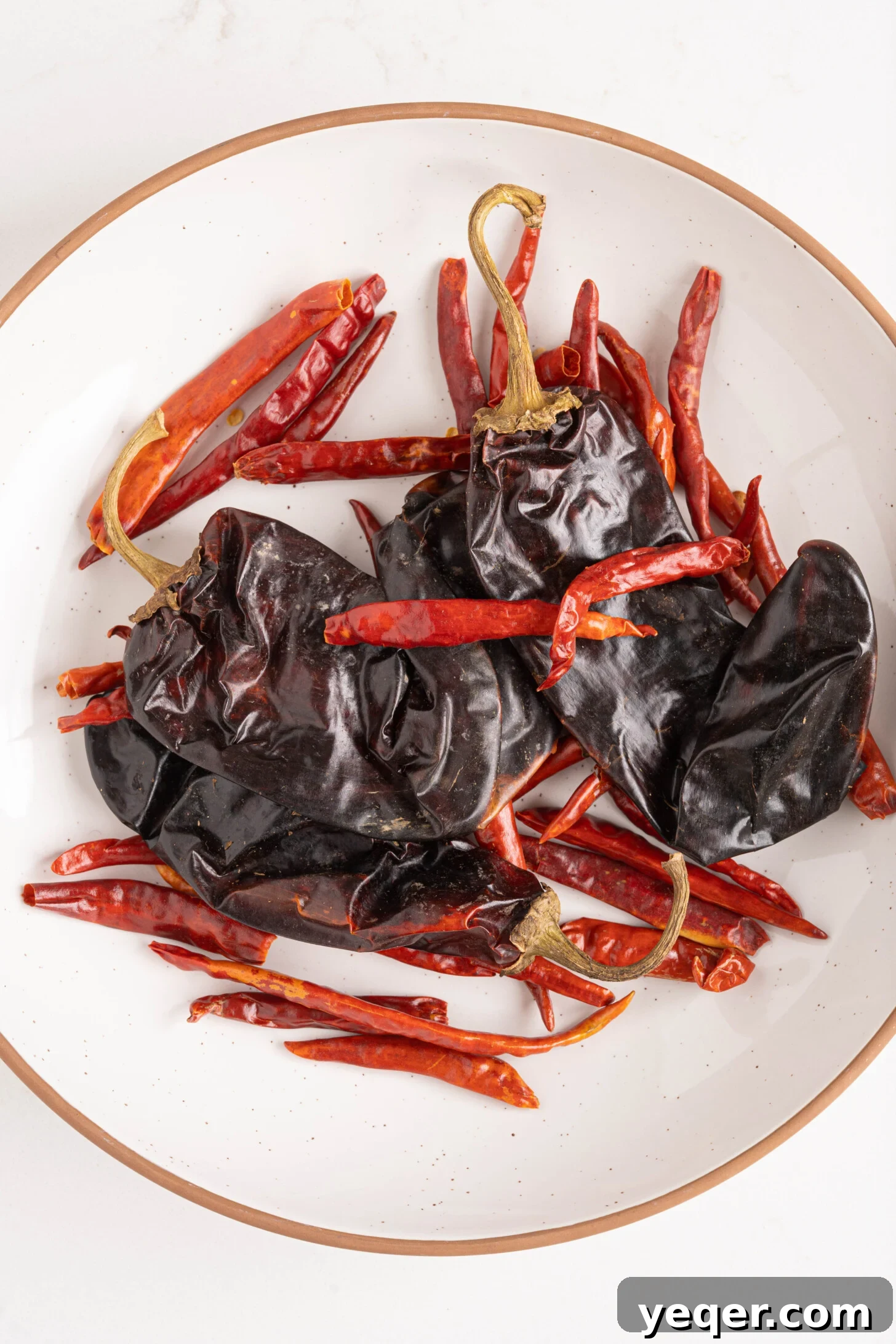
The type of dried red peppers you choose is the most crucial factor in determining the final flavor, color, and heat level of your homemade paprika. Professional paprika producers often cultivate specific pepper varieties for their signature blends, but at home, the possibilities are excitingly broad. You can use a single type of pepper for a distinct flavor or create your own custom blend of sweet, smoky, and spicy varieties.
Here are some popular pepper options and their typical contributions to paprika:
- Capsicum (Bell Peppers): These are perhaps the most accessible and common choice for making traditional “sweet paprika.” When dried, red bell peppers yield a vibrant red color and a mild, slightly sweet flavor without any heat. They are an excellent base for any homemade blend. You can often find dried bell peppers online or at specialty stores.
- Pimento Peppers: Smaller and rounder than bell peppers, pimentos are known for their incredibly sweet and fruity flavor, contributing a delightful sweetness and a rich, deep red color to your paprika. They are often used to create the characteristic “sweet paprika” profile.
- Ancho Peppers: These are dried poblano peppers. Anchos provide a beautiful dark red color, an earthy sweetness, and a mild, fruity flavor with subtle hints of chocolate and coffee. They are perfect for a robust, complex, and mildly spicy paprika.
- Guajillo Peppers: Medium-sized and relatively mild, dried guajillo peppers offer a fruity, tangy flavor with hints of green tea. They contribute a lovely reddish-brown hue and a slight, pleasant heat.
- New Mexico Chiles (e.g., Anaheim): When dried, these chiles provide a mild to medium heat with an earthy, slightly sweet flavor. They are excellent for creating a paprika with a noticeable but not overpowering warmth.
- Arbol Peppers: For those who prefer a spicier kick, arbol peppers are an excellent choice. They are significantly hotter than a jalapeño and lend a clean, sharp heat to your paprika. Use them sparingly or in combination with milder peppers if you desire a medium-spicy blend. Dried arbol chiles are readily available.
- Aleppo Peppers: While not traditionally used for paprika, dried Aleppo peppers offer a lovely fruity, tangy, and moderately spicy flavor. They contribute a beautiful deep red color and a nuanced heat.
TIP: When selecting your peppers, ensure they are thoroughly dried. Avoid using general “chili peppers” if your goal is true paprika, as these will likely result in chili powder, which has a distinctly different flavor profile and is often a blend of various chiles and other spices.
From Garden to Grinder: Drying Your Own Peppers for Paprika
If you’re truly dedicated to the farm-to-spice-rack experience, you can dry fresh peppers yourself before grinding them into paprika. This process allows for ultimate control and ensures the freshest possible base for your spice. The key to successful drying is removing all moisture to prevent mold and concentrate flavors.
Preparation:
Rinse fresh red peppers thoroughly to remove any dirt or debris. Pat them completely dry. Depending on the size and thickness of the peppers, you may want to stem and remove the seeds before drying (this is optional, as seeds can be removed after drying or ground for extra heat). For faster drying, thicker peppers like bell peppers should be sliced into strips or rings.
Drying Methods:
- Dehydrator: This is the most efficient and recommended method. Arrange the prepared peppers in a single layer on your dehydrator trays, ensuring good airflow. Dehydrate your peppers at 145 degrees F (63 degrees C) until they are completely brittle and snap easily. The exact time will vary significantly based on the pepper’s size and thickness, ranging from a few hours for thin peppers to 12-24 hours or more for thicker varieties. Check them periodically. A good dehydrator can make this process seamless.
- Oven Drying: If you don’t have a dehydrator, your oven can work as a substitute, though it requires more attention. Set your oven to its lowest possible temperature, ideally around 150-200 degrees F (65-93 degrees C). Arrange peppers on a baking sheet lined with parchment paper. Prop the oven door open slightly with a wooden spoon to allow moisture to escape. Drying can take several hours, even overnight. Flip the peppers occasionally and monitor them closely to prevent roasting or burning.
- Air Drying: Best for thin-walled peppers like cayenne or Thai chiles. String peppers together with a needle and thread, or arrange them on a screen in a well-ventilated, warm, and dry area away from direct sunlight. This method can take several weeks, and humidity must be low to prevent mold.
Regardless of the method, ensure your peppers are bone-dry before proceeding to grind them. Any residual moisture can lead to clumping and spoilage of your finished paprika.
Homemade Paprika in 5 Minutes: Step-by-Step Guide
Once you have your selection of dried red peppers, transforming them into fresh, vibrant paprika is incredibly quick and satisfying. Here’s how to do it:
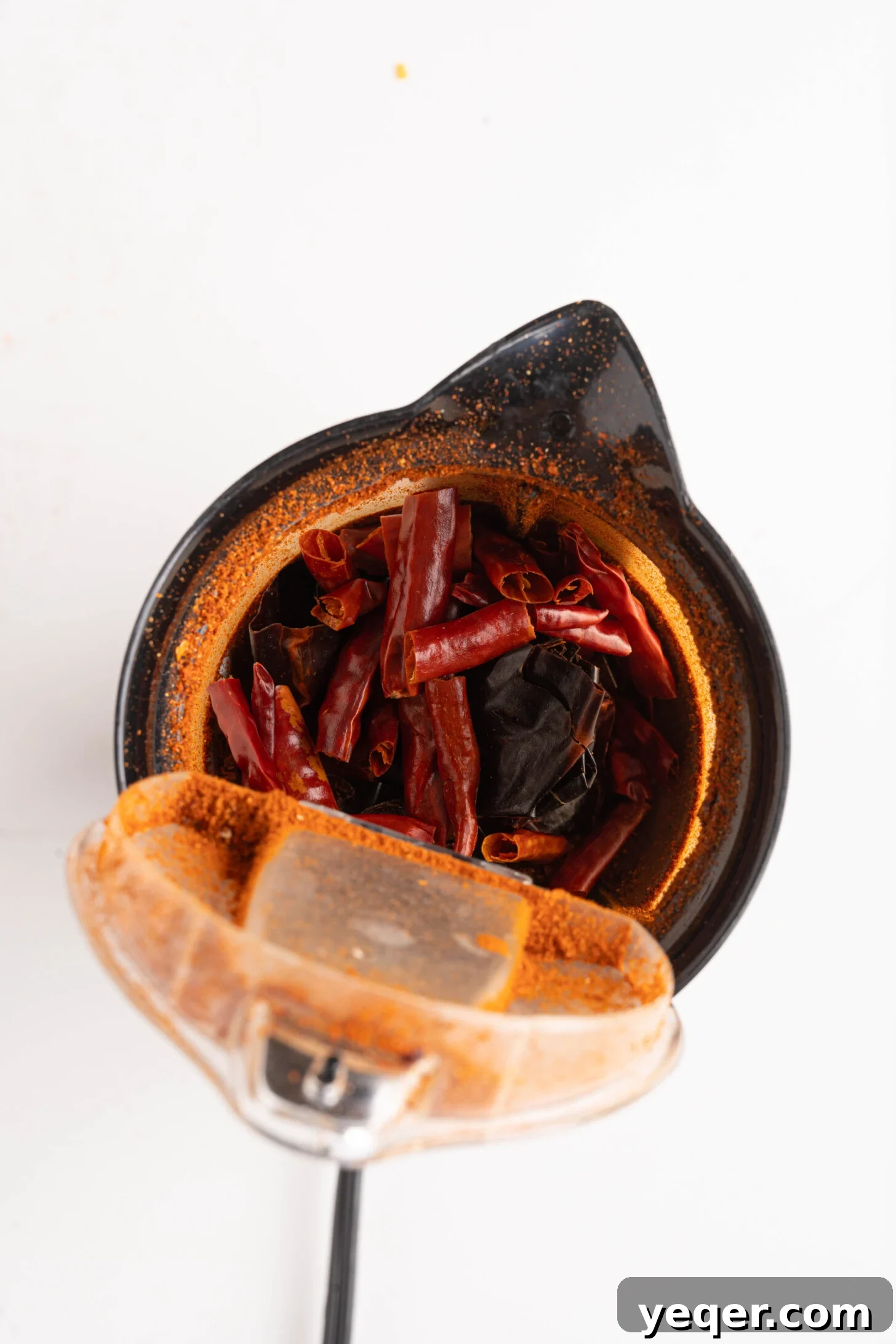
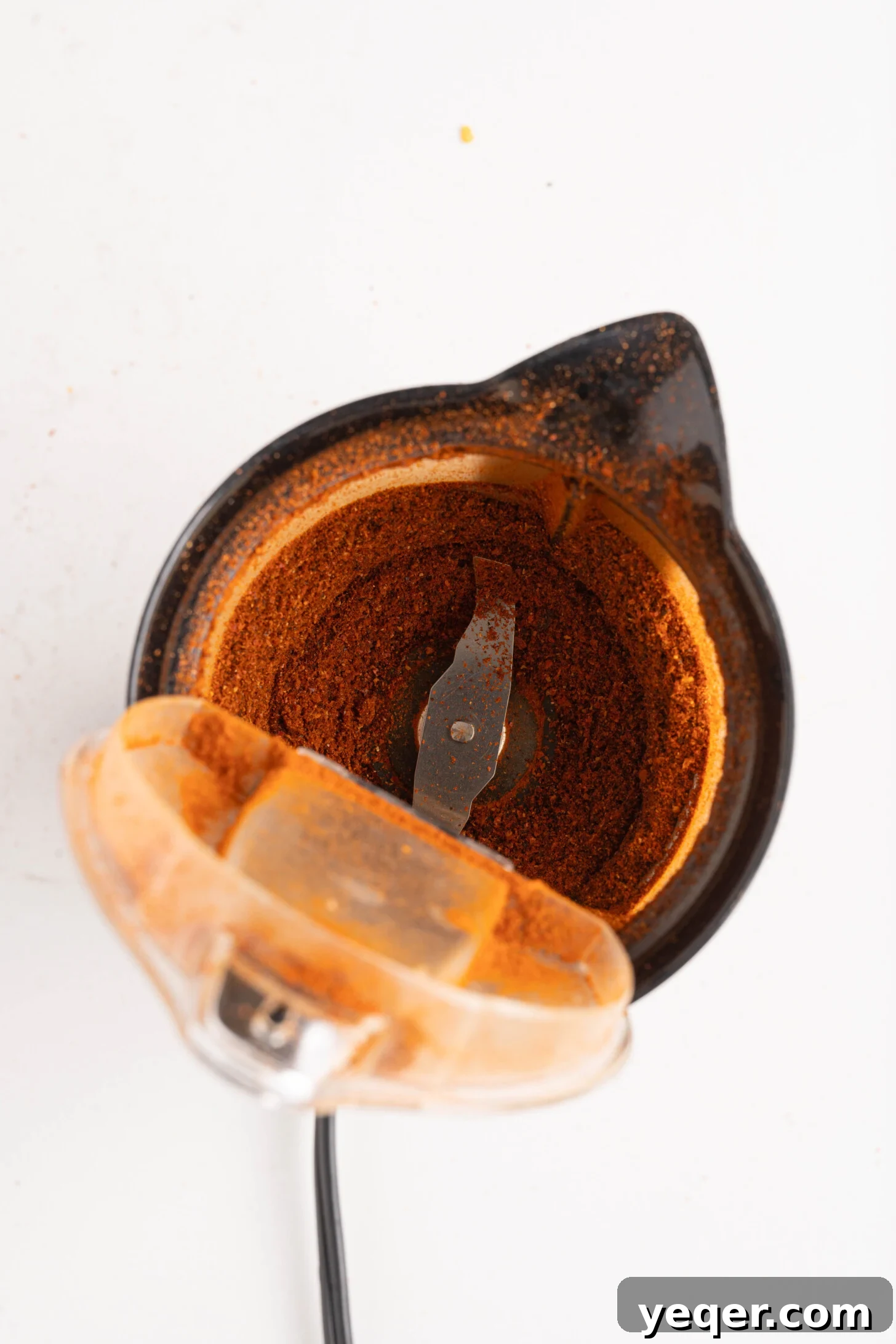
Equipment Needed:
- Spice Grinder or Coffee Grinder (dedicated to spices if possible)
- Alternatively, a Mortar & Pestle (Pilon)
- Airtight jar for storage
Step-by-Step Instructions:
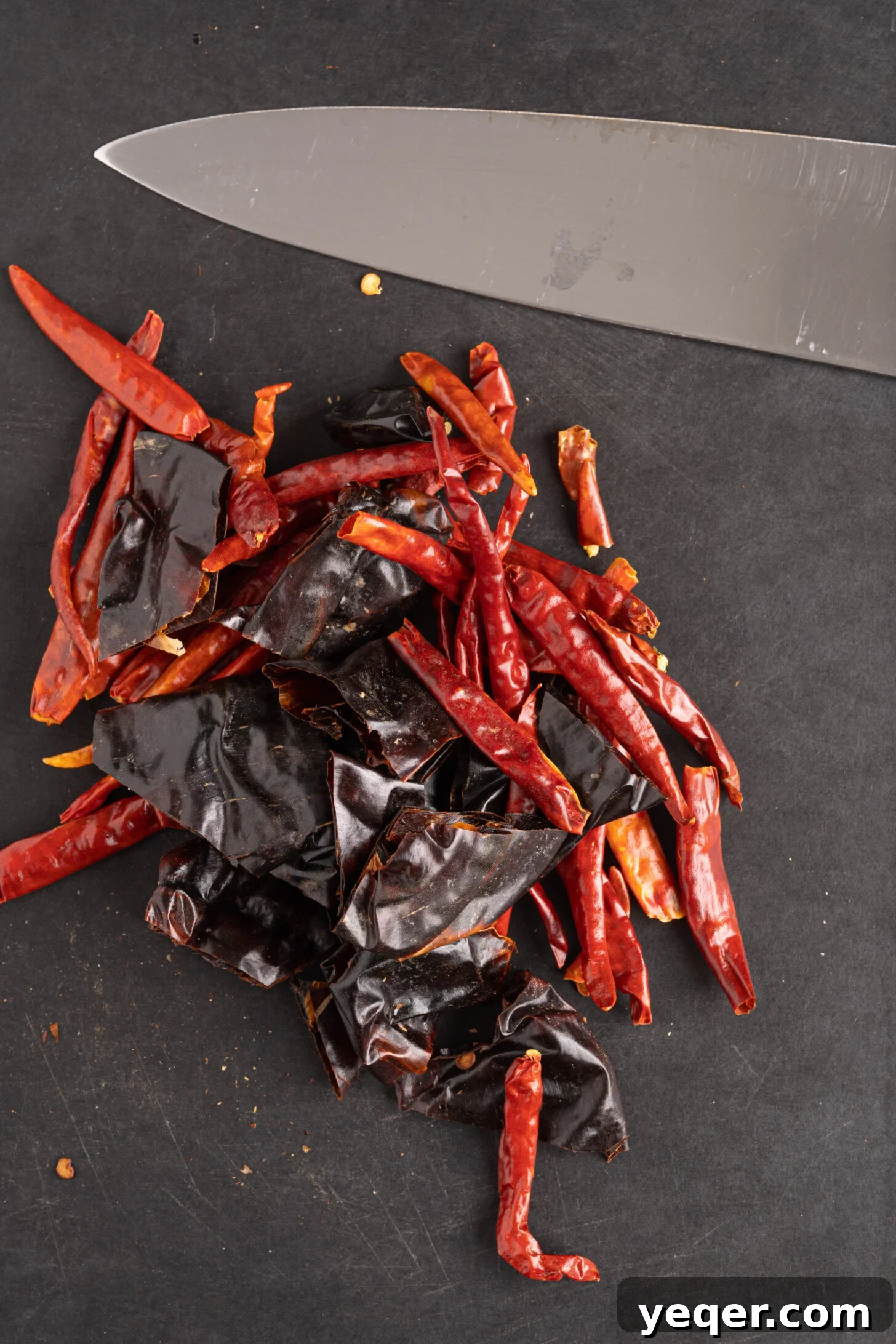
- Prepare the Dried Peppers: Begin by carefully inspecting your dried peppers. Remove any remaining stems and, if you prefer a milder paprika or want to reduce bitterness, remove the seeds. For larger dried peppers, such as bell pepper strips or whole anchos, roughly chop them into smaller pieces. This makes them easier to fit into your grinder and ensures more consistent grinding.
- Grind the Peppers: Place a handful of the prepared dried peppers into your spice grinder or coffee grinder. It’s best to work in small batches to prevent overheating the grinder and to achieve a finer, more uniform powder. Pulse the grinder initially, then process continuously until the peppers are finely ground into a smooth, consistent powder. If using a mortar and pestle, this will require more physical effort and patience, but can yield a beautifully textured, artisanal paprika.
- Achieve Desired Texture: Continue grinding until no large pieces remain and the paprika reaches your desired consistency. A fine powder is ideal for most culinary applications, ensuring the spice blends seamlessly into dishes. Be careful not to over-grind to the point of turning it into a paste, especially with oilier peppers, as this can affect shelf life.
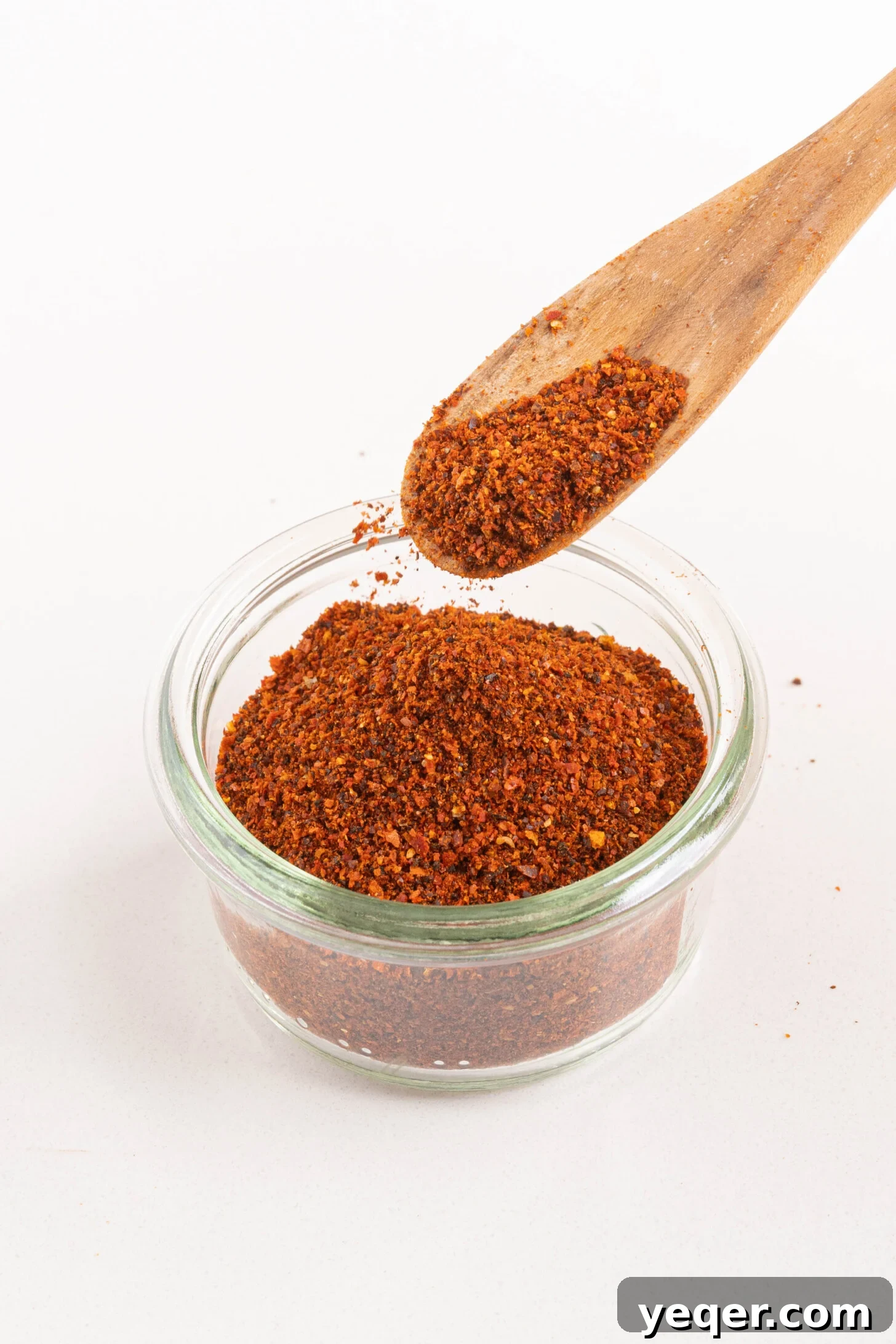
- Cool and Store: Once ground, spread the fresh paprika out on a plate for a few minutes to allow it to cool completely. This prevents condensation inside the storage jar, which can lead to clumping and spoilage. Transfer the cooled homemade paprika to a clean, dry, airtight jar.
Storage Solutions for Peak Freshness
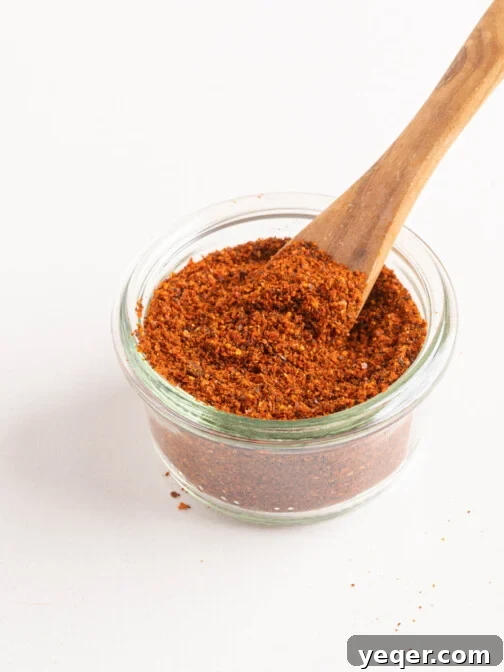
To ensure your homemade paprika retains its vibrant color and robust flavor for as long as possible, proper storage is key. Always store freshly ground paprika in an airtight jar or container, away from direct sunlight, heat, and moisture. A cool, dark pantry or cupboard is ideal. While commercially processed paprika can last longer due to stabilizers, your fresh, homemade version is best used within 3-6 months for optimal flavor. Over time, like all ground spices, it will gradually lose its potency and vividness.
Unleashing the Flavor: How to Use Your Homemade Paprika
The beauty of homemade paprika lies in its intense freshness and custom flavor. It’s ready to transform your favorite dishes in ways store-bought varieties simply can’t match. Here are just a few ideas to get you started:
- Seasoning Rubs: Create spectacular dry rubs for grilled chicken, pork, or beef. Combine your paprika with garlic powder, onion powder, cumin, and a touch of salt and pepper.
- Marinades: Infuse your marinades for poultry, fish, or vegetables with a generous amount of homemade paprika for deep color and rich flavor.
- Stews and Soups: Paprika is essential in classic dishes like goulash, chili, and various bean soups. It adds warmth, depth, and a beautiful reddish hue.
- Roasted Vegetables: Toss potatoes, carrots, cauliflower, or Brussels sprouts with olive oil and a sprinkle of paprika before roasting for a flavorful and visually appealing side dish.
- Eggs and Dips: Brighten up scrambled eggs, deviled eggs, or hummus with a final dusting of fresh paprika.
- Global Cuisines: Naturally, it will shine in any Puerto Rican or Moroccan dish, as well as Spanish, Hungarian, and Turkish recipes.
- Spice Blends: Use it as a vibrant base for your own Sazon seasoning, Ras el Hanout, or even a simple adobo blend.
Frequently Asked Questions (FAQ) About Homemade Paprika
- Can I use fresh peppers directly without drying them?
- No, paprika must be made from thoroughly dried peppers. Fresh peppers contain a high water content that would result in a paste when ground and would not have the concentrated flavor or shelf life of true paprika powder.
- What is the difference between paprika, sweet paprika, smoked paprika, and hot paprika?
-
- Paprika: This is the general term for the spice.
- Sweet Paprika: Made from mild, sweet red peppers (like bell peppers or pimentos) and contains no capsaicin (the compound that causes heat).
- Hot Paprika: Made from spicier varieties of red peppers and contains capsaicin, giving it a noticeable kick.
- Smoked Paprika: Typically made from mild or hot peppers that have been slowly smoked over oak wood before grinding. This process imparts a distinctive, rich, smoky flavor.
- How can I make smoked paprika at home?
- To make smoked paprika, you would need to smoke your dried peppers before grinding them. This can be done in a cold smoker or by using a grill set up for indirect heat and wood chips. Alternatively, you can add a pinch of liquid smoke or smoked salt to your ground paprika, though this won’t replicate the depth of flavor from traditionally smoked peppers.
- Is paprika healthy?
- Yes, paprika offers several health benefits! It is rich in antioxidants, particularly carotenoids, which are beneficial for eye health. It also contains vitamins A, E, and B6, and can have anti-inflammatory properties.
- What kind of grinder is best for making paprika?
- A dedicated spice grinder or an electric coffee grinder (cleaned thoroughly if also used for coffee) works best for achieving a fine, consistent powder. A traditional mortar and pestle can also be used for a more rustic texture, but requires more effort.
Homemade Paprika (5 Minutes)
- Author: Salima Benkhalti
- Prep Time: 0 minutes
- Total Time: 5 minutes
- Yield: ¼ cup
- Category: Spice Blend
- Method: Ground
- Cuisine: Moroccan, Puerto Rican
- Diet: Vegan
Description
Learn how to make your own Homemade Paprika using only dried red peppers. This recipe is extremely simple and comes together in 5 minutes. It’s a wonderful DIY recipe to use in spice blends, marinades, and so much more.
Ingredients
- 2 cups dried peppers (can be a blend of capsicum, bell, aleppo, etc.)
Instructions
- Grind dried peppers. Remove seeds and stems from the peppers. Roughly chop the peppers if they are too large to fit in your grinder. In a spice grinder or mortar & pestle, grind the dried peppers in batches until a ground powder is formed. Store in an airtight jar. Keeps up to 6 months.
Equipment
Spice/Coffee Grinder
Pilon (Mortar & Pestle)
Enjoy,