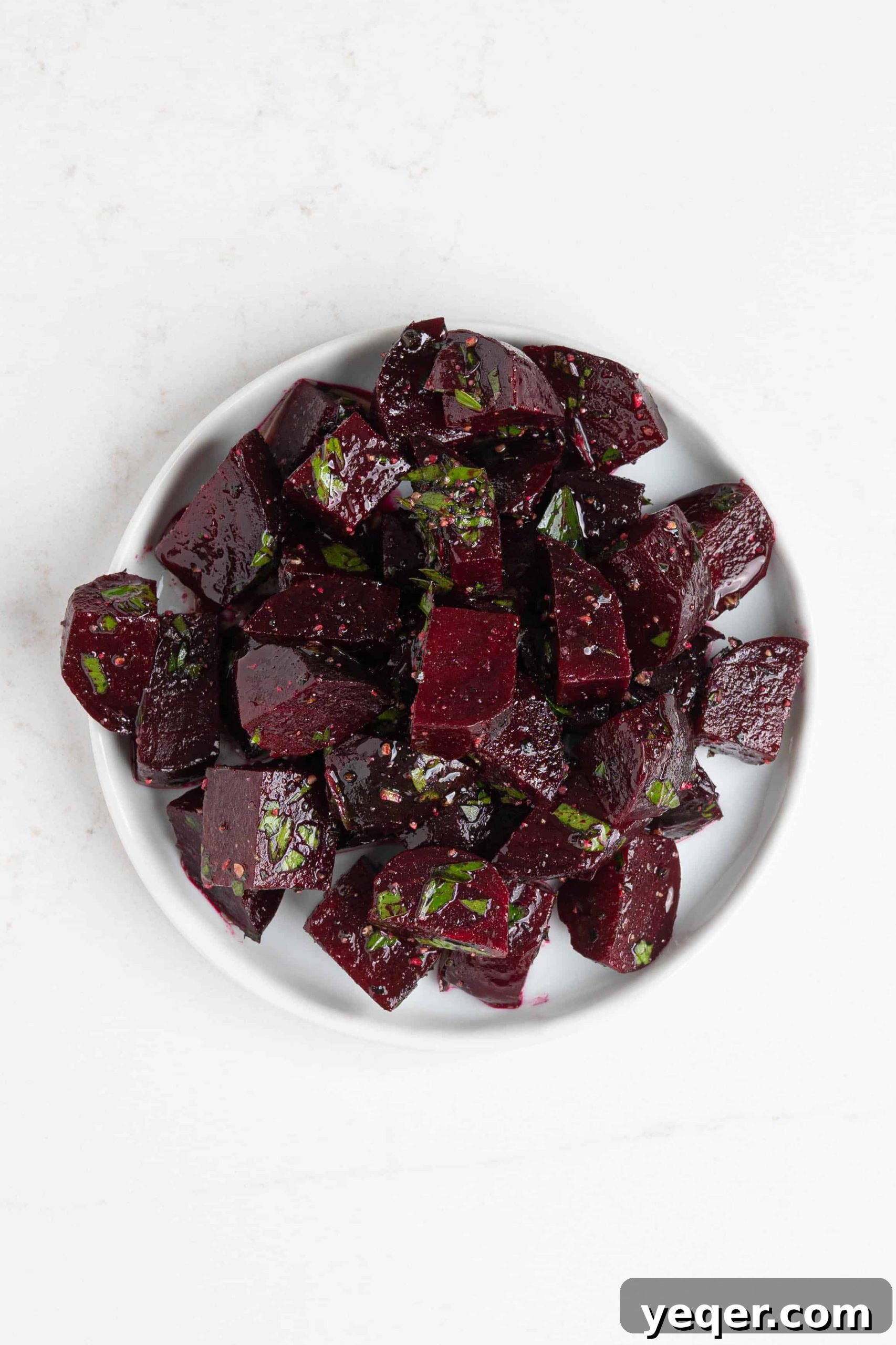
Discover the vibrant flavors of North Africa with this incredibly easy and utterly delicious Moroccan beet salad. Crafted from just a handful of straightforward ingredients – sweet roasted red beets, a bright splash of white or balsamic vinegar, rich olive oil, fresh chopped parsley, and a pinch of salt and pepper – this salad is a testament to simple elegance. Fresh, colorful, and bursting with flavor, it’s designed to be served chilled, making it the perfect refreshing accompaniment to any meal. Best of all, it comes together in under an hour, proving that incredible taste doesn’t require complex preparation. Whether you’re seeking a healthy side dish, a light snack, or a vibrant addition to your dinner table, this vegan Moroccan beet salad recipe is sure to impress.
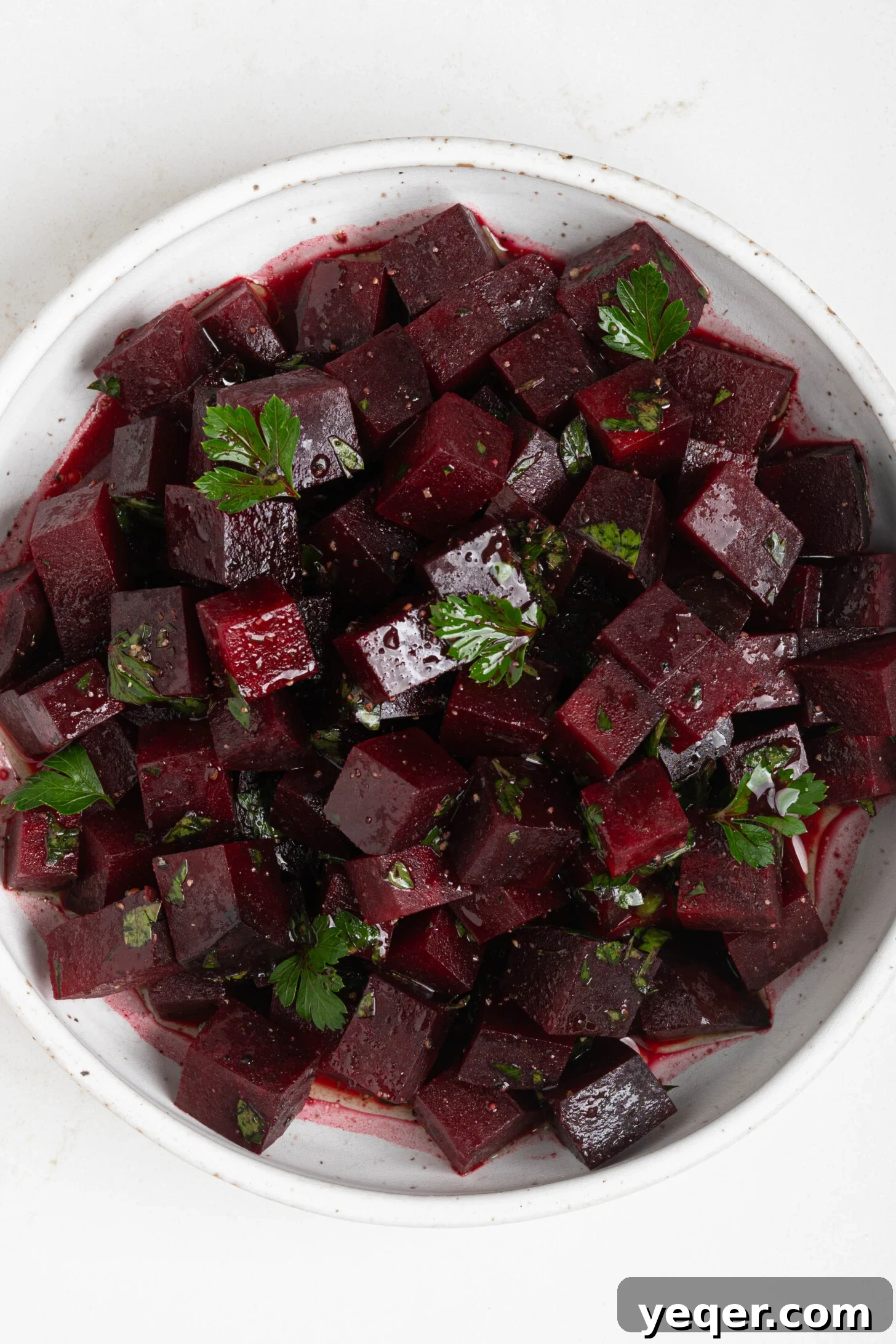
For those who appreciate the rich culinary heritage of traditional Moroccan dishes, this beet salad offers a familiar yet exciting experience. It perfectly complements other beloved Moroccan salads, such as the crisp Authentic Moroccan Sliced Cucumber Salad and the juicy Classic Moroccan Tomato Salad. These salads are more than just side dishes; they are integral to the Moroccan dining experience, traditionally presented in an array of small, colorful bowls surrounding a hearty tagine or a grand entree, always accompanied by generous amounts of freshly baked Khobz, Moroccan bread, for scooping up every last drop of flavor.
This particular rendition of the salad features tender roasted beets, which are then gently tossed in a simple, yet exquisitely balanced vinaigrette, and served cold to maximize its refreshing qualities. The roasting process brings out the natural sweetness of the beets, creating a depth of flavor that contrasts beautifully with the tangy dressing. It’s a truly delightful cold beet salad that encapsulates the essence of Moroccan hospitality and healthy eating.
The Essence of Moroccan Beet Salad: A Healthy and Flavorful Choice
Moroccan beet salad, often known as Salatat Barba, is a popular staple in Moroccan households, celebrated for its simplicity, vibrant color, and incredible health benefits. This salad is a perfect example of how traditional Moroccan cuisine masterfully combines fresh, seasonal ingredients to create dishes that are both nourishing and deeply satisfying. It’s naturally vegan, gluten-free, and fits wonderfully into a Mediterranean diet, making it a healthy side dish for virtually anyone.
The beauty of this easy beet recipe lies in its minimalist approach, allowing the natural goodness of the beets to shine. Beets are a nutritional powerhouse, packed with essential vitamins and minerals like folate, manganese, potassium, iron, and vitamin C. They are also known for their powerful antioxidant and anti-inflammatory properties, contributing to heart health, improved digestion, and even enhanced athletic performance. Incorporating this delicious and healthy Moroccan salad into your diet is a fantastic way to boost your nutrient intake while enjoying a genuinely authentic culinary experience.
Essential Ingredients for Your Moroccan Beet Salad
Crafting this simple Moroccan beet salad requires only a few quality ingredients. The magic happens when these elements come together to create a harmony of flavors that is both bright and earthy.
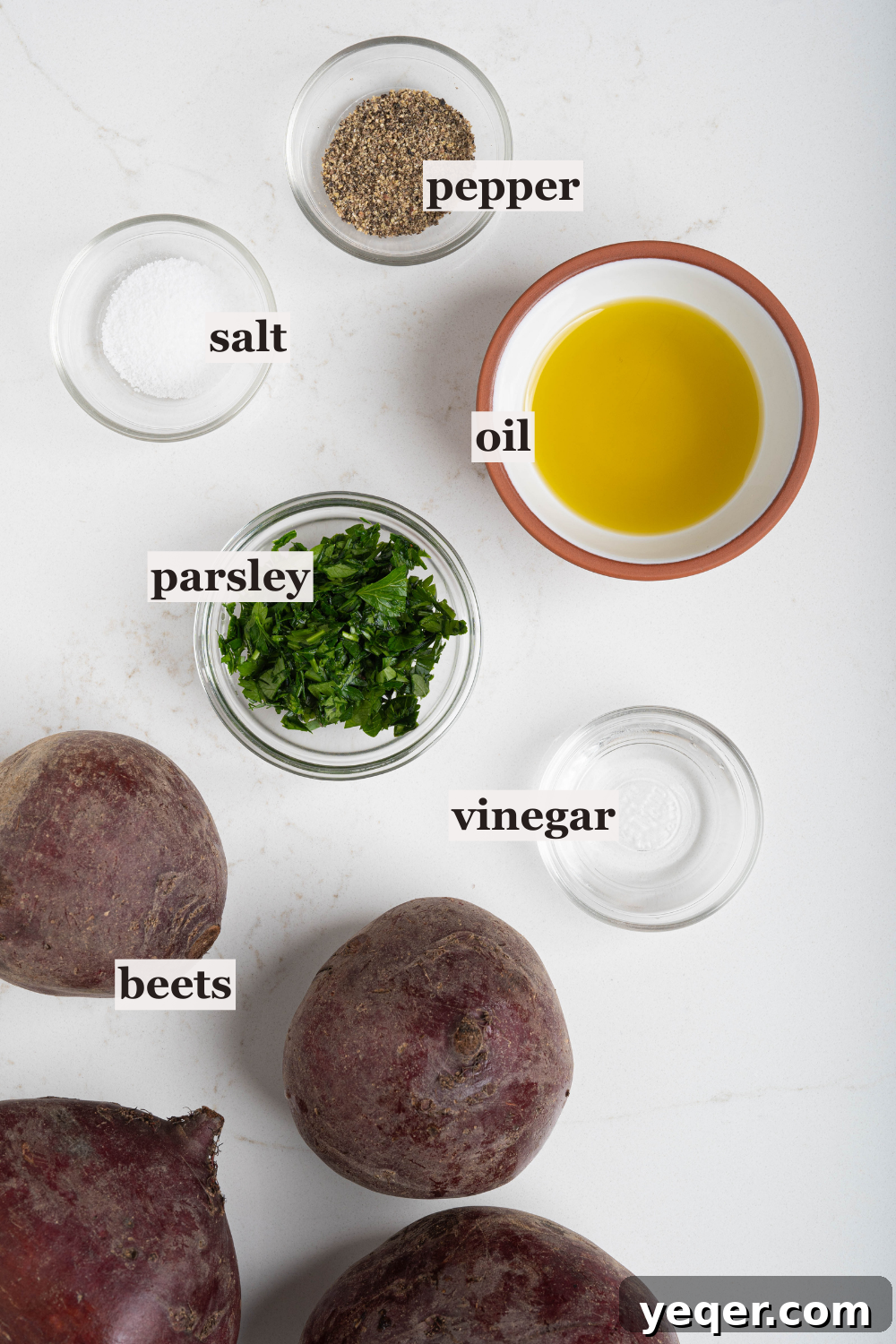
Ingredients List:
- 4 small beets: Rinsed thoroughly with their green tops trimmed off. Choose firm, blemish-free beets for the best flavor and texture.
- 3 tablespoons olive oil: Divided. A good quality extra virgin olive oil is key here, as it forms the base of the vinaigrette and adds a rich, fruity note.
- 1 tablespoon white or balsamic vinegar: Either option works beautifully. White vinegar offers a sharper, cleaner tang, while balsamic vinegar provides a slightly sweeter, more complex acidity. Experiment to find your preference!
- ½ teaspoon salt: To enhance the flavors and balance the sweetness of the beets.
- ½ teaspoon pepper: Freshly ground black pepper adds a subtle warmth and aromatic complexity.
- 1 tablespoon fresh parsley, minced: Fresh herbs are non-negotiable in Moroccan cuisine. Parsley adds a burst of freshness and a beautiful green contrast.
The simplicity of these ingredients underscores the authentic nature of this Moroccan beet salad. Each component plays a vital role in creating a balanced and delightful flavor profile, proving that often, less is truly more when it comes to fresh, healthy cooking.
Step-by-Step Instructions: Preparing Your Moroccan Beet Salad
Making this incredible Moroccan beet salad is a straightforward process, broken down into a few easy steps. Follow these instructions closely for a perfect result every time.
Hint: If you prefer to use raw beets for a crunchier texture, simply wash, peel, and grate them before proceeding to the next step. This offers a different, yet equally delicious, experience!
Expert Tips for Perfect Roasted Beets:
- Size Matters: Smaller beets tend to cook more evenly and quickly. If you have larger beets, consider cutting them in half before roasting to ensure even cooking.
- Don’t Overcrowd: When roasting, give your beets space on the baking sheet. Overcrowding can steam them instead of roasting, leading to a less desirable texture.
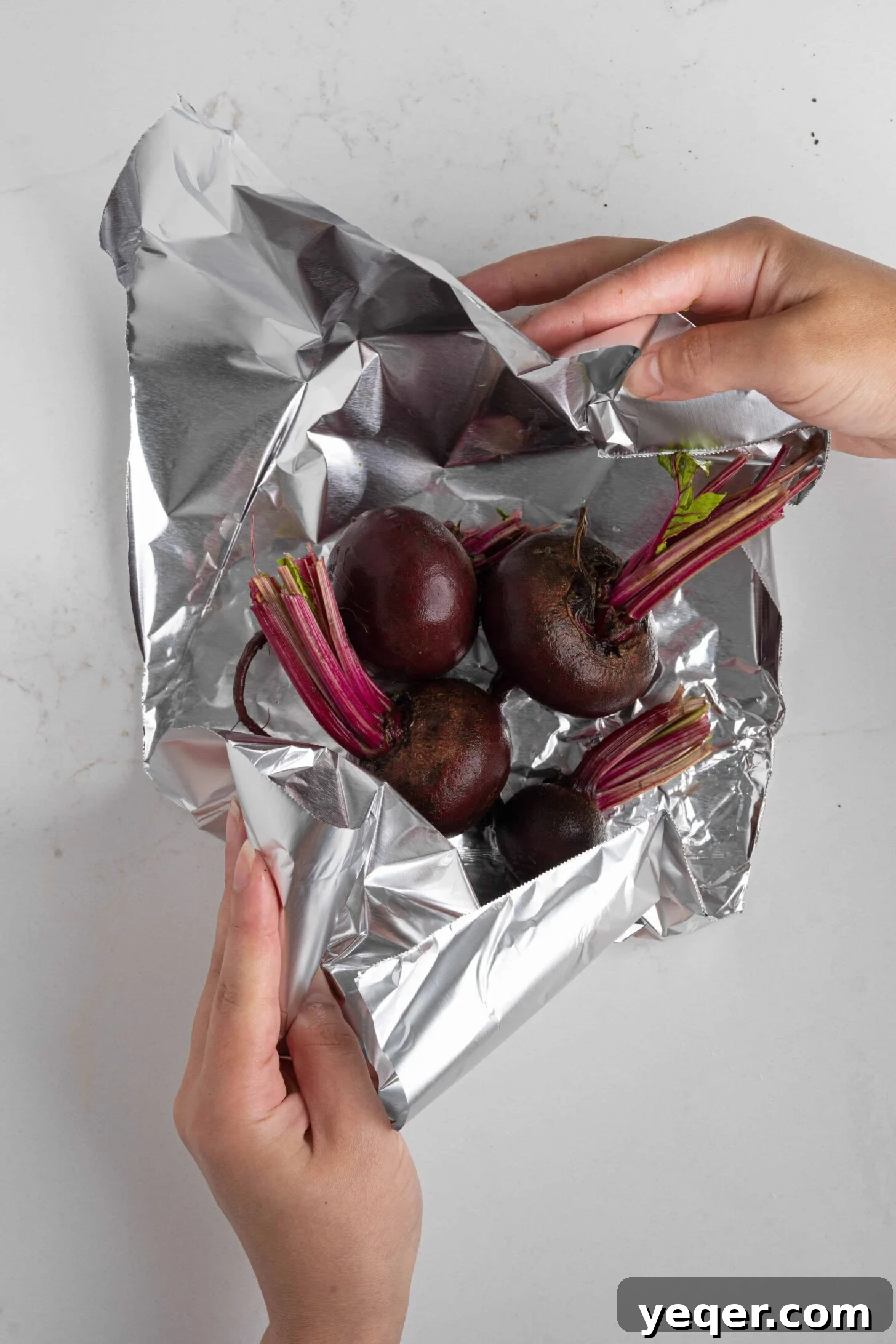
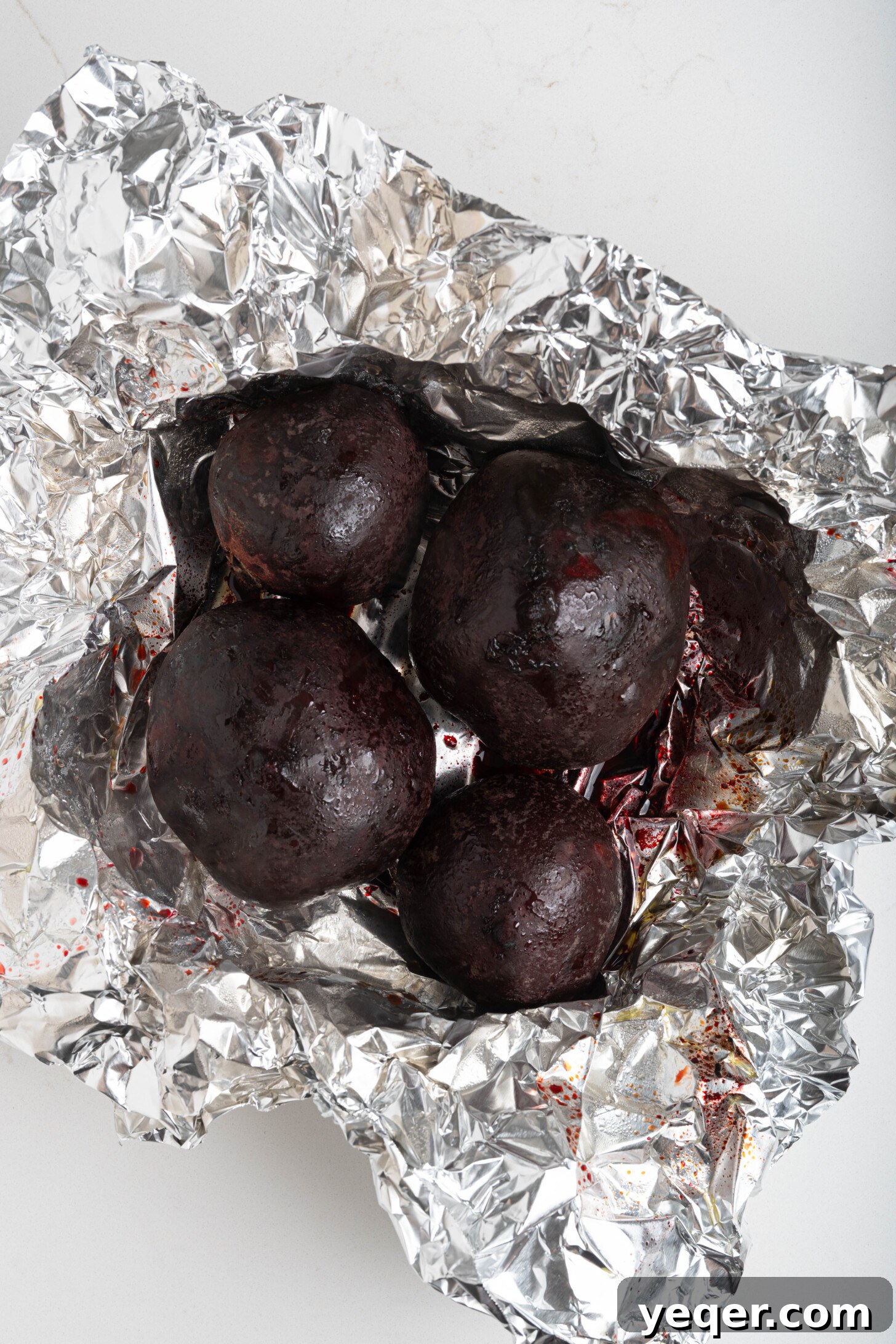
- Aluminum Foil Magic: Wrapping beets in foil traps steam, helping them cook faster and become incredibly tender. It also makes peeling much easier!
- Cool Completely: Patience is a virtue here. Allowing the beets to cool fully before peeling and chopping prevents staining and ensures the salad is served at its ideal temperature.
Raw vs. Cooked Beets: Choosing Your Texture
Beets are an incredibly versatile vegetable, offering distinct culinary experiences whether served raw or cooked. While this traditional Moroccan beet salad recipe prominently features roasted beets, understanding the differences between raw and cooked preparation can help you customize the dish to your preference or dietary needs.
When beets are roasted, as in this recipe, their natural sugars caramelize, resulting in a deeper, sweeter flavor and a wonderfully tender, almost creamy texture. The roasting process also slightly mutes the earthy notes that some people find too intense in raw beets, making them more approachable and universally appealing. This tender texture allows them to absorb the vinaigrette beautifully, creating a harmonious blend of flavors.
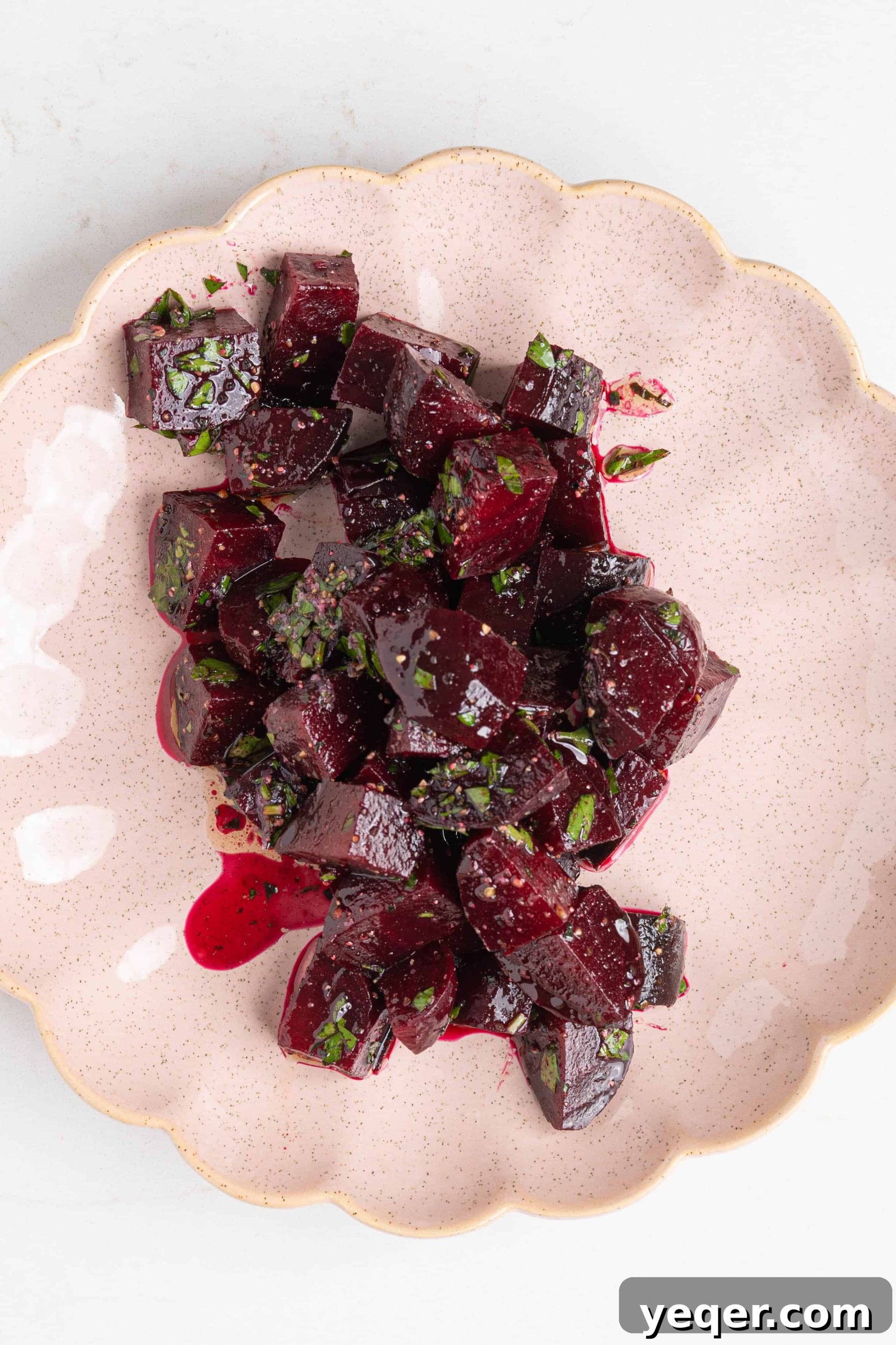
On the other hand, preparing beets raw offers a completely different sensory experience. Raw beets retain a crisp, crunchy texture that can add an exciting bite to your salad. If you opt for raw beets, it’s best to wash, peel, and then grate them or slice them very thinly (using a mandoline works wonders). When tossed with the same vibrant dressing and fresh herbs, raw beets still deliver that signature Moroccan flavor profile but with an added textural contrast. The dressing and herbs are robust enough to stand up to the more pronounced earthy notes of raw beets, creating a refreshing and invigorating alternative. Consider using raw beets when you desire a quicker preparation time or when you crave a more invigorating, crisp salad.
Serving Suggestions: What to Pair with Your Moroccan Beet Salad
This delightful Moroccan beet salad holds a special place in my heart, often bringing back cherished memories of my grandma’s dinner table. It’s a dish that perfectly embodies the communal and flavorful spirit of Moroccan cuisine. Its refreshing qualities and robust flavors make it an excellent companion to a wide array of other Moroccan salad recipes and hearty entrees.
In Morocco, salads like this one are rarely served alone. They are typically part of a vibrant mezze-style spread, offering a kaleidoscope of colors, textures, and tastes that complement the main course. The tradition is to serve several small bowls of different salads alongside a central tagine or entree, always with plenty of fresh bread for dipping and scooping. Here are some traditional Moroccan dishes that are perfectly paired with this beautiful beet salad:
Beyond traditional Moroccan fare, this healthy beet salad is incredibly versatile. It makes a fantastic addition to summer barbecues, potlucks, or as a vibrant, light lunch. Its robust flavor stands up well to grilled meats, fish, or even other vegetarian dishes. For an extra touch of elegance, garnish with a sprinkle of toasted sesame seeds or a few fresh mint leaves just before serving.
Storage and Make-Ahead Tips for Your Moroccan Beet Salad
One of the many benefits of this simple Moroccan beet salad is how well it stores, making it an excellent choice for meal prepping. You can enjoy its fresh flavors for several days after preparation.
- Storage: Store any leftover Moroccan beet salad in an airtight container in the refrigerator. It will maintain its freshness and flavor for up to 3-4 days. The flavors often deepen and meld even further after a day or two, making it arguably even more delicious!
- Make-Ahead: This salad is perfect for making in advance. You can prepare it completely a day or two before you plan to serve it. This allows ample time for the beets to marinate in the vinaigrette, resulting in a more integrated and satisfying taste. Just give it a quick toss before serving.
- Transporting: If you’re taking this salad to a potluck or picnic, it travels beautifully. Since it’s meant to be served cold, pack it in an insulated bag with an ice pack to keep it chilled until serving time.
Its excellent keeping qualities make this Moroccan beet salad a convenient and healthy option for busy individuals and families looking for nutritious and flavorful dishes that can be prepared ahead of time.
Creative Variations for Your Beet Salad
While the classic Moroccan beet salad is perfect in its simplicity, it also serves as an excellent canvas for creative variations. Feel free to experiment with different additions to tailor this easy beet recipe to your personal taste or to make it even more exciting:
- Add Nuts or Seeds: For an extra layer of crunch and healthy fats, consider topping your salad with toasted walnuts, pecans, pine nuts, or sunflower seeds. Toasted sesame seeds also offer a delightful nutty flavor and aroma.
- Include Cheese: If you’re not strictly vegan, a sprinkle of crumbled feta cheese or goat cheese can add a creamy, tangy dimension that complements the sweetness of the beets beautifully.
- Introduce More Herbs: Beyond parsley, fresh mint or cilantro can elevate the flavor profile. Mint adds a cooling sensation, while cilantro offers a bright, citrusy note that is common in North African cuisine.
- A Zesty Twist: A little lemon or orange zest grated over the salad just before serving can brighten the flavors even further. A squeeze of fresh lemon juice in the dressing can also add more zing.
- Spice It Up: For those who enjoy a little heat, a pinch of red pepper flakes or a touch of cayenne pepper can be added to the dressing. A tiny bit of ground cumin can also enhance the Moroccan essence.
- Other Vegetables: Diced red onion or finely chopped bell peppers can add additional texture and flavor, though they would depart slightly from the traditional simplicity.
These variations allow you to put your own unique spin on this versatile and healthy side dish, ensuring it remains a staple in your culinary repertoire while always offering something new.
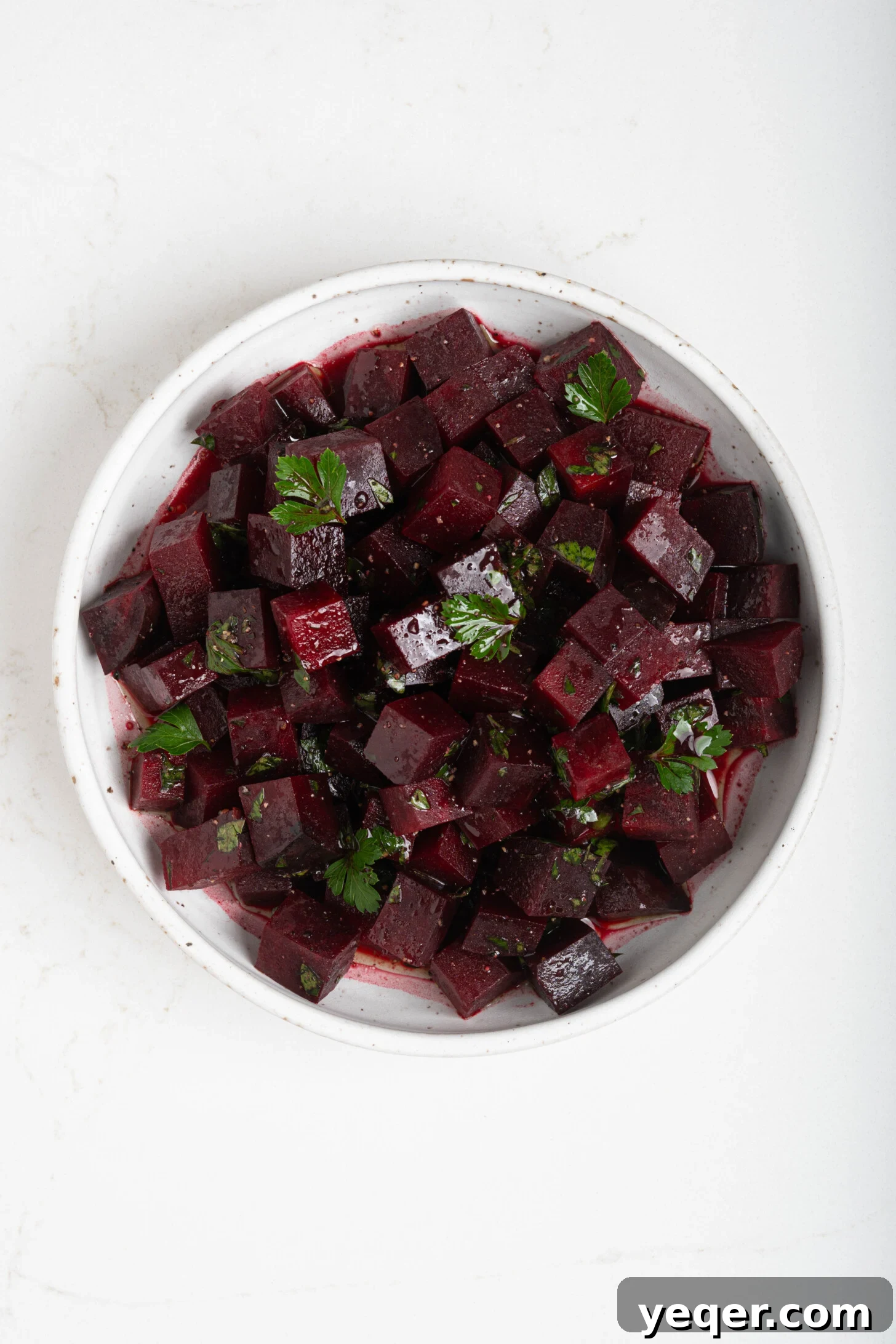
Roasted Moroccan Beet Side Salad (Serve Cold)
Description
This easy Moroccan beet salad is made with a few simple ingredients: roasted red beets, white or balsamic vinegar, olive oil, chopped parsley, salt, and pepper. Fresh and flavorful, it’s meant to be served cold and comes together in less than 1 hour. Makes a perfect side dish or snack!
Recipe Details:
- Author: Salima Benkhalti
- Prep Time: 15 minutes
- Cook Time: 45 minutes
- Total Time: 1 hour
- Yield: 4 servings
- Category: Salad, Side Dish, Snack
- Method: Roasted
- Cuisine: Moroccan, North African, Mediterranean, African
- Diet: Vegan
Ingredients
- 4 small beets, rinsed with tops trimmed off
- 1 tbsp olive oil + 2 tbsp olive oil (divided)
- 1 tbsp white or balsamic vinegar
- 1/2 tsp salt
- 1/2 tsp pepper
- 1 tbsp parsley, minced
Instructions
- Roast the beets (see note for raw beets). Preheat oven to 400 degrees F / 204 degrees C. Rinse the beets before drizzling with the first tbsp of oil and wrapping in aluminum foil. Bake until fork tender, about 45 minutes.
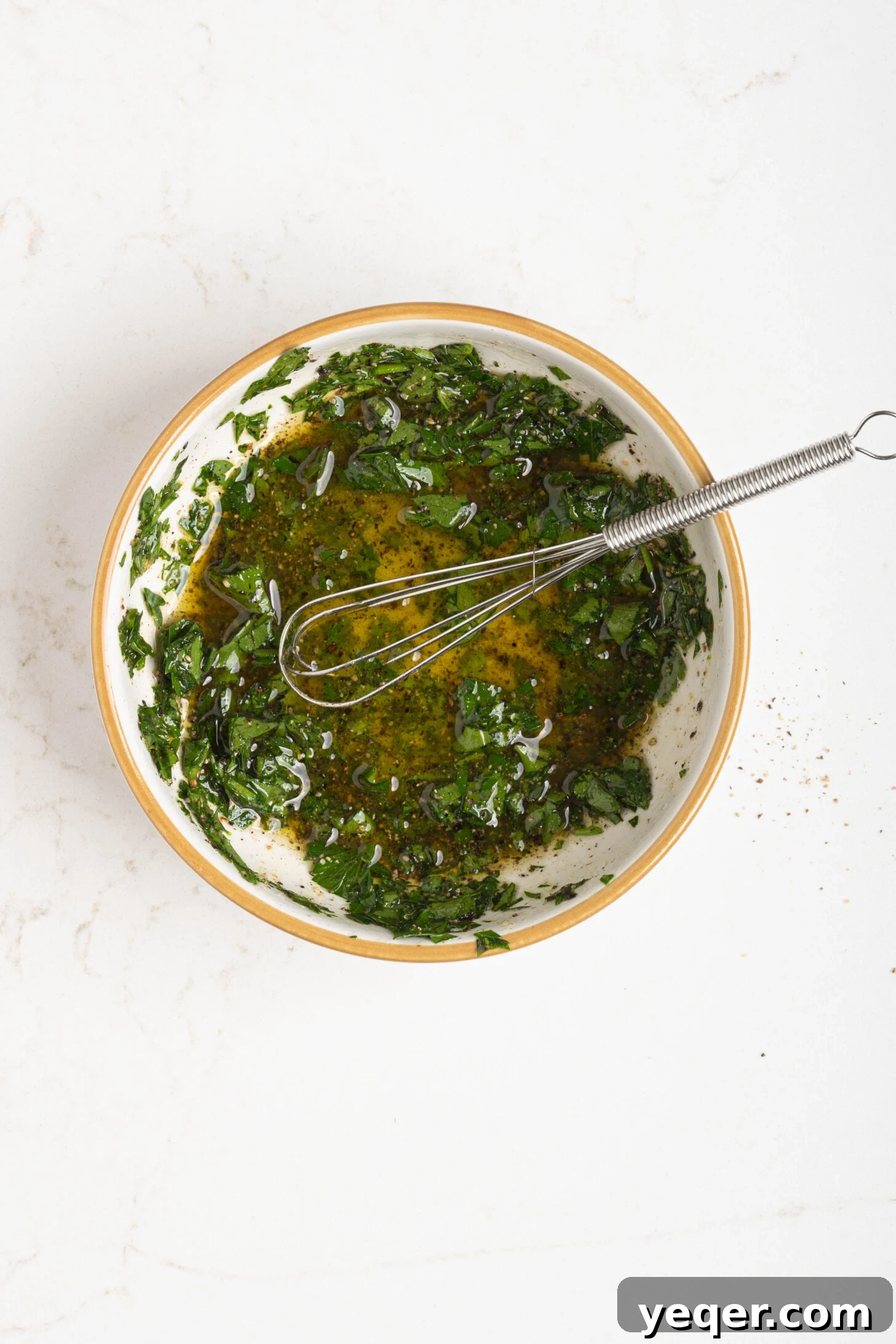
- Prep the dressing. Combine the remaining olive oil, vinegar, salt, pepper, and parsley in a salad bowl. Whisk until well combined.
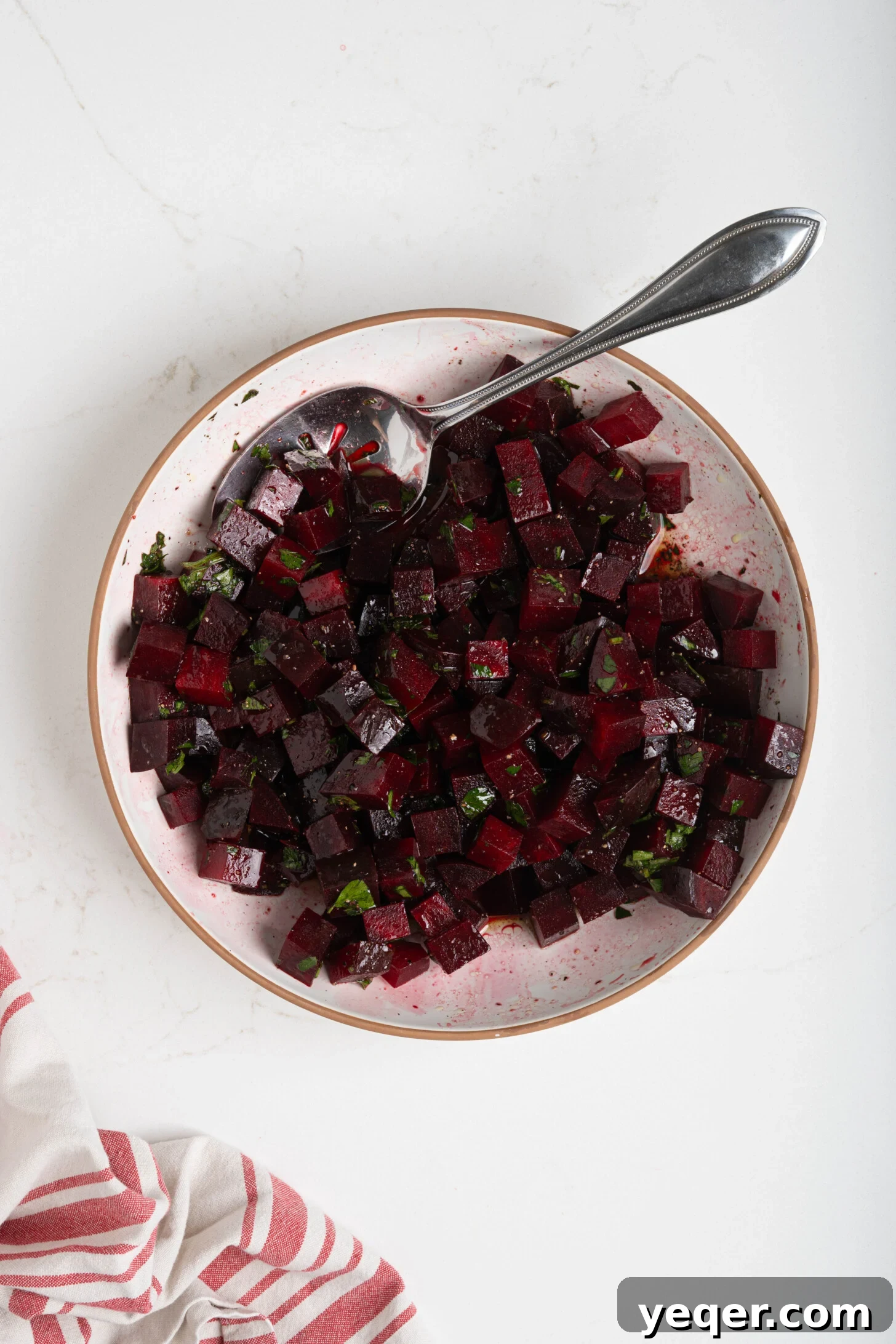
- Cool the beets. Allow the beets to cool completely before peeling and chopping into bite-sized pieces.
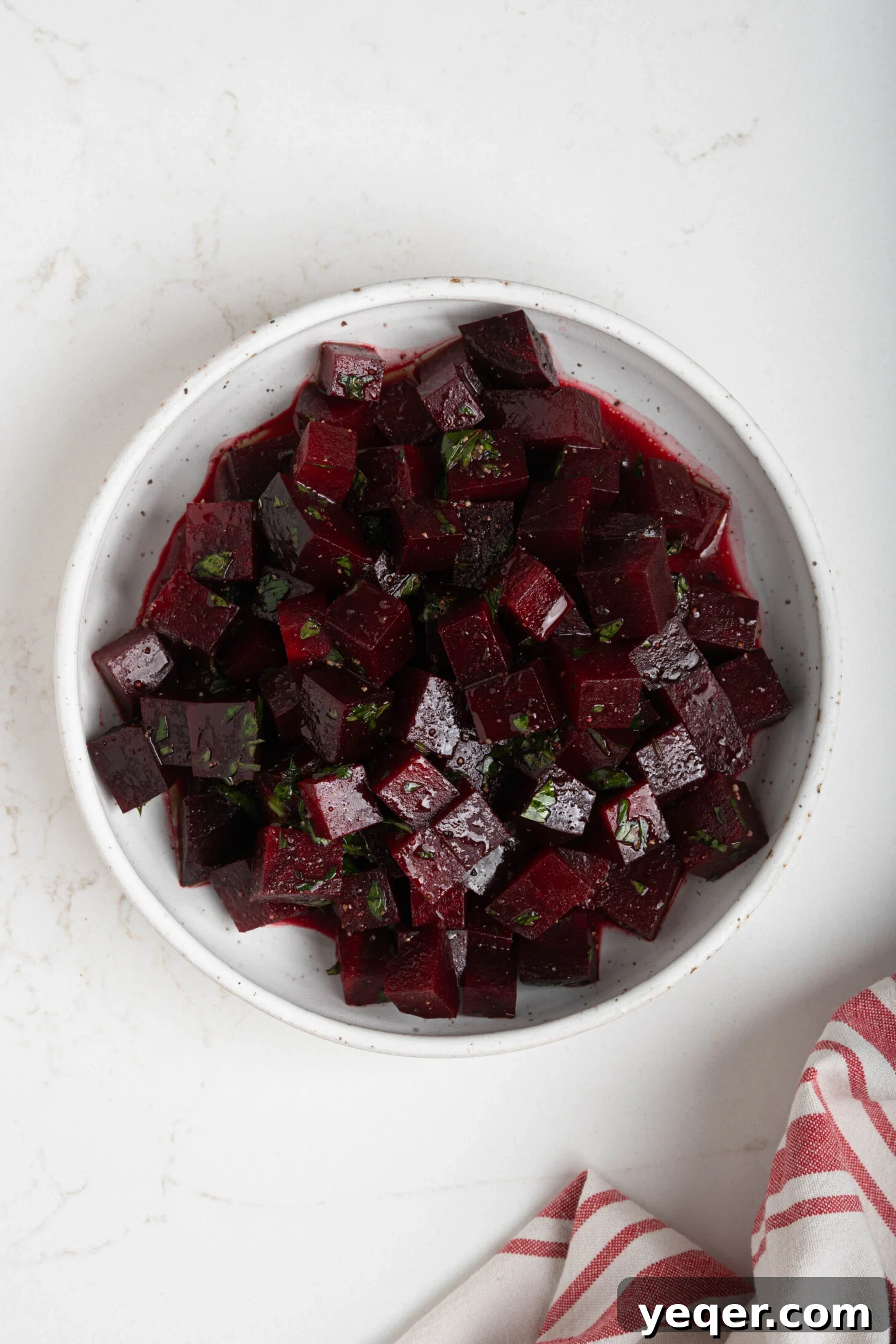
- Assemble the salad. Add the chopped beets to the bowl with the dressing. Toss well to coat. Chill in the fridge until ready to serve, for at least 30 minutes.
Notes
If using raw beets, simply wash, peel, and grate them. Toss with the dressing and herbs and serve immediately for a crispier texture. No roasting required for this variation.
Bismillah,
We hope you thoroughly enjoy preparing and savoring this delightful Moroccan beet salad. Its vibrant colors and refreshing taste make it a true highlight on any table. If you’ve tried this recipe and loved it, please consider leaving a review in the comment section below. Your feedback means the world to us and helps Salima’s Kitchen continue to share authentic and delicious Moroccan recipes with the world!