
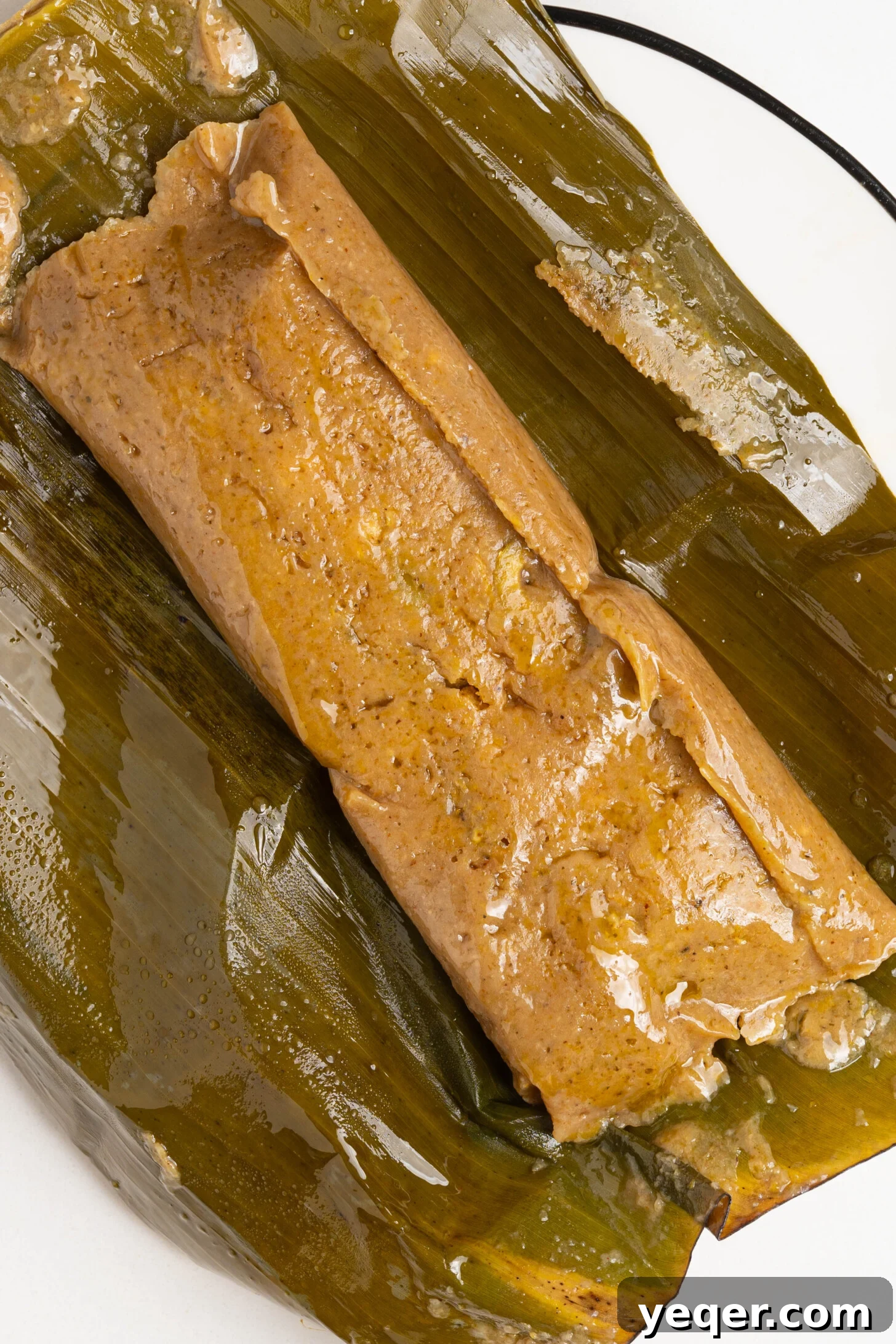
Immerse yourself in a culinary journey to Puerto Rico with these authentic Puerto Rican Pasteles. Far more than just a dish, pasteles are a cherished tradition, a vibrant symbol of family gatherings and festive celebrations, especially during the holiday season. Each one is a meticulously crafted, savory pocket of flavor, featuring a tender, seasoned pork or chicken filling enveloped in a smooth, vibrant masa. This masa, made from a unique blend of root vegetables, is beautifully infused with the rich, earthy tones of achiote, the aromatic complexity of sofrito, and the perfect blend of sazón. Wrapped lovingly in banana leaves and secured with twine, these pasteles embody the very essence of comfort food and Puerto Rican heritage.
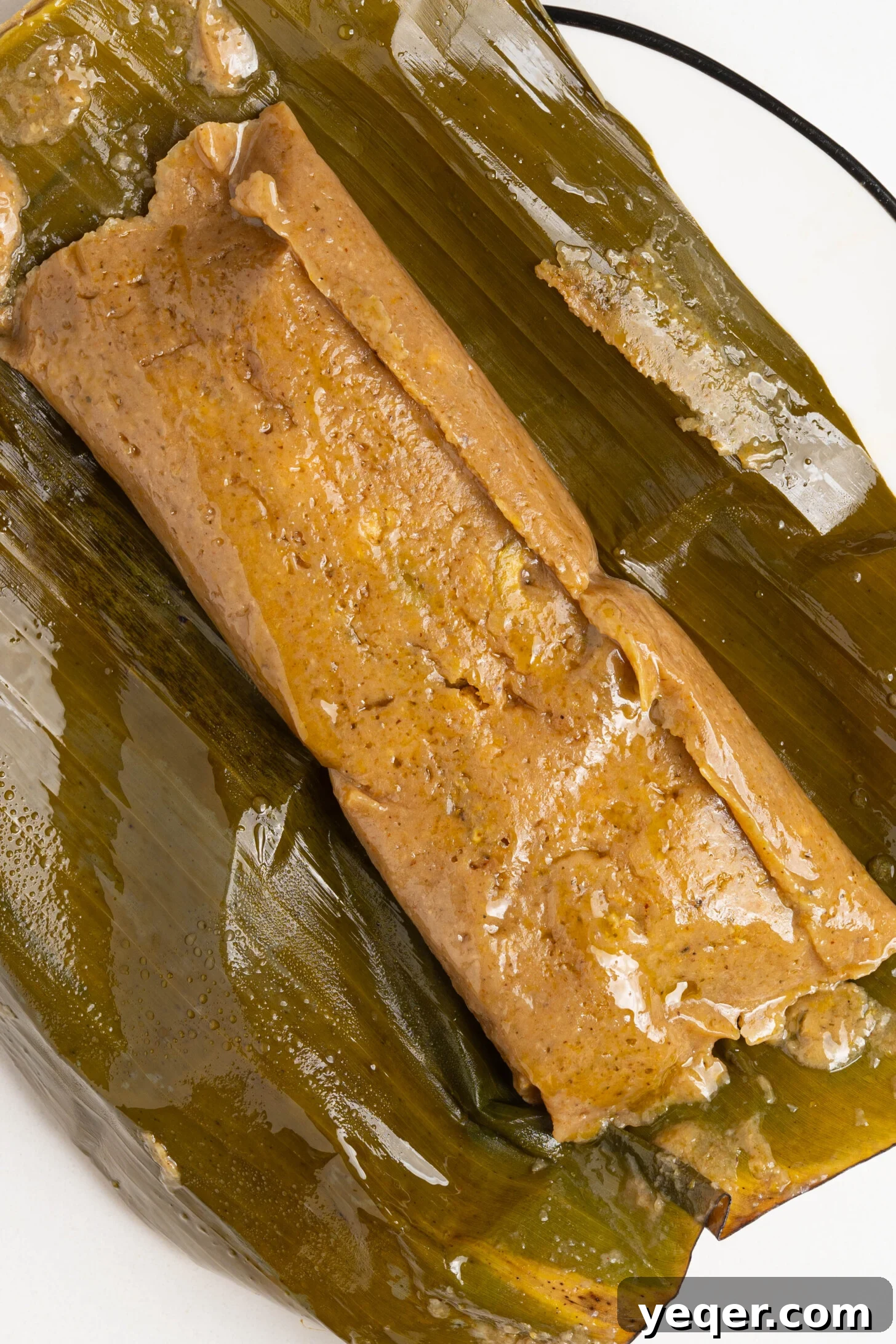
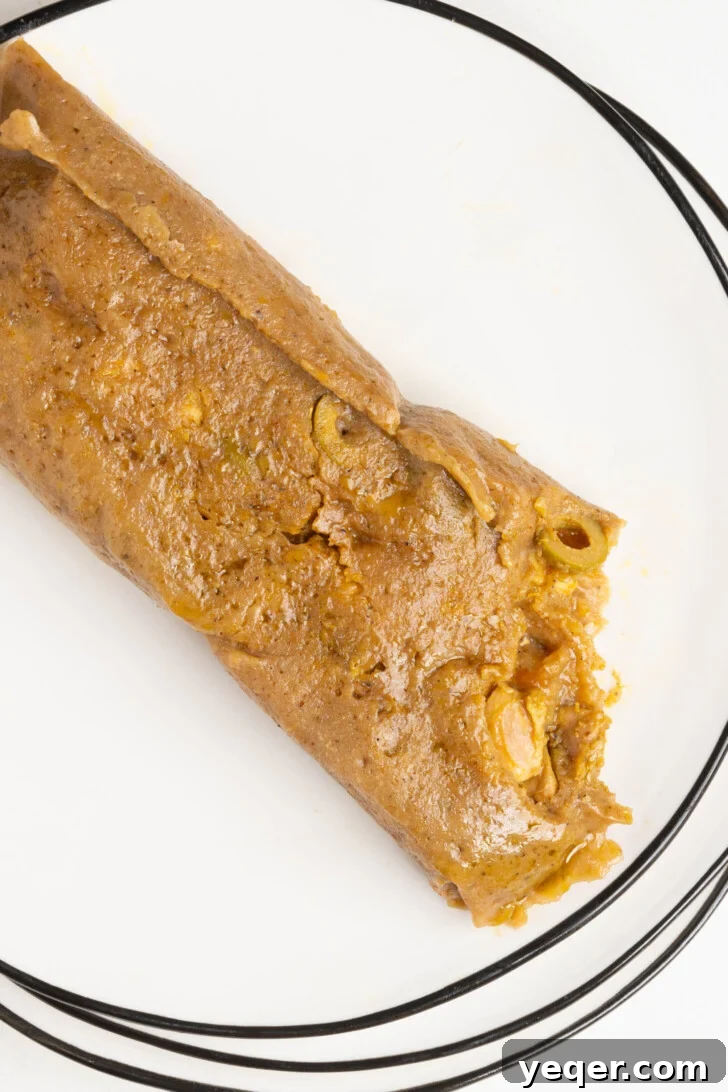
There’s a special joy that comes with enjoying homemade pasteles, a feeling that takes you straight to the heart of a Puerto Rican home. It’s not an everyday indulgence, and often, finding truly authentic ones outside of family kitchens can be a quest. On my last visit to the island, I spent days searching for that perfect bite, a testament to how deeply ingrained this dish is in the culture and how truly special homemade versions are. This traditional Puerto Rican staple is unequivocally a labor of love, a culinary project typically reserved for the holiday season when families unite, and many hands come together to share in the preparation.
Whether you’re embarking on this rewarding adventure to create pasteles for a festive Christmas feast, a special family gathering, or simply to satisfy a deep craving for authentic Caribbean flavors, remember that every step is an act of love and attention. Our recipe elevates both the masa and the savory pork (or chicken, a delicious alternative I’ve personally tested and highly recommend!) filling by generously infusing them with the vibrant colors and deep flavors of homemade achiote oil, the aromatic base of sofrito, and the all-encompassing seasoning of sazón. The delicate parcels are then meticulously wrapped in fragrant banana leaves and artfully tied with kitchen twine, ready to be cooked to perfection.
Once boiled and beautifully cooked through, the choice of how to crown your pasteles is entirely yours. Many enjoy them simply, perhaps with a few drops of homemade Puerto Rican hot sauce (pique) for a spicy kick, or with a dollop of classic ketchup. For an truly immersive experience, go the extra mile and serve them gracefully atop a bed of fragrant arroz con gandules (rice with pigeon peas), allowing the flavors to meld into a symphony of Caribbean taste.
The Heart of Puerto Rican Cuisine: What are Pasteles?
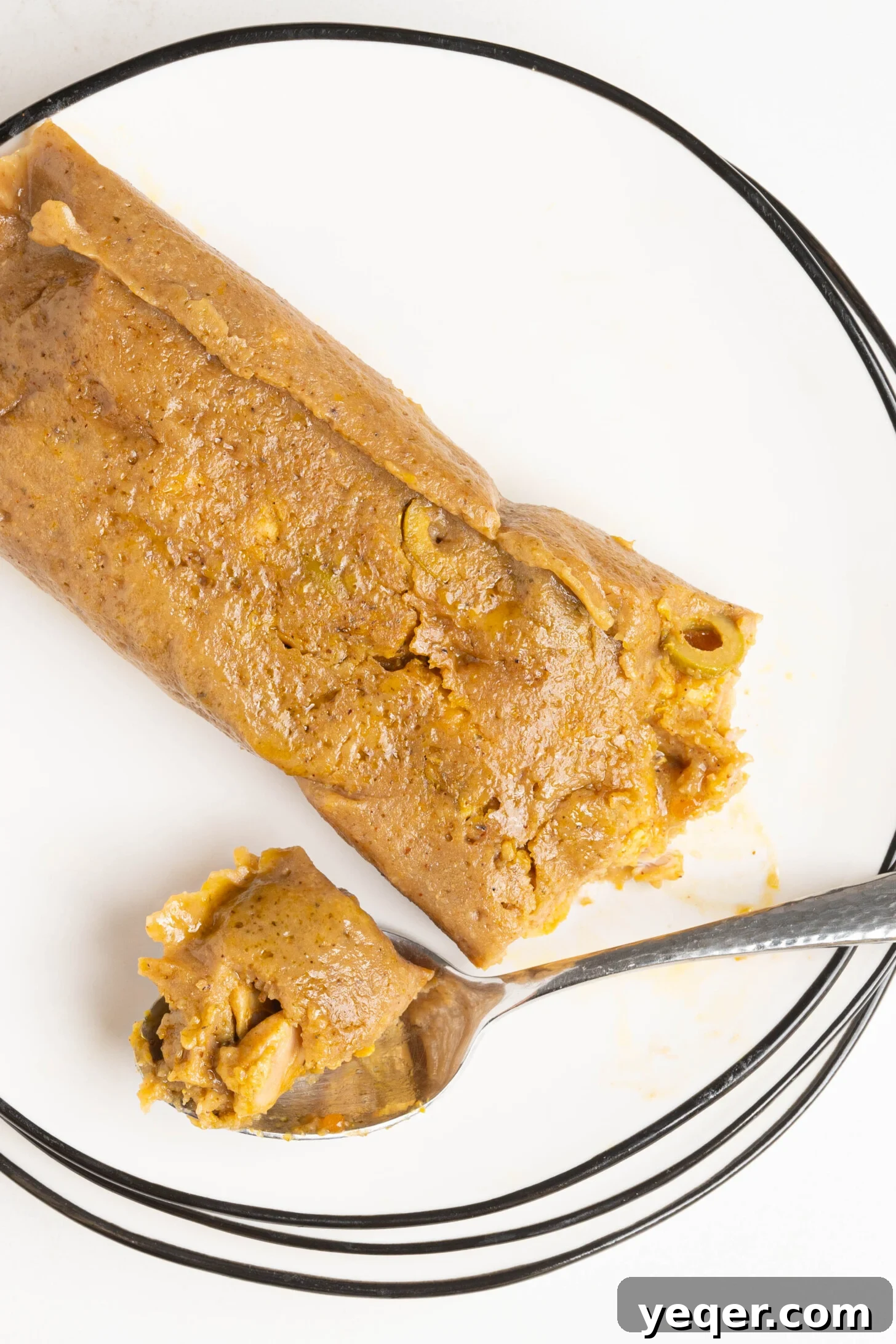
Pasteles are a cornerstone of Puerto Rican gastronomy, often compared to tamales but boasting a distinct identity and preparation method. Unlike corn-based tamales, pasteles feature a masa predominantly made from a blend of grated green plantains, green bananas, yautía (taro root), and sometimes pumpkin or squash. This unique combination gives the masa a smoother, almost gelatinous texture once cooked, different from the corn masa found in many other Latin American dishes. The term “pastel” itself translates to “pie” or “cake,” which perfectly describes these savory, individual parcels.
Historically, pasteles have roots dating back to the indigenous Taíno people, who used native root vegetables and banana leaves for cooking. Over centuries, with Spanish colonization and African influences, the dish evolved to incorporate meats and spices, eventually becoming the beloved culinary icon it is today. Preparing pasteles is not just cooking; it’s a ceremonial act, passed down through generations, often involving entire families in an assembly line, talking, laughing, and sharing stories as they prepare dozens, sometimes hundreds, of pasteles for holiday feasts like Navidad (Christmas) and Nochevieja (New Year’s Eve). This communal effort transforms a complex recipe into a heartwarming tradition.
Why Make Homemade Pasteles?
While convenience might tempt you to seek out store-bought options, nothing compares to the unparalleled flavor and freshness of homemade Puerto Rican pasteles. The process, though requiring time and patience, allows you to control the quality of every ingredient, ensuring a filling bursting with authentic spices and a masa that’s perfectly smooth and seasoned to your preference. The subtle herbaceous aroma imparted by the banana leaves during cooking is a unique touch that simply cannot be replicated. Moreover, the act of making pasteles from scratch connects you to a rich cultural heritage, transforming your kitchen into a hub of tradition and delicious artistry.
Key Ingredients: The Soul of Your Pasteles
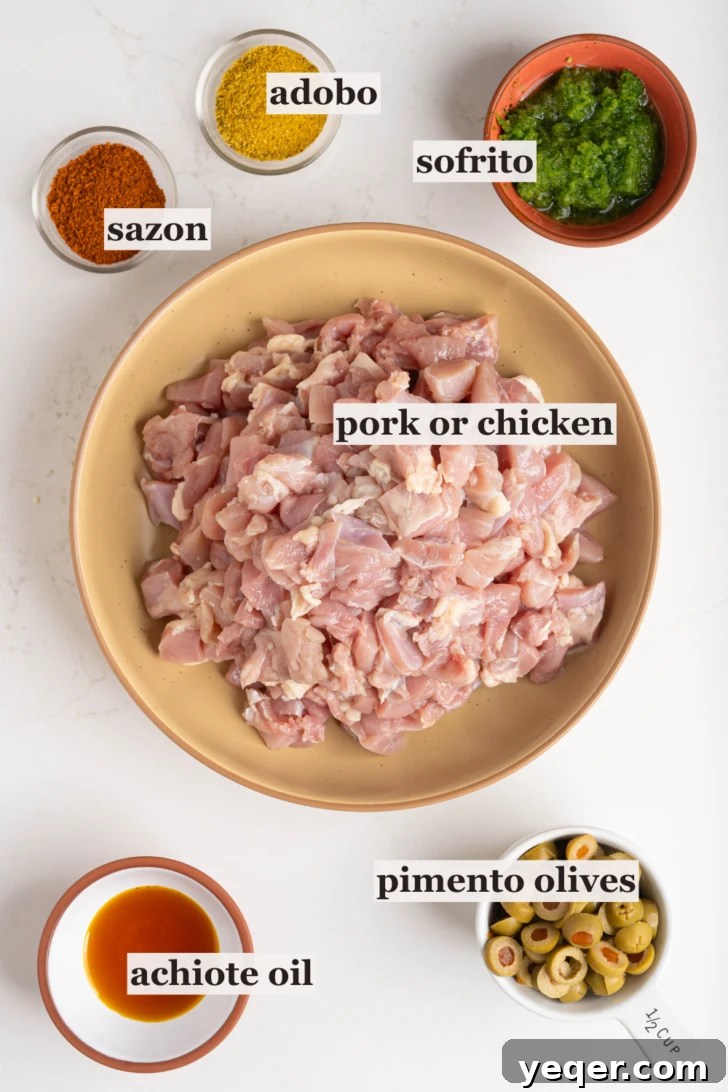
The magic of Puerto Rican pasteles lies in their distinctive ingredients, each playing a crucial role in creating their iconic flavor and texture:
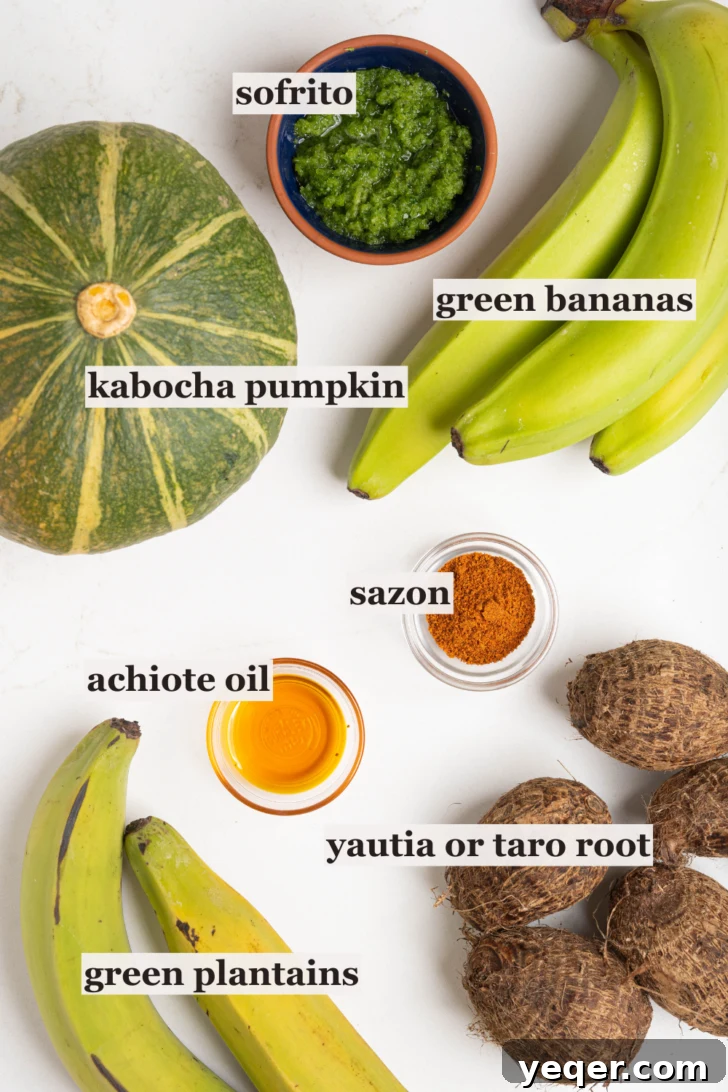
- Achiote Oil (Annatto Oil): This vibrant, orange-red oil is essential for both color and a subtle, earthy flavor in both the masa and the filling. It’s made by infusing annatto seeds in a neutral oil.
- Sofrito: The aromatic cornerstone of Puerto Rican cooking, sofrito is a fresh blend of onions, garlic, peppers (like ají dulce, if available), cilantro, and culantro. It provides the foundational flavor for almost all savory dishes.
- Sazón: A versatile seasoning blend typically containing coriander, annatto, garlic powder, cumin, and oregano. It adds a signature color and depth of flavor.
- Adobo: Another indispensable seasoning, adobo is a savory mix of garlic powder, onion powder, oregano, salt, and pepper, enhancing the taste of the meat.
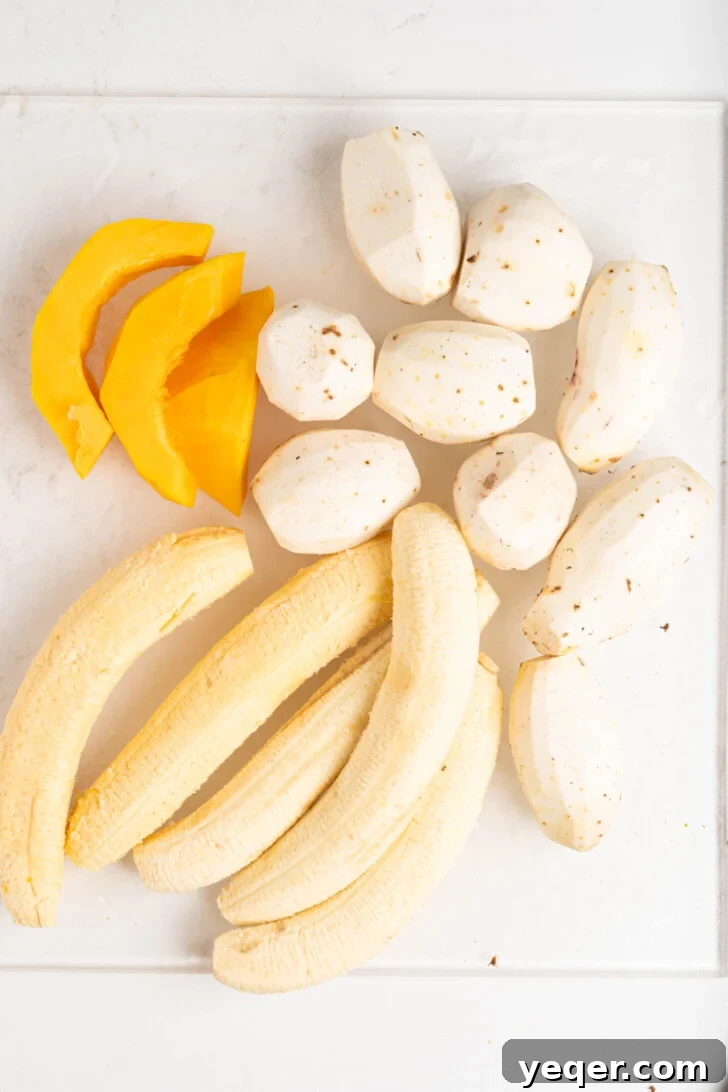
- Root Vegetables for Masa: The characteristic masa comes from a precise blend of grated green plantains, green bananas (not ripe yellow ones!), and yautía (taro root), sometimes with calabaza (West Indian pumpkin). This combination yields the unique consistency.
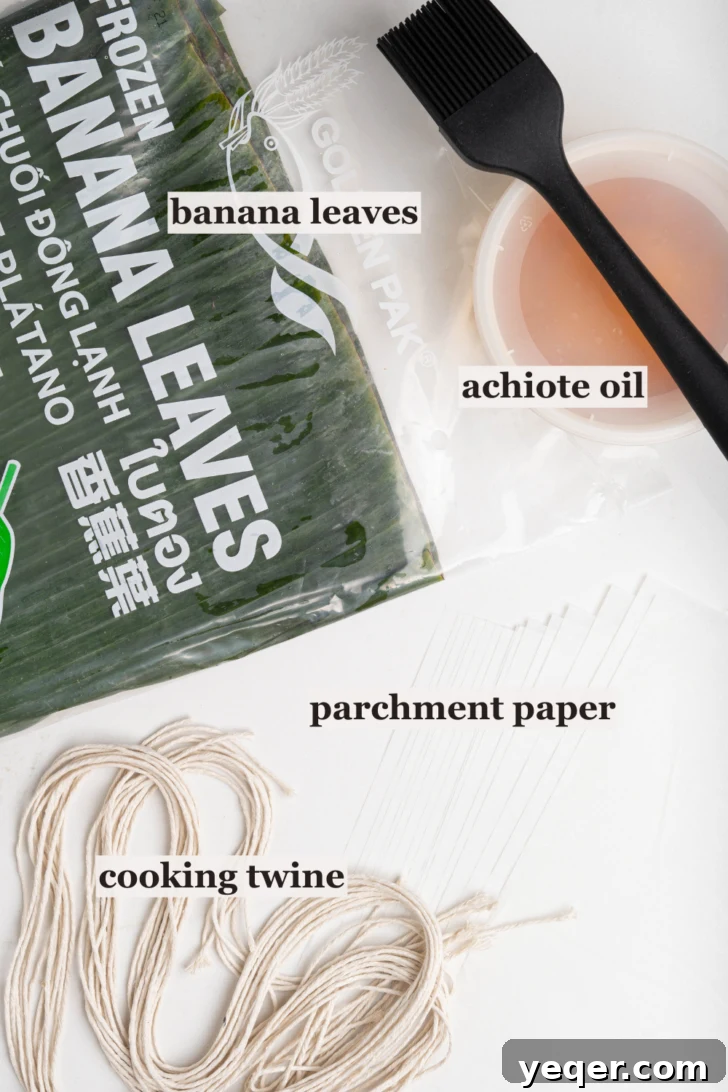
- Banana Leaves: More than just wrapping, banana leaves impart a subtle, fragrant, herbaceous flavor during cooking and keep the pasteles moist.
Crafting the Flavorful Filling
Heads up! For convenience and to break up the labor, both the flavorful meat filling and the masa can be prepared a day in advance. Simply refrigerate them in airtight containers until you’re ready to proceed with assembly. This foresight will significantly streamline your pastel-making day!
Preparing the Perfect Masa
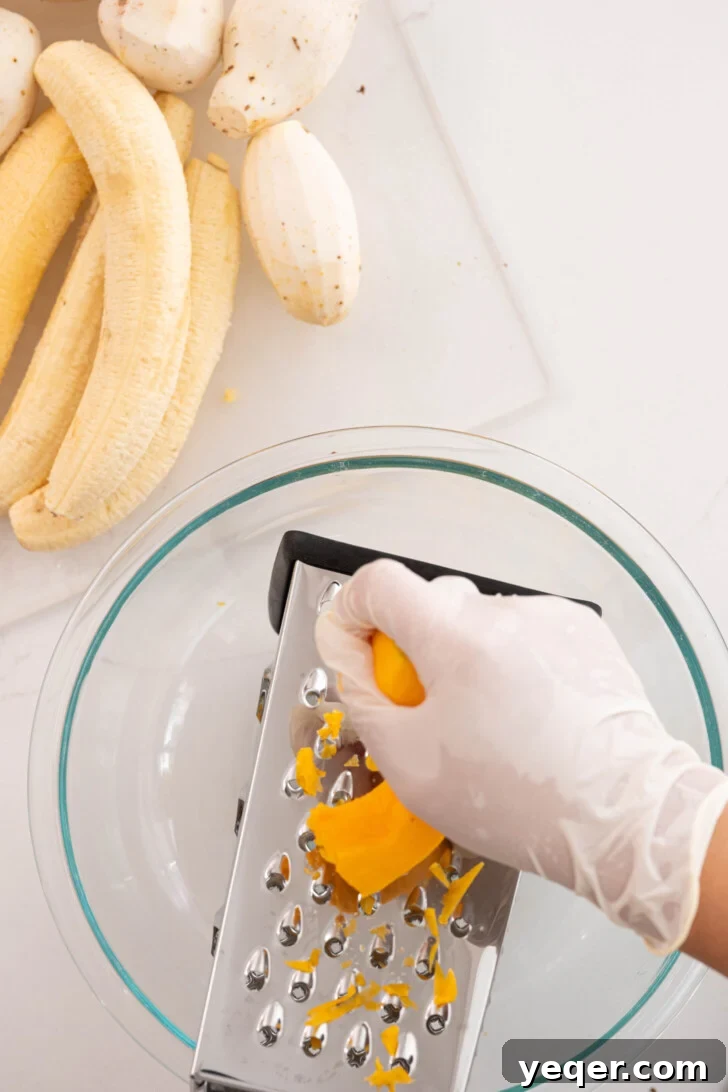
Tip: When handling the root vegetables for the masa, especially yautía or green bananas, it’s highly recommended to wear gloves. Certain enzymes or sap from these ingredients can cause staining or irritation to your hands. Protect your skin for a more comfortable preparation process!
The Art of Assembly: Wrapping Your Pasteles
Tip: For a visual guide that demystifies the wrapping process, be sure to watch the instructional video provided above. Seeing the folding technique in action can be incredibly helpful!
Cooking and Serving Your Traditional Pasteles
Important Note for Frozen Pasteles: If you are cooking pasteles directly from frozen, you will need to increase the cooking time. Plan for an additional 15-20 minutes in the boiling water to ensure they are thoroughly cooked through and heated evenly.
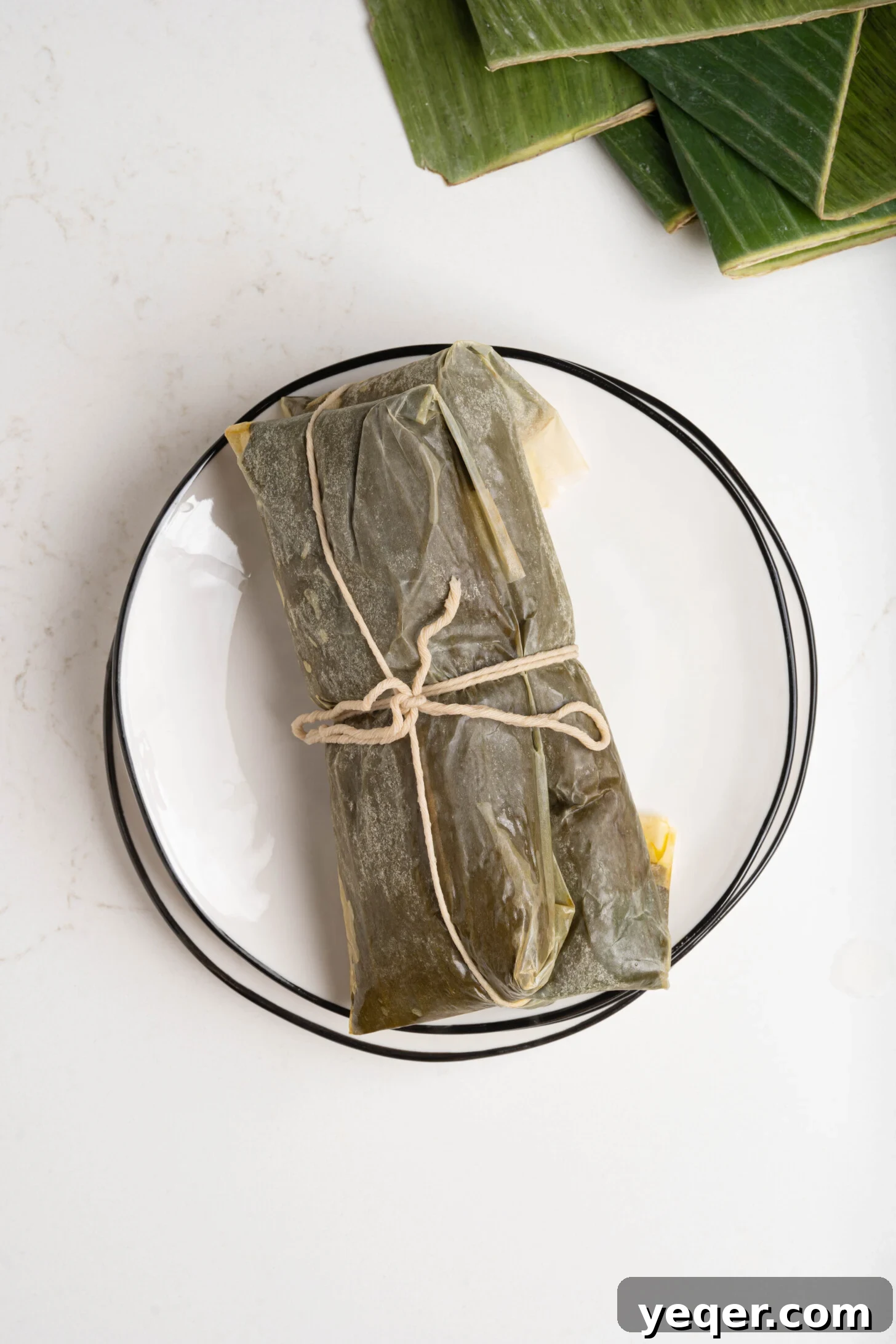
Essential Substitutions for Your Pasteles
We understand that making every single staple ingredient from scratch can be time-consuming, especially if you’re new to Puerto Rican cooking or don’t have access to specialized ingredients. Don’t let that deter you from making these incredible pasteles! Here are some practical substitutions for the core components that will still yield delicious results:
- Achiote oil: While traditional achiote oil provides both color and a unique flavor, you can always purchase a pre-made bottle of achiote oil online or at specialty stores. Alternatively, a regular cooking oil like avocado or canola oil can be used. Just be aware that this substitution will result in a less vibrant color for your masa and filling.
- Sazón seasoning: For convenience, you can buy a jar of pre-mixed sazón seasoning. If you prefer to mix your own, combine equal parts of ground annatto seeds, ground coriander, ground cumin, garlic powder, and dried oregano.
- Adobo seasoning: Similar to sazón, store-bought adobo seasoning is readily available. A homemade alternative can be created by blending equal parts of onion powder, garlic powder, dried oregano, paprika, salt, and black pepper.
- Sofrito: The heart of Puerto Rican flavor, sofrito can be time-intensive to make. You can easily purchase a bottle of premade sofrito in many supermarkets or online. If you want to make a quick fresh version, combine ½ cup of minced cilantro, ½ cup diced small yellow onion, 2 cloves of minced garlic, and ½ cup diced bell pepper.
- Banana leaves: These are crucial for authentic flavor and moisture. You can often buy them online or find them in the frozen section of Latin American or Asian grocery stores. If they are absolutely unavailable, you can proceed with just parchment paper, but be aware that the pasteles will lack the subtle herbaceous aroma and might be slightly less moist.
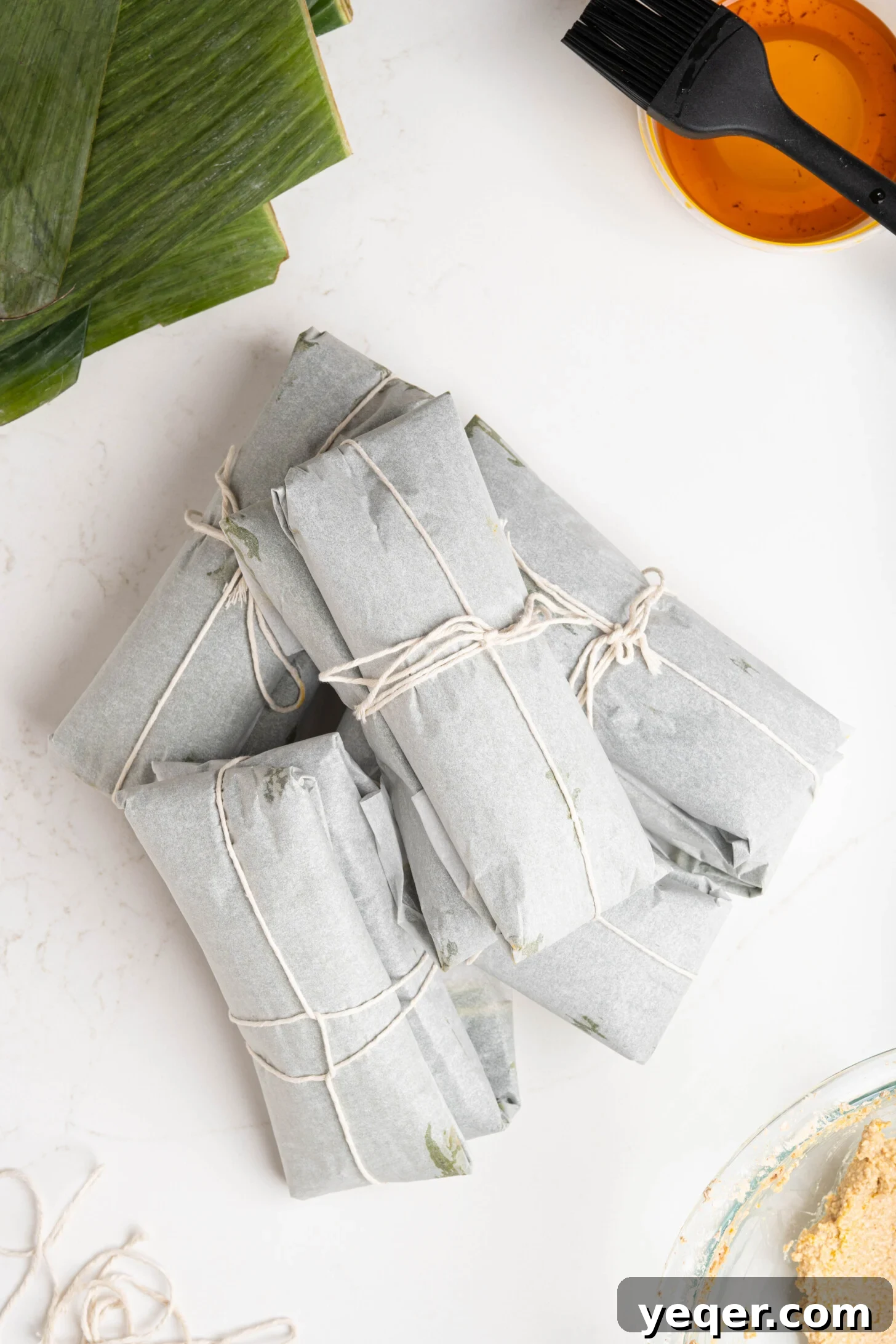
Pairing Your Pasteles: What to Serve Alongside
While pasteles are a meal unto themselves, they truly shine when paired with traditional Puerto Rican side dishes that complement their rich flavors and textures. The right accompaniment can elevate your dining experience from delicious to unforgettable. Here are some classic pairings:
Consider a vibrant salad to cut through the richness, or simply enjoy them with a side of ketchup for a sweeter, tangy contrast. No matter your choice, these pairings will complete your authentic Puerto Rican meal.
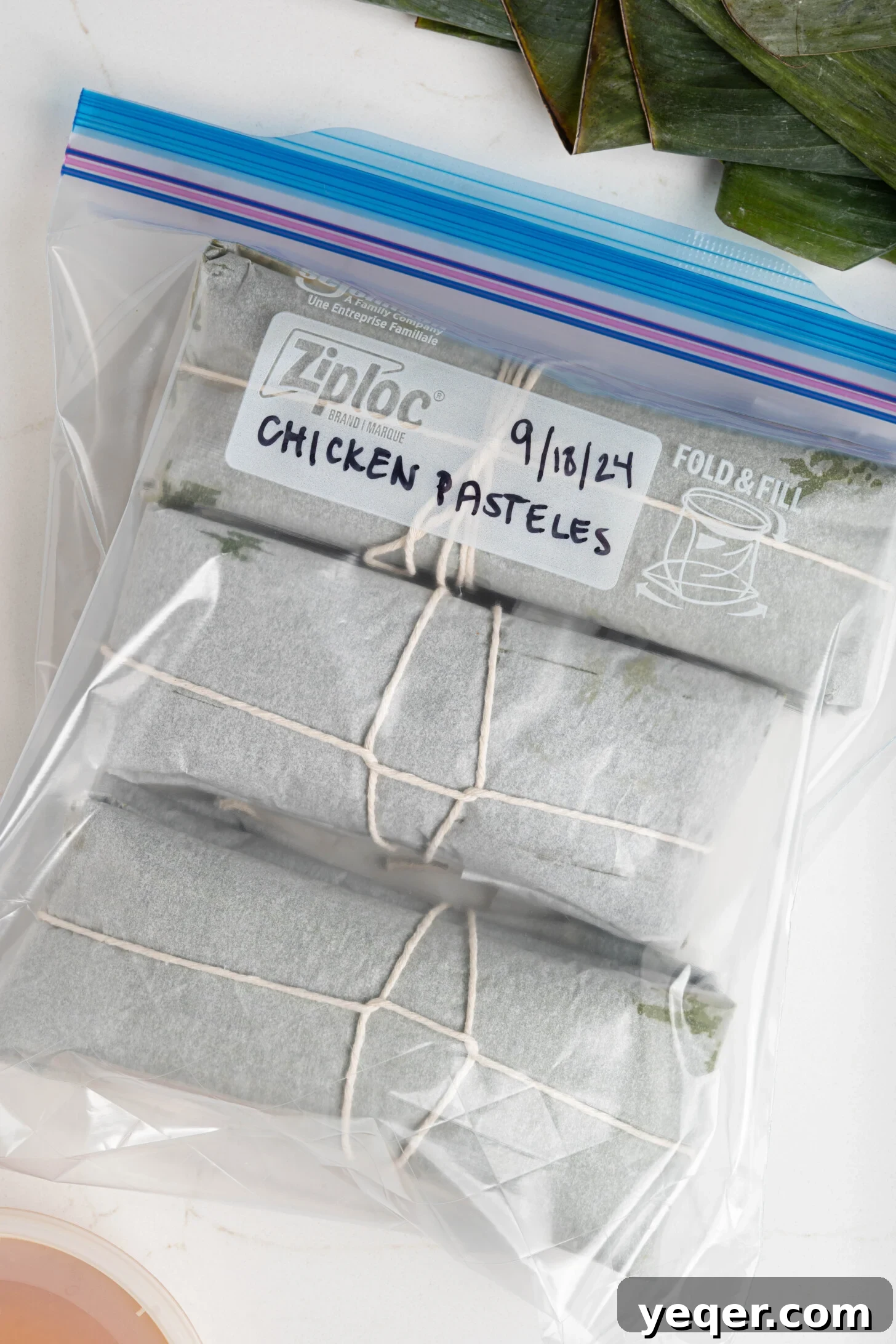
Freezing and Storing Pasteles: Plan Ahead!
One of the beautiful advantages of making pasteles is their excellent freezer-friendliness. When our family embarks on the pastel-making tradition, we invariably prepare a large batch with the intention of freezing a significant portion. This allows us to enjoy these delectable treats long after the holiday season has passed, turning a labor-intensive dish into a convenient meal option whenever a craving strikes.
To freeze, simply complete the assembly and tying process (steps 1-8 in the instructions) but skip the boiling. Place the tied pasteles in an airtight freezer bag or container, ensuring they are well-sealed to prevent freezer burn. They can be stored in the freezer for up to three months without compromising flavor or texture. When you’re ready to enjoy them, there’s no need to thaw! Simply add them directly to a pot of boiling salted water.
When cooking pasteles from their frozen state, they will require a slightly longer cooking time to ensure they heat through completely and the masa reaches its desired tenderness. From frozen, expect to boil them for approximately 1 hour and 20 minutes (adding about 20 minutes to the fresh cooking time). This ensures that every bite is as perfect as if it were freshly made.
Making Puerto Rican pasteles is a culinary journey that rewards you with incredible flavors and a deep connection to a cherished culture. Whether you embrace the full tradition or utilize a few clever shortcuts, the end result is a truly special dish worth every moment of effort. Buen Provecho!

Print
Puerto Rican Pasteles (Meat-Stuffed Masa Pockets)
5 Stars 4 Stars 3 Stars 2 Stars 1 Star
5 from 2 reviews
Author: Salima Benkhalti
Prep Time: 3 hours
Cook Time: 1 hour
Total Time: 4 hours
Yield: 10 pasteles 1x
Category: Main Dish, Appetizer, Entree
Method: Boiled
Cuisine: Puerto Rican
Diet: Gluten Free
Description
These authentic Puerto Rican Pasteles are the perfect savory treat. Made with a flavorful pork (or chicken) filling stuffed in masa infused with achiote, sazon, and sofrito, they are a Puerto Rican tradition. Wrapped in banana leaves and tied with twine, they’re the epitome of holiday comfort food.
Ingredients
Units
Scale
For the Meat Filling:
- 2 tbsp achiote oil or olive oil
- 2 lbs pork shoulder (or chicken thighs), diced into cubes
- 1/3 cup sofrito
- 2 tsp sazon seasoning
- 2 tsp adobo seasoning
- 1/2 cup pimento olives, halved
For the Masa:
- 1/2 lb kabocha pumpkin
- 2 lbs yautia, or taro root
- 2 green plantains
- 3 green bananas
- 1/3 cup sofrito
- 2 tsp sazon seasoning
- 1 tsp achiote oil or olive oil
Assembly Ingredients:
- 1/3 cup achiote oil
- 1 lb banana leaves
- parchment paper sheets, cut into large squares
- cooking twine
Instructions
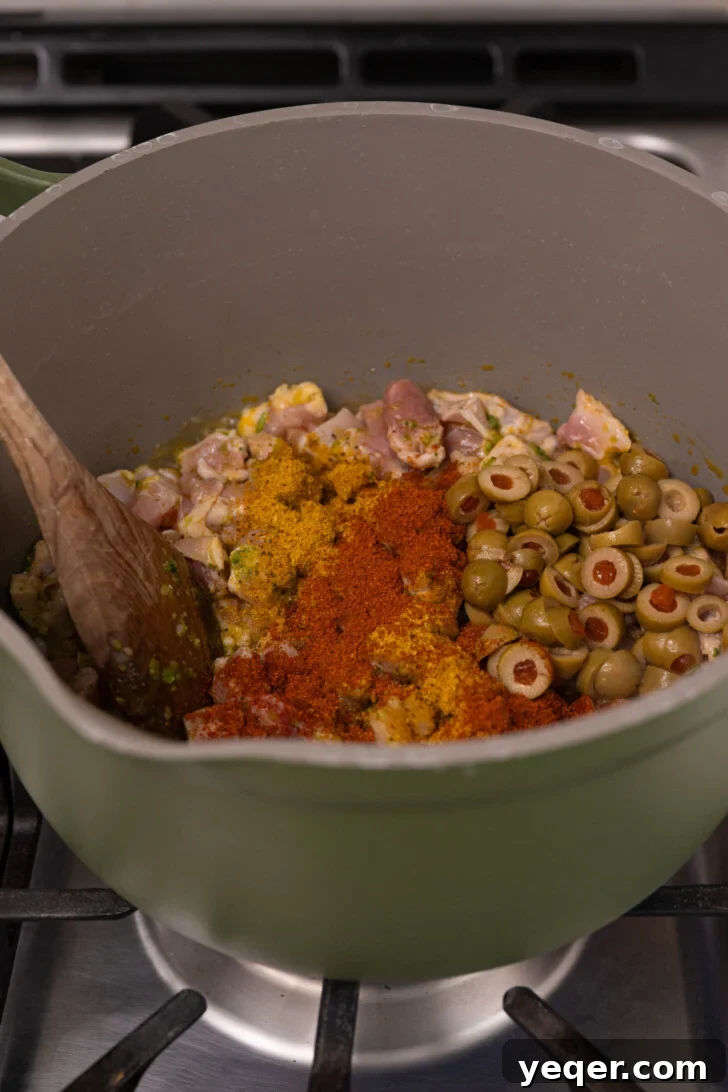
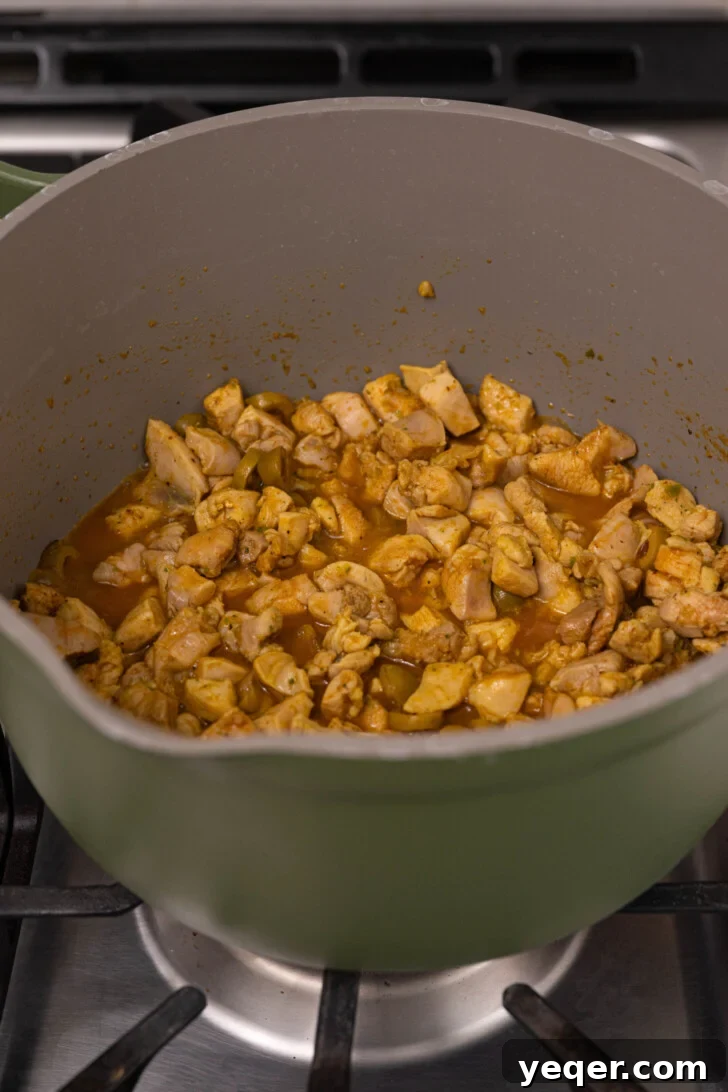
- Prepare the Flavorful Meat Filling. In a sturdy pot, heat the vibrant achiote oil over medium heat. Add the diced pork shoulder or chicken thighs and sauté until lightly browned. Stir in the sofrito and cook for a few minutes until fragrant. Incorporate the sazón seasoning, adobo seasoning, and pimento olives, mixing well. Continue to sauté until the meat is fully cooked through and tender. Taste and adjust for salt as needed, aiming for a robust, savory flavor.
- Cool and Store the Filling. Carefully spoon out about half a cup of the rich liquid broth from the cooked meat filling and set it aside; this will be crucial for the masa. Allow the remaining meat filling to cool completely to room temperature before transferring it to an airtight container. Refrigerate until you are ready to proceed with assembling the pasteles. This step can be done a day in advance.
- Begin Masa Preparation. It is highly recommended to wear gloves for this stage, as the root vegetables, particularly the yautía and green bananas, can stain your hands. Peel the kabocha pumpkin, yautía (or taro root), green plantains, and green bananas. Be cautious when peeling the yautía, as it can be slippery.
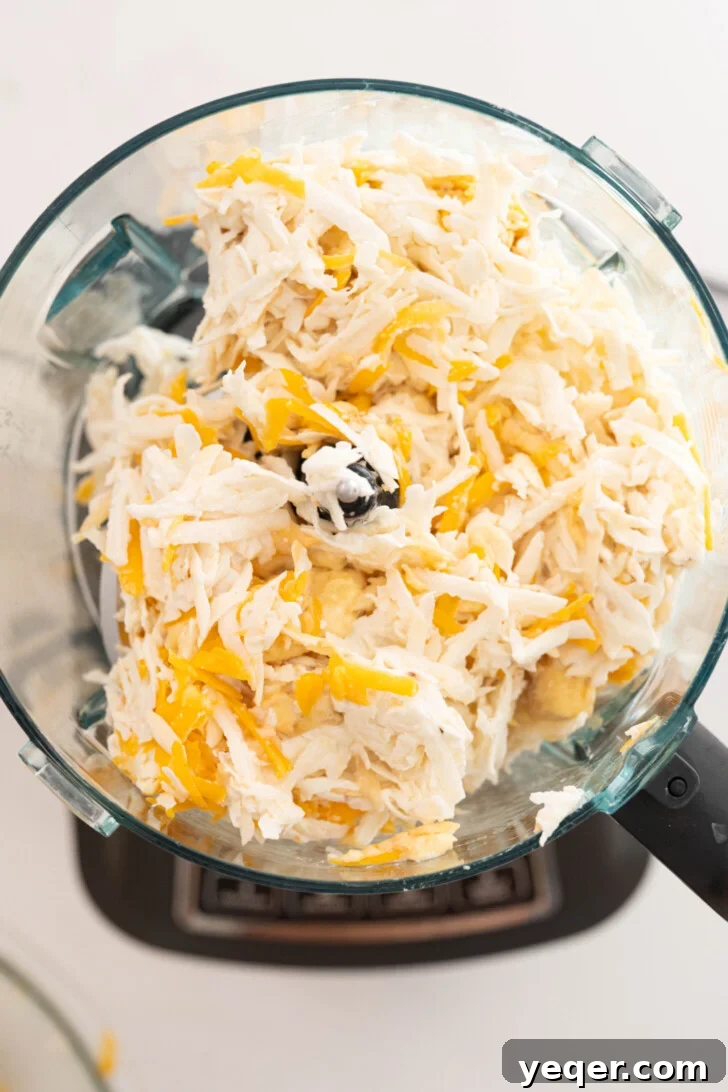
- Grate and Blend the Masa Ingredients. Grate all of the peeled root vegetables into a large bowl. A traditional box grater works well, but for efficiency, a food processor fitted with a grating attachment will save considerable time and effort. Once grated, transfer the mixture to the food processor (you may need to work in batches, depending on the size of your appliance) and blend until the masa is incredibly smooth, resembling the texture “as smooth as a baby’s bottom,” as is traditionally advised.
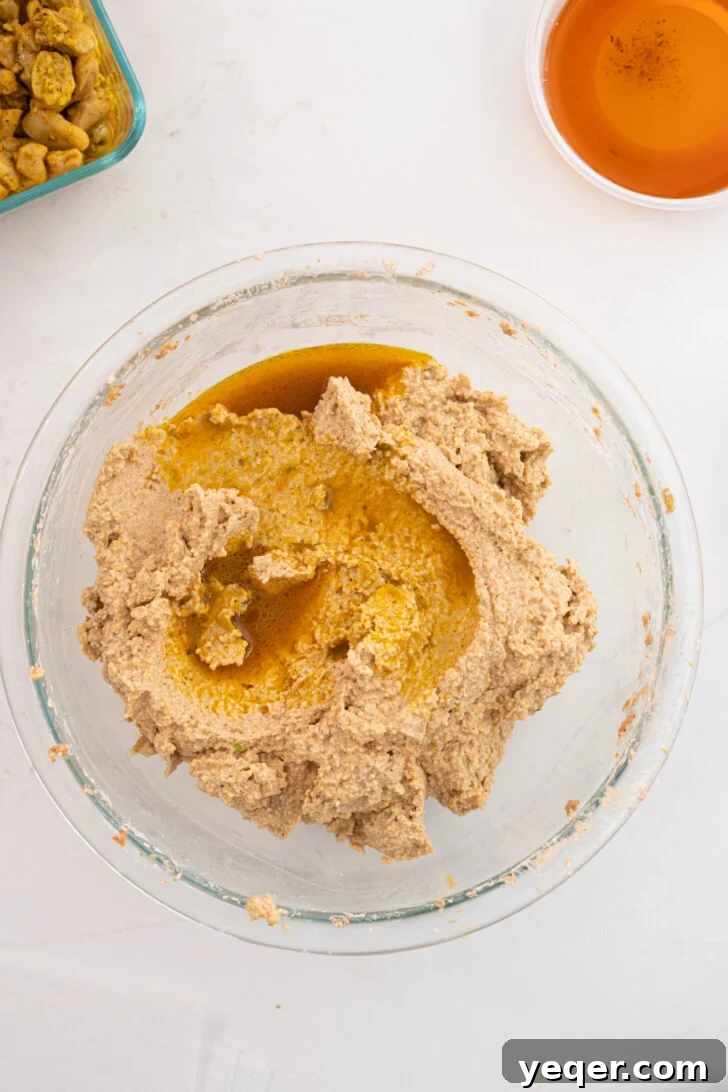
- Season and Store the Masa. Transfer the silky masa to a clean bowl. Stir in the reserved broth from the meat filling, along with fresh sofrito, sazón, and a teaspoon of achiote oil. Mix thoroughly until all the ingredients are evenly distributed, ensuring the masa is beautifully seasoned and uniformly colored. If you are preparing the pasteles on a different day, store the masa in an airtight container in the refrigerator. This is an excellent stopping point for overnight preparation.
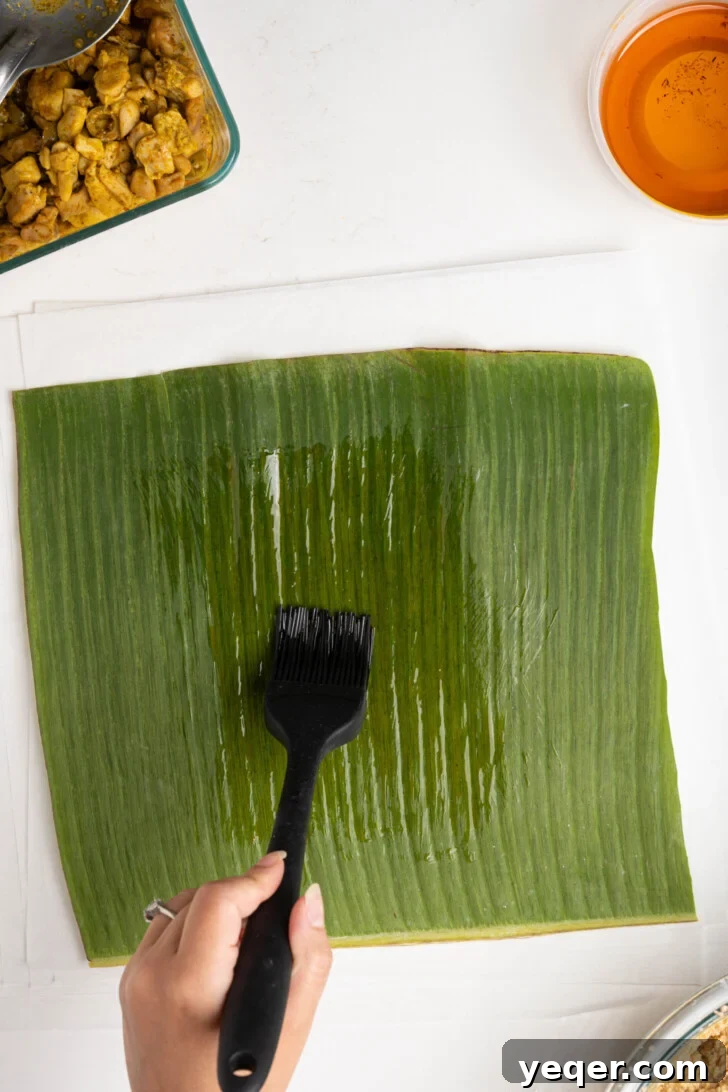
- Set Up for Assembly. Lay a large square piece of parchment paper on your work surface. On top of the parchment paper, place a slightly smaller, square piece of banana leaf. The parchment provides structure and prevents sticking, while the banana leaf imparts essential flavor and moisture.
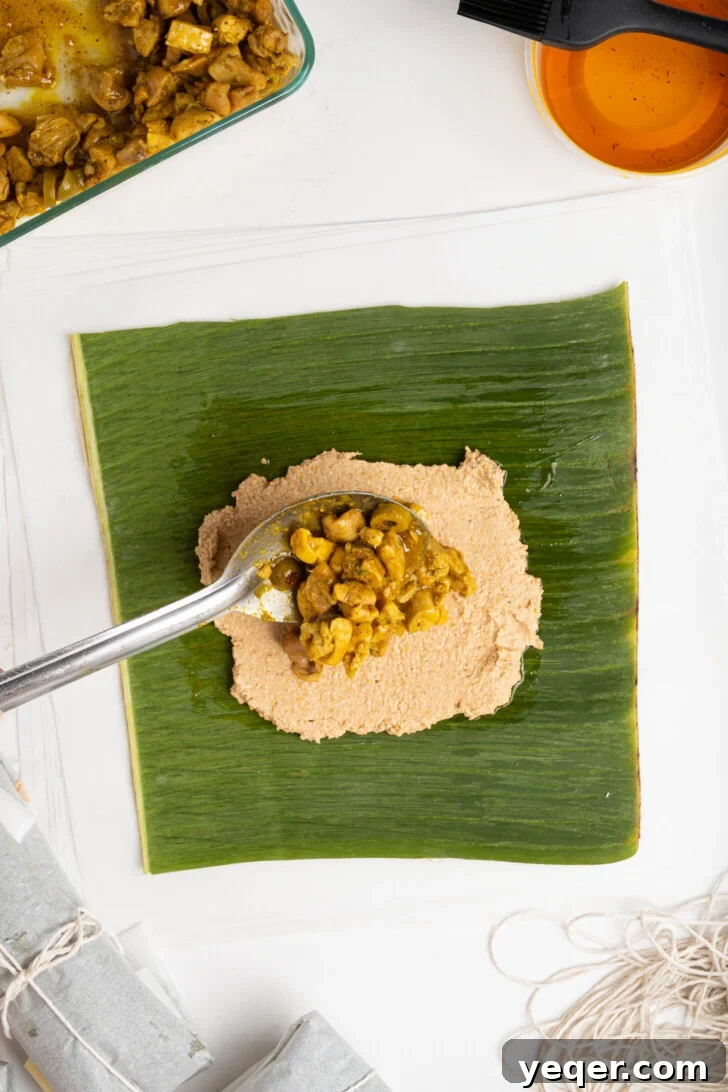
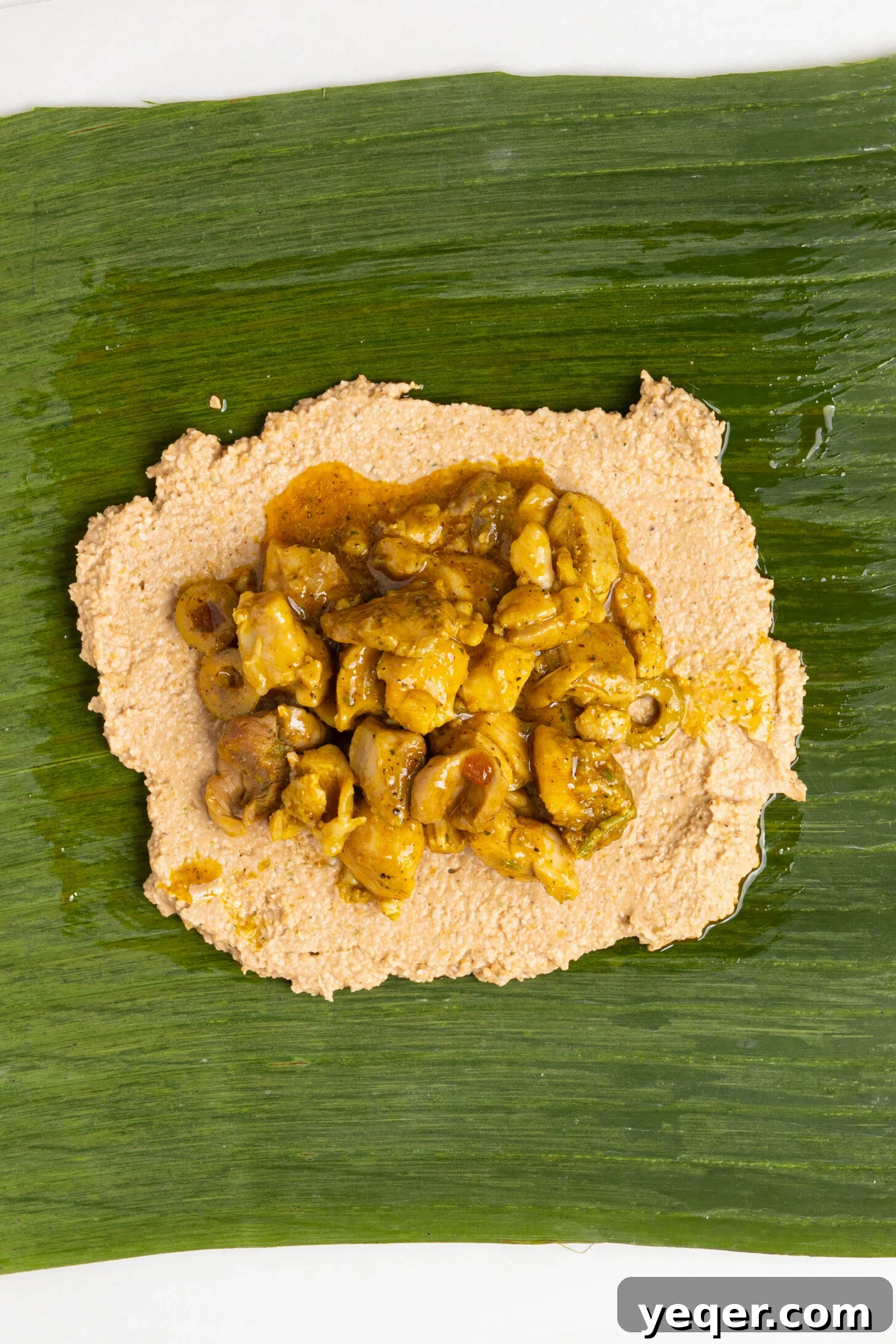
- Add Masa and Filling. Lightly brush the banana leaf with achiote oil. Take approximately ½ cup of the prepared masa and spread it thinly into an oval shape at the center of the oiled banana leaf using a spatula. Ensure the masa layer is even. Then, spoon a couple of generous spoonfuls of the cooled meat filling onto the center of the masa.
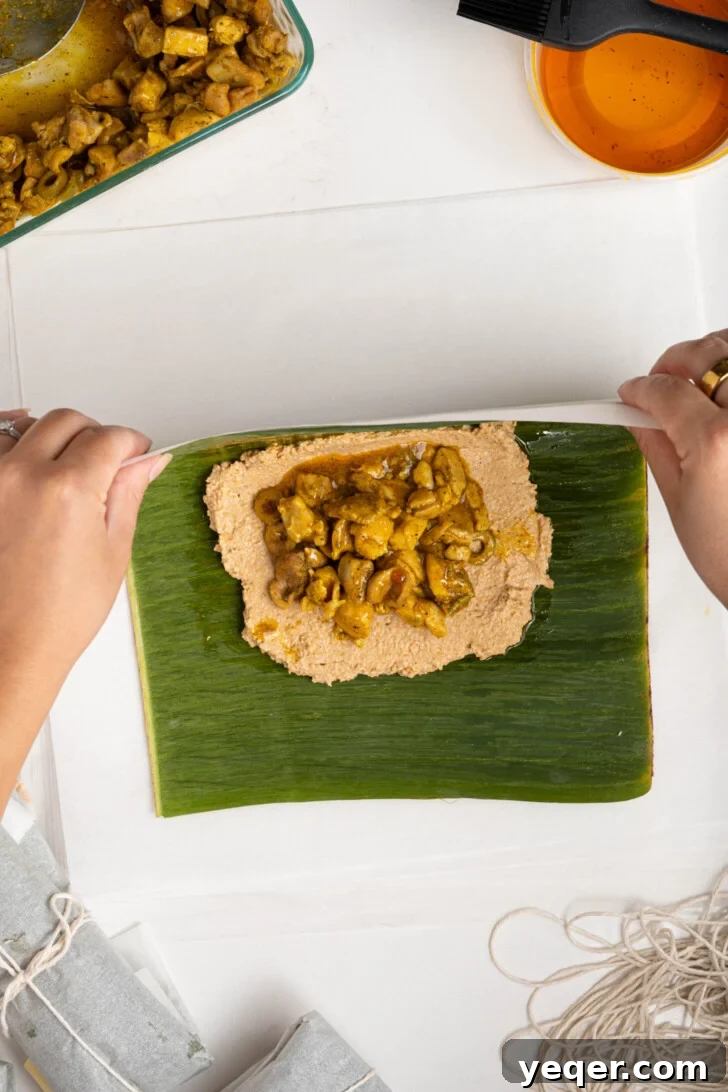
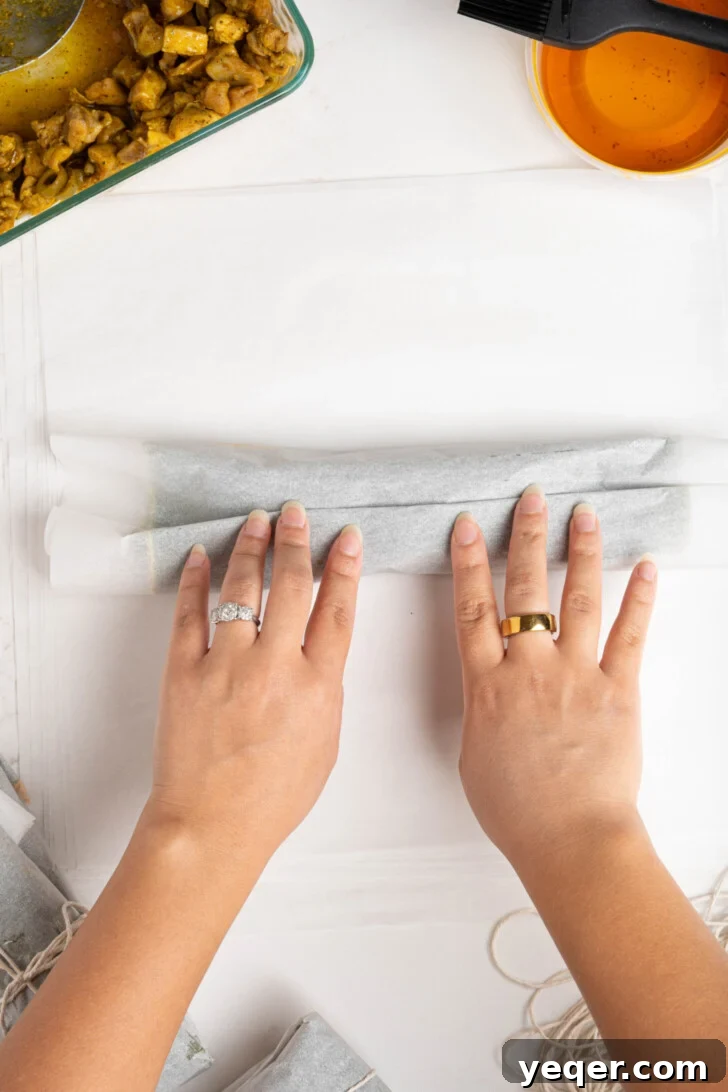
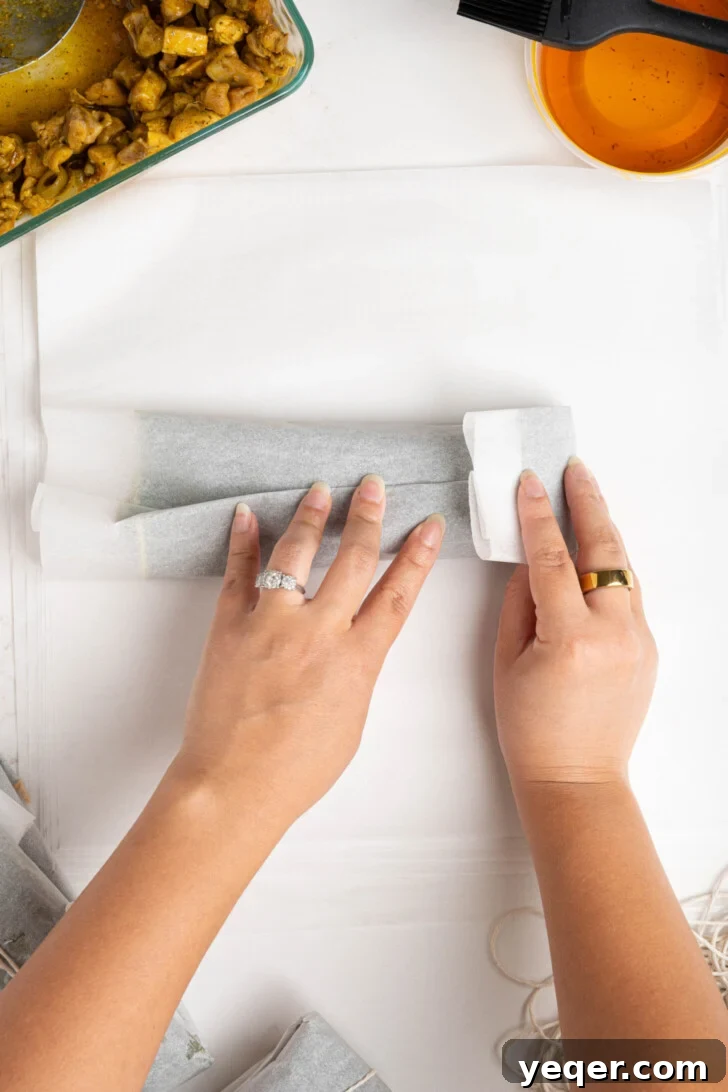
- Fold and Seal the Pasteles. To close the pastel, carefully pull up one side of the banana leaf and parchment paper and fold it in half, bringing it over the filling and masa. Gently press to enclose the filling within the masa. Continue folding the paper (and the leaf) inwards until they meet at the center, creating a tightly sealed pocket. Finally, fold the empty edges of the banana leaf and parchment paper on both sides over the pastel to create a compact, rectangular package. Repeat these meticulous steps until all your filling or masa has been used.
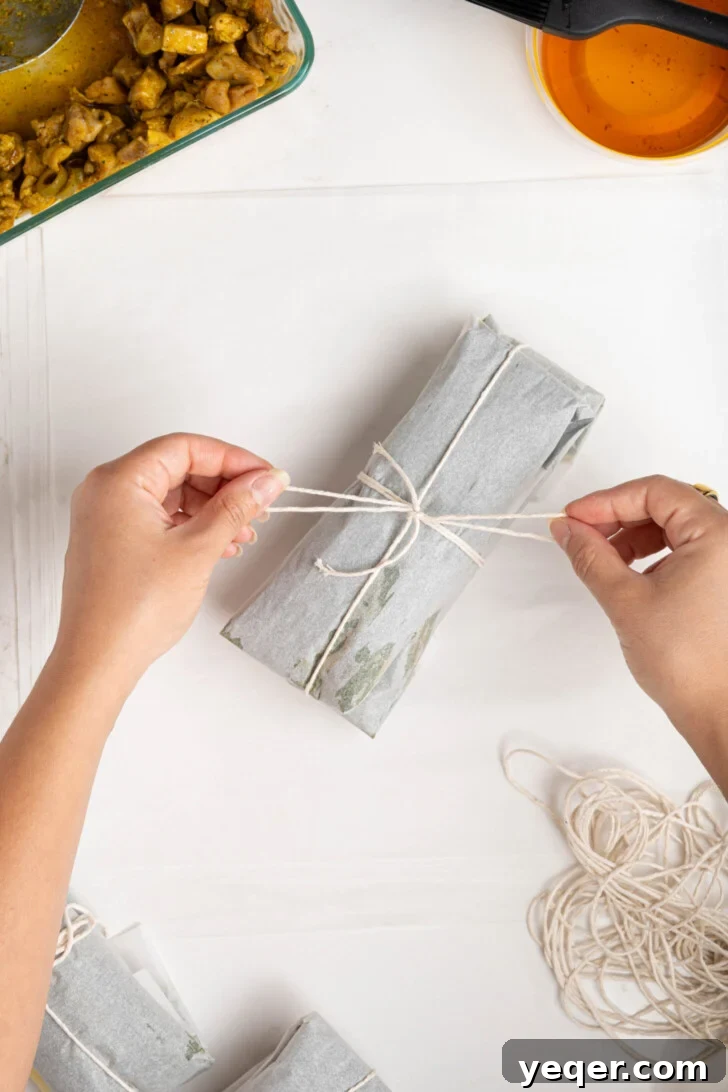
- Tie and Prepare for Cooking or Freezing. Stack two completed pasteles on top of each other. Using a long piece of cooking twine, securely tie them both vertically and horizontally, much like you would wrap a gift box. This ensures the pasteles hold their shape during cooking. Once all pasteles are tied, you have two options: either cook them immediately or store them for future enjoyment. If saving for later, place the tied pasteles in an airtight freezer-safe container or bag and freeze them. If cooking immediately, proceed to the next step.
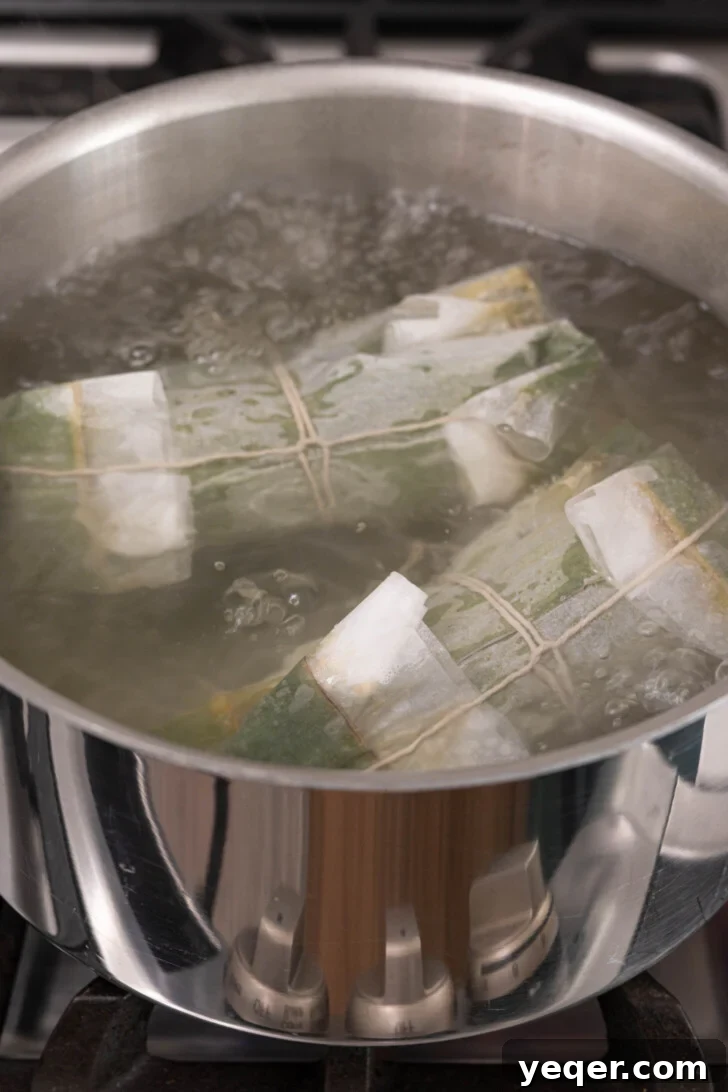
- Boil the Pasteles. For immediate cooking, bring a large pot of generously salted water to a rolling boil. Carefully add the tied pasteles to the boiling water, then reduce the heat to a gentle simmer. Cook for 1 hour if fresh, or for 1 hour and 20 minutes if cooking directly from frozen. Ensure they are fully submerged. Once cooked, carefully remove the pasteles from the hot water using sturdy tongs.
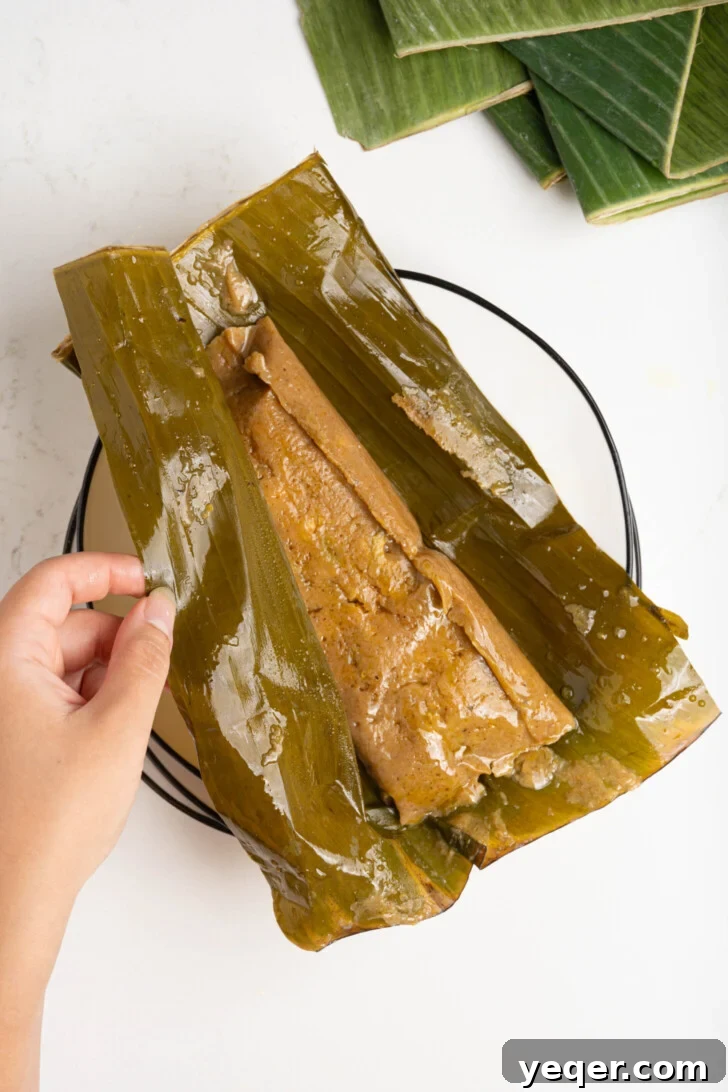
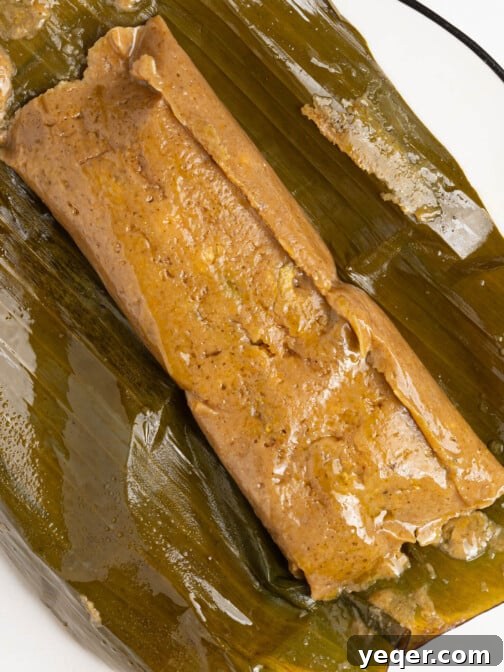
- Unwrap and Serve. Allow the cooked pasteles to cool for about 10 minutes before carefully unwrapping them. Be cautious of the hot steam trapped inside. Serve your authentic Puerto Rican pasteles warm, accompanied by arroz con gandules, and topped with your choice of ketchup or zesty pique (Puerto Rican hot sauce).
Equipment
Box Grater
Buy Now →
Food Processor
Buy Now →
Tongs
Buy Now →
Parchment Paper Sheets
Buy Now →
Food Safe Gloves
Buy Now →
Cooking Twine
Buy Now →
Notes
- Both the flavorful meat filling and the masa can be meticulously prepared a day in advance and refrigerated until you are ready for the assembly stage. This greatly aids in breaking down the preparation time.
- When boiling pasteles directly from their frozen state, ensure to cook them for an additional 15-20 minutes longer than fresh pasteles, for a total of approximately 1 hour and 20 minutes, to ensure they are thoroughly heated and cooked through.