
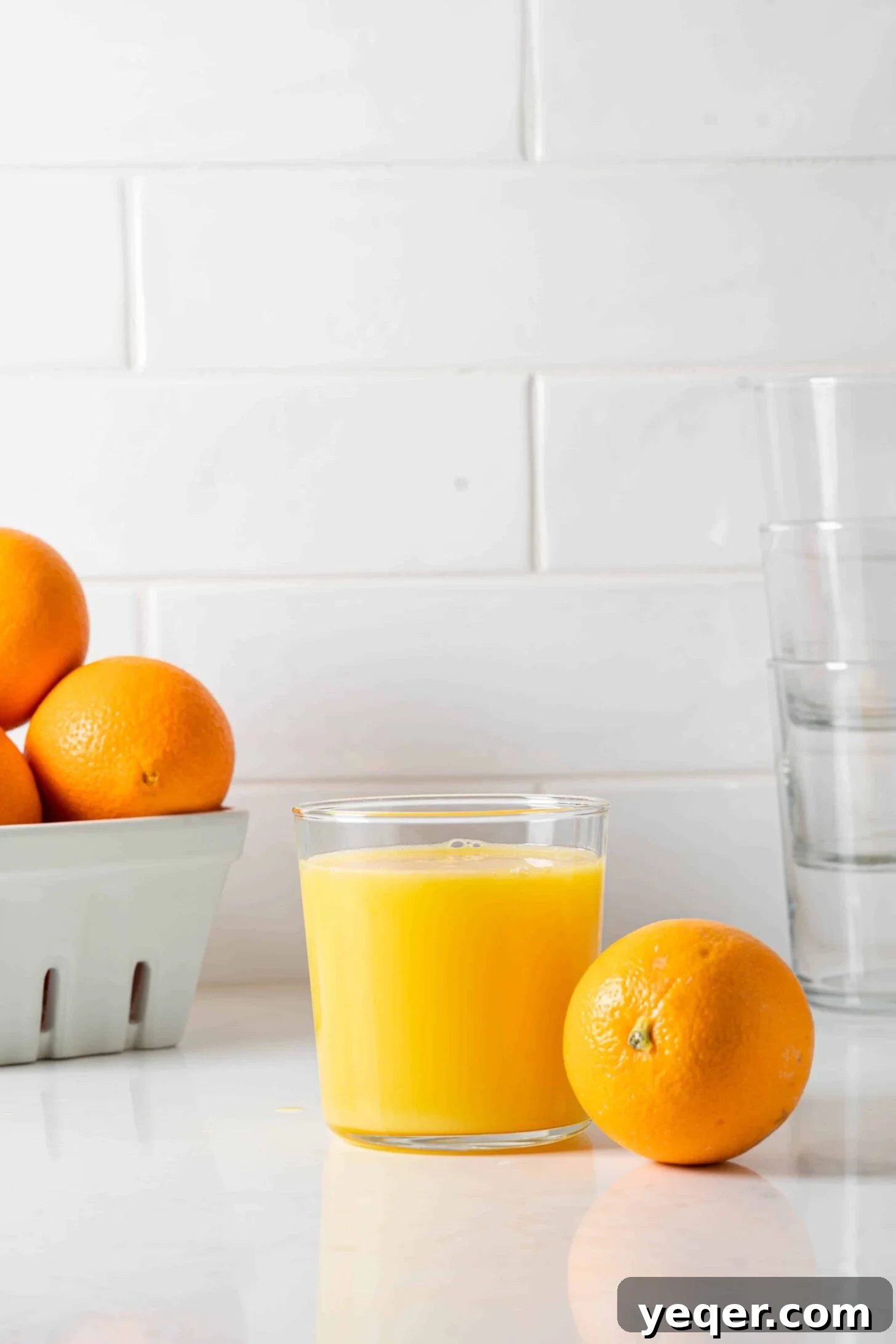
There’s nothing quite like the vibrant, zesty flavor of a glass of freshly squeezed Orange Juice. While often associated with warm summer days, the cold winter months actually mark the peak season for many citrus fruits, making it the perfect time to enjoy this invigorating drink. Forget store-bought cartons laden with added sugars and preservatives; making your own orange juice from scratch is surprisingly simple, deeply rewarding, and requires no elaborate gadgets. All you truly need are a dozen of your favorite oranges, a sharp knife, and your own two hands to create a beverage that’s pure, natural, and bursting with flavor.
For many, homemade orange juice holds a special place in their heart, evoking cherished memories and a taste of authentic tradition. My personal journey with this delightful beverage began in the bustling marketplaces of Morocco. After hours spent wandering through the vibrant souks, a glass of freshly pressed orange juice was the ultimate thirst-quencher. It was a revelation, completely transforming my perception of what orange juice could be – a simple pleasure that tasted impossibly sweet and satisfying, despite being made with just one ingredient and absolutely no added sugar.
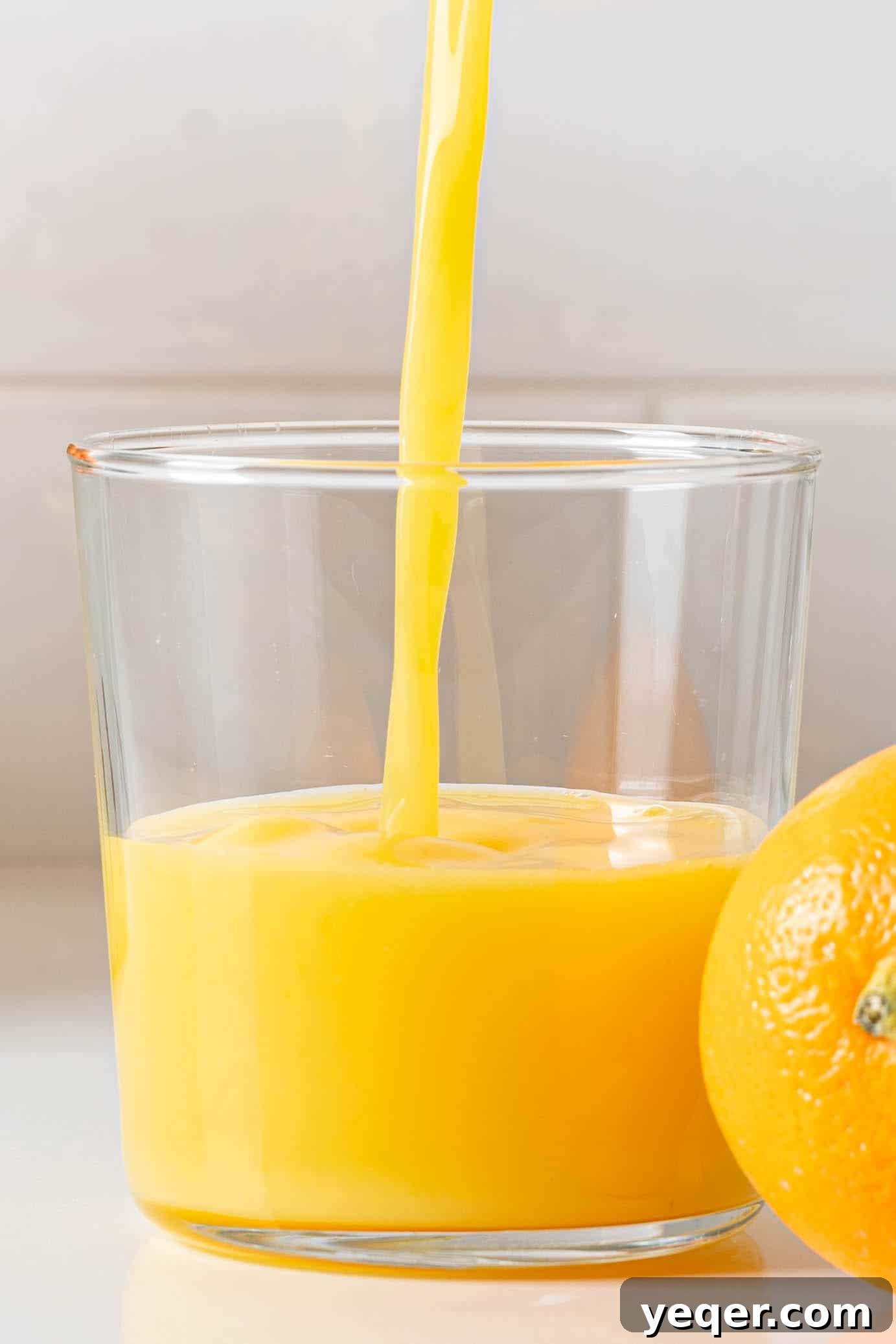
This simplicity, combined with profound flavor, is one of the most enchanting aspects of Moroccan cuisine and culture. It’s a testament to how humble, natural ingredients can come together to create something truly magical. If you appreciate the authentic taste of traditional Moroccan beverages, you’ll also adore this Moroccan mint tea, another staple that embodies the country’s rich culinary heritage.
Beyond its incredible taste and nostalgic value, freshly squeezed orange juice offers a plethora of health benefits. Oranges are a powerhouse of Vitamin C, a crucial antioxidant that supports immune health, aids in collagen production for healthy skin, and helps protect cells from damage. This natural elixir also provides essential electrolytes, making it a fantastic hydrator, especially after physical activity. Unlike many processed drinks, homemade orange juice contains natural fruit sugars, accompanied by beneficial fiber (especially with pulp) and other vitamins and minerals like potassium and folate, contributing to overall well-being. It’s a refreshing, delicious, and nutritious choice to kickstart your day or re-energize in the afternoon.
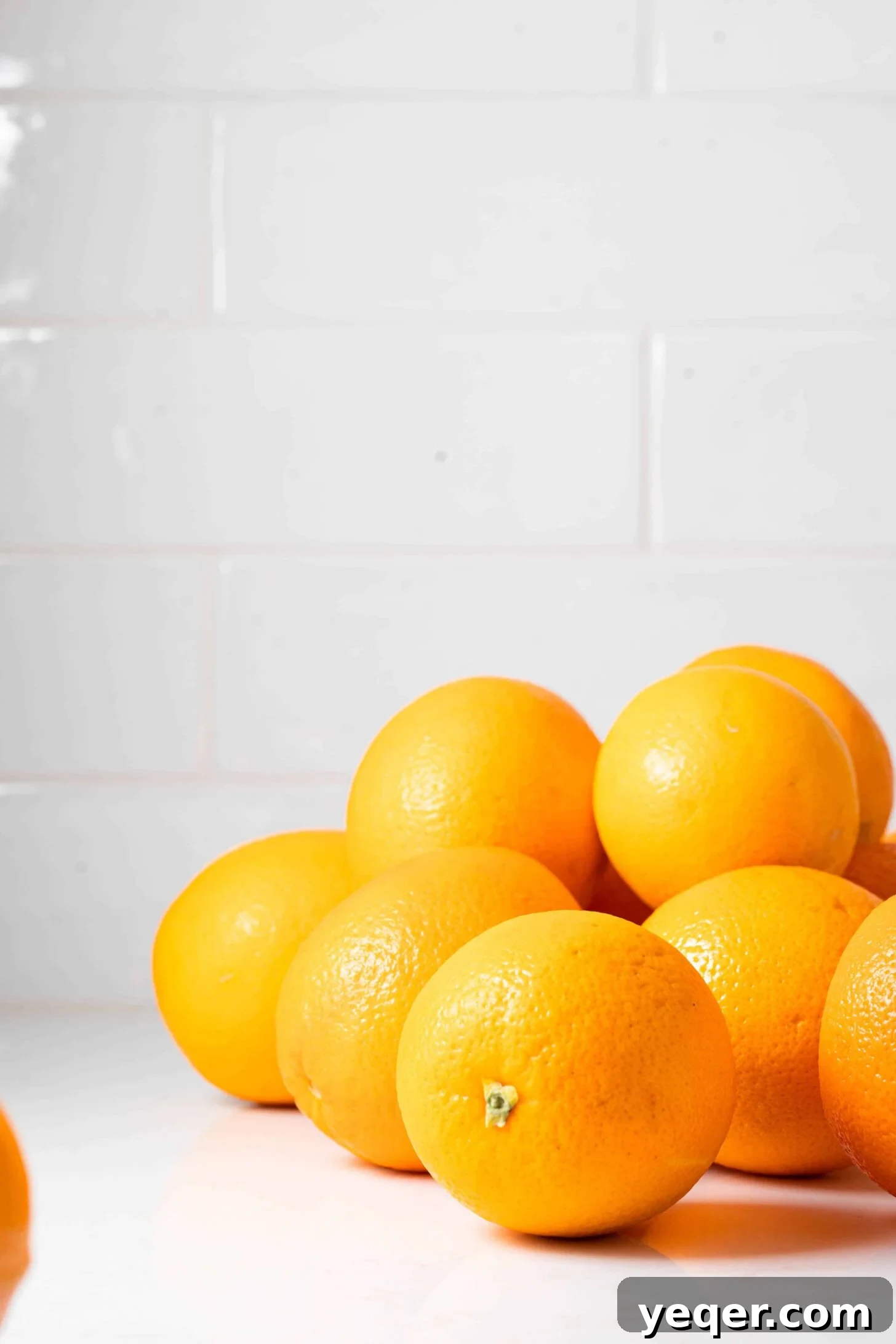
Picking the Perfect Oranges for Juicing
The secret to exceptional homemade orange juice starts with selecting the right fruit. While personal preference plays a huge role, experimenting with different varieties can lead to delightful discoveries. When browsing the produce aisle, look for oranges that feel heavy for their size – this indicates a high juice content. The skin should be smooth, firm, and bright in color, free from soft spots or blemishes. While I’ve had fantastic success with various types, here’s a quick guide to some popular choices:
- Navel Oranges: These are a go-to for many juicers. They are seedless, easy to peel, and offer a sweet, slightly tangy flavor. Their peak season is typically winter, making them readily available when you crave fresh juice.
- Valencia Oranges: Known as the “juicing orange,” Valencias are prized for their high juice content and balanced sweet-tart flavor. They tend to have a few seeds but yield a bright, flavorful juice that’s perfect for a classic OJ experience. Their season extends from spring into summer.
- Cara Cara Oranges: A type of Navel orange, Cara Caras are distinctive for their beautiful pinkish-red flesh. They boast a sweet flavor with notes of berry and cherry, offering a unique and complex twist to your juice.
- Blood Oranges: These striking oranges are famous for their deep red pulp, which gives the juice a stunning hue. Their flavor is often described as a mix of orange and raspberry, with a slightly tart finish. They are a winter favorite and can add an elegant touch to your drink.
Don’t hesitate to trust your instincts when selecting. Pick your favorite variety, or mix and match a few for a customized blend, and get ready to create your signature glass of sunshine!
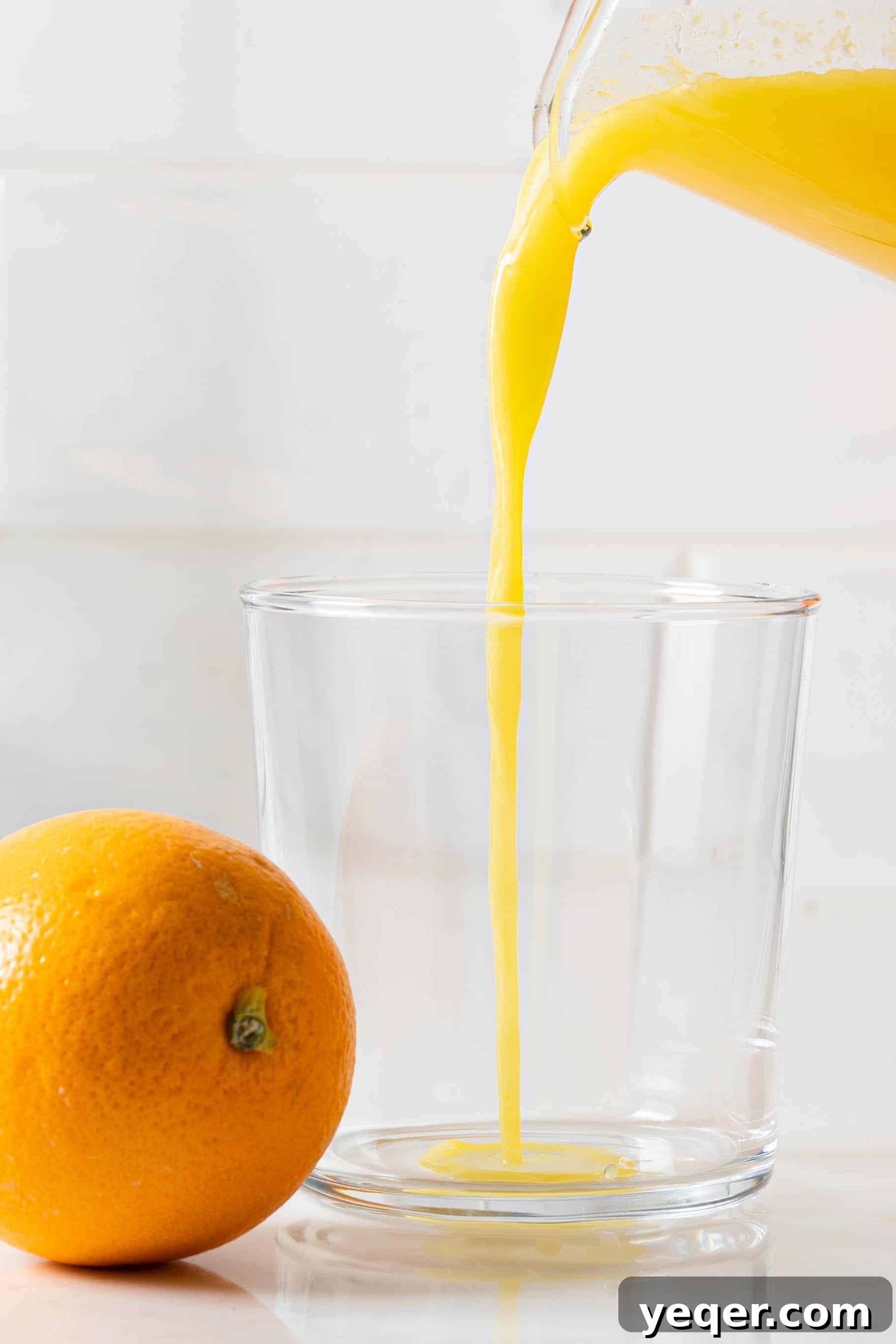
How to Effortlessly Make Your Own Fresh Orange Juice
Crafting homemade orange juice is wonderfully versatile, with several methods to achieve a delicious result. As someone who appreciates simplicity and aims to minimize kitchen clutter, I’m excited to share various techniques, starting with the most basic that requires virtually no special equipment. Choose the method that best suits your kitchen and lifestyle, and prepare to be amazed by the natural goodness you can create.
Featured Review
I want to share that my daughter wants to have an orange juice stand instead of lemonade stand. My husband asked her why and I realized it started with me making her a glass of fresh orange juice last summer. She never forgot it and when she saw lemonade stand ideas she just kept thinking “I can make orange juice!” I was looking up recipes and came across yours and really appreciated your story about trying it in Morocco. It’s a very special connection.
Marissa
The Iconic Orange Juice Experience in Marrakech
The memory of orange juice in Marrakech isn’t just about the drink itself; it’s an immersive sensory experience that encapsulates the spirit of the city. In Djemaa el-Fna, the famous main square, you’ll find countless vendors, their carts piled high with pyramids of vibrant, sun-kissed oranges. Their warm, inviting voices echo through the marketplace, calling out to passersby, eager to offer a glass of their freshly pressed elixir. The air is thick with the sweet, citrusy aroma, mingling with the scent of spices, leather, and Moroccan pastries.
Growing up, my dad would often take us back to his hometown, and we’d spend countless hours exploring the labyrinthine alleys of the Medina. He spoke of a childhood filled with adventures in this globally renowned market – playing soccer in the corridors, walking to school with friends, and diligently saving up his pocket money for a coveted glass of cold, refreshing orange juice. This isn’t just a drink in Marrakech; it’s a cultural symbol, a taste of tradition, and a liquid memory passed down through generations. Each sip transports you to the heart of Morocco, a vibrant blend of history, community, and unparalleled natural sweetness.
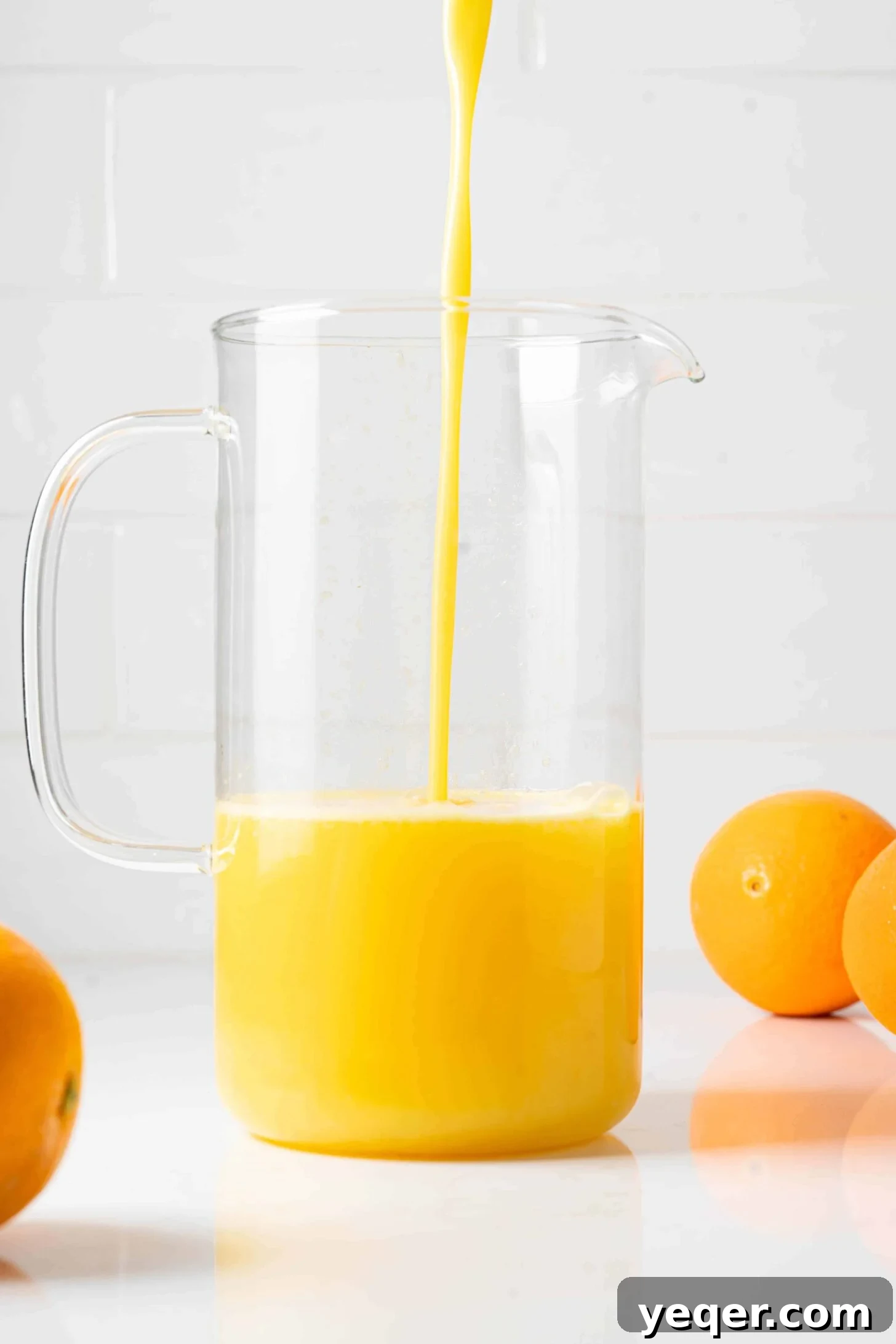
The Great Debate: Pulp vs. No Pulp
Ah, the classic orange juice conundrum that has divided breakfast tables for decades: to pulp, or not to pulp? Honestly, I find joy in both forms and don’t have a strong preference. Orange juice, whether silky smooth or delightfully textured, remains a delicious treat. However, the choice is entirely yours, and each has its merits.
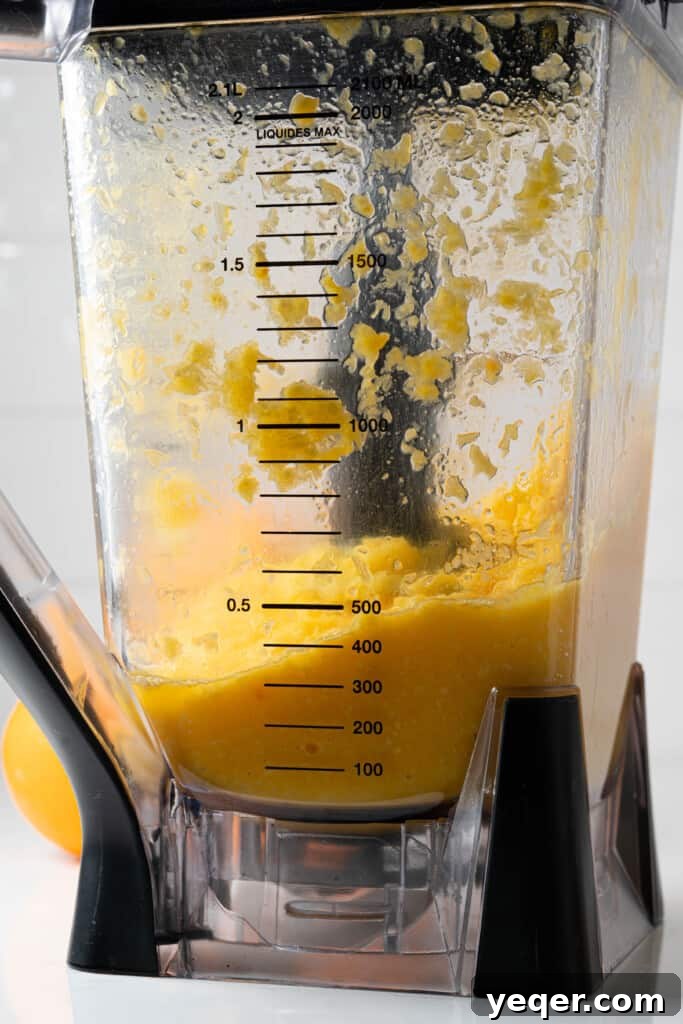
For those who love a bit of texture and appreciate the added fiber, leaving some pulp in your juice is the way to go. The pulp contains dietary fiber, which is beneficial for digestion and can help you feel fuller for longer. If you’re using a blender, you’ll naturally get more pulp, and you can adjust the straining process to keep as much or as little as you like.
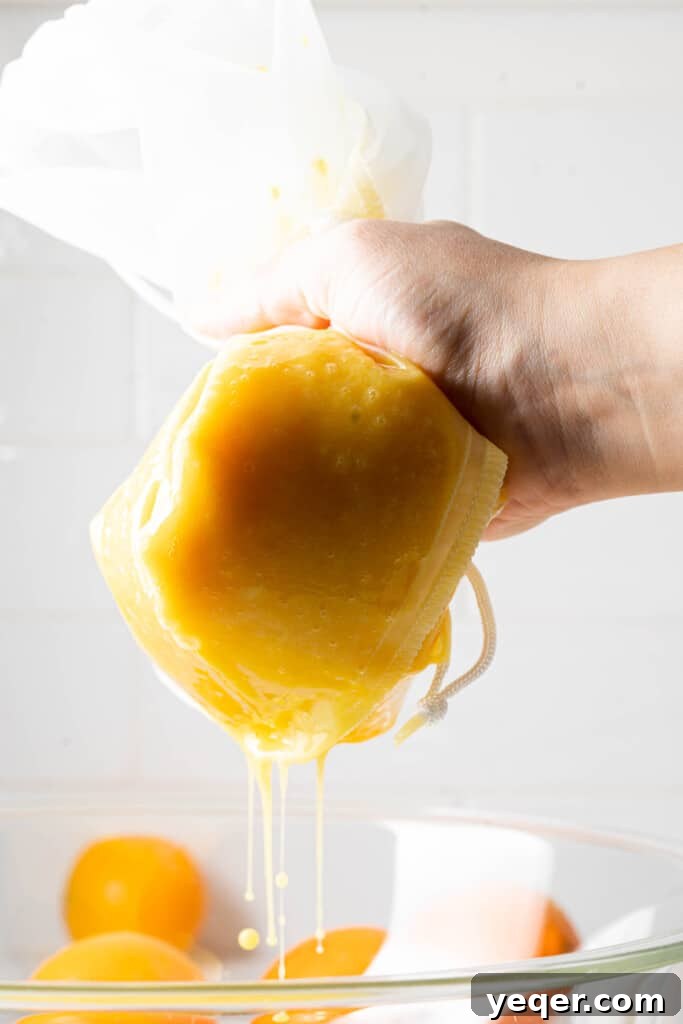
On the other hand, if you belong to the ‘no pulp’ camp and prefer a perfectly clear, smooth beverage, achieving this is quite simple. After juicing, simply run your juice through a fine-mesh strainer multiple times. For an even smoother result, consider lining your strainer with a piece of cheesecloth or a nut milk bag. This will effectively remove almost all solids, leaving you with a wonderfully clean and pulp-free orange juice experience. Experiment to find your perfect consistency!
Serving, Storage, and Creative Uses
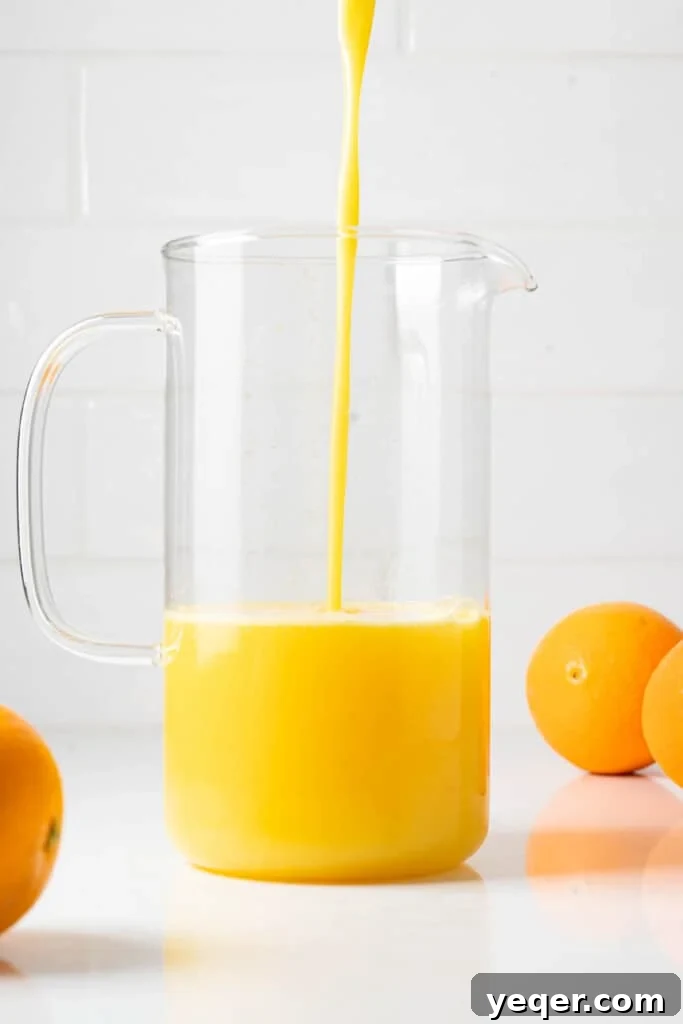
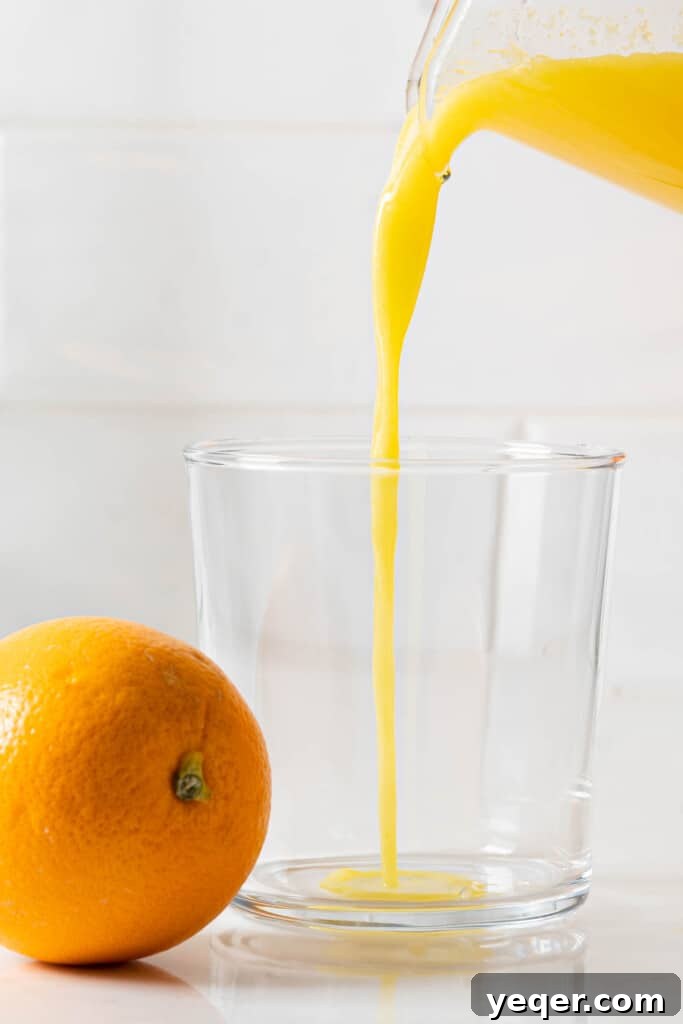
Once you’ve crafted your perfect batch of fresh orange juice, serving and storing it properly will ensure you enjoy every last drop. Serve your homemade orange juice chilled, perhaps over ice, for the most refreshing experience. A slice of orange or a sprig of mint can add a lovely garnish, elevating the presentation.
For storage, this fresh juice should be kept in an airtight jar or container in your refrigerator. It’s best enjoyed within 2-3 days to preserve its peak flavor and nutritional value. Over time, the flavor can become slightly bitter, and nutrient content may diminish. If you’ve made a larger batch or want to enjoy fresh orange juice beyond a few days, freezing is an excellent option. Pour the juice into ice cube trays and freeze until solid. Once frozen, transfer the juice cubes to a freezer-safe bag or container. These frozen cubes can be stored for up to 2 months and are perfect for dropping into water, smoothies, or thawing for a quick glass of juice.
Don’t stop at just drinking it! Fresh orange juice is a versatile ingredient. Use it to brighten up salad dressings, marinate poultry or fish, or incorporate it into delicious cocktails and mocktails. For a fun treat, blend frozen orange juice cubes with a banana for a simple, healthy sorbet. You can even use the leftover orange peels to make candied orange peel or infuse vinegar for a natural cleaner.
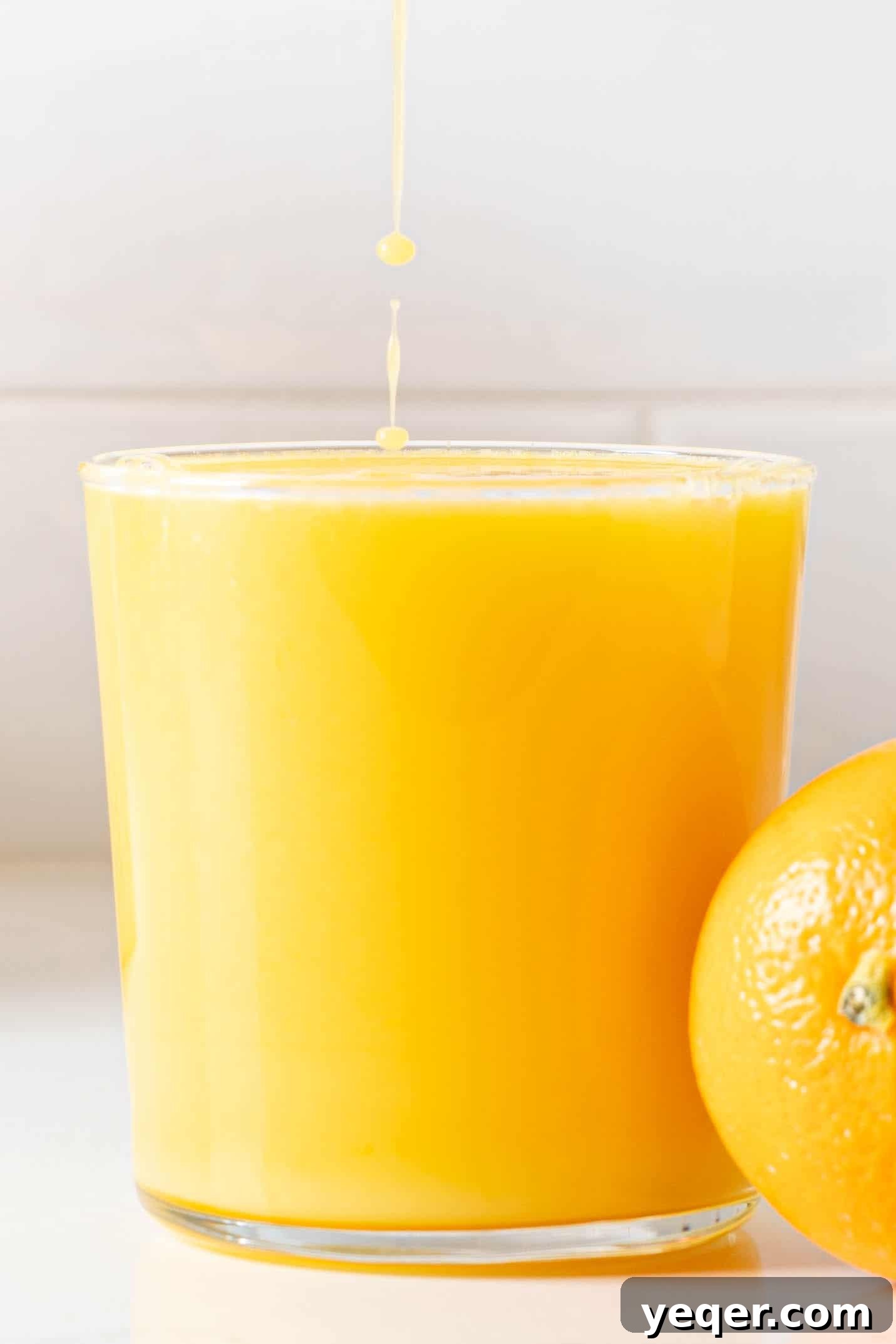
Embracing the simplicity of freshly squeezed orange juice is a delightful journey back to nature’s purest flavors. Whether you’re drawn to its health benefits, nostalgic charm, or simply the unparalleled taste, making your own at home is an easy and rewarding endeavor. So grab those oranges, choose your preferred method, and embark on your own happy juicing adventure!

Fresh Squeezed Orange Juice
5 from 1 review
Author: Salima Benkhalti
Prep Time: 5 minutes
Total Time: 20 minutes
Yield: 2 glasses 1x
Category: Beverages, Drinks, Juice
Method: Raw
Cuisine: American, Moroccan
Diet: Vegan
Description
Fresh squeezed Orange Juice is the perfect refreshing drink any time of year, and you’ll be amazed by how easy it is to make with 0 sugar added or complicated gadgets. All you’ll need are a dozen oranges, a sharp knife, and your hands!
Ingredients
Scale
- 12 oranges (choose from Navel, Cara Cara, Valencia, Blood oranges, or your preferred variety)
Instructions
Method 1: With Your Hands
- Thoroughly rinse your oranges under cold water. Slice each orange in half horizontally. Over a clean glass or bowl, firmly squeeze each orange half with your hands, twisting and pressing to extract as much juice as possible. Continue this process until you have enough for a full glass. For added ease, a simple handheld citrus reamer can be used to help extract more juice.
Method 2: With a Blender
- Begin by peeling your oranges, making sure to remove as much of the bitter white pith as possible. Chop the peeled oranges into quarters before tossing them into your blender. Blend on high until the mixture is completely smooth and consistent. To separate the juice from the pulp, pour the blended mixture through a fine mesh strainer or a clean cheesecloth-lined colander, pressing firmly on the solids to extract all the liquid.
Method 3: With an Electric Juicer
- Give your oranges a good wash. Depending on your juicer model, you may need to roughly chop them into pieces that fit the feed chute. For some juicers, you can even include the peel. Simply feed the prepared oranges into your juicer. The machine will efficiently separate the juice from the pulp, yielding a smooth and delicious cup of orange juice.
Method 4: The Moroccan Way (Using a Manual Press Juicer)
- For this traditional method, you will need a sturdy manual press tool. Rinse your oranges and slice them in half. Place one orange half, cut-side down, into the well of the press. Firmly pull down the lever to squeeze the juice directly into your glass or pitcher. Repeat with the remaining orange halves until you’ve made enough juice.
Equipment
Cheesecloth
Buy Now →
Ninja Blender
Buy Now →
Notes
For optimal freshness and flavor, this juice should be stored in an airtight jar in your fridge and consumed within 2-3 days. To extend its enjoyment, freeze the juice in ice cube trays. Once frozen, transfer the cubes to a freezer-safe bag or container and enjoy for up to 2 months after preparation. Thaw as needed or add directly to smoothies.