
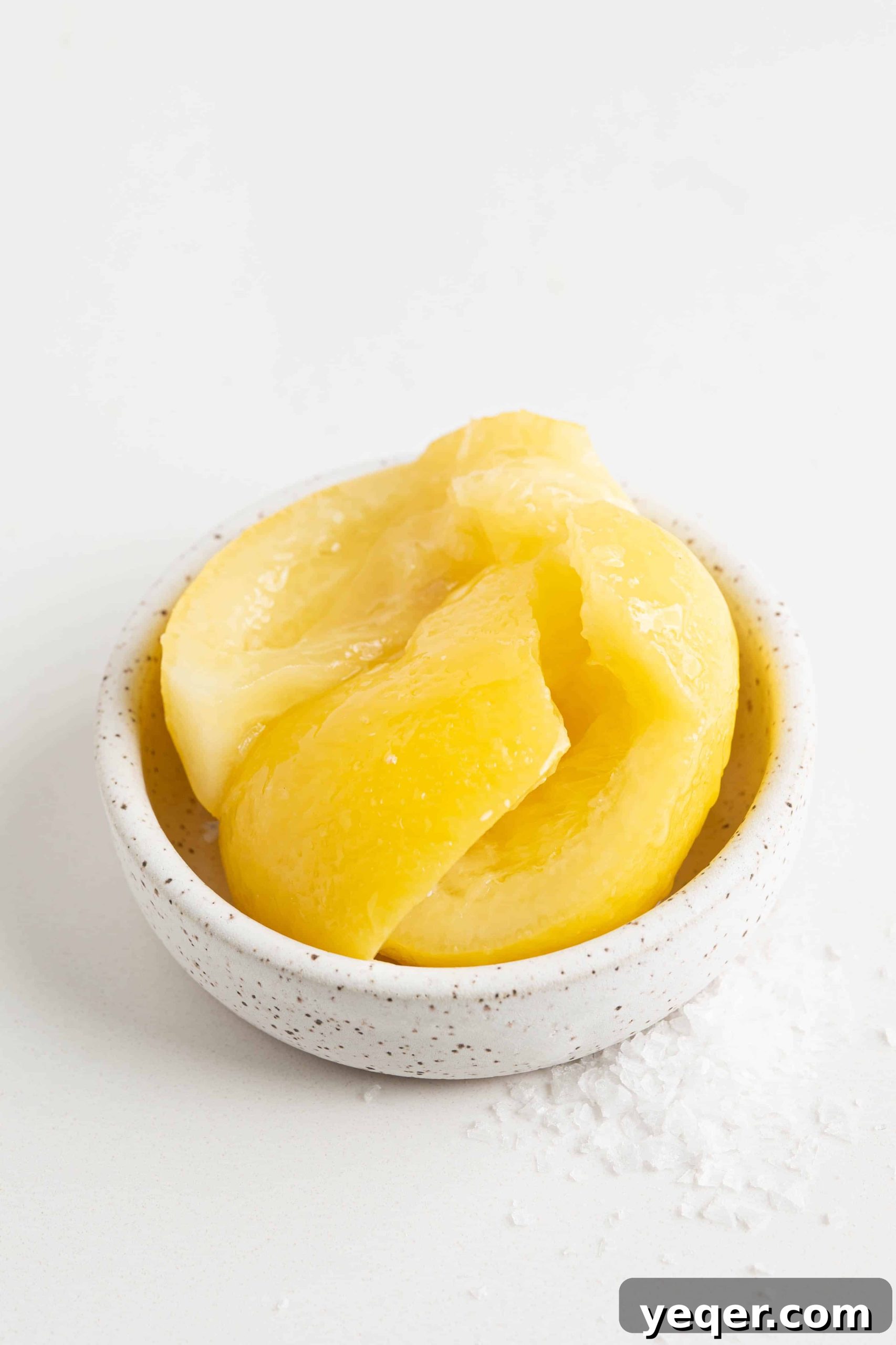
Welcome to the heart of Moroccan cuisine, where **Preserved Lemons** are not just an ingredient but a culinary cornerstone. This quick and remarkably easy recipe allows you to transform ordinary lemons into a staple that imparts an extraordinary depth of flavor to an extensive array of Moroccan marinades, tagines, salsas, sauces, and countless other dishes. With a preparation time of under 10 minutes, you’ll be well on your way to crafting your own batch of these golden treasures, yielding typically 6 perfectly preserved lemons ready to elevate your cooking.
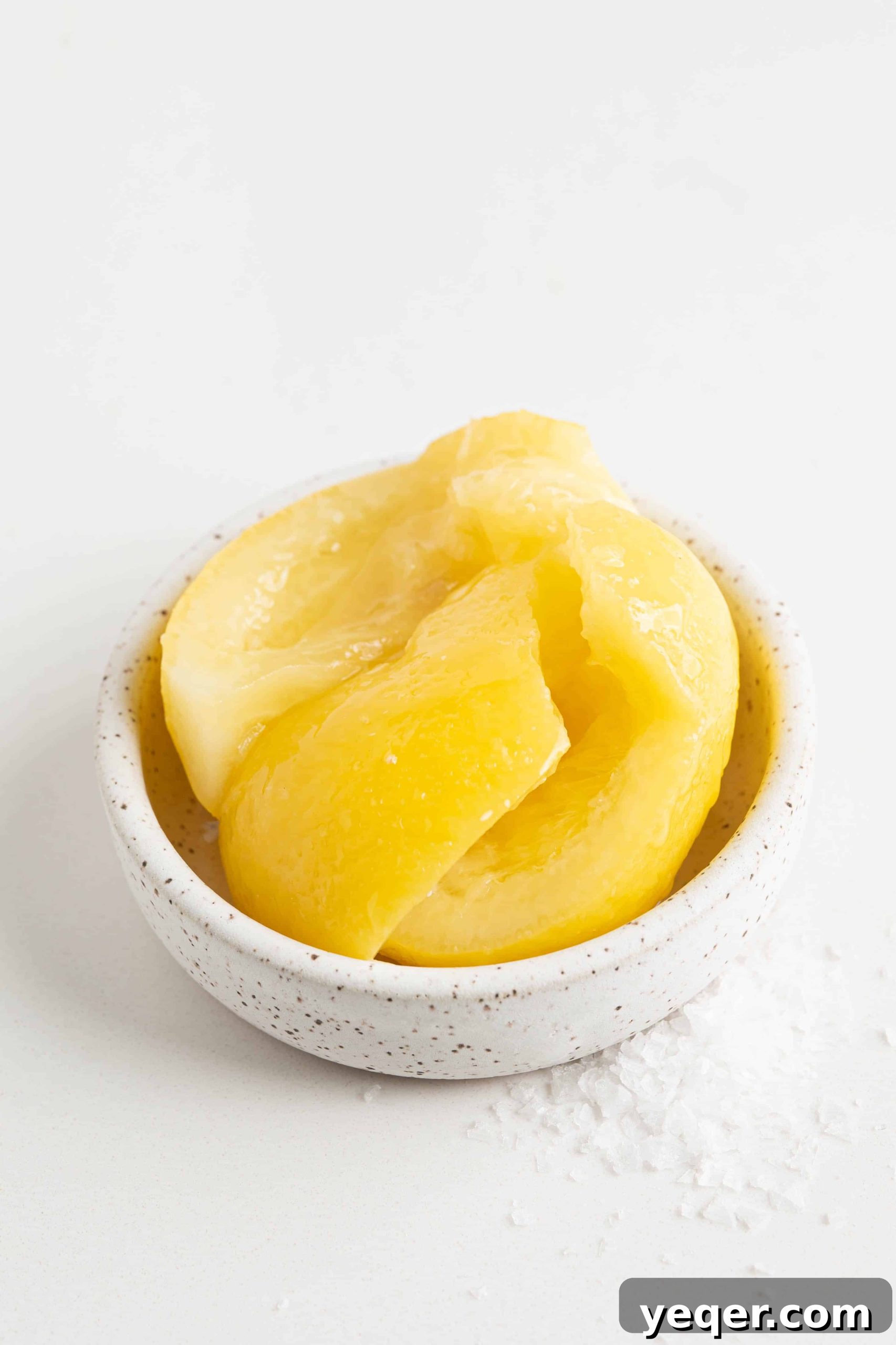
If the allure of this distinct lemon flavor captivates you, you’ll undoubtedly appreciate its celebrated role in authentic Moroccan recipes. Imagine the richness it brings to a homemade chermoula marinade, the soul-warming essence it lends to a classic Moroccan chicken tagine, or the complex notes it adds to a succulent lamb shank tagine. These are just a few examples where the humble preserved lemon truly shines, transforming good food into unforgettable culinary experiences.
The Art of Making Preserved Lemons: A Simple Guide
Crafting your own preserved lemons at home is a rewarding process that requires minimal effort but yields maximum flavor. This ancient technique, perfected over generations, is surprisingly straightforward. Below, we’ll walk through each step, ensuring you achieve perfect results every time.
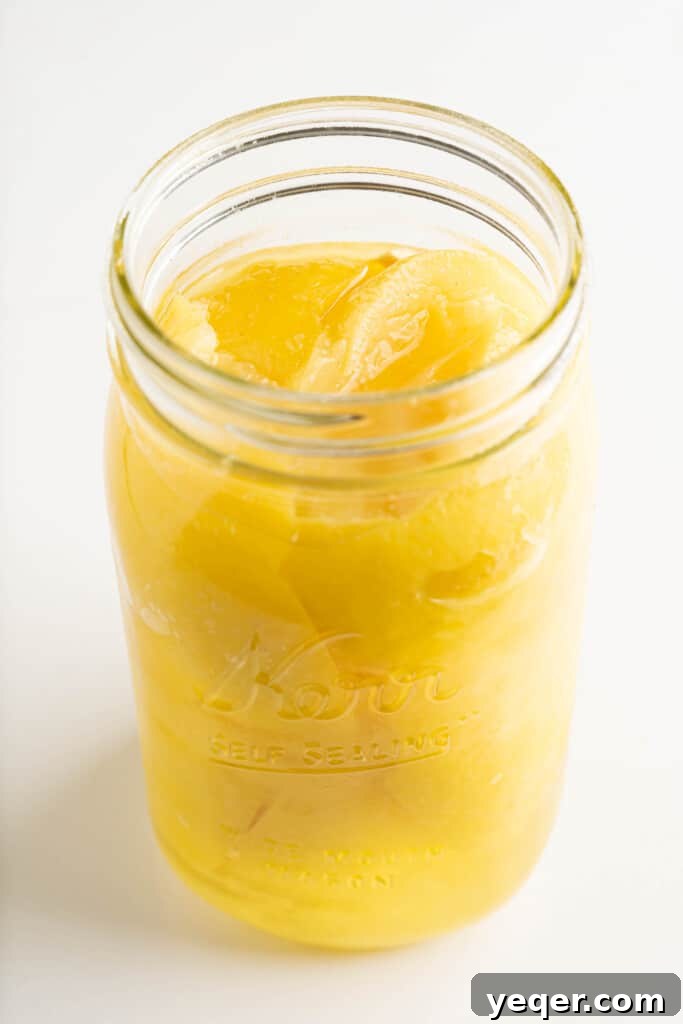
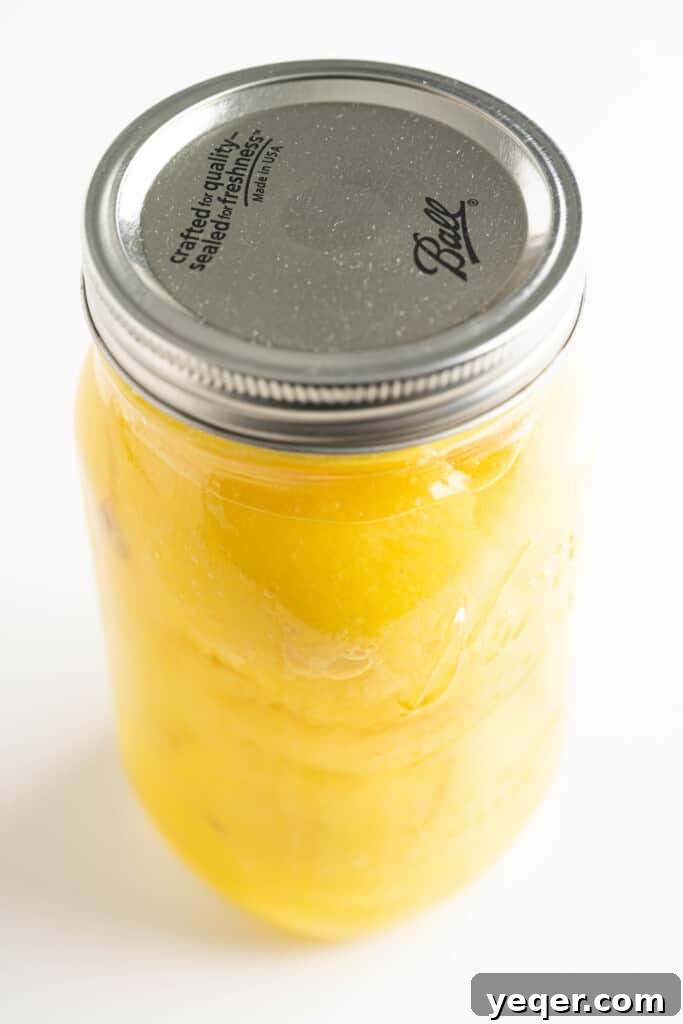
Fresh vs. Preserved: A Flavor Transformation
If you’re new to the world of preserved lemons, you might wonder what all the fuss is about. The distinction between a freshly squeezed lemon and its preserved counterpart is truly remarkable – a difference akin to night and day.
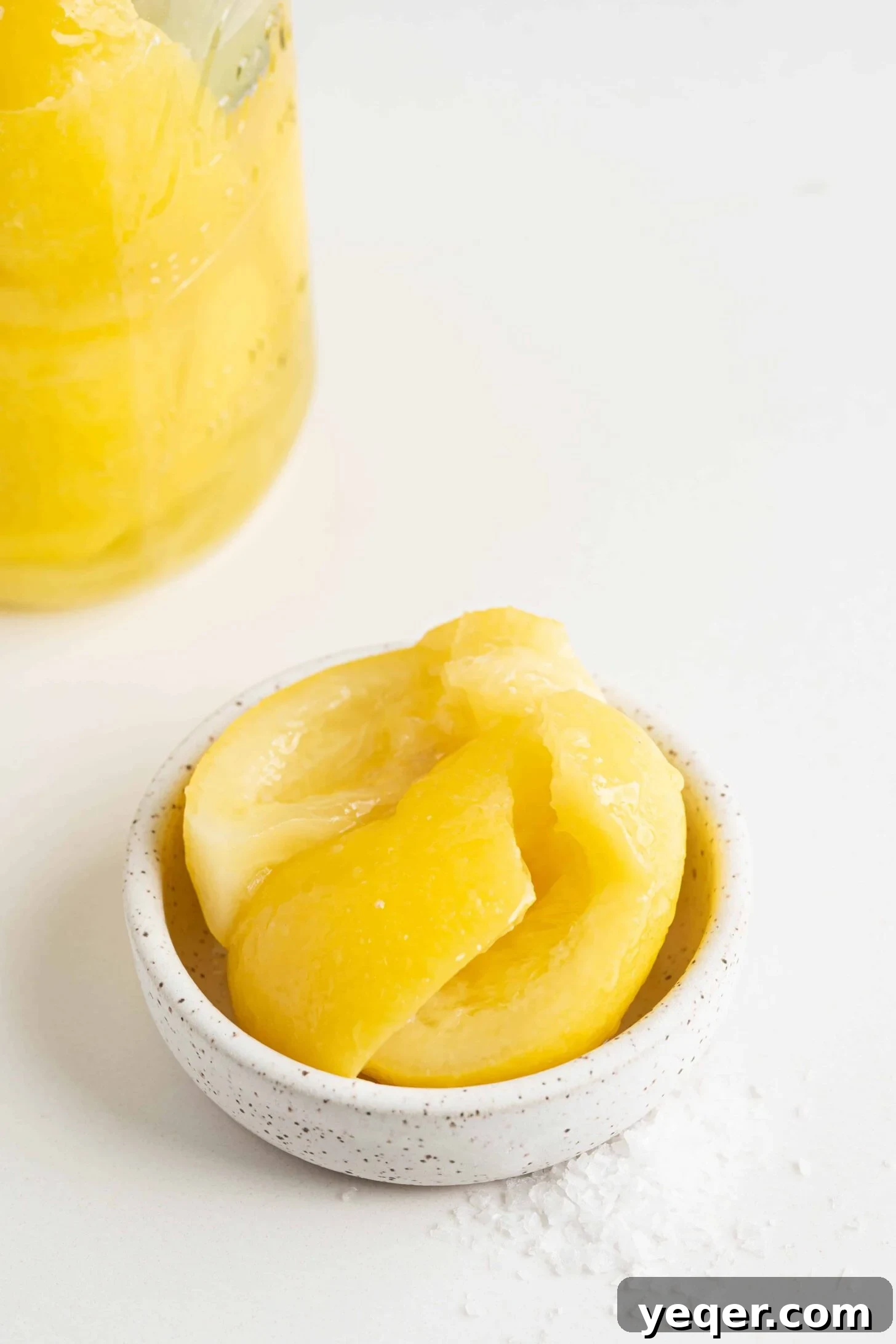
While fresh lemons are celebrated for their vibrant, sharp acidity and bright citrus notes, the preservation process mellows this intense sourness. The result is a profound transformation, yielding a rich, complex, and distinct umami lemon flavor that is deeply aromatic and wonderfully savory. The salt draws out the bitterness and tenderizes the peel, creating a silky texture and an intensely concentrated lemon essence that cannot be replicated with fresh lemons alone.
This simple recipe, calling for only two core ingredients – lemons and salt – produces an incredibly rich and nuanced flavor that adds an unparalleled depth to virtually any savory dish. It’s an indispensable secret weapon in many culinary traditions, particularly Moroccan.

Unlocking Flavor: Diverse Uses for Preserved Lemons
Preserved lemons are a gateway to authentic flavors, especially in North African and Middle Eastern cooking. Many of Morocco’s most cherished recipes rely on this special ingredient to develop their signature rich and unique broth. The intense, salty, tangy, and subtly sweet notes of preserved lemons can elevate a dish from good to extraordinary. The tender, aromatic peel is often the most prized part, bringing a concentrated burst of flavor.
Here are some of my absolute favorite recipes that beautifully showcase your freshly preserved lemons:
Beyond specific recipes, the versatility of preserved lemons knows few bounds. Here are some general ideas to inspire your culinary creations:
- **Marinades:** Finely minced preserved lemon peel adds an incredible zest and depth to marinades for chicken (as pictured below), fish, and a medley of vegetables. It tenderizes and infuses them with an exotic flavor.
- **Stews and Soups:** Stirring in a spoonful of chopped preserved lemon peel can brighten and add complexity to hearty stews, lentil soups, or even simple broths.
- **Salsas and Sauces:** Incorporate finely diced preserved lemon into fresh salsas for grilled fish, or whisk it into creamy sauces to cut through richness and add a surprising tang.
- **Roasted Dishes:** Place pieces of preserved lemon in the cavity of a roasting chicken or under the skin. Toss with roasted potatoes, carrots, or asparagus for an irresistible flavor boost.
- **Salads:** Add a delicate, briny tang to green salads, grain bowls, or even potato salads.
- **Dressings:** Emulsify a small amount of minced preserved lemon into your vinaigrettes for a unique twist.
Choosing the Perfect Lemons for Preservation
The success of your preserved lemons begins with the right choice of fruit. Opt for organic, thin-skinned lemons whenever possible. Since you’ll be using the entire peel, organic ensures you avoid unwanted pesticides and waxes. Meyer lemons are a popular choice due to their naturally thinner skin and slightly sweeter, more floral aroma, which translates beautifully into the preserved product. However, Eureka or Lisbon lemons also work wonderfully; just be sure they are firm, brightly colored, and free of blemishes. A good scrub under running water is essential to remove any surface dirt or natural waxes before you begin.
Understanding the Preservation Process: Salt, Time, and Flavor
The magic of preserved lemons lies in a simple yet powerful process of lacto-fermentation, driven by salt and time. The salt draws out moisture from the lemons, creating a brine that inhibits the growth of harmful bacteria while encouraging beneficial lactic acid bacteria. These good bacteria break down the lemon’s cellular structure, softening the peel and transforming its sharp acidity into a mellow, complex, and intensely savory flavor profile. The loose lid during the initial fermentation period is crucial to allow carbon dioxide, a byproduct of fermentation, to escape. This prevents pressure buildup and ensures a safe and effective preservation. Over the weeks, the lemons will visibly soften and shrink slightly, signaling their transformation. The aroma will also deepen, becoming more earthy and less aggressively acidic.
Storage and Shelf Life: Keeping Your Preserved Lemons Fresh
Once your preserved lemons have completed their initial three-week curing period, they are incredibly shelf-stable. Stored in an airtight jar in the refrigerator, submerged in their own brine, they can last for many months, even up to a year or more. Always ensure the lemons remain fully covered by the liquid; if needed, top up the jar with a little extra fresh lemon juice or even a small amount of boiled and cooled salted water. This prevents mold and maintains quality. To use, simply retrieve a lemon, rinse off any excess salt if desired (though often it’s not necessary depending on the dish), and use the peel, pulp, or both as needed. Always use clean utensils to avoid introducing contaminants to the jar.
Troubleshooting Common Preserved Lemon Issues
While making preserved lemons is generally straightforward, you might encounter a few minor issues. Don’t worry, most are easily remedied:
- **Mold:** If you see any black, green, or fuzzy mold on the surface, it usually means the lemons were not fully submerged in brine, or the jar wasn’t clean. Unfortunately, if mold appears, it’s best to discard the entire batch to be safe. This emphasizes the importance of cleanliness and ensuring lemons are always covered by liquid.
- **Not Softening:** If your lemons aren’t softening after the recommended time, they might need more time. Factors like lemon thickness or ambient temperature can affect the process. Give them another week or two in the refrigerator. Ensure they are well-packed and submerged.
- **Too Salty:** While preserved lemons are inherently salty, if you find them overwhelmingly so, a quick rinse under cold water before using can help reduce the saltiness without sacrificing flavor. You can also soak small pieces in fresh water for 10-15 minutes.
- **Too Sour:** If they retain too much sharp sourness, they likely need more time to ferment and mellow. Patience is key!
Variations on a Classic: Spiced Preserved Lemons
While the traditional preserved lemon recipe is perfection in its simplicity, you can certainly experiment with adding other aromatics for unique flavor profiles. Consider adding a few whole black peppercorns, a bay leaf, a cinnamon stick, a few cloves, or even a pinch of dried chili flakes to your jars alongside the lemons and salt. These spices will slowly infuse into the lemons as they preserve, adding subtle layers of warmth and complexity. Just remember that less is often more when it comes to spice, as the lemon’s unique flavor should remain the star.
Frequently Asked Questions About Preserved Lemons
Here are answers to some common questions about this unique ingredient:
- **Can I eat the pulp of preserved lemons?** Yes, the pulp is edible, though it can be more intensely salty and less aromatic than the peel. Many recipes primarily call for the peel, but the pulp can be used to thicken sauces or add a salty-tart kick, just be mindful of the overall salt content of your dish.
- **Do I need to rinse preserved lemons before use?** It depends on your preference and the dish. If you want to reduce the saltiness, a quick rinse is recommended. For dishes that can handle more salt, or if you prefer a bolder flavor, rinsing isn’t always necessary.
- **What kind of salt should I use?** Coarse sea salt or Kosher salt without iodine is generally preferred. Avoid iodized salt as it can sometimes affect the color and fermentation process.
- **Can I use limes or other citrus?** Absolutely! While lemons are traditional, the same method can be applied to preserve limes, oranges, or even grapefruits, each yielding a wonderfully distinct flavor. Preserved limes are particularly popular in Middle Eastern cuisine.
- **What if I don’t have enough lemon juice to cover?** You can press down harder on the lemons to extract more juice, or juice a few extra fresh lemons until the fruit is fully submerged. This step is critical for proper preservation.
Making preserved lemons is a rewarding journey into the rich tapestry of Moroccan cuisine. Their distinct flavor will elevate your cooking and introduce you to new culinary possibilities. *Bismillah*, let’s cook!

Print
Preserved Lemons (A Moroccan Cooking Staple)
5 Stars
4 Stars
3 Stars
2 Stars
1 Star
5 from 1 review
- Author: Salima Benkhalti
Prep Time: 10 minutes
Total Time: 3 weeks
Yield: 4-6 lemons 1x
Category: Condiment, Side Dish
Method: Preserved, Fermented
Cuisine: Moroccan, North African, Mediterranean, African
Diet: Vegan, Gluten-Free
Description
**Preserved Lemons** are a fundamental Moroccan cooking staple. This recipe offers a quick and effortless way to make them at home, infusing your dishes with a great depth of flavor. Perfect for Moroccan marinades, tagines, vibrant salsas, and rich sauces, these lemons transform your culinary creations. With only 10 minutes of active prep, this recipe will yield 4-6 beautifully preserved lemons, ready to enhance your kitchen repertoire.
Ingredients
- 4-6 organic lemons, thoroughly scrubbed and scored into quarters
- 1 cup fresh lemon juice (from approximately 4 additional lemons), or more as needed
- 1/2 cup coarse sea salt or Kosher salt (non-iodized)
Instructions
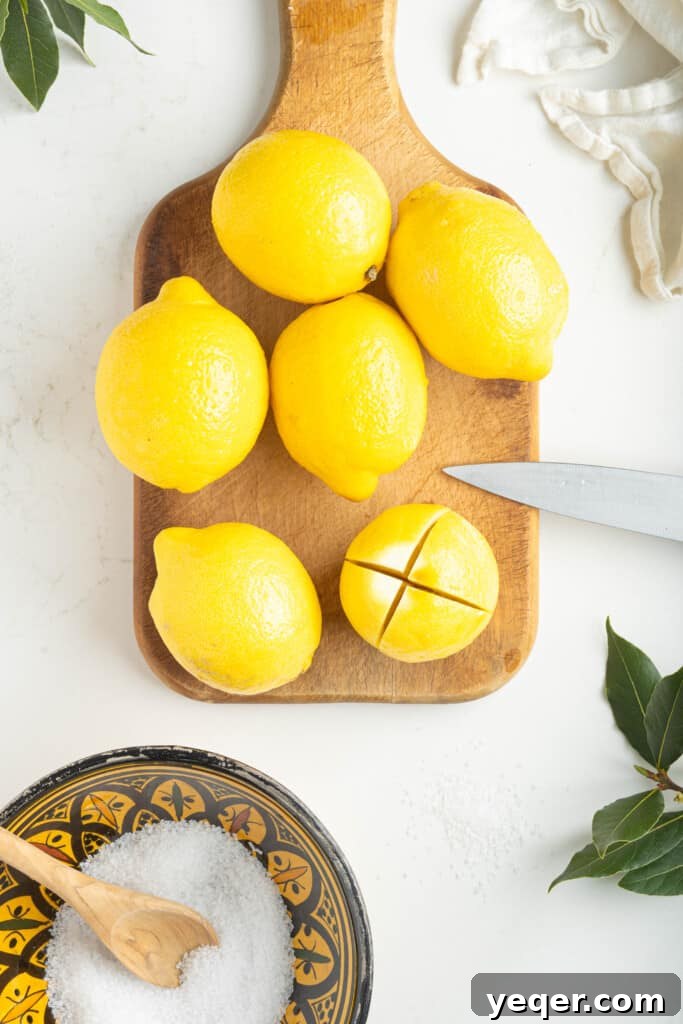
- **Prepare the Lemons:** Wash and scrub the lemons very well to ensure no dirt or wax remains on the skin. Cut each lemon lengthwise into quarters, leaving them attached at one end. Generously fill each scored lemon with salt, making sure to rub it into all the cut sections.
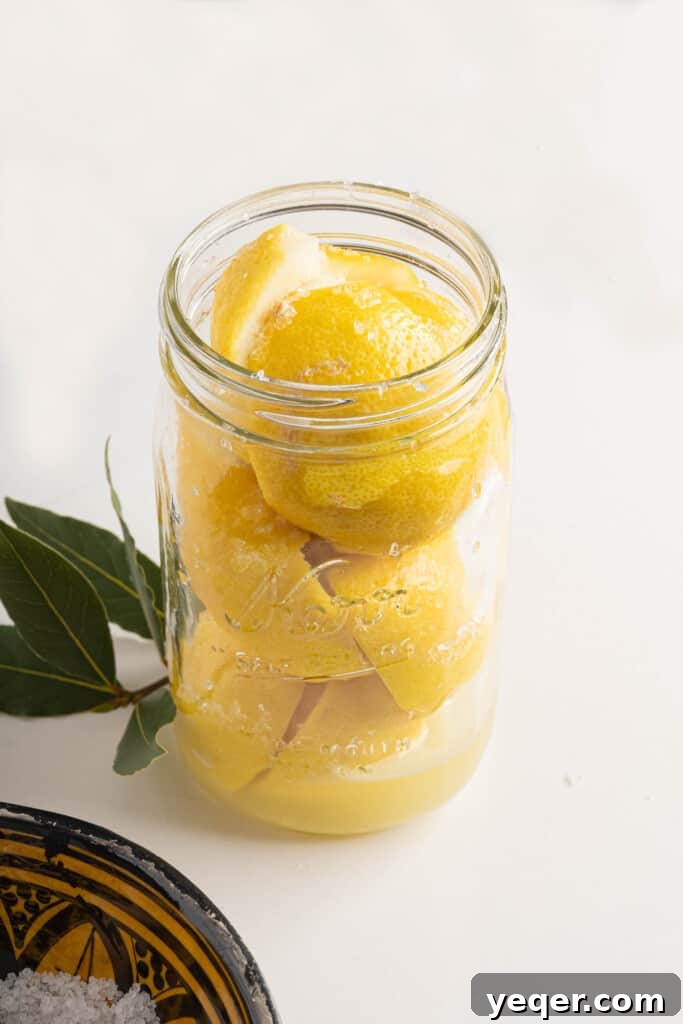
- **Pack into Jars:** Tightly pack the salt-rubbed lemons into clean, sterilized canning jars. Press down firmly to release as much juice as possible. Sprinkle an additional few tablespoons of salt over the packed lemons. Pour the fresh lemon juice over the lemons, ensuring they are completely submerged. Loosely seal the jar with its lid to allow gases to escape during fermentation.
- **Preserve & Cure:** Leave the jars on your kitchen counter at room temperature (out of direct sunlight) for one week. During this time, shake the jar occasionally to redistribute the salt and juice. After one week, transfer the jars to the refrigerator for an additional two weeks, or until the lemon skins become notably soft and can be easily punctured with a butter knife. Once tender, your preserved lemons are ready to be used in your favorite sauces, marinades, tagines, and roasted dishes!