

There’s an undeniable charm in a simple, warm beverage, and crafting your own Cinnamon Tea is a delightful experience that truly exemplifies this. Forget complicated recipes or store-bought mixes; all you need are a few fragrant cinnamon sticks, fresh water, and about 20 minutes to transform your kitchen into an aromatic haven. This homemade tea isn’t just a drink; it’s an embrace of warmth, a celebration of the unique sweet and spicy notes that only natural cinnamon can offer. Your entire home will soon be filled with its inviting aroma, promising a cozy escape from the everyday. This guide will walk you through the effortless process, offering tips on how to enhance your brew with additions like black tea, vibrant orange peel, or a touch of your favorite sweetener.

Why Choose Homemade Cinnamon Tea?
In a world bustling with complex culinary trends, there’s profound satisfaction in returning to basics. Making your own tea from scratch is one of life’s purest pleasures, offering a moment of calm and warmth that nourishes the soul. Whether you’re sharing a cup with a cherished friend, or curling up solo by a crackling fire with a good book, this simple ritual offers unparalleled comfort.
While I adore exploring new blends at local tea shops, the process of creating a beverage from its rawest form holds a special kind of magic. This fragrant homemade cinnamon tea is incredibly simple, requiring just two ingredients (or truly, only one if you don’t count water!). It’s a recipe you’ll find yourself turning to repeatedly, especially as the colder months set in.
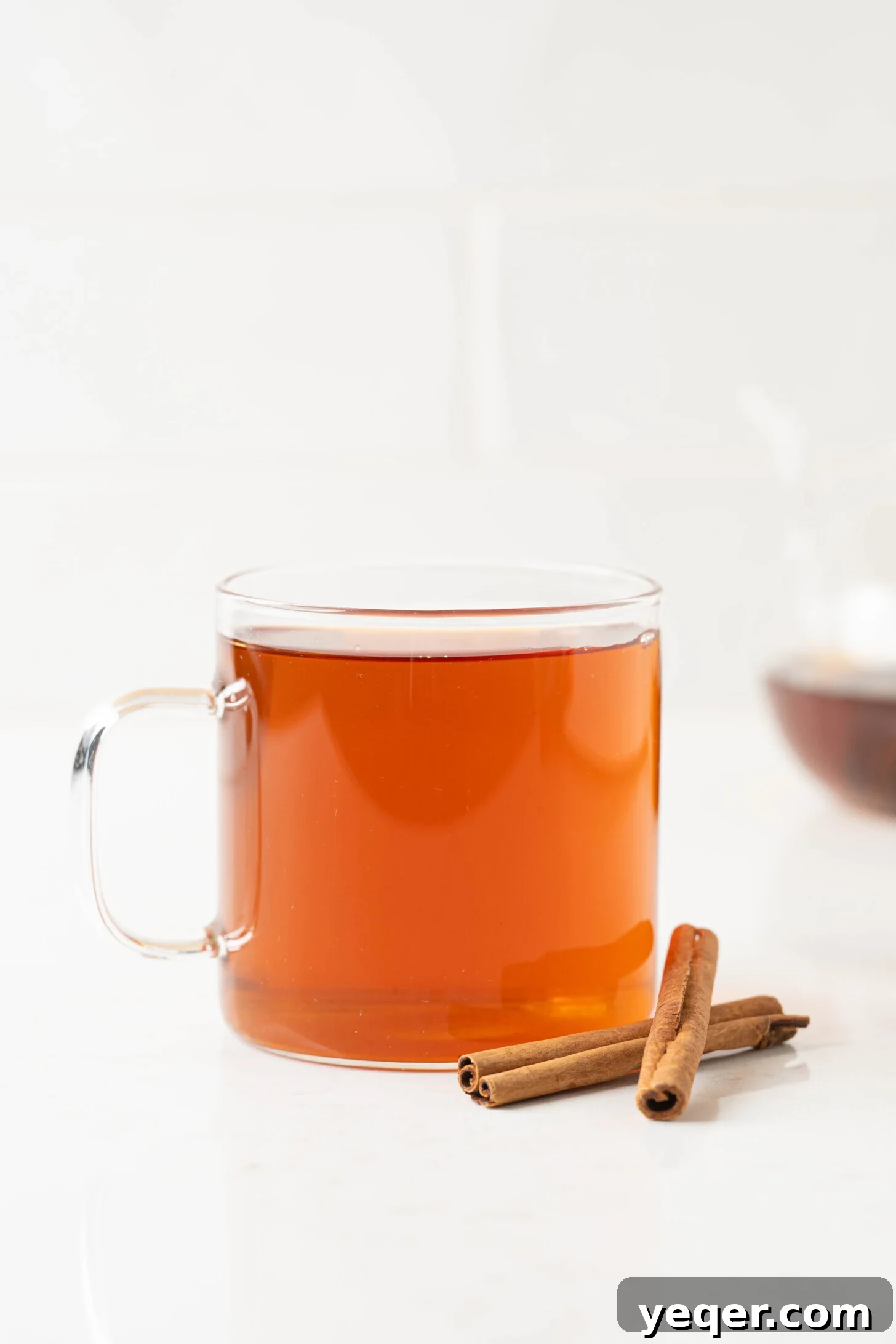
What makes this cinnamon stick tea so extraordinary is its ability to capture the authentic sweet and spicy essence directly from the whole spice. The resulting brew boasts a beautiful, deep reddish-brown hue that’s as inviting to the eyes as it is to the palate. Best of all, a steaming batch can be ready in under 20 minutes, making it perfect for an impromptu cozy moment or sharing with loved ones.
If you’re captivated by the warming flavors of this tea, be sure to explore other comforting concoctions like DIY turmeric tea or indulge in the spiced sweetness of this cinnamon spiced coconut pudding.
The Undeniable Health Benefits of Cinnamon Tea
Beyond its incredible flavor and comforting aroma, cinnamon tea is celebrated for a myriad of potential health benefits, deeply rooted in the powerful properties of cinnamon itself. This ancient spice has been revered for centuries, not just in culinary applications but also in traditional medicine across various cultures. Incorporating cinnamon tea into your daily routine can be a delicious way to support your well-being.
- Rich in Antioxidants: Cinnamon is packed with potent antioxidants, like polyphenols, which help protect your body from oxidative damage caused by free radicals. This contributes to overall cellular health and may reduce the risk of chronic diseases.
- Anti-inflammatory Properties: The compounds found in cinnamon possess significant anti-inflammatory qualities. Regularly consuming cinnamon tea may help reduce inflammation in the body, easing discomfort associated with various conditions.
- Blood Sugar Regulation: One of cinnamon’s most well-known benefits is its potential to help regulate blood sugar levels. It may improve insulin sensitivity, making cells more receptive to insulin and aiding in the transport of sugar from the blood to the cells. This can be particularly beneficial for individuals looking to manage their blood sugar.
- Digestive Aid: Cinnamon has long been used to soothe digestive discomfort. Its carminative properties can help alleviate gas, bloating, and indigestion, promoting a healthier digestive system. A warm cup of cinnamon tea after a meal can be wonderfully settling.
- Heart Health Support: Some research suggests that cinnamon can contribute to better heart health by helping to lower levels of “bad” LDL cholesterol and triglycerides, while maintaining “good” HDL cholesterol.
- Antimicrobial Effects: Cinnamon contains compounds with natural antimicrobial and antifungal properties, which may help the body fight off certain infections.
- Warmth and Comfort: On a more immediate level, a cup of warm cinnamon tea provides instant comfort and can help warm you from the inside out during chilly weather, boosting mood and relaxation.
While cinnamon tea offers these impressive benefits, it’s important to remember that it should complement a balanced diet and healthy lifestyle, and not replace medical advice or treatment.
How to Make Cinnamon Tea: A Step-by-Step Guide
Crafting your own perfect cup of cinnamon tea is wonderfully straightforward. Follow these simple steps for a warm, fragrant brew every time:
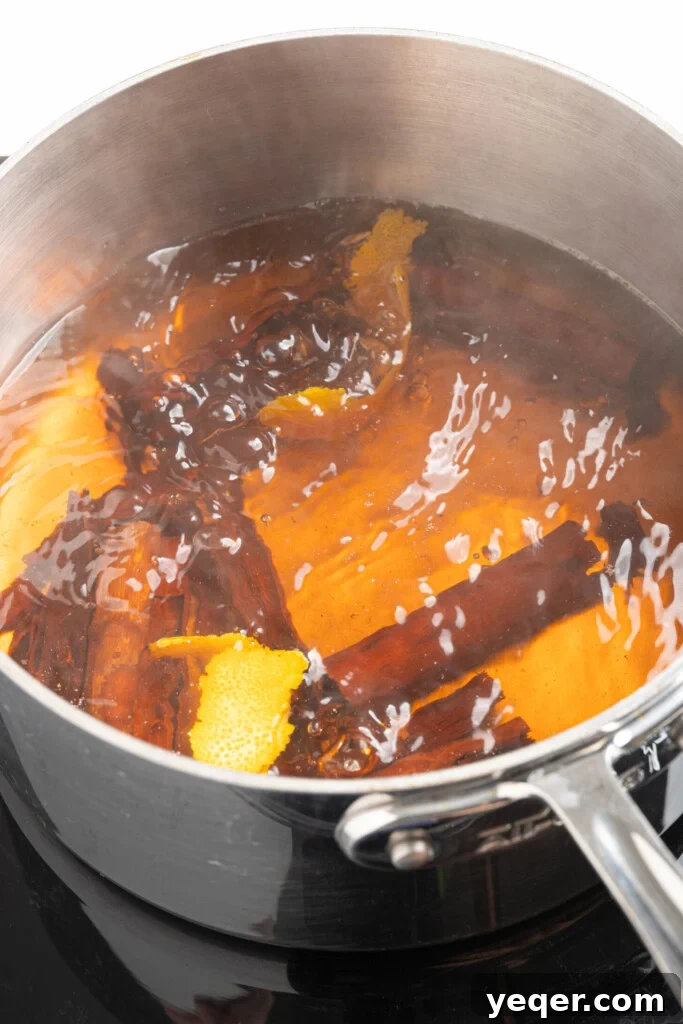
Optional Enhancement: At this stage, after the initial 20-minute simmer, you have the perfect opportunity to customize your brew. Feel free to introduce other tea blends such as loose leaf black tea or your favorite tea bags. Alternatively, add a few pieces of fresh orange peel for a bright, citrusy counterpoint. Allow these additional ingredients to steep for another 5-10 minutes, depending on your preferred strength, before proceeding.
Expert Tip: If you wish to use fewer cinnamon sticks, you can still achieve a robust flavor by simply extending the steeping time. This allows the essential oils to permeate the water more thoroughly, maximizing the use of each precious stick. The recipe card below provides exact quantities and suggested steep times for various cinnamon stick amounts.
The Different Types of Cinnamon: Ceylon vs. Cassia
When making cinnamon stick tea, it’s worth understanding that not all cinnamon is created equal. The two primary types of cinnamon found in stores are Ceylon cinnamon and Cassia cinnamon, each with distinct flavor profiles and characteristics.
- Ceylon Cinnamon (True Cinnamon): Often referred to as “true cinnamon,” Ceylon cinnamon originates from Sri Lanka (formerly Ceylon). It has a delicate, subtle, and mildly sweet flavor with citrusy undertones. Ceylon sticks are usually softer, multilayered, and easily crumbled. It contains very low levels of coumarin, a natural compound that can be harmful to the liver in large quantities. For a refined, nuanced tea, Ceylon cinnamon is often preferred.
- Cassia Cinnamon (Common Cinnamon): This is the most common type of cinnamon found in North American supermarkets. It comes from China, Indonesia, and Vietnam. Cassia cinnamon has a stronger, bolder, and spicier flavor than Ceylon, with a more pronounced sweetness. Its sticks are harder, thicker, and typically rolled into a single layer. Cassia contains higher levels of coumarin, so while safe in moderation, excessive consumption might be a consideration for some.
For your homemade cinnamon tea, either type will work beautifully, but choosing Ceylon will give you a milder, more sophisticated brew, while Cassia will deliver a more robust, spicier kick. Experiment to find your personal preference!
Tasty Cinnamon Food Pairings
For serious cinnamon enthusiasts, tea time offers a wonderful opportunity to pair your aromatic brew with complementary treats. The spicy-sweet notes of homemade cinnamon tea marry beautifully with a variety of desserts and snacks. Here are some of my top recommendations to elevate your tea experience:
The creamy coconut and subtle sweetness of Tembleque create a tropical harmony with cinnamon tea, perfect for a cozy afternoon.
This classic rice pudding, often spiced with cinnamon itself, is an ideal partner, offering a comforting and familiar flavor profile.
The bright, fresh citrus notes in this salad, enhanced by cinnamon, create a refreshing contrast that beautifully complements the warmth of the tea.
The warm apple filling, often spiced with cinnamon, and the crisp pastry of empanadas are a match made in heaven for a cup of cinnamon tea.
Dressing Up Your Cinnamon Tea: Customization & Variations
While homemade cinnamon tea is perfectly delicious on its own, it also serves as a wonderful blank canvas for culinary creativity. You can easily elevate and customize this warming beverage with additional flavors, taking it in many exciting directions. Here are some simple yet effective ideas to enhance your brew:
- Black Tea Infusion: For those who desire a boost of caffeine and a more robust flavor, adding loose leaf black tea is an excellent choice. The rich, full-bodied notes of black tea complement cinnamon’s spice beautifully, creating a classic spiced chai-like experience.
- Vibrant Citrus Peel: Introducing a piece of fresh orange, lemon, or grapefruit peel can dramatically brighten your tea. The citrus oils released during steeping enhance the natural fruity and slightly sweet elements of cinnamon, adding a refreshing zest to the warm spice.
- Natural Sweeteners: If you prefer a sweeter cup, honey or sugar are traditional choices. You can drop a spoonful directly into the pot during the last few minutes of simmering, or offer them as an option for individual cups, allowing everyone to sweeten to their preference. Other natural sweeteners like maple syrup or agave nectar also work wonderfully.
- Ginger Root: For an extra layer of warmth and a subtle kick, add a few slices of fresh ginger root during the simmering process. Ginger pairs exquisitely with cinnamon, offering additional digestive benefits and a comforting heat.
- Whole Spices: Experiment with other whole spices like a few star anise pods, whole cloves, or even a couple of green cardamom pods. These spices, when steeped alongside cinnamon, can create a complex and exotic flavor profile reminiscent of mulled drinks or traditional chai.
- Vanilla Extract: A small dash of pure vanilla extract added at the very end, just before serving, can round out the flavors with a creamy, comforting aroma.
When incorporating black tea (loose leaf or tea bags), citrus peel, or other delicate spices, it’s best to add them towards the end of the 20-minute cinnamon simmer. Allow these additions to steep for at least 5-10 minutes, depending on the desired strength, before straining and serving with any preferred sweeteners. This ensures the delicate flavors are preserved without over-steeping.
Storage Tips & Easy Iced Tea Solutions
One of the many advantages of homemade cinnamon tea is its excellent versatility and shelf life. Preparing a larger batch means you can enjoy this delightful beverage for days to come, whether you prefer it hot or cold.
For optimal storage, once your tea has cooled completely, I highly recommend straining out all the cinnamon sticks and any other solid add-ins. Transfer the liquid into an airtight jar or container and store it in the refrigerator. This homemade tea will keep beautifully for up to 5 days, making it perfect for meal prepping your daily dose of warmth and flavor.
Any leftover refrigerated tea can be enjoyed in various ways:
- Instant Iced Tea: Simply pour the cold cinnamon tea over ice for a refreshing and aromatic iced beverage. It’s a wonderful way to enjoy the flavors of cinnamon during warmer months or as a unique alternative to traditional iced tea.
- Reheated Comfort: If you’re craving a warm cup, gently reheat the stored tea on the stovetop over low heat until it reaches your desired temperature, or pop it into the microwave for a quick warm-up.
- Cinnamon Tea Ice Cubes: For an even more inventive approach, freeze any cooled leftover tea in ice cube trays. These cinnamon-infused ice cubes are an absolute game-changer! They make a fabulous addition to plain iced teas, cocktails, mocktails, or even just a glass of water, especially in the summer. Instead of watering down your beverages, these flavorful ice cubes will slowly release their tasty cinnamon essence, keeping your drink cold and delicious to the last sip. It’s a fantastic way to ensure zero waste and maximum flavor.
Having a batch of this versatile cinnamon tea on hand means you’re always just moments away from a comforting and flavorful drink, whatever the weather or occasion.
Frequently Asked Questions About Cinnamon Tea
Q: Can I use ground cinnamon instead of cinnamon sticks?
A: While you can technically use ground cinnamon, it’s highly recommended to use cinnamon sticks for tea. Ground cinnamon can result in a gritty texture and a less clear brew, as the fine powder doesn’t easily strain out. Cinnamon sticks offer a cleaner, more vibrant flavor extraction without the cloudiness.
Q: How many cinnamon sticks should I use per cup of water?
A: A good starting point is typically 2-3 medium-sized cinnamon sticks per 2 cups of water for a balanced flavor. However, this can be adjusted based on your preference for strength and the size/type of your cinnamon sticks. For a milder tea, use fewer sticks or steep for a shorter time; for a stronger brew, use more sticks or extend the simmering duration.
Q: What’s the best way to choose cinnamon sticks?
A: Look for cinnamon sticks that are fragrant and firm. If possible, choose Ceylon cinnamon for a delicate flavor and lower coumarin content, or Cassia for a bolder, spicier taste. Ensure they are whole and not broken into many small pieces for best steeping results.
Q: Can I re-steep cinnamon sticks?
A: Yes, you can usually re-steep cinnamon sticks once or twice. The flavor will be milder with subsequent uses, so you might need to increase the steeping time or add a fresh stick for a stronger flavor.
Q: Is cinnamon tea safe to drink every day?
A: For most healthy individuals, drinking cinnamon tea daily in moderate amounts is generally considered safe and can offer various health benefits. If you are using Cassia cinnamon, be mindful of its higher coumarin content. If you have any underlying health conditions, are pregnant, or taking medications, it’s always best to consult with a healthcare professional.
Q: Can I add milk to my cinnamon tea?
A: Absolutely! Adding a splash of milk (dairy or non-dairy like almond or oat milk) can create a creamy, comforting beverage, similar to a cinnamon latte. This is especially delicious if you’ve also added black tea to your brew.
More Easy & Refreshing Drinks to Make
If you’ve enjoyed the simplicity and flavor of this homemade cinnamon tea, you might be interested in exploring other delightful and easy-to-make beverages. Expanding your repertoire of homemade drinks is a rewarding experience, offering endless opportunities for comfort and refreshment.
Experience the vibrant and refreshing flavors of traditional Moroccan mint tea, a welcoming and invigorating brew.
Indulge in the rich, creamy, and festive flavors of authentic Puerto Rican Coquito, a perfect holiday treat.
Discover the stunning color-changing magic of a butterfly pea flower cocktail, as beautiful as it is delicious.
Learn to brew a rich and aromatic authentic Moroccan coffee in just 10 minutes, a flavorful start to your day.
Happy sipping!

Print Recipe

Homemade Cinnamon Tea with Cinnamon Sticks
- Author: Salima Benkhalti
- Prep Time: 0 minutes
- Cook Time: 20 minutes
- Total Time: 20 minutes
- Yield: 2 servings
- Category: drinks, beverages, Tea
- Method: Boiled
- Cuisine: Middle Eastern, American, Spanish
- Diet: Vegan
Description
Making your own cinnamon tea is easier than you think! All you need is cinnamon sticks, water, and 20 minutes. This aromatic homemade tea celebrates the spicy sweet flavors of cinnamon and will have your entire home smelling warm and cozy. Keep reading for details on how to steep with black tea, orange peel, and optional sweeteners.
Ingredients
Scale: 1x / 2x / 3x
- 8 cinnamon sticks
- 4 cups water
- Optional: honey, sugar, black tea, orange peel
Prevent your screen from going dark
Instructions
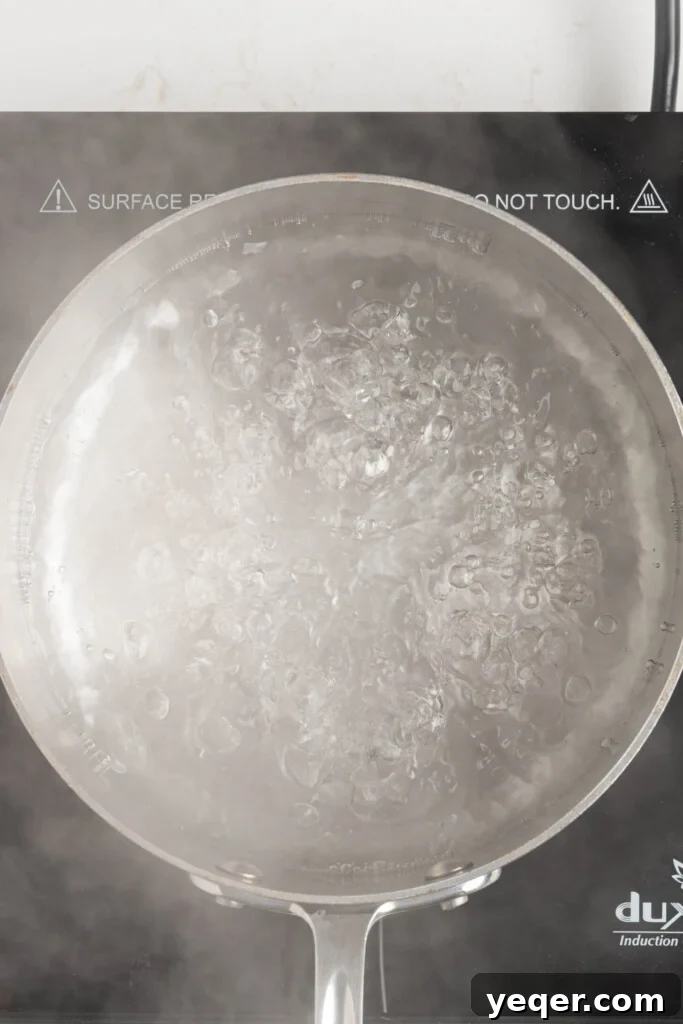
- Boil water. Add water to a pot and bring to a boil over medium high heat.
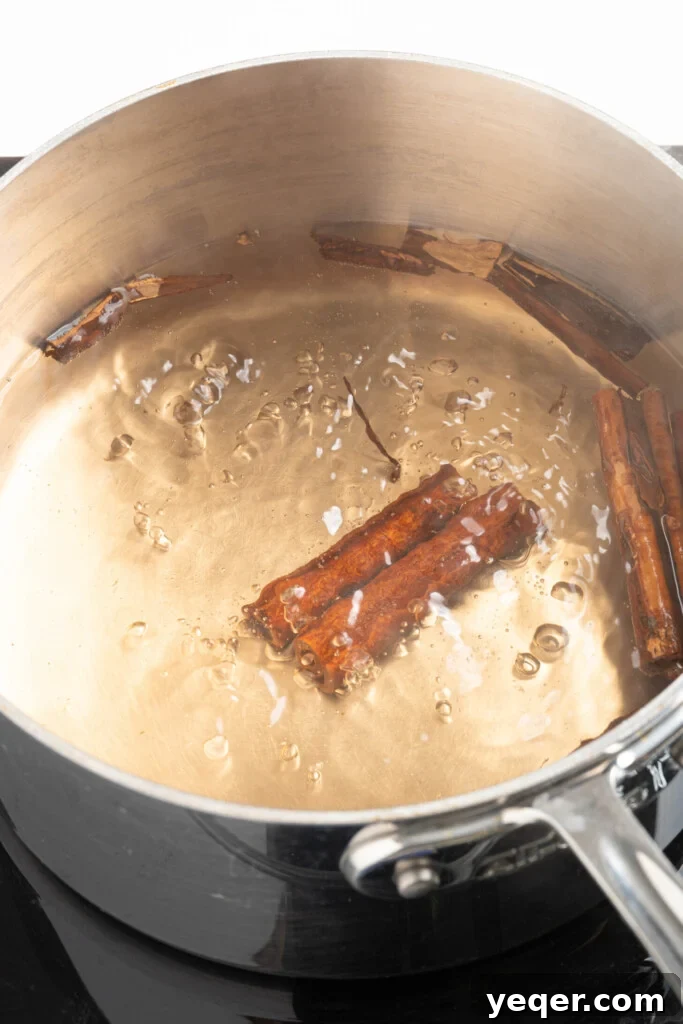
- Add cinnamon sticks. Add the cinnamon sticks to the water and reduce to a simmer. Continue to cook everything together over medium heat for 20 minutes, or until the water turns red-ish brown in color. Optional: At this point you can add any other tea blends to the pot (loose leaf, tea bags, etc.) or orange peel and steep for another 5-10 minutes, if desired.
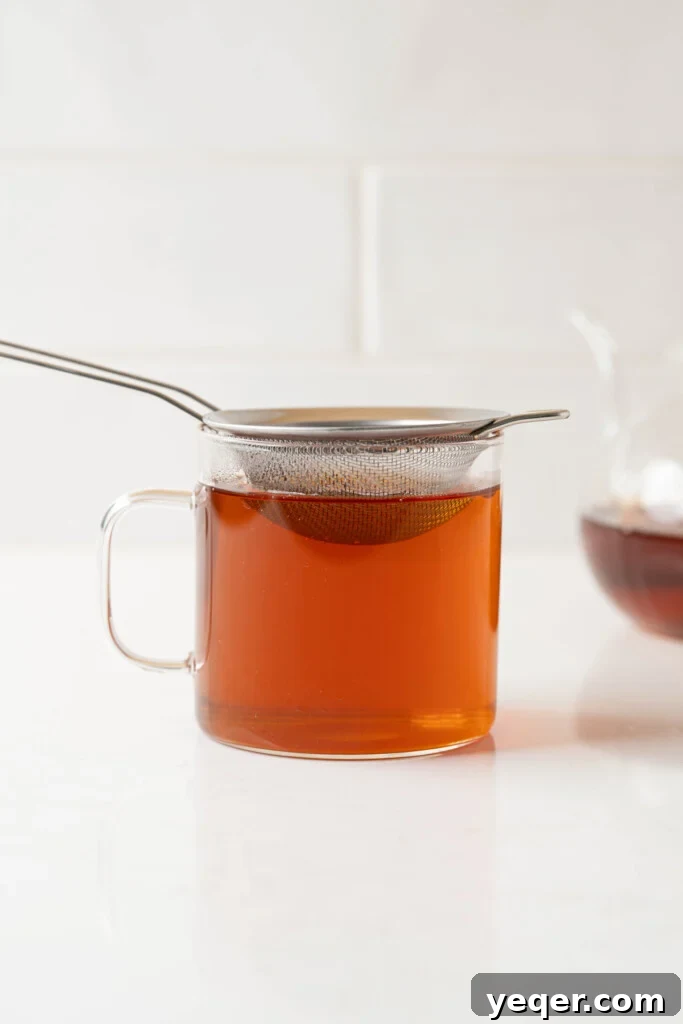
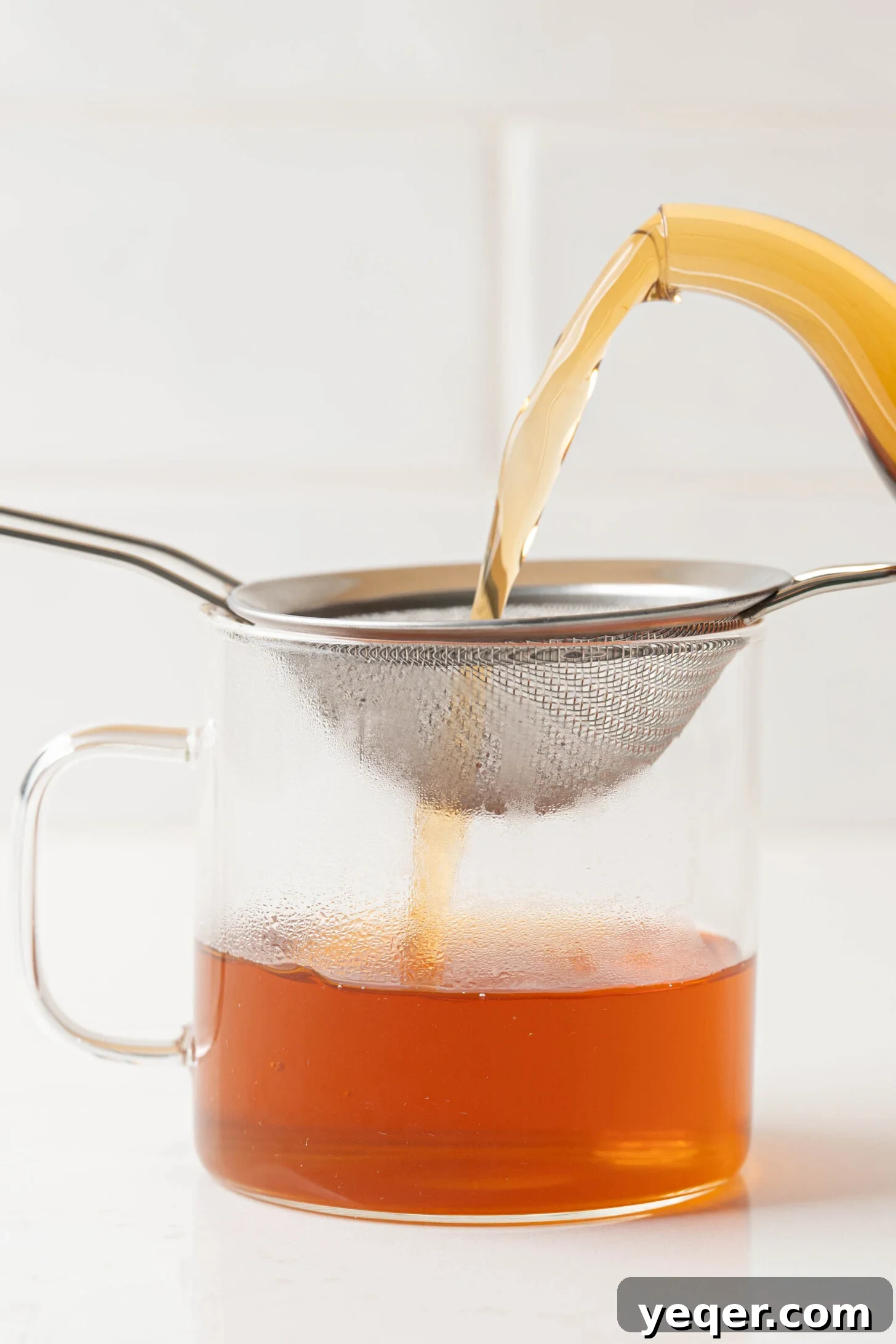
- Strain. Strain the tea into cups, removing the cinnamon sticks and any other add ins.
- Enjoy! Enjoy the cinnamon tea as is or with a spoonful of honey or sugar if desired.
Equipment
Buy Now →
Notes
Keep in mind you can use less cinnamon sticks and steep the liquid for longer to minimize the amount of cinnamon needed.
If using only 4 cinnamon sticks, steep for at least 1 hour.
For 2 cinnamon sticks, steep for at least 2 hours.