
Mastering Toum: Your Guide to Lebanese Fluffy Garlic Sauce
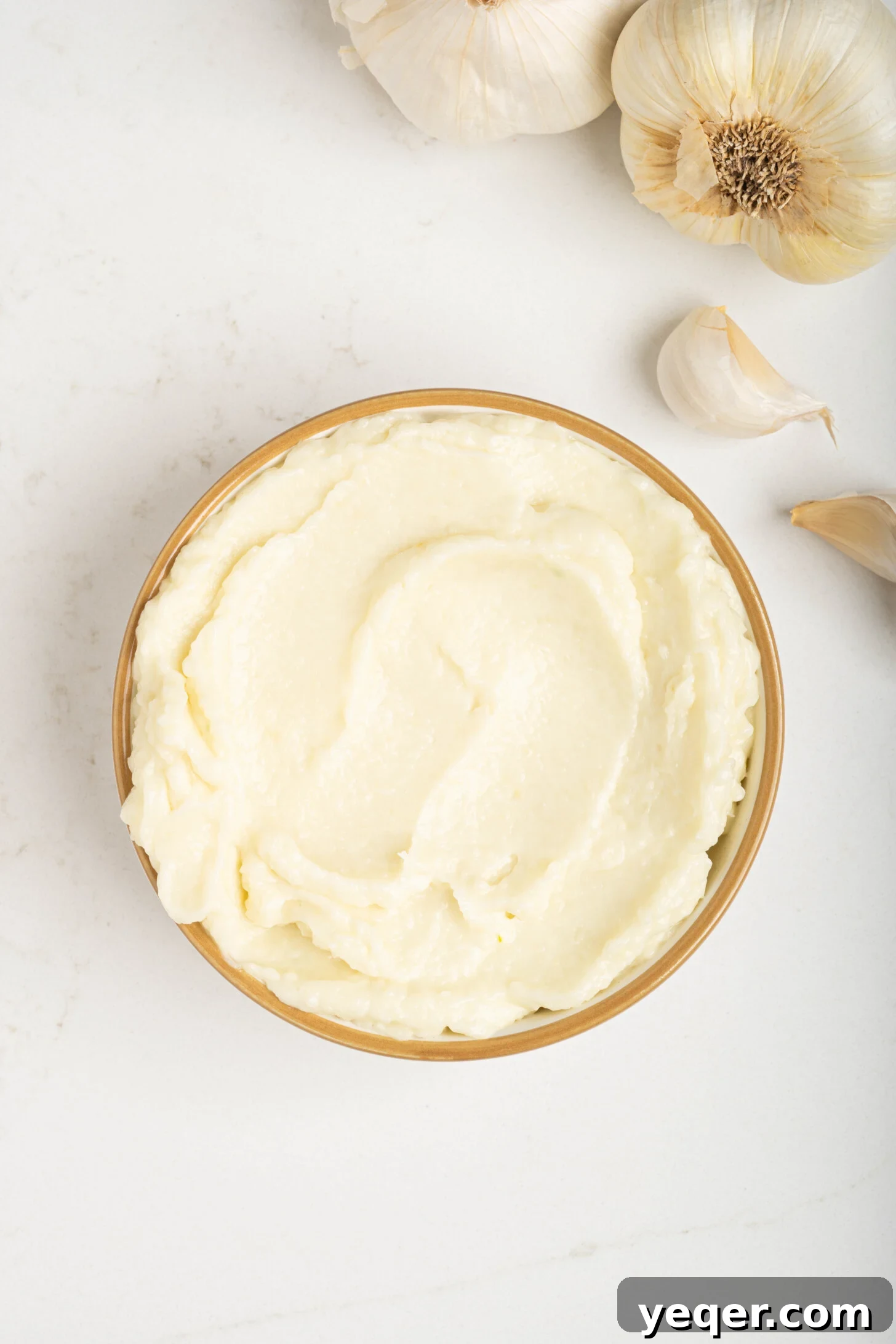
Today, we embark on a culinary journey to create toum, the iconic Lebanese garlic sauce. This incredibly versatile condiment comes together with just five simple ingredients: fresh garlic, water, lemon juice, a neutral oil, and a touch of salt. Expertly whipped to a light, airy, and fluffy perfection in a food processor, toum transforms into an unparalleled addition to countless dishes—from enhancing sauces, dressings, and dips to elevating garlic breads, sandwiches, and any recipe where garlic’s vibrant flavor is desired. Prepare to experience garlic in its most magnificent form!
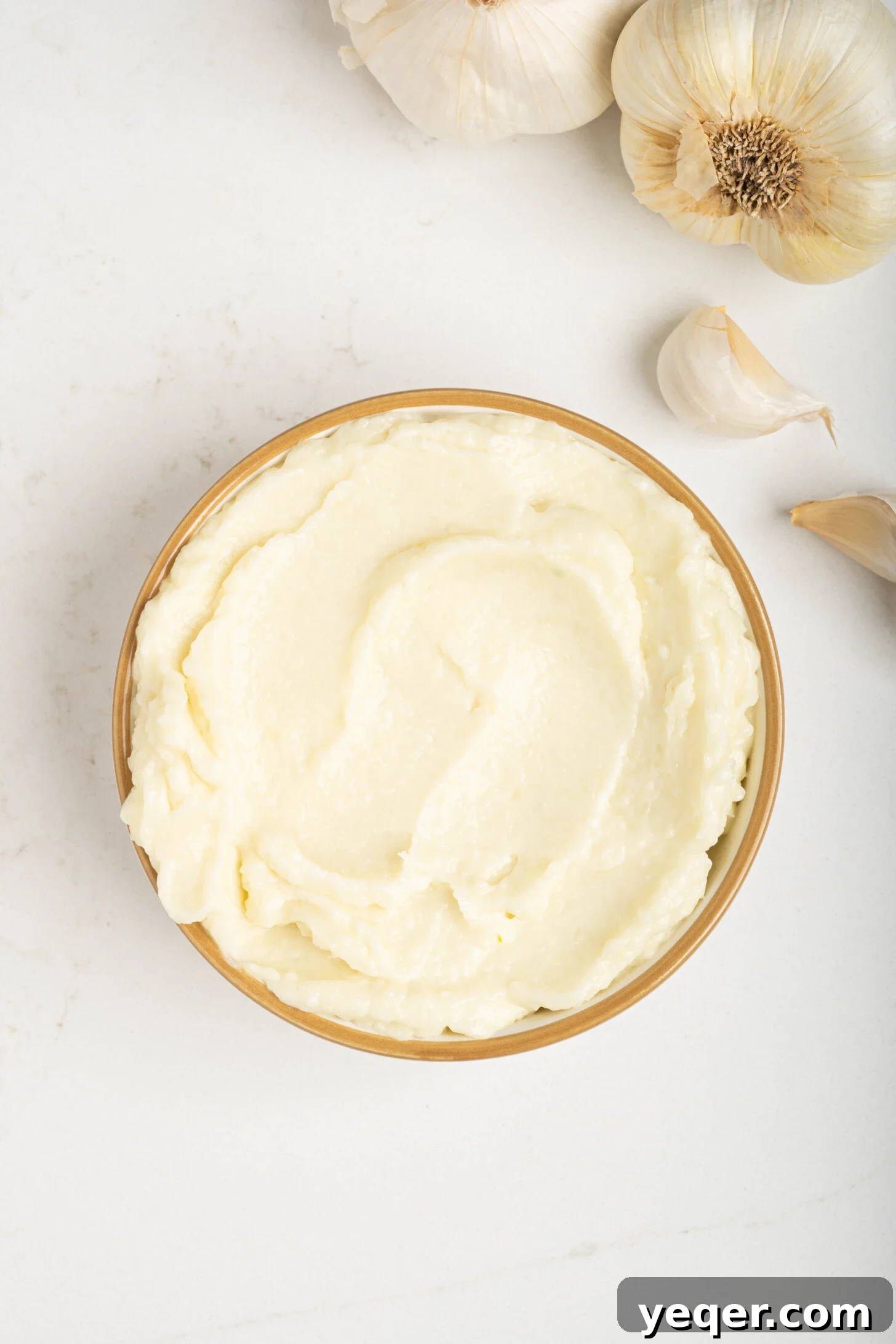
Get ready for a flavor obsession that might just make you embrace smelling like garlic—because this fluffy garlic sauce is truly irresistible. Once you’ve mastered a batch of homemade toum, you can store it in your fridge for months, ready to infuse an explosion of fresh, potent garlic flavor into virtually any meal. This isn’t just a sauce; it’s a culinary superpower.
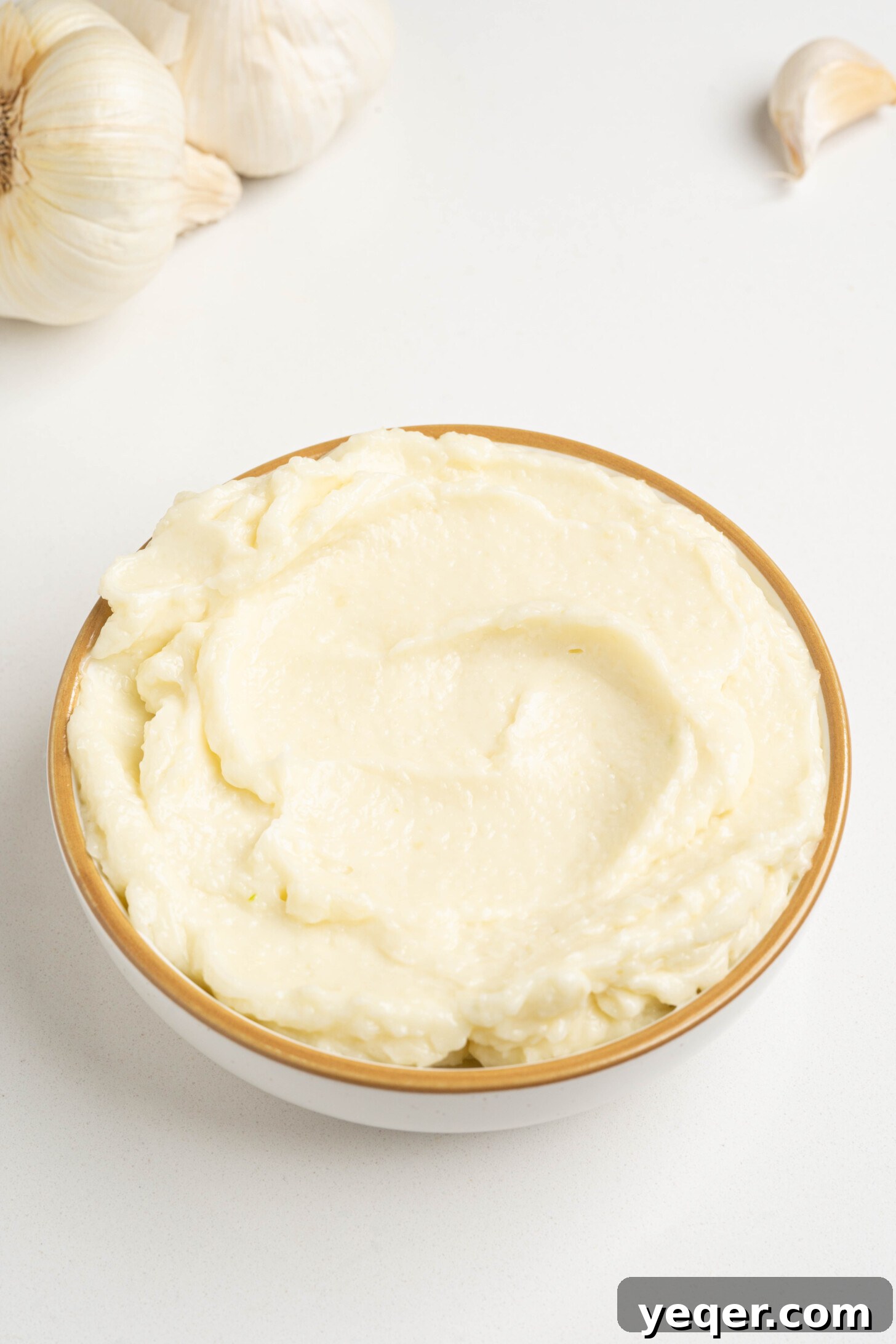
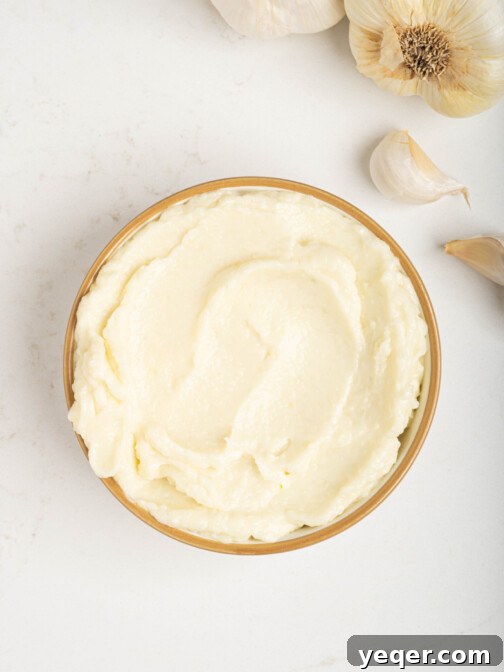
I find myself reaching for toum constantly, incorporating it into hearty stews, comforting soups, vibrant pasta dishes, spreading it generously on fresh bread, tossing it with roasted potatoes, and much more. It’s a luxurious, naturally plant-based sauce that boasts a unique texture, a delightful cross between the richness of soft butter and the creamy consistency of mayonnaise, yet with an even more distinctively airy and cloud-like fluffiness.
The signature whipped texture is not merely a visual delight but a functional feature, providing an incredible creaminess that makes toum a star condiment on its own. It pairs exquisitely with grilled meats like Moroccan grilled lamb chops and Moroccan kefta, offering a bold counterpoint to their rich flavors.
At its heart, toum celebrates the robust character of an entire cup of fresh garlic cloves, perfectly balanced by the zesty brightness of lemon juice, the essential touch of salt, and the smooth richness of a neutral oil. The result is a vibrant, emulsified blend that transcends specific cuisines, making it a fantastic accompaniment to a wide array of dishes. I particularly love how effortlessly this Lebanese staple integrates into many of my favorite Middle Eastern and Moroccan recipes, adding an authentic depth of flavor that’s simply unmatched.
While the process of making toum does require a bit of patience—especially when peeling a generous quantity of garlic and gradually incorporating the oil for proper emulsification—the reward is well worth the effort. In under 30 minutes, you can produce several months’ worth of this incredible sauce. It’s truly one of those homemade ingredients you’ll be eager to share with friends and family, not only because of its impressive yield but also for its remarkably fluffy texture and brilliantly zesty, garlicky punch.
What is Toum? A Culinary Staple
Toum, pronounced “toom,” is a traditional Lebanese garlic sauce that holds a cherished place in Middle Eastern cuisine. Unlike an aioli, which typically uses egg yolks to emulsify, toum achieves its creamy, stable emulsion using only garlic, oil, lemon juice, and water. This makes it a naturally vegan condiment, beloved for its potent flavor and airy texture.
Historically, toum was made by hand, pounding garlic with salt in a mortar and pestle, then slowly drizzling in oil and lemon juice. This laborious process created a thick, powerful paste. Today, the convenience of a food processor makes achieving this magnificent sauce much simpler, allowing home cooks to whip up a perfectly light and fluffy toum with ease. Its pure, unadulterated garlic flavor makes it a refreshing and indispensable condiment, setting it apart from other garlic-infused sauces.
Essential Ingredients for Perfect Toum
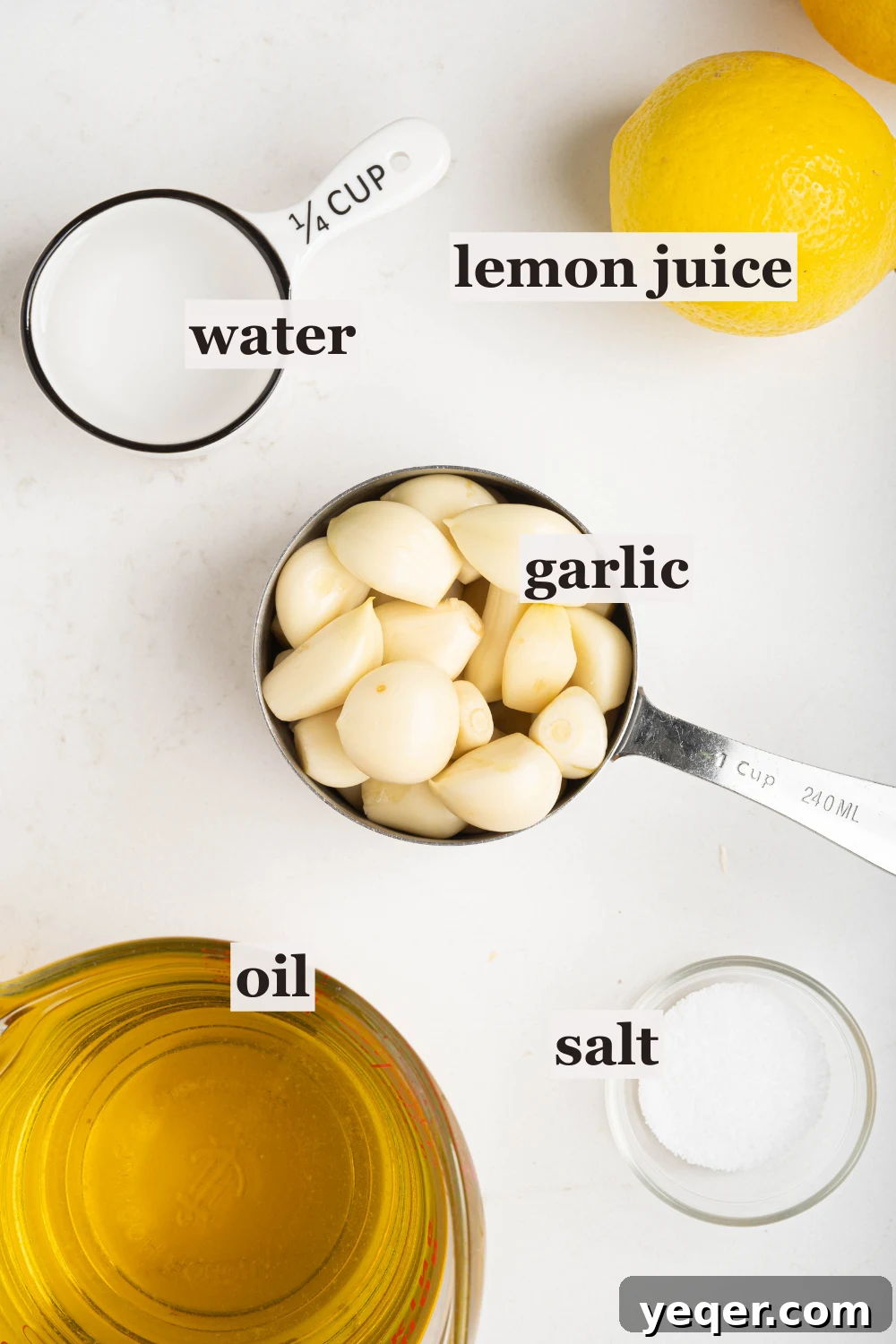
Crafting homemade toum requires a handful of basic ingredients, but the quality and temperature of these components are key to achieving that signature fluffy texture. Here’s a closer look at what you’ll need to get started:
- **Garlic Cloves, peeled:** This is the star of the show. For best results, use fresh, firm garlic cloves. Avoid pre-peeled garlic if possible, as it can sometimes lack the potency needed. The sheer quantity of garlic might seem daunting, but it’s essential for the robust flavor.
- **Cold Water:** Ice-cold water is crucial for stabilizing the emulsion. The cold temperature helps the garlic’s natural emulsifiers bind with the oil, preventing the sauce from breaking.
- **Salt:** Fine salt is preferred as it dissolves easily and helps to break down the garlic initially, releasing its juices and aiding in the emulsification process.
- **Neutral Oil (Avocado, Safflower, Grapeseed, Sunflower, etc.):** The choice of oil is vital. A neutral-flavored oil ensures that the pure garlic taste shines through without any competing flavors. Avoid olive oil, especially extra virgin, as its strong flavor will overpower the toum and can also contribute to a bitter taste when emulsified raw. Ensure your oil is at room temperature.
- **Fresh Lemon Juice:** Lemon juice adds brightness and acidity, cutting through the richness of the garlic and oil. It also plays a critical role in the emulsification, helping to thicken and stabilize the sauce. Like the water, it’s best if the lemon juice is cold.
You’ll find the full ingredient list with exact quantities in the detailed recipe card below, ensuring you have everything you need for this incredible garlic sauce.
Step-by-Step Guide: Crafting Your Fluffy Garlic Sauce
Making toum is more about technique and patience than complex steps. Follow these instructions carefully to achieve the perfect fluffy consistency:
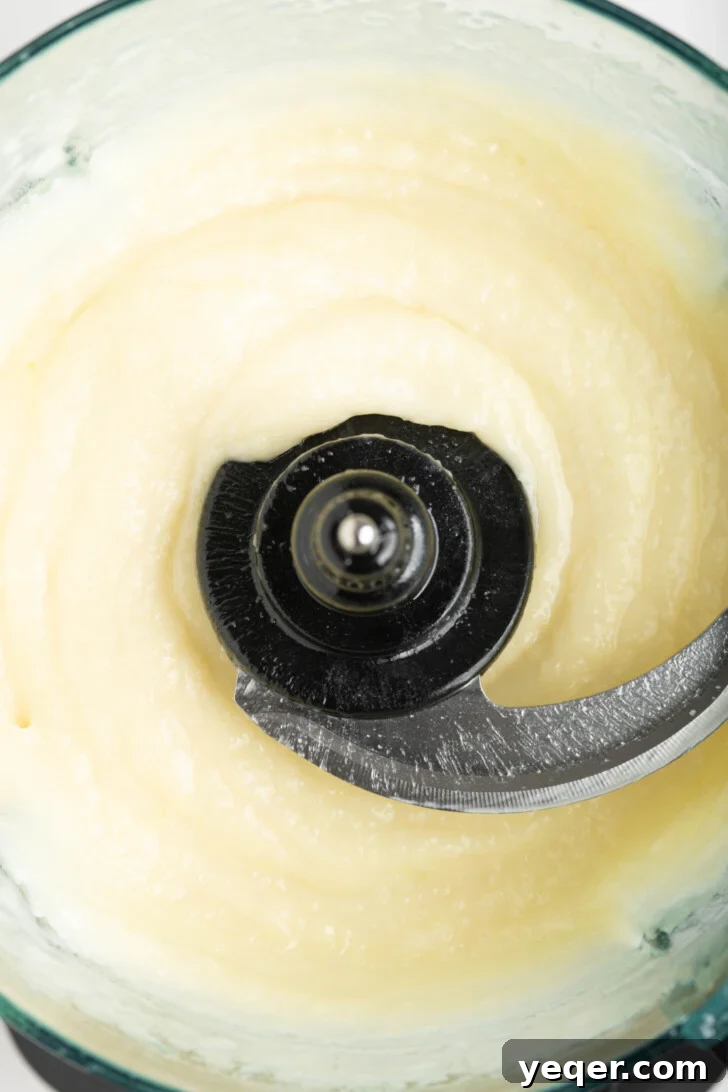
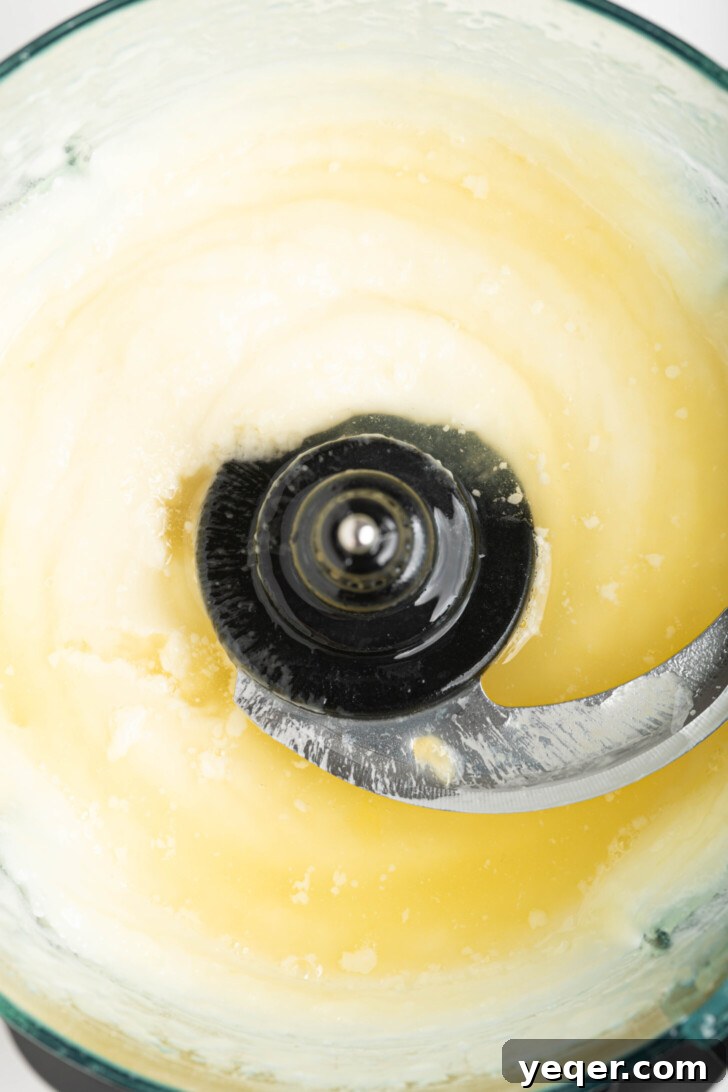
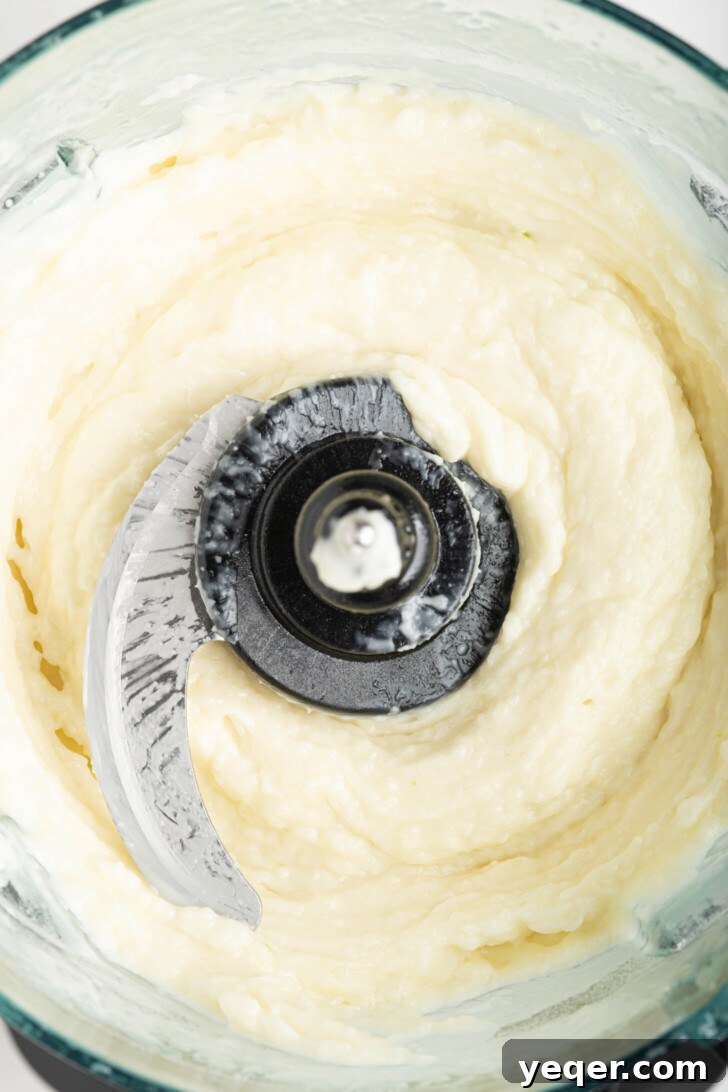
The Garlic Factor: Quantity and Preparation
The success of toum hinges on a generous amount of fresh garlic. As outlined in the recipe, this recipe calls for 1 heaping cup of peeled garlic cloves. This might seem like a lot, but it’s what gives toum its characteristic robust flavor and helps create the stable emulsion.
When you’re heading to the grocery store, wondering how many heads of garlic to buy, remember that the size of garlic heads and individual bulbs can vary significantly. Generally, to yield a full heaping cup of peeled cloves, this recipe usually requires somewhere between 2 to 3 large heads of garlic. Always err on the side of buying a little extra to ensure you have enough.
The fresher the garlic, the better your toum will taste. Fresh garlic has a higher water content, which also aids in the initial blending and emulsification process. Using garlic that has started to sprout or dry out can sometimes lead to a slightly bitter flavor.
Unleash the Flavor: Where to Use Your Homemade Toum
Once you have a batch of this magnificent garlic whip in your fridge, you’ll find endless opportunities to incorporate its bright, garlicky essence into your cooking. My absolute favorite way to use toum is anywhere I’d typically reach for fresh garlic. It streamlines meal preparation and infuses dishes with an intense, consistent garlic flavor that’s hard to beat.
Here are just a few ideas for how to enjoy your toum:
- As a Dip or Spread: Serve it simply alongside warm pita bread, fresh vegetables, or crackers. It’s an incredible dip for falafel, shawarma, or grilled meats.
- In Classic Dishes: Use it as a vibrant replacement for garlic in homemade hummus, creating a richer, more pungent dip. Spread it generously on warm crusty bread to make the most addictive garlic bread you’ve ever tasted. Swirl it into mashed potatoes or any other potato-based recipe for an instant flavor upgrade.
- With Meats and Kebabs: It’s a quintessential accompaniment to Middle Eastern grilled dishes. Dollop it next to grilled chicken, lamb kebabs, kefta, or steak bites for an explosion of flavor.
- Elevate Your Sauces and Dressings: Whisk a spoonful into salad dressings for a garlicky kick. Stir it into pasta sauces (both cream-based and tomato-based) for depth.
- Marinades: Toum makes an excellent base for marinades, tenderizing meats and infusing them with incredible flavor before grilling or roasting.
- Sandwiches and Wraps: Spread a thin layer inside sandwiches, wraps, or pitas for an instant flavor boost. It’s fantastic with roasted vegetables, chicken, or falafel wraps.
And for some additional inspiration on how to cook with it, here are some of my favorite recipes where you can swap the fresh garlic for a teaspoon or two of your homemade toum, adjusting to your taste preferences:
These recipes demonstrate the incredible versatility of toum, allowing you to infuse them with a fresh, vibrant garlic flavor that’s both authentic and incredibly delicious:
Pro Garlic Peeling Tips for Speed and Efficiency
Peeling a cup of garlic can seem like the most daunting part of this recipe, but with the right technique, it becomes a breeze. I’ve experimented with countless garlic peeling hacks, from shaking cloves in jars to microwaving them, and I’ve found that the simplest method often proves to be the most effective and least messy. All you truly need is a sturdy cutting board and a good chef’s knife.
Here’s my go-to, tried-and-true method that will have you peeling like a pro in no time:
- Separate the Cloves: First, break the garlic head into individual cloves. You can do this by gently smashing the entire head with the heel of your hand or by carefully separating them with a knife.
- The Smash & Trim Method: Place a single garlic clove on your cutting board. Lay the flat side of your chef’s knife blade over the clove and give it a firm, but not overly aggressive, smack with the palm of your hand. This will lightly bruise the clove and loosen the peel. Now, swiftly trim off the brown, root end of the clove. As you do this, gently pull the clove upwards while holding the knife blade against the side of the peel touching the cutting board.
- Peel with Ease: This action should cause one side of the papery peel to come off effortlessly. From there, the rest of the peel typically slides off with minimal effort. If any stubborn bits remain, simply use a fingernail or the tip of your knife to gently push under the remaining sides of the peel to pop them off. Repeat until all your garlic cloves are perfectly peeled and ready for your toum!
Why We Opt for a Food Processor: Achieving the Perfect Texture
When it comes to making toum, the type of equipment you use plays a significant role in achieving its signature fluffy, emulsified texture. I strongly advise against attempting this recipe with a traditional stand blender, and here’s why:
- Blade Design and Distribution: Stand blenders are primarily designed to create a vortex, pulling ingredients down towards a central blade for smooth pureeing. However, their blades are typically too high and don’t distribute evenly throughout the thick garlic and oil mixture required for toum. This often prevents proper emulsification, making it incredibly difficult to achieve that desired light and airy fluffiness. The result is often a much denser, less stable, and potentially broken sauce.
- Food Processor Precision: A food processor, on the other hand, with its wider bowl and lower blade design, is perfectly suited for this task. It allows the garlic to be finely minced and then consistently agitated with the oil and liquids, creating the friction and aeration necessary for a stable emulsion. The continuous, even blending helps to incorporate air, which is crucial for toum’s cloud-like texture.
While an immersion blender can be a viable alternative, it comes with its own considerations. You can certainly make this recipe using an immersion blender in a wide-mouthed glass jar or a tall container. Just be aware that the texture achieved will likely be slightly denser and more akin to a traditional mayonnaise, still fluffy and creamy, but perhaps not as light and voluminous as what a food processor can produce.
Therefore, for truly unmatched results—the incredibly light, voluminous, and perfectly emulsified toum that mimics the authentic Lebanese experience—I wholeheartedly recommend using a food processor, if at all possible. It truly makes all the difference!
Expand Your Sauce Repertoire: More Homemade Favorites
If you’ve enjoyed the rewarding experience of crafting your own toum and appreciate the freshness and control that comes with homemade sauces, then you’re in for a treat! There’s a whole world of delicious condiments waiting to be explored. Be sure to check out these other fantastic homemade sauce recipes that are just as satisfying and versatile:
Thank you for joining me in the kitchen today. I hope you enjoy making—and savoring—this incredible Lebanese garlic sauce!

5 Ingredient Toum (Fluffy Garlic Sauce)
5 Stars 4 Stars 3 Stars 2 Stars 1 Star
No reviews
Author: Salima Benkhalti
Prep Time: 30 minutes
Total Time: 30 minutes
Yield: 3 cups 1x
Category: Sauce, Marinade, Dip
Method: Raw
Cuisine: Lebanese, Middle Eastern
Diet: Vegan
Description
Master the art of making Lebanese garlic sauce (toum) with this easy-to-follow recipe. This fluffy, vibrant, and naturally vegan condiment comes together with just 5 simple ingredients—garlic, water, lemon juice, oil, and salt—whipped to airy perfection in a food processor. Toum is incredibly versatile, perfect for adding a burst of intense garlic flavor to sauces, dressings, dips, garlic breads, grilled meats, and countless other dishes. Get ready for your new favorite homemade garlic sauce that keeps fresh for months!
Ingredients
Units
Scale
- 1 heaping cup garlic cloves, peeled
- 1/4 cup water, ice-cold
- 2 tsp salt, fine grain
- 2 1/2 cups neutral oil (e.g., avocado, safflower, grapeseed, sunflower), room temperature
- 1/4 cup lemon juice, freshly squeezed and cold
Instructions
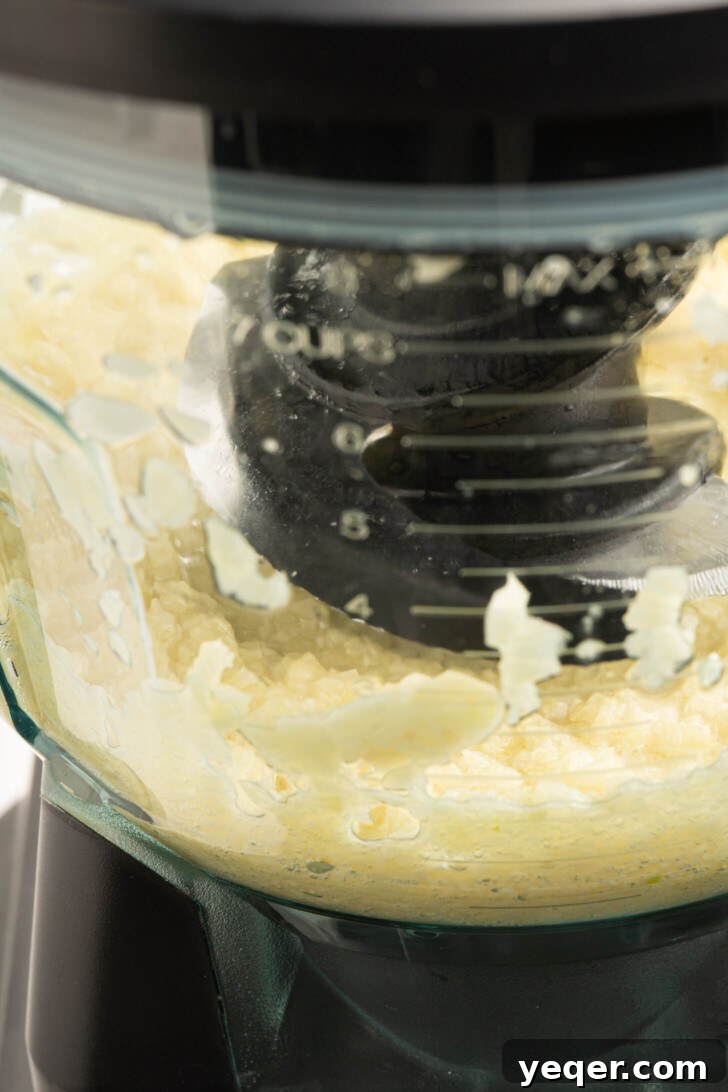
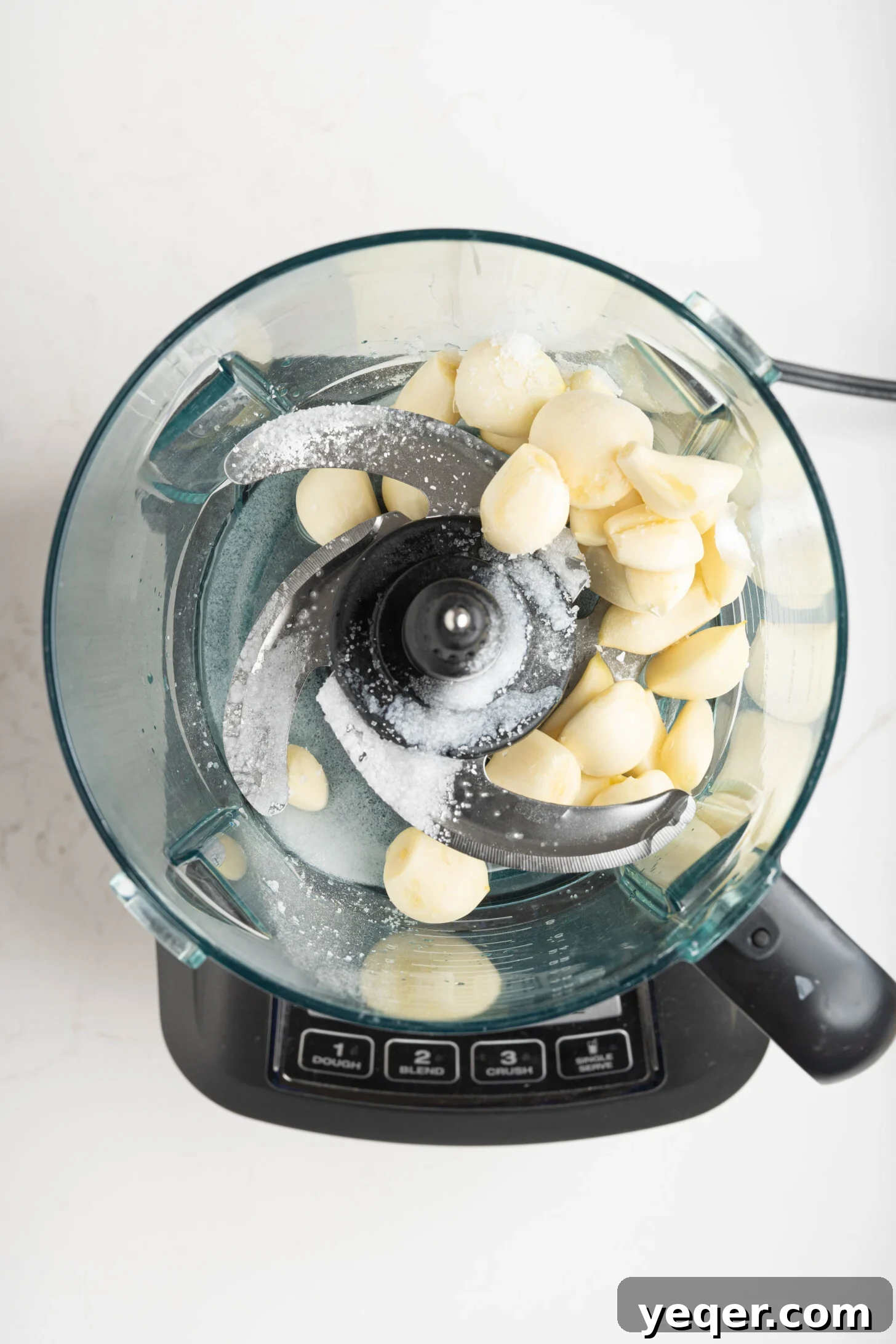
- Prepare the Initial Garlic Paste: Add the peeled garlic cloves, the ice-cold water, and the salt to the bowl of a food processor. Pulse continuously, scraping down the sides of the bowl as needed, until the garlic is very finely minced and forms a uniform, thick paste. It should look creamy and start to stick to the sides.
- Emulsify with Oil: With the food processor running on a medium-high setting, begin adding the neutral oil through the feed tube in a very slow, steady, thin stream—almost drop by drop. This gradual addition is critical for a successful emulsion. If your food processor doesn’t have a tiny feed tube opening, add the oil in small increments (about 1-2 tablespoons at a time), pausing briefly between additions to allow the previous oil to fully incorporate. Continue this process for several minutes until the mixture visibly thickens, turns bright white, and transforms into a light, airy, and fluffy sauce, significantly increasing in volume. This indicates a stable emulsion.
- Incorporate Lemon Juice: Once all the oil has been incorporated and the toum is wonderfully fluffy, add the cold lemon juice through the feed tube in a slow stream or in small increments, similar to how you added the oil. Continue processing until the lemon juice is fully integrated, and the sauce is smooth and uniformly bright. The lemon juice helps to further stabilize the emulsion and adds a crucial tangy note.
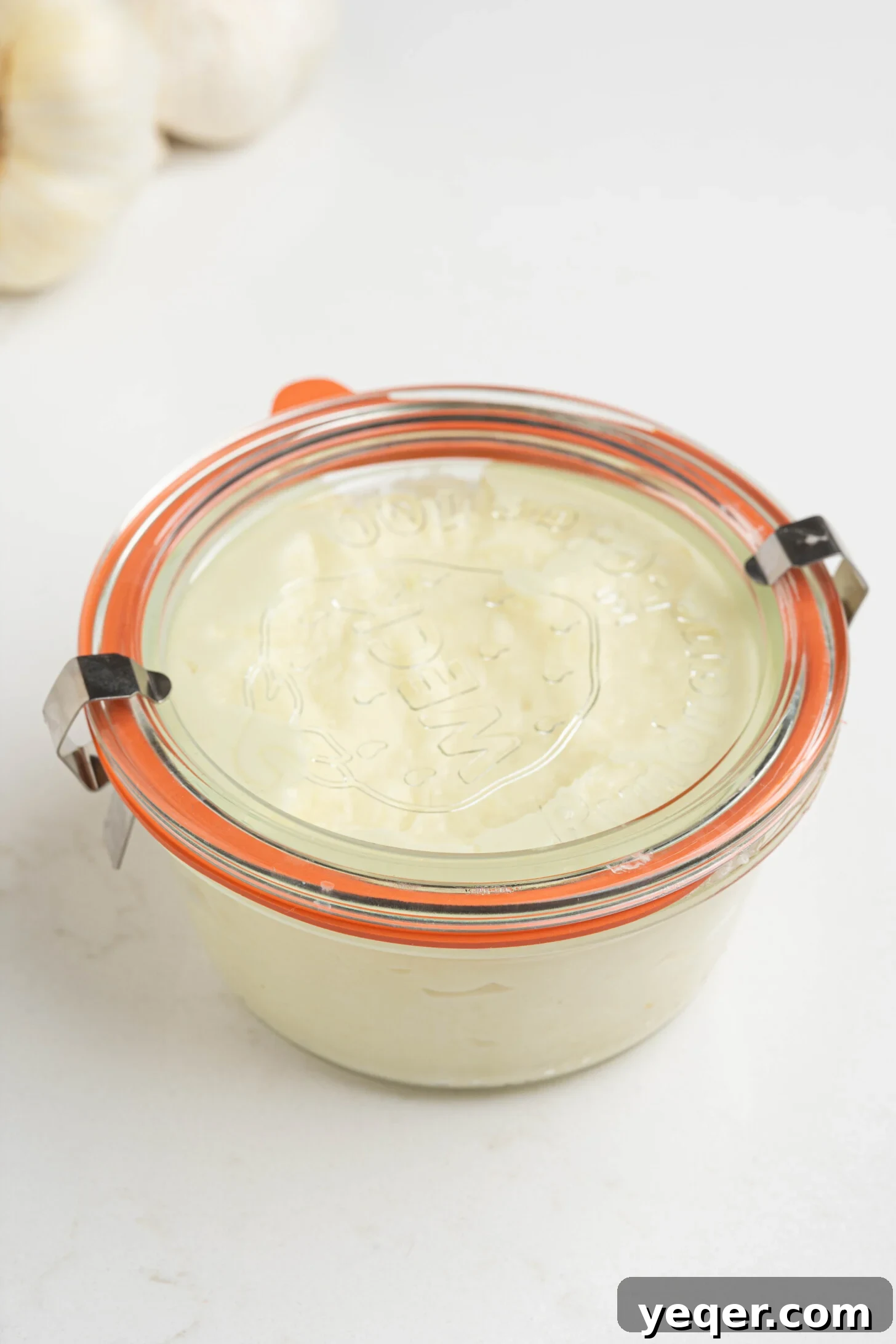
- Serve and Store: Your homemade toum is now ready! Transfer the finished garlic sauce to an airtight container. Store it in the refrigerator for up to 3 months. Enjoy it as a dip, spread, condiment, or culinary ingredient in countless recipes!
Equipment
Food Processor
Buy Now →
Notes
- Optimal Storage: Toum, when stored correctly in an airtight container, will maintain its freshness and flavor in the refrigerator for an impressive period of up to 3 months. For a longer-term solution and convenient portioning, toum can be frozen. Simply spoon it into ice cube trays for individual servings and freeze for up to 6 months. Once solid, transfer the cubes to a freezer-safe bag or container.
- Alternative Tools and Texture: While a food processor is highly recommended for the ideal fluffy texture, you can still make this recipe using an immersion blender. For best results with an immersion blender, use a tall, wide-mouthed glass jar to contain the mixture. Be aware that the resulting texture may be slightly denser, resembling a rich, creamy mayonnaise rather than the airier, whipped consistency achieved with a food processor. Nonetheless, it will still be delicious and incredibly flavorful.
- Troubleshooting a Broken Emulsion: If your toum mixture fails to emulsify or looks separated, don’t despair! This can happen if the oil is added too quickly or if the ingredients weren’t cold enough. To fix it, start with 1-2 tablespoons of cold water in a clean food processor bowl. With the processor running, slowly add the broken toum mixture, tablespoon by tablespoon, until it re-emulsifies. You might need to add a bit more oil or lemon juice to achieve the desired consistency.