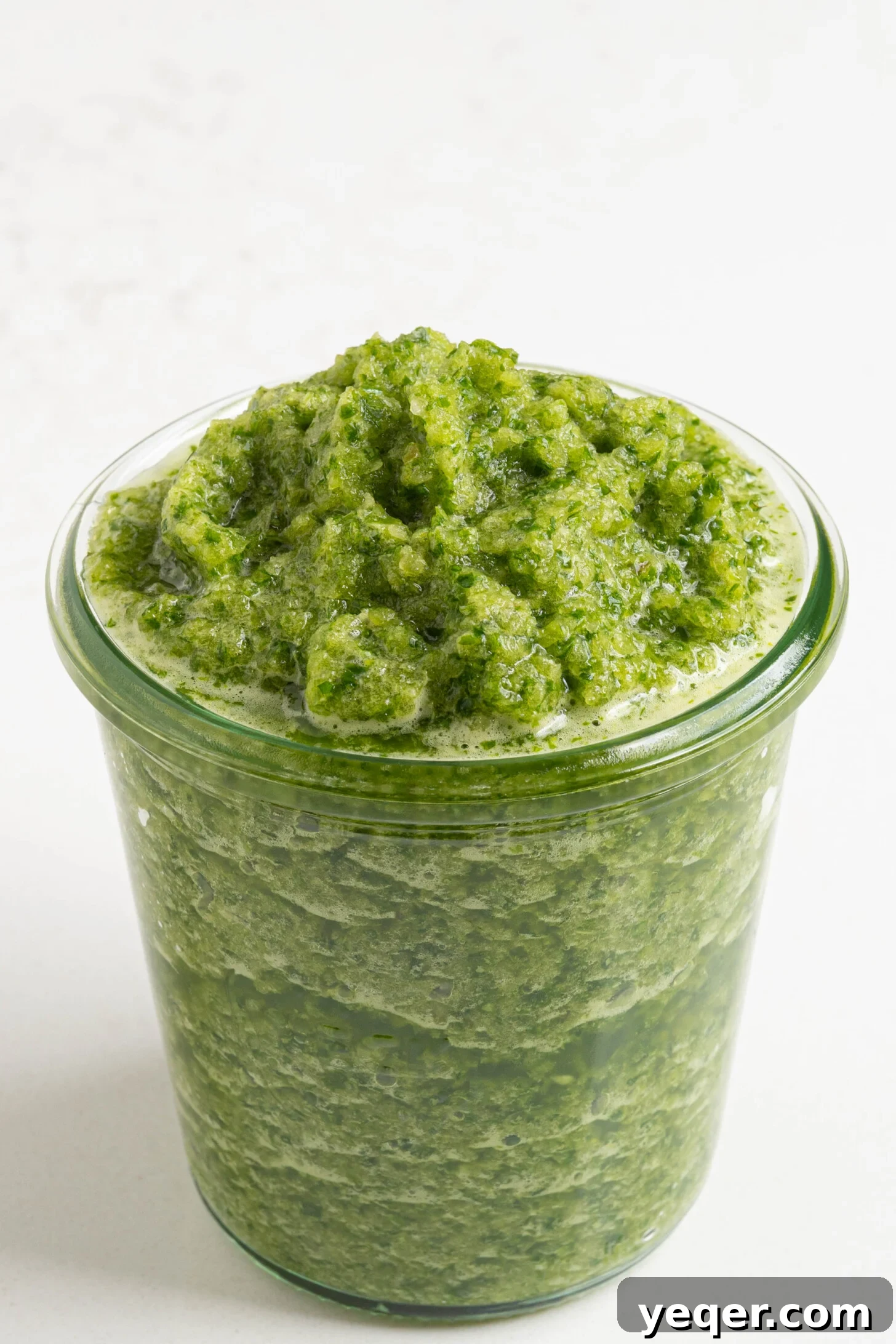
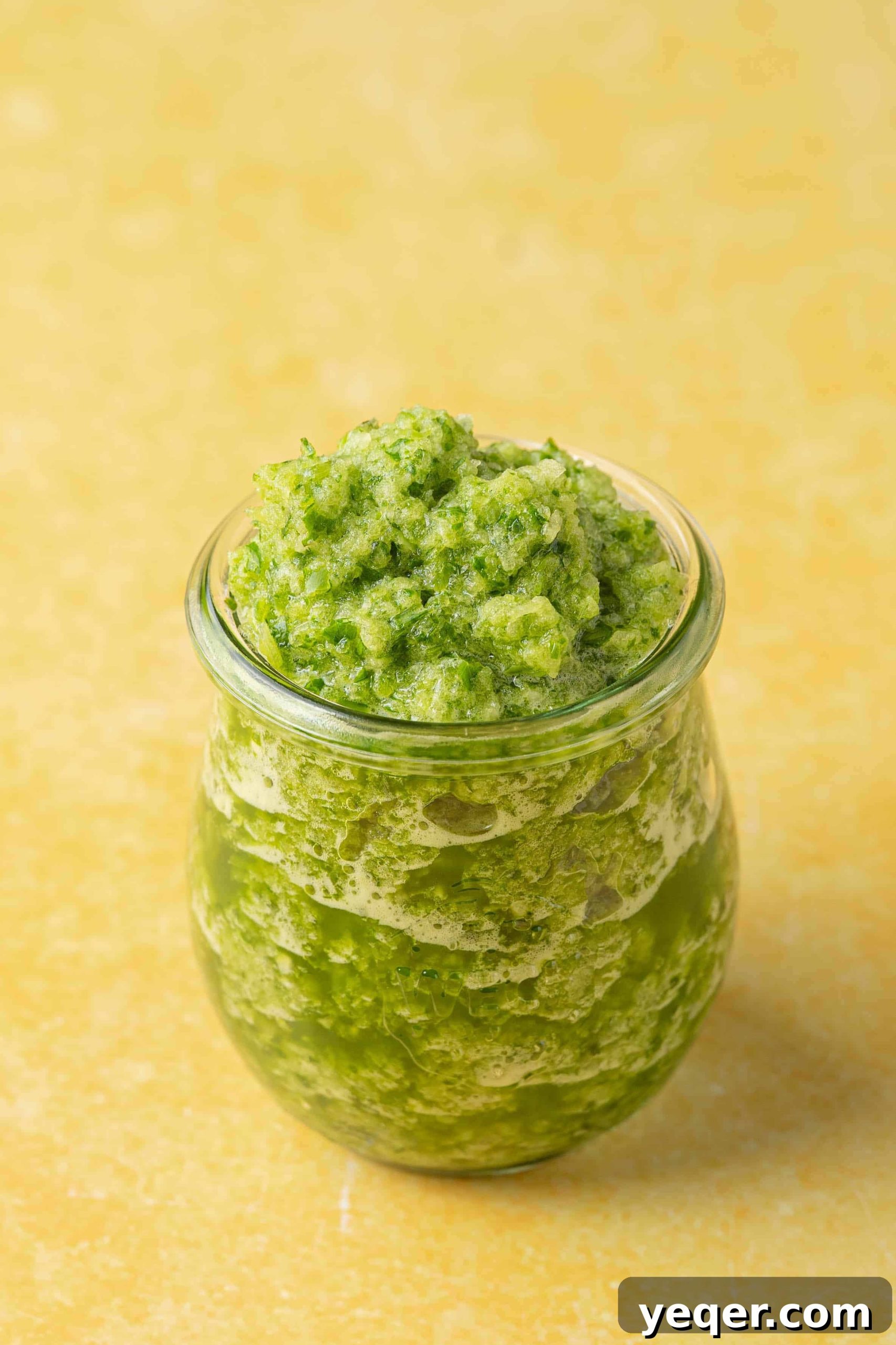
Discover the heart of Puerto Rican cuisine by learning to make authentic Puerto Rican Sofrito, also widely known as Recaito. This vibrant, aromatic culinary base is an indispensable staple, effortlessly transforming everyday ingredients into dishes brimming with deep, authentic flavor. My family’s cherished recipe for this traditional green sofrito comes together in under 10 minutes with just a few fresh, easy-to-find ingredients, promising to elevate your stews, rice dishes, and so much more. Get ready to unlock the secret to savory Puerto Rican cooking right in your own kitchen!
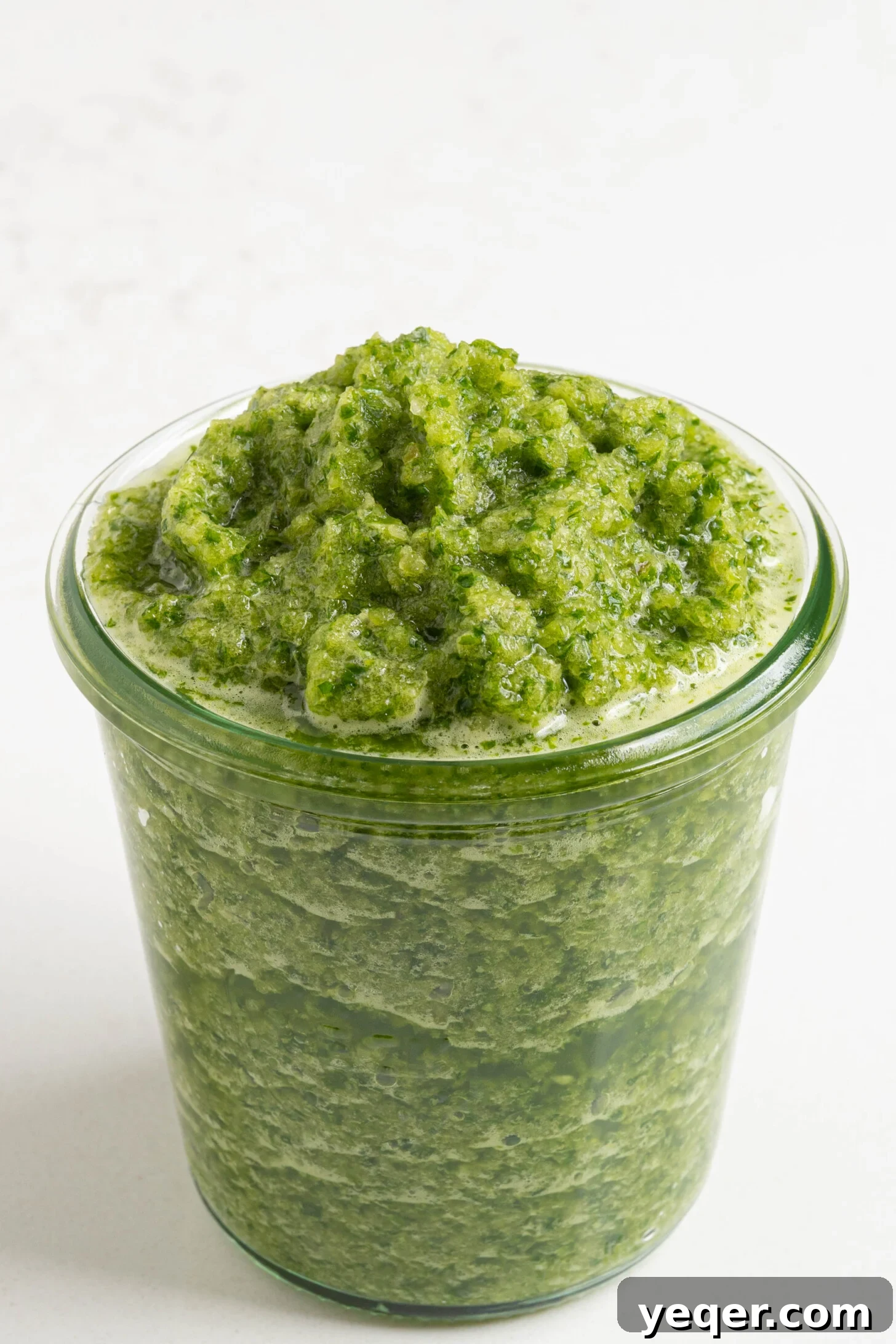
What is Puerto Rican Sofrito (Recaito)?
If you’ve ever savored the rich, savory flavors of Puerto Rican cuisine, then you’ve undoubtedly tasted sofrito. More specifically, the green, herb-and-pepper-based version known as Recaito is the aromatic cornerstone of almost every traditional dish from the island. Often likened to a foundational aromatic base in other cuisines—think of the French mirepoix (carrots, celery, onions) or the Cajun holy trinity (celery, bell peppers, onions)—Puerto Rican sofrito stands apart with its unique blend of vibrant green herbs and mild peppers.
Unlike the tomato-based sofritos found in many other Latin American countries or Spain, Puerto Rican sofrito typically avoids tomatoes entirely, focusing instead on a verdant symphony of culantro (recao), cilantro, sweet peppers, onions, and garlic. This fresh, uncooked mixture is not a sauce itself, but rather a powerful flavor enhancer, designed to be sautéed at the beginning of a recipe to build an incredible depth of taste. It’s what gives classics like Arroz con Pollo, Picadillo, and the ever-popular rice and beans their unmistakable, mouth-watering character.
While it’s convenient to find pre-made versions at the grocery store or online, the difference in flavor when you create it from scratch is truly astounding. Homemade sofrito boasts a freshness and vibrancy that simply cannot be matched by its store-bought counterparts, making it an essential skill for anyone serious about authentic Caribbean cooking. Plus, the process is surprisingly straightforward and takes only a few minutes.
Why Homemade Sofrito is Always Best
The allure of homemade Puerto Rican Sofrito goes beyond just its superior taste. Crafting your own batch offers several compelling advantages that elevate your cooking experience and the quality of your meals. Firstly, you gain complete control over the ingredients. This means you can choose the freshest produce, opt for organic components, and avoid any unwanted preservatives, artificial colors, or excessive sodium often found in commercial varieties. Your kitchen will be filled with the pure, unadulterated aroma of fresh herbs and vegetables, a stark contrast to the sometimes muted scent of pre-packaged options.
Secondly, homemade sofrito is a gateway to culinary creativity and customization. You can adjust the ratios of garlic, peppers, or herbs to perfectly suit your family’s palate or the specific dish you’re preparing. Want a more garlicky base for your stew? Add an extra clove! Prefer a milder pepper profile? You have the freedom to choose. This level of personalization is simply not possible with off-the-shelf products.
Finally, there’s an undeniable connection to tradition and culture when you prepare sofrito from scratch. It’s a practice passed down through generations, embodying the spirit of Puerto Rican home cooking. By making your own, you’re not just creating an ingredient; you’re participating in a culinary heritage, enriching your food with a personal touch that resonates with authenticity and love. And once you taste the difference, you’ll understand why this simple, fresh paste is so revered.
Essential Ingredients for Authentic Sofrito
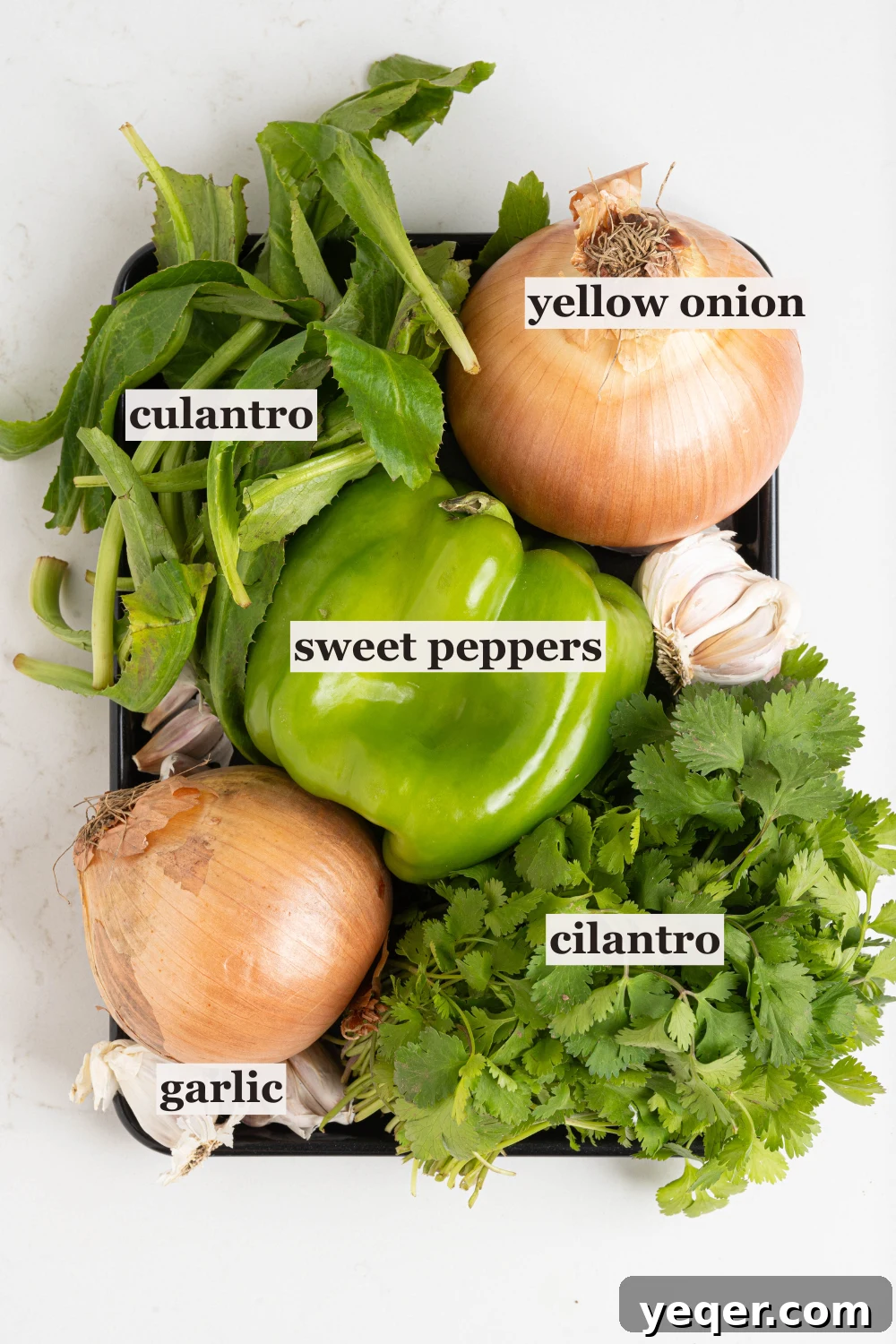
The magic of Puerto Rican Sofrito lies in its carefully selected, fresh ingredients. Each component plays a crucial role in creating the distinctive flavor profile that defines this culinary staple. While the list is relatively short, understanding each ingredient will help you achieve the best possible results.
The Aromatics: Onion and Garlic
- Onion: Typically, yellow or white onions are preferred for their balanced flavor, offering a sweet yet pungent base that mellows beautifully during cooking. They contribute essential depth and body to the sofrito.
- Garlic: Fresh garlic is non-negotiable. Its pungent, aromatic qualities are central to sofrito’s character, providing a robust foundation that pairs perfectly with the herbs and peppers. For the best flavor, avoid pre-minced garlic.
The Peppers: Color, Sweetness, and Mild Heat
A medley of mild peppers is what gives Puerto Rican sofrito its distinctive sweet and earthy notes without overwhelming spiciness.
- Cubanelle Peppers (Italian Frying Peppers): These long, mild, and often pale green peppers are a traditional choice, prized for their sweet flavor and soft texture when blended.
- Ají Dulce: These small, intensely aromatic, yet sweet peppers are highly sought after for authentic sofrito. They provide a unique floral and fruity note without any heat. They can be challenging to find outside of Caribbean markets.
- Bell Peppers: Green bell peppers are a common and accessible substitute for Cubanelles or Ají Dulce, offering a familiar mild flavor. Red bell peppers can also be used, contributing a touch more sweetness and a slightly different hue.
- Important Tip: Always remove the seeds and membranes from your peppers before blending. This prevents any bitterness and ensures a smoother texture.
The Herbs: Culantro and Cilantro
These two herbs are the soul of green sofrito, providing its signature verdant color and unparalleled aroma.
Culantro (Recao)
Culantro, also known as Recao, is an herb that is a close cousin to cilantro, though distinct in appearance and flavor. It features long, serrated leaves and is significantly stronger in flavor and aroma than cilantro, making it an excellent and traditional choice for this recipe. Its robust essence holds up well to cooking and truly defines the taste of Puerto Rican cuisine.
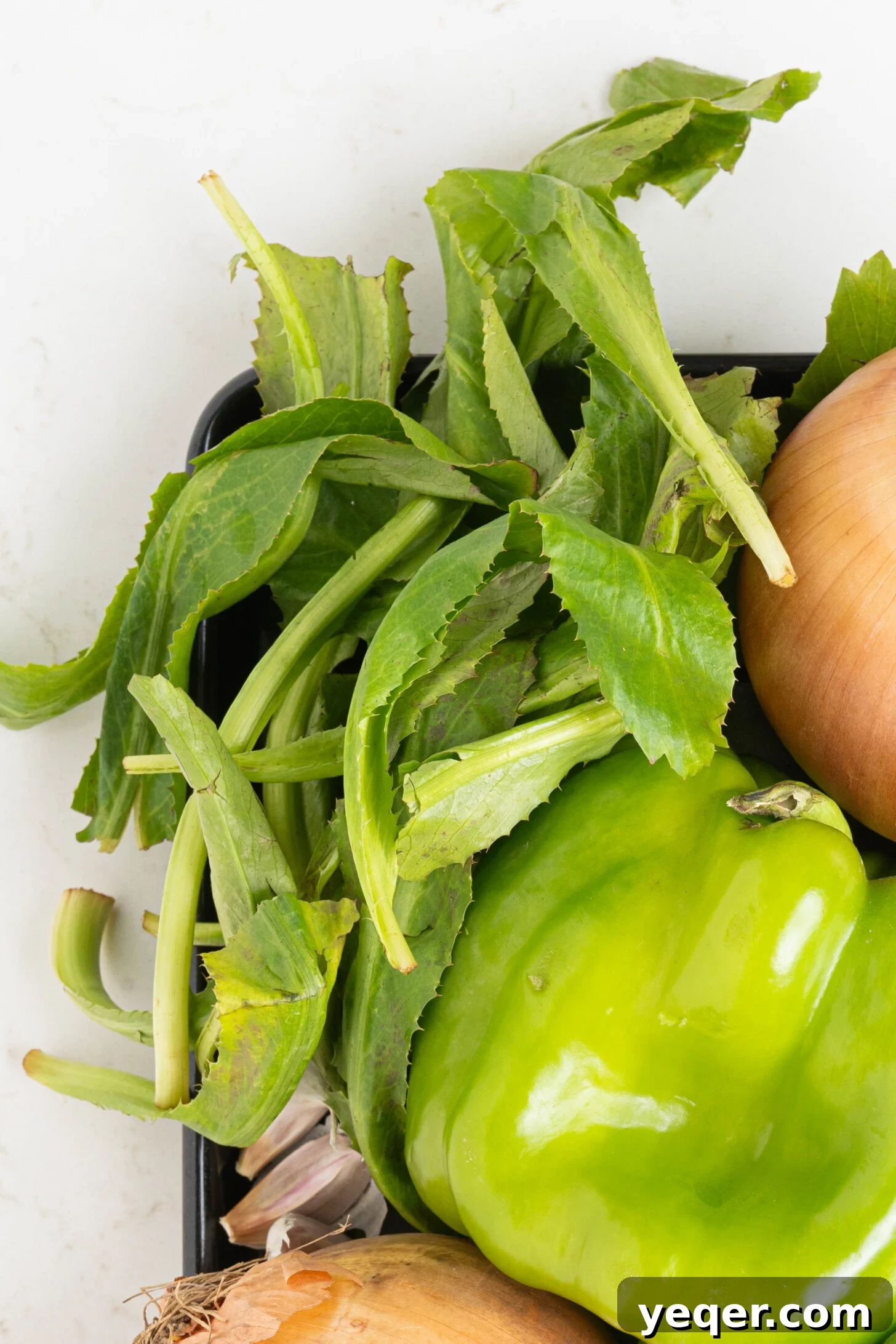
While culantro and cubanelle peppers are ideal, they can sometimes be difficult to find depending on your location. Don’t let this deter you! You can absolutely make a delicious sofrito using cilantro and readily available mild peppers like green bell peppers or Italian sweet peppers.
My best advice for sourcing culantro and specialty peppers is to check your local Asian or Hispanic markets. These stores often carry a wider variety of fresh herbs and produce essential for authentic international cooking.
Cilantro
Cilantro, with its bright, citrusy notes, complements culantro beautifully. If culantro is unavailable, you can use a larger quantity of cilantro to achieve a similar herbaceous base, though the flavor will be slightly milder. A blend of both, if you can find them, offers the most complex and balanced herbal profile.
By selecting these fresh, aromatic components, you are laying the groundwork for a truly authentic and deeply flavorful Puerto Rican Sofrito that will become a cherished ingredient in your culinary repertoire.
Step-by-Step Guide: Crafting Your Homemade Sofrito
Making Puerto Rican Sofrito is a quick and rewarding process that requires minimal cooking experience. With a good food processor, you’ll have a fresh batch ready in mere minutes. Here’s how to prepare this vibrant culinary base:
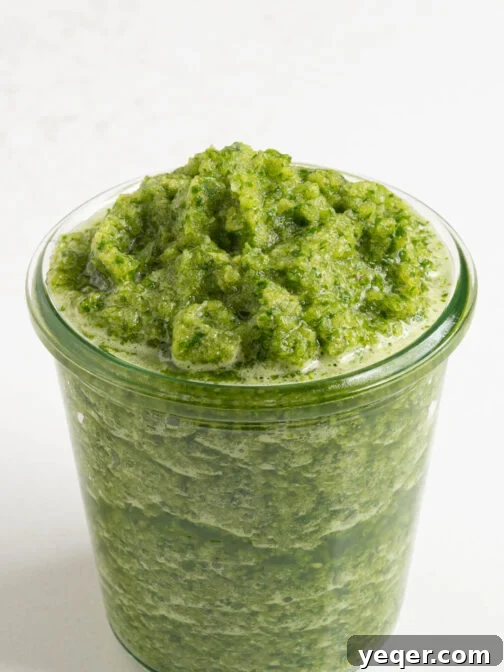
Homemade Puerto Rican Sofrito (Recaito)
- Author: Salima Benkhalti
- Prep Time: 5 minutes
- Cook Time: 0 minutes
- Total Time: 5 minutes
- Yield: 10 servings
- Category: Puerto Rican, Bases, Sauces
- Method: Blended
- Cuisine: Puerto Rican, Caribbean
- Diet: Vegan
Description
Learn how to make my family’s version of Puerto Rican Sofrito, also known as Recaito, and use it as an easy and flavorful base for stews, rice dishes, and more! It comes together with a few easy ingredients in less than 10 minutes.
Ingredients
- 1 onion (yellow or white)
- 2 cups peppers (cubanelle, aji dulce, bell peppers, Italian sweet peppers, etc.)
- 4 cloves garlic
- 1 cup culantro and/or cilantro (1/2 cup of each or 1 cup cilantro if it’s all you can find)
Instructions
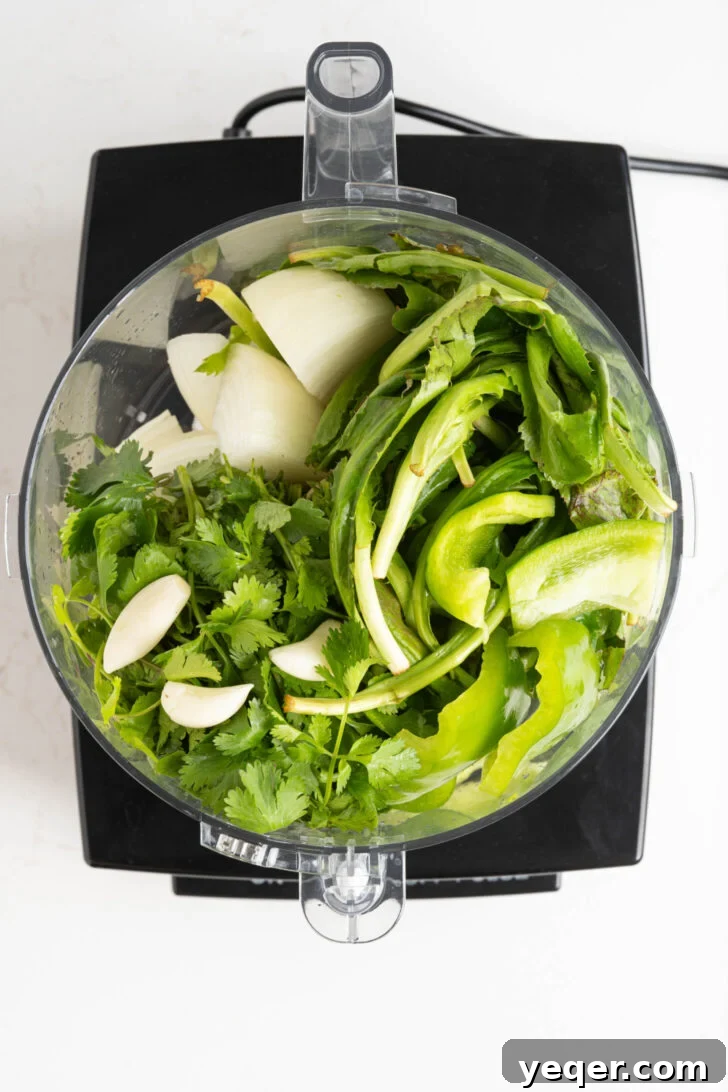
- Prep the Alliums & Peppers: Begin by peeling the onion and garlic. Then, roughly chop the onion and peppers into chunks that are small enough for your food processor to handle easily. Take care to remove all seeds and membranes from the peppers to avoid any bitterness and ensure a smoother blend. A rough chop is sufficient as the food processor will do the rest of the work.
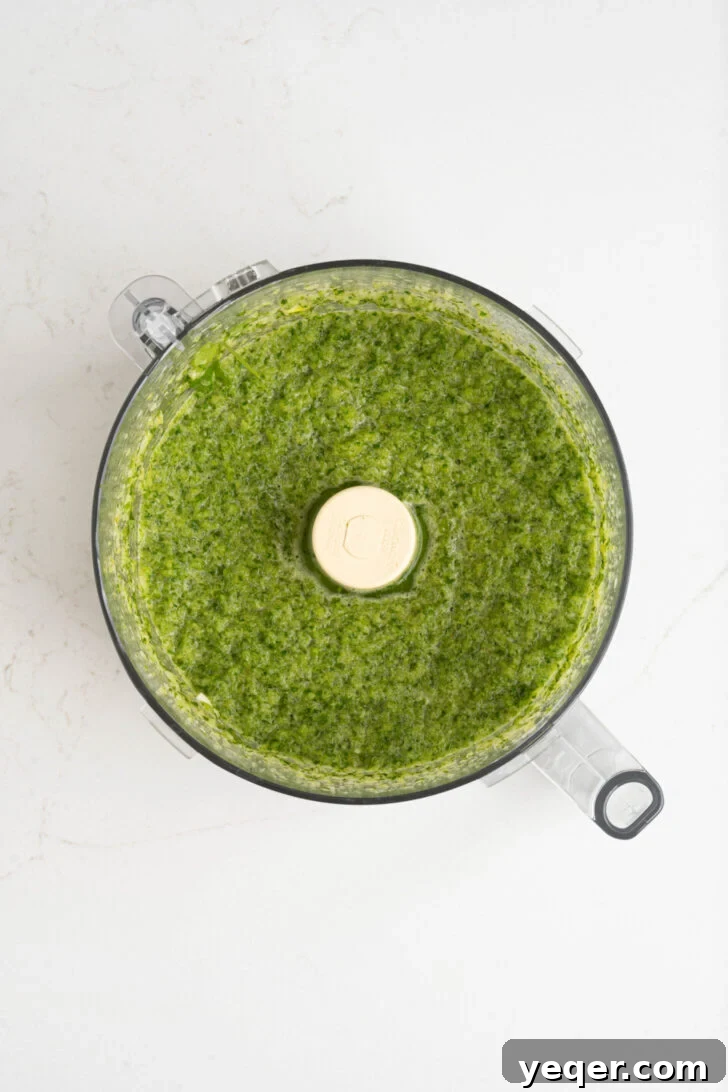
- Blend to Perfection: Transfer all the prepared ingredients—onions, garlic, peppers, culantro, and/or cilantro—into the bowl of your food processor. Pulse the mixture repeatedly until a consistent, finely minced, yet slightly textured paste is formed. Avoid over-processing it into a completely smooth puree; a little texture adds to its rustic charm and helps it sauté better. My food processor handles this task in about 5 minutes, making it incredibly fast. Use this vibrant sofrito as a flavorful base for any savory dish you desire!
Equipment
Food Processor
Buy Now →
Weck Jars
Buy Now →
Notes on Storage
Once prepared, transfer your fresh sofrito to an airtight container. It will keep beautifully in the fridge for up to 1 week, ready to be used whenever inspiration strikes. For longer preservation, which is highly recommended for meal prep, freeze any leftovers.
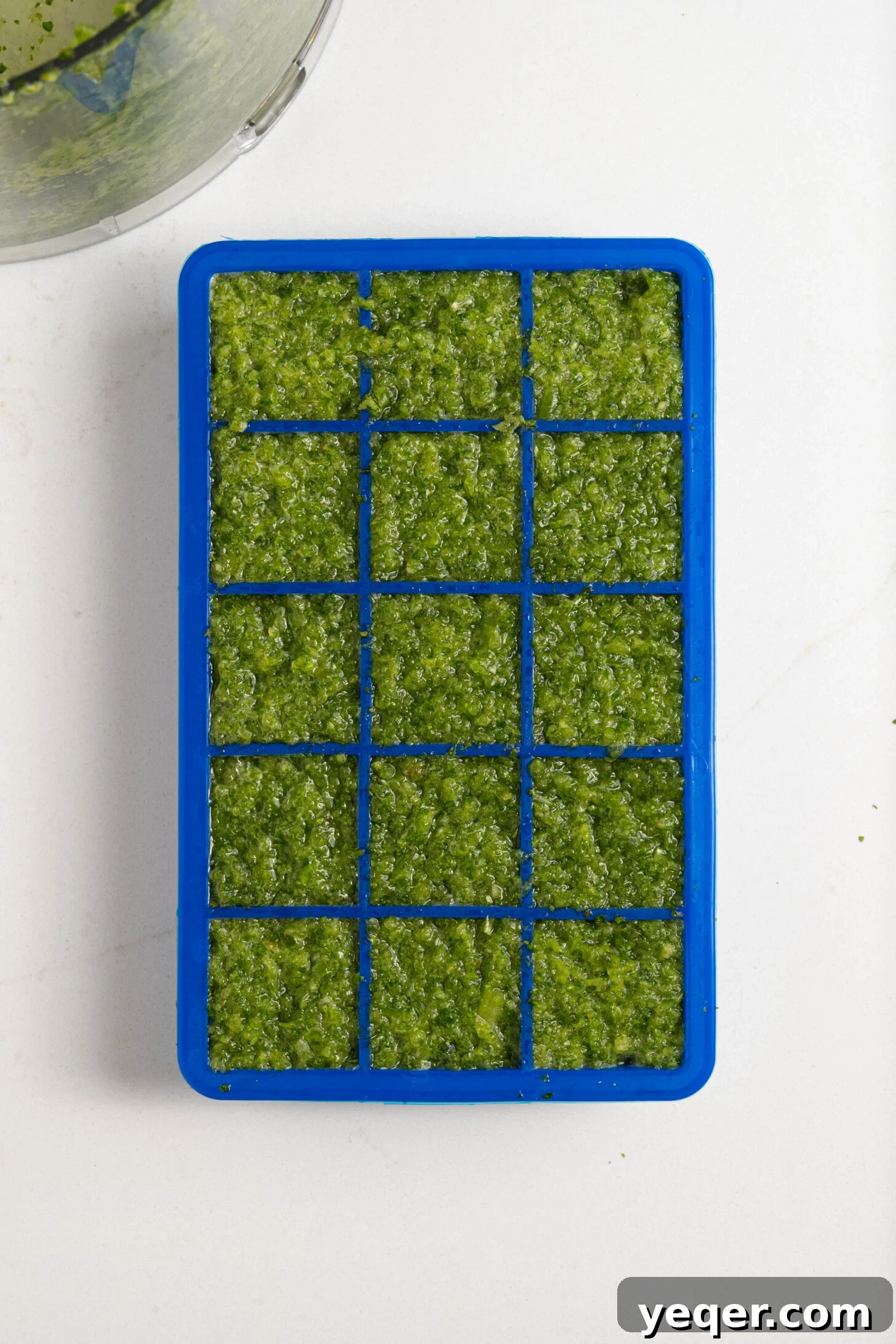
Ice cube trays are perfect for portioning sofrito; simply spoon the mixture into the molds and freeze until solid. Once frozen, pop out the cubes and transfer them to a freezer-safe bag or large silicone molds. Frozen sofrito can be stored for several months, allowing you to have this incredible flavor base on hand at all times. When you’re ready to use it, just drop a cube or two directly into your pot—no need to thaw!
Unleash the Flavor: Best Uses for Puerto Rican Sofrito
One batch of homemade sofrito yields enough to flavor several dishes, making it an invaluable tool for any home cook. Its versatility is truly remarkable, capable of transforming simple ingredients into meals bursting with authentic Caribbean taste. Here are some of my favorite and most effective ways to incorporate this foundational ingredient into your cooking:
As a Flavorful Base for Soups, Stews & Rice Dishes
This is arguably the most traditional and impactful use for sofrito. Whenever you start a savory dish that calls for onions and garlic, substitute or augment them with a generous spoonful (or frozen cube!) of sofrito.
- Stews: Sofrito forms the aromatic heart of classic Puerto Rican stews like Sancocho (Puerto Rican Beef & Root Veggie Stew), Habichuelas Guisadas (Stewed Beans), and Pollo Guisado (Stewed Chicken). Sautéing it in a little oil before adding other ingredients unlocks its full flavor potential.
- Rice Dishes: It’s absolutely essential for iconic rice preparations such as Arroz con Gandules (Rice & Beans with Sofrito), Arroz con Pollo (Authentic Puerto Rican Chicken & Rice), and Arroz con Habichuelas. It imparts a vibrant color and deep, complex flavor that permeates every grain of rice.
- Soups: Elevate any soup, from a simple chicken noodle to a hearty vegetable creation, by beginning with a sofrito base. It adds a layer of freshness and herbal depth that is incredibly comforting.
Stuffed Delights & Savory Fillings
Sofrito is a fantastic addition to various fillings, providing moisture and a punch of flavor.
- Empanadas and Fritters: Similar to my Empanadillas (Fried Puerto Rican Turnovers) recipe, this recaito makes an excellent addition to savory fillings. Mix it into ground beef for Picadillo (Puerto Rican Style Carne Molida), or incorporate it into fillings for other popular Caribbean street foods like alcapurrias, pastelillos, or even dumplings.
- Rellenos de Papa: For stuffed potato balls, sofrito is crucial for flavoring the meat filling that goes inside.
In Sauces and Marinades
A spoonful of sofrito can significantly enhance the complexity of various sauces and serve as an incredible marinade.
- Sauces: Swirl a spoonful of this aromatic paste into your favorite tomato sauce, whether it’s for pasta, pizza, or a braised meat dish. You’ll immediately taste the impact of the fresh garlic, onion, peppers, and herbs.
- Marinades: Use sofrito as a flavorful marinade for chicken, pork, or fish. Its acidic components and strong flavors help tenderize meat and infuse it with a delicious, authentic taste before grilling, baking, or frying.
Creative Culinary Applications
Don’t be afraid to experiment! Sofrito can surprise you with its ability to elevate everyday dishes.
- Eggs: I especially love using any leftovers in sofrito scrambled eggs. Just a small amount sautéed before adding eggs transforms a simple breakfast into something extraordinary.
- Roasted Vegetables: Toss roasted vegetables with a dollop of sofrito before baking for an instant flavor boost.
- Dips and Spreads: Mix a little sofrito into hummus, bean dips, or even cream cheese for a unique, savory spread.
With so many possibilities, you’ll never want a drop of this delicious ingredient to go to waste. Experiment with it and discover your own favorite ways to enjoy the unparalleled flavor of Puerto Rican Sofrito!
Frequently Asked Questions About Sofrito
- Can I use a blender instead of a food processor?
- Yes, you can use a blender, but you might need to add a small amount of liquid (like water or olive oil) to help it blend, especially if your blender isn’t very powerful. A food processor is generally preferred because it chops the ingredients more evenly without making them too watery, maintaining a better texture.
- What if I can’t find culantro (recao)?
- If culantro is unavailable, you can substitute it with additional cilantro. While the flavor will be slightly different (cilantro is milder), it will still create a delicious and aromatic sofrito. Look for culantro in Asian or Hispanic markets, as they often carry it.
- Is Puerto Rican Sofrito spicy?
- Traditionally, Puerto Rican sofrito is not spicy. It relies on mild peppers like cubanelles, ají dulce, and bell peppers for its flavor, rather than hot chili peppers. If you prefer a touch of heat, you can add a small amount of a mild hot pepper or a pinch of red pepper flakes, but this deviates from the classic recipe.
- How long does homemade sofrito last?
- Fresh sofrito stored in an airtight container will last up to one week in the refrigerator. For longer storage, it can be frozen in ice cube trays or freezer-safe containers for several months (up to 3-6 months).
- Can I add tomatoes to Puerto Rican Sofrito?
- No, traditional Puerto Rican sofrito (Recaito) does not contain tomatoes. It is a distinct green base. Other Latin American countries use tomato-based sofritos, but for an authentic Puerto Rican flavor, it’s best to omit them. Tomatoes are typically added separately to dishes if desired, not as part of the sofrito itself.
Buen provecho,