
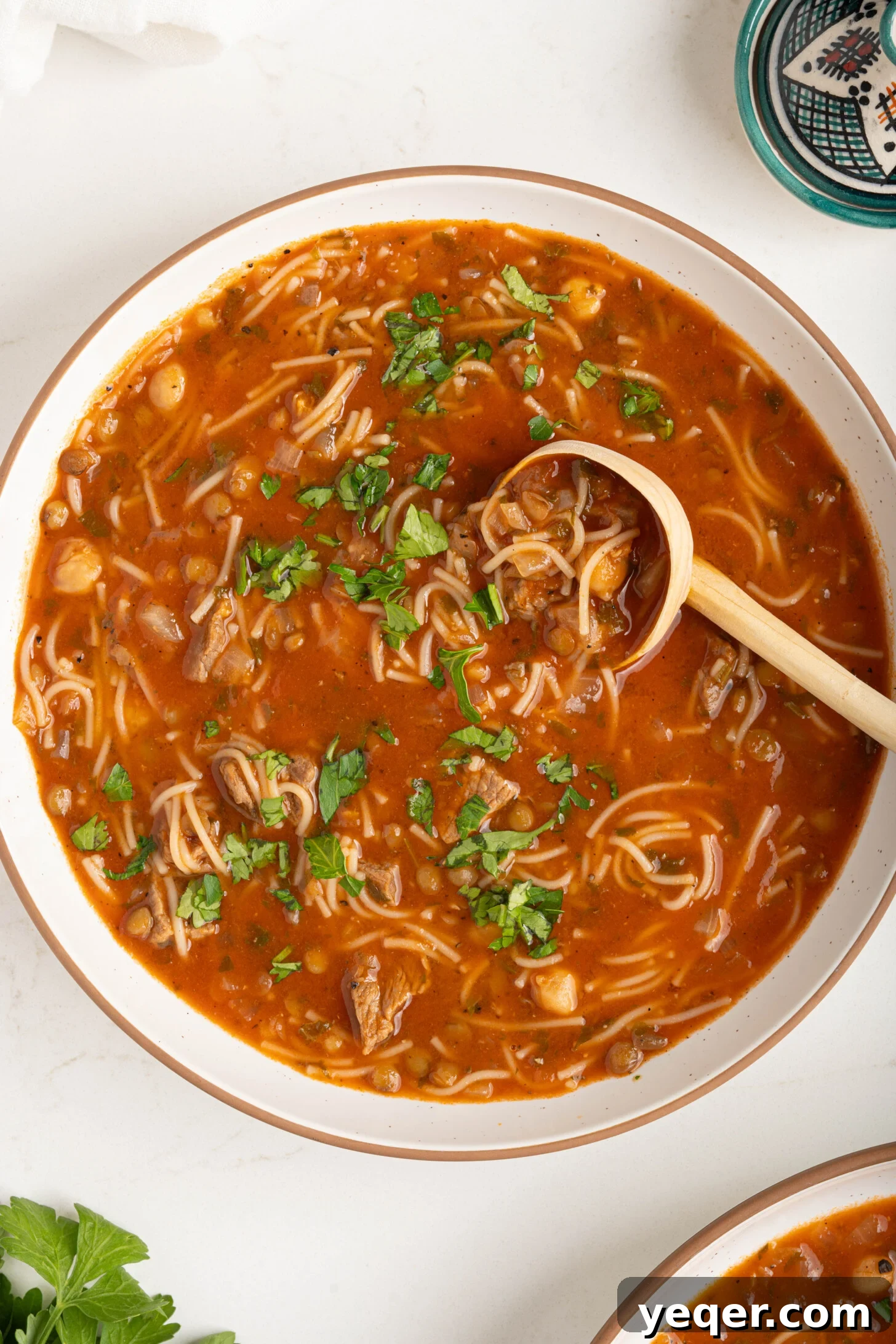
Authentic Moroccan Harira: A Warming Chickpea and Lentil Soup for Iftar
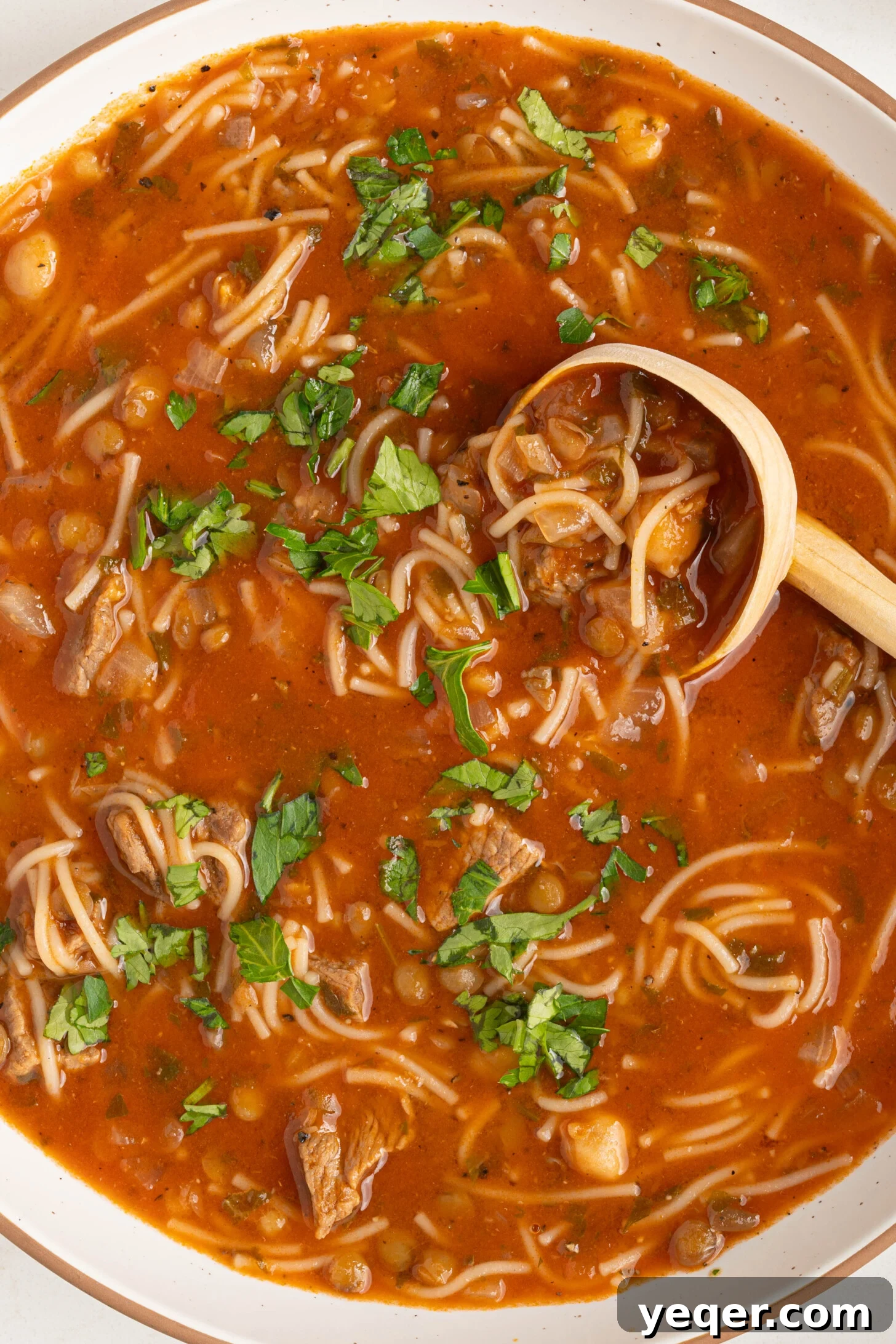
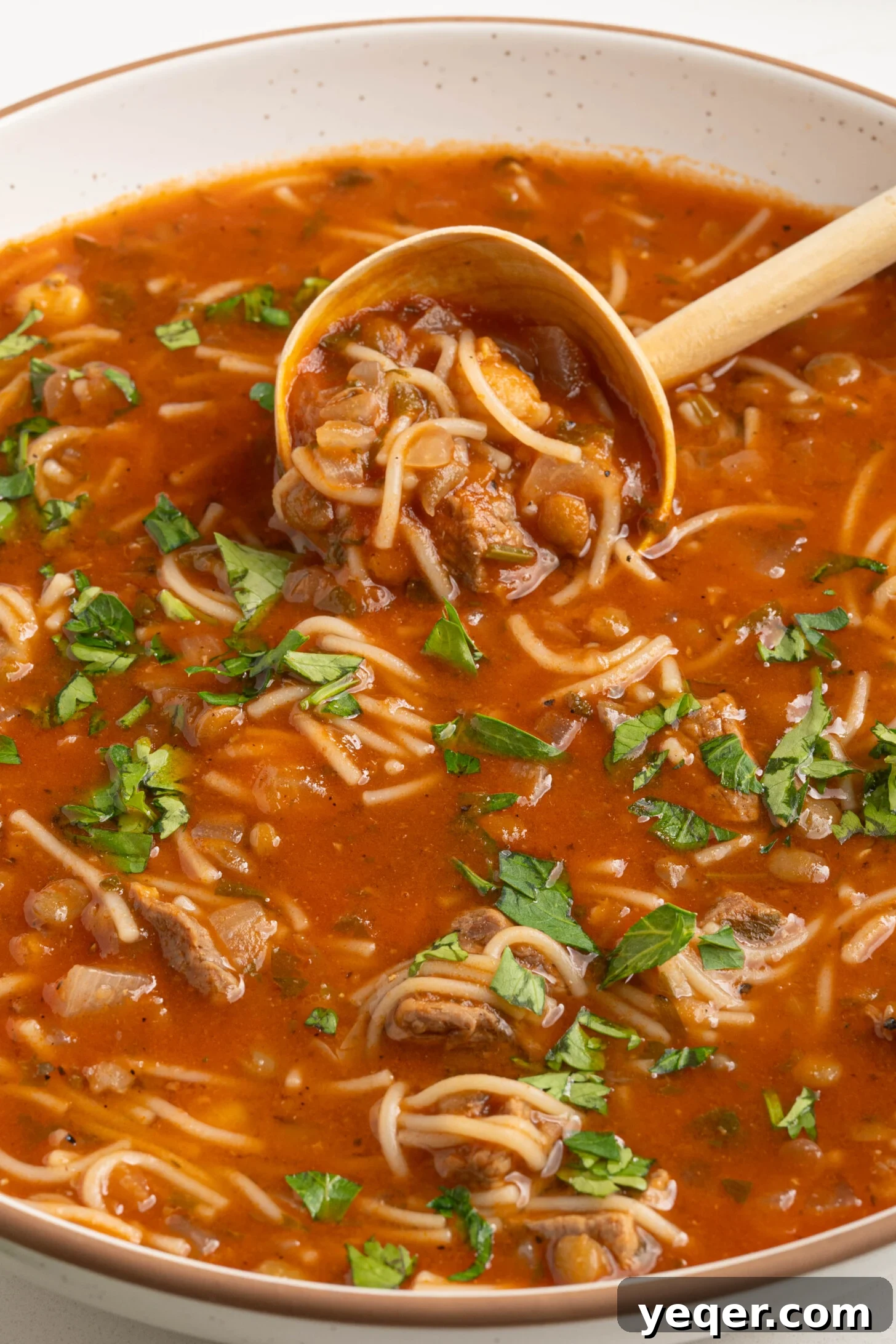
Embark on a culinary journey to the heart of Morocco with this cherished recipe for Moroccan Harira, a profoundly warming and nourishing soup. More than just a dish, Harira is a symbol of tradition, community, and comfort, especially revered during the holy month of Ramadan. My father’s traditional recipe, honed over decades, brings together a symphony of wholesome ingredients: tender chickpeas, succulent beef or lamb stew meat, and hearty lentils, all simmered in a rich, aromatic tomato base. Prepared meticulously on the stovetop, this homemade masterpiece delivers an unparalleled depth of flavor in just about 45 minutes of active preparation time, making it a perfect meal to gather around.
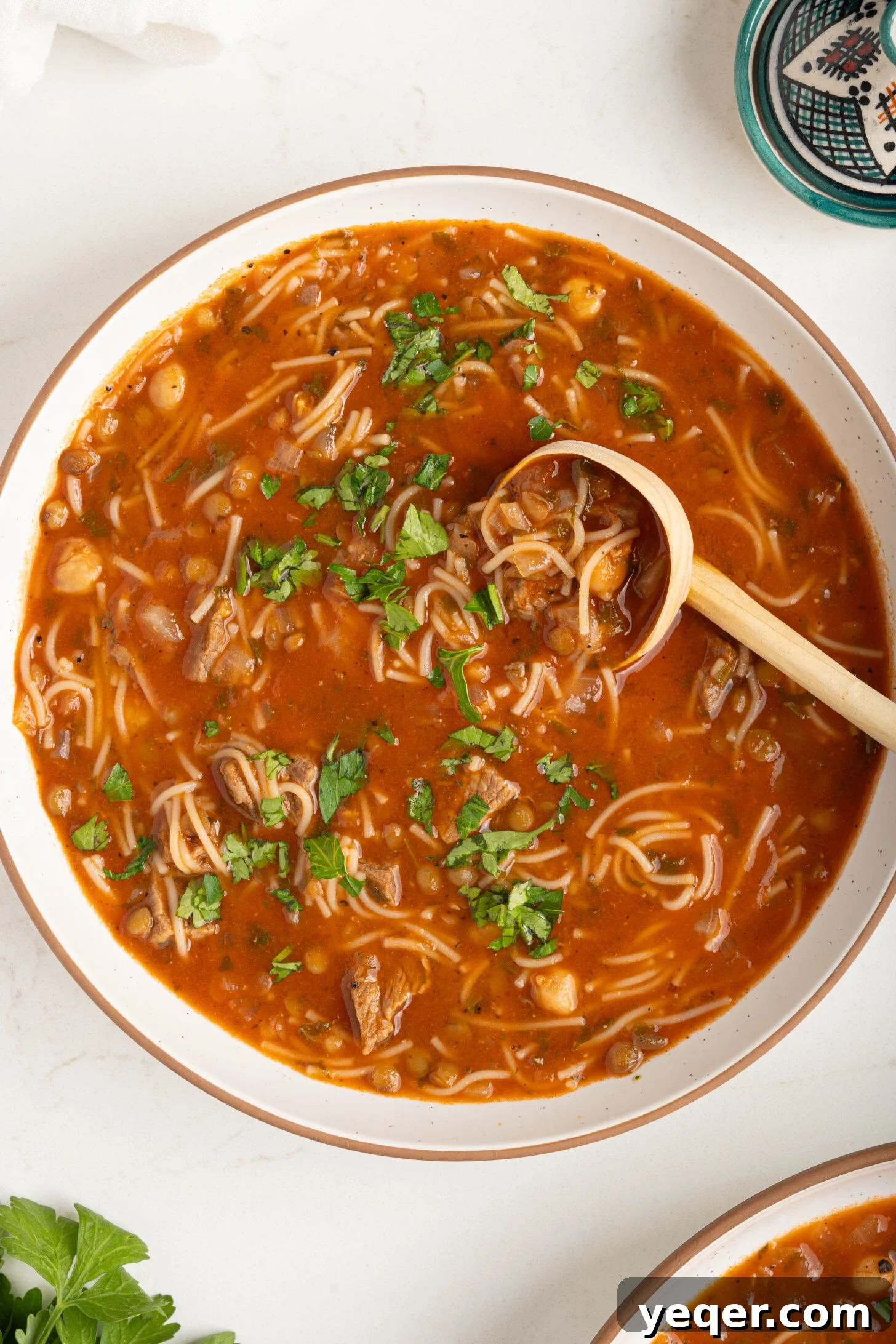
The magic of Harira truly comes alive when served as part of a traditional Iftar spread, the evening meal that breaks the daily fast during Ramadan. The comforting warmth of this tomato-based soup, infused with a blend of exotic spices, creates a delightful contrast when paired with the invigorating freshness of Moroccan mint tea. Accompanying this wholesome soup are sweet, succulent dates, which offer a natural burst of energy after a day of fasting, alongside satisfying hard-boiled eggs and decadent, honey-drenched cookies, typically the intricate halwa chebakia. This harmonious combination forms a meal that is both deeply satisfying and culturally significant.
The Essence of Iftar: A Moroccan Tradition
This Moroccan chickpea and lentil soup transcends the definition of an ordinary recipe; it is a beloved culinary institution. Harira holds a special place in Moroccan households, prepared annually and with great care throughout Ramadan to break the fast (Iftar) each night. Its rich, satisfying nature is ideal for replenishing the body and spirit after a day of abstinence. The act of sharing a bowl of Harira at Iftar is not merely about sustenance; it’s a communal ritual, a moment of reflection, gratitude, and togetherness that strengthens family bonds and community ties.
Like many authentic Moroccan recipes, this Harira relies on a foundation of fresh, vibrant ingredients and a carefully selected array of dried spices to develop its characteristic rich and complex flavor profile. Fresh cilantro and parsley lend an earthy, herbaceous depth, while ground ginger introduces a warm, subtly spicy note that is unmistakably Moroccan. The balance of these elements is what gives Harira its unique and inviting taste, a testament to the sophisticated culinary heritage of Morocco.
Perfect Pairings for Your Harira Experience
To truly immerse yourself in the authentic Moroccan Iftar experience, we highly recommend savoring this hearty soup with its traditional accompaniments. A freshly baked loaf of Moroccan bread (Khobz) is essential for dipping into the flavorful broth, soaking up every delicious drop. Complement the meal with a refreshing glass of Moroccan mint tea, the nation’s beloved beverage, known for its digestive properties and sweet, invigorating taste. Dates, often enjoyed at the very start of Iftar, offer a traditional and nutritious way to break the fast. Hard-boiled eggs provide an extra boost of protein, while the exquisite halwa chebakia, a sesame honey cookie, adds a touch of sweetness and celebration. Together, these elements create a complete and unforgettable Moroccan meal.
Ingredients: The Heart of Moroccan Harira
The soul of any great dish lies in its ingredients, and Moroccan Harira is no exception. Each component plays a vital role in building the soup’s distinctive layers of flavor and satisfying texture. From the protein-rich legumes to the fragrant herbs and warm spices, every item contributes to the comforting character that has made this soup a staple in Moroccan homes.
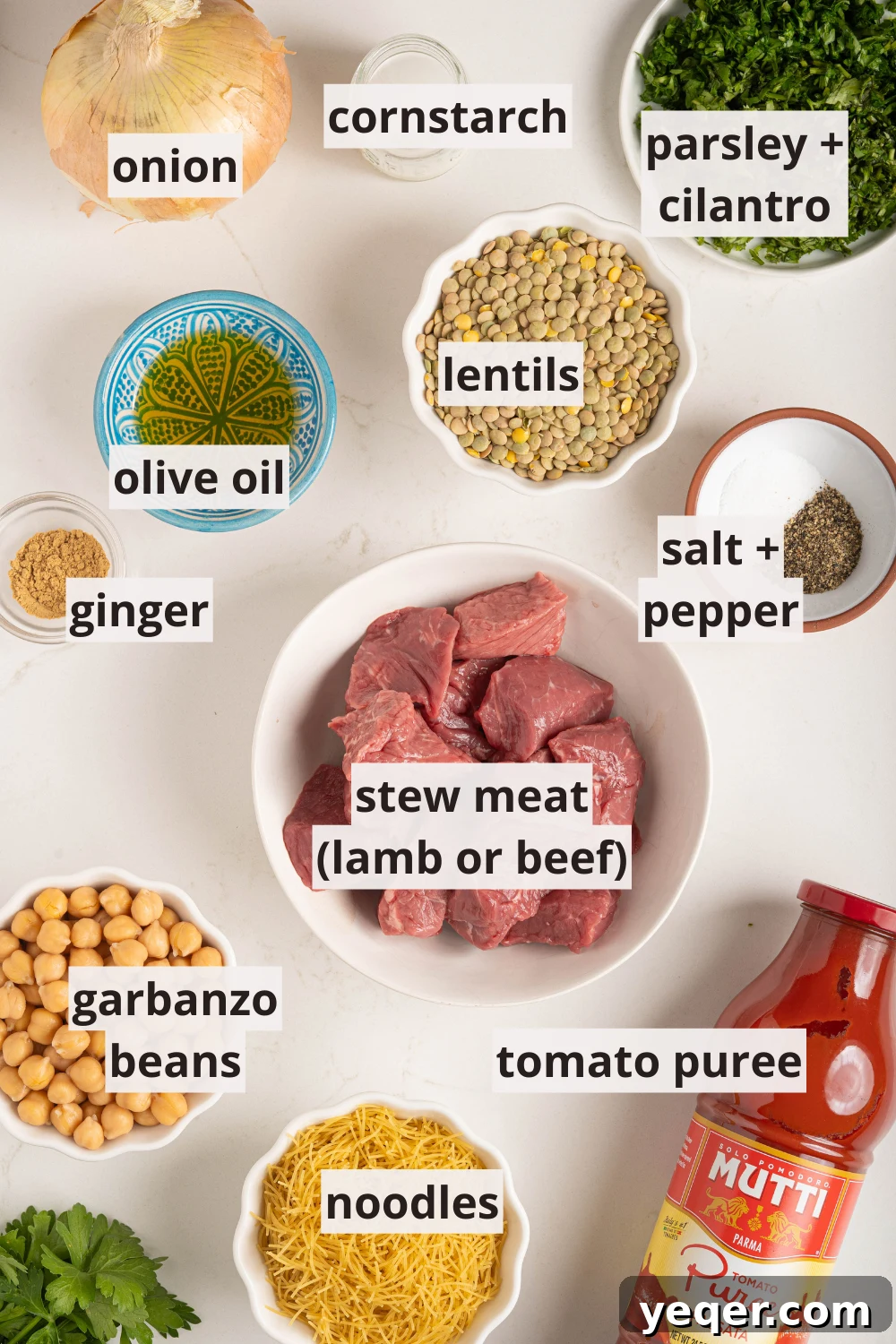
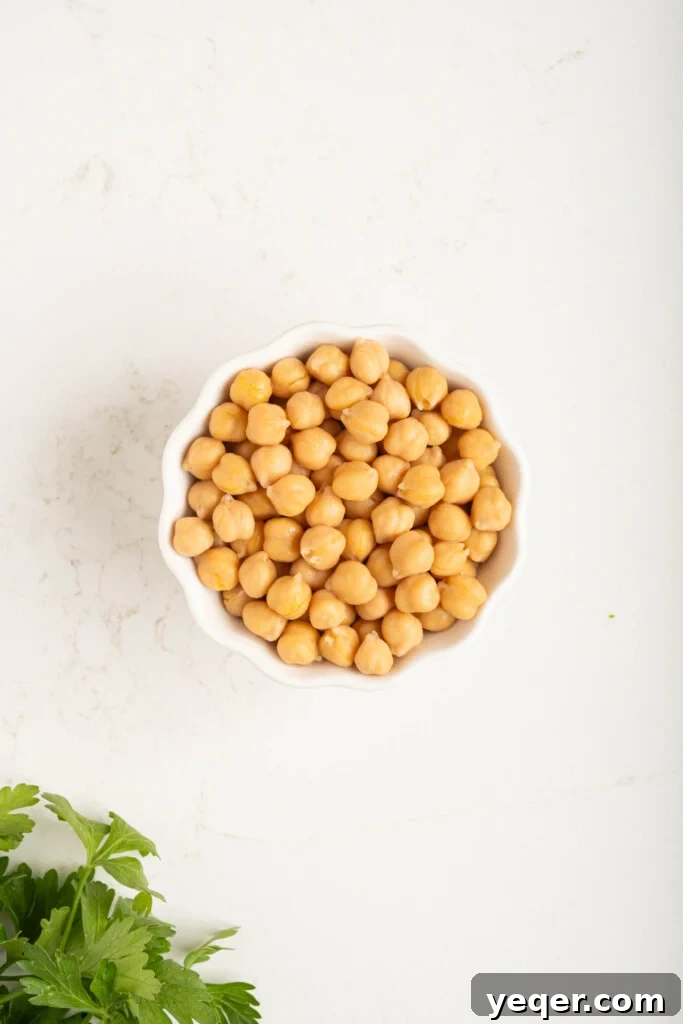
When selecting your ingredients, prioritize freshness, especially for the herbs, as they infuse the soup with vibrant aromas. For the meat, opt for high-quality lamb or beef stew cuts that will become incredibly tender after slow simmering. Don’t forget the importance of proper chickpea preparation; if using dried chickpeas, an overnight soak is crucial for optimal texture and cooking time. This careful selection ensures that your homemade Harira will be as authentic and delicious as the one enjoyed in Moroccan households.
How to Make It: Step-by-Step Harira Preparation
Creating this traditional Moroccan Harira is a rewarding experience, and with these clear, detailed steps, you’ll be able to prepare a flavorful pot of soup that rivals any in Morocco. The process involves layering flavors, starting with a rich base and gradually building up the complexity that defines this iconic dish. Pay attention to each stage, and you’ll soon be enjoying a heartwarming bowl of homemade Harira.
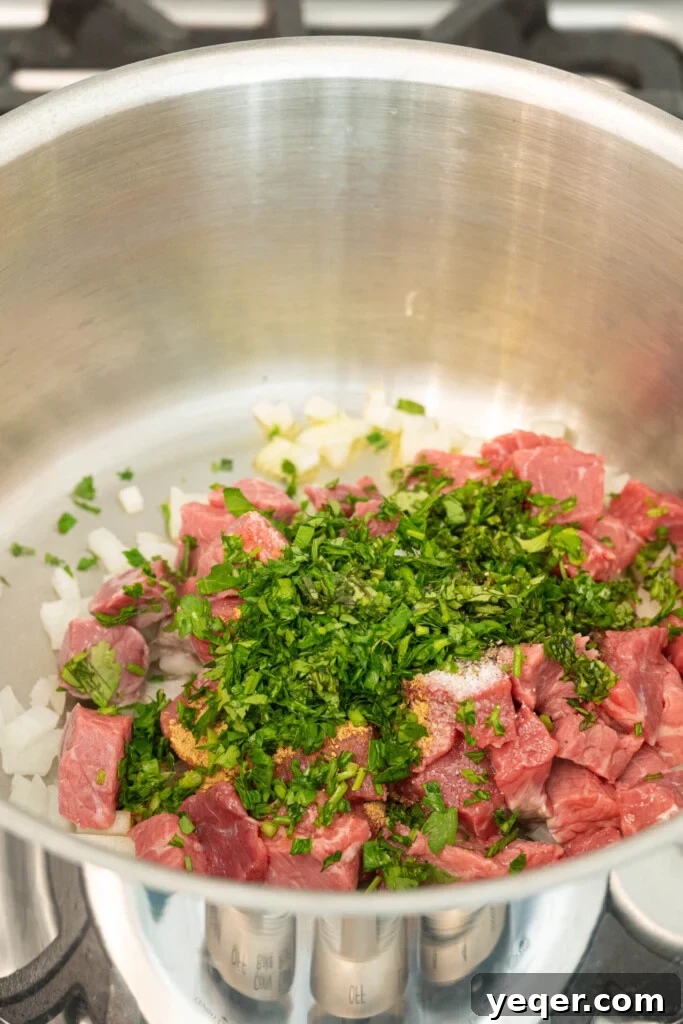
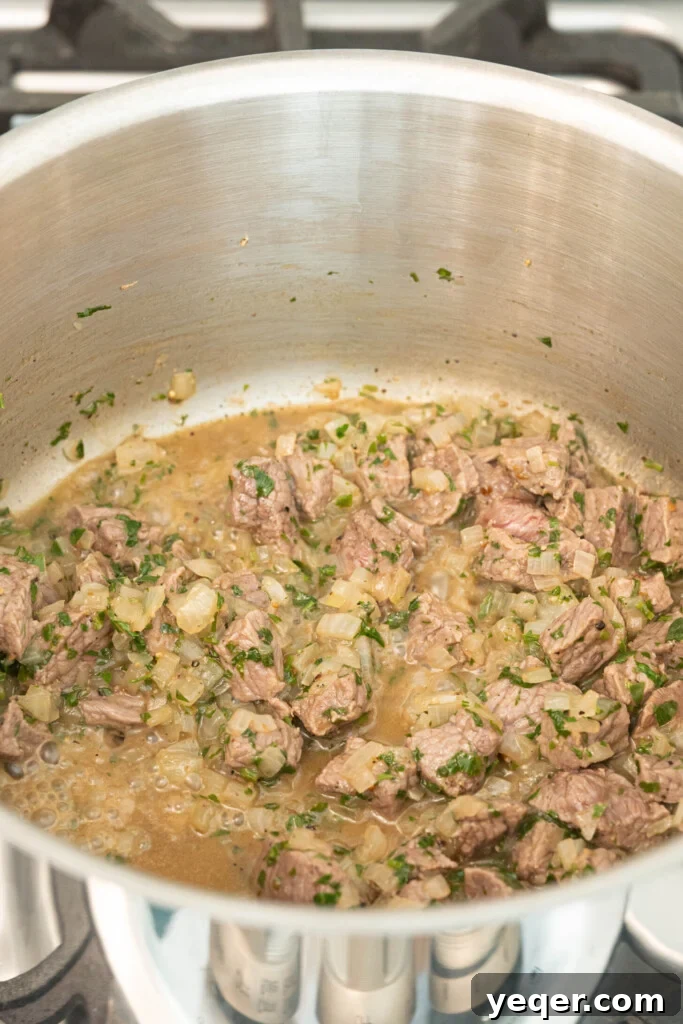
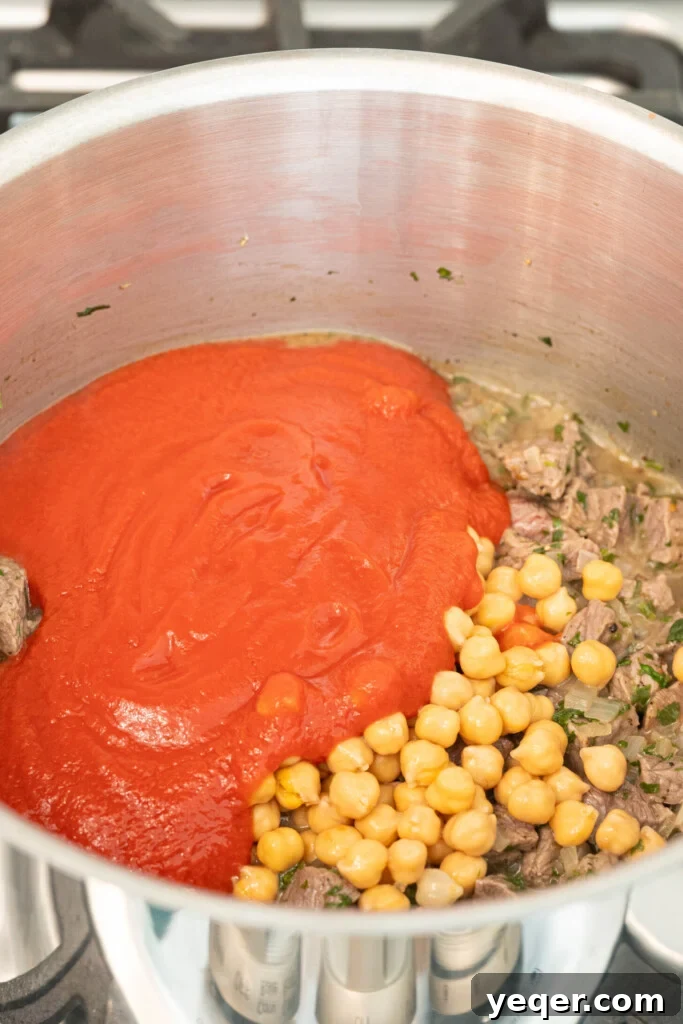
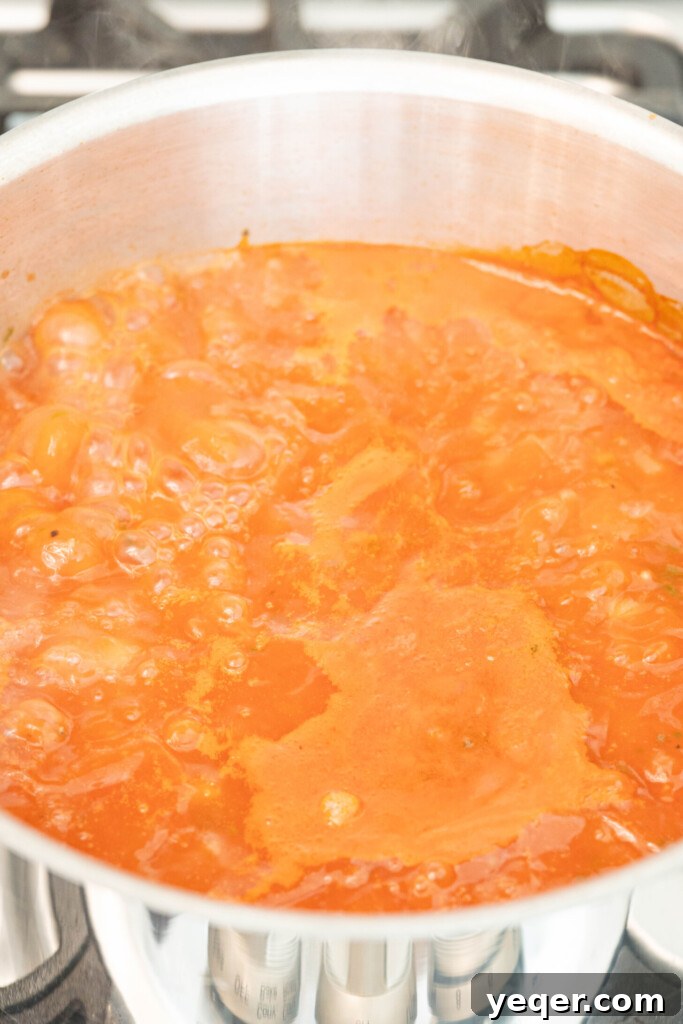
Optional Thickening Step: For a thicker Harira, a traditional technique involves creating a “tadwira.” In a small bowl, thoroughly mix together cornstarch and cold water until no clumps remain, forming a smooth slurry. Uncover the simmering soup and slowly stir in this cornstarch-water mixture. Continue to stir gently as the soup returns to a simmer; it will begin to thicken beautifully, achieving that signature rich consistency. This step is entirely optional but highly recommended for those who prefer a heartier soup.
Iftar & What to Eat with Harira
The Iftar meal in Morocco is a deeply personal and familial affair, and while Harira is almost universally present, the specific nuances of how each family breaks the fast with this Moroccan lentil and chickpea soup can vary slightly. These variations reflect regional traditions and individual family preferences, yet the spirit of warmth and gathering remains constant.
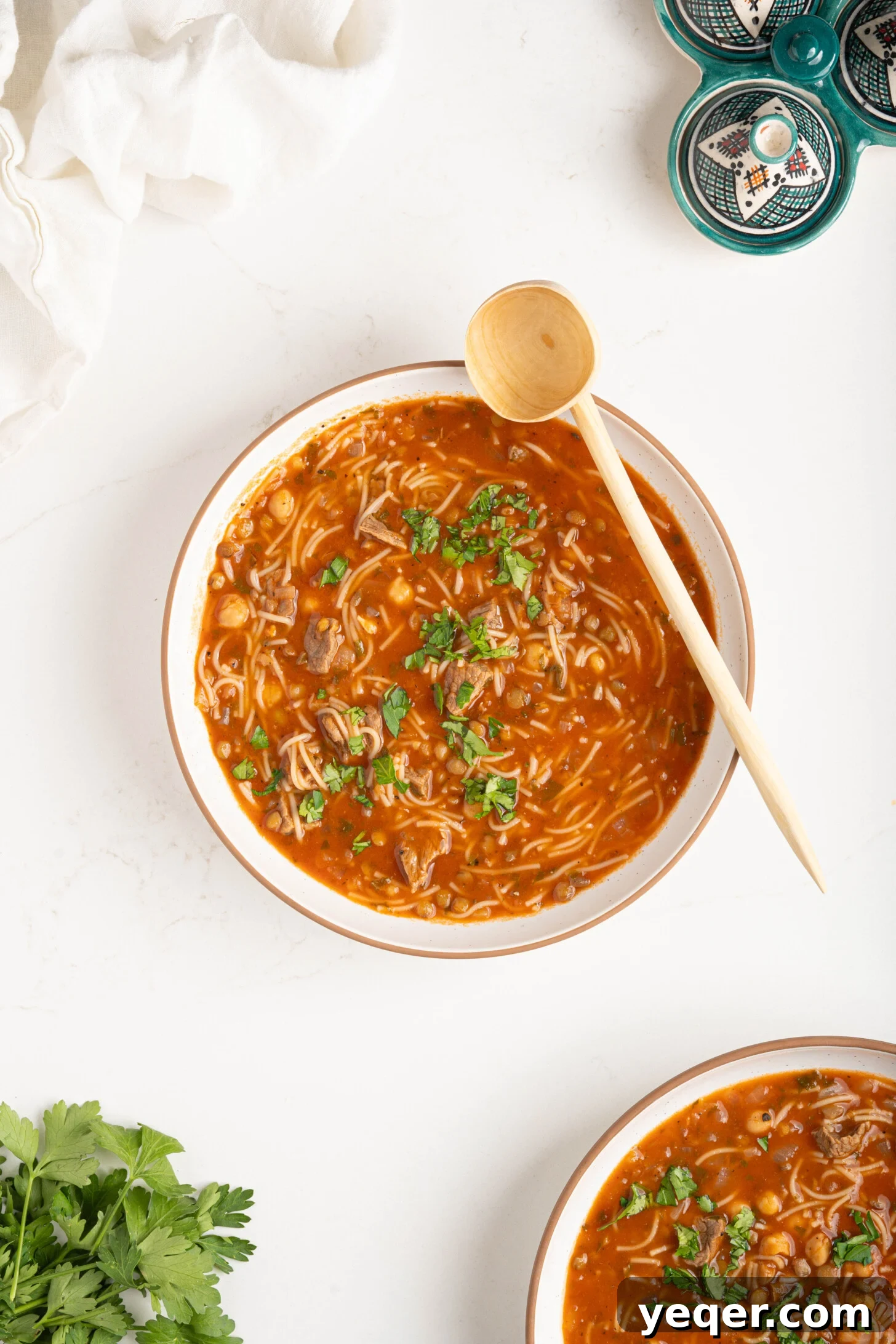
In my family, the heart of Iftar unmistakably revolves around Harira. It is usually accompanied by a freshly brewed pot of sweet mint tea, offering a refreshing cleanse. Essential to the breaking of the fast are plump dates, providing immediate natural sweetness and energy. Hard-boiled eggs offer a simple yet nourishing source of protein, and for a touch of indulgence, traditional sesame honey cookies (chebakia) are often present, their intricate patterns and sticky sweetness a delightful treat after a day of fasting. This combination creates a balanced and incredibly satisfying meal, celebrating both sustenance and tradition.
A Thank You to My Dad: The Legacy of a Harira Master
If there was ever a post that was difficult and deeply personal for me to write, it is this one. This very soup, this exact recipe for Harira, was the last meal my beloved dad made for my husband and me. It was the last time we had the privilege of seeing him, vibrant and full of life in our kitchen, before he peacefully passed away in November of 2020. This soup was not just a dish to him; it was one of his absolute favorite recipes, a culinary legacy that I grew up enjoying with him often, especially as an integral part of our cherished Ramadan tradition to break the fast each evening.
My dad was a constant source of care, guidance, and inspiration in my life. His love manifested in countless ways, whether it was through preparing delicious Moroccan recipes that filled our home with warmth and incredible aromas, patiently teaching me the intricacies of cooking them, or even pushing me to pursue my passions, like investing in that new camera I had been dreaming about – the very camera I used to capture these photos for you today. He nurtured every aspect of my growth.
Learning from him, soaking in his wisdom and expertise, is what I continue to miss the most profoundly. Being his daughter was, and remains, the greatest privilege of my life. His spirit lives on not only in my memories but in every dish I prepare, every technique I apply, and every piece of advice he imparted.
Even during that last cooking session, surrounded by the familiar comfort of our kitchen, bustling with his energy and profound love for life, he urged me to document everything. He encouraged me to meticulously write down the recipe, capture photographs of each step, and make detailed notes about his unique techniques and precise measurements. He understood the importance of preserving these traditions, ensuring that the flavors and stories of our heritage would be passed on.
This Harira recipe, this piece of my heart on a plate, truly would not be what it is today without him. It embodies his generosity, his passion, and his unwavering encouragement. So, a very special and heartfelt thanks to my Baba, my dad, for teaching me not just how to cook, but how to explore life, how to savor every moment, and how to carry tradition forward with love. I love you endlessly, and your legacy continues to inspire me every single day.
Bismillah (In the name of God),

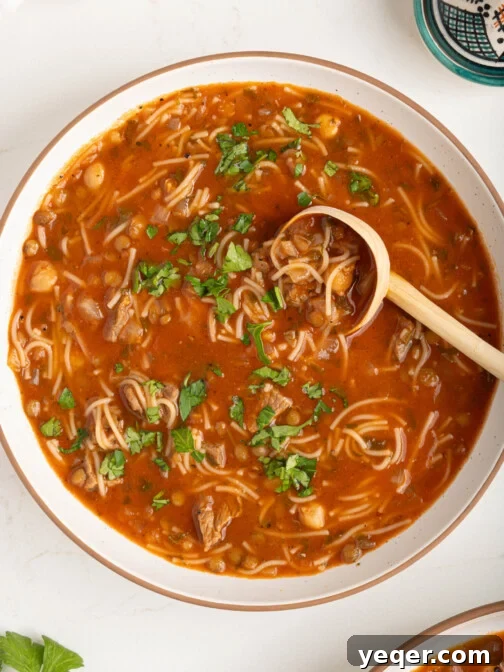
Traditional Moroccan Harira (Lentil & Chickpea Soup)
5 from 8 reviews
Author: Salima Benkhalti
Prep Time: 10 minutes
Cook Time: 30 minutes
Total Time: 45 minutes
Yield: 6 servings
Category: Soup, Dinner
Method: Stovetop
Cuisine: Moroccan, North African, Mediterannean, African
Diet: Gluten Free
Description
Follow these simple steps at home to make my Dad’s traditional Moroccan Harira, a warming soup made to break fast during Ramadan in Morocco (Iftar). This homemade soup combines chickpeas, beef, or lamb stew meat, and rice. It’s prepared stovetop, and takes just 45 minutes to prepare.
Ingredients
- 1 cup garbanzo beans (soak overnight if using dried)
- 1 lb lamb or beef (stew meat cut into 2 inch cubes)
- 2 tbsp olive oil
- 1 yellow onion, diced
- 1/2 cup cilantro, minced
- 1/2 cup parsley, minced
- 1 tbsp pepper
- 1 tbsp salt
- 2 tsp ginger (ground)
- 28 oz tomato puree
- 8–10 cups water
- 1 cup green lentils
- 1 cup fideo noodles, broken vermicelli noodles, or white rice
- Optional: 2 tsp cornstarch + 2 tsp water
Instructions
- If using dried garbanzo beans, soak them in a bowl of water overnight. Drain and rinse before use.
- In a heavy bottomed soup pot, add the oil, chopped onion, diced meat, half of the cilantro & parsley, salt, pepper, and ginger.
- Sauté on medium-high heat for 5-10 minutes or until the meat is browned and the onion is translucent.
- Add the drained garbanzo beans, tomato puree, and water to the pot. Bring the liquid to a boil, then cover, reduce heat to low, and simmer for 25-30 minutes or until the garbanzos and meat are cooked through and tender.
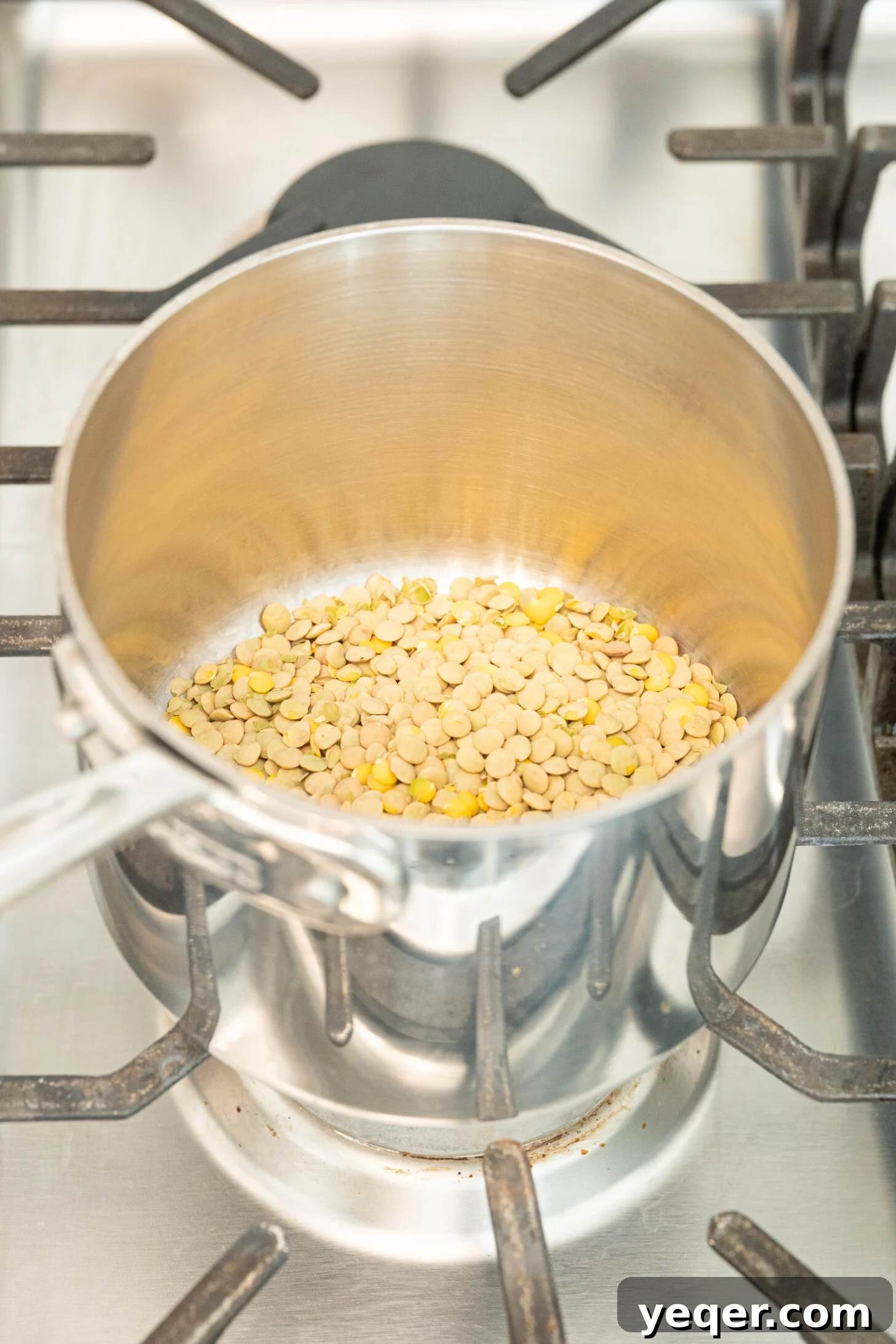
- In a small separate pot, add the lentils and cover with water. Bring to a boil, then cover and lower to a simmer for 15 minutes. Turn off the heat and set aside while the main soup finishes cooking.
- Optional: For a thicker soup, in a small bowl, mix together cornstarch and cold water until no clumps remain to form a slurry. Uncover the soup and slowly stir in the cornstarch-water slurry to thicken. Simmer for a few more minutes until desired consistency is reached.
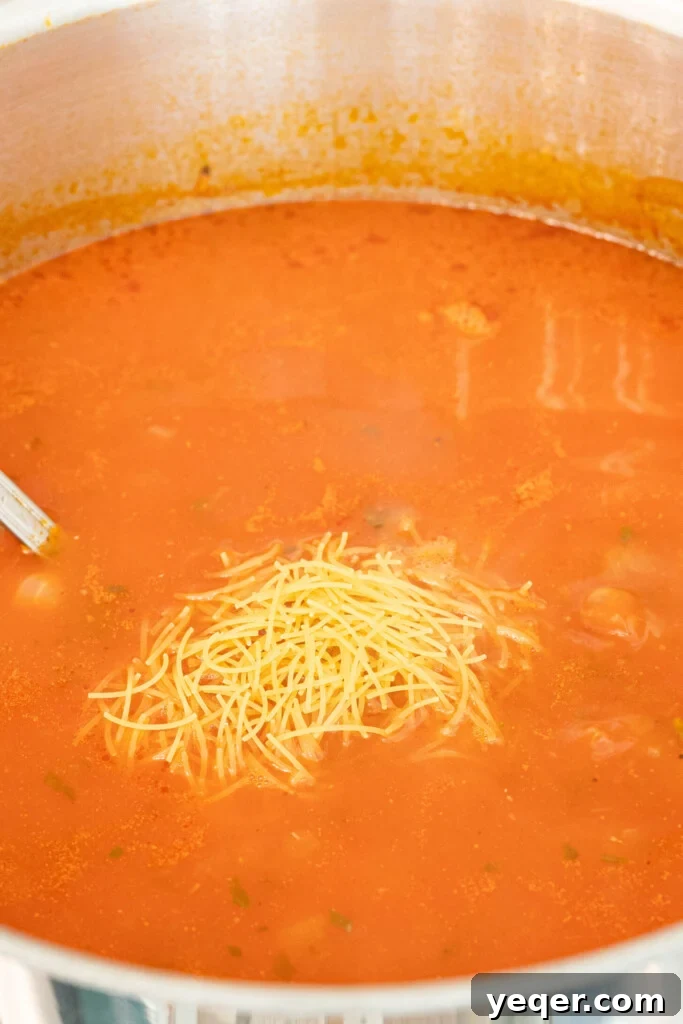
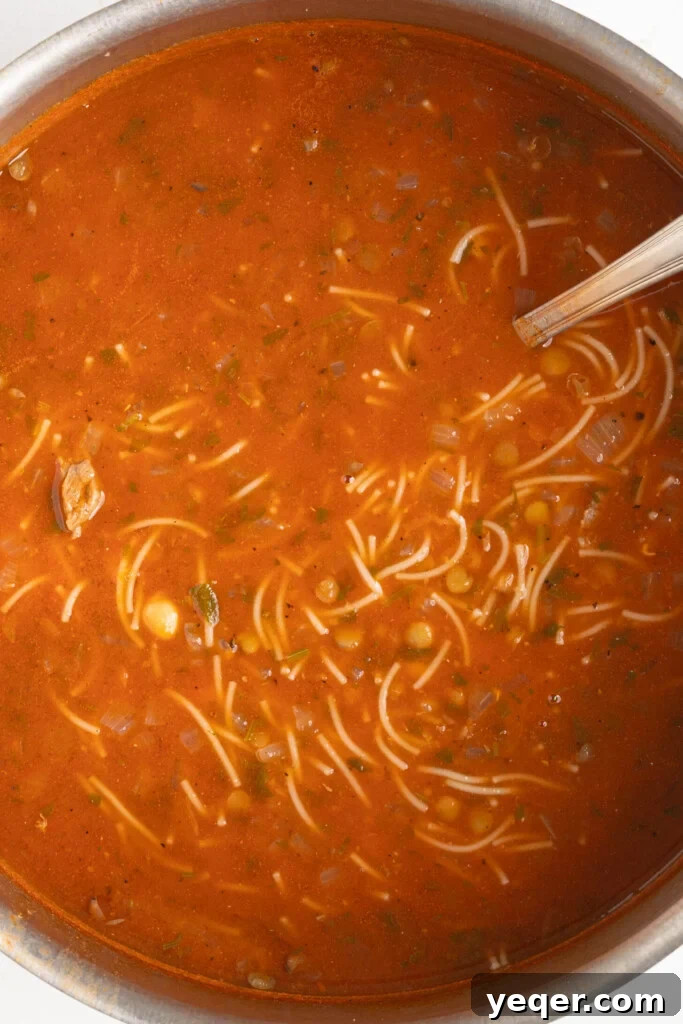
- Finally, add the noodles (or rice), strained cooked lentils, and the remaining fresh cilantro & parsley to the soup. Cook until the noodles (or rice) are done. Serve immediately with a sprinkle of fresh cilantro and enjoy!
Notes
To make this soup vegan/vegetarian, simply omit the meat entirely. You can add extra vegetables like carrots or celery for added flavor and texture. Ensure to use vegetable broth instead of water if you wish to enhance the savory notes.