
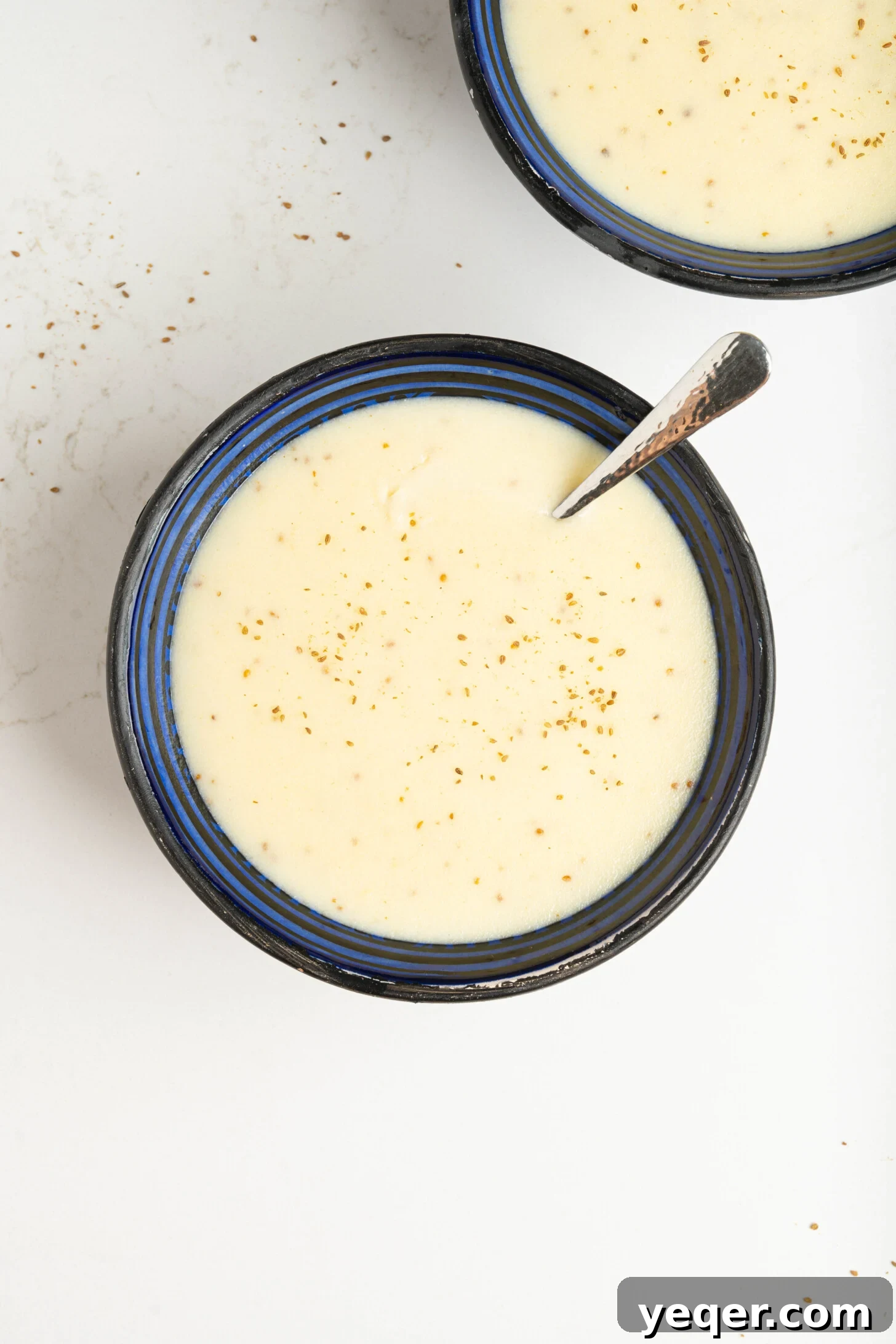
This Moroccan semolina soup, traditionally known as Hssoua, holds a deeply personal and cherished place in my memories. It’s a treasured recipe my father lovingly prepared for us whenever we needed a comforting embrace, especially when feeling under the weather. This uniquely smooth and creamy, porridge-like soup is crafted from simple, wholesome ingredients: fine semolina flour, aromatic ground anise seeds, and nourishing milk. More than just a warm meal, it’s a bowl of warmth, healing, and profound paternal love, a true taste of Moroccan home comfort.
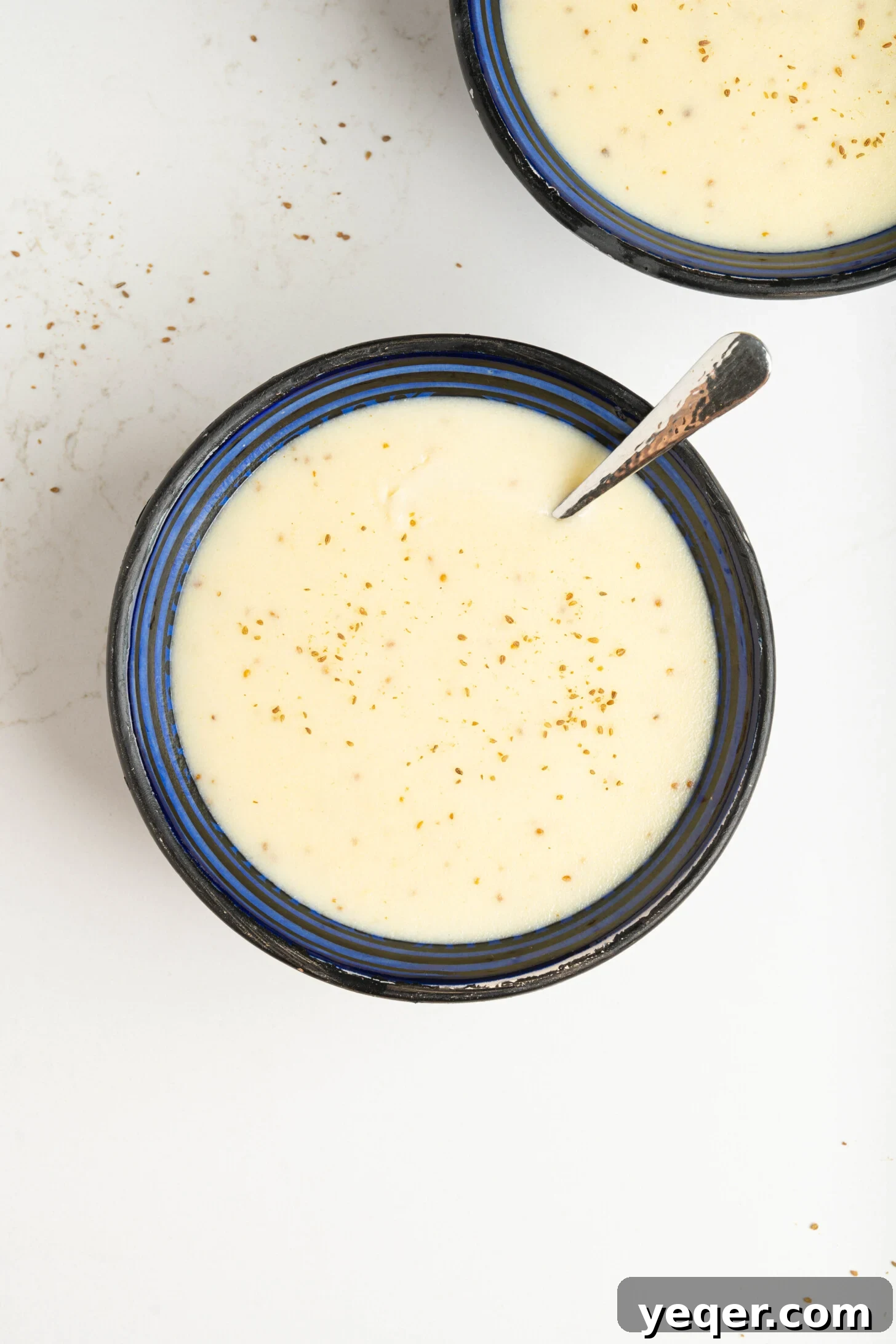
The Essence of Moroccan Comfort: Hssoua’s Story
Many of my most cherished memories with my father unfolded in the heart of the home – the kitchen. Whether it was in our bustling childhood home or the tranquil setting of my grandmother’s house in Morocco, the kitchen was always a place of culinary magic and bonding. This Moroccan semolina soup, or Hssoua, is intrinsically linked to my Baba (father), making it impossible to share its recipe without celebrating his memory and the unconditional love he poured into every spoonful.
He would always prepare this soup for breakfast whenever anyone in the family was feeling unwell, grappling with jet lag, or simply needing a gentle restorative meal. While our family primarily savored this soup as a soothing cold remedy and a heartfelt gesture of care, Hssoua is a versatile staple in Moroccan cuisine. It’s commonly served as a light and nourishing first course for dinner, or as a beloved component of Iftar during Ramadan, much like the iconic Harira soup. Its mild flavor and creamy texture make it an ideal dish to break the fast gently.
This incredibly comforting dish is surprisingly easy to prepare, requiring only a handful of readily available ingredients and straightforward steps. There’s an undeniable, almost magical quality about a warm bowl of this semolina porridge that truly feels like medicine for both the body and soul. Its gentle warmth and subtle sweetness, imparted by the distinctive ground anise seeds, create a complex flavor profile that perfectly complements the starchy semolina and creamy milk, resulting in a uniquely satisfying and soothing experience. It’s more than just food; it’s a hug in a bowl, a tradition passed down through generations, embodying the warmth and hospitality of Moroccan culture.
If you’re looking to explore traditional Moroccan breakfast options when you’re not feeling under the weather, I highly recommend trying these delightful yeasted pancakes (Baghrir), perfectly paired with a fragrant cup of authentic Moroccan mint tea!
What is Hssoua? A Deeper Dive into Morocco’s Comfort Soup
Hssoua, pronounced “h-soo-ah,” is a foundational dish in Moroccan culinary tradition, cherished for its simplicity, nourishing properties, and profound comforting warmth. At its heart, it’s a creamy, wholesome semolina porridge, often enjoyed as a foundational breakfast, a light supper, or a restorative meal. Unlike many of the more elaborate and spice-laden Moroccan tagines or stews, Hssoua celebrates the pure, subtle flavors of its core ingredients, allowing their natural qualities to shine.
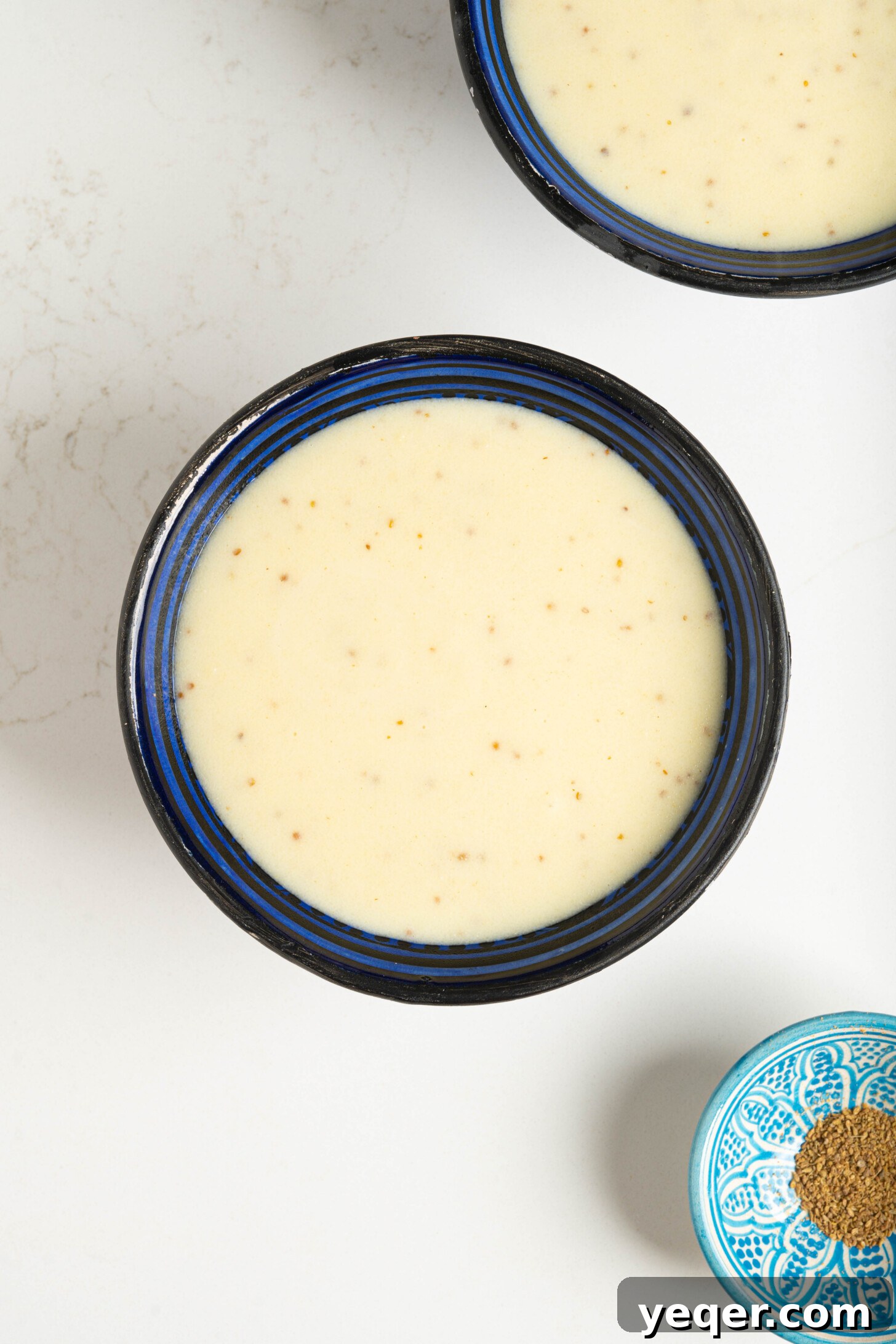
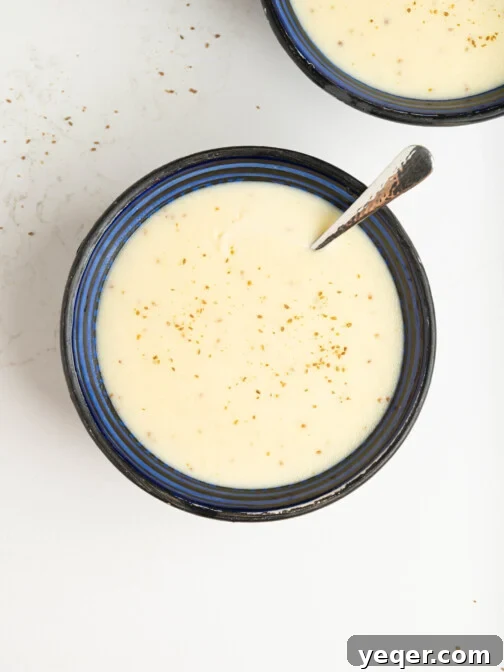
The defining characteristic of Hssoua is its texture – a velvety smoothness achieved through careful cooking and diligent whisking. It should be lump-free, thick enough to be substantial yet pourable, resembling a light custard or a very fine grits. This delicate texture makes it incredibly easy to digest, which is why it’s often prescribed by Moroccan mothers and grandmothers for anyone feeling unwell. It’s not merely a dish; it’s a cultural embrace, a symbol of care and hospitality, and a testament to the power of simple, honest ingredients transformed into something truly extraordinary and healing.
Why Hssoua is the Ultimate Comfort Food and Cold Remedy
There’s a profound reason why Hssoua has been passed down through countless generations as a go-to remedy for various ailments, ranging from common colds and flu symptoms to digestive discomfort and general fatigue. Its carefully selected ingredients offer a synergistic blend that gently nourishes and soothes the body:
- Semolina Flour: As a fine granular product milled from durum wheat, semolina is remarkably easy to digest. It provides a readily available source of sustained energy without burdening the digestive system, which is particularly beneficial when the body is trying to recover. Its mild, slightly nutty flavor forms the perfect neutral base for a restorative soup.
- Milk: Whether whole or low-fat, milk enriches the soup with a creamy, luxurious texture and contributes essential nutrients like calcium, protein, and vitamins. These are crucial building blocks for recovery and maintaining strength during periods of illness. The warmth of the milk also has a calming effect.
- Ground Anise Seeds: This is arguably the most distinctive and therapeutic ingredient in Hssoua. Anise is renowned for its unique sweet, liquorice-like flavor and its potent aromatic properties. Beyond its delightful taste, anise has been a staple in traditional herbal medicine for centuries. It’s highly valued for its carminative properties, which help to soothe an upset stomach, alleviate bloating, and ease indigestion. Furthermore, it acts as a mild expectorant, helping to clear congested airways, making it an excellent natural remedy for coughs and colds.
- The Power of Warmth and Hydration: A warm liquid meal is inherently comforting. It helps to hydrate the body, which is vital when fighting off illness, and it soothes a sore throat, providing immediate relief. The overall experience of a warm bowl of Hssoua provides a deep sense of well-being, which is a powerful component of the healing process.
When combined, these simple yet powerful ingredients create a truly synergistic effect, making Hssoua not just delicious, but also a profoundly therapeutic and soul-warming dish that stands the test of time.
Ingredients for Your Authentic Moroccan Semolina Soup
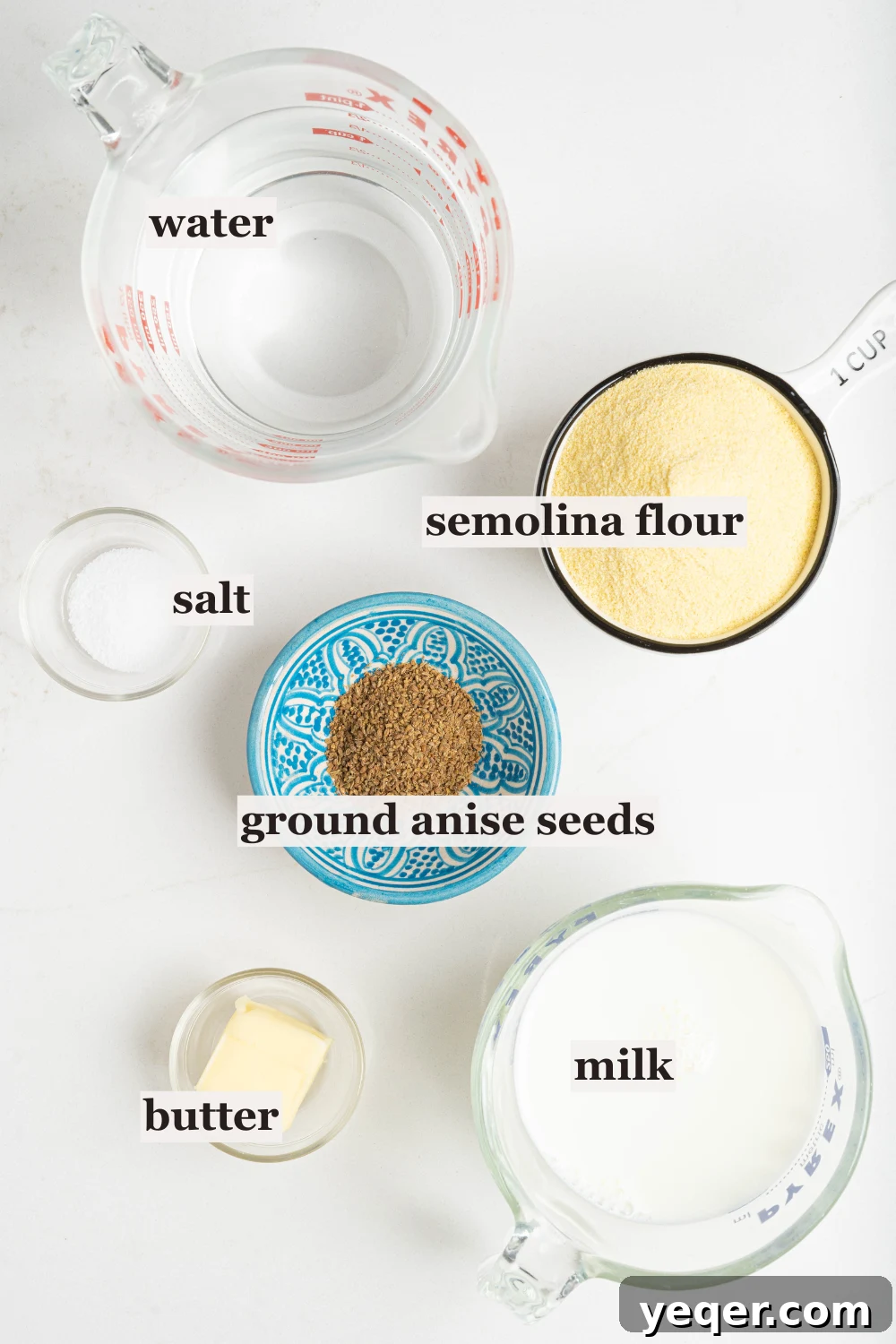
Crafting this soulful and comforting soup requires only a few humble ingredients, each playing a vital role in creating its unique flavor and irresistible creamy texture. You’ll find the complete ingredient list with precise quantities in the recipe card below, but here’s a quick overview of what you’ll need to gather:
- Fresh, filtered water
- High-quality ground anise seeds, which are the aromatic heart of this dish.
- A pinch of salt, essential for balancing and enhancing all the flavors.
- A knob of unsalted butter or a drizzle of good quality olive oil for added richness and a silky mouthfeel.
- Fine semolina flour, the cornerstone for the soup’s signature porridge-like consistency.
- Creamy milk, which contributes to the luxurious smoothness and adds nutritional value.
Using fresh, quality ingredients will undoubtedly elevate your Hssoua from merely good to truly exceptional, allowing the natural flavors to shine through beautifully.
Step by Step Instructions: How to Master Creamy Hssoua
Follow these straightforward steps to recreate this beloved Moroccan comfort soup in your own kitchen. The secret to its signature smooth, lump-free texture lies in patience and consistent whisking throughout the cooking process. Pay close attention to these details for a perfect Hssoua every time.
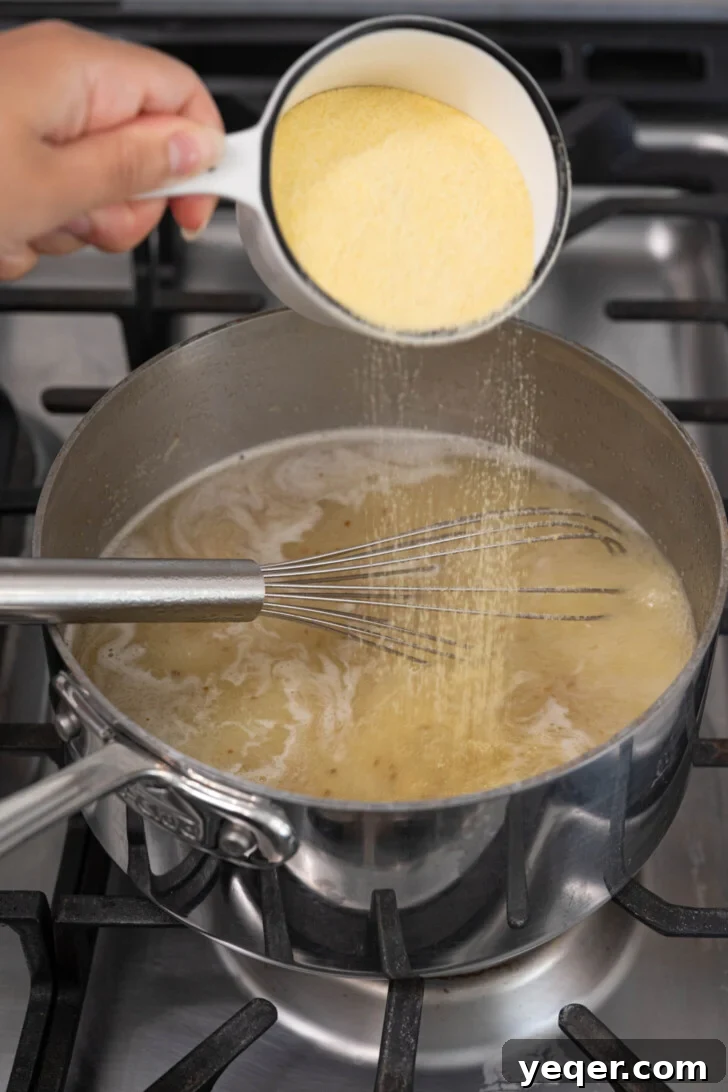
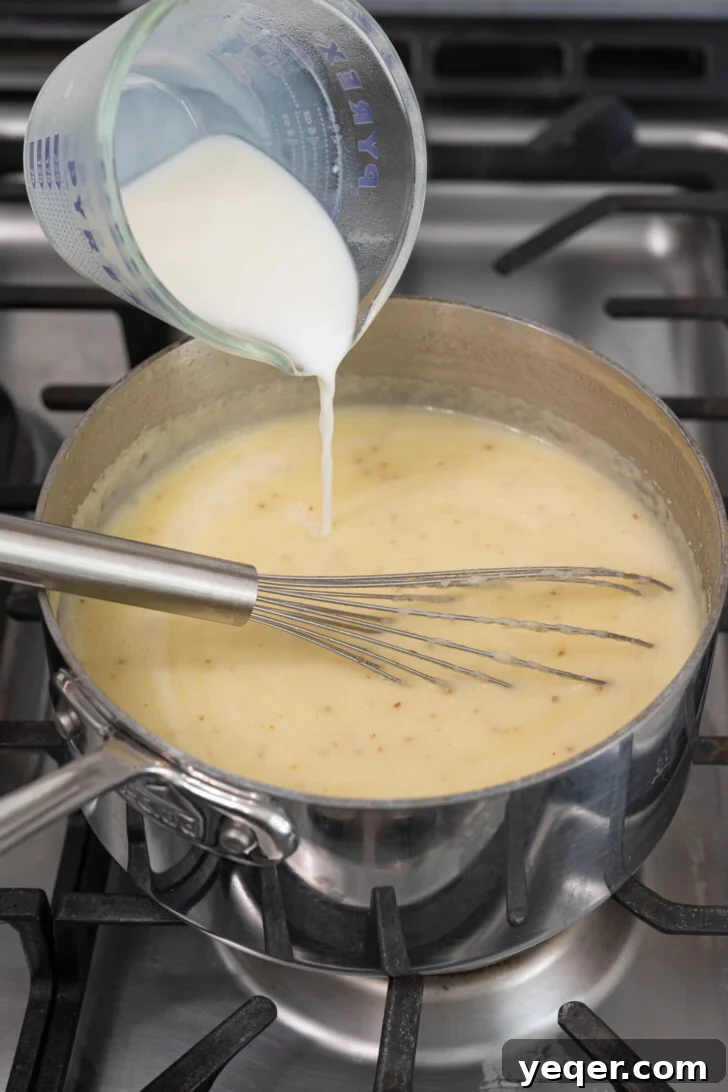
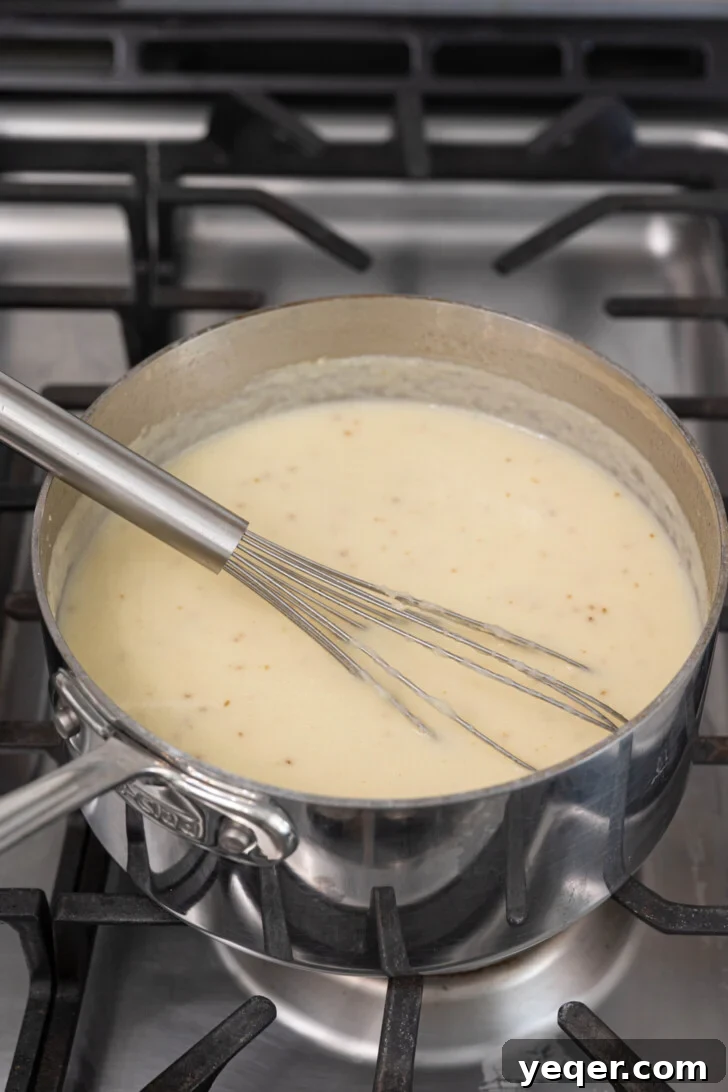
Chef’s Tip: The ultimate secret to achieving that irresistibly creamy and profoundly smooth texture for your Moroccan semolina soup is relentless and continuous whisking! Seriously, just keep whisking! Don’t shy away from this step – consider it your invigorating arm workout for the day. This dedication is the absolute key to Hssoua perfection and will yield a result free of any undesirable lumps.
Serving Suggestions: What to Eat With Moroccan Semolina Soup
While Hssoua is a wonderfully satisfying and wholesome dish on its own, especially as a comforting remedy, it also pairs beautifully with a variety of accompaniments, enhancing the overall Moroccan culinary experience. As I mentioned earlier, my family primarily served this soup when someone was feeling unwell, enjoying it first thing in the morning as a nourishing and gentle breakfast to start the day right.
- The Classic Moroccan Breakfast Pairing: A warm glass of freshly brewed, sweet Moroccan mint tea is the quintessential complement to Hssoua. Its invigorating freshness and subtle sweetness offer a delightful contrast to the soup’s richness. Alongside, fresh fruits such as plump dates, juicy figs, or seasonal berries make excellent additions, providing natural sweetness, essential vitamins, and a burst of freshness. Don’t forget some crusty bread (khobz) for dipping!
- A Light and Nourishing Dinner Course: In many Moroccan households, Hssoua can also be elegantly served as a light starter for dinner, especially on cooler evenings. Its mild profile prepares the palate for subsequent dishes. Pair it with some freshly baked Moroccan bread for scooping up every last drop, or follow it with a lighter main course to complete a balanced meal.
- Ramadan Iftar Essential: During the holy month of Ramadan, Hssoua makes a fantastic and deeply appreciated addition to the Iftar (breaking fast) table. Its gentle nature allows for a smooth transition after a day of fasting, providing immediate energy, comforting warmth, and much-needed hydration before more substantial meals are consumed. It’s a gentle yet satisfying way to ease back into eating.
Tips for Achieving the Perfect Creamy Texture
The hallmark of an truly excellent Moroccan semolina soup is its incredibly smooth, lump-free, and velvety consistency. Achieving this perfect texture is simpler than you might think, but it primarily hinges on consistent attention to a few key techniques:
- The Golden Rule: Consistent Whisking: As emphasized throughout this guide, constant and vigorous whisking is absolutely vital. When you begin to gradually add the semolina flour to the boiling liquid, you must be whisking vigorously and continuously. This active motion prevents the semolina grains from clumping together and ensures that each grain is evenly hydrated and cooked, leading to a perfectly homogenous, creamy soup. Do not stop whisking not only during the initial semolina addition but also while it simmers for 10 minutes, and again after adding the milk for another 5 minutes. This dedication to continuous whisking pays off immensely in the final, unblemished result.
- Maintain Low Heat After Initial Boil: After the water reaches a rolling boil, it is crucial to immediately reduce the heat to low before you begin adding the semolina. Cooking the semolina gently allows it to plump up slowly and soften without sticking to the bottom of the pot, burning, or cooking too quickly on the outside while remaining raw and hard on the inside. Gentle heat ensures even cooking and a tender texture.
- Use Quality Fine Semolina: While there are different grades of semolina, fine semolina is generally preferred for Hssoua for its ability to create that signature smooth, delicate texture. Ensure your semolina is fresh; older semolina might not absorb liquids as efficiently, which can negatively impact the final texture and consistency of your soup.
- Patience is a Virtue: Don’t rush the cooking process. The simmering times specified in the recipe are important for the semolina to fully cook, absorb the liquids, and release its natural starches. These starches are what contribute to the soup’s natural thickness and its characteristic smooth, satisfying mouthfeel. A rushed soup will often be grainy or not fully developed in flavor.
Embrace the rhythm of whisking – consider it your meditative kitchen moment, a small effort that will be generously rewarded with a bowl of perfectly smooth, comforting Hssoua every single time!
Variations and Customizations for Your Hssoua
While the classic Hssoua recipe is undeniably delightful and cherished, there are several wonderful ways to adapt it to your personal preferences, dietary needs, or simply to add a subtle twist to this traditional Moroccan favorite:
- Spice it Up (or Down): If you are particularly fond of the distinctive, aromatic flavor of anise, you can certainly add a little more than the recommended amount to intensify its presence. For those who enjoy a subtle complexity, a tiny pinch of cinnamon or even a whisper of ground ginger can introduce extra warmth and an intriguing aromatic layer. However, traditionally, Hssoua tends to keep its spice profile focused predominantly on anise to highlight its unique flavor.
- Adjusting Sweetness Level: My father’s traditional recipe yields a soup that is gently sweet, primarily deriving its sweetness from the natural flavors of the anise. However, if you prefer your Hssoua a bit sweeter, you can easily incorporate a touch of local honey, maple syrup, or a small amount of sugar to taste. This adjustment can make the soup particularly appealing if you are serving it as a dessert, a more indulgent breakfast treat, or simply cater to a sweeter palate.
- Dairy-Free and Vegan Options: For those who are avoiding dairy products or adhere to a vegan diet, Hssoua is surprisingly adaptable. You can effortlessly substitute traditional cow’s milk with your favorite plant-based milk. Almond milk, oat milk, or soy milk work exceptionally well, providing a similar creamy texture. It’s advisable to use unsweetened varieties of plant-based milk to maintain control over the overall sweetness of the soup. Additionally, use olive oil instead of butter to keep it completely vegan.
- Toppings Galore for Extra Flair: Beyond the traditional sprinkle of ground anise seeds, there are numerous delightful toppings you can consider. A handful of finely chopped dates can add a burst of natural sweetness and chewiness. Toasted almonds or walnuts can provide a wonderful textural contrast and a nutty flavor. A luxurious swirl of honey or argan oil (a traditional Moroccan oil with a nutty flavor) can add extra sweetness, richness, and a beautiful visual appeal, making each bowl a personalized treat.
These variations allow you to customize your Hssoua, making it your own while still honoring its comforting origins.
Reheating Leftovers and Storage Tips
While Moroccan semolina soup is undoubtedly at its best when enjoyed fresh and warm straight from the pot, any delicious leftovers can be stored and reheated with excellent results. It’s important to note that semolina tends to thicken considerably as it cools, transforming into a much denser consistency. Therefore, you’ll definitely need to adjust its liquidity when reheating.
- Storage Guidelines: To keep your Hssoua fresh, transfer any leftover soup into an airtight container. Store it promptly in the refrigerator, where it will remain fresh and delicious for up to 2-3 days.
- Reheating on the Stovetop (Recommended): For the best results, spoon the desired amount of chilled soup into a small saucepan or pot. This is the crucial part: add a splash of milk or water (approximately 1/4 to 1/2 cup per serving, or more depending on desired consistency) to help thin it out. Heat the soup gently over low to medium-low heat, stirring frequently with a whisk to break up any lumps and ensure even heating. Continue heating until it is thoroughly warmed through and has reached your preferred smooth, creamy consistency. Be careful not to boil it vigorously, as this can alter the texture.
- Reheating in the Microwave: If time is of the essence, you can reheat Hssoua in the microwave. Place the soup in a microwave-safe bowl. Again, add a splash of milk or water before heating. Microwave in short bursts, typically 30-second intervals, stirring thoroughly after each interval. This method helps to distribute the heat evenly and smooth out the soup, preventing it from drying out or becoming rubbery. Continue until the soup is hot and has achieved a pleasing consistency.
By following these reheating tips, you can enjoy the comforting warmth of your homemade Moroccan semolina soup even days after preparing it, making it a convenient and delicious option for busy days.
Frequently Asked Questions About Moroccan Semolina Soup
- Can I use coarse semolina for Hssoua instead of fine semolina?
- While fine semolina is traditionally and highly recommended for Hssoua due to its ability to create a silky-smooth, delicate texture, you can experiment with coarse semolina. However, be aware that using coarse semolina will result in a significantly thicker and grainier soup. It will also likely require a longer cooking time and potentially more liquid (milk or water) to achieve a palatable consistency. For the authentic, beloved Hssoua texture, fine semolina is always the superior choice.
- Is Moroccan Semolina Soup gluten-free?
- No, unfortunately, traditional Moroccan Semolina Soup (Hssoua) is not gluten-free. Semolina flour, its primary ingredient, is derived from durum wheat, which contains gluten. If you require a gluten-free option, you would need to explore alternative gluten-free fine grain flours, such as rice flour or cornmeal. However, keep in mind that these substitutions would significantly alter the authentic flavor, texture, and overall character of a traditional semolina soup.
- Can I make this soup vegan to accommodate dietary restrictions?
- Absolutely! Hssoua is wonderfully adaptable and can be easily made vegan. To do so, simply substitute cow’s milk with your favorite plant-based milk. Almond milk, oat milk, or soy milk are excellent choices and will provide a similar creamy texture. For the best flavor control, opt for unsweetened varieties of plant-based milk. Additionally, ensure you use olive oil instead of butter in the recipe to keep it entirely plant-based and vegan-friendly. The resulting soup will still be delicious and comforting, albeit with a slightly different flavor profile.
- What should I do if my Hssoua turns out too thick or too thin?
- Adjusting the consistency of your Hssoua is quite simple. If your soup is too thick for your liking, just whisk in a bit more warm milk or warm water, a tablespoon at a time, until it reaches your desired creamy consistency. If, conversely, your soup turns out too thin, you can return it to the stovetop and continue to simmer it gently over low heat, whisking constantly. This allows more liquid to evaporate and the semolina to thicken further. For a quicker fix if it’s very thin, you can also mix a small amount of semolina (about 1-2 teaspoons) with a little cold milk or water to form a smooth slurry, then whisk this slurry into the hot soup and simmer for a few more minutes until it thickens to perfection.
More Cozy Moroccan Soups to Explore
If you’ve thoroughly enjoyed the comforting embrace and unique flavors of this Moroccan semolina soup, you’re in for a treat with other hearty and flavorful Moroccan soups. Each offers a distinct taste of Morocco’s rich culinary heritage and is perfect for any season or occasion, offering warmth and satisfaction:
Bismillah,

Moroccan Semolina Soup (Baba’s Cold Remedy)
- Author: Salima Benkhalti
- Cook Time: 20 minutes
- Total Time: 20 minutes
- Yield: 2 servings
- Category: Soup
- Method: Stovetop
- Cuisine: Moroccan, North African
- Diet: Vegetarian
Description
This Moroccan semolina soup, lovingly known as Hssoua, is a cherished recipe – a comforting, smooth, and creamy porridge-like soup made with fine semolina flour, fragrant ground anise seeds, and nourishing milk. It’s my father’s special remedy, a true hug in a bowl whenever we felt under the weather.
Ingredients
- 5 cups water
- 2 tsp ground anise seeds
- 1/2 tsp salt
- 2 tbsp unsalted butter or olive oil
- 1 cup semolina flour
- 1 cup milk
Instructions
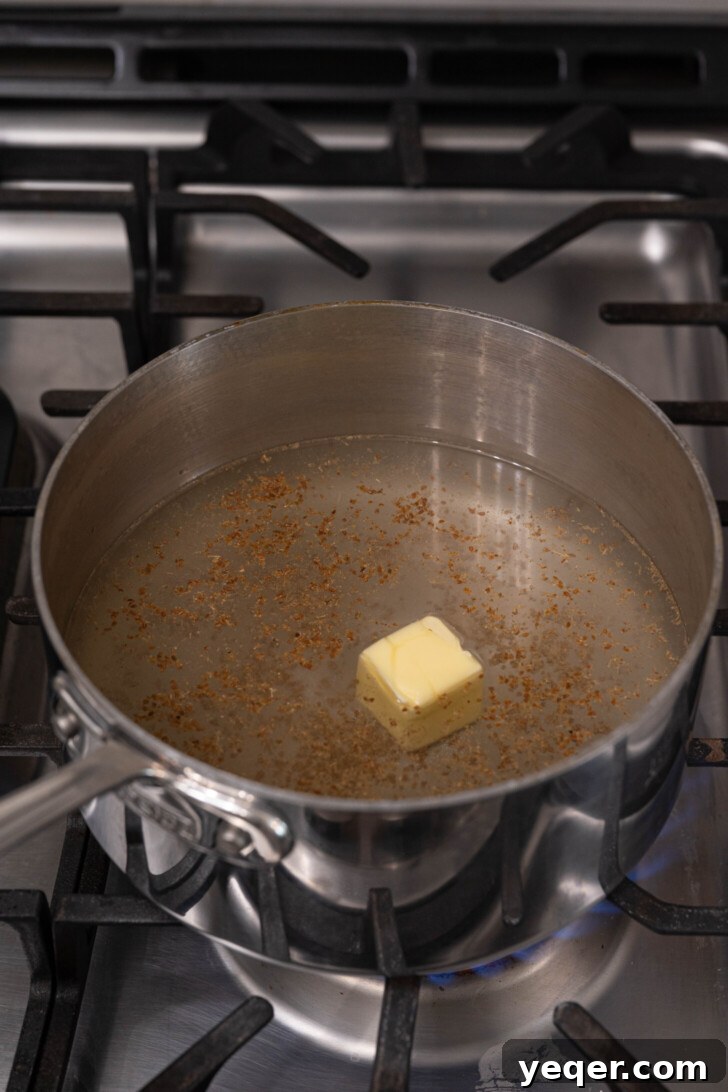
- Boil water, butter and spices. In a medium-sized pot, combine water, half of the ground anise, salt, and butter. Bring everything to a boil over medium-high heat.
- Stir in semolina. Lower the heat to low. Gradually add the semolina flour, whisking continuously to prevent lumps. Continue stirring gently while the mixture cooks for 10 minutes.
- Add milk. Whisk in all of the milk. Continue to cook and stir for another 5 minutes until the soup is creamy and smooth.
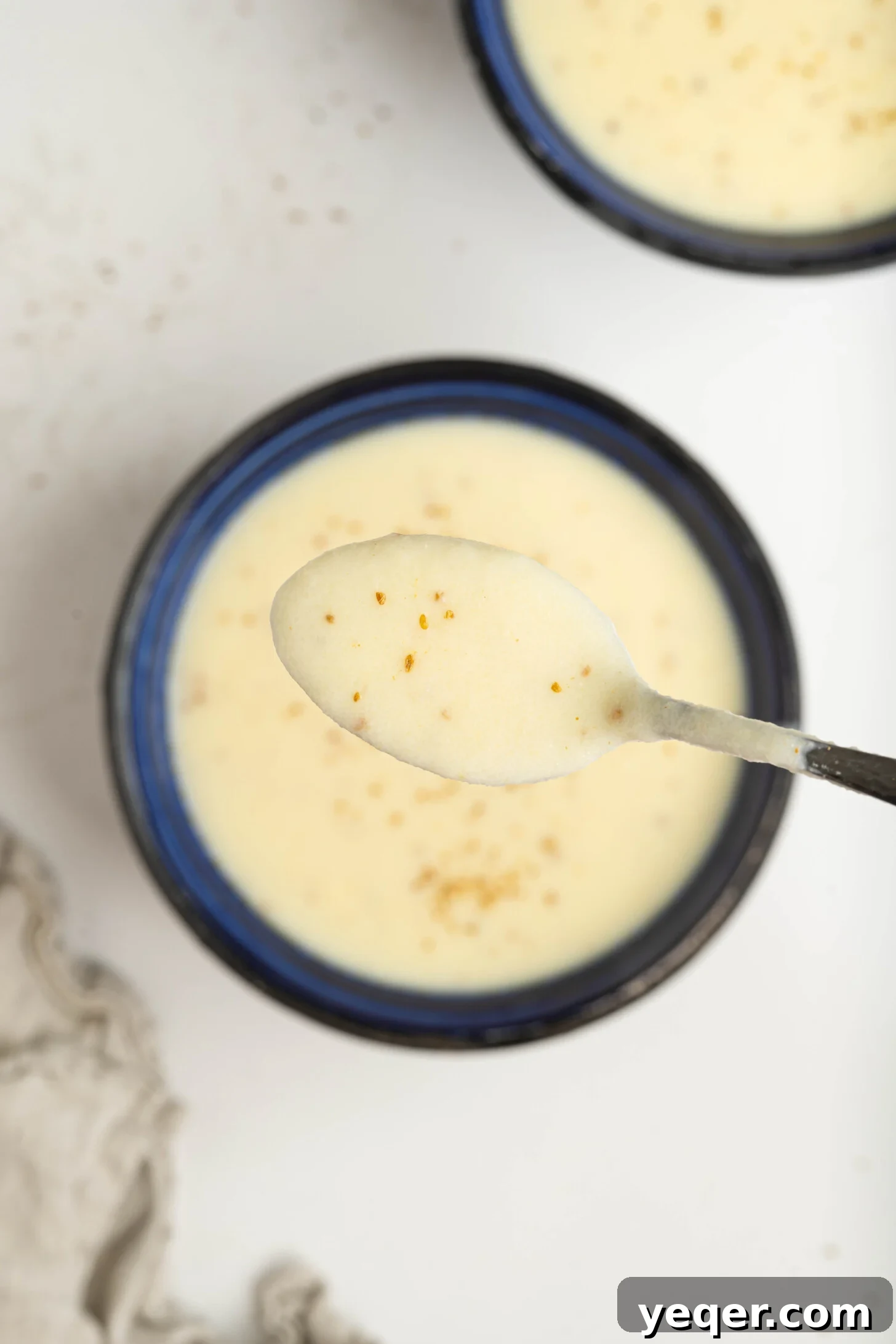
- Serve & enjoy. Ladle the warm soup into bowls. Top with a sprinkle of the remaining ground anise seeds and an optional drizzle of olive oil. Serve immediately.
Notes
- If using whole anise seeds, make sure to grind them finely using an electric spice grinder or a mortar and pestle before use for the best texture and flavor.